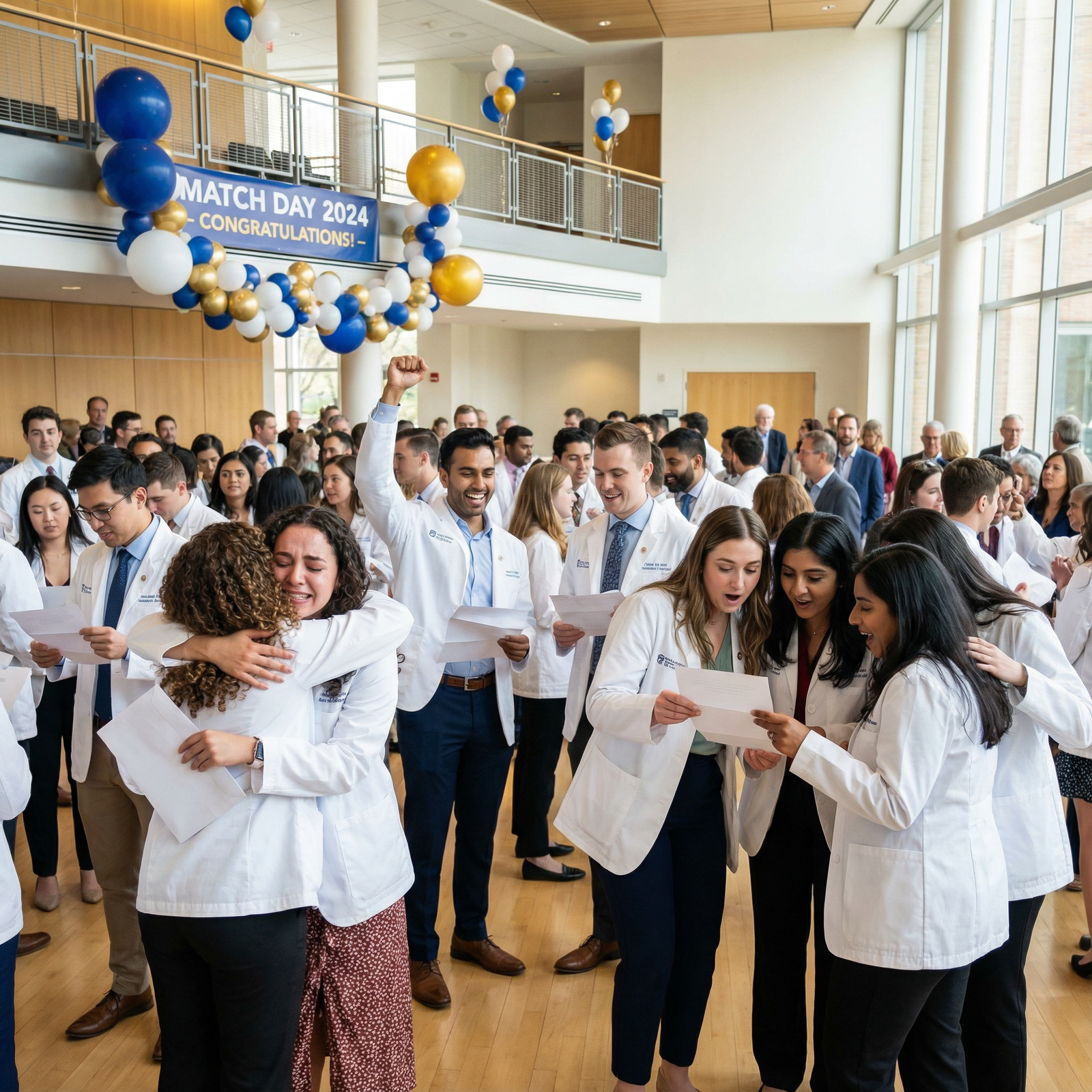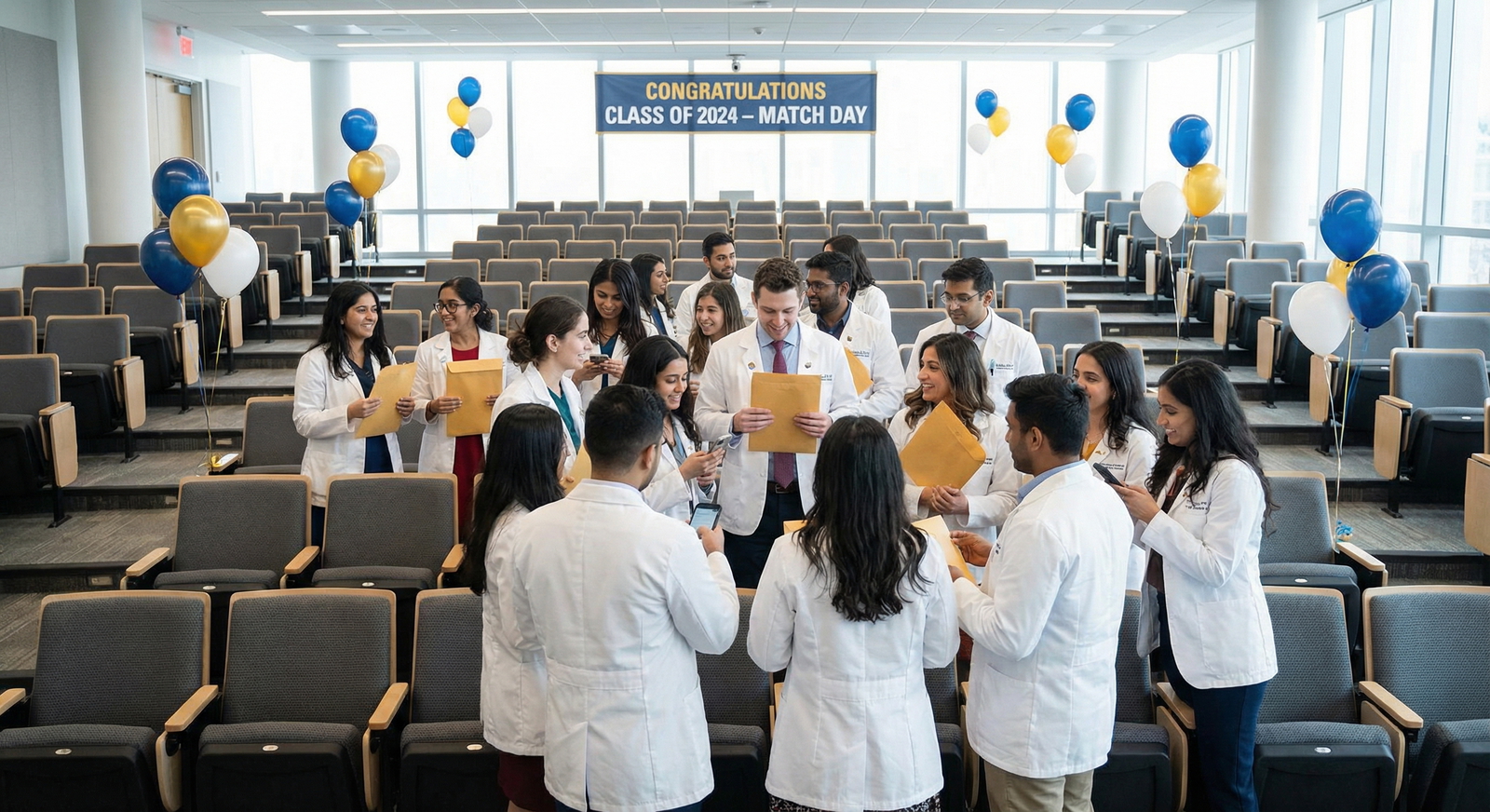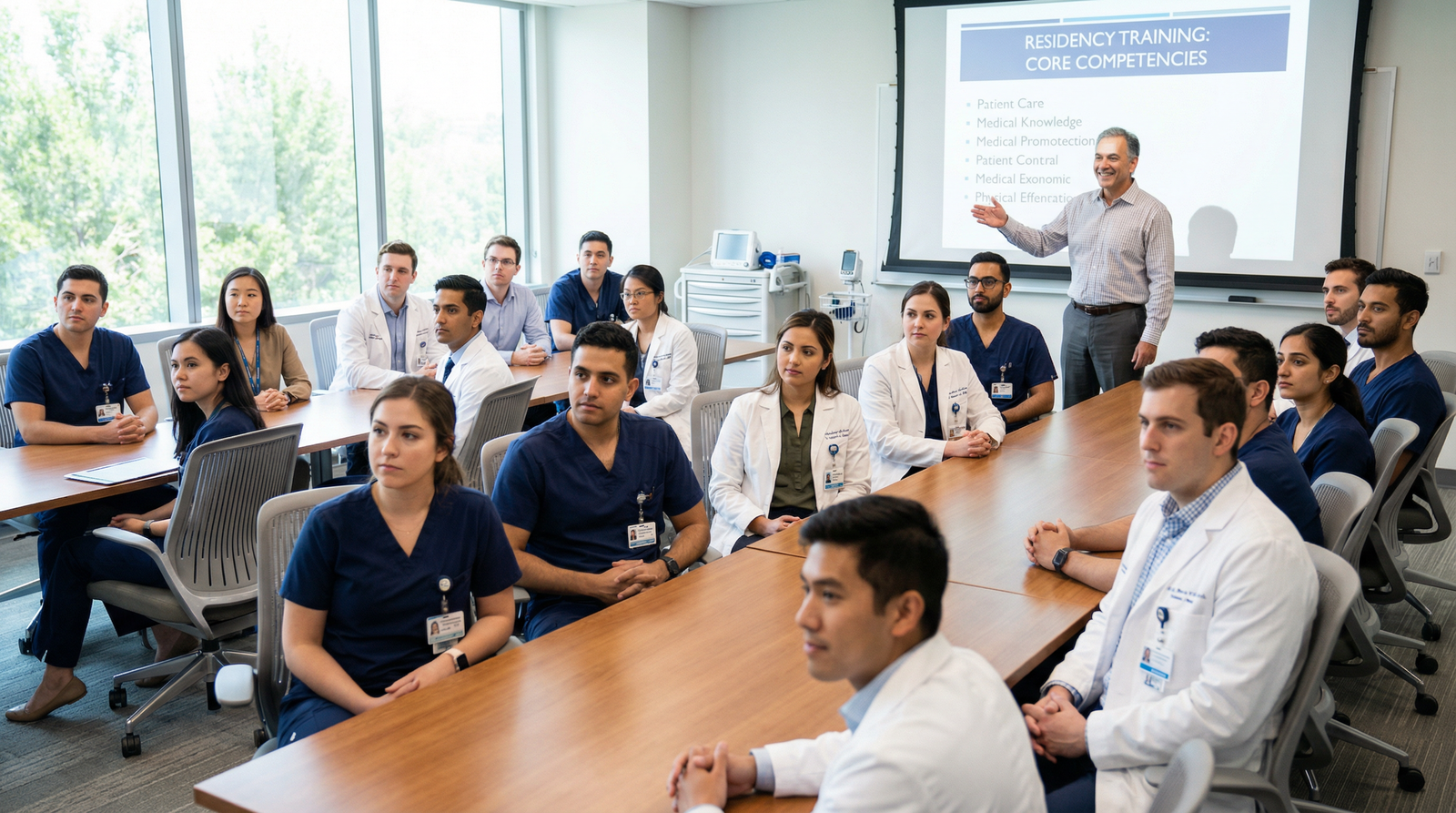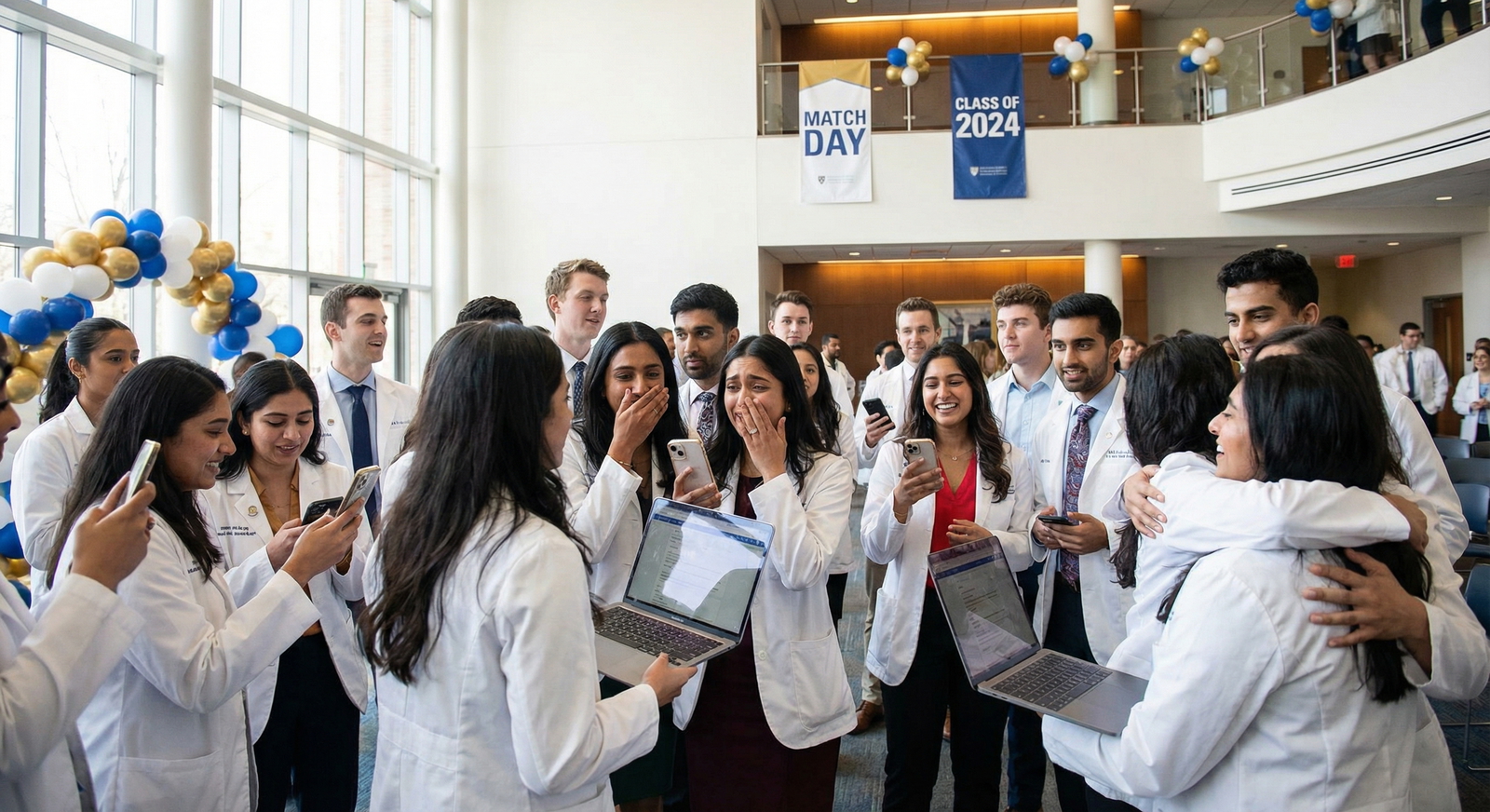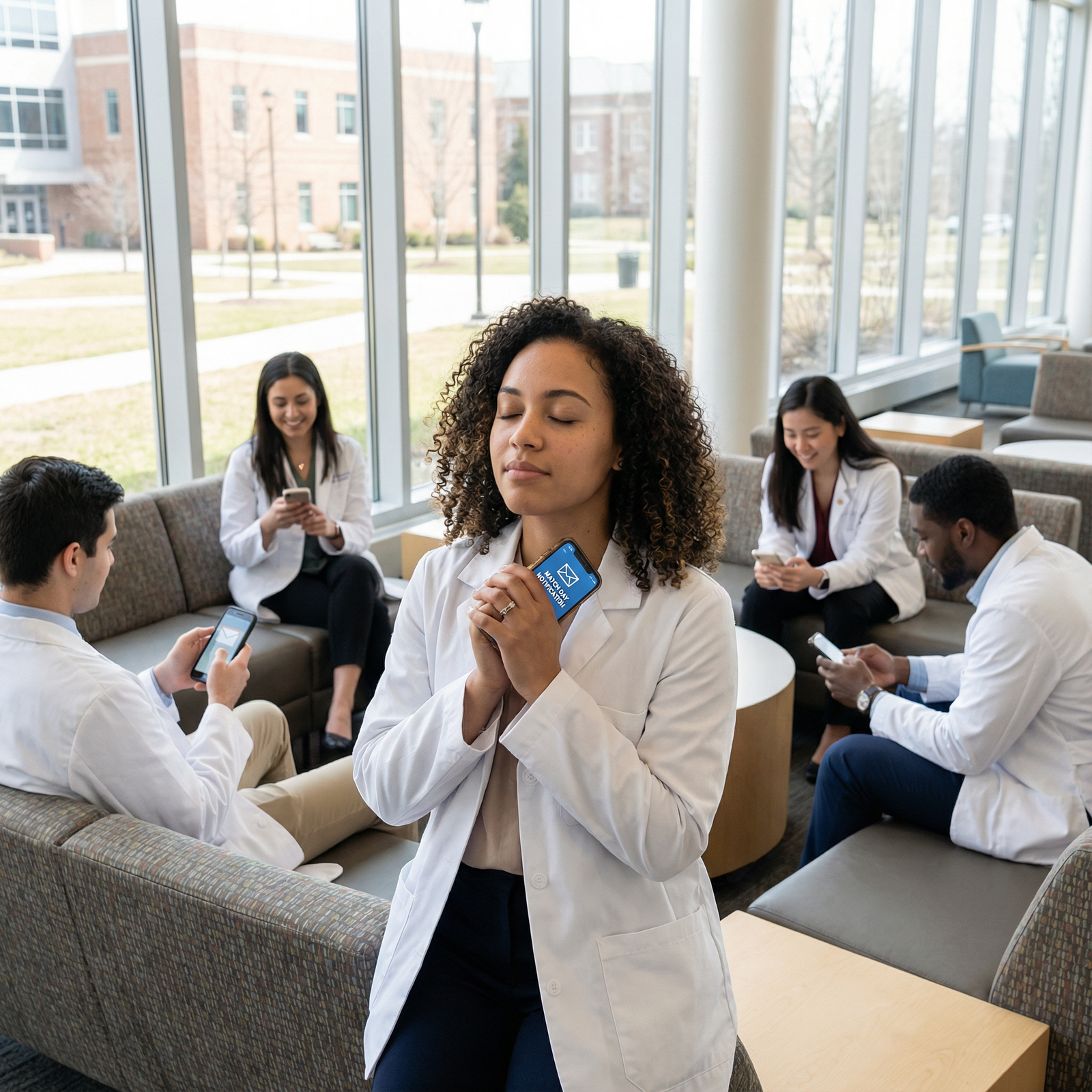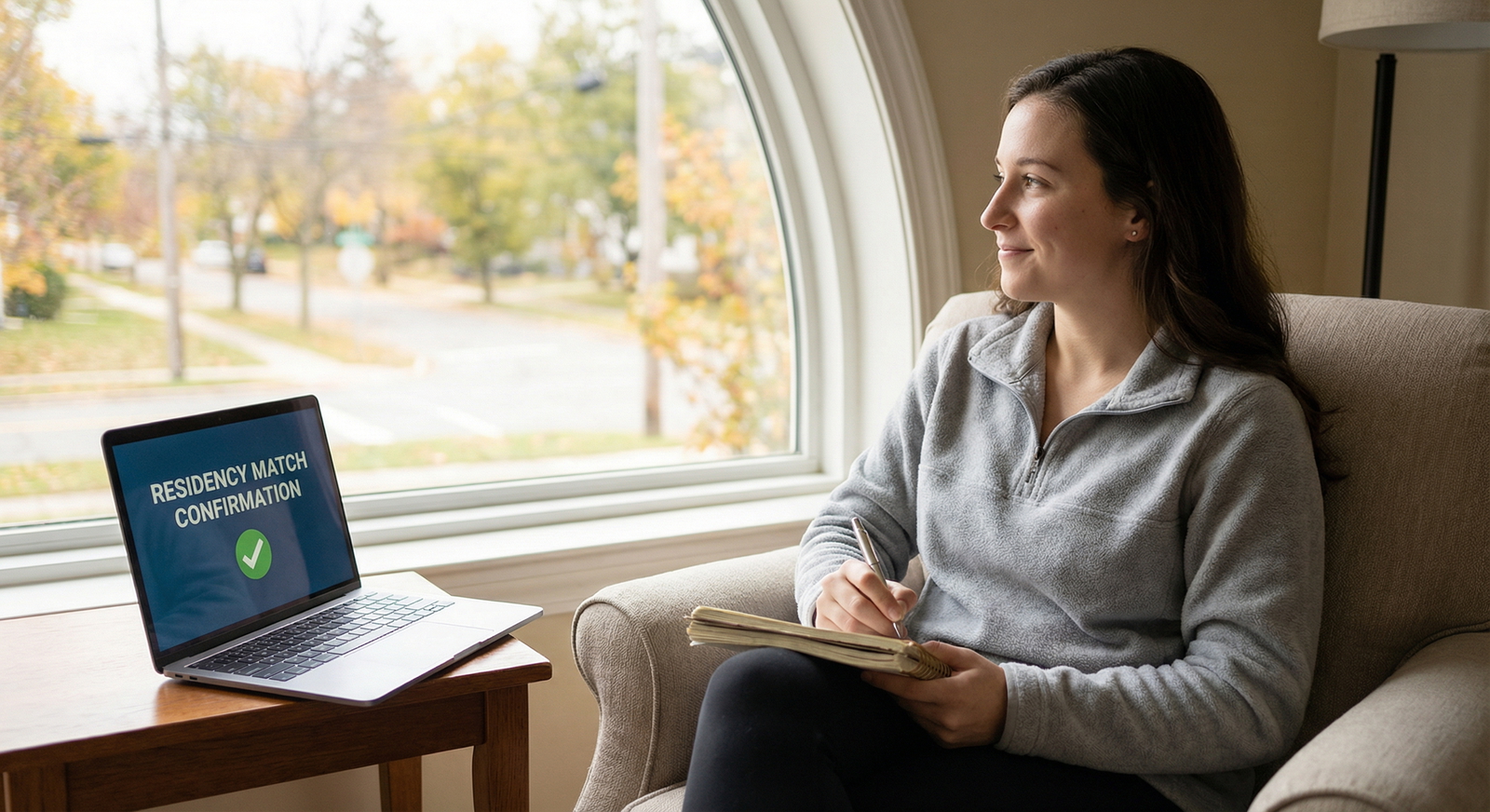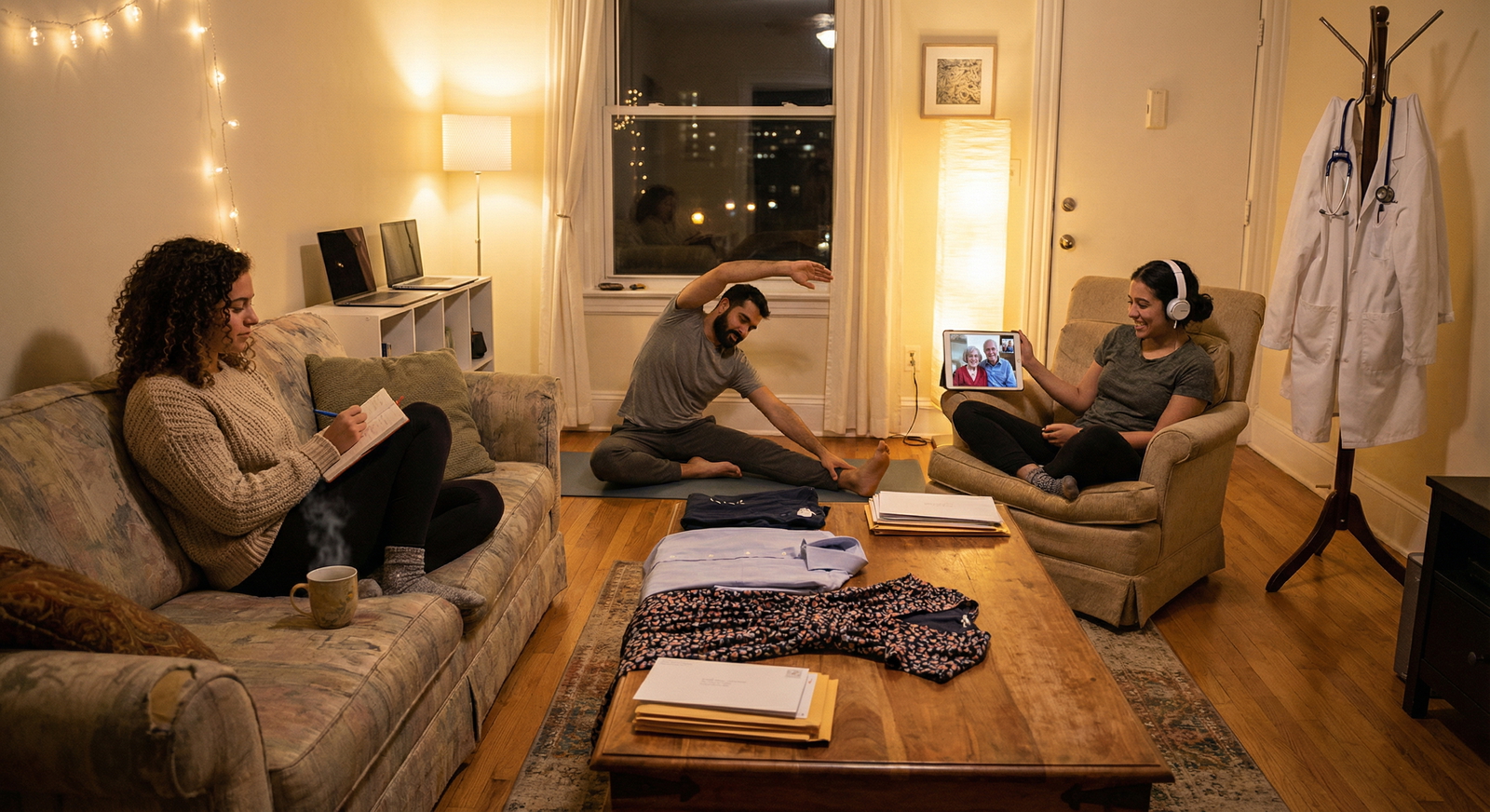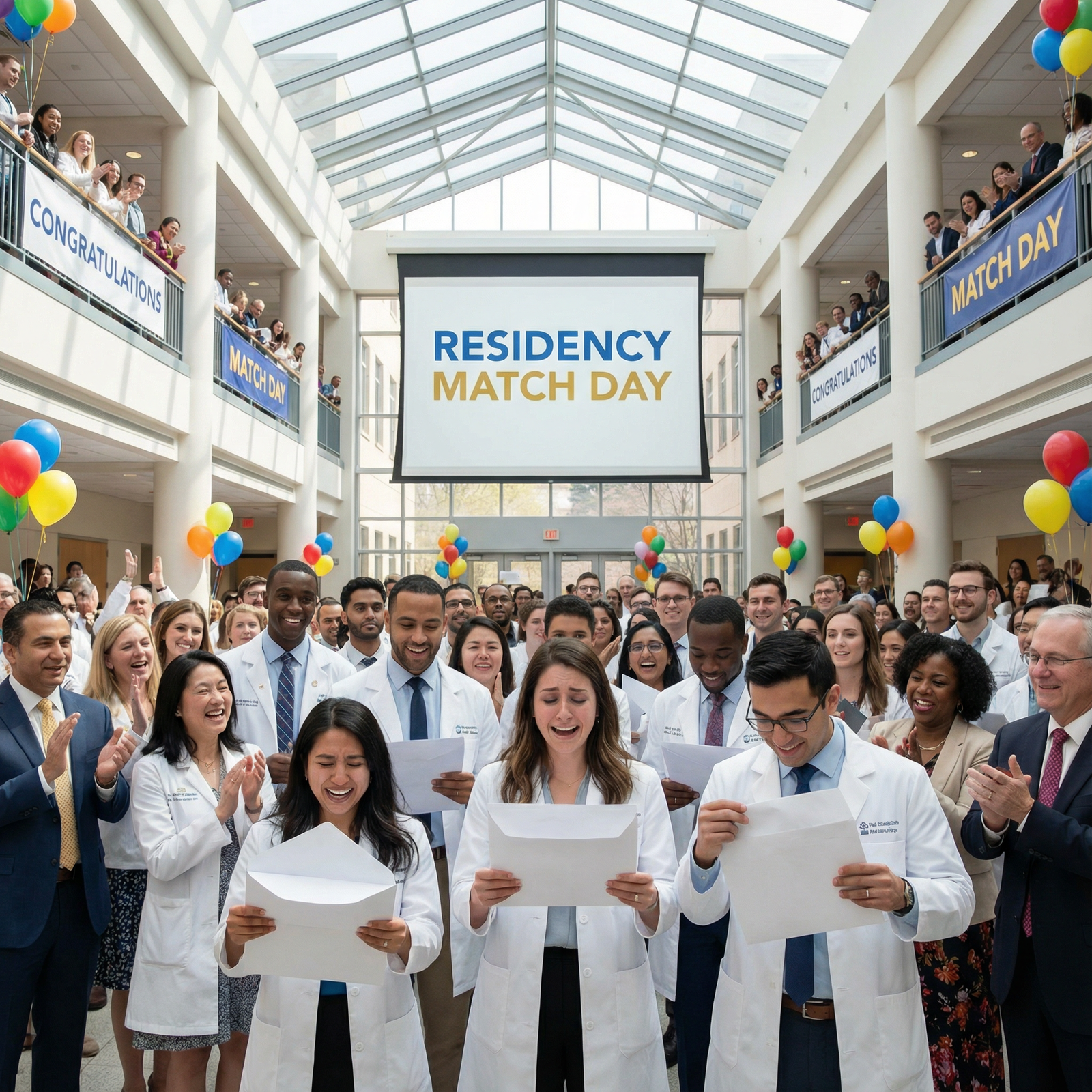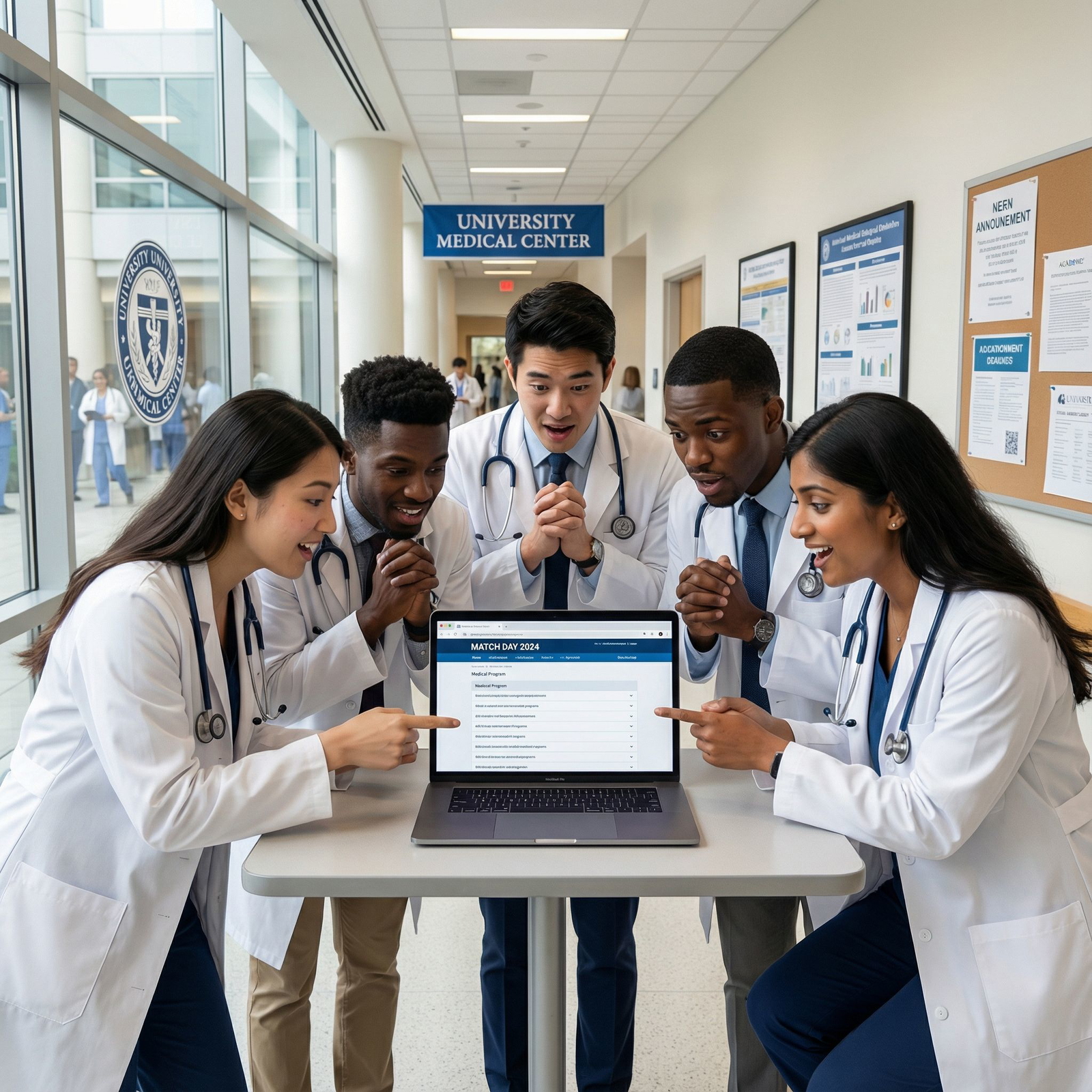
Entering the medical field is a demanding journey, and Match Day is one of its most defining milestones. For medical students, this day represents the culmination of years of exams, rotations, applications, and interviews. The excitement of learning where you will begin your medical residency is intense—but so is the uncertainty.
Thoughtful preparation can transform Match Day from a source of overwhelming anxiety into a structured, meaningful, and even enjoyable experience. Beyond simply waiting for an email at noon, you can approach Match Day with a clear plan, effective self-care practices, and contingency strategies that support both your well-being and your future career.
This guide expands on practical, evidence-informed preparation tips to help you navigate Match Day confidently, whether you are an MS4, an international medical graduate (IMG), or a reapplicant going through the process again.
Understanding the Residency Match Process and Timeline
Before focusing on Match Day itself, it helps to understand how it fits into the broader residency match and applications process. Knowing the steps and timeline can reduce uncertainty and help you mentally organize what’s happening and why it matters.
Key Components of the Match Process
Application Submission (ERAS)
Months before Match Day, you submit your residency applications through ERAS (Electronic Residency Application Service). Your application typically includes:- Medical school transcript and MSPE (Dean’s Letter)
- USMLE/COMLEX scores
- Personal statements tailored to each specialty (and sometimes each program)
- Letters of recommendation
- CV and experiences (research, leadership, volunteer work, work history)
Residency Interviews
After reviewing applications, programs invite selected candidates for interviews—often virtual but sometimes in-person.- You demonstrate your professionalism, communication, clinical reasoning, and “fit.”
- Programs assess whether your goals, skills, and values align with their training environment.
- You also evaluate programs for culture, support, location, and training quality.
Rank Order Lists (ROLs)
After interviews:- Applicants rank programs in order of genuine preference in the NRMP system.
- Programs rank applicants they are willing to train.
The guiding principle for you: rank in the order you’d most like to attend, not where you “think you’ll get in.”
The Match Algorithm (NRMP)
The National Resident Matching Program (NRMP) runs a computer algorithm that pairs applicants and programs based on their rank lists.- The algorithm is applicant-proposing, which generally favors applicants’ preferences when feasible.
- Once the algorithm completes, your outcome is set and remains confidential until Match Week.
Where Match Day Fits In
- Monday of Match Week: You find out whether you matched, but not where.
- Monday–Thursday (SOAP): If you did not match (or partially matched), you may participate in the Supplemental Offer and Acceptance Program (SOAP) to obtain unfilled positions.
- Friday (Match Day): At a precise local time (often 12:00 PM ET for NRMP), you learn where you matched. Many schools hold ceremonies; others encourage small-group or virtual celebrations.
Understanding this sequence makes it clear: Match Day is important, but it is the endpoint of a long, structured process—not a random event. You’ve already done most of the work.
Strategic Preparation Tips for a Productive, Low-Stress Match Day
Being deliberate in how you approach Match Day will help you manage emotions and stay grounded. Instead of passively waiting for an email, treat it like a key professional milestone that deserves intentional planning.
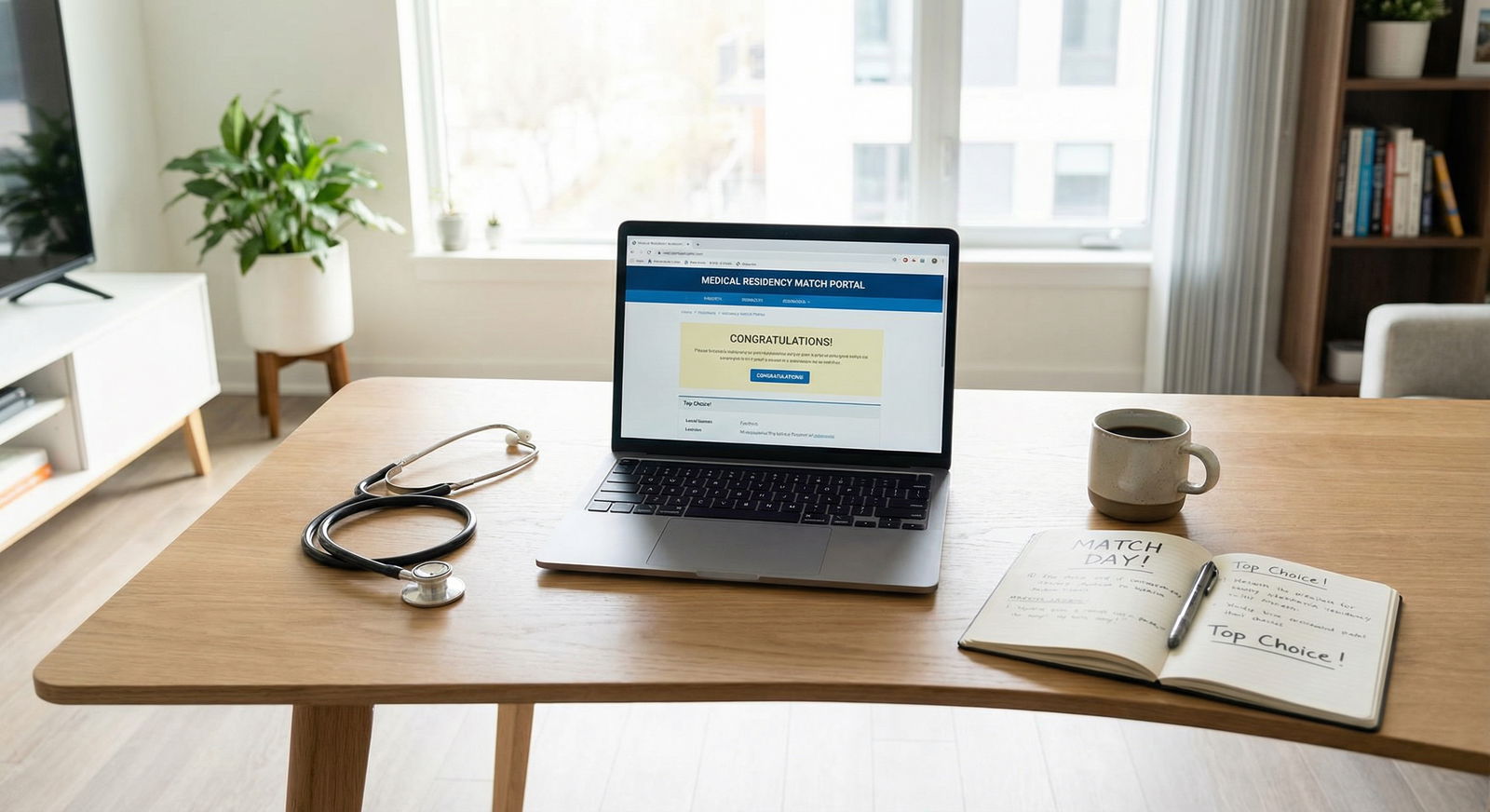
1. Create a Personalized Match Day Schedule
A structured schedule provides predictability and reduces decision fatigue on an already emotional day. You can build your schedule around the timing of your results release and any school event or ceremony.
Example Match Day Schedule (Adjust Times as Needed)
- 7:00–8:00 AM – Wake up, light breakfast, no phone for first 30 minutes
- 8:00–9:00 AM – Short walk or light exercise, grounding breathing exercises
- 9:00–10:30 AM – Shower, get dressed (casual or semi-formal if attending a ceremony), quick check of email and NRMP login
- 10:30–11:30 AM – Connect with classmates or family (in person or via video), avoid doom-scrolling
- 11:45 AM – Be in your chosen location (with support, if desired) to open your results
- 12:00 PM – Open Match results
- Afternoon – Calls to family, mentors, advisors; attend ceremonies or gatherings
- Evening – Planned celebration or quiet reflection, depending on your preference
Adapt this schedule to your personality:
- If you’re highly anxious, build in more structure and calming activities.
- If you’re more laid-back, keep it simple but still intentional.
2. Arrange a Calm, Functional Space
Your environment will shape your emotional experience. Whether you’re at home, on campus, or at a Match Day ceremony, create a physical space that feels safe and organized.
Set Up Your Space:
- Declutter your immediate area: remove piles of papers, laundry, or visual distractions.
- Prepare your tech: laptop or phone fully charged, charger nearby, backup device available.
- Have essentials within reach: water bottle, tissue box, notepad, and pen.
- Choose your opening location:
- Some students prefer to open results privately and then join friends later.
- Others want to open simultaneously with classmates or family.
Decide in advance—it will reduce last-minute pressure.
3. Communicate Intentionally with Your Support Network
Your “support network” on Match Day is more than just friends and family—it includes mentors, advisors, and peers who truly understand the residency application process.
Before Match Day:
- Give people a heads-up:
- Let close family and friends know when you’ll receive results and whether you want live calls, texts, or some quiet time first.
- Example: “I get my residency Match Day email Friday at noon. I’m going to open it with my partner and I’ll text you afterward.”
- Coordinate with classmates:
- Create group chats (WhatsApp, Signal, iMessage, etc.) for your med school friends or IMG cohort.
- Decide whether you’ll share screenshots, just programs, or only general outcomes.
Mentor Communication:
- The week of Match Day, send a brief message to mentors:
- “Thank you again for your support throughout this residency application cycle. I’ll be receiving my Match Day results on Friday and will follow up to share my outcome.”
- After you open your results, a quick update message can strengthen relationships and may help you secure future letters or fellowship support.
4. Practice Mindfulness and Emotional Regulation Skills
Match Day blends anticipation, excitement, fear, and relief. Mindfulness and grounding techniques won’t erase these emotions, but they make them more manageable and less overwhelming.
Simple 4–4–6 Breathing Exercise (Before and After Results)
- Sit comfortably, with or without eyes closed.
- Inhale through your nose for 4 counts.
- Hold your breath gently for 4 counts.
- Exhale slowly through your mouth for 6 counts.
- Repeat for 3–5 minutes.
Other quick strategies:
- 5-4-3-2-1 Grounding: Name 5 things you see, 4 you can touch, 3 you hear, 2 you smell, 1 you taste.
- Progressive Muscle Relaxation: Systematically tense and relax muscle groups from head to toe.
- Guided Meditations: Use apps like Headspace, Calm, or free YouTube meditations tailored to anxiety and uncertainty.
5. Stay Technically and Logistically Prepared
Technical issues can add unnecessary stress to Match Day. Address logistics early so you’re not troubleshooting at the last minute.
Technical Preparation Tips:
- Confirm login credentials for NRMP, email, or any institutional portal where results may be posted.
- Update contact info in NRMP and with your medical school to ensure you receive all official communication.
- Check internet reliability and have a Plan B (e.g., phone hotspot, library, or a friend’s place).
- Know the exact release time and time zone for your Match Day results.
If your school hosts a ceremony:
- Clarify whether results are emailed before, during, or after the event.
- Ask if you can open results privately if you prefer—and advocate for what you need emotionally.
6. Limit Overconsumption of Social Media and Speculation
In the days surrounding Match Day, social media can be both supportive and harmful. Seeing others’ outcomes—especially early success posts—can amplify anxiety or trigger comparison.
Healthy Social Media Boundaries:
- Decide in advance:
- Will you check social media before opening your own result?
- Will you post your outcome publicly, only to close friends, or not at all?
- Consider:
- Time-limiting apps: Set daily limits on Instagram, X, TikTok, and Facebook.
- Temporary mutes: Mute high-anxiety accounts, match speculation threads, or large forums until after Match Day.
- Intentional use: If you do engage, use it for support (positive group chats, encouragement) rather than comparison.
Prioritizing Self-Care Before, During, and After Match Day
The residency match is not only a professional milestone—it’s a major emotional event. Protecting your mental and physical health is one of the most important preparation tips for Match Day.
7. Build a Practical Self-Care Routine Around Match Week
Self-care does not need to be elaborate or time-consuming. Focus on a few essentials that reliably stabilize your mood and energy.
Core Self-Care Practices:
- Sleep: Aim for 7–9 hours the night before Match Day.
- Avoid starting new shows or long scrolling sessions that keep you up late.
- If your mind races, try a short meditation or journaling session before bed.
- Nutrition:
- Eat a balanced breakfast (protein + complex carbs) to avoid a midday energy crash.
- Stay hydrated throughout the morning.
- Movement:
- Take a 15–20 minute walk or do light yoga. Physical activity can lower anxiety and improve mood.
- Avoid overly intense workouts if they leave you drained or jittery.
8. Prepare Emotionally for All Possible Outcomes
One of the strongest ways to reduce fear around Match Day is to mentally rehearse multiple scenarios—and pre-decide how you’ll respond to each. This doesn’t “jinx” your outcome; it empowers you.
If You Match at a Top-Choice Program:
- Think about how you’ll:
- Share the news (group text, call, social media).
- Celebrate meaningfully—maybe dinner with loved ones or a quiet night of gratitude and rest.
If You Match, But Not at Your Top Choice:
- Anticipate mixed feelings (relief + disappointment).
- Prepare a self-compassionate script:
- “I matched, and that’s a huge achievement. It’s okay to grieve the program I hoped for and still be thankful for this new opportunity.”
- Plan time to talk with someone you trust to process the complexity.
If You Don’t Match (or Partially Match):
- Remember: You are not alone. Many capable, hardworking medical students don’t match each year for a variety of reasons, including systemic factors and specialty competitiveness.
- Before Match Day, outline:
- Whom you will contact (advisor, dean, mentor)
- How you will approach SOAP or other next steps
- One or two self-care actions (rest, supportive friend, spiritual practice) for that day
Having a contingency plan—even if you never need it—often reduces overall anxiety.
9. Celebrate Your Journey, Regardless of Outcome
Match Day is about more than where you’ll train; it’s also about recognizing years of effort and growth. Celebration is part of healthy professional identity formation.
Celebration Ideas:
- Shared experiences:
- Attend your school’s Match Day ceremony if it feels right for you.
- Host a small brunch or dinner with classmates or family.
- Personal rituals:
- Write a reflection letter to your earlier self (M1 or premed) about how far you’ve come.
- Create a photo collage or digital album of your medical school journey.
- Rest and enjoyment:
- Watch a favorite movie, cook a comfort meal, or schedule a low-key outing (park, café, nature walk).
You can acknowledge disappointment or grief and still allow yourself to celebrate your resilience and hard work.
10. Journal and Reflect on Match Day and the Application Journey
Reflection helps you solidify lessons learned and transition mentally into your new role as a resident physician (or into your next application cycle, if needed).
Suggested Reflection Questions:
- What am I most proud of from this application cycle?
- Which mentors, peers, or family members supported me, and how can I thank them?
- How did my understanding of my specialty and myself evolve during this process?
- What did I learn about managing stress, disappointment, or imposter syndrome?
- What are my hopes and intentions for the next phase of training?
Writing even a one-page reflection can turn Match Day from a single emotional moment into a meaningful milestone in your professional development.
Planning Next Steps After Match Day
Match Day is a transition point, not an endpoint. Thinking ahead—whether you matched or not—can give you a sense of direction and control.

If You Matched: Orienting Toward Residency
Once the initial celebration has passed, there are concrete steps you can take to prepare for residency.
Short-Term Post–Match Day To-Do’s:
- Read about your program: Review orientation dates, housing resources, and call schedules when they become available.
- Connect with co-interns: Join any group chats or social media pages created by your new program.
- Reach out to your program coordinator: Confirm onboarding steps, required paperwork, and anticipated timeline.
Professional Preparation:
- Ask residents or recent graduates from your program:
- “What do you wish you had done between Match Day and intern year?”
- “What resources or books were actually useful vs. not worth the time?”
- Focus on fundamentals:
- Solidifying note-writing, handoff skills, and common inpatient conditions in your specialty.
- Practicing communication with patients and teams.
If You Did Not Match: Navigating SOAP and Beyond
If you receive news on Monday of Match Week that you did not match, your focus will immediately shift to the SOAP process and other options. The emotional stakes are high, but there is a path forward.
Immediate Steps (Match Week):
- Contact student affairs or your advisor right away: They will guide you through SOAP and help prioritize programs.
- Stay organized: Prepare updated documents (CV, personal statement) that can be rapidly tailored if needed.
- Lean on support: This is the time to reach out to trusted friends and mentors—don’t go through it alone.
If You Remain Unmatched After SOAP:
- Meet with a dean or career advisor for a structured debrief:
- Analyze specialty choice, number and type of programs applied to, academic profile, and interview performance.
- Consider:
- A research year or additional degree (MPH, MBA, etc.)
- Clinical or teaching roles that keep you connected to medicine
- Re-strategizing your specialty or program list for the next cycle
Not matching does not define your worth or your future contributions to medicine. Many physicians have non-linear paths and go on to fulfilling, impactful careers.
Frequently Asked Questions about Match Day and Residency Preparation
1. When is Match Day usually, and how is it different from “Match Week”?
Match Day is typically held on the third Friday in March each year.
- Match Week starts the Monday before Match Day:
- Monday: You learn whether you have matched (but not where).
- Monday–Thursday: The SOAP process takes place for unmatched or partially matched applicants.
- Friday (Match Day): You learn where you matched and often participate in a ceremony or celebration.
2. How can I best prepare emotionally for Match Day?
You can prepare emotionally by:
- Identifying your support network (family, friends, classmates, mentors) ahead of time.
- Planning a Match Day schedule with built-in calming activities.
- Practicing mindfulness or breathing exercises leading up to and on Match Day.
- Writing down plans for multiple outcomes (great match, acceptable match, or no match) so you’re not making decisions in a panic.
- Being intentional about social media use, avoiding comparison and speculation.
3. What if I don’t match into a residency program?
If you don’t match:
- You can participate in the Supplemental Offer and Acceptance Program (SOAP), which helps applicants connect with unfilled residency positions.
- Work closely with your dean’s office or advisor—they will help you select appropriate programs and strategize.
- If you remain unmatched after SOAP:
- Meet with mentors and advisors to reassess your application strategy, specialty choice, and potential improvements.
- Consider research positions, additional degrees, clinical roles, or reapplication with a more targeted plan.
Many physicians experience a nontraditional path to residency and still build rewarding careers.
4. Can I check or change my rank list on Match Day?
No. Once the NRMP Rank Order List deadline has passed, you cannot view or change your rank list.
- The match algorithm runs after the deadline, and results are final.
- This is why it’s crucial to carefully review and finalize your rank list before the deadline, ranking programs in your true order of preference.
5. What should I do if I experience technical difficulties accessing my Match Day results?
To minimize problems:
- Confirm your NRMP and email logins in advance.
- Test your access from the device you plan to use on Match Day.
- Ensure you have a backup device (phone + laptop, or access to a friend’s device) and a stable internet connection.
If issues occur:
- Check NRMP or your institution’s official channels for system status updates.
- Contact NRMP support or your school’s IT/help desk as directed.
- In worst-case scenarios, your institution or NRMP can verify your result through alternative communication if needed.
By preparing intentionally—logistically, emotionally, and socially—you set yourself up not just for a smoother Match Day, but for a healthier transition into residency. Whether you match at your dream program, your solid middle-choice, or need to pursue alternate routes, your journey in medicine is defined by your commitment, growth, and resilience over time—not by a single moment on a single day.