The Countdown to Match Day: Essential Steps to Prepare
Navigating the journey to residency can feel overwhelming for medical students, especially as Residency Match Day draws closer. This milestone represents the culmination of years of exams, clinical rotations, personal sacrifices, and growth. It is exciting, but it can also bring uncertainty and stress.
Thoughtful, early, and structured preparation can transform that anxiety into confidence. Instead of simply “waiting to see what happens,” you can approach Residency Match Day with a clear plan—for your application, your interview strategies, and your own well-being.
This guide walks you step-by-step through essential preparation for the residency match, from early self-assessment to post-Match planning, with concrete examples and actionable tips geared toward medical students and international medical graduates (IMGs) preparing for the NRMP Match.
Understanding the Residency Match Process
Before you can prepare effectively, you need a clear understanding of how the Residency Match works and what Residency Match Day actually represents.
How the NRMP Match Works
The National Resident Matching Program (NRMP) uses a computerized algorithm to match applicants and residency programs based on both parties’ ranked preferences:
- You submit applications through ERAS (or another platform depending on specialty/country).
- Programs review applications and invite selected candidates to interviews.
- You create a Rank Order List (ROL) of programs where you interviewed, ordered from your most desired program to least.
- Programs create their own ROLs of applicants they interviewed.
- The NRMP algorithm compares applicants’ and programs’ rankings and creates the most favorable outcome possible for each applicant, consistent with both sides’ preferences.
- Match Week and Residency Match Day:
- Early in Match Week, you learn whether you matched.
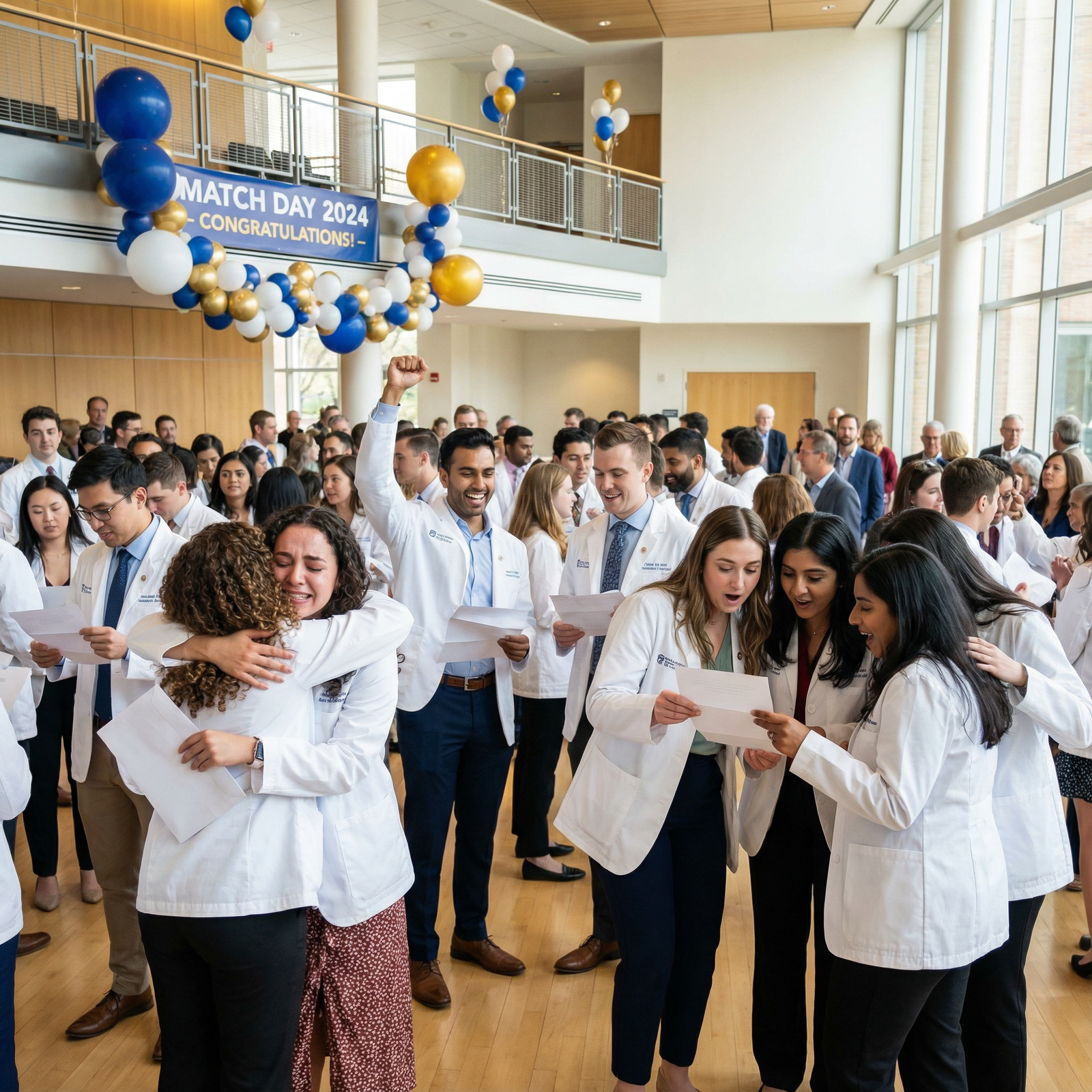
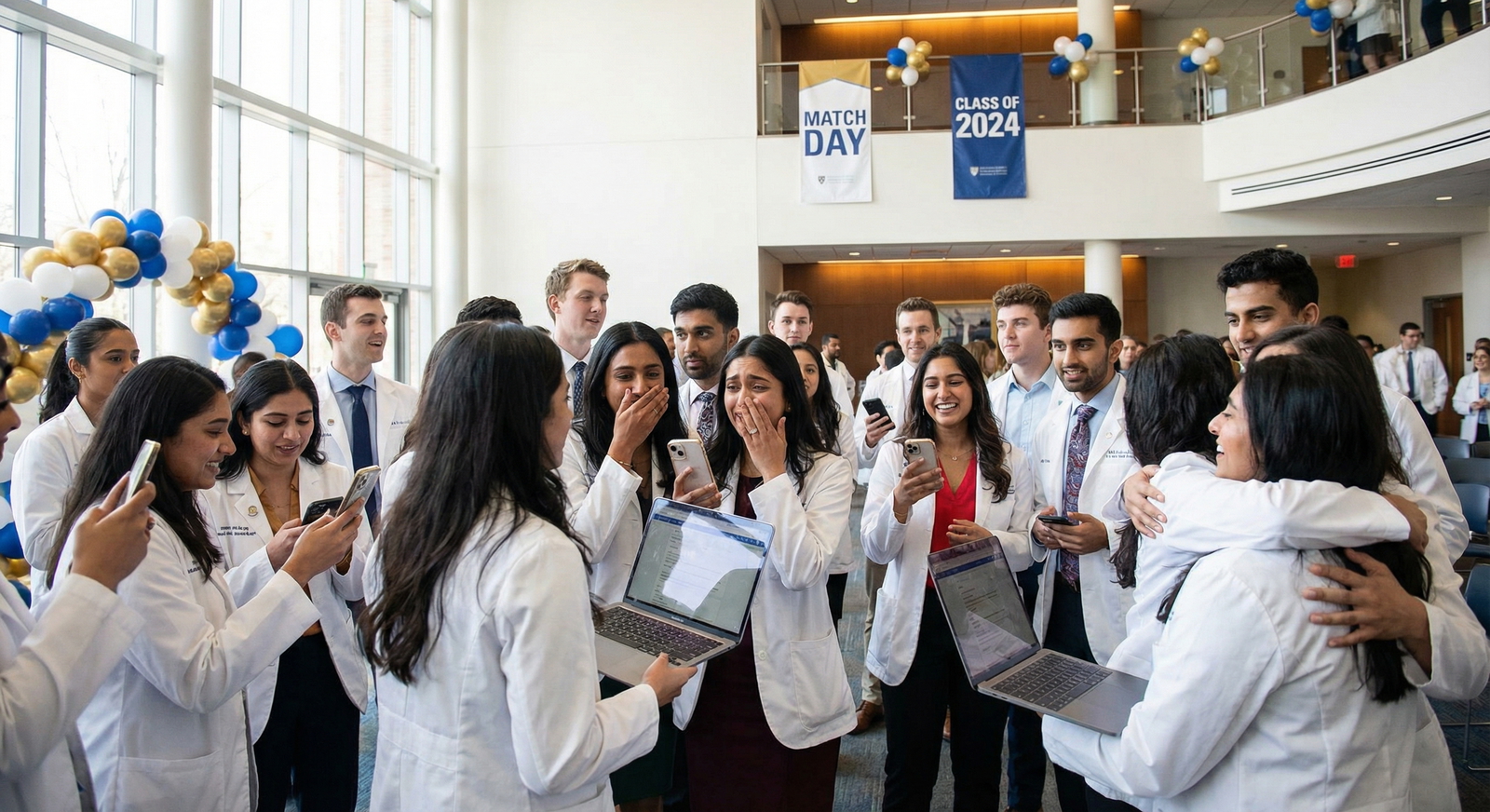
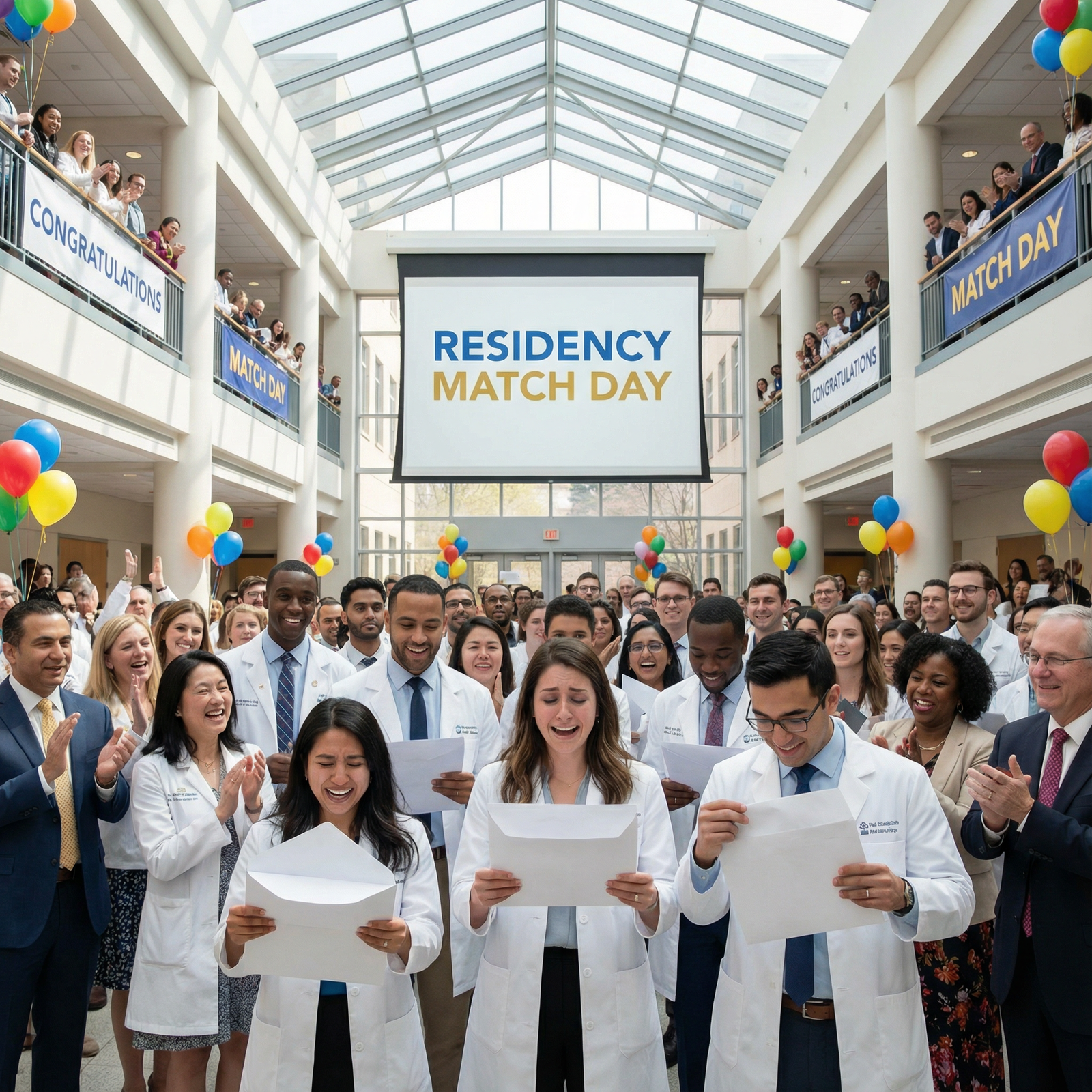
- On Residency Match Day, you learn where you matched.
Why Understanding the Match Helps You Prepare
Understanding the process can improve your strategy and reduce anxiety:
- You can prioritize applying broadly enough based on competitiveness of your specialty and your profile.
- You can rank programs in true order of preference, without trying to “game” the algorithm.
- You can time your application preparation, interview strategies, and well-being plan around key deadlines.
Think of the Match not as a single day, but as a months-long process that you can actively influence with structured preparation.
Step 1: In-Depth Self-Assessment and Specialty Fit
Before focusing on programs and paperwork, you need to know yourself—and what you want out of residency and your future career.
Clarifying Your Specialty Choice
Your specialty choice is one of the most important decisions in your medical career. Reflect on:
What rotations energized you most?
- Did you love the continuity of care in primary care clinics?
- Did you find yourself drawn to the OR environment?
- Did you enjoy the problem-solving in internal medicine or the acuity of emergency medicine?
What patient populations resonate with you?
- Children, older adults, surgical patients, marginalized communities?
What type of work-life balance do you envision?
- Shift-based work vs. more traditional clinic schedules.
- Procedural vs. cognitive specialties.
If you’re unsure, make a structured list:
- Top 2–3 specialties you’re considering.
- Pros/cons for each (interests, lifestyle, training length, competitiveness).
- Skills you bring that align with each.
Explore resources like competitiveness data on the Top 10 most competitive medical specialties, AAMC’s Careers in Medicine, or your school’s career advising office to calibrate expectations.
Honest Assessment of Your Strengths and Gaps
The Residency Match is competitive, especially in certain fields. A realistic self-assessment helps you craft an effective application preparation plan.
Consider:
- Academic record: USMLE/COMLEX scores, clerkship grades, honors.
- Clinical evaluations: Strengths noted consistently (e.g., communication, teamwork, work ethic).
- Research: Publications, posters, QI projects, especially in your intended specialty.
- Leadership and service: Roles in organizations, community work, teaching.
Ask:
- What is my unique value proposition as a residency applicant?
- Where are my objective weaknesses (e.g., exam scores, gaps in training, red flags)?
- What steps can I still take (e.g., sub-internships, research, targeted electives) to strengthen my profile before applications go out?
Seeking Feedback from Mentors
Self-assessment is more powerful when time is taken to gather outside perspectives.
- Meet with:
- Specialty advisors in your field of interest.
- Program directors or associate PDs within your institution.
- Chief residents or senior residents in your chosen specialty.
Ask direct, specific questions:
- “Based on my scores and experiences, what range of programs should I realistically target?”
- “Do you see any gaps in my application that I should address before applying?”
- “Are there particular programs or regions you would recommend for someone with my interests?”
Document this feedback and use it to guide your program list and application preparation strategy.

Step 2: Strategic Residency Program Research
Once you have clarity on your goals and specialty, the next step is to research and build your residency program list.
Core Factors to Evaluate in Programs
When comparing programs, consider beyond just name recognition:
Curriculum and Training Structure
- Rotation schedule: Inpatient, outpatient, ICU, electives.
- Procedural opportunities (for procedural specialties and for IM/FM with procedures).
- Exposure to subspecialties and fellowships.
- Simulation training and formal didactic structure.
Program Culture and Resident Experience
- Resident satisfaction and wellness initiatives.
- Faculty mentorship and approachability.
- Diversity, equity, and inclusion efforts.
- Call structure, night float systems, and actual work hours.
Program Outcomes
- Board pass rates.
- Fellowship or job placement statistics.
- Alumni career paths (academic vs. community, research vs. clinical focus).
Location and Lifestyle
- Cost of living and housing.
- Proximity to family or support systems.
- City size, transportation, safety, and community identity.
- Opportunities for partners or spouses (employment, schooling).
Building a Balanced Program List
Your program list should be broad and balanced, particularly if applying to a competitive specialty:
- Include a mix of:
- Reach programs (very competitive, prestigious, or highly desired).
- Target programs (well-aligned with your profile).
- Safety programs (where your metrics are above their typical averages).
Use:
- NRMP data (Charting Outcomes, Program Director Surveys).
- Program websites and social media.
- Advice from mentors actively involved in residency selection.
Track these details in a simple spreadsheet:
- Program name, location, size.
- Fellowship options.
- Unique features (e.g., global health pathway, QI track).
- Personal notes after interviews.
Step 3: Tailoring a Strong Residency Application
Your residency application is your professional story. It should reflect your journey, your values, and your fit for the specialty and programs you’re targeting.
Crafting an Impactful Personal Statement
Your personal statement should:
- Highlight why you chose your specialty.
- Explain what experiences shaped that choice.
- Show how you will contribute as a resident and future physician.
Tips:
- Start with a specific, memorable clinical or personal moment, not a generic cliché.
- Tie your experiences to core attributes valued in your specialty (e.g., teamwork and communication in pediatrics, resilience and detail-orientation in surgery).
- Avoid simply repeating your CV. Instead, interpret and connect your experiences.
- Be concise, honest, and reflective—and have multiple people (mentors, advisors, peers) review for clarity and tone.
For dual-application strategies (e.g., IM + neurology), consider:
- Either separate statements tailored to each specialty.
- Or highly focused, specialty-specific statements if permitted.
Building a Focused, Professional CV
Your CV should be:
- Organized and easy to scan.
- Focused on relevant experiences for the specialty.
- Free of typos and inconsistent formatting.
Highlight:
- Education, exams, and honors.
- Clinical experiences, sub-internships, and away rotations.
- Research, posters, and publications (especially in your specialty).
- Leadership roles, teaching, and community service.
- Any meaningful non-clinical work that demonstrates professionalism, responsibility, or unique skills.
For each entry:
- Include your role, dates, location, and a brief, results-oriented description where relevant (e.g., “Led a team of 5 students in a community hypertension screening project, reaching 120+ patients in underserved neighborhoods.”).
Securing Strong Letters of Recommendation (LORs)
Quality LORs can significantly influence your residency match chances.
Aim for:
- At least one or two letters from attendings in your chosen specialty (often required).
- If possible, a letter from a department chair or program director.
- Additional letters from physicians who know you well clinically or through research.
To help your writers:
- Request letters early (ideally several months before deadlines).
- Provide:
- Your CV.
- A draft of your personal statement.
- A brief summary of key experiences you shared with them.
- Your specialty and target programs, if known.
- Politely ask if they can write a “strong, supportive letter of recommendation”—this phrasing allows faculty to decline if they cannot fully endorse you.
Remember: LORs that speak to your specific behaviors, performance, and growth in clinical settings are far more powerful than generic praise.
Step 4: Residency Interview Strategies and Preparation
Residency interviews are often the deciding factor in rank decisions. Effective interview strategies can differentiate you among many qualified applicants.
Preparing for Common and Behavioral Questions
Expect questions about:
- Motivation for your specialty.
- Experiences that shaped you.
- Strengths, weaknesses, and challenges.
- Teamwork, conflict, and ethical decision-making.
Use behavioral frameworks like STAR (Situation, Task, Action, Result) to structure responses:
- “Describe a difficult team situation” → outline context, what needed to be done, what you did, and the outcome.
Practice:
- Short, well-organized responses (~1–2 minutes).
- Avoiding memorized “scripts” that sound unnatural.
- Specific examples that demonstrate your growth, reflection, and resilience.
Asking Insightful Questions
Programs also evaluate you based on the questions you ask. Prepare 5–7 thoughtful questions such as:
- “How does your program support residents who are interested in [global health/research/medical education]?”
- “What changes have you made in the program in response to resident feedback?”
- “How does the program promote resident well-being and prevent burnout?”
Avoid questions that can be easily answered by the website (e.g., “How many residents are in your program?”).
Virtual Interview Best Practices
Many programs continue to use virtual or hybrid formats. For virtual interviews:
- Technology:
- Test your camera, microphone, and internet connection in advance.
- Have a backup device and hotspot if possible.
- Environment:
- Neutral, tidy background with good lighting.
- Quiet space where you won’t be interrupted.
- Professional presence:
- Dress as you would for an in-person interview (typically business formal).
- Maintain eye contact by looking at the camera.
- Stay calm and present between interviews—avoid doom-scrolling or multitasking.
Mock interviews with advisors, residents, or peers remain one of the best ways to refine your interview skills and be comfortable discussing your application.
Step 5: Protecting Your Well-being Throughout the Match
Residency Match preparation is demanding, and the period between interviews and Residency Match Day can feel particularly stressful. Prioritizing your well-being is not a luxury—it’s a necessity.
Managing Stress During the Application and Interview Season
Incorporate simple, realistic habits:
- Daily micro-breaks: 5–10 minutes to step away from screens, stretch, or walk.
- Movement: Short exercise sessions—even 20 minutes of walking—can improve mood and concentration.
- Mindfulness or grounding techniques:
- Box breathing (inhale 4 seconds, hold 4, exhale 4, hold 4).
- Brief guided meditations or mindfulness apps.
- Boundaries:
- Set specific times to check email or MyERAS instead of refreshing constantly.
- Limit late-night browsing of forums, which can heighten anxiety rather than inform.
Building and Using Your Support System
Social support is critical:
- Stay connected with friends and classmates going through the same process.
- Share your worries with trusted family or mentors.
- If stress becomes overwhelming, consider professional support via your institution’s counseling service or an external therapist.
Remember: asking for help is a sign of insight and professionalism, not weakness.
Preparing Emotionally for All Match Outcomes
It can be helpful to gently prepare yourself for multiple scenarios:
- Matching at your top choice.
- Matching at a lower-ranked program.
- Not matching initially and entering SOAP.
Ask yourself:
- “What will I need if I match at a program far from home?”
- “What would I do if I don’t match—who would I call, and what immediate steps would I take?”
Having contingency plans often decreases anxiety because you know you have a strategy no matter what happens.
Step 6: Final Checks—Applications, Interviews, and Rank Order List
As Residency Match Day approaches, administrative details become crucial. Small errors can have big consequences, so build time for careful review.
Verifying Application Completeness
Before final submission:
- Confirm all application sections are complete and accurate (education, experiences, publications).
- Ensure USMLE/COMLEX scores and transcripts are correctly reported.
- Check that all intended programs have received your application and required documents.
- Review uploaded personal statements and CV versions by specialty and program, if customized.
Consider asking a trusted advisor or friend to do a brief “sanity check” to spot typos or missing elements.
Tracking and Confirming Interviews
During interview season:
- Maintain a central calendar (digital or paper) with:
- Interview dates, times, and time zones.
- Platform (Zoom, Thalamus, Teams, etc.) and links.
- Confirm login details and any required pre-interview tasks (e.g., surveys, technical checks).
- Send polite thank-you notes within a few days:
- Brief, specific (mention a topic you discussed or a program feature you appreciated).
- Professional and genuine.
Creating and Finalizing Your Rank Order List (ROL)
Your ROL is one of the most important steps in the Residency Match:
- Rank programs in your true order of preference, not based on where you think you are “most likely” to match. The NRMP algorithm favors applicant preferences.
- Consider:
- Training quality and opportunities.
- Fit with your career goals and personal values.
- Location and support systems.
- Program culture and how you felt on interview day.
Practical tips:
- Wait at least 24–48 hours after each interview before judging the program—let first impressions settle.
- Jot down notes after each interview about:
- Pros and cons.
- How residents and faculty interacted.
- How you felt leaving the interview.
- Review your ROL multiple times before the deadline.
- Double-check submission confirmation in the NRMP system.
Step 7: Residency Match Day Strategies and Post-Match Planning
Finally, the day you’ve been working toward arrives. You can’t control the outcome on Residency Match Day itself—but you can control how you experience it and what you do afterward.
Planning Your Match Day Experience
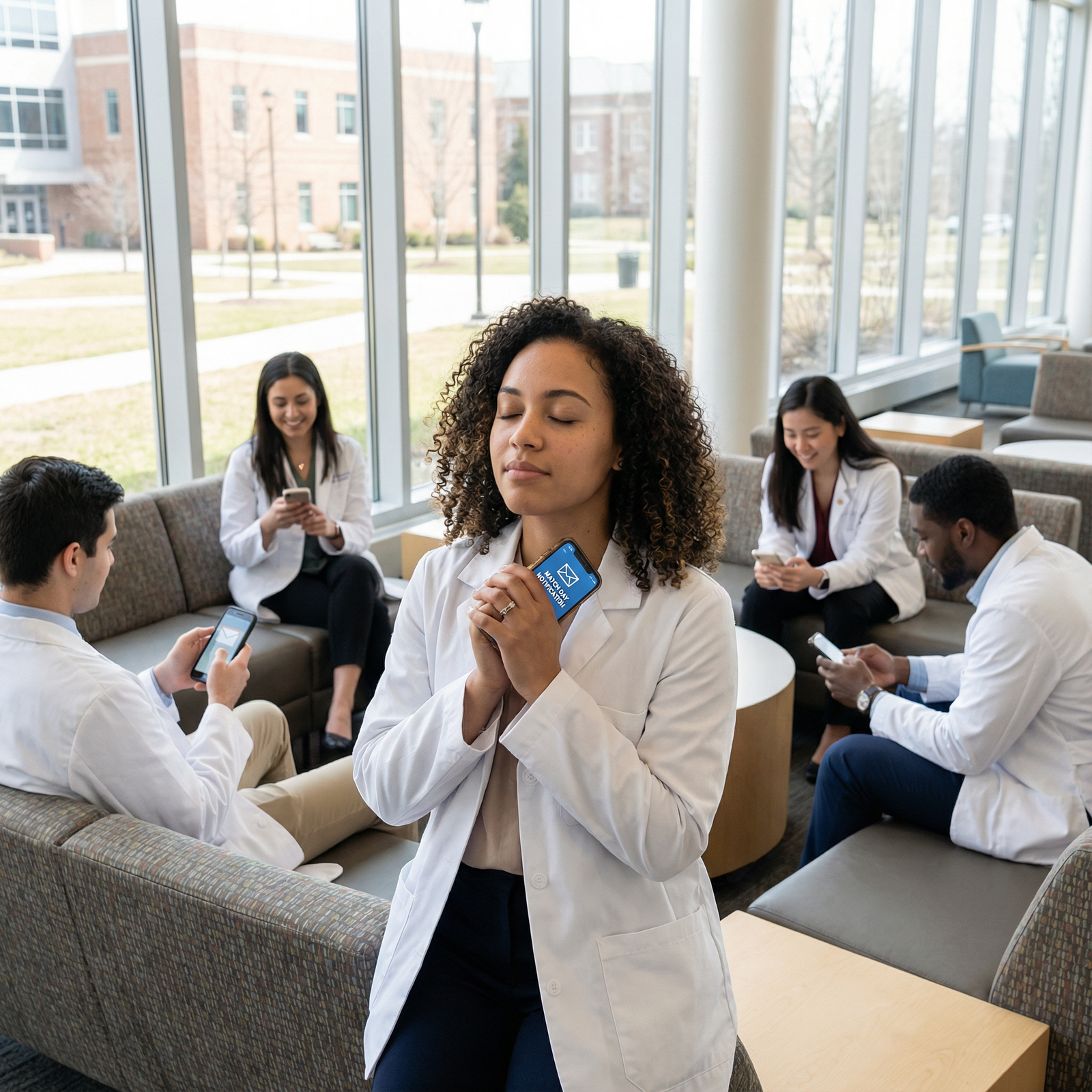
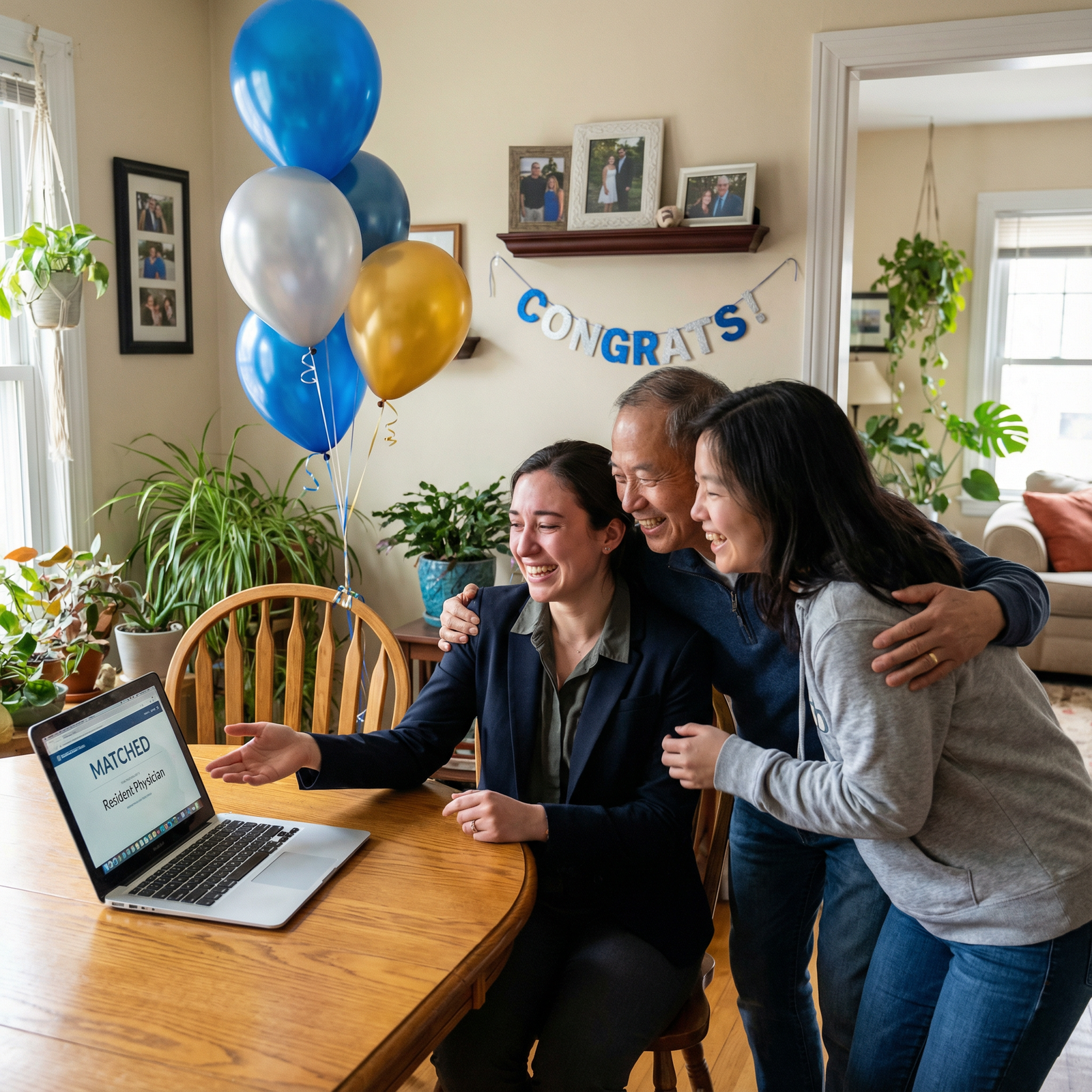
Think ahead about how you want to receive your results:
- Who do you want with you?
- Family, close friends, classmates, or would you rather be alone initially and call people afterward?
- Where do you want to be?
- At school with your class, at home with family, or in a quiet personal space?
- What time will you check your result?
- Some prefer logging in the moment results become available.
- Others prefer a quiet moment later in the morning.
Practical tips:
- Have your support network available (in person or virtually) if you want them nearby.
- Plan low-pressure activities afterward—whether it’s a celebration, a walk, or quiet time.
- Avoid comparing your outcome in real time on social media; focus on your own path and emotions.
If You Match: Setting Up for Success
Congratulations—you’ve secured a residency position. Your preparation now shifts from application preparation to transition planning.
Next steps:
- Connect with your new program:
- Watch for onboarding emails from the program coordinator.
- Complete required paperwork, occupational health visits, and credentialing steps.
- Ask about recommended reading or resources before intern year.
- Plan your move (if relocating):
- Consider housing, transportation, cost of living, and commute.
- Reach out to current residents for advice on neighborhoods and logistics.
- Financial planning:
- Reassess your budget based on resident salary.
- Explore options for student loan repayment strategies and consolidation.
- Maintain well-being:
- Enjoy downtime between Match Day and residency.
- Reconnect with hobbies and relationships that sustain you.
If You Don’t Match: Immediate and Long-Term Steps
Not matching is incredibly difficult emotionally, but it is not the end of your medical career. Many excellent physicians experienced a non-match year.
Immediate actions:
- Participate in the Supplemental Offer and Acceptance Program (SOAP):
- Work closely with your dean’s office or advising office.
- Quickly identify unfilled positions that could fit your profile.
- Prepare a concise, updated CV and targeted communications for SOAP programs.
- Lean on support:
- Advisors, mentors, classmates, family, and peers.
- Counseling or mental health services if you feel overwhelmed.
Longer-term reflection if you remain unmatched after SOAP:
- Meet with multiple advisors to analyze:
- Specialty choice and competitiveness.
- Number and type of programs applied to.
- Exam scores, LORs, and interview performance.
- Develop a 1-year improvement plan, which may include:
- Research positions, additional clinical experience, or a preliminary year.
- Exam retakes if eligible and if scores are a major barrier.
- Strengthening communication skills and interview strategies.
Your worth as a physician is not determined by a single Residency Match cycle. With support and a clear plan, you can successfully re-apply.
Frequently Asked Questions about Residency Match Preparation
1. When should I start preparing for the Residency Match as a medical student?
Ideally, you should start structured preparation at least 6–12 months before applications are due:
- M3 (or equivalent): focus on specialty exploration, strong clinical performance, and building relationships with mentors.
- Late M3–early M4: finalize specialty choice, schedule sub-internships and key electives, and begin working on your CV and personal statement.
- 3–4 months before applications: request letters of recommendation, refine your application materials, and research programs in detail.
Earlier preparation allows more time to address any weaknesses and build experiences aligned with your goals.
2. How can I realistically improve my chances of a successful Residency Match?
Key strategies include:
- Choosing specialties and programs that align with your academic profile and experiences.
- Obtaining strong, specific LORs from faculty who know you well.
- Demonstrating commitment to your specialty through sub-internships, research, or advocacy.
- Applying to a sufficient number of programs across a range of competitiveness levels.
- Preparing thoroughly for interviews with mock interviews, feedback, and reflection.
- Maintaining your well-being, so you show up as your best self during interviews.
Working closely with advisors who know your institution’s and specialty’s match patterns is especially helpful.
3. How should I handle anxiety and uncertainty as Residency Match Day approaches?
Some anxiety is normal. To keep it manageable:
- Keep a structured daily routine focused on meaningful tasks (e.g., clinical duties, wellness activities, time with loved ones).
- Limit exposure to stress-inducing comparisons (e.g., constant forum browsing, social media).
- Use evidence-based stress management strategies: mindfulness, brief exercise, adequate sleep, and talking openly with trusted people.
- Write down (or mentally rehearse) contingency plans for different outcomes so you feel prepared no matter what happens.
If your anxiety significantly interferes with your daily functioning, seek support from counseling services or mental health professionals.
4. What’s the best way to tailor my personal statement and application preparation for each program?
You don’t need a completely different personal statement for every program, but you can:
- Maintain a core specialty-focused statement that highlights who you are.
- Slightly tailor content for specific pathways (e.g., global health, research track) if space allows.
- In your ERAS application and interviews, highlight experiences that align with each program’s strengths:
- Research emphasis for research-heavy programs.
- Community engagement for community-focused programs.
- Keep notes on each program so that your interview answers and questions reflect genuine interest and fit.
The goal is to show both authenticity and alignment, not to reinvent yourself for each program.
5. Why is understanding the NRMP Match algorithm and process so important?
Understanding the NRMP process helps you make smarter strategic decisions:
- You’ll know to rank programs in true order of preference rather than trying to guess what programs think of you.
- You can plan application volume and diversity based on competitiveness data and your profile.
- You’ll be better prepared for all phases: application, interview, Rank Order List, Match Week, and possibly SOAP.
Knowledge reduces uncertainty and anxiety—and allows you to focus your energy on the parts you can truly influence: your preparation, performance, and well-being.
Preparing for Residency Match Day is an intense but transformative period in your journey as a physician. By combining honest self-assessment, strategic program research, carefully crafted application materials, strong interview strategies, and intentional attention to your well-being, you can approach Residency Match Day with confidence and clarity. Whatever the outcome, the skills you build through this process—reflection, resilience, communication, and planning—will serve you throughout residency and your entire medical career.