Introduction: Match Day as Milestone and Turning Point
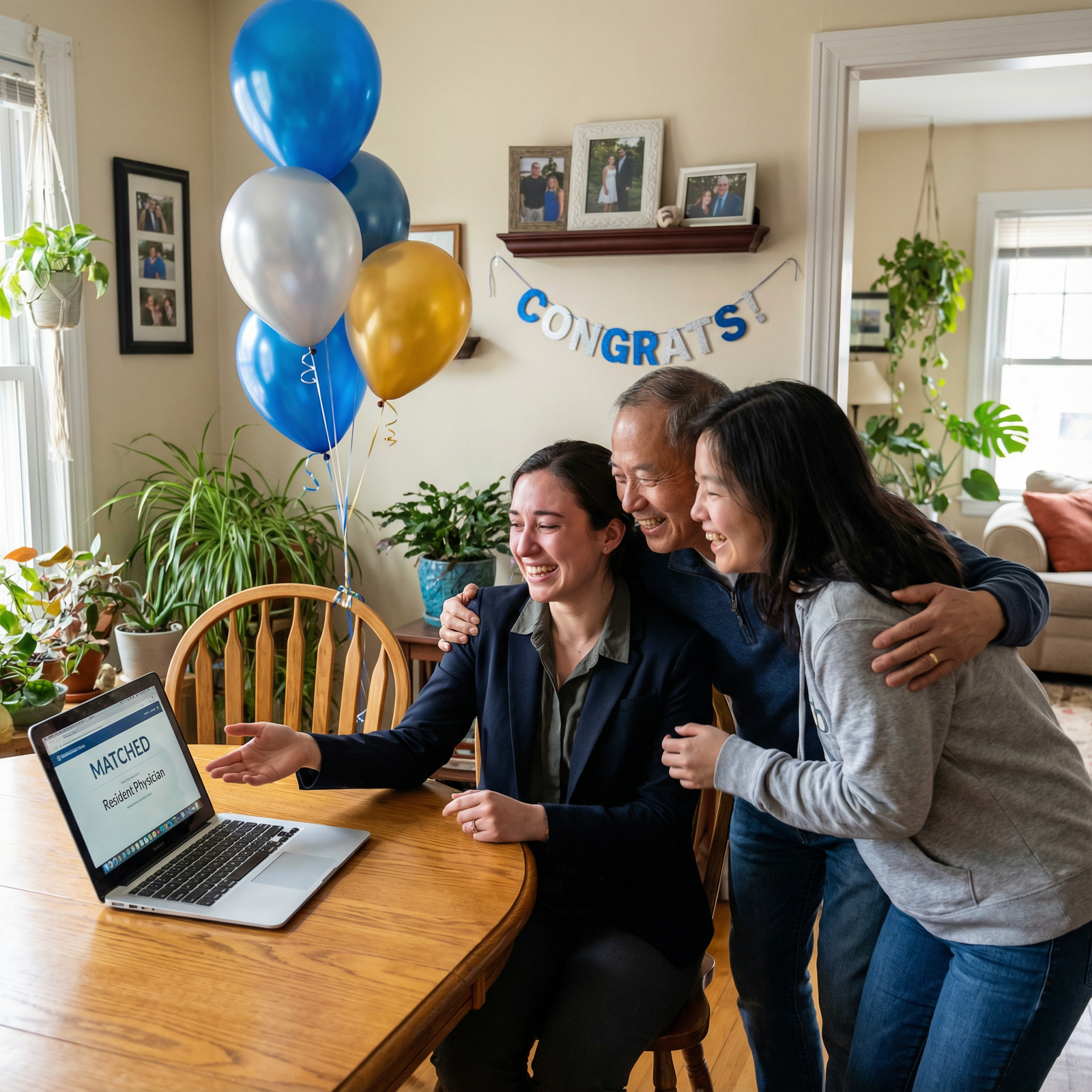
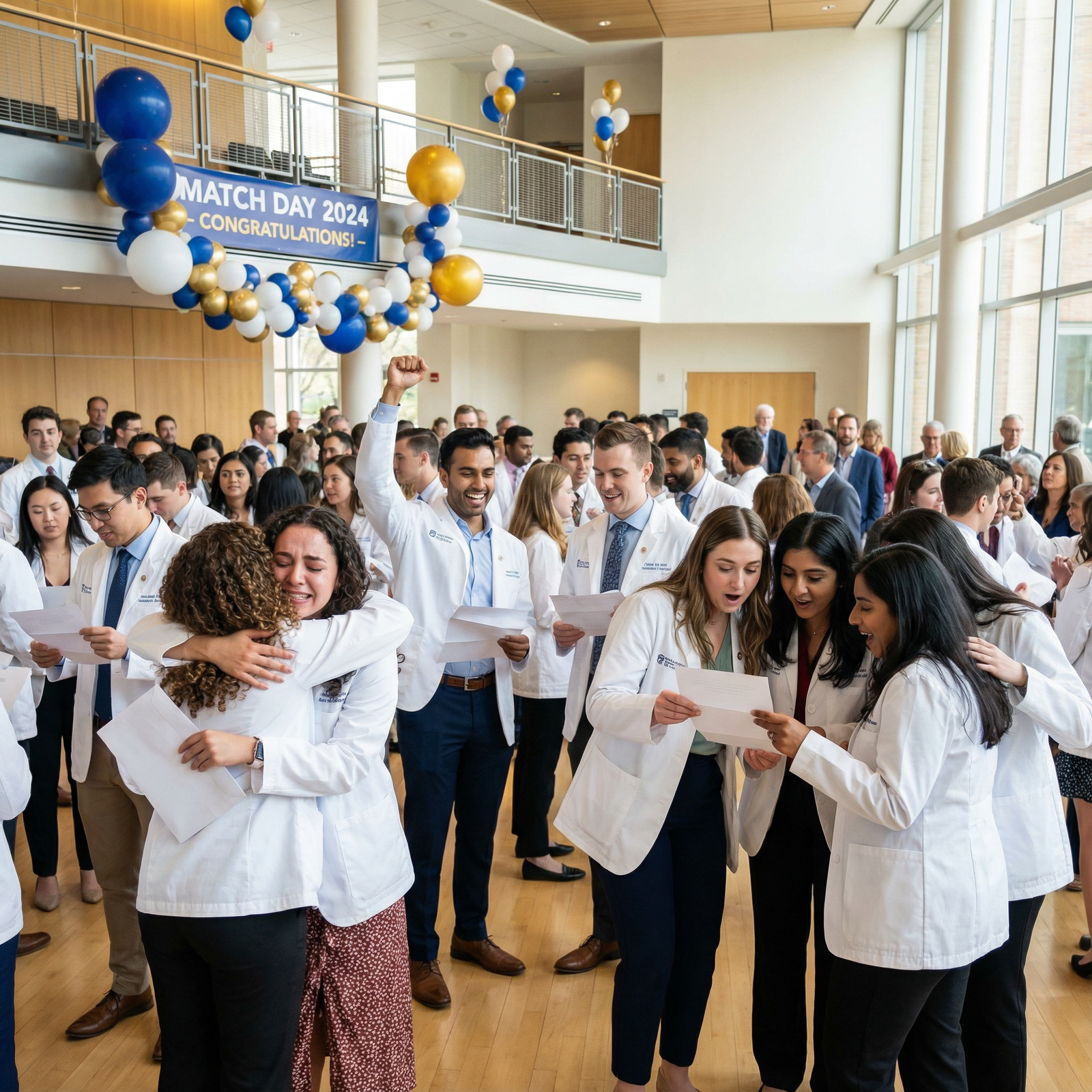
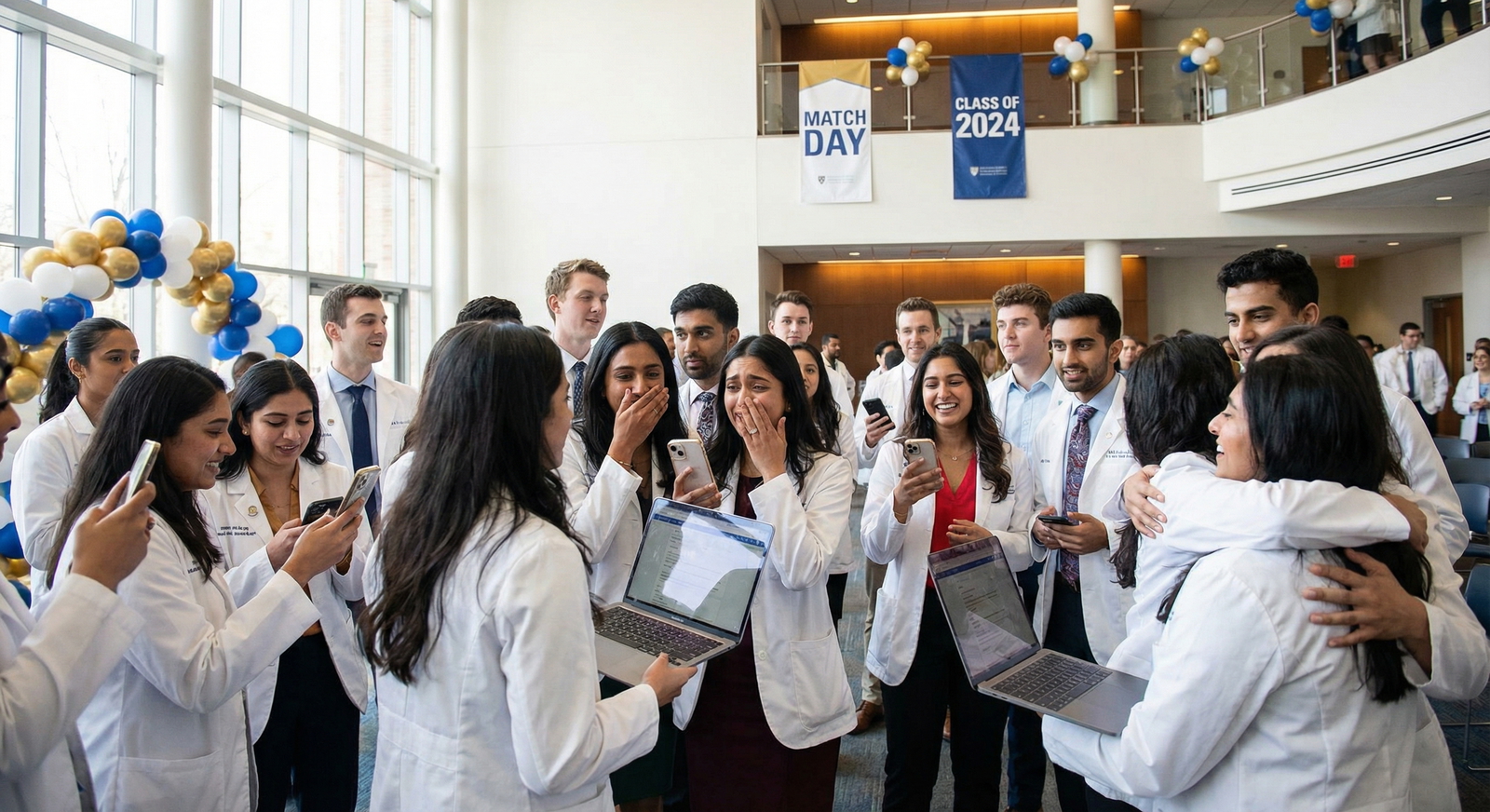
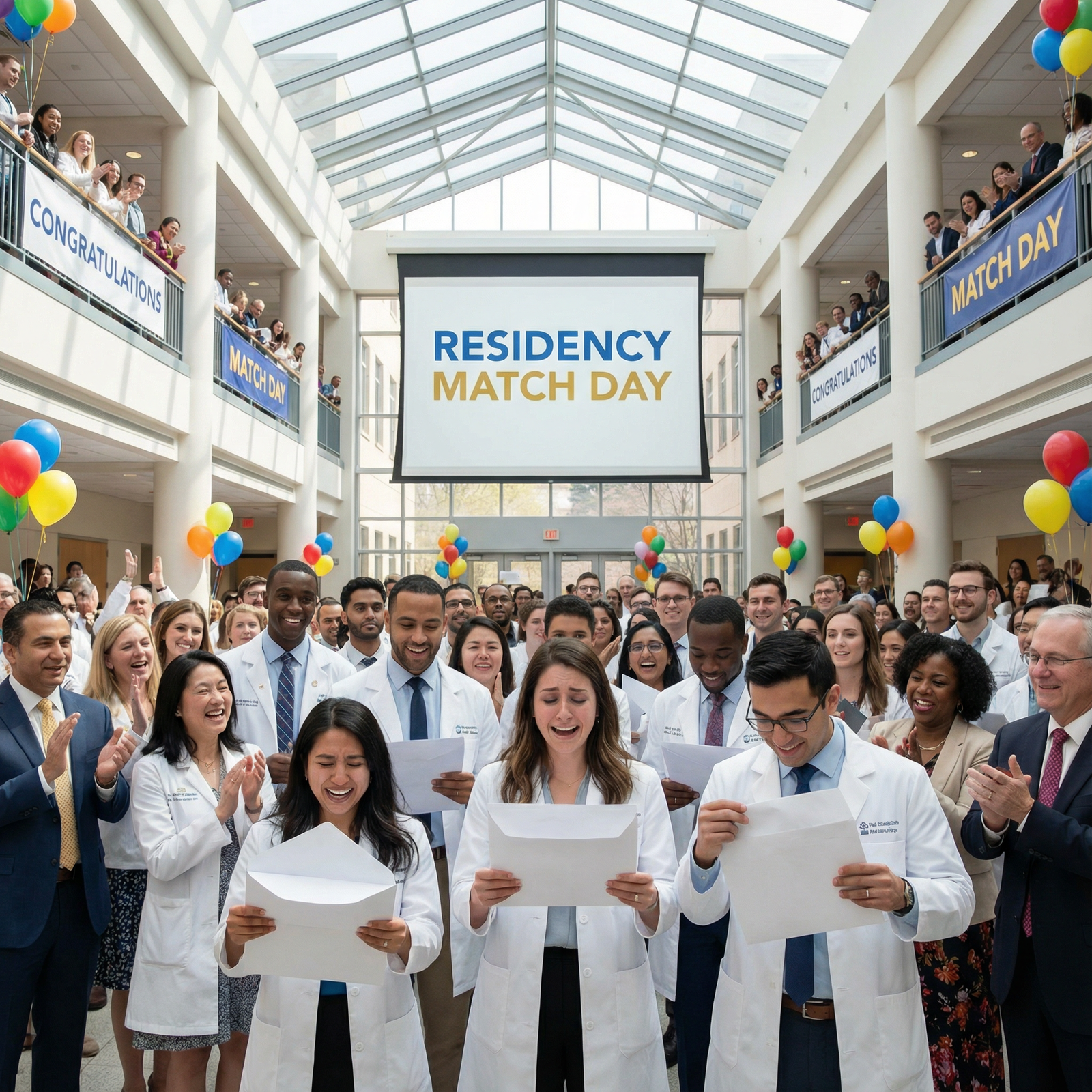
Match Day is one of the most emotionally charged moments in a medical career. It represents the culmination of years of effort—MCAT, endless pre‑med requirements, clerkships, Step exams, sub‑internships, interviews—and the beginning of your identity as a resident physician.
Yet the weeks and months leading up to Match Day can feel less like a victory lap and more like an endurance test. You’re finalizing your rank order list, tracking emails from programs, worrying about backup plans, and fielding constant questions from family and friends. Stress management can easily fall to the bottom of your priority list.
This is exactly when intentional celebration and thoughtful self‑reward matter most.
This guide will help you:
- Understand the significance and emotional landscape of Match Day
- Integrate preparation tips that keep you on track academically and professionally
- Build healthy, sustainable celebration strategies—before and after Match Day
- Protect your mental health with realistic, evidence-informed stress management tools
The goal isn’t to pretend the stress isn’t real—it is. Instead, you’ll learn how to acknowledge the pressure, pace yourself, and honor this transition in a way that supports your long‑term success as a physician.
Understanding Match Day and Its Emotional Impact
How Match Day Works in the Bigger Picture
Match Day in the United States is organized by the National Resident Matching Program (NRMP). In simplified terms:
- You apply to residency programs.
- Programs review your application, interview you, and create a rank list of candidates.
- You submit your rank order list of programs, in the order you truly prefer them.
- A matching algorithm pairs applicants and programs in a way that attempts to optimize preferences for both sides.
- On Match Day, you receive your result—where you will train as a resident.
While the mechanics are straightforward, the emotional stakes feel enormous. For most students, this is the first time they relinquish direct control over the next phase of their career. You’ve done everything you can; now you’re waiting on a system you can’t influence.
The Emotional Roller Coaster of Match Season
The months surrounding Match Day often involve:
- Anticipation and hope: Thinking about dream programs, cities, mentors, and subspecialty exposure.
- Fear of uncertainty: Worrying about not matching, matching somewhere unexpected, or relocating far from support systems.
- Comparison stress: Hearing where classmates interviewed or how confident they feel.
- Identity pressure: Believing your Match result defines your worth or future success.
Recognizing this emotional complexity is the first step in planning how you will care for yourself and celebrate your journey—not just the outcome.
Why Celebrating Your Journey Is Essential, Not Optional
Celebration isn’t frivolous; it is a core part of resilience and long‑term performance in a demanding medical career. Thoughtful celebration strategies can:
- Prevent burnout
- Reinforce motivation
- Strengthen relationships
- Create positive, lasting memories in an otherwise stressful period
Key Benefits of Celebration During Match Preparation
Boosts Morale and Motivation
Small, intentional rewards can help you push through tasks that feel tedious or emotionally draining—like editing yet another personal statement paragraph or formatting your CV.Creates Protective Memories
When you look back on Match season years from now, do you want to remember only sleepless nights and anxiety? Celebrations—even small ones—transform this period into a fuller story that includes pride, connection, and joy.Reinforces a Growth‑Oriented Mindset
Celebrating your progress, not just the final result, reminds you that your career is a long game. One match outcome does not define your entire trajectory.
Balancing Celebration with Preparation
The key is structured celebration, not impulsive avoidance:
- You can take breaks and still be prepared.
- You can celebrate without derailing your schedule.
- You can reward yourself without guilt when your rewards are tied to clear, meaningful milestones.
Think of celebration as part of your strategy—your plan to arrive at Match Day not just academically ready, but emotionally intact.

Rewarding Yourself While Preparing for Match Day
1. Turn Your To‑Do List into a Structured Reward System
Match season tasks can feel endless: ERAS, letters, rank lists, housing research, financial planning, and more. To keep it manageable:
Break Preparation into Clear, Specific Goals
Examples of pre–Match Day goals include:
- Finalizing and certifying your rank order list by the deadline
- Completing post‑interview thank‑you notes
- Organizing your budget and relocation plan
- Reviewing contracts and understanding benefits packages for likely programs
- Completing mock interviews or practicing common residency interview questions early in the season
Instead of viewing these as one overwhelming mountain, outline them in a simple timeline or project management app.
Match Each Goal with a Concrete Reward
Pair each milestone with a small but meaningful treat:
After finishing your rank list:
Take an evening completely off—phone on Do Not Disturb—order your favorite takeout and watch a non‑medical show or movie.After completing all program follow‑ups and thank‑you emails:
Spend an afternoon in a favorite café, reading a book purely for pleasure.After finalizing housing or relocation planning:
Buy a small item that will make your future home or workspace more comfortable—a plant, a candle, a framed photo.
By directly linking tasks and rewards, you create a built‑in motivation system and a sense of forward momentum.
2. Schedule Non‑Negotiable Celebratory Breaks
In high‑pressure times, breaks often disappear first. Intentionally scheduling them protects your well‑being.
Design a “Match Season Wellness Calendar”
On your calendar, block specific times each week for:
- Short, frequent micro‑breaks (10–15 minutes between tasks)
- One longer weekly reset (a half‑day or evening fully away from Match content)
Examples:
Midweek Recharge:
A standing Wednesday night dinner with friends, with an explicit “no residency talk” rule unless someone asks for help.Weekend Mini‑Retreat:
A Saturday morning hike, yoga class, or trip to a local park—no email, no ERAS tab.Post‑Rank‑List Weekend:
Plan a short road trip, day trip to a nearby city, or a staycation at home with a special brunch and movie marathon.
These breaks are not a reward for being productive; they are a requirement to stay functional and emotionally steady.
Protect These Breaks Like an Important Meeting
- Put them in your calendar and treat them like an appointment.
- Communicate them to roommates or partners: “Thursday evening I’m off the grid.”
- Avoid filling this time with errands or more work.
You will return to your preparation refreshed, more focused, and more effective.
3. Reconnect with Passion Projects and Personal Identity
During medical school, it’s easy for your identity to become “just” medical student or residency applicant. Reconnecting with other parts of yourself improves mental health and helps buffer stress.
Permission to Pursue Non‑Medical Interests
Whether it’s:
- Playing an instrument
- Painting or sketching
- Creative writing or journaling
- Running, climbing, or recreational sports
- Baking, cooking, or photography
These aren’t distractions; they are recovery tools.
Actionable idea:
Block 1–2 hours each week labeled “creative time” or “hobby time.” During this period, everything associated with the Match is off‑limits.
Share Your Passion with Others as a Form of Celebration
Turn your interests into low‑key celebration strategies:
- Host a small art night or jam session at home.
- Record a short podcast or vlog episode about your journey and how you’ve grown.
- Start a simple blog or social media series about life as a fourth‑year student—focusing on authenticity, not perfection.
These projects celebrate who you are beyond your CV and help you retain a sense of agency and creativity during a process that can feel mechanical.
4. Include Family, Friends, and Partners in the Journey
Your support network often wants to help but doesn’t know how. Inviting them into both your preparation and your celebration can ease isolation.
Educate Your Support System About Match Day
Share with them:
- What Match Day is and why it matters
- The basic timeline (rank list deadline, Match Week, Match Day)
- How you tend to respond to stress and what helps you cope
This allows them to be more intentional in their support.
Plan Pre‑Match and Match Day Gatherings
Examples of inclusive celebration strategies:
Pre‑Match Reflection Dinner
Host a simple dinner at home or go out with close friends and/or family. Use the time to talk about what you’ve learned in medical school, not just where you hope to match.Match Day Morning Ritual
Before opening your envelope or email, have breakfast or coffee with someone close, take a short walk, or do a brief grounding exercise together.Post‑Result Gathering
Whether the outcome is your top choice or an unexpected program, being surrounded by people who care about you as a person, not just as a future resident, is deeply grounding.
You can also set expectations:
“I’d love to celebrate with everyone, but please give me 30 minutes alone after I open my result before we talk.”
5. Use Small, Frequent Treats to Stay Motivated
Short‑term, low‑stakes rewards can keep your energy up across the weeks of preparation.
Build a Personalized Reward Chart
Create a simple chart (on paper or digitally) with 2 columns:
- Column 1: Specific tasks
- Column 2: Specific rewards
Examples:
Task: Complete one full mock interview with a mentor or advisor
Reward: Ice cream trip, bubble tea, or your favorite dessertTask: Finalize CV and double‑check all ERAS documents for accuracy
Reward: One uninterrupted hour of your favorite video game or TV seriesTask: Update budget and relocation checklist for top 3 programs
Reward: Purchase a small, useful item for future residency life (e.g., a quality coffee mug, compression socks, or a stethoscope charm)
Because these rewards are small, they don’t derail your time or finances—but they create continual forward momentum.
Maintaining a Healthy, Balanced Mindset
Celebration and preparation are necessary, but so is direct stress management. A clear mind will help you enjoy your celebrations and perform better in interviews, planning, and future residency.
Mindfulness and Mind–Body Strategies
Meditation and Grounding Techniques
Consider:
- 5‑minute daily breathing exercises (e.g., box breathing—inhale 4, hold 4, exhale 4, hold 4)
- Guided meditations using apps geared toward students or healthcare workers
- Brief body scans before sleep to release tension
These practices don’t need to be elaborate. Small, consistent habits are more effective than intensive, infrequent sessions.
Physical Activity as Stress Management
Physical movement is one of the most evidence‑based tools for improving mood and focus:
- A 20–30 minute brisk walk most days of the week
- Short at‑home workouts or yoga flows between tasks
- Joining low‑commitment group classes for social and physical benefits
Frame exercise as a performance enhancer for your brain, not just a “nice to have” activity.
Seek Support and Mentorship Early, Not Just When Overwhelmed
You don’t need to navigate Match season alone.
Mentorship: Academic and Emotional Guidance
Consider connecting with:
- Recent graduates who just completed the Match
- Residents at programs you are ranking
- Faculty mentors in your field of interest
- Advisors in your medical school’s student affairs or career office
Ask about:
- How they managed anxiety around the Match
- What they wish they had done differently in preparation
- How they celebrated their own Match Day and decompressed afterward
Mentors can normalize your fears and help you reframe worst‑case scenarios.
Peer Support: Collective Celebration and Shared Stress
Peer groups are uniquely positioned to understand your experience:
- Form small “Match season circles” that meet weekly or biweekly.
- Alternate between short, structured discussions about logistics (rank list strategy, housing) and time that’s purely social.
- Consider planning group celebrations for Match Day itself—watch parties, potlucks, or group dinners.
Having peers to celebrate with can significantly soften both the highs and lows.

Creating an Intentional Match Day Celebration Plan
Don’t wait until Match Week to figure out how you want to handle the day. A basic plan can protect your emotional energy.
Before Match Day
- Decide where you want to open your result (at school event, at home, with specific people, or privately).
- Clarify who you want with you (or if you want to be alone first, then join others).
- Choose a simple ritual—brief journal entry, prayer, walk, stretch, or favorite song.
On Match Day
- Eat something, hydrate, and avoid excessive caffeine if it worsens anxiety.
- Try to keep your morning relatively calm—limit doom‑scrolling or constant checking of social media.
- After opening your result, give yourself space to process whatever you feel—joy, relief, surprise, mixed emotions are all valid.
After Match Day
- Celebrate the fact that you are moving forward in your medical career, regardless of the exact program.
- Reach out to mentors, advisors, and loved ones to share the news.
- Begin mentally shifting from “applicant” to “resident‑in‑training”—you’ve earned this next step.
FAQ: Match Day Celebration, Stress Management, and Preparation Tips
1. What is Match Day, and why is it such a big deal?
Match Day is the official date when medical students learn where they will complete their residency training. It marks a major transition—from student to physician in training—and determines where you will live, who will train you, and what clinical environment will shape your early medical career. Because of its impact on both personal and professional life, it carries significant emotional weight.
2. How can I manage stress and anxiety while preparing for Match Day?
Some practical stress management strategies include:
- Structure your tasks into smaller, clear goals tied to specific deadlines.
- Use scheduled breaks and protect at least one non‑negotiable block of rest each week.
- Incorporate brief mindfulness practices like 5–10 minutes of breathing exercises or meditation daily.
- Stay physically active with regular walks, stretching, or short workouts.
- Talk to others—mentors, peers, family, or mental health professionals—rather than going through it alone.
Combining these tools with small celebration strategies can prevent stress from building to unmanageable levels.
3. Should I focus all my energy on studying and logistics before Match Day, or is it okay to celebrate?
It’s not only okay to celebrate—it’s healthier and more sustainable. Over‑focusing on applications, rank lists, and logistics while completely neglecting joy and rest can worsen anxiety and impair your ability to think clearly. A balanced approach includes:
- Deliberate, efficient work periods
- Planned, guilt‑free downtime
- Small rewards for milestones (e.g., completing your rank list, finishing interviews)
- Connection with people and activities you love
This balance actually improves your preparation rather than undermining it.
4. How can I involve my family and friends in Match Day without feeling overwhelmed?
You can involve your support network in ways that respect your emotional needs:
- Set expectations early about how much detail you want to share and when.
- Invite them to specific events (pre‑Match dinner, Match Day viewing, or post‑result celebration).
- Communicate boundaries, such as needing quiet time before talking about your result.
- Give them simple roles—like organizing snacks, taking photos (with your consent), or coordinating a group video call.
Remember that the people who care about you want to support you, but they may need guidance on how to do that effectively.
5. What are good reward ideas for achieving key preparation goals?
Effective rewards are meaningful, realistic, and aligned with your schedule and budget. Examples include:
- A special meal at your favorite restaurant after submitting or certifying your rank list
- A small purchase that will be useful in residency (comfortable shoes, a planner, or a coffee thermos)
- A weekend day trip or staycation after finishing all major paperwork and logistics
- An at‑home spa night, game night, or movie marathon with friends after Match Day
- Time dedicated to hobbies—music, art, sports, or reading—for completing specific administrative or academic tasks
The best reward is one that truly feels restorative and motivating to you.
By approaching Match Day with intentional preparation, structured stress management, and thoughtful celebration strategies, you honor not just the destination, but the entire journey you’ve taken to get here. You’ve already done something extraordinary—no matter where you match, that achievement is worth celebrating.