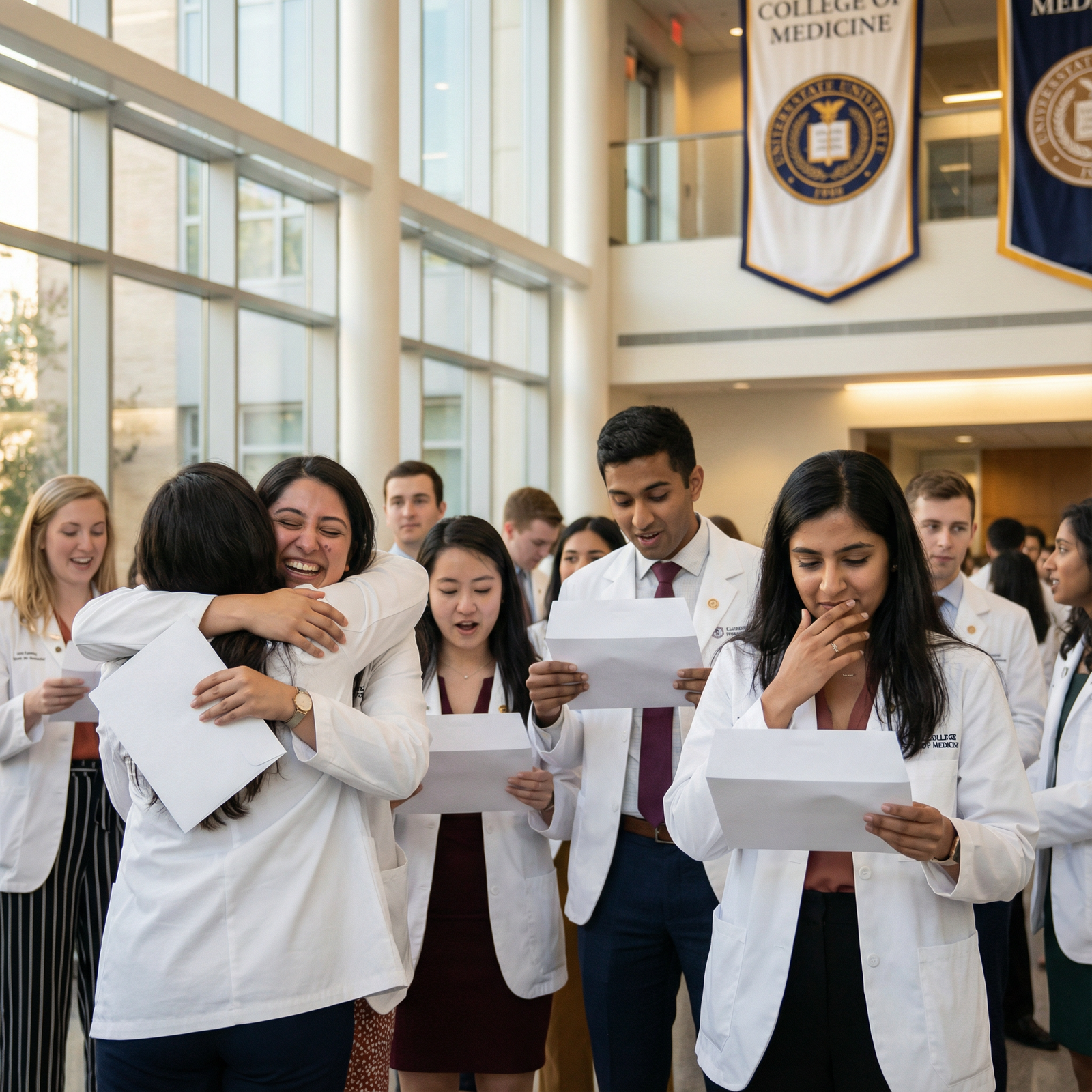
Match Day brings a unique mix of exhilaration, anxiety, and uncertainty for medical students. Years of work crystallize in a single envelope or email, and in a matter of seconds, your residency future becomes real. While many students match close to their expectations, almost everyone encounters at least one surprise—whether it’s the location, specialty, program details, or how the day itself unfolds.
How you handle those surprises can shape not only your emotional experience of Match Day, but also your mindset entering residency and the way you navigate this major career transition. This guide breaks down common Match Day surprises, offers evidence-informed strategies to respond constructively, and helps you plan a smoother transition into residency—with a strong emphasis on self-care, organization, and support.
Understanding Common Match Day Surprises and How to Respond
1. Unexpected Match Outcomes: When Plans Change in a Moment
Even with careful ranking, strong applications, and mentor guidance, the residency Match can be unpredictable. You may:
- Match at a lower-ranked program than expected
- Match in a different geographic region than you hoped
- Match in a preliminary or transitional year instead of a categorical spot
- Match into a specialty that wasn’t your top choice (including SOAP outcomes)
These unexpected results can trigger a complex cascade of emotions—relief that you matched, disappointment or grief for the plan you imagined, guilt about your reaction, or anxiety about the future.
What to Do: Responding Constructively to an Unexpected Match
1. Give yourself emotional space – and permission to feel conflicted.
It’s normal to feel joy and disappointment simultaneously. You might be thrilled to have matched while grieving the city, program, or specialty you didn’t get.
- Take several hours (or a day if possible) before making major decisions or public announcements beyond what’s required.
- Talk privately with a trusted friend, partner, family member, or mentor who will validate your experience rather than minimize it.
- Avoid comparing your match outcome to classmates on social media—this can intensify distress and distort your perspective.
2. Reframe the narrative: Separate the program from your worth.
An unexpected or “lower” match does not define your value as a future physician.
- Remind yourself: the Match is a complex algorithm of program and applicant preferences—not a pure ranking of competence.
- Many outstanding physicians trained at programs that were not originally their first choice and went on to secure competitive fellowships and leadership roles.
- Consider what your matched program may offer that you hadn’t fully appreciated: strong clinical exposure, early autonomy, a supportive culture, or a tight-knit resident cohort.
3. Explore long-term options and flexibility.
A less-preferred match does not lock you into a single path forever.
- Within specialty flexibility: Many fields offer subspecialties, fellowships, and niche practice areas that may better align with your ultimate interests.
- Geographic flexibility: You may be able to relocate after residency for fellowship or attending jobs.
- Career pivot potential: In select circumstances, residents change specialties or pursue research, public health, or administrative paths that shift their trajectory.
Talk with mentors about:
- How graduates from your matched program have performed in fellowships and job placement
- What steps during residency could keep doors open (research, networking, exam performance, leadership roles)
2. Administrative and Technical Hiccups on Match Day
Match Day often involves high web traffic, multiple systems (NRMP, email, ERAS, institutional portals), and time-sensitive communication. Common challenges include:
- Delayed or missing emails
- Difficulty logging into NRMP or institutional portals
- Confusing or conflicting communications from programs
- Uncertainty around matched status if you participated in SOAP or supplemental pathways
These issues can escalate stress in an already high-pressure moment.
What to Do: Managing Logistical Chaos Calmly and Effectively
1. Set up a “redundancy plan” before Match Week.
- Ensure multiple ways to access your email and NRMP account (laptop, phone, tablet).
- Confirm your contact information is up to date with NRMP and your medical school.
- Save program coordinator and GME office contact information (email + phone) for programs high on your list.
- Ask your school how they will handle technical issues on Match Day (e.g., IT support, staff contacts).
2. If something looks wrong, pause and verify.
If you receive a confusing message—such as an unexpected email from a program or error on the NRMP portal:
- Take a screenshot of the message or error.
- Contact your medical school dean’s office or student affairs immediately—they are experienced in troubleshooting Match issues and liaising with NRMP.
- If necessary, call or email NRMP support using official numbers from the NRMP website (avoid links in suspicious emails to prevent phishing).
3. Maintain composure in front of others.
If you’re at a public Match Day event and encounter an issue:
- Step aside to a quiet location with a dean, advisor, or trusted friend.
- Focus on what you can control: gathering information, confirming your actual status, and following institutional guidance.
- Remember that most technical glitches are temporary and rarely change the underlying Match outcome.

3. Last-Minute Decisions and Unanticipated Choices
Even after Match results are released, some students face new or complex decisions:
- Choosing between multiple preliminary programs or locations if you matched into an advanced specialty
- Interpreting unexpected communication from a matched program about start dates, contracts, or special conditions
- Deciding how to respond to informal outreach or invitations from faculty or residents at your matched program
- Managing simultaneous life decisions (partner’s job, family needs, visas, childcare, housing)
These decisions can feel high-stakes and time-pressured.
What to Do: Making Thoughtful Decisions Under Pressure
1. Use a structured decision-making framework (like a rapid SWOT analysis).
For each option, quickly assess:
- Strengths: What are the key advantages? (training quality, support, location, family considerations)
- Weaknesses: What might you be compromising? (research opportunities, fellowship track record, cost of living)
- Opportunities: What doors could this open? (networking, niche interests, leadership roles)
- Threats: What risks or downsides are realistic? (burnout potential, limited support, distance from support system)
Writing this out—even briefly—can help you step out of pure emotion and clarify your priorities.
2. Involve mentors who know you, not just the programs.
Reach out to:
- Specialty advisors
- Residents or fellows in your field
- Faculty who understand your values, goals, and constraints
Ask targeted questions:
- “Given my interest in X, how do you view this program’s strengths and weaknesses?”
- “If you were in my position with these long-term goals, what factors would you weigh most heavily?”
- “Have you seen similar situations, and how did they work out for others?”
3. Respect deadlines but resist impulsive choices.
- Clarify any formal response deadlines from programs or institutions.
- Use that timeline fully—don’t feel pressured to decide within an hour unless absolutely required.
- If a decision will significantly impact your personal life (location, partner, dependents), involve those stakeholders openly and early.
Setting Yourself Up for a Smooth Transition After Match Day
Once the initial adrenaline subsides, your focus shifts to onboarding and preparing for the start of residency. This next phase is just as important for a successful career transition.
4. Embrace a Growth Mindset as You Enter Residency
Your attitude entering residency can profoundly influence your learning, satisfaction, and resilience—especially if your Match Day outcome was not exactly what you expected.
What to Do: Building a Growth-Oriented Perspective
1. Reframe challenges as training opportunities.
- A high-volume, resource-limited setting can sharpen your clinical judgment, efficiency, and procedural skills.
- A program with strict expectations can teach professionalism, teamwork, and accountability.
- Being in a less familiar city or system can improve adaptability and cultural competence.
2. Set realistic expectations for PGY-1.
Residency is demanding for everyone—regardless of where you matched.
- Expect a steep learning curve; feeling behind or overwhelmed at times is typical, not a personal failure.
- Focus initially on being dependable, teachable, and kind—to patients and colleagues.
- Use early feedback as data, not a verdict. Ask, “How can I adjust?” instead of “What’s wrong with me?”
3. Create a personal development plan.
Before you start:
- Identify 3–5 core skills you want to grow in your first year (e.g., clinical reasoning, time management, note-writing, communication with nurses).
- For each, list specific actions (e.g., “Ask senior residents for one practical tip per week,” “Review 1–2 cases with attendings in depth”).
- Revisit and refine your goals quarterly.
5. Organize Documents, Deadlines, and Logistics Early
Once you match, programs will begin sending onboarding instructions and credentialing requirements. Poor organization can quickly turn this into a source of unnecessary stress.
What to Do: Building a System That Works for You
1. Create a centralized residency “command center.”
Digitally:
- Set up a dedicated email folder for your residency program and GME communications.
- Use a cloud-based folder (e.g., Google Drive, OneDrive) with subfolders for:
- Offer letters and contracts
- Licensing and credentialing forms
- Immunization and health records
- Orientation and schedule documents
- Housing and relocation information
Physically:
- Keep a small binder or folder with:
- A printed copy of your match letter and contract
- Vaccine records and physical exam documentation
- Required IDs or certificates (BLS/ACLS, visas, etc.)
2. Build an onboarding checklist with timelines.
Include tasks such as:
- State medical license or training permit applications
- Hospital credentialing and background checks
- Drug screening and occupational health visits
- BLS/ACLS/PALS courses or renewals
- EMR training modules
- Housing decisions, lease signing, or relocation planning
- Updating your CV and professional email signature
Mark priority deadlines and set calendar reminders 1–2 weeks in advance.
3. Communicate proactively with program staff.
Program coordinators are invaluable allies.
- If you anticipate delays (e.g., visa processing, complex medical clearance), notify them early.
- Ask clarifying questions rather than guessing; this prevents last-minute crises.
- Always respond to emails promptly and professionally—you’re beginning your reputation as a resident.
6. Build a Strong Personal and Professional Support Network
Residency is demanding; no one thrives alone. Your support system is a critical buffer against burnout and a key part of self-care.
What to Do: Strengthening Your Support Structures
1. Connect with your future co-residents early.
- Join or create group chats for your incoming intern class.
- Participate in any pre-orientation calls or social events organized by your program.
- Reach out to a current resident (assigned buddy or someone with a similar background) to ask informal questions about culture, workflow, and life in the area.
2. Maintain your existing support system.
- Schedule regular check-ins (video, phone, text) with family, friends, or partners—especially if you’re relocating.
- Let them know your anticipated schedule and potential stressors so they can offer informed support.
- Consider identifying at least one person you can contact on difficult call nights or after challenging patient encounters.
3. Identify institutional wellness resources.
Ask about:
- Employee Assistance Program (EAP) counseling
- Resident wellness committees or support groups
- Peer support programs for adverse events or medical errors
- Fitness, mindfulness, or spiritual care resources through the hospital
Normalize using these resources early—don’t wait for a crisis.
7. Prioritize Self-Care as a Professional Responsibility
Self-care is not selfish; it’s foundational for safe, sustainable patient care. The transition from medical student to resident is a high-risk period for burnout, sleep disruption, and mood changes.
What to Do: Practical Self-Care Strategies for the Transition
1. Stabilize core routines before residency starts.
- Aim for consistent sleep and a realistic target bedtime, even if it shifts with rotations.
- Develop a simple movement routine (e.g., 20–30 minutes of walking, stretching, or bodyweight exercises most days).
- Identify easy, affordable meals or snacks you can prepare or grab quickly when on call.
2. Use brief, repeatable stress-management techniques.
You don’t need lengthy sessions; micro-practices help:
- 2–3 minutes of diaphragmatic breathing before or after a stressful encounter
- Short grounding exercises (e.g., 5 things you see, 4 you feel, 3 you hear)
- 5–10 minutes of journaling to process difficult experiences and prevent emotional “carryover” into your off time
3. Monitor your mental health proactively.
Important signs to watch for:
- Persistent low mood, hopelessness, or loss of interest in previously meaningful activities
- Escalating anxiety, irritability, or difficulty sleeping
- Thoughts of self-harm or that others would be better off without you
If you notice these patterns, seek support early—from a physician, therapist, or institutional resource. Needing help does not reflect on your competence as a physician-in-training.
8. Prepare Intentionally for Residency Orientation and Day One
Orientation is your launching pad. Thoughtful preparation reduces stress and helps you show up confident and ready to learn.
What to Do: Making Orientation Work for You
1. Research your program and hospital environment.
- Review your program’s website, handbook, and curriculum structure.
- Learn key names: program director, associate directors, chief residents, coordinators.
- Note any unique program features (e.g., night float, specialized tracks, scholarly requirements) so you can ask informed questions.
2. Get clear on the logistics.
- Confirm dates, times, and locations for orientation events.
- Understand parking or public transit options, ID requirements, and dress codes.
- If you’re relocating, plan to arrive with enough buffer to manage jet lag, unpacking, and basic errands before orientation begins.
3. Approach orientation as an active participant, not a passive attendee.
- Take notes on key processes (call schedules, EMR tips, how to reach your senior or attending).
- Introduce yourself to faculty and co-residents, especially those in your class and on your first rotation.
- Identify at least one senior resident you feel comfortable asking “small” questions in the first few weeks.
Frequently Asked Questions About Match Day Surprises and the Residency Transition
1. I matched somewhere I didn’t want to go. Is it okay to feel upset—even if I’m technically “lucky” to have matched?
Yes. Matching does not invalidate your disappointment, grief, or fear. You can feel grateful to have matched and sad that your plans changed. Both can be true at once. Acknowledge your emotions without judgment, talk with trusted people, and avoid social comparison that amplifies shame. Once you’ve processed the initial reaction, work with mentors to identify how to make the most of your matched program and keep your long-term goals in view.
2. What if I think the program or location will be a poor fit for my partner or family?
This is a common and valid concern. Consider:
- Having an honest conversation with your partner or family about expectations, timelines, and possible relocation after residency or fellowship.
- Exploring local resources that might support them (schools, employment opportunities, community groups, childcare).
- Connecting with co-residents who have partners, children, or similar circumstances to learn how they’ve navigated challenges.
If the situation feels unmanageable or unsafe, discuss it confidentially with a trusted dean or mentor. While changing programs is rare and complex, they can help you evaluate options and coping strategies.
3. How should I handle communication problems or misunderstandings with my new residency program?
Start by staying calm and professional. Then:
- Re-read all previous communications to ensure you haven’t missed key details.
- Respond with a concise, polite email outlining your understanding and your question.
- Keep copies of all correspondence in your residency folder.
- If something feels urgent or unclear, request a brief phone or video call with the program coordinator or chief resident.
Most issues stem from high volume and miscommunication, not ill intent. Clear, respectful communication—on your part and theirs—usually resolves them.
4. When and how should I start networking within my new residency program?
You can begin right after you match, but do so thoughtfully:
- Respond to welcome emails promptly and with gratitude.
- Join any offered virtual meet-and-greets or Q&A sessions.
- Reach out to a resident or faculty member with a brief, focused note (e.g., interest in a subspecialty or ongoing projects).
Once residency starts, attend departmental meetings, grand rounds, and optional academic activities as your schedule allows. Networking in residency is less about “impressing” and more about genuinely engaging, being reliable, and showing curiosity.
5. How can I find or cultivate mentorship after I match?
You don’t need a single “perfect” mentor. Instead:
- Identify one or two initial mentors: a chief resident, a junior faculty member, or someone aligned with your interests.
- Attend early program events and introduce yourself to faculty whose work resonates with you.
- Ask for a short meeting and come prepared with questions about your goals, their career path, and advice for your first year.
- As you progress, you may collect mentors for different needs: clinical development, research, wellness, career planning.
Your residency program leadership can also help pair you with a formal advisor if one isn’t assigned.
Match Day surprises—both positive and challenging—are part of the complex journey from medical student to resident. By preparing for uncertainty, organizing your transition, investing in support systems, and treating self-care as an essential professional task, you can navigate this career transition more smoothly and enter residency with resilience and purpose.