Day of the Match: What Really Happens and How to Handle It Well
The residency Match Day is one of the most emotionally charged and defining milestones in a medical career. In a matter of seconds, years of work—exams, clerkships, personal statements, interviews—culminate in a single result: where you will spend the next several years training, and often, where your long-term career trajectory will begin.
Understanding what happens on Match Day, how to prepare emotionally and logistically, and what to do immediately afterward can transform a stressful experience into a more grounded, meaningful transition. This guide walks you through the key phases of Match Day and the early steps of your residency journey, with a focus on emotional preparation and practical planning.
Understanding Match Day and the NRMP Process
What Is Match Day?
Match Day is the public culmination of the National Resident Matching Program (NRMP) Main Residency Match. After you submit your rank order list and programs submit theirs, the NRMP algorithm pairs applicants and residency programs. The final results are released on Match Day at noon Eastern Time (ET).
Thousands of fourth-year medical students and graduates across the United States (and beyond) receive their residency assignments simultaneously. For many, Match Day is more than an administrative announcement—it is a powerful career transition moment bridging medical school and graduate medical education.
The Week of the Match: Context Before Match Day
To fully understand Match Day, it helps to place it in the context of the entire Match Week:
- Monday (Match Week): You learn if you matched, but not where.
- If you did not match or only partially matched, you become eligible for the Supplemental Offer and Acceptance Program (SOAP).
- Monday–Thursday: SOAP process occurs (if applicable), where unmatched applicants apply to unfilled positions.
- Friday (Match Day): At noon ET, all matched applicants learn where they matched via their NRMP accounts. Schools typically hold Match Day ceremonies this day.
Knowing this sequence can help normalize the anxiety around Match Day and put it into a broader, more manageable time frame.
Key Events of Match Day
Online Match Results Release (Noon ET)
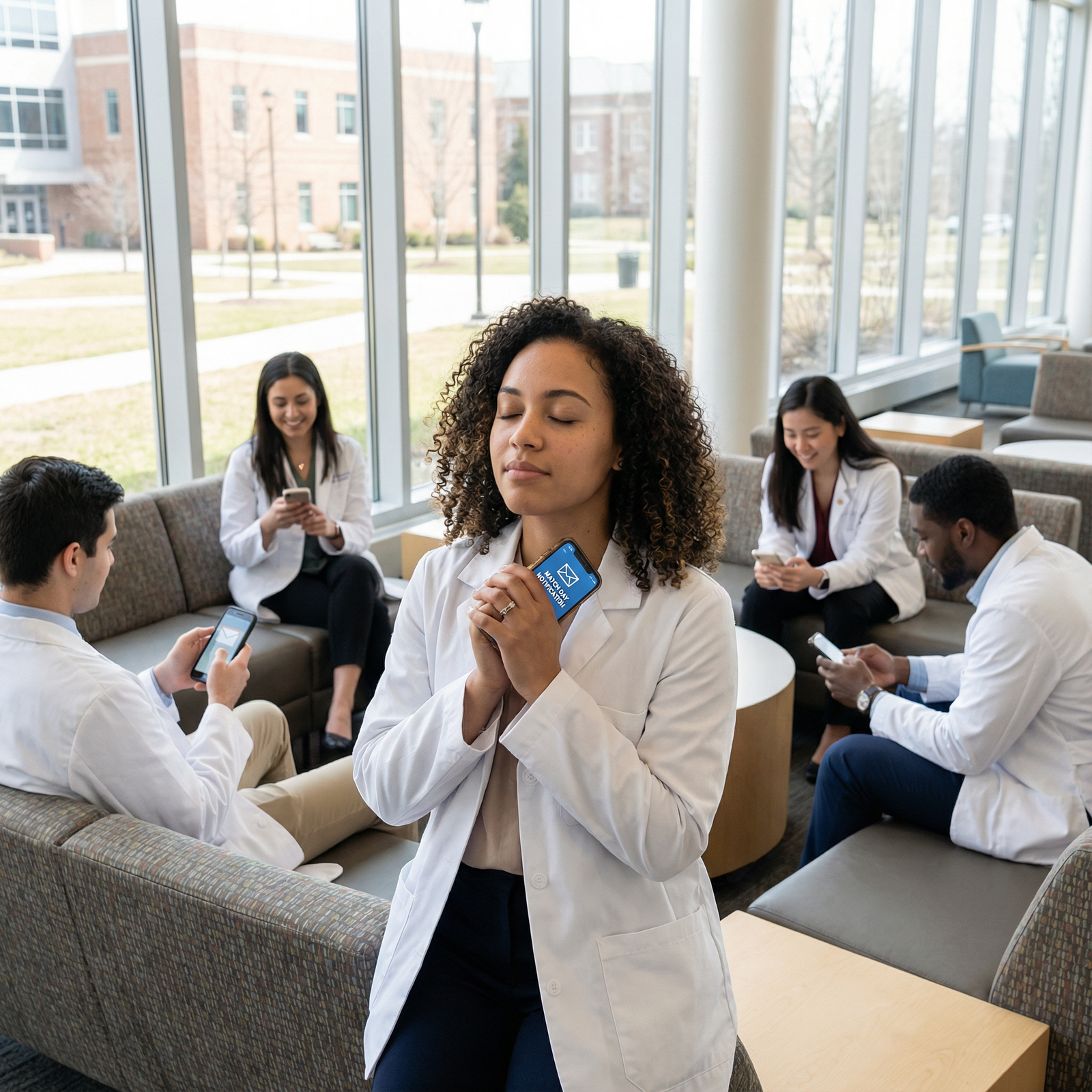
At exactly 12:00 PM Eastern Time, match results become available through the secure NRMP website. You log into your account and view your result—usually a single line that names your matched specialty and institution.- Emotions are often intense and immediate: relief, joy, surprise, disappointment, or a complex mix of all of the above.
- Many students coordinate checking results together (in a ceremony, with friends, or via video call).
Match Day Ceremonies at Medical Schools
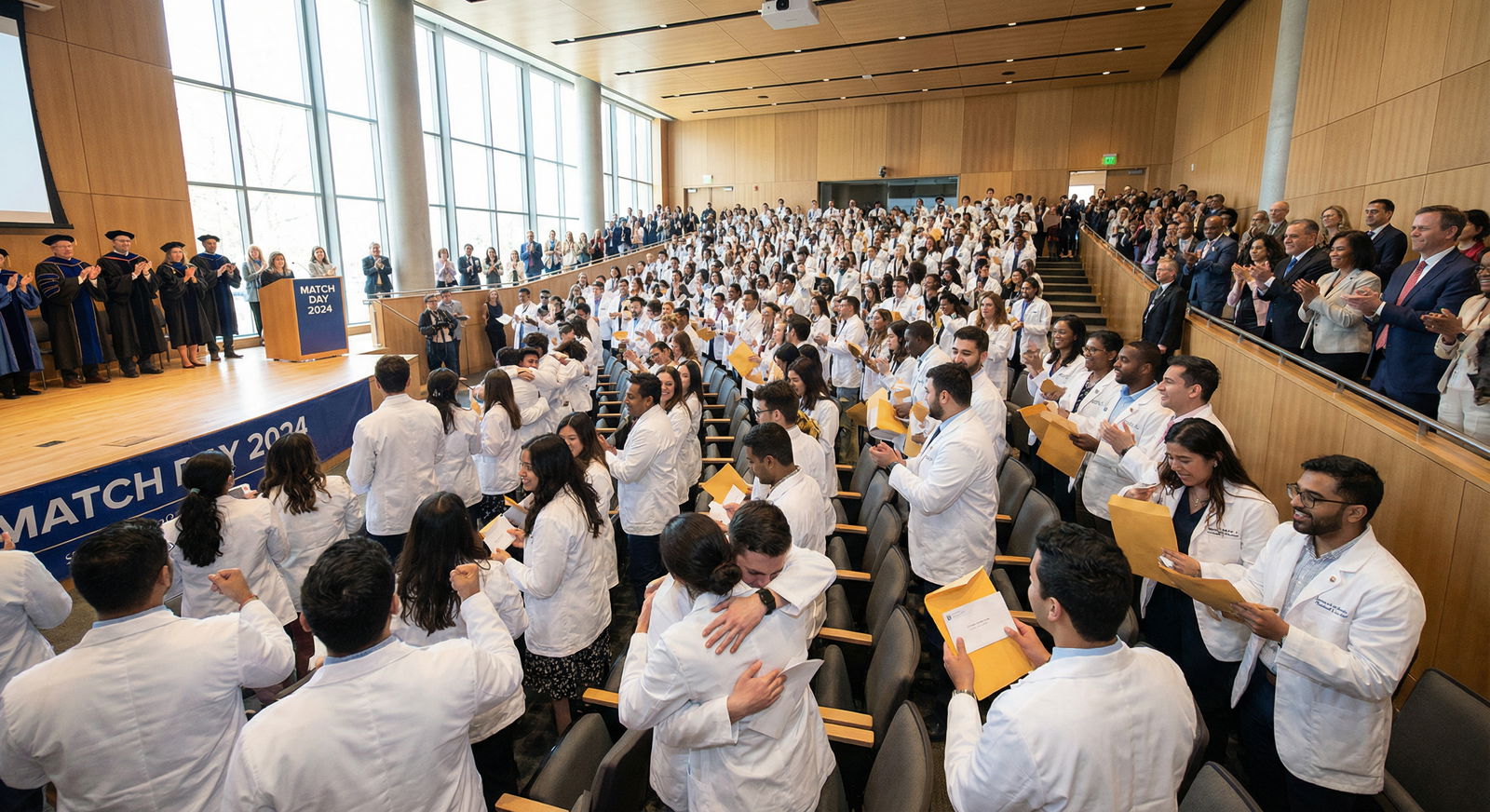
Most medical schools in the U.S. host Match Day ceremonies that bring together:- Students
- Faculty and deans
- Friends and family
- Alumni and sometimes residency program representatives
These events:
- Celebrate your transition from medical student to resident.
- Recognize the effort and resilience required to reach this point.
- Provide a communal, supportive environment during a highly emotional moment.
The Envelope Ritual
At many institutions, students receive sealed envelopes or printed cards with their match destination. At a predetermined time (often noon ET or a coordinated local time), the entire class opens them together.
This ritual:- Intensifies the emotional moment, in both exciting and nerve-wracking ways.
- Becomes a memory many physicians recount for decades.
- Offers a public narrative of your journey—but remember, your personal experience doesn’t have to mirror the energy in the room.
Informal Networking and Celebrations
After the announcement:- Students often mingle with faculty, mentors, and classmates.
- Deans and advisors may connect you with alumni at your future program or in your chosen city.
- Many programs or specialties have informal meetups, either in person or on social platforms, to welcome newly matched residents.
Initial Follow-Up With Your Residency Program
After you process your result and celebrate (or regroup), it’s time to:- Review any emails from your matched program.
- Look out for instructions about welcome packets, onboarding, and credentialing.
- Note orientation dates, deadlines for forms, and housing or relocation timelines.
Early, professional communication helps set a positive tone with your new team.

Preparing for Match Day: Emotional and Logistical Planning
Match Day is more manageable when you’ve thought through both how you want to feel and what you plan to do. Emotional preparation and logistical planning work hand in hand.
Emotional Preparation for Match Day
1. Normalize the Emotional Intensity
Recognize that this is a high-stakes moment—and it is normal to feel:
- Anxious leading up to the announcement
- Worried about how others will perceive your match
- Excited, scared, ambivalent, or surprised by your result
- Relieved simply that the uncertainty is ending
Remind yourself:
- Many physicians describe Match Day as one of the most stressful and most meaningful days of their training.
- Having strong emotional reactions does not mean you’re unprofessional; it means you’re human.
2. Plan How You Want to Experience the Moment
Think proactively about your preferences:
- Public vs. private:
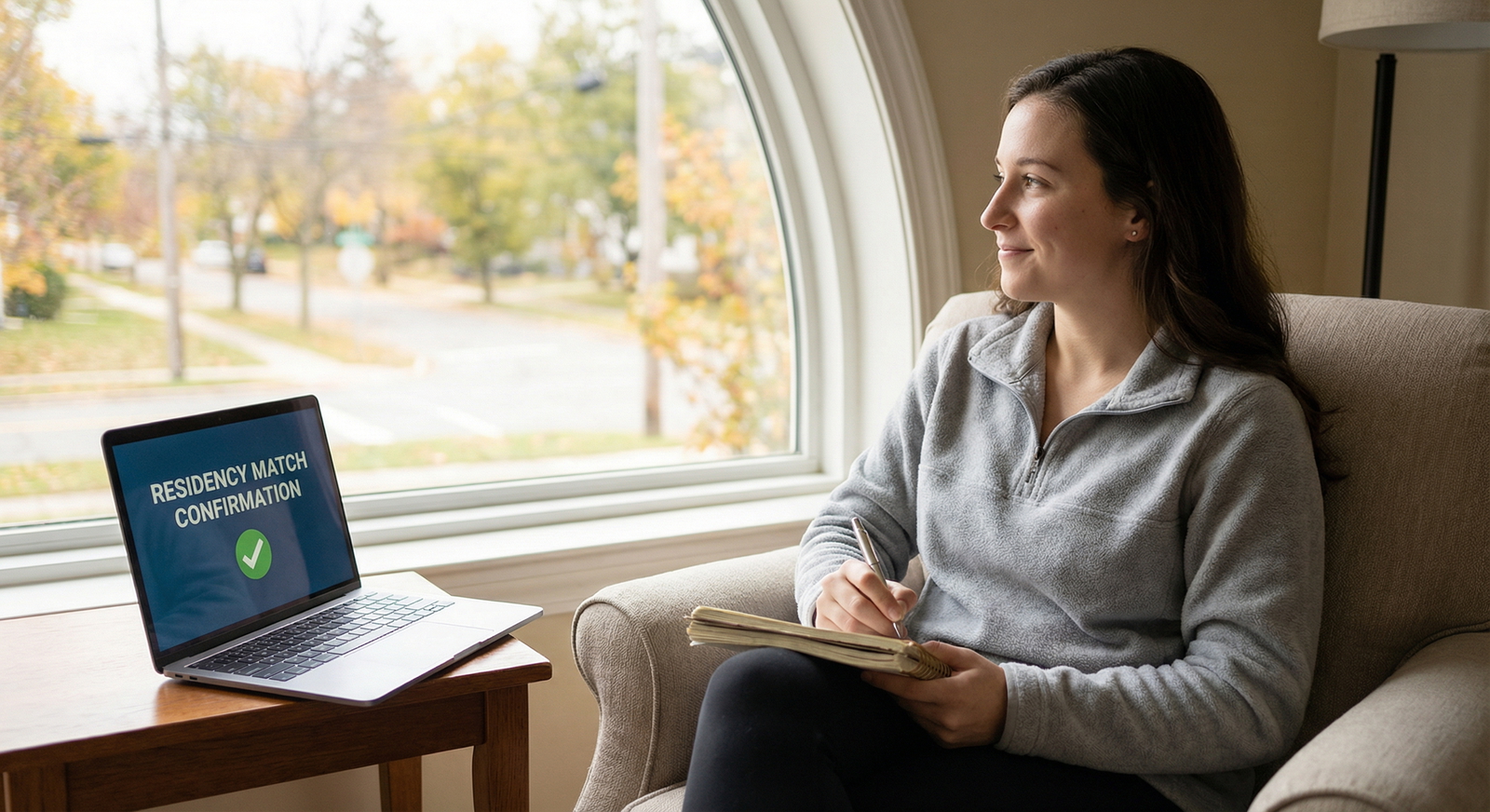
- Do you want to open your result in a crowded auditorium, with family, or quietly in a private space first?
- Some students check results online privately, then join the ceremony afterward.
- Who should be with you?
- Consider inviting only people who bring comfort and support, not pressure or judgment.
- It is okay to limit attendance or ask for privacy and share the result later.
- How will you cope if the outcome isn’t what you hoped?
- Identify one or two trusted people (friend, partner, mentor) you can talk to that day.
- Decide ahead of time if you want to step away from social media temporarily.
3. Build a Coping Toolkit
In the days leading up to Match Day, practice:
- Mindfulness and Breathing Techniques
- Box breathing, 4-7-8 breathing, or simple slow exhales can help regulate anxiety.
- Short guided meditations (5–10 minutes) can ground you on the morning of Match Day.
- Positive Visualization
- Imagine yourself reading your result and responding with calm and self-compassion—regardless of the specific program.
- Visualize yourself adapting, thriving, and growing in your matched residency.
- Cognitive Reframing
- Remind yourself: Matching at a program that was not your top choice does not define your worth or future success.
- Many physicians end up deeply satisfied in programs that were initially lower on their rank list.
4. Manage Expectations and Comparisons
Social media and ceremonies can amplify comparison:
- Some classmates will be vocal about highly competitive matches.
- Others will be quieter or processing complex feelings.
Anchor yourself with these truths:
- Every specialty and institution has strengths and trade-offs.
- Excellent training, mentorship, and career satisfaction are possible from a wide range of programs.
- Your value as a physician is not determined by the perceived prestige of your residency.
Logistical Planning for Match Day
1. Time Zone and Schedule
- Match results release at noon Eastern Time.
- Convert this to your local time (e.g., 9 AM PT, 11 AM CT).
- Confirm any timing details from your school’s Match Day ceremony, which may align with or adjust around the NRMP release.
Plan your morning so you’re not rushed:
- Avoid scheduling major obligations (exams, long commutes, procedures) close to noon ET if possible.
- Give yourself space before and after the announcement.
2. Technology Readiness
- NRMP Account Access
- Log in a few days before Match Day to confirm your username/password.
- Bookmark the NRMP login page on your devices.
- Internet Connection
- Ensure access to a stable, secure connection.
- If your home connection is unreliable, identify a backup location (school, library, or trusted friend’s home).
- Device Planning
- Have at least one backup device (phone, tablet, or another computer) available.
- Make sure your devices are charged and updated.
3. Coordinate With Family and Friends
Decide in advance:
- Whether you want loved ones present in person, on video call, or notified after the fact.
- Whether you’re comfortable with photos or videos during the envelope opening or result check.
- What boundaries you’d like to set:
- For example, “Please don’t livestream or post on social media without asking me first.”
Clear expectations reduce emotional friction on a day when you’ll already be processing a lot.
4. Plan Your Post-Announcement Time
Think through:
- Where you might want to go afterward (lunch, coffee, quiet walk, or a class celebration).
- Whether you want a small, intimate gathering or a larger celebration.
- Activities that help you decompress, regardless of outcome.
Having a plan reduces the sense of floating and gives structure to your career transition moment.
What to Expect on the Morning of Match Day
Start With Basic Self-Care
- Eat a Balanced Breakfast
Choose something that will sustain you without making you sluggish (e.g., protein, whole grains, fruit). It’s easy to lose your appetite when anxious, but you’ll need energy. - Hydrate and Limit Caffeine
- A moderate amount of caffeine is fine, but excessive coffee may intensify anxiety and palpitations.
- Dress Comfortably but Confidently
- Most students wear business casual or semi-formal attire for ceremonies.
- Choose clothing that helps you feel like your best self, but prioritize comfort—you’ll be sitting, standing, and possibly on stage or in photos.
Plan Your Pre-Result Routine
Try to maintain a familiar, grounding routine:
- Short walk, light stretching, or yoga
- Brief mindfulness exercise
- Checking in with a friend or loved one who understands the day’s significance
Avoid:
- Excessive doom-scrolling or repeated speculation about your Match outcome.
- Comparing final rank lists or obsessing about others’ perceived competitiveness.
Receiving Your Match Result: How to Respond and Move Forward
Step 1: Read, Pause, and Breathe
When the clock hits noon ET and you see your result:
- Read it slowly and completely.
Take a moment to let the words sink in: specialty and institution. - Pause for several deep breaths.
Whether your initial response is joy, shock, or disappointment, give yourself a few seconds to just breathe. - Allow your honest reaction.
Tears, laughter, silence, or a stunned look are all completely valid.
Step 2: Process Your Feelings
If You Matched Where You Hoped
- Celebrate fully; you’ve worked extremely hard for this.
- Share the news with those who supported you—family, friends, mentors, advisors.
- Take a moment of gratitude for the opportunities and people who helped you reach this point.
If You Matched But Not at Your Top Choice
This is a common scenario, even for very strong applicants.
- Acknowledge any disappointment—mourning an imagined future is normal.
- Remind yourself:
- You still matched in your chosen specialty or a strong alternative.
- Many residents grow to appreciate and love programs that were lower on their rank list once they experience the culture and training first-hand.
- Give it time. First impressions of a program often change after meeting co-residents, faculty, and seeing the learning environment.
If Your Feelings Are Mixed or Unclear
- You might feel both relief and uncertainty, or joy and anxiety about moving far from home.
- Mixed emotions are expected in any major career transition.
- Consider journaling briefly that day:
- What are you feeling?
- What are you hoping for in this next phase?
- What support will you need?
Step 3: Communicate Professionally With Your Program
After your initial emotional reaction and any immediate ceremonies:
- Check Your Email Carefully
- Many programs send welcome messages on Match Day or shortly thereafter.
- Look for information about next steps, required documents, and orientation dates.
- Respond Briefly and Professionally
A short email might include:- A polite thank-you.
- A sentence expressing enthusiasm about joining the program.
- Any immediate questions about logistics or timelines (if not already addressed).
- Start a Checklist
As information arrives, create a simple checklist or document to track:- Licensure requirements
- Hospital credentialing and HR forms
- Vaccination records and health screenings
- Background checks, drug testing, or onboarding modules
Early organization will make the next few months much smoother.
Step 4: Celebrate in a Way That Feels Right for You
You earned this milestone—regardless of the exact outcome.
Options for celebrating:
- A small gathering with close friends and family
- A group outing with classmates or your medical school cohort
- A quiet dinner or walk with someone important to you
- Sharing the news with mentors who wrote letters or guided you along the way
You do not have to celebrate loudly for the day to be meaningful. Authenticity matters more than appearance.
Post-Match Actions: Transitioning Into Residency
Match Day kicks off a series of practical steps as you transition into your residency and new life chapter.
Building Your Future Resident Community
Join Program Social Media and Group Chats
- Many incoming classes form group chats (e.g., GroupMe, WhatsApp, Slack) or closed social media groups.
- These groups can help you:
- Find housing and roommates
- Coordinate moving timelines
- Share information about the program and city
Connect With Co-Residents and Alumni
- Reach out to current or former residents from your school who have trained at your new program.
- Ask about:
- Program culture
- Call structure and rotation schedules
- Best neighborhoods, commuting options, and hospitals
Preparing for a Major Career Transition
Moving from medical school to residency is both an educational and life transition.
1. Learn About Your Program
Before you start:
- Review the program website and any handbooks they send.
- Understand:
- Rotation schedules
- Night float or call expectations
- Vacation policy
- Available educational resources (simulation labs, didactics, conferences)
- Support structures (mentorship, wellness programs, counseling resources)
2. Plan Your Move and Finances
- Housing and Relocation
- Research neighborhoods near your hospital.
- Consider factors such as:
- Commute time and parking
- Safety and cost of living
- Proximity to grocery stores and essential services
- Ask co-residents about common housing choices.
- Budgeting for the Transition
- There’s often a gap between graduation and first residency paycheck.
- Plan for:
- Moving expenses
- Security deposits
- Licensing and examination fees
- Professional clothing, scrubs, and equipment (e.g., stethoscope, books, apps)
3. Tending to Your Well-Being Before Residency Begins
The weeks following Match Day—but before residency—are a crucial time to:
- Rest and recharge after a demanding application cycle.
- Spend quality time with loved ones, especially if moving away.
- Re-engage with hobbies or physical activities you may have paused during medical school.
- Schedule routine health appointments for yourself (dental, medical, mental health check-ins).
Intentionally prioritizing well-being now can set you up for a more sustainable start to residency.

Frequently Asked Questions About Match Day and the Transition to Residency
1. What should I do if I don’t match?
If you receive notification on Monday of Match Week that you did not match:
- Don’t panic—there is a structured process in place.
- You may be eligible for the Supplemental Offer and Acceptance Program (SOAP), which allows unmatched applicants to apply to unfilled residency positions.
- Steps to take:
- Immediately contact your dean’s office or advising office.
- Meet with a trusted advisor to strategize your SOAP application list.
- Update or tailor your application materials (personal statement, letters, CV) as advised.
- Maintain a professional demeanor—programs participating in SOAP may contact you.
- If you remain unmatched after SOAP:
- Work with mentors to explore options:
- Research positions or fellowships
- Additional clinical experiences
- Reapplication strategies for the next cycle
- Remember that many physicians have non-linear paths and ultimately build successful, fulfilling careers.
- Work with mentors to explore options:
2. What documents and tasks should I prepare for my new residency program?
Exact requirements vary by institution and specialty, but commonly needed items include:
- Medical school diploma (or proof of anticipated graduation)
- Official medical school transcript
- USMLE/COMLEX score reports
- Immunization records and proof of TB screening
- Background check and drug screening forms
- Employment eligibility documentation (e.g., ID, visa documents for IMGs)
- BLS/ACLS/PALS certifications (as required by specialty)
- National Provider Identifier (NPI) registration (if requested)
Start a checklist as soon as your program sends onboarding materials, and track deadlines carefully.
3. How can I build relationships with my future co-residents and faculty before July?
Ways to foster connection before starting:
- Join any official or unofficial incoming resident group chats or social media groups.
- Participate in pre-orientation virtual meetups or webinars hosted by the program.
- Introduce yourself via a brief, professional email to your program director or chief residents if appropriate.
- If you’re local or able to visit safely:
- Explore the hospital campus and surrounding neighborhoods.
- Attend any optional pre-start events (e.g., welcome dinners or tours).
Approach interactions with humility, curiosity, and respect; first impressions matter and can ease your transition.
4. Is it customary or appropriate to celebrate Match Day?
Yes. Match Day is widely recognized and celebrated across medical schools:
- Many schools hold formal ceremonies with speeches, envelope openings, and group photos.
- Students commonly celebrate with:
- Family gatherings
- Class parties or small group dinners
- Social media posts announcing their match
However:
- You are not obligated to celebrate publicly if you don’t feel comfortable.
- If your match result is complicated or not what you hoped for, it is valid to choose quieter, more personal forms of acknowledgment.
- Respect classmates who may be processing disappointment, and be sensitive with public announcements.
5. What should I focus on in the months between Match Day and residency start?
Consider these focus areas:
- Administrative and Professional
- Complete all onboarding, licensure, and credentialing tasks early.
- Review any recommended reading or resources from your program.
- Personal and Relational
- Spend time with family and friends.
- Strengthen supportive relationships you can lean on during residency.
- Health and Wellness
- Address any pending health needs.
- Establish or continue mental health care if beneficial.
- Build sustainable sleep, exercise, and nutrition habits.
- Mindset and Expectations
- Reflect on your goals for residency (clinical skills, research, leadership, personal growth).
- Remind yourself that residency is a learning environment—you are not expected to know everything on day one.
By understanding what happens on Match Day, preparing both emotionally and logistically, and planning thoughtfully for your career transition into residency, you can approach this milestone with greater clarity and resilience. Whether your match result aligns perfectly with your dreams or opens an unexpected path, your adaptability, professionalism, and dedication to patient care will shape your success far more than any single day in March.