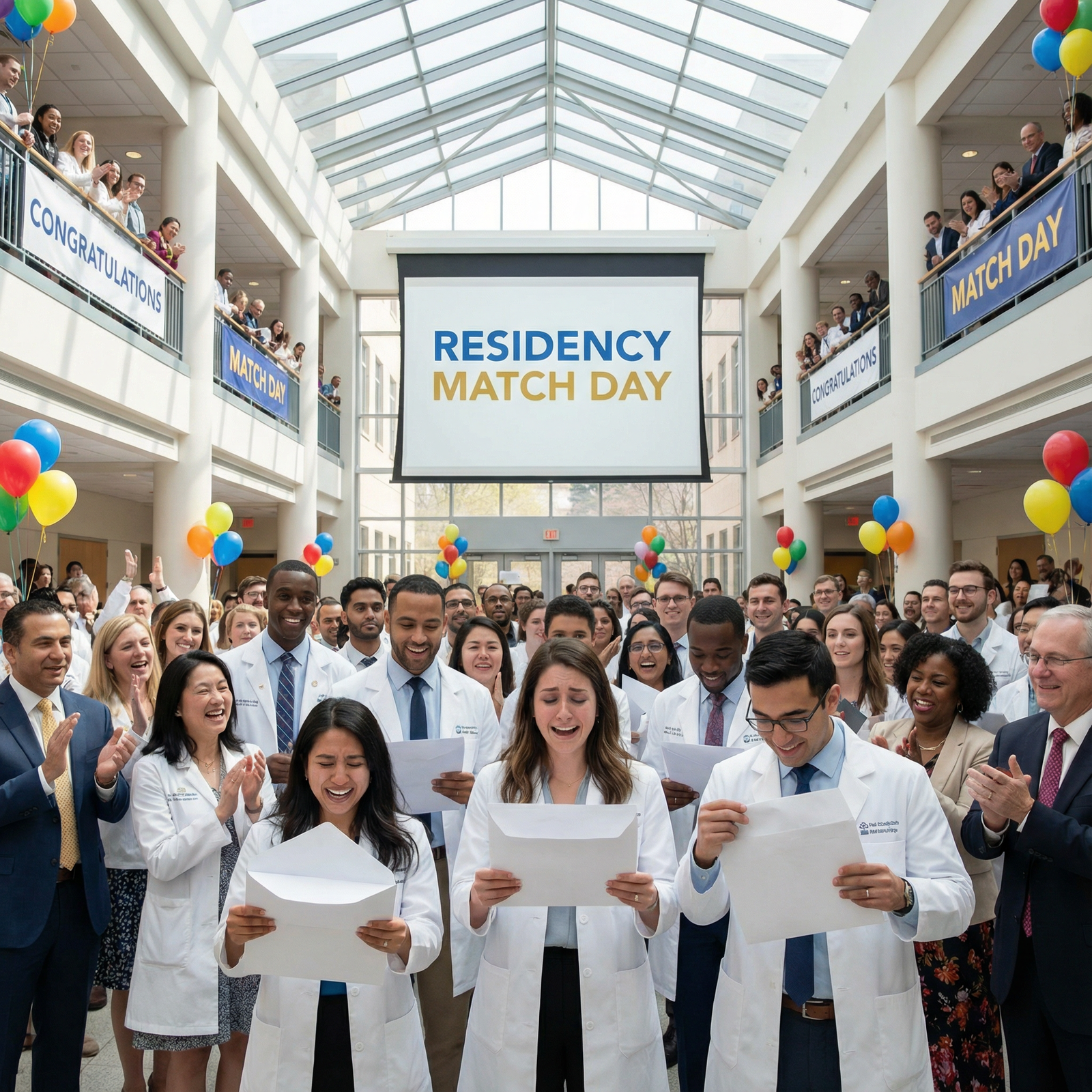
Residency Match Day is one of the most pivotal milestones in your medical education and the official gateway into your career as a resident physician. It represents the culmination of years of exams, rotations, research, and interviews—and the beginning of your next phase in graduate medical training. The emotions are intense: anticipation, excitement, anxiety, hope, and sometimes uncertainty.
This guide walks you through what Residency Match Day is, how it fits into the broader residency application process, what to do in the weeks leading up to Match Day, what to expect on the day itself, and how to navigate the transition afterward. You’ll find practical tips, emotional preparation strategies, and examples to help you approach Match Day with clarity and confidence.
Understanding the Residency Match Process and Timeline
To truly prepare for Residency Match Day, you need a solid grasp of how the residency match system works and how your ERAS Application and rank list fit into the big picture of healthcare careers.
The Role of ERAS in Residency Applications
The Electronic Residency Application Service (ERAS) is the platform through which you submit your residency applications. By Match Week, you’ve already completed the heavy lifting here, but revisiting what ERAS includes can help you make sense of your Match results and plan your next steps.
Your ERAS Application typically includes:
- Personal statement(s) tailored to specific specialties or program types
- Curriculum vitae (CV) with your education, work, volunteering, and leadership experiences
- USMLE/COMLEX scores and exam history
- Letters of recommendation (LoRs) from faculty, program directors, or attendings
- MSPE (Dean’s Letter) summarizing your performance and professionalism
- Research, publications, and presentations
- Program-specific questions or supplemental applications, when applicable
Knowing your application “story” inside and out is helpful, especially if you’ll be networking with future colleagues, speaking with faculty, or explaining your path to friends and family on Match Day.
Rank Order Lists and the NRMP Algorithm
The National Resident Matching Program (NRMP) uses a computerized algorithm to match applicants to programs based on their Rank Order Lists:
- Applicant Rank Order List (ROL): You rank programs in true order of preference after interviews.
- Program Rank Order List: Programs rank applicants based on their criteria—interviews, letters, exam scores, fit, etc.
The NRMP algorithm is applicant-proposing, which means it’s designed to favor your preferences as an applicant. On Match Day, your result reflects the highest-ranked program on your list that also ranked you and had a position available when the algorithm considered your application.
Key Match Week and Match Day Milestones
While Match Day is the headline, it’s part of a structured week:
- Monday of Match Week: You learn whether you matched or did not match into a residency position (but not where yet).
- Monday–Thursday: If you did not match or only partially matched, you may participate in the Supplemental Offer and Acceptance Program (SOAP), applying to and interviewing with programs with unfilled positions.
- Friday (Match Day): The big reveal—around late morning or noon (varies by institution), you receive your official Match result with your residency program and location.
Common Questions About the Match Process
When is Residency Match Day?
Usually the third Friday in March for most specialties. Always confirm with the NRMP and your medical school for your specific year.What if I don’t match?
You’ll be eligible for SOAP if you meet NRMP and ERAS criteria. Unscrambling this quickly is stressful but manageable with support from your school’s advising office.Does my rank order list really matter?
Yes. You should rank programs in your true order of preference, not where you think you are most likely to match. The algorithm is structured to reward honesty in preferences.
The Weeks Leading Up to Residency Match Day
The period between submitting your rank list and Match Day can feel strangely quiet yet emotionally intense. Use this time thoughtfully to prepare both practically and mentally.

1. Revisit Your Application, Interviews, and Career Goals
Even though nothing can change your Match outcome at this point, reflecting can help you integrate your journey and prepare to transition into residency.
Review Your ERAS Application
Look back at:
- Your personal statement: What themes did you emphasize (service, research, underserved care, specific subspecialty interests)?
- Your clinical and leadership experiences: Which rotations or projects defined your path?
- Your letters and activities: What do they say about your strengths and potential?
This reflection helps you:
- Explain your journey to family and friends on Match Day.
- Prepare to speak with your new program about your interests and goals.
- Identify aspects of your professional story you may want to further develop in residency (e.g., research, QI projects, leadership).
Reflect on Your Residency Interviews
Recall:
- Programs where you felt a strong personal and cultural fit
- Cities or regions where you could see yourself thriving
- Conversations with residents and faculty that stood out
Even before seeing your Match result, this reflection can help you normalize a wide range of potential outcomes. Whether you match at your first choice or farther down your list, you’ll already have considered what that might mean for you.
2. Connect with Advisors, Mentors, and Support Systems
The weeks before Match Day are an ideal time to check in with your support network:
- Schedule a brief meeting or call with your career advisor or dean to discuss what to expect.
- Reach out to faculty mentors to share how you’re feeling and ask practical questions about transitioning into residency.
- Let your close friends, partner, or family know what Match Week will look like and what level of support you’d appreciate.
For international medical graduates (IMGs), this is a good time to discuss visa considerations, relocation timelines, and additional documentation you may need if you match in the U.S.
3. Plan the Logistics of Your Match Day Experience
Your institution’s Match Day format may be in person, hybrid, or fully virtual. Clarify:
- Location: On-campus auditorium, simulation center, student lounge, or an off-site venue?
- Time: When exactly will envelopes or emails be released? Are there speeches beforehand?
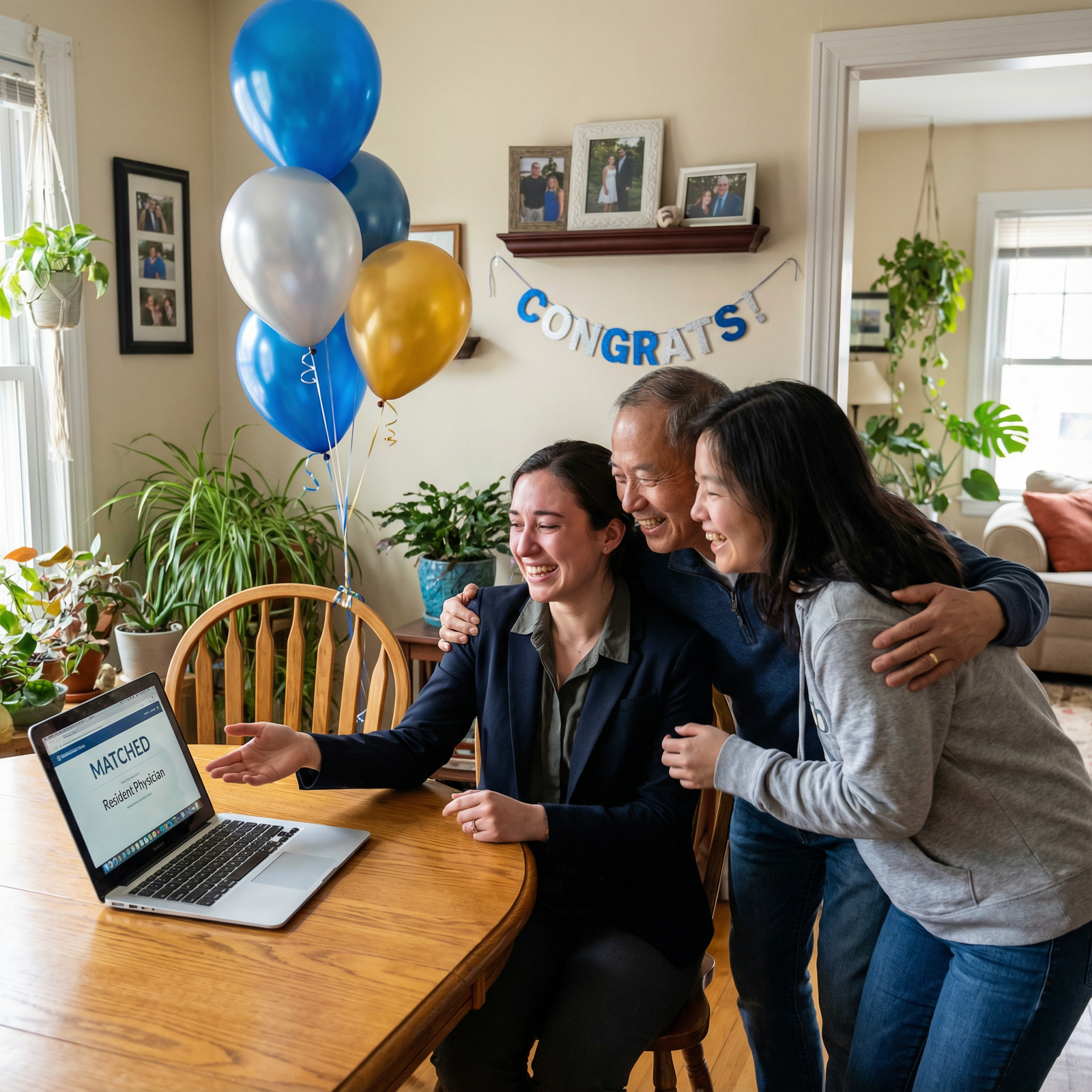
- Guests: How many guests are allowed? Are children permitted? Are remote viewing options available for family abroad?
- Dress code: Ranges from business casual to semi-formal; confirm expectations with your school.
What to Bring on Match Day
Consider organizing a small “Match Day kit”:
- School ID and any required event access pass
- Phone and portable charger
- Tissues (for expected or unexpected tears)
- Notepad or journal to capture your thoughts
- A printed list of your ranked programs and locations (to quickly orient yourself if you match to a city you’re less familiar with)
- Small props for photos (e.g., specialty-themed signs like “Future Pediatrician”) if you enjoy that
4. Plan How You’ll Celebrate (or Reflect) After the Reveal
Think ahead about how you want to mark the day, regardless of the outcome:
- A small dinner with close friends
- A larger party with family and classmates
- A quiet evening with your partner or by yourself if you prefer low-key celebrations
You might also consider:
- Virtual watch parties or video calls with relatives in other states or countries
- Creating a group chat with your closest classmates to share results and support one another
- Setting a post-reveal “check-in time” with a trusted mentor in case your result raises questions or mixed emotions
Planning ahead gives you a sense of control and helps protect you from making decisions under intense emotional pressure.
What to Expect on Residency Match Day: From Morning to Reveal
Match Day itself can feel surprisingly structured yet emotionally unpredictable. Understanding the rhythm of the day can help you stay grounded.
Morning of Match Day: Grounding Yourself
Sleep and Morning Routine
Aim to:
- Get adequate sleep the night before—avoid the temptation to stay up doom-scrolling or obsessing over possibilities.
- Eat a balanced breakfast that will carry you through a long, emotionally intense day.
- Engage in brief grounding or mindfulness practices—deep breathing, a short walk, journaling, or a few minutes of stretching.
Remind yourself: The outcome is already determined. Your focus now is on how you will receive and respond to it, not on changing it.
Dress and Presentation
Choose clothing that is:
- Comfortable for potentially standing or sitting for long periods
- Professional enough for photos and potential interactions with faculty and future colleagues
- Reflective of your personal style and identity, if that’s important to you (cultural attire, specialty-themed ties or pins, etc.)
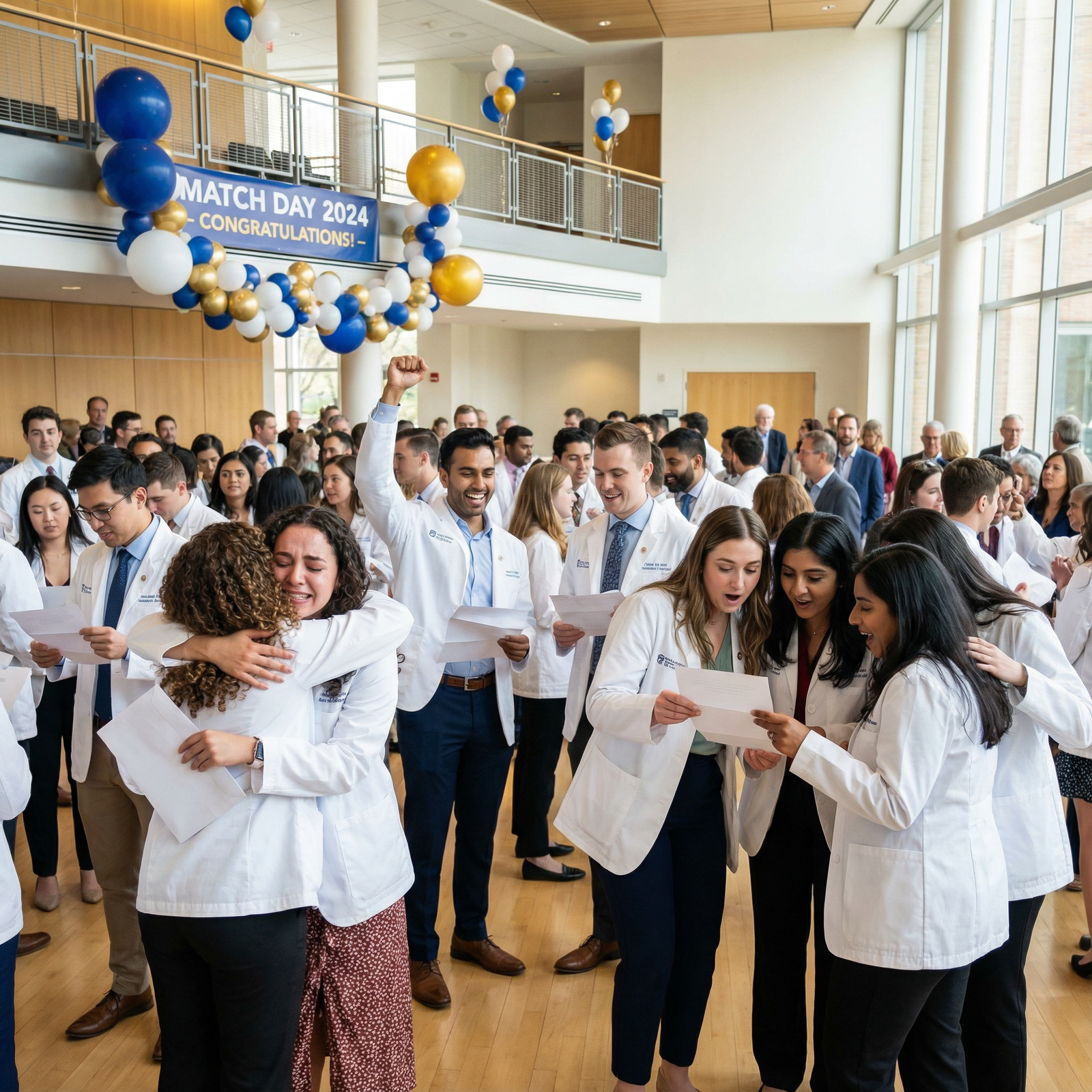
The Match Day Ceremony and Reveal
Most institutions follow a general structure, though specifics vary:
- Welcome and opening remarks by deans, program directors, or student leaders
- Speeches or reflections on your class’s journey through medical school
- Countdown or scheduled release time for envelopes or email notifications
- The moment of opening your Match letter or email
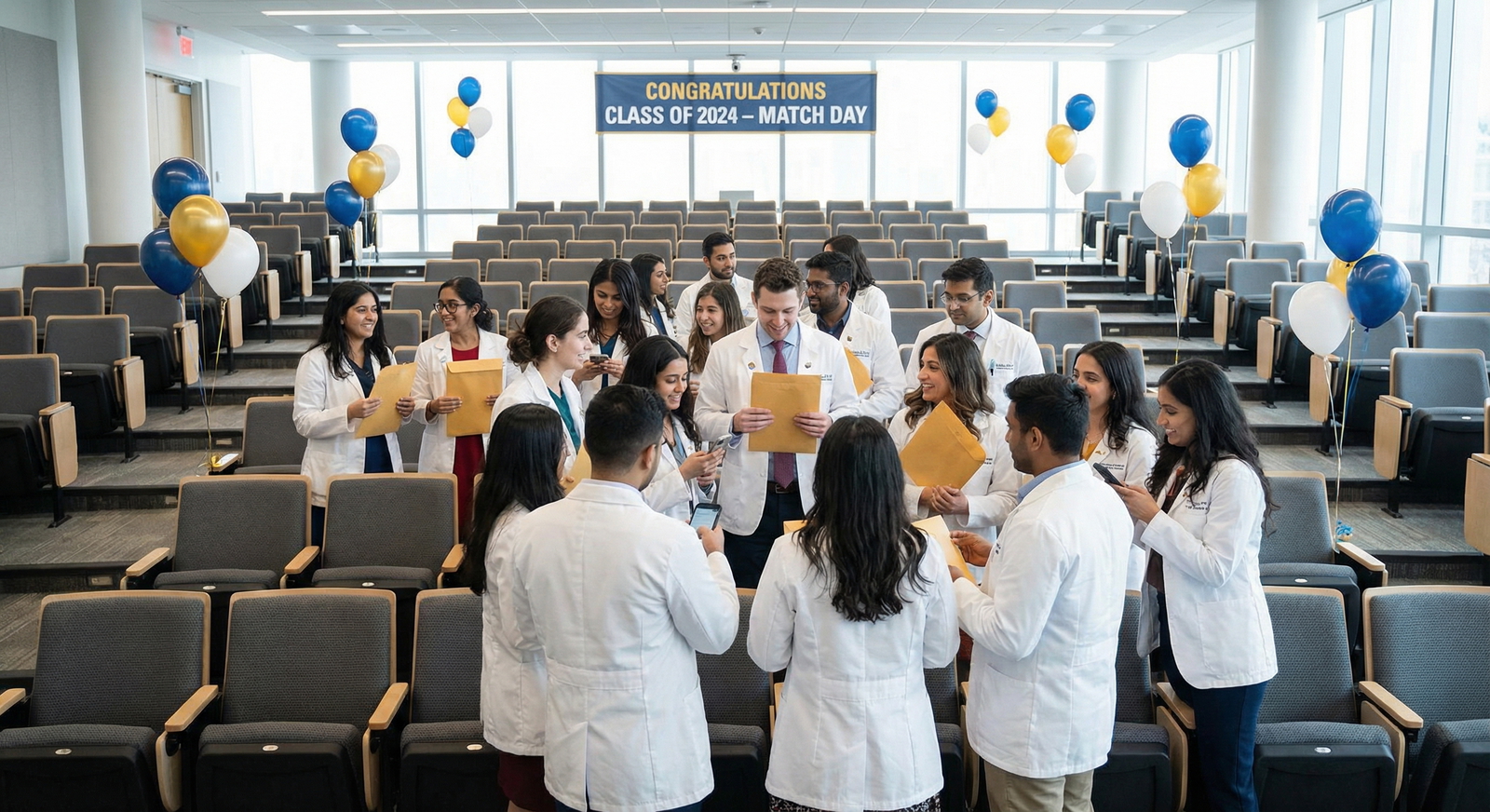
Some schools distribute physical envelopes; others have you open an email or sign into an NRMP/ERAS-related portal. Some classes open together at the exact same time; others stagger openings.
Strategies for the Moment You Receive Your Result
Decide ahead of time if you want to open:
- Alone first, then share
- With your partner or immediate family
- In the middle of your entire class
If opening electronically, consider:
- Turning off social media notifications for a bit so you can stay present
- Taking a screenshot or printing the email later for your personal records
Remember: There’s no single “right” way to open your result. Choose the environment that feels safest and most supportive for you.
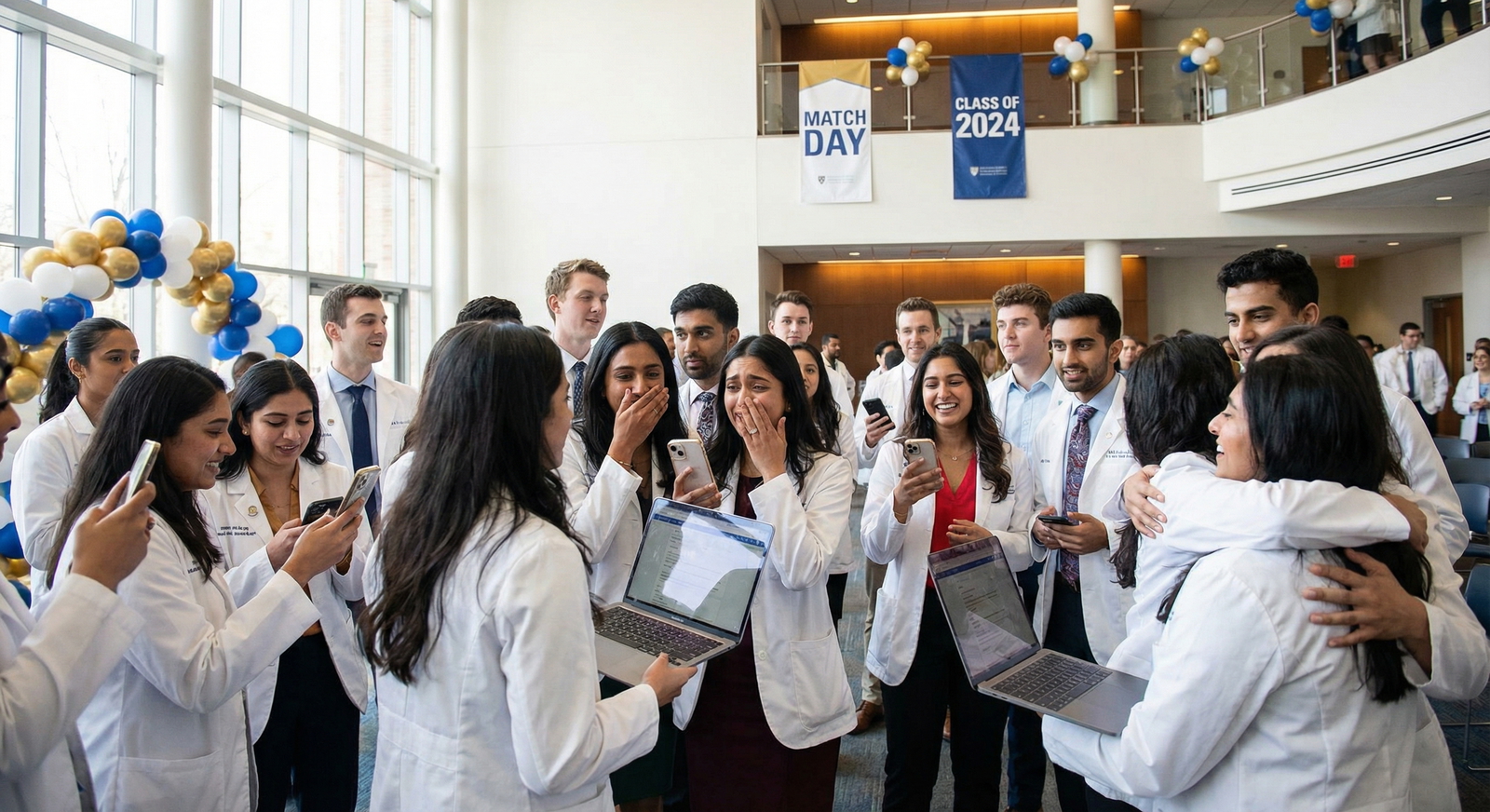
The Emotional Landscape of Match Day
Expect a wide range of emotions, for yourself and others:
- Joy and relief if you matched at or near your top choices
- Mixed emotions if you matched, but not where you expected or hoped
- Surprise or shock if your result feels unexpected
- Empathy and concern for classmates who are disappointed or did not match
A few tips:
- Give yourself permission to feel whatever you feel—excitement, confusion, gratitude, disappointment, or all of the above.
- Be mindful and compassionate with peers; people process news differently and on different timelines.
- Take breaks from the main event space if needed—step outside, find a quiet corner, or talk with a trusted person.
For many, this is the first truly public career outcome moment. Comparisons are natural, but try to refocus on your own path and what this result means for your professional growth.
After the Reveal: Practical and Emotional Next Steps
Once the initial shock and celebration settle, you’ll start shifting into planning mode. Regardless of how you feel about your Match, there are important steps to take.
1. Interpreting and Processing Your Match Result
Ask yourself:
- What excites you about this program or location?
- What initial concerns or questions arise?
- How does this align with your long-term career goals in healthcare?
All feelings are valid:
- If this was your top choice, allow yourself to fully celebrate.
- If you matched farther down your list, know that many physicians eventually realize those programs were an excellent fit in ways they couldn’t foresee.
- If you’re experiencing disappointment or regret, speak honestly with a mentor or counselor before making any big decisions.
2. Reaching Out to Your New Residency Program
Most programs will send you a welcome email or onboarding packet with:
- Orientation dates
- Required paperwork and licensure information
- Background checks, drug screens, and credentialing steps
- Contacts for chief residents, program coordinators, or administrative staff
Consider:
- Sending a brief, professional thank-you email expressing enthusiasm for joining their team.
- Introducing yourself to future co-residents through any group chats or social media groups the program uses.
- Asking practical questions about housing, commuting, or recommended resources.
This is also a good time to review program details you may not have revisited since interviews—rotation structure, call schedule, educational curriculum, and mentorship opportunities.
3. Planning the Transition: Logistics and Life Changes
Residency may require a major life transition, especially if you’re moving cities or states.
Key practical steps:
- Housing: Research neighborhoods near your hospital; consider proximity to public transit, safety, and cost of living.
- Licensure: Complete state medical license or training permit requirements as directed by your program.
- Finances: Revisit your budget considering moving expenses, loan repayment plans, and salary as a PGY-1.
- Health and wellness: Arrange continuity of healthcare (e.g., mental health providers, primary care, ongoing treatments) in your new location.
For IMGs or those on visas, pay particular attention to:
- Visa sponsorship type (e.g., J-1, H-1B)
- Timeline for documentation and approvals
- Any additional legal or financial planning required
4. Supporting Classmates and Taking Care of Yourself
After the initial excitement, remember:
- Some classmates may be grappling with disappointing outcomes or uncertainty (e.g., post-SOAP decisions).
- Offer support without prying—simple messages like “I’m here if you want to talk” can mean a lot.
- Avoid competitive or comparative conversations that may inadvertently increase stress.
On a personal level:
- Give yourself decompression time in the days after Match Day.
- Engage in activities that reconnect you to your identity outside of medicine—hobbies, family time, or travel if possible.
- Reflect on how far you’ve come; you’re transitioning from student to physician-in-training, a major professional identity shift.
Frequently Asked Questions About Residency Match Day and Preparation
1. How can I manage anxiety in the weeks before Residency Match Day?
Performance anxiety around Match Day is extremely common. A few strategies:
- Set information boundaries: Avoid constantly speculating with classmates about where everyone might match.
- Use structured worry time: Allow yourself 10–15 minutes a day to acknowledge worries, then redirect your focus.
- Practice grounding techniques: Deep breathing, progressive muscle relaxation, mindfulness apps, or short walks.
- Lean on your support network: Talk with people who can offer perspective—mentors, family, friends, or mental health professionals.
If anxiety is interfering with sleep, concentration, or daily functioning, consider checking in with your school’s counseling or wellness services.
2. What if I’m not satisfied with where I matched?
Feeling conflicted or disappointed is more common than people admit publicly. Steps to take:
- Allow time to process before making any drastic decisions. Initial emotions can be intense and may soften with time.
- Talk with trusted mentors who understand the training landscape; they can help you identify opportunities at your matched program.
- Research your new program more deeply: Look at fellowship match lists, resident satisfaction, scholarly opportunities, and support systems.
- Focus on what you can control: Your work ethic, relationships with faculty, scholarly productivity, and involvement in QI or leadership.
Transfers or reapplying are complex pathways and usually not addressed immediately post-Match. Most residents find meaningful growth and success where they initially match.
3. What should I do if I don’t match at all?
Not matching is painful but survivable, and many unmatched applicants go on to have successful, fulfilling healthcare careers.
If you do not match:
- Work closely with your medical school advising office during SOAP if eligible.
- Keep your communication with programs and advisors professional and responsive.
- After Match Week, schedule a comprehensive debrief with an experienced advisor to:
- Analyze your ERAS Application and interview performance
- Identify areas for strengthening (scores, clinical experience, research, specialty choice, geographic strategy)
- Plan a gap year or reapplication strategy if needed
Emotional support is crucial—seek counseling, peer support, and mentorship during this time.
4. How can I best prepare for the transition from student to resident after Match Day?
Use the months between Match Day and residency start to:
Clinical preparation:
- Review common conditions and management in your specialty
- Brush up on note-writing, order sets, and common inpatient workflows
Professional skills:
- Practice communication strategies for handoffs, difficult conversations, and interprofessional teamwork
- Clarify expectations for intern responsibilities and supervision levels
Personal preparation:
- Arrange your move early to reduce last-minute stress
- Discuss expectations with partners or family about schedules and support
- Develop a personal wellness plan—sleep, exercise, meals, and social support
5. How public should I be about my Match result on social media?
This is a personal decision, but consider:
- Boundaries: It’s okay to share selectively or not at all.
- Impact on others: Some classmates or followers may not have matched or may be struggling with their outcomes.
- Professionalism: Avoid negative comments about programs or locations; the medical community is small.
- Privacy: Consider how much identifying information (hospital name, city, specialty) you want online long-term.
Sharing thoughtfully can be meaningful—especially with family and friends who have supported you—but you’re not obligated to post anything.
Residency Match Day is both a destination and a launch point in your journey through medical education and into your healthcare career. By understanding the match process, planning for the emotional and logistical realities of Match Day, and preparing thoughtfully for life as a resident, you can navigate this transition with more confidence and intention.
You’ve invested years in becoming the kind of person who can care for patients with skill and compassion. Regardless of where you match, that commitment and potential go with you.