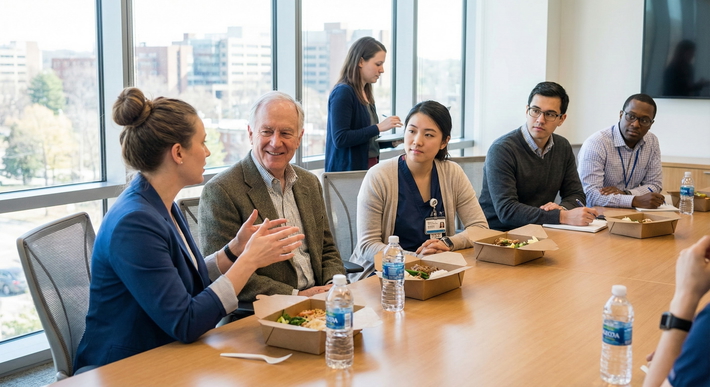
You didn't get into medical school by accident. You matched because programs saw something in you, and now you're spending hundreds of dollars and days off your rotations to figure out where you'll spend the next three to seven years. The Second Look exists for a reason: both sides are still dating. Programs want to fill their roster with people who won't quit, transfer, or burn out in year two. You want to know if this is a place where you'll survive, grow, and not develop a drinking problem by age thirty.
The tension is real, though. Most Second Look weekends are stuffed with two distinct activities: a clinical shadowing experience and a social mixer (usually with free drinks and slightly better food than the hospital cafeteria). One is supposed to show you the work. The other is supposed to show you the people. The question is which one actually delivers useful information.
Before finalizing your itinerary, check these weekday vs weekend second looks: which shows real program life considerations to maximize your visibility.
Here's how to think about your time budget. A typical Second Look might give you half a day of shadowing and an evening mixer. You're jet-lagged, you're performing "enthusiastic but not desperate," and you're trying to extract meaningful data from a curated experience. That's the reality. Programs put their best foot forward, but even polished environments leak the truth. Your job is to catch the leaks.
This article is for educational purposes only. It is not financial advice, not legal advice, and not tax advice. Figures vary by individual circumstances, consult a qualified professional before acting.
The Clinical Shadowing Experience: Decoding the Culture
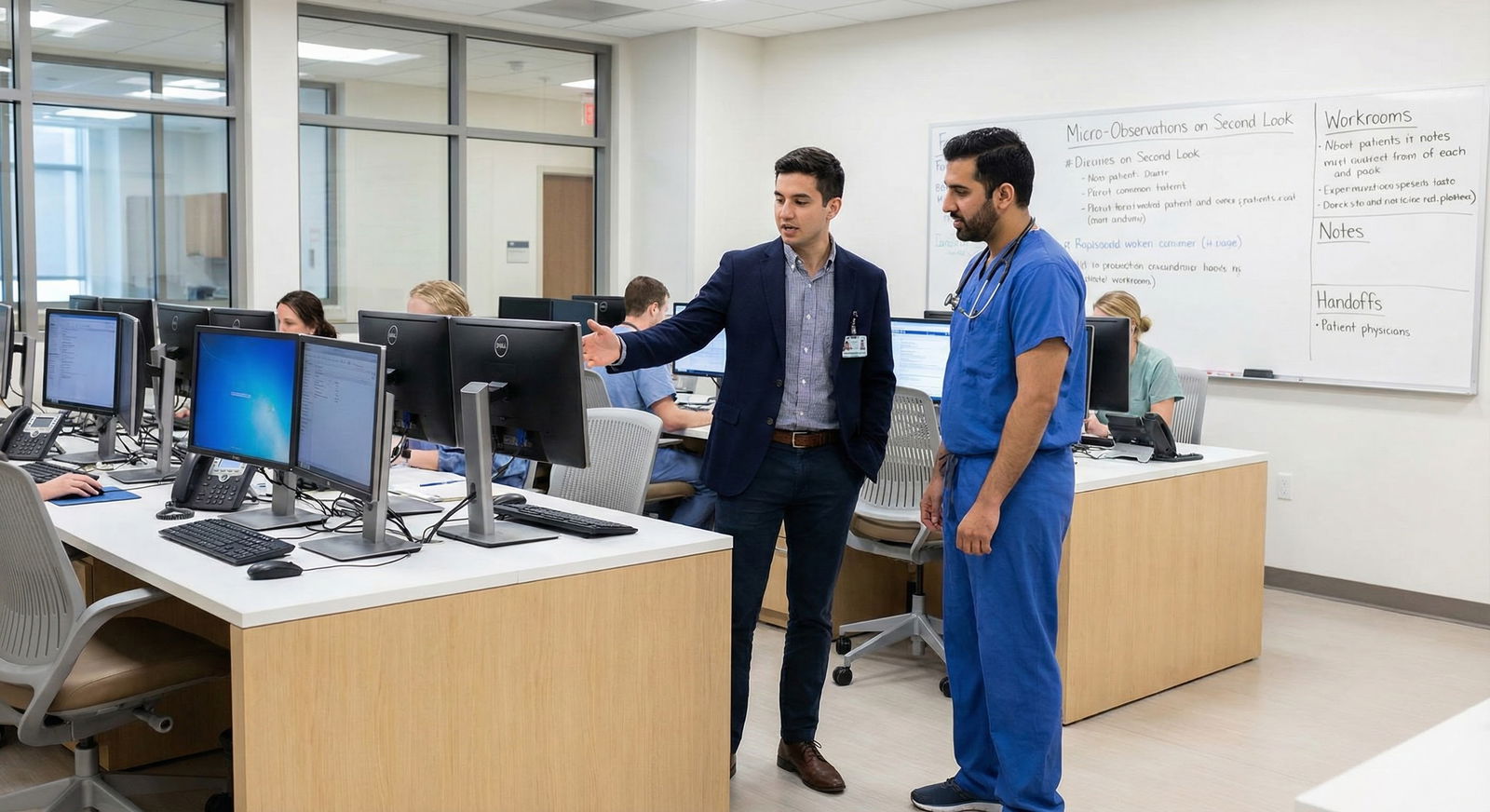
This is where the real information lives. Anyone can be charming at a bar with a free drink. Almost no one can fake a high-functioning clinical team for four hours straight.
What you're actually looking for is the residue of a hundred ordinary days. The way a senior resident talks to an intern when the attending is out of earshot. Whether the nurses know the residents by name, or whether there's a visible wall. How long it takes for a page to get answered. Whether the workroom is a place of dark humor and mutual survival, or quiet resentment.
I tell every applicant the same thing: pay attention to the unfiltered moments. The brief window when a resident thinks you're just furniture. Watch what happens when a code gets called, or a consult drops, or the list is a disaster. Does the team snap together, or fracture? Are people helping each other, or are they visibly exhausted in a way that suggests chronic understaffing?
Understanding how your target programs compare is vital; see using second looks to compare call schedules and workload to refine your decision-making process.
There's a particular thing I look for: the handoff. If you can catch the sign-out, do it. Listen to how residents communicate during transitions. Do they give each other useful information, or do they dump and run? A program that has its handoffs together usually has its culture together. A program with chaotic handoffs is telling you that nobody has time, nobody trusts each other, and you'll inherit that dysfunction on day one.
How to behave on the floor
You are a ghost. A friendly, well-dressed ghost who smiles and says thank you, but a ghost. Don't ask the attending to explain their research. Don't pepper the residents with questions during a busy moment. Don't take notes openly. If a procedure is happening and there's no room, stay back. If you can ask a thoughtful question during a quiet stretch, great. But your default mode is observer, not participant.
The best applicants I've watched on Second Looks ask exactly two or three questions during an entire shadow. They make eye contact. They thank the team at the end. They leave. That's it.
The burnout tell
The brochures won't show you the program at 3 a.m. during a brutal rotation. The residents might. Look for the dark circles. Look for the resident who flinches when their pager goes off. Look for the comment slipped into conversation: "Yeah, that's just how the wards are" or "You get used to it" delivered with a flatness that means they haven't gotten used to it, they've just surrendered.
One specific thing to watch: how residents talk about other programs. If the residents here constantly compare themselves negatively to neighboring institutions ("Well, at [other hospital] they don't make us do this"), that's a tell. Confident residents defend their own program. Resigned ones trash it.
Social Mixers: Testing for 'Fit' and Psychological Safety
Here's where applicants get seduced, and where I have to be blunt: a fun evening is not data. It's not nothing, either. But a good time at a brewery with the residents does not equal a good training environment.
What the social mixer is actually for is this: confirming or denying the humanity of the people you saw on the floor. You watched them work. Now watch them relax. Are they actually friends, or are they performing collegiality? Do they talk to each other when the program director leaves the table? Is there a visible clique that excludes the newer residents?
The good signs are subtle. Residents who have inside jokes but make space for you. A senior who grabs the new interns and introduces them around. Someone who pulls up a chair instead of expecting you to hover. Laughter that doesn't look forced.
The bad signs are also subtle, and you have to train yourself to see them. The resident who gets visibly drunk too fast. The chief who spends the whole night talking to attendings and ignores applicants. The group that gossips about other programs. The comment dropped about "that one resident who didn't match here last year" delivered with a sneer.
The fit question
"Fit" is one of the most overused words in medical education, and most people use it wrong. Fit doesn't mean "these people share my hobbies." Fit means "I can be a flawed human being around these people for 3,000 days and not be destroyed by the social environment."
Ask yourself:
- Would I feel comfortable paging a co-resident at 2 a.m. with a dumb question?
- If I made a mistake that hurt a patient, would this team have my back?
- Do these people seem to like each other, or merely tolerate each other?
Those are the real fit questions. Whether you also like craft beer and rock climbing is a nice bonus, not a deciding factor.
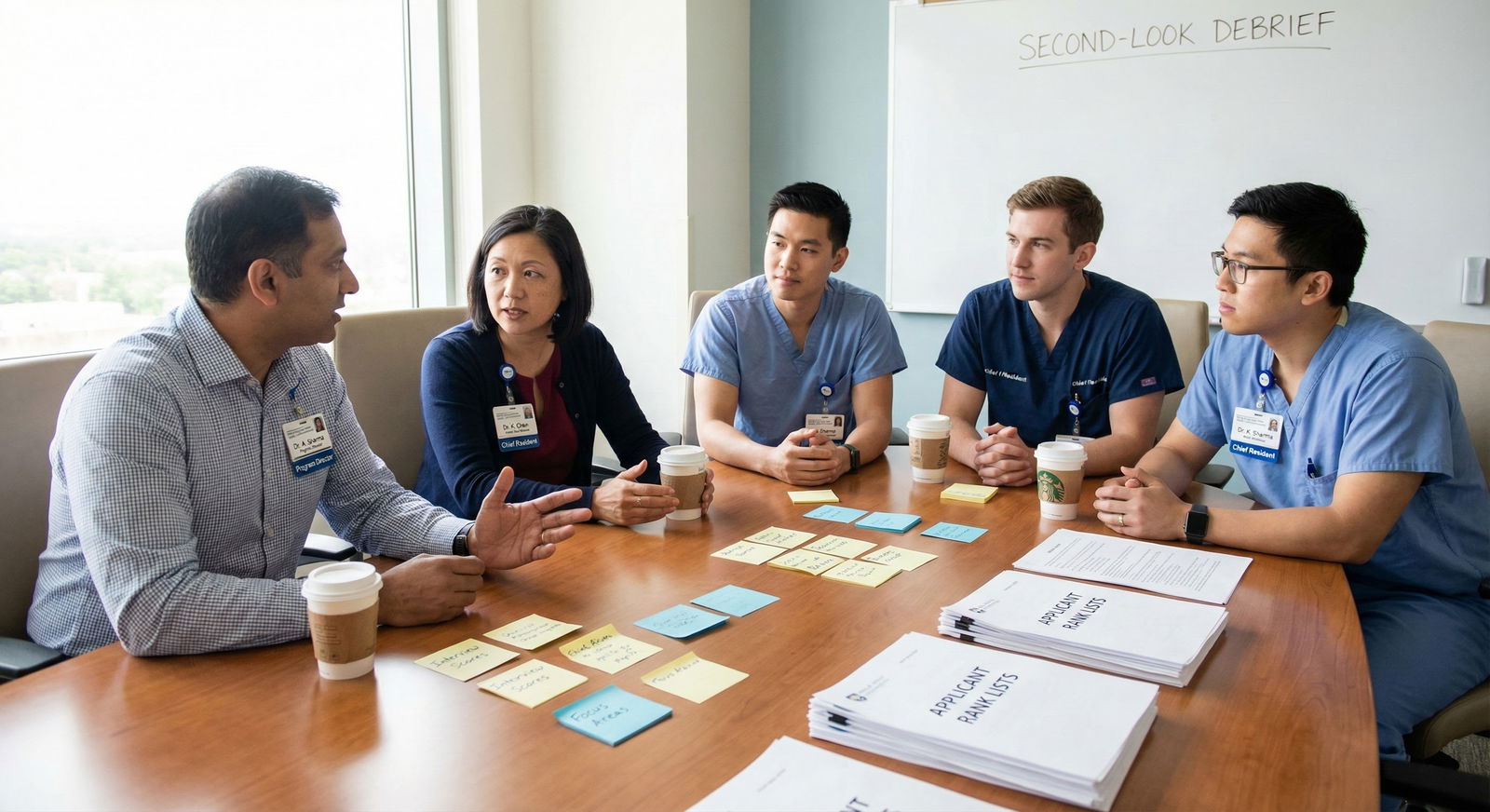
One more thing about the social mixer: you're also being watched. The residents are evaluating you too, even if informally. Don't get sloppy. Don't order three drinks. Don't badmouth your home program. Don't ask the chief about salary (they'll tell you, but not tonight). Keep it light, keep it curious, and keep your eyes open.
Quantitative Comparison: Which Activity Provides Higher Yield?
Let me put it in blunt terms. If I had to pick only one activity to attend on a Second Look, I'd pick shadowing every time. Here's the rough math.
| Insight Type | Shadowing Yield | Social Mixer Yield |
|---|---|---|
| Workflow & Efficiency | 9/10 | 1/10 |
| Resident Burnout Signals | 10/10 | 4/10 |
| Peer Support Reality | 8/10 | 7/10 |
| Personality Compatibility | 3/10 | 9/10 |
| Hierarchy & Toxicity | 9/10 | 5/10 |
| Long-Term Happiness Predictor | 8/10 | 6/10 |
The reason is structural. You're choosing a place to train, not a place to party. The work is the constant. The social life will evolve, shift, and occasionally disappoint you. The work environment is what you'll inherit, and it will shape your skills, your mental health, and your professional reputation for the rest of your career.
That said, the social mixer is not useless. It just has a different function. It's the place where you confirm that the humans you saw sweating through rounds are humans you can stand. If you shadow a program where the residents are clearly competent but miserable, and then attend the social and see that they're also isolated and cliquey, you've got a data point. If you shadow a chaotic, overworked program and then see the residents genuinely supporting each other at the mixer, that's also data. The social event tells you whether the dysfunction (or lack thereof) is sustainable.
The cost-benefit is clear when time is limited. If you can only attend one event, attend the one that tells you whether you'll survive the next three years. The pub will still be there. The call schedule will not.

Actionable Synthesis: Finalizing Your Rank Strategy
You've attended the Second Look. You've seen the floor. You've had the drink. Now what?
Build a weighted scoring system
Before you even leave the hotel, open a note on your phone. Score the program on these dimensions, 1-10:
- Clinical culture (1-10)
- Resident morale (1-10)
- Teaching quality (1-10)
- Workflow sustainability (1-10)
- Social/peer support (1-10)
- Geographic/personal fit (1-10)
Then weight them by what you actually care about. If you know you'll burn out in a malignant program faster than you'll burn out in a cold city, weight clinical culture heavier. If you have a partner whose happiness depends on the city, weight that heavier. Be honest with yourself.
The decompression ritual
Within 24 hours of leaving, write down everything you observed. Not in your Rank Order List spreadsheet yet. Just a brain dump. What surprised you. What felt off. What made you excited. What made you uncomfortable. The longer you wait, the more your memory will rewrite itself to match what you wanted to feel.
I tell applicants to do this on the plane home, before the algorithm of family, friends, and other Second Looks starts to dilute the signal. The raw impressions from Day 1 are the truest ones.
When to choose the floor over the pub
Always. Choose the floor every time. The social mixer is a confirmation tool. The clinical shadowing is your primary instrument. If you have to skip an event to catch an extra hour on the wards, do it. The residents will understand. The program director will, too. And you'll get one more data point on whether this is a place where you can do the actual work of becoming a physician.