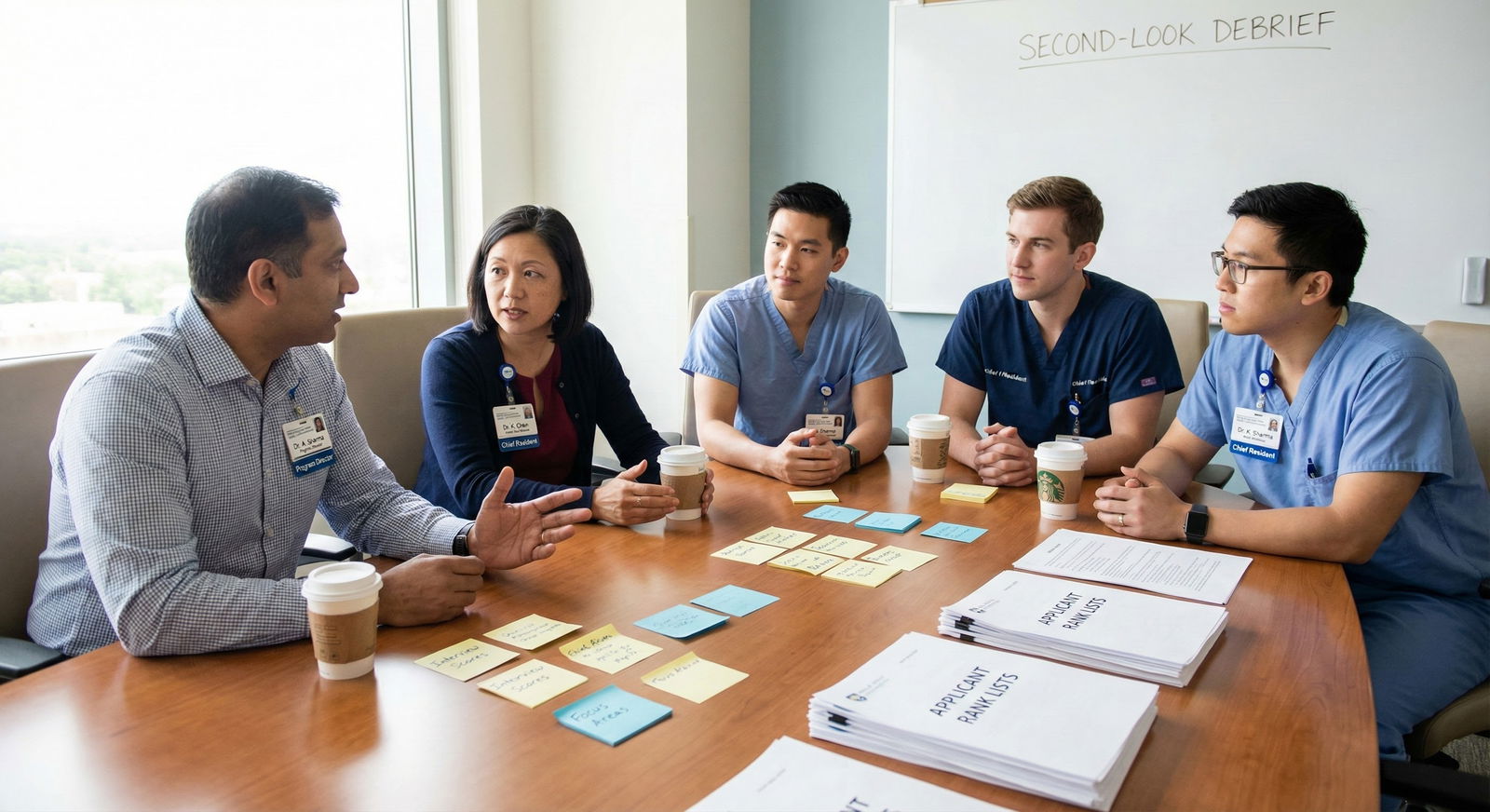
The way most applicants “wing” their second look is a waste of a rare, high‑value day.
You do not need more brochures. You need a tactical, hour‑by‑hour plan to squeeze out every last bit of signal from a place you might spend the next 3–7 years of your life.
Below is exactly how to run your day‑of second look so you walk away with clarity, not vibes.
Big Picture: What This Day Is Actually For
At this point in the season, you should know the basics:
- You’ve already interviewed here.
- You’ve read the website and the FREIDA entry.
- You have a working draft of your rank list.
So the second look is not for:
- Asking generic questions you could have Googled.
- Re‑hearing the sales pitch from the PD.
- Performing for the program like it’s a second interview.
The second look is for:
- Quietly validating (or breaking) your assumptions.
- Comparing real‑world culture vs. interview‑day theater.
- Watching how people treat each other when they forget you are there.
Your goal by the end of the day: be able to say, “I’d be happy here” or “No way” with real evidence, not gut fog.
24–12 Hours Before: Pre‑Load Your Brain
At this point you should be setting up the win before you walk in.
Night Before (T‑12 to T‑24 hours)
Clarify your decision questions (15–20 min)
Open a blank page and write:- “To rank this program highly, I need to know…” and list 5–7 items.
- Examples:
- How malignant is the call schedule in reality?
- Are senior residents actually operative/independent?
- How do they handle pregnancy, illness, or family emergencies?
- Where do graduates go (jobs/fellowships, locations)?
- How are low performers remediated—support or punishment?
These become your mission objectives for the day.
Build a slim question bank (20–30 min)
Group questions by audience:- For residents:
- “What’s the one thing you wish you’d known before ranking this place?”
- “When was the last time you thought about quitting? What happened?”
- “Who’s the resident everyone trusts when things get rough?”
- For faculty:
- “If the department had to cut funding by 20%, what would actually change?”
- “What behaviors get residents into trouble here?”
- For program leadership:
- “What’s something you’re actively trying to fix in the next 1–2 years?”
Do not bring a giant notebook. One folded sheet in your pocket is enough.
- For residents:
Review your prior notes from interview day (10–15 min)
Circle:- Things that felt too good to be true.
- Any red flags you brushed aside.
- Names of residents/faculty you might see again.
Logistics prep (15–20 min)
- Confirm:
- Start time
- Meeting location
- Parking instructions
- Whether scrubs vs. business casual is expected
- Pack:
- Small notebook + pen
- Granola bar / small snack
- Water bottle
- Phone charger
You should not be the applicant begging for a phone charger at 3 p.m.
- Confirm:
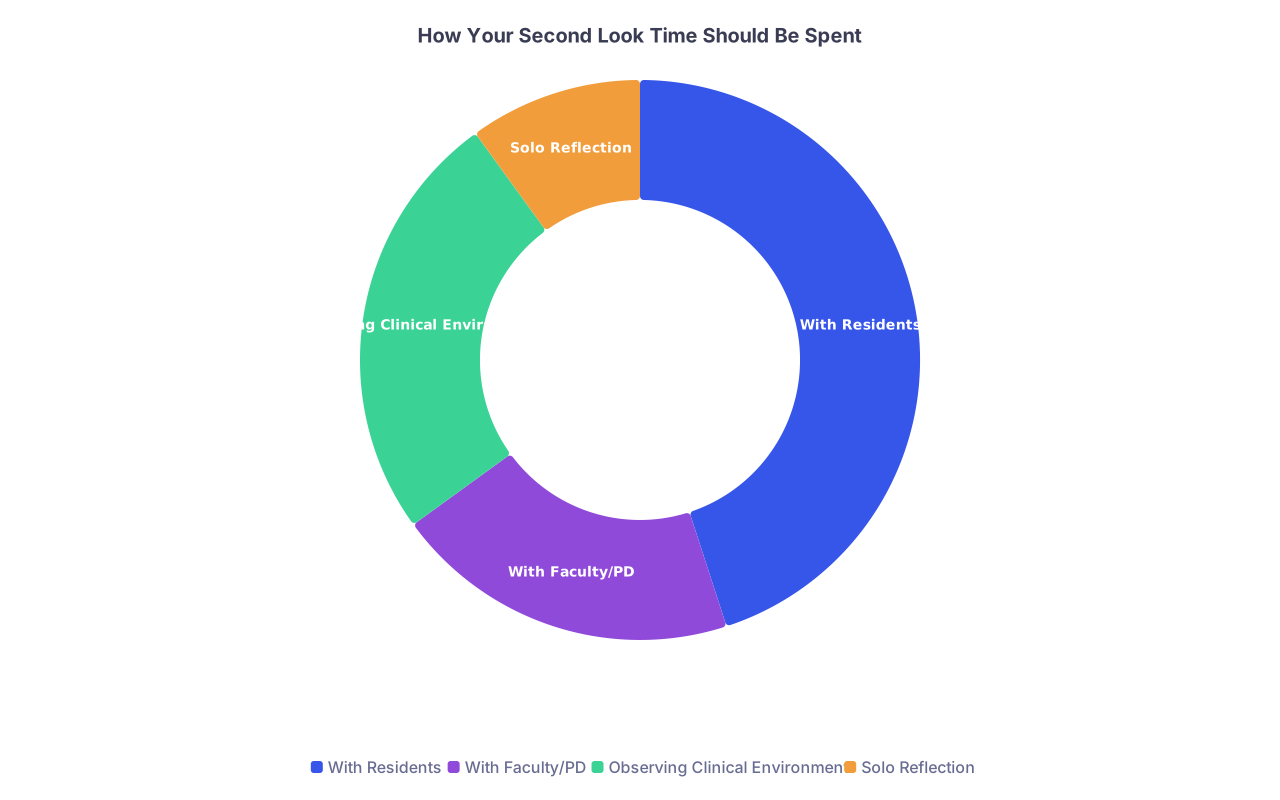
| Category | Value |
|---|---|
| With Residents | 45 |
| With Faculty/PD | 20 |
| Observing Clinical Environment | 25 |
| Solo Reflection | 10 |
Hour 0–1: Arrival and First Contact
Assume the official schedule says something like 8:00 a.m. start.
7:30–7:45 – Controlled Arrival
At this point you should be:
- In the building 15–20 minutes early.
- Watching, not performing.
What to quietly notice:
- Do staff seem tense or relaxed at the front desk?
- How do residents speak to nurses and each other in the hall?
- Is the environment chaotic or just busy?
If you get stuck waiting, ask the coordinator a simple, high‑yield question:
- “What time do residents usually get here in the morning?”
- “When are they usually able to leave on a typical day?”
You’ll learn more from a candid coordinator in 2 minutes than from 30 minutes of PD monologue.
8:00–8:30 – Welcome / Orientation
You’ll likely get a brief intro with PD/APDs or chief residents.
At this point, your job is data tagging, not grilling:
- Listen for:
- What they choose to highlight (research, wellness, autonomy, prestige).
- Any mention of recent changes (new EMR, new rotations, leadership turnover).
- Jot down:
- Specific phrases like “we’ve really improved our…” or “we’re still working on…”
Those are clues to stress points.
- Specific phrases like “we’ve really improved our…” or “we’re still working on…”
Do not waste questions here on details like vacation days or specific electives. You can email later if needed. Use one sharp question instead, such as:
- “Compared with five years ago, what feels meaningfully better for residents, and what still frustrates you?”
Hour 1–3: Shadowing, Rounds, or Clinic
Most second looks plug you into some chunk of clinical time. This is the core of the day.

| Step | Description |
|---|---|
| Step 1 | Start Clinical Block |
| Step 2 | Watch resident interactions |
| Step 3 | Observe teaching style |
| Step 4 | Assess workload vs support |
| Step 5 | Clarify 1-2 questions with resident |
8:30–9:00 – Getting Oriented on Service
At this point you should:
- Learn:
- Who’s on the team (interns, seniors, fellow, attending).
- Rough patient load.
- Ask one resident quietly:
- “Is this a typical day… or are we seeing outlier busy/slow?”
Key observational targets:
Power dynamics
Watch how attendings talk to residents on rounds. Do seniors get to make decisions? Are interns allowed to present without being cut off?Nurse‑resident rapport
Glance at faces when the team walks into a room. Relief? Eye‑rolls? Avoidance?
9:00–10:30 – Deep Observation Mode
Here’s where most applicants just trail behind and nod. That’s passive. You’re here to actively sample the culture.
Things to track mentally:
How often are residents:
- Smiled at vs. snapped at?
- Teaching each other vs. just grinding?
- Checking the time like they’re desperate to be done?
How are difficult moments handled?
- Bad news to family?
- Critically ill patient?
- A screw‑up or near miss?
If there’s a quiet walking moment between rooms, soft‑launch a question with a mid‑level resident:
- “If your best friend were choosing between here and [another similar program], what would you honestly tell them?”
You’re not interrogating. You’re inviting candor.
Hour 3–4: Resident‑Only Time (The Gold Block)
If there’s a single hour you should fight to maximize, it’s resident‑only time. Usually mid‑morning or lunch.
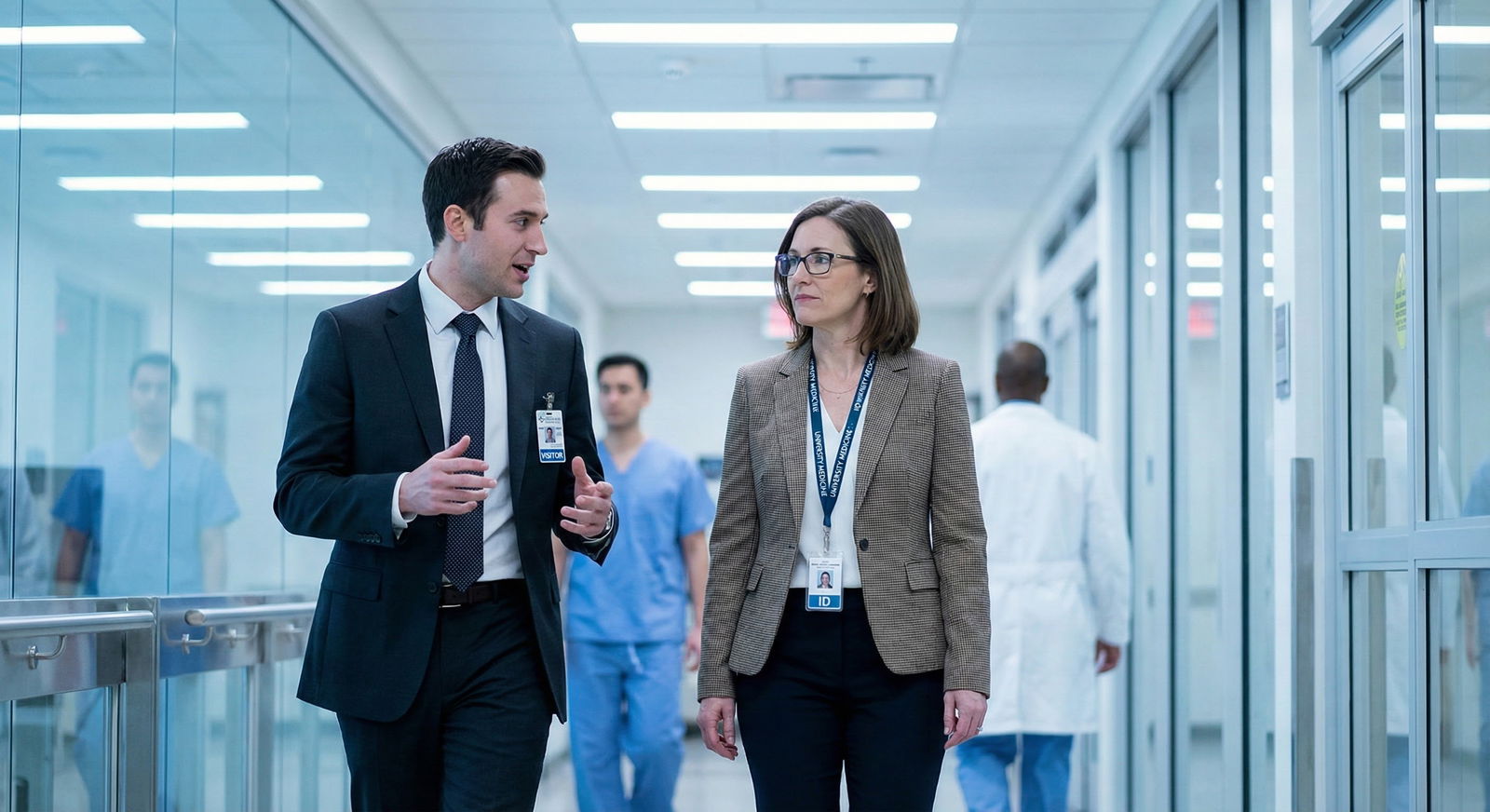
10:30–11:30 – Residents Without Faculty
At this point you should be asking the questions you actually care about, not the polished ones.
Hit these categories:
Workload vs. Protection
- “When you’re getting crushed, who actually helps?”
- “Have you ever felt unsafe because of staffing or supervision?”
Real Culture
- “Whose opinion are you most afraid of on a bad day?”
- “Who’s the resident who always has your back?”
Where People End Up
- “If someone wants academia/private practice/fellowship X, does the program actually support that or just say they do?”
Program Pain Points
- “If you could remove one rotation from the schedule, which one and why?”
- “What’s the thing people silently complain about but never say on interview day?”
Watch their faces more than their words. The quick eye contact between residents when you ask about call—more honest than any sentence.
If there’s group silence, you can break it with:
“Ok, serious question: what’s the most burned out you’ve felt here?”
The story that follows will tell you volumes.
Hour 4–5: Lunch + Informal Hallway Time
11:30–12:30 – Lunch (Pseudo‑Social, High Signal)
At this point you should be subtly comparing this program to others you’ve seen.
During lunch:
- Sit near mid‑level residents (PGY‑2/3). Interns are too new; chiefs are too political.
- Ask:
- “How much does your schedule differ from what we saw on interview day?”
- “What changes are you hoping leadership actually follows through on?”
Also watch the resident‑resident interactions:
- Do they talk about things besides work?
- Any mixed PGY tables (good sign) vs. sharp PGY cliques?
Hour 5–7: Afternoon Clinical / Conferences
Most programs will slot you into:
- Didactics / grand rounds
- More shadowing
- A brief 1:1 with PD or APD
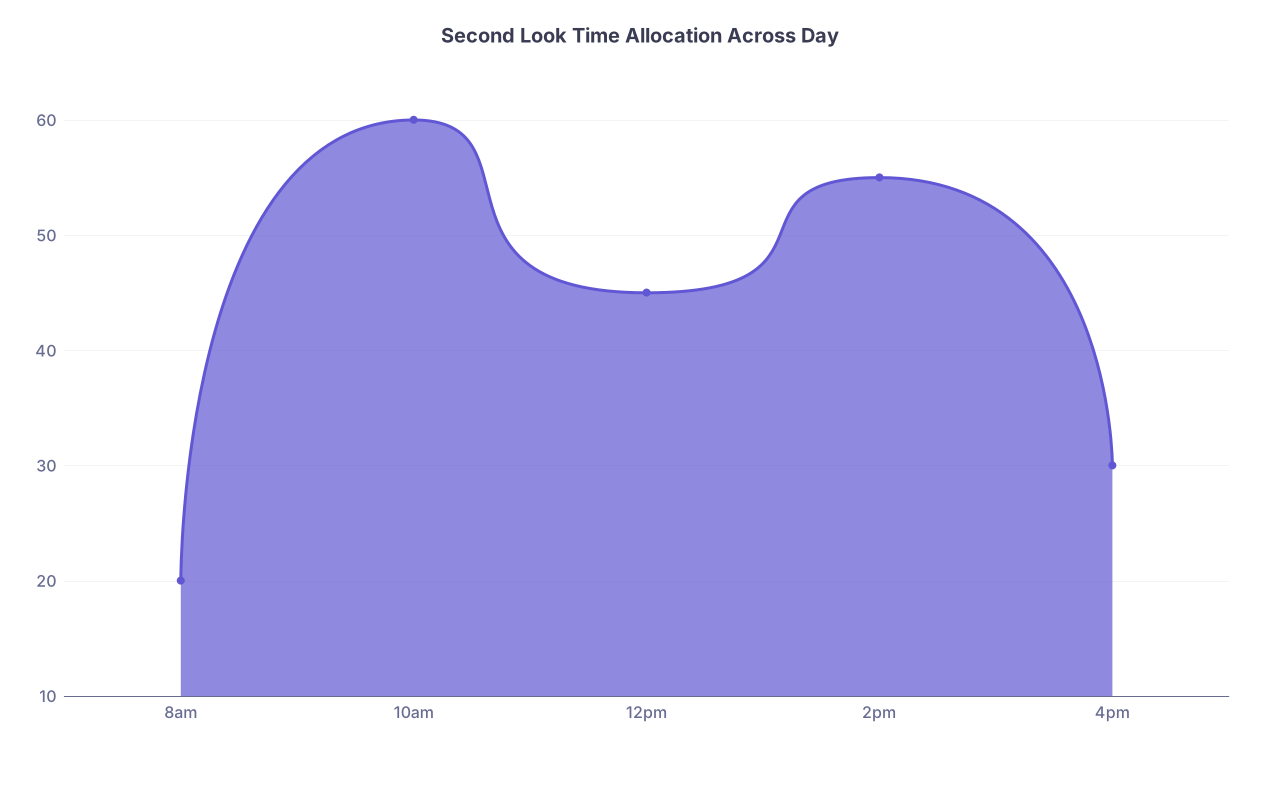
| Category | Value |
|---|---|
| 8am | 20 |
| 10am | 60 |
| 12pm | 45 |
| 2pm | 55 |
| 4pm | 30 |
12:30–1:30 – Conferences / Teaching
At this point you should be evaluating how people learn here, not the content of the lecture itself.
Questions to silently answer:
- Are residents engaged or scrolling their phones?
- Are attendings respectful when residents answer incorrectly?
- Do juniors speak up or only seniors and attendings?
Red flags I’ve seen:
- Public shaming when someone doesn’t know an obscure fact.
- Residents clearly terrified of being called on.
- Didactics constantly starting 20–30 minutes late and everyone acting like that’s normal.
If you get a minute with a resident afterward:
- “Are conferences usually like that, or was today off?”
- “Do you actually get protected time, or are you getting paged nonstop?”
1:30–3:00 – Second Clinical Block or Shadow
At this point you’re tired. This is when lazy applicants shut down. Don’t.
Change your focus slightly:
Pay attention to end‑of‑day behavior:
- Are residents trying to help each other out to get everyone out on time?
- Or is it every person for themselves, with interns drowning?
Ask 1–2 late‑in‑the‑day questions:
- “On a typical day, what time do you realistically leave?”
- “Is there anyone here you look at and think, ‘That’s the resident I want to be like’?”
If someone is clearly slammed, step back and just watch how others respond. Are seniors pitching in? Or ignoring obvious distress?
Hour 7–8: PD / APD Check‑In
Most second looks include some formal or informal sit‑down with leadership in the afternoon.

3:00–3:30 – Program Leadership Meeting
At this point you should not be trying to “re‑interview.” You’re gathering high‑level structural information.
Use 2–3 pointed questions:
- “What keeps you up at night about this program?”
- “When a resident is struggling—professionally or personally—what actually happens here?”
- “What’s one thing applicants consistently misunderstand about this place?”
If there were earlier red flags, this is the time to test them diplomatically:
- “Some residents mentioned [X rotation] is pretty intense. How are you thinking about that experience in the next couple of years?”
You’re not accusing. You’re checking whether leadership even acknowledges the issue.
Last 60 Minutes On‑Site: Synthesis While It’s Fresh
3:30–4:00 – Casual Wrap‑Up / Departure
As things wind down:
- Ask the coordinator or a resident:
- “If I matched here, what’s one thing you’d tell me to do before July 1 to be ready?”
- Grab any handouts, schedules, or call grids you’re allowed to take.
Once you step out of the building, do not go home yet.
4:00–4:30 – Sit Somewhere Quiet, Write Immediately
At this point you should find a nearby coffee shop, library, or even your car.
Spend 20–30 minutes answering, in writing:
Gut check first (no overthinking, 5 min):
- “On a scale of 1–10, how happy do I think I’d be here?”
- “Would I be proud to tell people I trained here?”
- “If I matched here tomorrow, would I be relieved, neutral, or disappointed?”
Pros / Cons (10–15 min; specific, not generic):
- Pros:
- “Senior resident I shadowed genuinely kind, advocated for intern.”
- “Nurses seemed comfortable calling residents at night.”
- Cons:
- “Residents looked wrecked post‑call, joked about ‘no life.’”
- “PD dodged question about recent resident departures.”
- Pros:
Rank list movement (5–10 min):
- “Compared to [Program A] and [Program B], this moves: up / down / stays.”
- Write one sentence: “The main reason is…”
You think you’ll remember. You will not. A week later all hospitals blur.
After You Get Home: 24‑Hour Debrief
You asked for day‑of, but reality: the next 24 hours cement your impression.
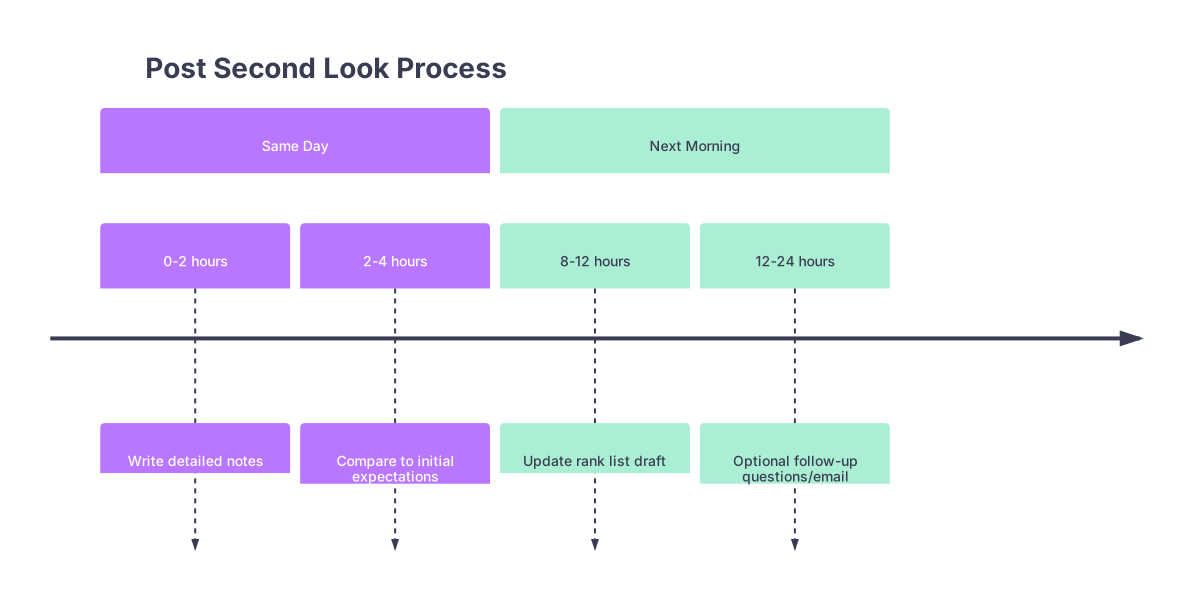
| Period | Event |
|---|---|
| Same Day - 0-2 hours | Write detailed notes |
| Same Day - 2-4 hours | Compare to initial expectations |
| Next Morning - 8-12 hours | Update rank list draft |
| Next Morning - 12-24 hours | Optional follow-up questions/email |
Within 2 Hours of Getting Home
- Add to your written notes anything that surfaces while commuting.
- If there are critical factual gaps (call frequency, vacation policy) that truly affect ranking, jot them down for a quick, targeted follow‑up email later.
Next Morning
At this point you’ve slept on it.
- Re‑read your notes.
- Ask yourself:
- “Am I talking myself into liking this place, or out of disliking it?”
That difference matters.
- “Am I talking myself into liking this place, or out of disliking it?”
- Update your draft rank list while the comparison is sharp.
Rapid Fire: Red Flags vs Green Flags Cheat Sheet
| Type | Green Flag Example | Red Flag Example |
|---|---|---|
| Residents | Laughing with each other, mixed PGYs | Silent lunch, clear cliques |
| Faculty | Calm teaching under stress | Public humiliation, constant sarcasm |
| Workload | Seniors help overwhelmed intern | Intern alone with escalating tasks |
| Support | Clear stories of real backup | Vague “we value wellness” with no examples |
| Honesty | “We’re fixing X and it’s still rough” | “Everything is great” about obvious problems |
Use this as a quick mental overlay during the day.
Frequently Asked Questions
1. Should I treat my second look like a second interview and “perform”?
No. By the time you’re doing a second look, most programs have already formed their rank list or are close. You will not charm your way up 20 spots with one more handshake. Treat it professionally—be on time, be polite, be engaged—but drop the need to impress. You’re there to evaluate them. Ask real questions, watch how people behave when they’re not “on,” and stop filtering your reactions through “will they like me?” It just muddies your judgment.
2. What if the second look makes me like the program less than on interview day?
Then it did its job. The entire point of a second look is to replace the curated, polished version of the program with something closer to reality. If reality is worse than the sales pitch, believe reality. Update your rank list accordingly, even if it messes with the fantasy you had after interview day. I’ve seen too many residents miserable because they clung to the brochure version instead of what they actually saw on their second look.
Key points:
- Go in with clear decision questions, not vague curiosity.
- Spend most of your energy on resident‑only time and unguarded observation, not PD speeches.
- Capture your impressions immediately after leaving and adjust your rank list while the day is still sharp in your mind.