Understanding Second Look Visits as an IMG
For an international medical graduate, every part of the residency process feels high‑stakes—and second look visits are no exception. Many IMGs worry: Should I do a second look? Will it help my chances? What if my visa or finances make it difficult to travel?
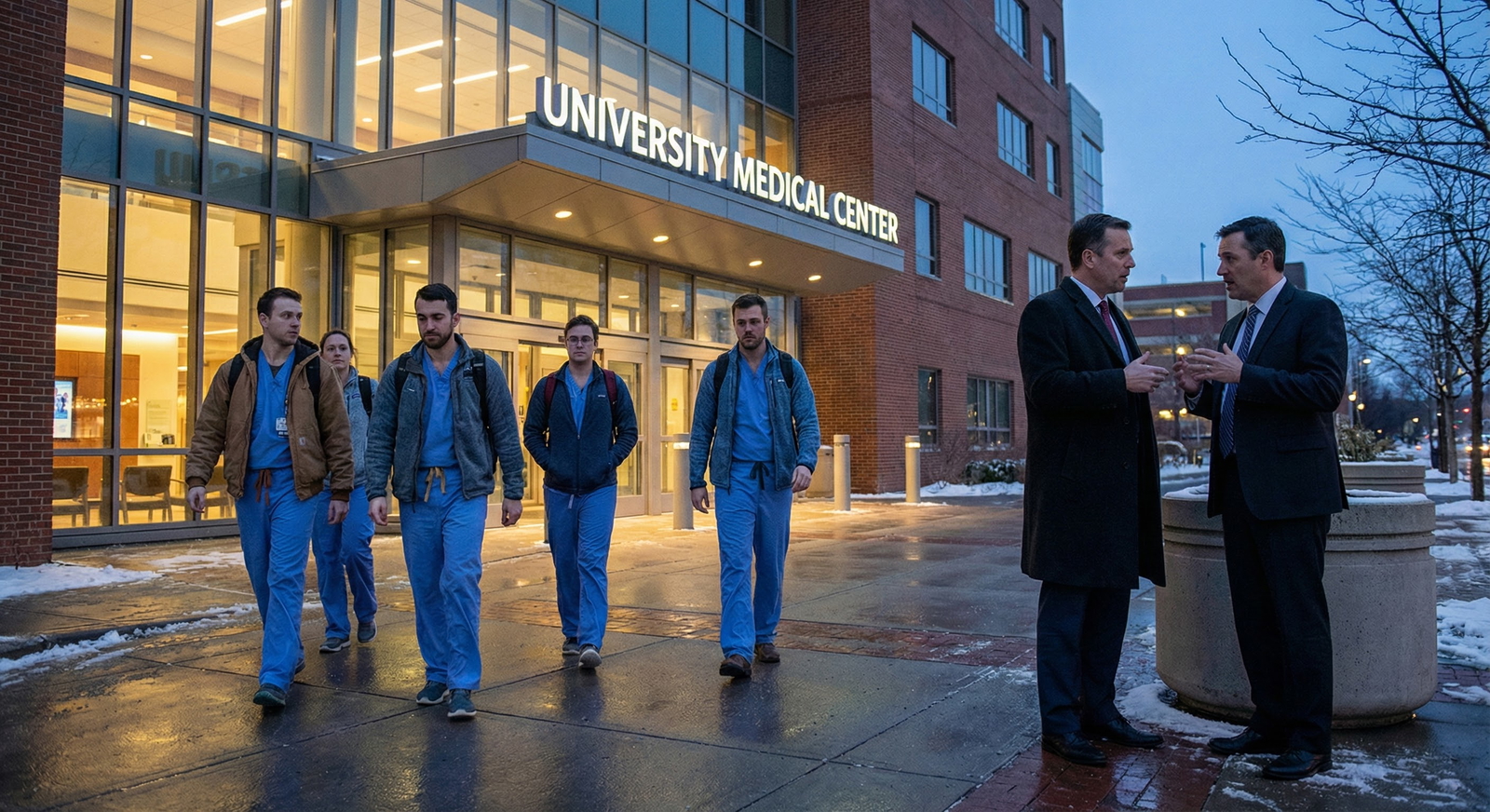
A second look residency visit is an optional, usually informal, visit to a program after the interview day and before you submit your rank list. You’re not being formally re‑interviewed; instead, you’re revisiting the program to:
- Clarify your interest and fit
- See the “real” day‑to‑day environment
- Meet more residents and faculty
- Resolve uncertainties before ranking
For IMGs, second look visits can be particularly valuable because:
- Your first interaction with US residency culture may have felt rushed or unfamiliar.
- You might have had limited US clinical experience and want a deeper look at the work environment.
- Programs may want reassurance that you understand their expectations, schedule, and culture.
At the same time, second looks are:
- Not mandatory and not expected by most programs.
- Not a guarantee of improved ranking position.
- Sometimes logistically and financially difficult, especially for IMGs abroad.
The key is to treat second looks as a strategic tool, not a requirement. This IMG residency guide will help you decide when a second look makes sense, how to plan it, and how to get maximum value if you choose to revisit programs.
Should I Do a Second Look? A Decision Framework for IMGs
For many international medical graduates, the core question is: “Should I do second look visits at all?” The answer is not the same for everyone. Use this structured framework to decide.
1. Clarify Your Primary Goal
Before thinking about cost or logistics, be precise about your main objective:
Clarifying rank order:
You’re honestly torn between two or more programs and need more information to differentiate them.Assessing fit for relocation and life:
You need to better understand the city, housing, transportation, or community (particularly important if you have a family or specific religious/cultural needs).Understanding training structure:
You left the interview with unanswered questions about supervision, autonomy, case load, or fellowship opportunities.Showing serious interest:
You want the program to know they are one of your top choices (without violating NRMP rules).
If none of these are true, and you’re mostly thinking of second look because “everyone seems to do it,” you probably do not need one.
2. Weigh the Real Benefits vs. Cost and Risk
For IMGs, second looks can be expensive and complicated: international flights, visas, housing, and time away from current obligations. Consider:
Potential benefits
- Clearer understanding of clinical environment, call schedule, and workload
- Better sense of resident happiness, support, and culture
- Chance to meet residents/faculty you didn’t meet on interview day
- Opportunity to demonstrate professionalism, communication skills, and genuine interest
Potential downsides
- Financial strain for travel and housing
- Visa issues or travel delays (particularly for those not yet in the US)
- Fatigue and burnout during an already stressful season
- The program might not adjust your rank based on a second look
For many IMGs, it’s more realistic to choose one or two carefully selected second looks, rather than revisiting every favorite program.
3. Use a Simple Scoring System
To make a rational choice, you can create a basic scoring table for each program:
- Uncertainty about fit (0–3):
0 = very clear, 3 = very uncertain - Importance of this program to you (0–3):
0 = low, 3 = dream program/top choice - Cost/complexity of travel (0–3):
0 = very easy, 3 = very difficult/expensive
Then use a rough rule:
- Prioritize second looks at programs with:
- High uncertainty (2–3)
- High importance (2–3)
- Low–moderate travel burden (0–2)
Programs with high importance but extreme travel burden may still be worth it—but you should be sure the visit will actually change your decisions.
4. When Second Looks Are Usually Worth It for IMGs
Second look visits tend to be more worthwhile if:
- You have limited or no US clinical experience and want to see the real workflow.
- You interviewed very early in the season and barely remember the details.
- You are seriously considering ranking the program in your top 3 but have unresolved concerns.
- The program encourages or explicitly mentions that second looks are welcome (without implying they are required).

Planning Your Second Look Visit: Logistics and Professionalism
Once you decide which programs to revisit, planning becomes critical—especially for international graduates who must consider visas, travel budgets, and scheduling.
1. Timing Your Second Look
Second look visits generally occur after interviews are complete and before rank list certification, usually:
- Late January to mid‑February (for the main NRMP cycle)
When choosing dates:
- Avoid major holidays and known exam dates if possible.
- Try to visit on a weekday when residents are on regular rotations.
- Ask the program which days are best to see typical workflow (e.g., clinic vs inpatient).
If you require international travel or visa processing, start planning as early as possible—even while interview season is ongoing.
2. How to Request a Second Look (Sample Email)
Your communication should be brief, professional, and respectful of their time.
Sample email:
Subject: Second Look Visit Request – [Your Name], [Specialty] Applicant
Dear [Program Coordinator/Program Director Dr. X],
Thank you again for the opportunity to interview at [Program Name] on [Interview Date]. I greatly appreciated learning about your program and have continued to reflect on how well it aligns with my goals as an international medical graduate.
I am very interested in your program and would like to request a second look visit, if feasible. My goal is to gain a deeper understanding of the resident workflow, teaching structure, and overall environment to help me finalize my rank list.
I will be in the United States from [date range] and could be available on [2–3 possible dates]. I understand that you may not be able to accommodate extensive shadowing, and I am happy to follow any guidelines or limitations you have for such visits.
Thank you for considering my request. I appreciate your time and any opportunity to learn more about [Program Name].
Sincerely,
[Full Name], MD
[Medical School, graduation year]
[AAMC/ERAS ID if applicable]
3. Visa and Travel Considerations for IMGs
If you are already in the US on a valid visa (e.g., B‑1/B‑2, F‑1, J‑1 research), second look travel is simpler, but still confirm that:
- Your current visa status allows domestic travel.
- You carry all necessary identification and status documentation.
If you are outside the US, second looks become more challenging:
- Many applicants on visitor visas (B‑1/B‑2) combine interviews and second looks in one trip to avoid multiple entries.
- If you did interviews virtually and consider flying in only for a second look residency visit, carefully assess if the benefit justifies the new visa application and cost.
- Always be honest about your purpose of travel when dealing with immigration; you are visiting programs and exploring training options, not working or receiving salary.
4. Financial Planning
As an IMG, finances are often tight. Consider:
- Combine multiple second looks or city visits in the same geographic area into one trip.
- Use budget accommodation: hostels, Airbnbs, or staying with relatives/friends.
- Use public transportation when possible; many hospital systems are accessible via trains/buses.
- Consider skipping a second look if the financial strain would compromise exam fees, document processing, or essential living expenses.
Some programs may offer limited support (e.g., discounted hospital housing or meals), but you should not expect financial sponsorship for second looks.
Making the Most of Your Second Look: What to Do on Site
Once you arrive, treat the visit as a professional opportunity, not a casual tour. The goal is to gather information and confirm mutual fit.
1. Dress and Demeanor
- Dress code:
- Business casual or clinic attire is usually appropriate (e.g., dress shirt/blouse, slacks, closed shoes; white coat if they invite you to clinical areas).
- Professionalism:
- Be punctual, polite, and respectful of everyone’s time.
- Avoid complaining about other programs or discussing where you rank them.
Remember: even though this is not an official interview, you are still being observed as a potential colleague.
2. What You Are Likely to Do on a Second Look
Programs vary, but common activities include:
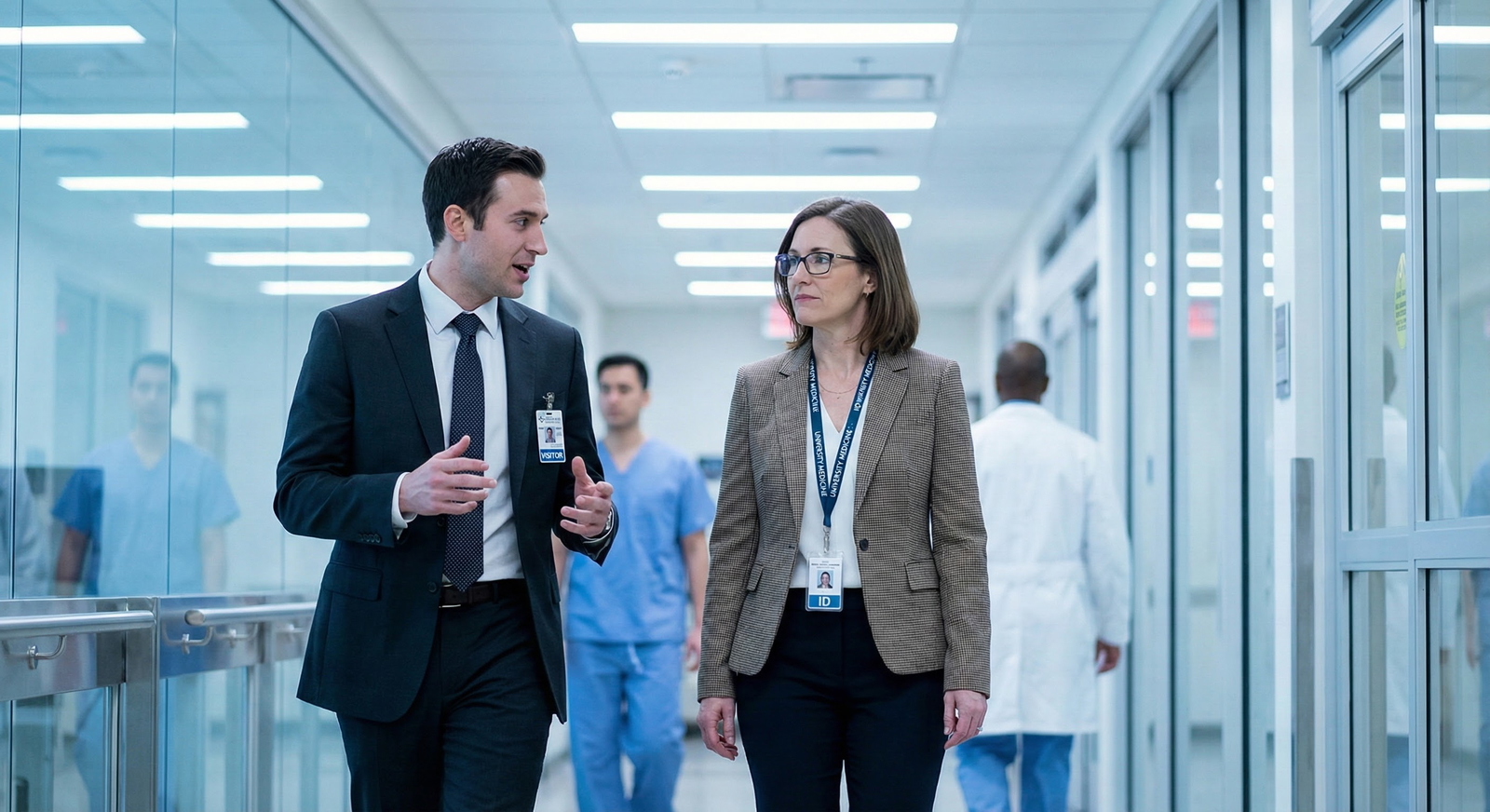
- Brief meeting with program coordinator
- Informal chat with one or two residents
- Observing morning report, noon conference, or teaching sessions
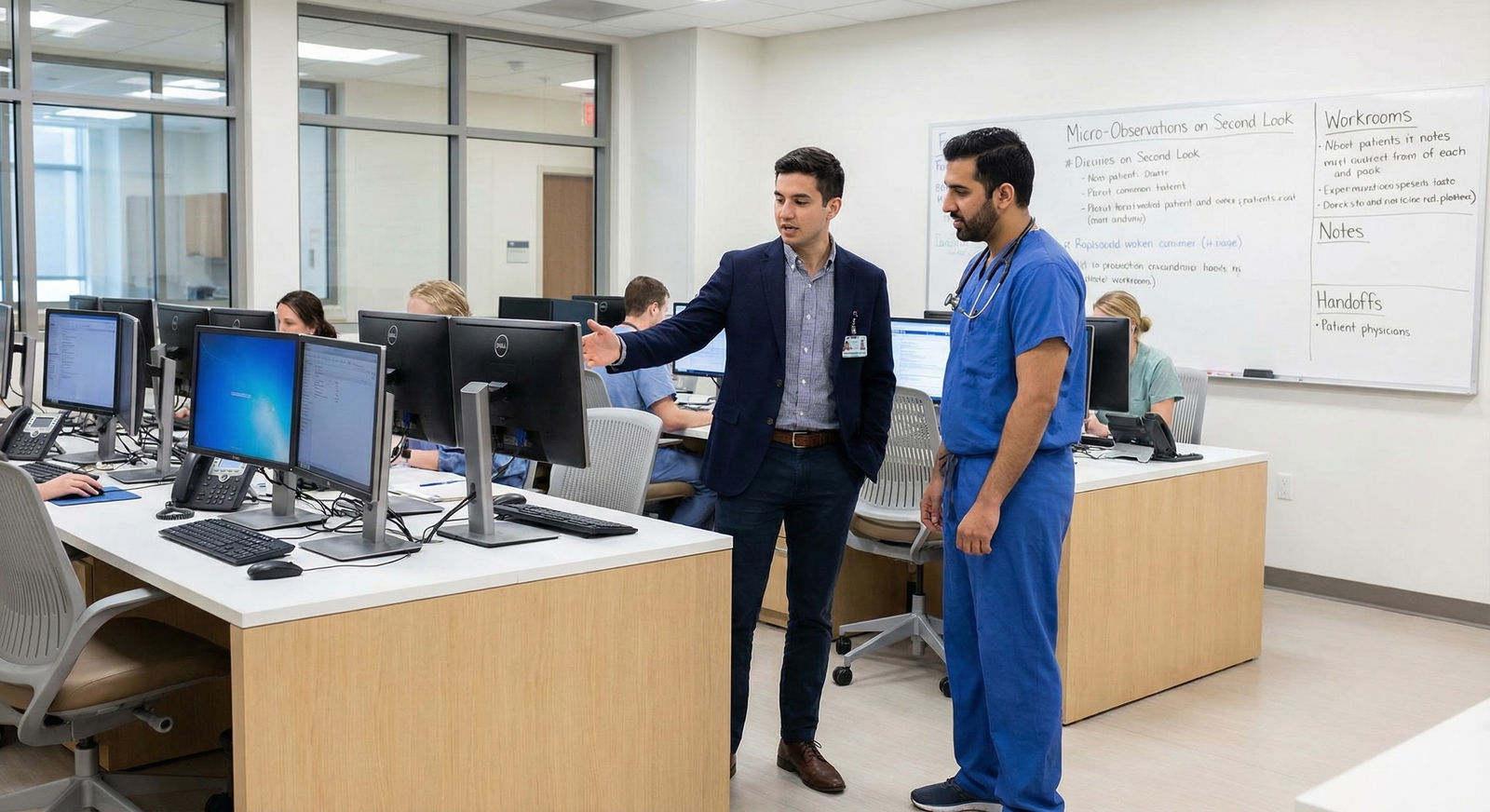
- Touring inpatient floors, clinics, or resident workrooms
- Occasionally shadowing on rounds (without direct patient care responsibility)
Many programs avoid having the Program Director or core faculty formally re‑interview candidates, to remain fair to all applicants.
3. Targeted Questions to Ask (as an IMG)
Come prepared with a concise list of questions that matter most to you:
About training and supervision
- How is supervision structured for interns, especially early in the year?
- How is feedback given, and how often?
- How do you support residents who may struggle with language or documentation initially, including international medical graduates?
About resident culture and support
- How would you describe the resident culture—collaborative, independent, competitive?
- How approachable are attendings, and how receptive are they to questions?
- What support exists for residents who are far from family or from different cultural backgrounds?
About workload and lifestyle
- What does a typical day look like on wards, clinic, and elective?
- How often are weekend calls?
- How are days off scheduled and protected?
About IMGs and visas
- Approximately what percentage of your residents are international medical graduates?
- Are there any specific supports for IMGs (mentorship, orientation to US healthcare, documentation training)?
- What has been your recent experience with J‑1/H‑1B sponsorship, if you match IMGs requiring visas?
Keep your questions focused and avoid interrogating staff; you want a conversation, not an interview exam.
4. Observing the Environment
Some of the most important information comes from quiet observation:
- Do residents seem exhausted, burnt out, or generally content?
- How do residents talk about program leadership when they think no one “important” is listening?
- Do nurses and staff interact respectfully with residents and each other?
- Is the workspace organized, with access to computers, call rooms, and break spaces?
For many IMGs, seeing the non‑scripted environment helps distinguish programs that sounded similar on interview day.

Communicating Interest Without Breaking NRMP Rules
Many IMGs worry about “saying the right thing” after a second look. It’s crucial to understand NRMP guidelines and maintain ethical communication.
1. What You Can Do
You may:
- Send polite thank‑you emails to residents, coordinators, or faculty you met.
- Express genuine interest in the program.
- Say that you are “ranking the program highly” or that it is “one of your top choices” (if true).
- Clarify any logistical issues (e.g., visa, start date, documentation).
Example follow‑up email:
Dear Dr. [Name],
Thank you for allowing me to visit your program for a second look on [date]. It was extremely helpful to see morning report and speak with the residents about their day‑to‑day experiences.
As an international medical graduate, I especially appreciated learning about how your program supports new residents in adapting to US clinical documentation and communication. The collegial atmosphere and strong teaching culture confirmed that [Program Name] would be an excellent environment for my growth.
I will be ranking [Program Name] very highly on my ROL. Thank you again for your time and consideration.
Sincerely,
[Your Name]
2. What You Should Not Expect or Request
Under NRMP rules and ethical guidelines:
- Programs cannot require second looks as a condition for ranking you.
- You should not ask where you are on their rank list.
- You should not request that they make promises about ranking you in a specific position.
- Avoid putting pressure on the program, such as “I will rank you #1 only if you rank me highly.”
3. Impact on Your Rank Position
Many applicants wonder: Do second looks change my rank position?
Reality:
- Some programs do not consider second looks at all in their ranking process; they view them as informational only.
- Some programs may consider a well‑executed, professional second look as a positive signal of interest.
- A poorly managed visit (unprepared, unprofessional, disrespectful) can hurt your standing.
However, remember:
- Your interview performance, application strength, letters of recommendation, and clinical record are still the primary determinants of your ranking.
- Second looks are more about fit and information than about “buying points.”
IMG‑Specific Strategies and Common Pitfalls
As an international medical graduate, you face unique challenges around second look visits. These strategies can help you avoid common mistakes.
1. Prioritize Second Looks Over Quantity of Interviews Only If…
- You have already secured a reasonable number of interviews for your specialty (this varies by specialty and competitiveness).
- You do not have to cancel interviews at solid programs just to free time and money for second looks.
If you are limited in interview numbers, it is usually better to keep more interviews than to sacrifice them for second look visits.
2. Use Second Looks to Address IMG‑Specific Concerns
Second look visits can be an excellent time to clarify:
- How the program helps IMGs with US documentation styles and EMR systems.
- Whether there is formal or informal mentorship from senior IMGs.
- How residents transition into US healthcare culture and communication styles.
- Any support for language barriers, accent concerns, or cultural adaptation.
Ask residents directly:
“Did you feel supported as an international graduate when you started?”
“The IMG residency guide resources on your website are helpful—are there additional supports in practice?”
3. Avoid Over‑Signaling or Appearing Desperate
Sometimes IMGs, worried about competition, over‑signal interest:
- Multiple uninvited visits
- Excessive emails to the program director
- Repeatedly asking about rank position
These behaviors can be interpreted as unprofessional or anxious, and may backfire. One professional second look and a courteous follow‑up are enough.
4. Virtual Second Looks and Creative Alternatives
If travel is impossible due to cost, visa concerns, or time:
- Ask if the program offers a virtual second look—a Zoom Q&A with residents, or attendance at a virtual morning report.
- Reach out to current or former residents, especially IMGs, via email or LinkedIn for informal conversations.
- Use alumni networks, IMG forums, and national organizations to connect with people who trained at the program.
Virtual alternatives cannot fully replace in‑person observation, but they can still significantly improve your understanding of a program and help answer: Should I do second look visits at all, or can virtual contact be enough?
FAQs About Second Look Visits for IMGs
1. Do I have to do a second look to match as an international medical graduate?
No. Second look visits are optional and not required to match. Many IMGs successfully match at programs where they never did a second look. Your overall application strength, interview performance, and letters of recommendation remain the main factors. Use second looks only when they will truly help you clarify your rank list or assess fit.
2. Will not doing a second look hurt my chances at a program?
In the vast majority of programs, no. Most programs:
- Do not track whether every candidate does a second look.
- Recognize that travel and visas are burdensome for IMGs.
- Evaluate you based on your interview and application.
If you are very interested in a program but cannot visit again, you can still send a professional email expressing strong interest and explaining that travel limitations prevent a second visit.
3. Can I do a second look at multiple programs?
Yes, but be strategic. For IMGs with limited resources, it’s usually better to choose one to three programs where:
- You are genuinely uncertain about ranking order.
- The program is among your top choices.
- The cost and logistics of travel are manageable.
Doing many second looks adds financial strain and may not provide proportional benefit.
4. What if I already know my top program—should I still do a second look?
If you are confident about your top choice and have enough information to make an informed decision, a second look may be unnecessary. However, it can still be helpful if:
- You want to better understand living conditions and city life.
- You have significant IMG‑specific concerns (support, visas, adaptation).
- The program explicitly welcomes second look visits for information gathering.
In such cases, a second look is more about confirming that the program is a good fit for you, not about trying to convince them to rank you higher.
Second look visits are a powerful—but optional—tool in your residency journey as an international medical graduate. Use them strategically to answer your most important questions, assess the real training environment, and decide where you will thrive, rather than as a mandatory step you must complete to match.