Understanding Second Look Visits as an MD Graduate
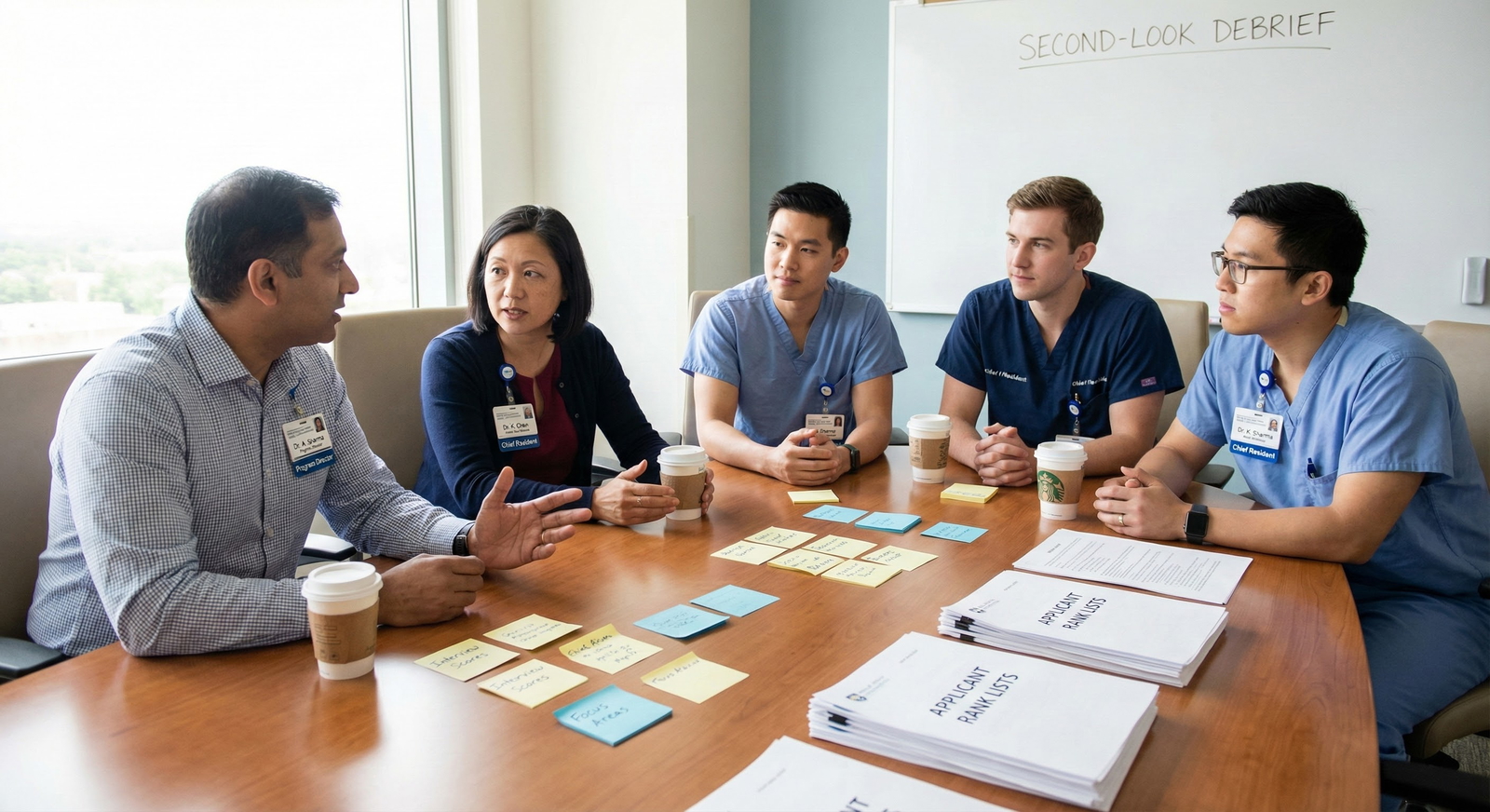
Second look visits sit in a gray zone of the residency application process. They’re not required, not standardized, and often not clearly explained by programs—yet they can influence how you rank programs and, in some instances, how programs remember you.
As an MD graduate from an allopathic medical school, you’re navigating a highly structured system (ERAS, NRMP, interviews), and then suddenly: “You’re welcome to come for a second look.” What exactly does that mean? Should you go? How will it affect your allopathic medical school match prospects?
This article breaks down second look residency strategies specifically for MD graduates, with practical guidance on:
- When a second look actually helps you
- How programs perceive second look visits
- How to plan, structure, and execute a visit
- What to ask and observe while you’re there
- How to follow up and integrate what you learned into your rank list
Throughout, we’ll answer the core question many applicants wrestle with: “Should I do second look visits, and if so, how?”
1. What Are Second Look Visits—and What Are They Not?
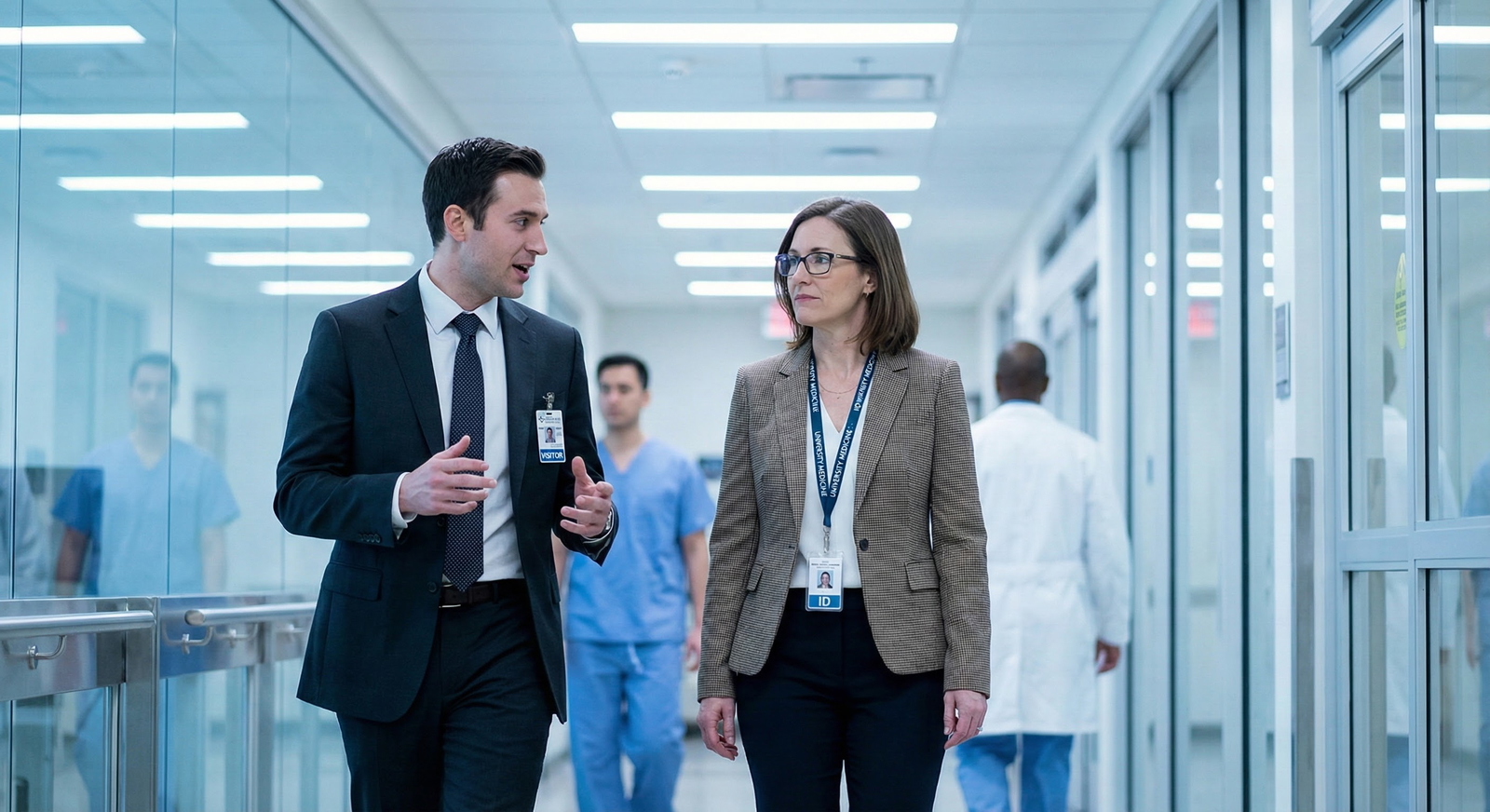
Second look visits are optional return visits to a residency program after your formal interview day. They are typically informal and focused on giving you more insight into:
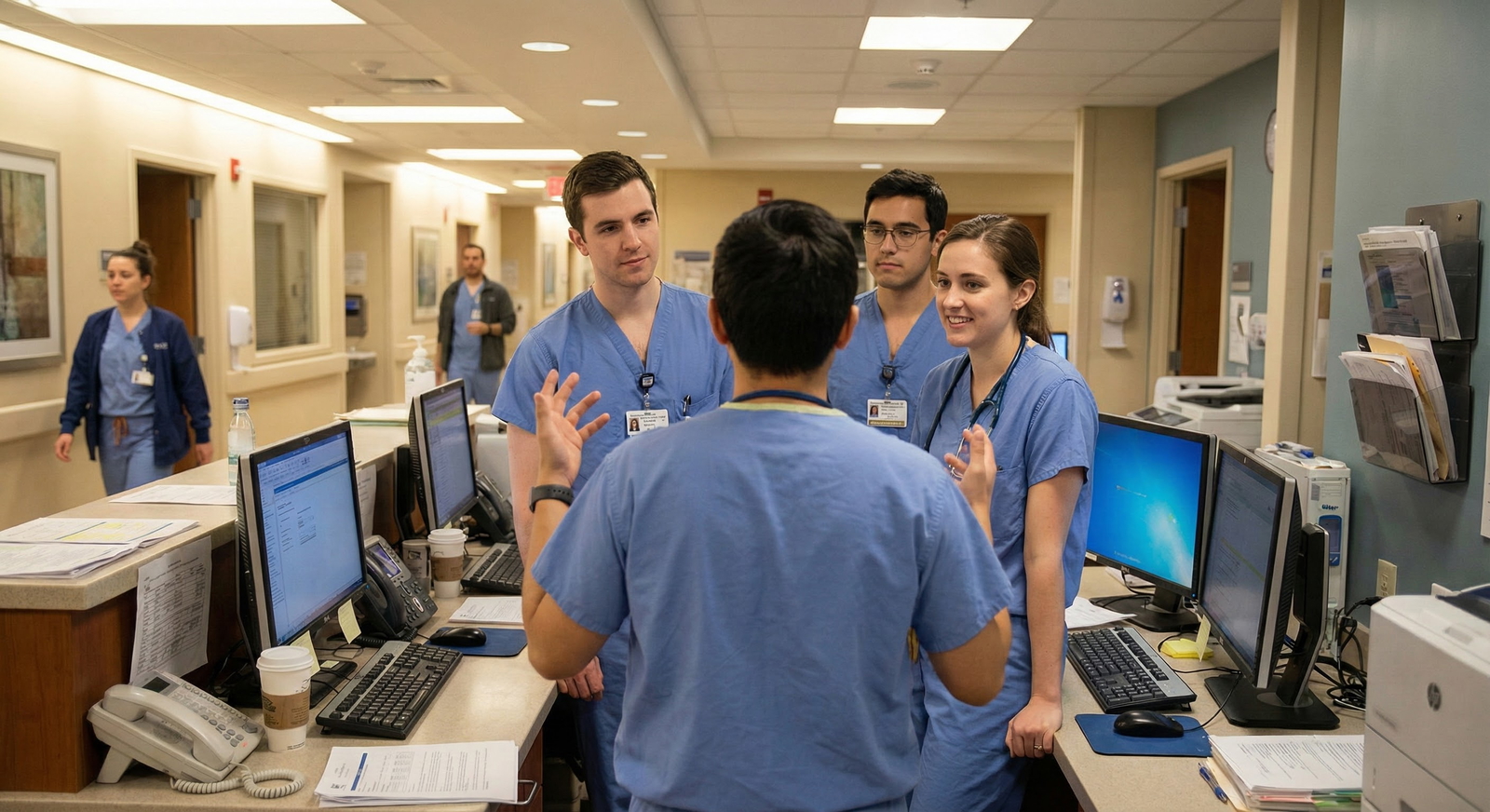
- Day-to-day resident life
- Culture and collegiality
- Facilities and clinical spaces
- City/neighborhood and logistics of living nearby
They are not meant to be:
- A second interview
- A hidden requirement for ranking highly
- An opportunity to lobby or negotiate
- A chance to pressure programs for ranking information (which would violate NRMP rules)
Common Formats of Second Look Visits
Programs use a variety of structures, often depending on specialty and size of the program:
Individual, informal visit
- You coordinate directly with the coordinator or chief resident.
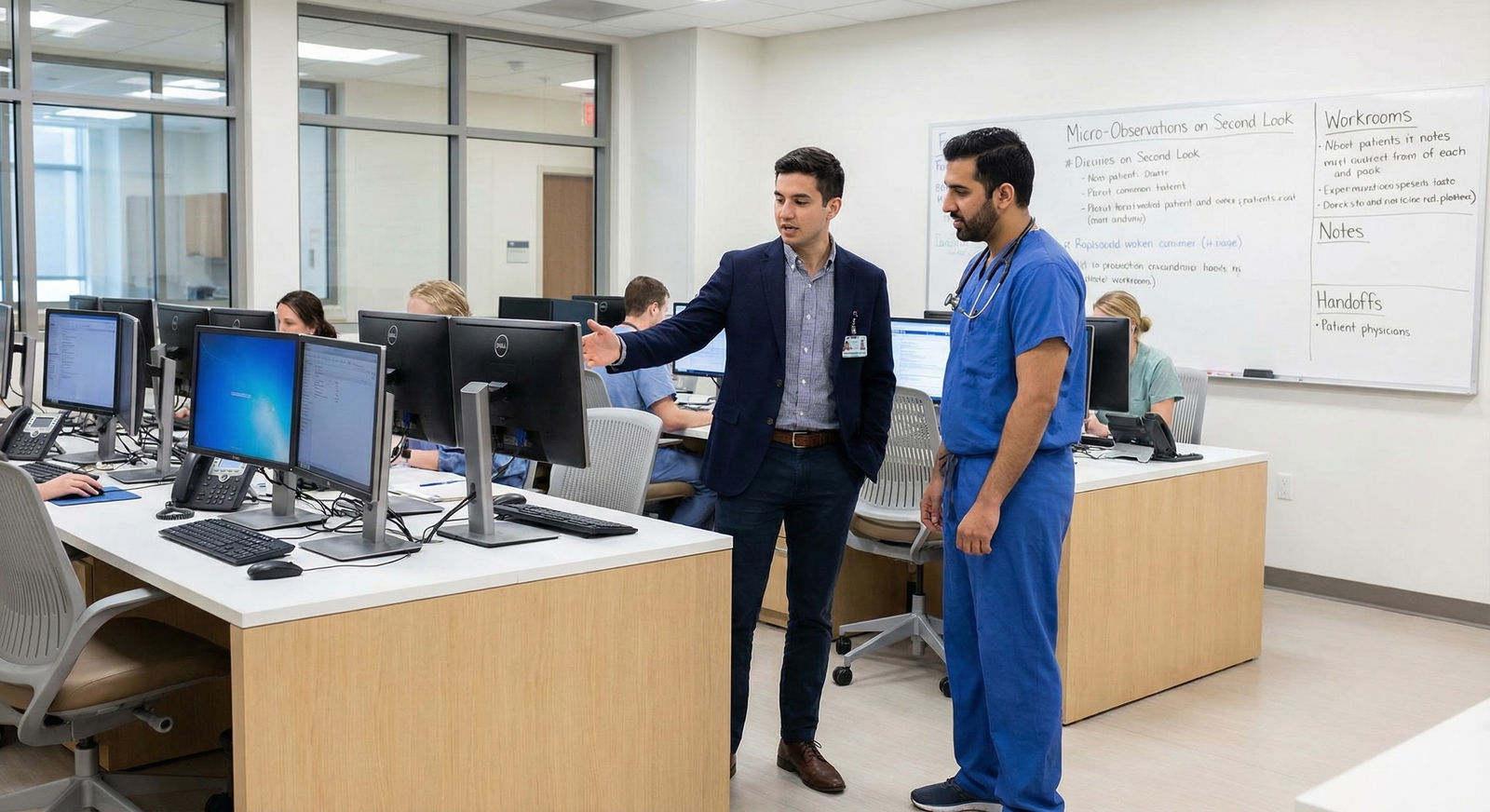
- You may shadow residents on wards or in clinic for a half or full day.
- Often includes a casual lunch with residents.
Group second look day
- Multiple applicants invited on the same day.
- May have a brief welcome, tours, time with residents, and sometimes an optional social event.
Virtual second look
- Increasingly common since the pandemic.
- Usually includes a Q&A with residents, program leadership, and possibly a virtual tour.
How Programs View Second Looks
Most residency programs officially state that second looks are:
- Optional
- For applicant benefit (to gather more information)
- Not used as a formal evaluative component
In practice:
- Some programs do notice who revisits, especially in smaller or more community-oriented specialties.
- Second looks can reinforce positive impressions (e.g., enthusiasm, professionalism).
- Rarely, they can hurt if the applicant behaves unprofessionally or seems disinterested.
However, you should never assume a second look alone will move you significantly up a rank list. For MD graduate residency applicants, your application file and interview still carry far more weight.

2. Should I Do a Second Look? A Decision Framework for MD Graduates
The question “Should I do second look visits?” has no one-size-fits-all answer. You need to balance educational value, emotional clarity, time, and cost.
When a Second Look Is Likely Worth It
Consider a second look if:
You’re truly undecided between a small number of programs at the top of your list.
If you’re torn between your #1 and #2, and a revisit might give you clarity about culture or fit, it can be valuable.You didn’t get a good sense of resident culture or clinical environment on interview day.
Maybe interviews were rushed, virtual, or you didn’t interact much with residents.You’re moving to a very different geographic region or type of city.
Seeing the neighborhood, commute options, housing, and overall vibe can influence where you’ll be happiest.The program explicitly encourages second looks for more information.
Some programs openly say: “If you want to see our wards or clinics, we’re happy to host.”You’re an MD graduate from an allopathic medical school applying to a highly competitive specialty where fit is emphasized.
In some fields (e.g., Dermatology, ENT, Orthopedics, Plastics), culture and team cohesion are especially important, and programs may appreciate your extra effort to learn more.
When a Second Look May NOT Be Worth It
It might not be necessary to revisit programs if:
You already have a clear, confident rank list.
If you know your top choices and feel good about them, extra visits may not significantly change anything.Travel costs and time are substantial.
You may be juggling graduation requirements, sub-internships, or research responsibilities. Financial and time burdens matter.The program clearly states they do not use second looks in ranking decisions and discourages them.
Respect explicit guidance; unnecessary visits may be awkward or misunderstood.Your main questions can be answered via email or a brief virtual call.
Ask yourself whether you really need to be physically there or just need more data.
The MD Graduate Advantage and Risk
As an MD graduate (versus someone still in medical school), you may:
- Have less institutional scheduling flexibility.
- Already be working as a preliminary resident or research fellow.
- Face stricter time constraints or contractual obligations.
In those scenarios, use a high threshold before you commit to a second look. Prioritize visits that are most likely to impact your final rank decisions.
A Simple 3-Question Filter
Before scheduling, ask:
- Will this visit realistically change how I rank this program?
- Do I have key unanswered questions that require being onsite?
- Is the time, travel, and cost justified given how likely I am to rank this program highly?
If you can’t clearly answer “yes” to at least two, it’s probably not worth it.
3. How to Plan and Request a Second Look Visit
Once you decide to revisit programs, approach it strategically and professionally.
Step 1: Check Program Policies and Communications
Before reaching out:
- Re-read the program’s interview invitation emails and website.
- Look for language like:
- “We do not offer second look visits.”
- “Second looks are welcome but not required.”
- “We hold a virtual second look event in late January.”
Respect stated preferences. If a program discourages second looks or offers only a group/virtual option, follow their lead.
Step 2: Whom and When to Contact
Typically, you should email the program coordinator first, copying the program director (PD) only if appropriate or if you had direct prior communication.
Timing:
- Best window: Late January to mid-February (after most interviews, before rank list deadlines).
- Avoid:
- Very early (before you’ve finished other interviews).
- Very late (just before rank lists are due, when schedules are tight).
Step 3: How to Phrase the Request (Email Template)
You can adapt this template:
Subject: Second Look Visit Inquiry – [Your Name], [Specialty] Applicant
Dear [Program Coordinator’s Name],
Thank you again for the opportunity to interview at [Program Name] on [interview date]. I enjoyed meeting the residents and faculty and remain very interested in the program.
I am writing to ask whether there might be an opportunity for a brief second look visit. I would appreciate the chance to see more of the inpatient/clinic workflow and to speak further with residents about their day-to-day experience.
I understand that second looks are not required for ranking, and I will respect whatever policy the program has in place. If visits are allowed, I am available on [2–3 date options], but I am happy to adjust within your scheduling constraints.
Thank you for your time and consideration.
Sincerely,
[Your Full Name], MD
[Home Institution or “MD Graduate”]
AAMC ID: [xxxxxxx]
Step 4: Decide on Logistics and Scope
Clarify:
- Duration: Half-day vs full day
- Focus: Wards, clinic, OR, didactics, residents
- Dress code: Business casual vs scrubs (ask explicitly)
- What’s allowed: Shadowing, attending conference, lunch with residents
Aim for a focused visit (often 3–5 hours) rather than a full on-call day. You want depth, not fatigue.
Step 5: Prepare Like a Professional, Not Like a Re-Interview
Even if programs say second looks are non-evaluative:
- Arrive on time (early).
- Dress appropriately.
- Bring a small notebook or use your phone discreetly to jot down notes.
- Review your original interview notes beforehand so you recall names and strengths/concerns.
Treat the environment with the same respect you would on a clinical rotation or sub-internship.

4. What to Do During a Second Look: Questions, Observations, and Etiquette
The value of a second look depends heavily on what you do while you’re there. Go in with a clear agenda.
Key Areas to Explore
Resident Culture and Wellness
- Observe how residents interact with one another and with staff.
- Ask:
- “How would you describe the culture here?”
- “What do you do for fun together outside of work?”
- “How manageable are your schedules? Do you feel supported on tough rotations?”
Clinical Experience and Autonomy
- See the actual clinical spaces (wards, clinics, ORs, ED).
- Ask:
- “How is decision-making shared between residents and attendings?”
- “On a typical day, what are your main responsibilities?”
- “How comfortable did you feel by the end of intern year managing common emergencies?”
Education and Mentorship
- Attend didactics if possible.
- Ask:
- “How protected is your didactic time?”
- “How accessible are mentors for research or career planning?”
- “How does the program support fellowship or job placement?”
Lifestyle and Geography
- Walk or drive around nearby neighborhoods.
- Ask:
- “Where do most residents live?”
- “What’s the typical commute time?”
- “How’s the call schedule in terms of recovery time and ability to have a life outside of work?”
Program Stability and Future Direction
- From residents (not the PD), gently explore:
- “Have there been any significant changes in leadership recently?”
- “What improvements or changes do you think the program is working on?”
- From residents (not the PD), gently explore:
What NOT to Do During a Second Look
Avoid:
Fishing for rank information
- Don’t ask: “Where will I be ranked?” or “How likely am I to match here?”
- This puts programs in a difficult ethical/NRMP position.
Over-selling yourself
- Second looks are not the time for another full “personal pitch.”
- Be engaged and professional, but don’t turn every interaction into self-promotion.
Complaining about other programs
- Stay positive and focused on learning about this program.
Acting like you’re already a resident
- You’re an observer, not part of the team yet. Respect boundaries around patient care and confidentiality.
Note-Taking Strategy
Soon after leaving:
- Write down:
- 3 things you liked most
- 3 things that concerned you
- 3 words that capture the program’s “feel” (e.g., supportive, intense, academic, laid-back)
This will help you when you’re comparing programs weeks later while building your final rank list.
5. How Second Looks Affect Your Rank List (and Theirs)
A second look’s primary value is for you—to refine how you rank programs in the allopathic medical school match. Still, you’ll want to understand how it might impact the program’s perception of you.
Effect on Your Rank List
After each second look, reflect on:
- Did this visit make me more or less excited to train here?
- Can I imagine myself happy as a PGY-1 in this environment?
- Would I feel supported when I’m overwhelmed, tired, or struggling?
- How does this compare to my current #1 program on realistic, day-to-day factors?
Be honest with yourself. It’s common for applicants to discover that their “brand-name dream program” doesn’t actually feel like the best fit once they see more of daily life.
Effect on the Program’s Rank List
For many programs:
- Second looks are documented informally (e.g., coordinator notes).
- They might be mentioned in rank meetings as a sign of continued interest.
- But they rarely rescue a weak application or neutral interview.
However:
- In close calls between similarly rated candidates, your demonstrated interest and face time may serve as a small positive factor.
- For small, tight-knit programs, seeing how you fit with residents on the unit can reinforce earlier positive impressions.
Important: Programs must follow NRMP rules. They cannot require visits nor tie them explicitly to ranking decisions. Some programs explicitly do not use second looks in their evaluation, and when they say this, take it at face value.
Balancing Multiple Second Looks
If you’re planning visits to more than one program:
- Space them out if possible; allow time to process each experience.
- Keep a consistent framework for comparison (same core questions, same criteria).
- Don’t feel obligated to tell one program that you’re doing a second look at another—focus your conversation on the program you’re visiting.
6. Following Up and Finalizing Your Strategy
Your post-visit behavior is part of a coherent second look residency strategy.
Post-Visit Thank You Notes
Within 24–48 hours, send a brief email to:
- The program coordinator.
- Any resident or faculty member who spent significant time with you (if you have their contact).
Sample structure:
- Express appreciation for their time.
- Highlight one or two specific aspects you liked or learned.
- Reiterate your ongoing interest (if true).
Avoid overly strong or misleading language (e.g., “I will rank you #1”) unless you genuinely mean it and are prepared to follow through.
Integrating the Visit Into Your Rank List
After all second look visits:
Revisit your original priorities:
- Training quality
- Location and support system
- Career goals (fellowship vs general practice, academic vs community)
- Work-life balance
Compare notes across programs:
- Where did you feel most comfortable?
- Where did residents seem happiest or most aligned with your values?
- Where do you see yourself at 2 a.m. on a rough call night?
Decide your final list:
- Let genuine fit and training quality outrank name prestige alone.
- Use second looks as tiebreakers or clarifiers, not as the sole decision driver.
Common Pitfalls to Avoid
Doing second looks just because others are doing them.
Your decision should be intentional, not fear-driven.Overinterpreting minor differences.
One awkward interaction or one especially friendly resident shouldn’t completely overshadow the bigger picture.Violating NRMP communication rules.
Don’t invite programs to break rules; don’t promise things you can’t keep.
FAQs About Second Look Visits for MD Graduates
1. Do I need to do a second look to match at my top program?
No. Most applicants who successfully match at their top choice never do a second look. For an MD graduate residency applicant, the key factors remain:
- The strength of your application.
- How you performed on interview day.
- How your priorities align with the program’s training environment.
Second looks can refine your own rank list and occasionally reinforce a positive impression, but they’re not a requirement for matching.
2. Will not doing a second look hurt my chances in the allopathic medical school match?
Generally, no. Programs understand:
- Travel and time constraints.
- Financial burdens.
- Personal or family obligations.
Many programs explicitly state that they do not factor second looks into ranking. As long as you’re professional in your communications and submit a thoughtful rank list, not revisiting programs will not inherently hurt your match prospects.
3. How many programs should I revisit?
Most MD graduates who choose second looks limit them to one to three programs, typically:
- Their very top choices.
- Places where they feel they need more data to decide.
- Programs with unique locations or structures that are hard to understand from a single interview day.
If you’re considering more than three, reassess whether the benefit really outweighs the time and cost.
4. Is a virtual second look worth doing?
Yes, if:
- It’s organized by the program to allow real interaction with residents and faculty.
- You still have unanswered questions.
- You’re unable to travel for financial, logistical, or personal reasons.
A virtual second look can still help you clarify culture, educational philosophy, and expectations—even if you can’t physically walk the wards.
Second look visits can be a powerful tool in your SECOND_LOOK_VISITS strategy during the RESIDENCY_MATCH_AND_APPLICATIONS phase. As an MD graduate, use them selectively, intentionally, and professionally—not out of fear, but as a way to make sure your rank list reflects where you’ll truly thrive for the next three to seven years.