Understanding Second Look Visits as a Non‑US Citizen IMG
Second look visits—short, usually informal return visits to a residency program after your interview—can be strategically important, but they are often misunderstood. As a non-US citizen IMG or foreign national medical graduate, you face additional logistical, financial, and visa-related constraints that make it especially important to think carefully before deciding: Should I do a second look? And if yes, how should I plan and use it?
This guide breaks down what second look visits are, when they help, when they don’t, and how you can maximize their value as a non‑US citizen IMG while protecting your time, budget, and visa status.
1. What Is a Second Look—and What It Is Not
A second look visit is a voluntary follow-up visit to a residency program after your formal interview day. It usually occurs between late January and late February, before rank lists are finalized.
Typical characteristics:
- Not an interview: There are usually no formal interviews or evaluations.
- Optional: Programs almost always state explicitly that second looks are not required.
- Limited duration: Often a half-day to one full day.
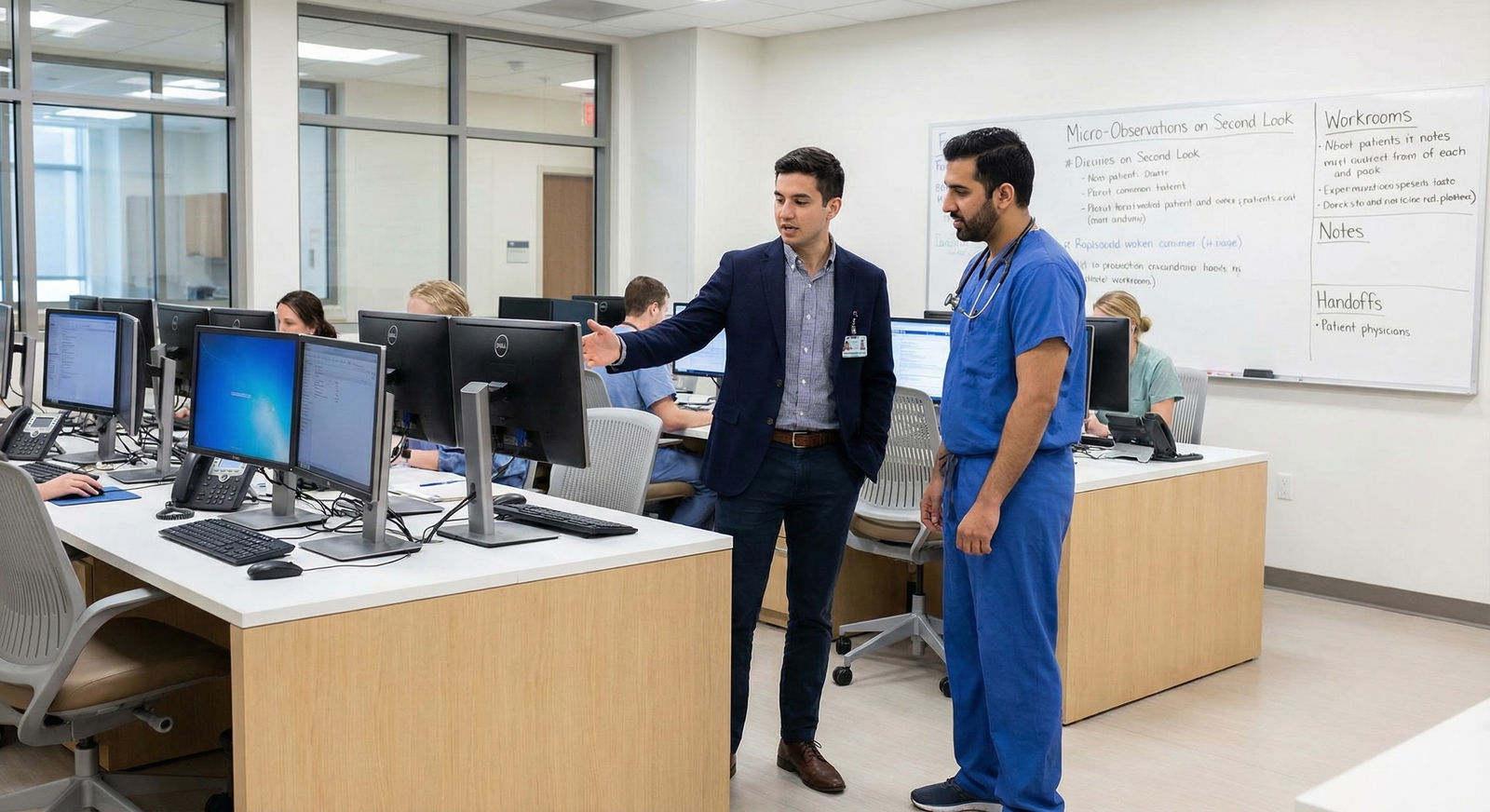
- Observational: You may shadow on rounds, tour facilities, or attend conferences; you generally will not touch patients.
- Informal interactions: You may meet residents, program leadership, and support staff in more natural settings.
What Programs Say vs. What They Do
Most programs emphasize that second looks:
- Do not impact your ranking
- Are not expected
- Are mainly for you to reassess whether the program fits your needs
However, reality is nuanced:
- Some programs do informally note enthusiasm and professionalism during a second look.
- Faculty discussions about applicants may include impressions from a second look visit, even if this is not officially stated.
- For non-US citizen IMGs, showing genuine interest in a program that does sponsor visas can occasionally strengthen the sense that you are committed and likely to stay.
Key principle:
Second looks rarely save a weak application; they may help distinguish a strong applicant from other similarly strong candidates, particularly when used strategically.
2. Should a Non‑US Citizen IMG Do a Second Look?
The key question—“Should I do second look visits?”—has a different answer for a non‑US citizen IMG than for a US graduate or US citizen IMG because of:
- Visa limitations
- Travel costs and complexity
- Time constraints
- Potential need to travel from abroad
When a Second Look Might Make Sense
Consider a second look if most of the following are true:
The program is realistically attainable
- You met their typical step scores, clinical experience, and graduation-year expectations.
- They do sponsor your needed visa (e.g., J-1 or H-1B, as applicable).
- You received positive signs on interview day (engaged conversation, specific mentions of fit, program director interest).
This is a top-tier program on your personal list
- You can honestly see yourself ranking it in your top 3 (or at least top 5).
- It provides critical elements for your long-term plans (e.g., fellowship opportunities, specific clinical exposure, location with family support).
You have unanswered questions
- You still need clarity on resident workload, supervision, research support, visa support infrastructure, or community/lifestyle issues.
- You want to meet more residents or see the program on a “normal” working day.
Logistics are feasible
- You are already in the US for multiple interviews and can combine travel.
- The cost of an extra day of housing, local travel, and food is manageable.
- It will not disrupt major obligations (exams, visa appointments, work commitments).
When a Second Look Is Probably Not Worth It
It’s usually not wise to revisit programs if:
- You would not rank the program highly, regardless of what you see on a second look.
- The program is a very long shot (e.g., historically takes almost no IMGs, says they do not sponsor your visa type, or clearly emphasized US grads over IMGs).
- You already know you won’t rank it (for example, location issues, limited visa help, or negative culture).
- You would have to fly from another country specifically only for a second look, with no other interviews or obligations attached.
- The program explicitly states:
- “Second look visits are discouraged,” or
- “Second looks will not be offered this year.”
For most non-US citizen IMGs, the default should be no second look, unless there is a strong, clear strategic reason and you can integrate it into travel you’re already doing.
3. Strategic Planning for Second Looks as a Foreign National Medical Graduate
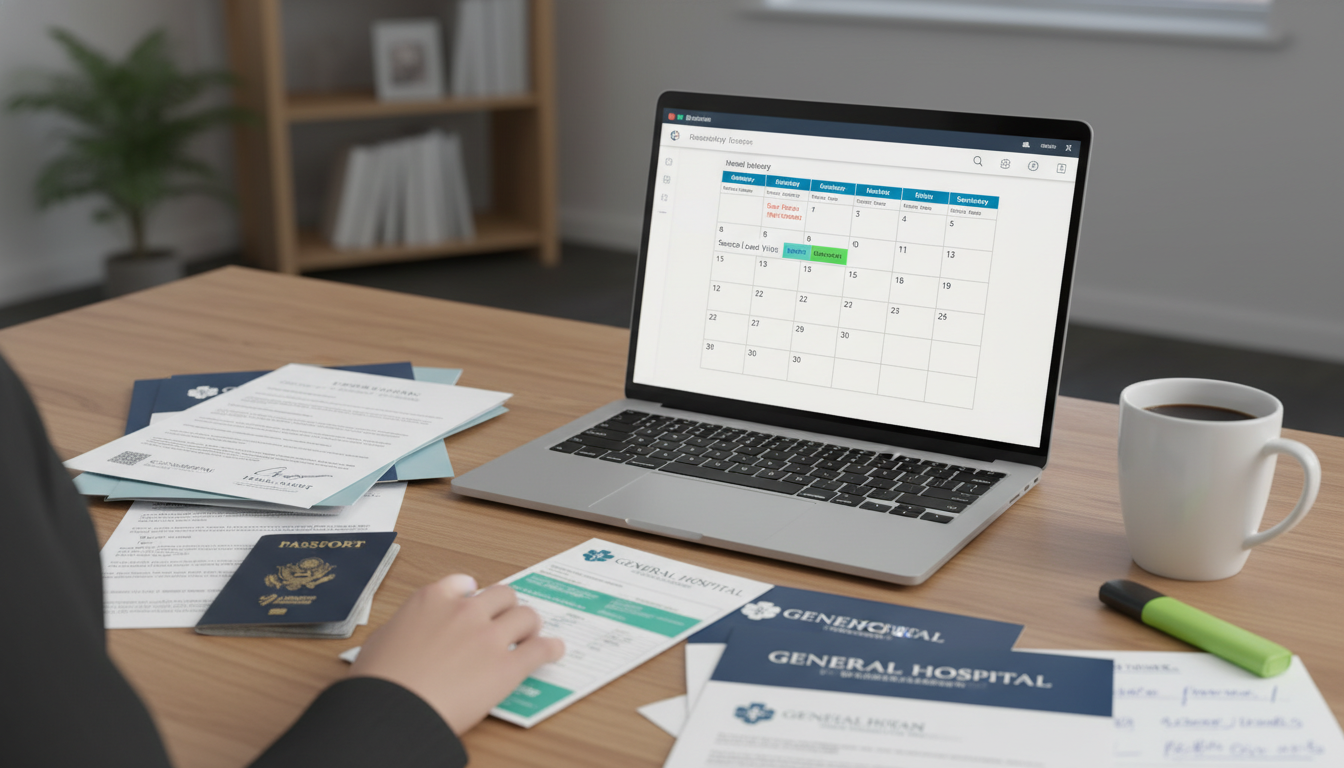
If you decide that a second look is reasonable, planning matters more for non-US citizen IMGs because of cost, time, and visa constraints.
Step 1: Prioritize Programs
Make a list of programs where you might consider doing a second look, then narrow it further.
Ask yourself:
- Visa support: Does this program’s institution reliably sponsor my visa type?
- IMG friendliness: Do they have a history of matching IMGs similar to my profile?
- Fit with my long-term goals: Does the program align with my desired specialty exposure, research interests, or fellowship plans?
- Location and support system: Is there a community, family, or cultural support nearby?
Limit your second looks to one or two programs in most cases. Doing multiple second looks rarely yields proportional benefits for the time and expense involved.
Step 2: Cluster Visits Logistically
To reduce costs, integrate your second look into existing travel:
- Option A: Combine with interviews nearby
- Schedule a second look a day before or after an interview in the same city or region.
- Option B: Stay an extra day after your original interview
- If the program permits, you might do a half-day observation the morning after your interview.
- Option C: Plan a single, multi-program revisit trip
- If you have several interviews in the same region, organize second looks at top-choice programs during the same window.
Be sure to confirm with programs that they are offering in-person second looks that year; in some cycles, programs may prefer or limit visits due to institutional policies.
Step 3: Contacting Programs Professionally
When you are ready to arrange a second look, use a concise, professional email. Example:
Subject: Second Look Visit Inquiry – [Your Name], [Specialty] Applicant
Dear Dr. [Program Director/Coordinator Last Name],
Thank you again for the opportunity to interview at [Program Name] on [date]. I remain very interested in your program, particularly because of [specific reasons: e.g., strong critical care training, supportive IM resident culture, robust visa support].
I will be in [city] on [dates] and am writing to ask whether a second look visit is available during that time. I understand that second looks are not required and do not influence ranking, but I would greatly appreciate the chance to observe the clinical environment and interact further with residents to better inform my rank list.
Thank you for considering my request.
Sincerely,
[Your Full Name]
[AAMC ID / ERAS ID]
Key points:
- Make clear you understand second looks are optional.
- State specific reasons for your interest.
- Suggest specific dates and be flexible.
- Do not ask, directly or indirectly, about ranking or offer any ranking promises.
4. What to Look For During a Second Look Visit
A second look is your chance to revisit programs with a deeper, more realistic lens than interview day. As a foreign national medical graduate, focus on aspects that directly affect your training experience, well-being, and visa sustainability.
A. Resident Culture and Support
Pay close attention to:
- Resident interactions:
- Do residents speak respectfully to each other and to nursing staff?
- Are senior residents approachable and supportive of juniors?
- Burnout and morale:
- Do residents look exhausted and cynical, or reasonably tired but still engaged?
- Listen to casual hallway conversations—do they sound mostly positive or frustrated?
- Diversity and inclusion:
- Are there other IMGs, non-US citizens, or culturally diverse residents?
- When you mention being a non-US citizen, do people respond comfortably and supportively?
Questions you might ask residents:
- “How approachable are attendings when you feel overwhelmed or uncertain?”
- “Can you describe how the program supports residents during difficult rotations?”
- “As an IMG or international graduate, did you feel welcomed and supported from day one?”
B. Education and Clinical Exposure
Use the second look to see the true clinical environment, not the polished interview version.
Assess:
- Real patient care volume:
- Are residents overburdened with scut work, or engaged in meaningful clinical decision-making?
- Supervision quality:
- Are attendings available, teaching, and present on the wards?
- Teaching structure:
- Are there daily teaching sessions, morning reports, or noon conferences?
- Are residents able to attend regularly—or are they frequently pulled away?
Questions to consider:
- “On a typical day, how often do you feel you are learning versus just ‘surviving’ the workload?”
- “How is feedback given? Do you receive structured evaluations and mentoring?”
C. Visa and Administrative Support
For a non-US citizen IMG, this is critical.
Clarify:
- Who handles visa paperwork?
- Is there a dedicated GME office or immigration specialist?
- Typical visa type and timeline:
- Do they routinely sponsor J‑1? H‑1B? Both?
- Are there institutional restrictions on H‑1B?
- Historical support:
- Have residents had issues with visa renewals or delays?
- Do they understand the timelines involved (e.g., USMLE Step 3 requirements for H‑1B, DS‑2019 for J‑1, etc.)?
Discreet questions you might ask residents or the coordinator:
- “Have most of the recent non-US citizen IMGs had smooth visa processing?”
- “Is there someone in the GME office who specifically handles trainee visas?”
- “Have residents ever had to delay start dates due to visa issues?”
D. Life Outside the Hospital
Your well-being matters.
Look for:
- Housing and safety:
- Are there safe, affordable areas where residents typically live?
- Transportation:
- Is a car necessary? Is public transit realistic, especially on call or night shifts?
- Community resources:
- Are there cultural or religious communities you can connect with?
- Are there grocery stores, places of worship, or community centers that match your dietary and cultural needs?
Consider spending an hour after your second look walking or driving around the neighborhoods where residents live to visualize your day-to-day life.

5. Professionalism and Communication During Second Looks
Even though second looks are unofficial, your behavior can still influence how people remember you. Treat the visit with the same professionalism as your interview.
A. How to Present Yourself
Dress code:
- Business casual or clinic-appropriate attire is usually best (unless told otherwise).
- Closed-toe shoes, neat grooming, and a professional demeanor.
Punctuality:
- Arrive 10–15 minutes early.
- Respect any time limits given; if they say half-day, do not linger excessively.
Patient confidentiality:
- Do not access charts, log into systems, or touch patients.
- Do not discuss identifiable patient information outside clinical areas.
B. What to Say—and What to Avoid
Positive ways to communicate:
- Express gratitude for the opportunity.
- Ask genuine, thoughtful questions about training, life, and support for IMGs.
- Mention your key interests (e.g., critical care, cardiology, research) in a low-key way.
- Be honest but avoid oversharing frustration about other programs or countries.
Avoid:
- Asking directly about your ranking (“Where would you place me on your list?”).
- Offering rank commitments (“I will rank you number 1 if…”).
- Criticizing other programs by name.
- Asking residents to share confidential internal conflicts.
C. After the Second Look: Thank-You Notes and Communication
After your visit:
- Send a brief thank-you email to:
- The program coordinator
- Any faculty or residents who spent significant time with you
- Keep it simple and sincere:
Example:
Dear Dr. [Name],
Thank you again for allowing me to return for a second look on [date]. It was very helpful to see [specific aspect: e.g., the resident teamwork in the MICU, your structured morning report, or the supportive environment for international graduates].
The visit confirmed my strong interest in [Program Name], and I appreciate the time you and your residents took to answer my questions.
Sincerely,
[Your Name]
Be mindful of NRMP and program policies—avoid promising specific rank positions, and do not ask the program to disclose how they will rank you.
6. Weighing Second Looks Against Other Priorities
As a non-US citizen IMG, you must constantly balance second look opportunities against:
- Limited time in the US
- Financial constraints
- Exam and document deadlines
- Visa requirements
When the Money and Time Are Better Spent Elsewhere
You may get more real value by investing that time and money in:
- Completing US clinical experience (if your profile still needs it)
- Taking or passing USMLE Step 3 (if aiming for H‑1B or strengthening your application for next cycle)
- Attending virtual program events you can join cheaply
- Improving your rank list research using:
- Program websites
- Alumni who matched there
- Residency forums (with caution and critical thinking)
Virtual “Second Looks” as a Practical Alternative
Many programs now offer virtual open houses or revisit sessions after interviews. Especially for non-US citizen IMGs living abroad, these can function like a second look visit without the cost.
- Attend if:
- You are serious about the program.
- The session focuses on Q&A with residents or program leadership.
- Prepare questions focused on:
- Visa and orientation support for IMGs
- Mentorship and remediation systems
- Typical challenges for new residents coming from abroad
Virtual second looks may not give you the “feel” of a hospital, but they allow meaningful interaction and information gathering at essentially zero travel cost.
FAQs: Second Look Visits for Non‑US Citizen IMGs
1. As a non‑US citizen IMG, do I need to do second look visits to match?
No. Second look visits are not required to match, even for non‑US citizen IMGs. Many successful IMGs never do a second look. Strong core elements—USMLE scores, clinical performance, letters of recommendation, interviews, and realistic program selection—are far more important than second looks.
Use second looks only as a targeted tool for clarifying your rank list at top-choice programs where the logistics and costs are reasonable.
2. Do second look visits improve my chances of being ranked higher?
Officially, most programs say no—second looks do not alter ranking. Unofficially, they may:
- Reinforce a positive impression if you were already a strong candidate.
- Demonstrate genuine interest, which can matter at some programs.
However, a second look cannot compensate for major weaknesses in your application. For a foreign national medical graduate, a second look should be seen primarily as a way to gather information and confirm your own ranking decisions, not as a guaranteed way to move up a program’s list.
3. I live outside the US. Is it worth flying in just for a single second look?
Usually no. If you would be traveling internationally only for a second look—without other interviews, exams, or obligations in the same trip—the cost in money, time, and visa risk is generally not justified.
A better strategy is to:
- Combine any second look with other scheduled activities.
- Use virtual revisit programs and email questions to residents and coordinators.
- Rely on interview impressions, communication with current residents, and thorough research.
4. How do I decide between two programs after a second look?
When comparing two programs—especially if both sponsor your visa and are IMG-friendly—focus on:
- Resident culture: Where did you feel more welcomed and supported as a non-US citizen IMG?
- Training quality: Which program offers better alignment with your clinical and academic goals?
- Visa and administrative support: Which institution seems more organized and experienced with trainee visas?
- Quality of life: Where can you realistically picture yourself living, learning, and staying healthy for 3+ years?
If both are strong but different, trust your observations from the interview and second look. Rank the program where you feel you will learn the most, be supported the most, and realistically thrive—not just the one that looks most prestigious on paper.
Thoughtful, selective use of second look visits can help you make a more confident rank list as a non‑US citizen IMG. But remember: your success in the Match depends much more on your overall application quality and interview performance than on whether you returned for a second visit. Use second looks as a precision tool—not a requirement—and align every decision with your long-term career and immigration goals.