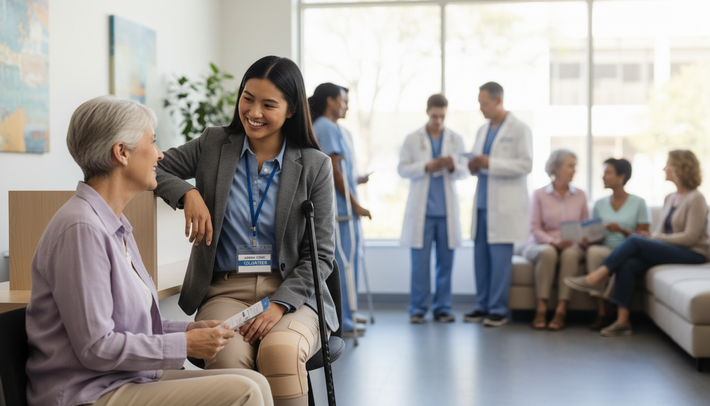
The belief that “real” clinical experience only happens in a hospital is wrong—and it is quietly blocking strong applicants from building competitive applications.
If you cannot get into a hospital, you do not need a new excuse. You need a new strategy.
This is fixable.
Below is a practical, step‑by‑step playbook for building legitimate, meaningful clinical volunteering experience outside traditional hospital roles. You will see concrete options, scripts, timelines, and exactly how to make these activities “count” for medical school admissions.
(See also: How to Use Clinical Volunteering to Rescue a Non-Clinical Resume for more details.)
1. What Actually “Counts” as Clinical Experience?
Before you chase opportunities, you must be precise about the target.
Admissions committees do not care about the building you are in. They care about the nature of your contact with patients and the clinical environment.
Clinical experience usually means:
- You interact (directly or very proximally) with patients or families in a healthcare context
- You observe or support health professionals delivering care
- You are exposed to illness, treatment, and health systems, not just general service
Ask these three questions for any opportunity:
- Do I regularly see people who are seeking or receiving health care?
- Am I part of the workflow that supports or delivers that care?
- Do I learn how illness, treatment, and clinical decision‑making play out in real life?
If yes, it probably counts as clinical experience, even if there is no hospital badge on your chest.
Common non‑clinical traps that feel helpful but are not clinical:
- Stocking shelves at a food bank (service, not clinical)
- Answering phones for a general campus office
- Fundraising walks with no patient interaction
- Generic “health advocacy” without patient contact or care settings
Those are still valuable, but they belong in community service, not clinical hours.
Your goal: build 100–300+ hours of sustained, meaningful experience where patients and health professionals are present—even if the setting is a church basement, mobile van, or school gym.
2. Top Non‑Hospital Clinical Volunteering Options
You do not need 20 ideas. You need 3–5 high‑yield, realistic ones you can actually implement.
2.1 Free Clinics and Community Health Centers
This is the closest “hospital alternative” you will find.
Why it counts:
- Patients are being evaluated and treated
- Physicians, PAs, NPs, nurses, and other clinicians are on site
- You may help with intake, vitals, patient flow, translation, or education
Typical roles:
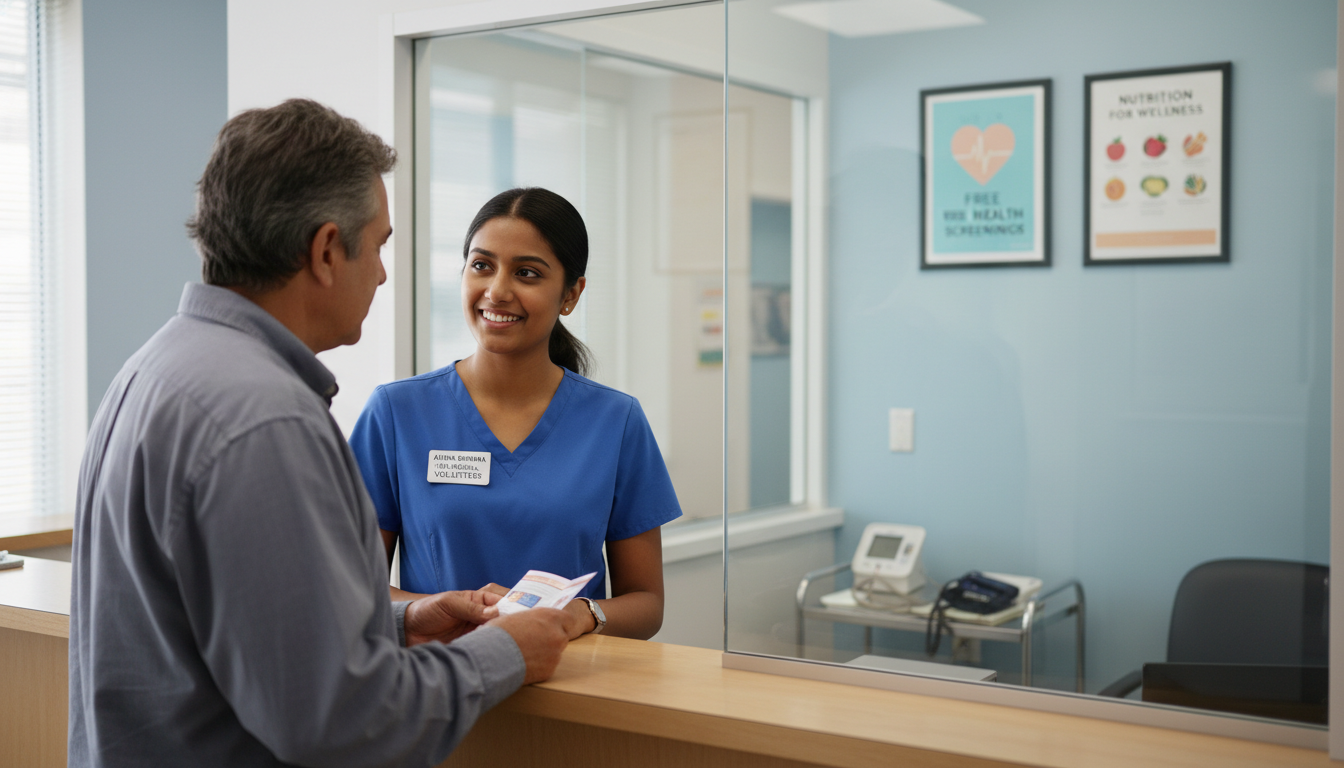
- Front desk / patient intake (demographics, chief complaint, insurance status)
- Rooming patients and escorting them to clinicians
- Basic vitals (if trained and allowed): BP, pulse, temp, height, weight
- Interpreting for non‑English speakers
- Data entry into the EMR under supervision
How to find them:
- Search:
- “[Your city] free clinic volunteer”
- “Federally Qualified Health Center volunteer [city]”
- “Community health center volunteer [state]”
- Go to:
- National Association of Free & Charitable Clinics (NAFC) website
- State Primary Care Association or Department of Health websites
Outreach template (email):
Subject: Volunteer Interest – [Your Name], Pre‑Medical Student
Dear [Clinic Coordinator/Clinic Name],
My name is [Name], and I am a pre‑medical student at [School] interested in working with underserved patient populations. Hospital volunteer programs in my area are currently full, and I am hoping to contribute in a community clinic setting.
I am available [X days/times], can commit to [#] months, and am willing to help with intake, patient flow, administrative support, or any other non‑clinical tasks that support your team.
I would be grateful for the opportunity to learn from your staff while serving your patients.
Sincerely,
[Name]
[Phone]
[University, Year]
Expect:
- TB test, background check, HIPAA training
- A regular weekly shift (3–4 hours)
This alone can give you enough clinical exposure for several strong application entries.
2.2 Mobile Health Clinics and Screening Programs
If hospitals feel locked, mobile vans and pop‑up clinics are often the opposite—actively seeking reliable volunteers.
Common settings:
- Mobile primary care vans in low‑income neighborhoods
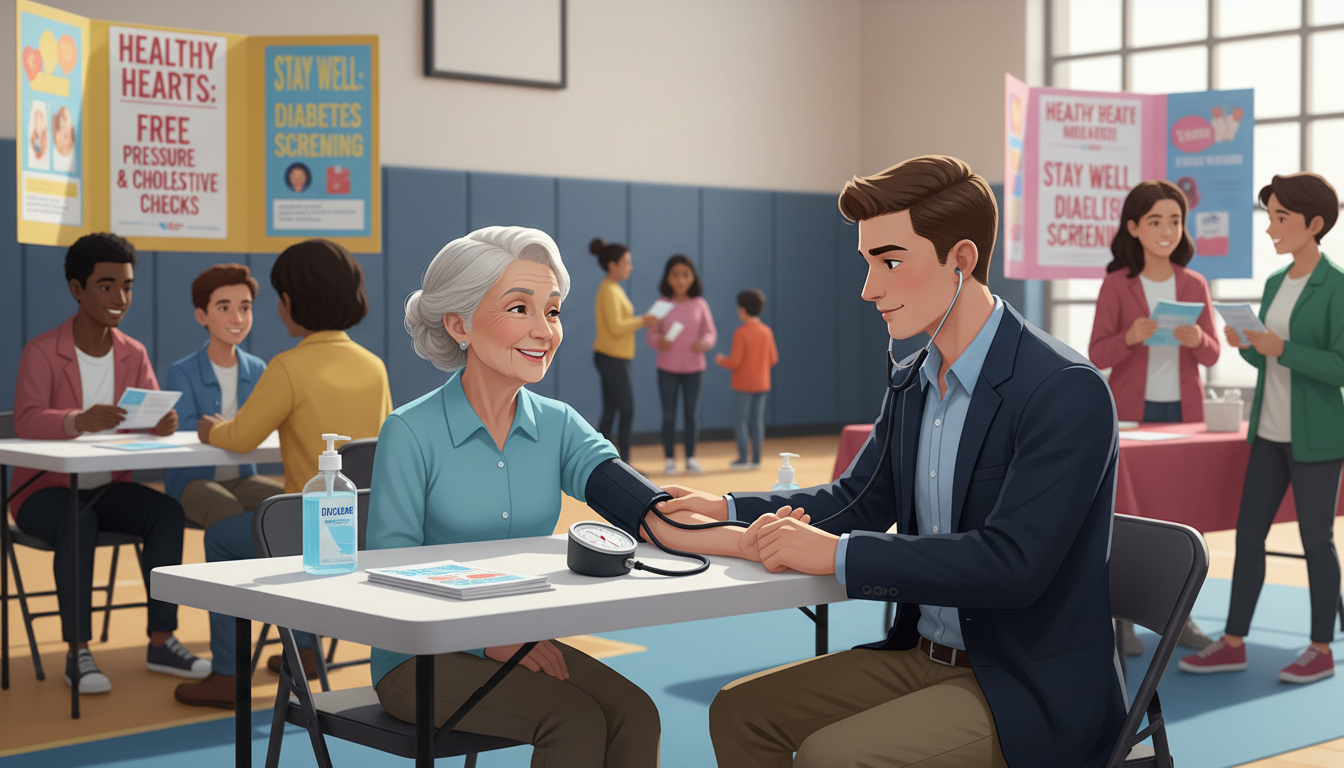
- Blood pressure or glucose screening at churches or barbershops
- Student‑run health fairs in malls, schools, or community centers
Your role may include:
- Setting up screening stations (BP cuffs, glucometers, tables, privacy dividers)
- Greeting and registering participants
- Taking vitals after brief training
- Providing standardized education scripts (eg, “What your BP numbers mean”)
- Observing clinicians discuss abnormal results with participants
How to find them:
- Search “[Your city] mobile health clinic volunteer”
- Contact:
- Local academic medical centers’ community outreach offices
- Departments of Family Medicine or Internal Medicine
- Nonprofits focused on heart disease, diabetes, or cancer screening
Bonus: These experiences are easy to write about.
You see the direct interface between medicine and structural barriers—transportation, health literacy, mistrust of health care systems.
2.3 Hospice and Palliative Care Volunteering
Hospice sounds intimidating. It is also one of the most powerful and respected clinical experiences you can get outside a hospital.
Why admissions committees respect it:
- You confront mortality, suffering, and family dynamics directly
- You learn communication, presence, and emotional resilience
- You work alongside nurses, social workers, chaplains, and sometimes physicians
Typical volunteer tasks:
- Sitting with patients (companion visits)
- Reading, talking, playing music
- Giving respite to caregivers so they can rest or leave briefly
- Light non‑medical comfort measures (warm blankets, adjusting pillows, offering water if allowed)
You usually do not perform medical procedures, but you are immersed in patient care at a critical phase of illness.
To find roles:
- Search: “[City] hospice volunteer”
- Major organizations: VITAS, local hospital‑affiliated hospice agencies, regional nonprofits
Be ready for:
- Longer onboarding (8–20 hours of training)
- A minimum commitment (often 6–12 months)
- Emotional debriefing sessions, which you should absolutely attend
2.4 Emergency Medical Services (EMS) and First Responder Roles
If you want clinical intensity and can commit to training, EMS is one of the strongest non‑hospital options.
Paths to consider:
EMT-Basic course
- 1 semester or intensive summer program
- Leads to certification and eligibility to work or volunteer on ambulances
Volunteer EMS squads / fire departments
- Many suburban or rural areas rely on volunteer EMTs
- You ride along on 911 calls, take vitals, assist with basic procedures
Event medical coverage
- Sports events, concerts, community fairs
- Often staffed by volunteer EMTs or basic first aid teams
Why this is gold:
- Direct patient contact in acute situations
- Real responsibility (under scope and supervision)
- Clear clinical narratives for personal statements and interviews
Downside: time and energy.
Training is demanding, and shift work can be irregular. If you are juggling heavy coursework, start with observing or scribing in EMS if available, then ramp up.
2.5 Rehabilitation, Physical Therapy, and Occupational Therapy Clinics
Not every meaningful clinical interaction involves acute disease.
Outpatient rehab gets you close to:
- Patients recovering from strokes or surgeries
- Individuals managing chronic pain
- Children with developmental delays
- Athletes with sports injuries
Typical volunteer tasks:
- Assisting with patient transport and room turnover
- Setting up equipment (bands, weights, mats)
- Observing therapy sessions (within privacy limits)
- Helping patients with non‑skilled tasks (getting water, repositioning in chairs under direction)
Here you observe long‑term recovery, goal‑setting, and patient motivation. This shows admissions committees that you appreciate the continuum of care beyond the hospital admission.
2.6 Community‑Based Chronic Disease Management Programs
Chronic illness is where the health system usually fails people.
Programs focused on diabetes, hypertension, COPD, or obesity often need volunteers to:
- Help run group education sessions
- Perform basic screenings (after training)
- Collect and log data for quality improvement
- Follow up with patients via calls or texts (using standardized scripts)
Common sponsors:
- Federally Qualified Health Centers (FQHCs)
- Public health departments
- Disease‑specific nonprofits (American Diabetes Association, American Heart Association)
You are not prescribing or managing doses. You are supporting the structures that help patients implement treatment plans—a central challenge in modern medicine.
2.7 Telehealth Support and Remote Clinical Roles
Telehealth exploded, and many programs still integrate volunteers and students.
What this can look like:
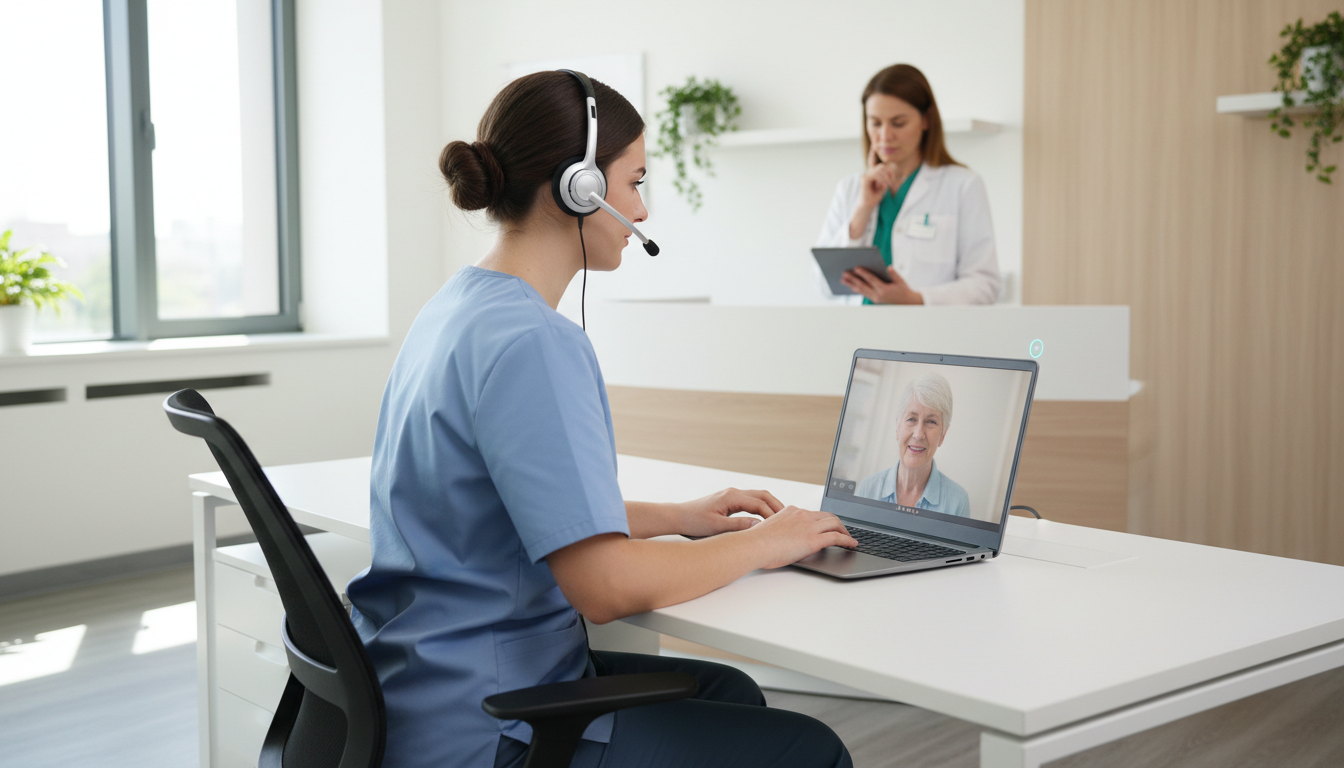
- Sitting in on telehealth visits (with patient consent) as an observer
- Pre‑visit intake calls: medication lists, symptom checklists, consent
- Follow‑up calls to review prescribed instructions (using checklists)
- Tech support for patients struggling with the platform
Yes, this is still clinical when:
- You are part of the interaction between patient and healthcare system
- You see how clinicians reason, explain, and follow up
- You engage with real medical concerns and decisions
Pro tip: Combine telehealth volunteering with in‑person experiences where possible. Telehealth alone can appear narrow; pairing it shows adaptability.
3. How to Create Your Own Clinical Opportunity When None Exists
Some of you will say:
“There is no free clinic where I live. No EMS that takes volunteers. Hospice is full. My community is small and rural.”
Fine. Then you build your own lane.
3.1 Start with Anchors: Primary Care, Public Health, or Local Nonprofits
You need a legitimate clinical anchor—someone or some organization already delivering or coordinating care:
- Solo or group primary care practices
- Rural health clinics
- County or city public health department
- School‑based clinics
- Local branches of disease‑specific nonprofits
Your pitch is simple:
You will design and run a small, sustainable project that helps patients and gives you structured clinical exposure.
3.2 Example “Build‑Your‑Own” Projects
1. BP Screening and Education Program at a Church or Community Center
- Partner: Local primary care doc + church pastor
- Steps:
- Shadow the physician for a few sessions to understand BP counseling
- Complete training on BP measurement technique
- Arrange a monthly BP check event after church services
- Create standardized logs for participants and a summary for the physician
- Develop simple handouts about lifestyle changes, reviewed by the physician
Clinical value:
- You interact with high‑risk adults discussing a medical issue
- You observe how readings tie to medication changes and follow‑up
- You coordinate with a licensed clinician for oversight
2. Post‑Discharge Follow‑Up Calls under Clinic Supervision
- Partner: Rural clinic or small practice overwhelmed with follow‑up
- Steps:
- Identify common post‑discharge conditions (eg, pneumonia, CHF, surgery)
- Work with a clinician to draft structured call scripts:
- Symptom check
- Medication pickup and adherence
- Red flag warnings and when to seek help
- Call patients 3–7 days after discharge
- Document responses in a standardized form and flag concerns for the clinician
Clinical value:
- You see where plans break down once the patient leaves the facility
- You talk directly with recovering patients about symptoms, side effects, confusion
- You learn to escalate concerns appropriately
3. School‑Based Asthma or Diabetes Support Program
- Partner: School nurse + local pediatrician or pediatric clinic
- Activities:
- Track symptom diaries or peak flow logs
- Help run brief education sessions in small groups
- Call parents (with authorization) to ensure medications and refills are available
These programs require careful planning and supervision, but they demonstrate initiative, leadership, and a sophisticated understanding of patient care systems.
4. Make Your Experience “Application‑Ready”
Getting hours is step one. Making them legible and compelling to admissions committees is step two.
4.1 Track Your Hours and Responsibilities Precisely
Set up a simple spreadsheet:
- Columns:
- Date
- Site / organization
- Hours
- Role / activities
- Notable patient or learning moment (no names, no identifiers)
Example entry:
- Date: 03/14/2025
- Site: Community Free Clinic
- Hours: 4
- Role: Intake and vitals
- Note: Worked with Spanish‑speaking patient with poorly controlled diabetes; observed NP adjusting insulin and explaining hypoglycemia warning signs.
This will save you hours when filling AMCAS/AACOMAS and building your activity descriptions.
4.2 Describe the Experience in Admissions Language
When you write your activity descriptions, emphasize:
Clinical context
- “Outpatient primary care clinic”
- “Mobile screening program for underserved populations”
- “Home hospice care organization”
Your patient contact
- “Spoke directly with patients and families about their symptoms and concerns”
- “Performed vitals under RN supervision”
- “Conducted standardized follow‑up calls post‑discharge”
Team interaction
- “Worked alongside physicians, nurse practitioners, and social workers”
- “Coordinated with EMS crew and ED staff during hand‑offs”
What you learned about medicine
- Barriers to care
- Communication challenges
- End‑of‑life decision‑making
- Chronic disease management in real life
Avoid vague phrases like “I learned to be compassionate.”
Describe specific clinical realities instead.
4.3 Combine Shadowing with Volunteering When Possible
If you already have a non‑hospital clinical role, you can layer shadowing into the same environment:
- Ask the supervising clinician if you may:
- Observe patient visits after you complete your volunteer tasks
- Come in on a different day to shadow through a full clinic session
- Keep roles separate in your records but emphasize continuity:
- “After months of volunteering with the same physician, I was invited to observe patient visits…”
This creates a cohesive story: you were not a tourist in medicine; you were part of the system, then stepped into deeper observational roles.
5. Overcoming Common Barriers and Excuses
You will hit resistance. Expect it; plan for it.
5.1 “No One Is Responding to My Emails”
Increase your hit rate with a systematic approach:
Make a list of at least 15–20 potential sites:
- Free clinics
- FQHCs
- Public health departments
- Hospice organizations
- EMS / fire departments
- Rehab centers
- Disease‑specific nonprofits
Use a three‑touch outreach strategy:
- Email #1
- Follow‑up email in 7–10 days
- Phone call or in‑person visit if local and appropriate
Refine your ask:
- Be specific: “I can volunteer Wednesdays 1–5 PM for at least 9 months”
- Emphasize reliability and willingness to handle unglamorous tasks
Ask for a brief meeting instead of a role:
- “Could I schedule a 15‑minute call to learn how volunteers usually get involved?”
People commit more when they speak to you directly.
5.2 “My Schedule Is Too Packed for Weekly Volunteering”
Then you need:
- Block scheduling: One full day every other week instead of small fragments.
- Seasonal intensity: 10–12 hours per week during summer or winter break; keep minimal involvement during the semester.
- Project‑based roles: Telehealth follow-up projects, intensive screening events, or short campaigns.
Admissions committees value longitudinal exposure, but it does not have to be evenly distributed over 2 years. Aim for:
- At least one experience ≥ 6 months
- Total clinical exposure in the 100–300+ hour range, even if clustered
5.3 “This Is Not a Hospital. Will It Really Count?”
If you are:
- Regularly interacting with patients and families,
- Working in a healthcare delivery context,
- Observing or supporting clinical decision making,
Yes. It counts.
During interviews, you can strengthen this perception by framing:
- “In our free clinic, we saw many of the same conditions as in the hospital—just without the resources.”
- “EMS taught me more about acute medicine than any hospital volunteer role would have. I watched patient care from sidewalk to ED handoff.”
You are not apologizing for your setting. You are explaining what it showed you.
6. Strategic Planning: Build a Balanced Clinical Portfolio
Admissions committees are not looking for one perfect experience. They want evidence that you:
- Understand different sides of the health system
- Have seen both acute and chronic care
- Have sustained involvement with real patients
A balanced non‑hospital clinical portfolio might look like:
- Free clinic volunteering – 150 hours over 1 year
- Hospice visits – 60 hours over 8 months
- Mobile screening events – 40 hours across several weekends
- Shadowing – 40 hours with 2–3 physicians in different settings
All outside formal hospital volunteer programs. All absolutely valid.
If you have less time:
- EMS or EMT work – 200+ hours over 6–12 months
- Telehealth support role – 60–80 hours
- Plus focused shadowing
The mix can vary. The key is intentionality and depth.
Final Takeaways
- Clinical experience is defined by patient care and healthcare context, not the presence of an inpatient tower or hospital badge.
- Free clinics, hospice, EMS, mobile health, rehab, and supervised community programs can provide rich, respected clinical exposure even when hospitals are closed to you.
- If traditional paths are blocked, create structured, supervised roles in partnership with existing clinicians or organizations—and document them clearly so admissions committees see exactly how they shaped you as a future physician.