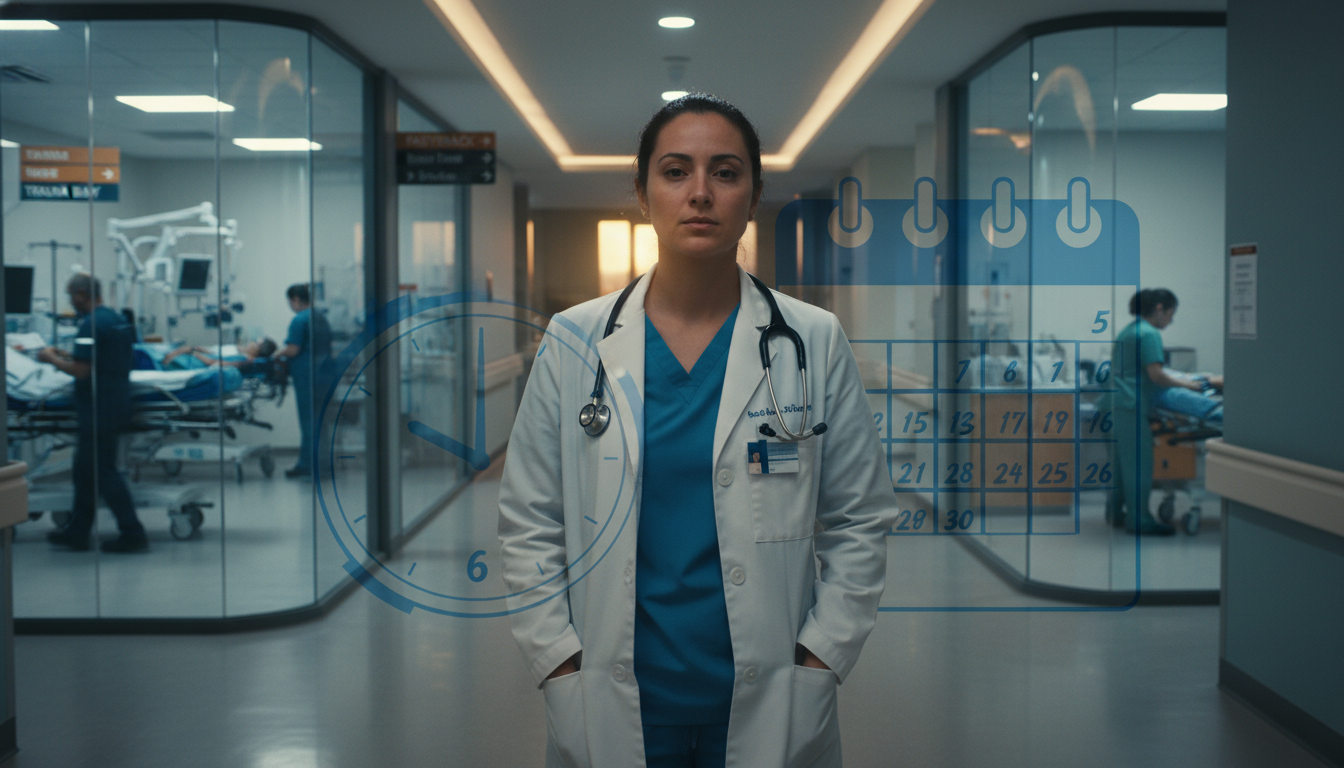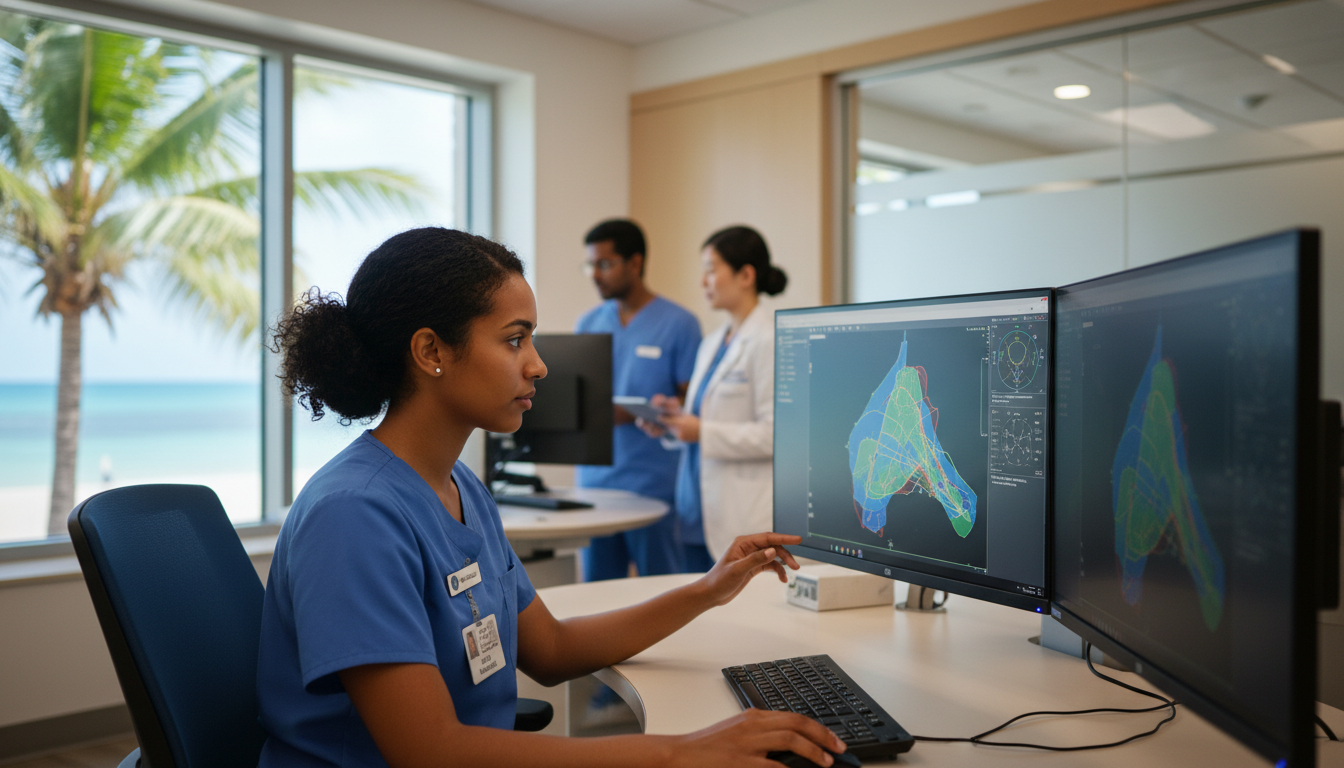
Radiation oncology has a strong reputation as a lifestyle residency with generally favorable work hours and relatively low overnight call compared with many other specialties. For a Caribbean IMG, however, the reality of work-life balance in radiation oncology residency can be shaped by additional factors: immigration and visas, the competitiveness of the rad onc match, geographic constraints, financial pressures, and adapting to the U.S. training system.
This article provides a practical, honest work-life balance assessment for Caribbean IMGs considering radiation oncology, with specific attention to residency training in the U.S. It is meant to help you decide whether this specialty aligns with your personal, financial, and family priorities—not just your academic interests.
1. The Reality of Work-Life Balance in Radiation Oncology
Radiation oncology is consistently listed among the most lifestyle-friendly specialties, but that label can be misleading if not properly unpacked. For Caribbean IMGs, particularly those from schools like SGU, AUC, Ross, and others, understanding day-to-day reality is crucial when deciding whether to pursue this path.
1.1 Overall Workload and Duty Hours
Most radiation oncology residency programs follow standard duty hours similar to other non-procedural specialties in the U.S.:
- Typically 45–55 hours per week on average
- Usually no weekly 80-hour cap pressure like in some surgical residencies
- Limited traditional overnight calls; often home call or backup rather than in-house
- Weekend work often limited to:
- Rounds or on-treatment checks for inpatients
- Emergency cases (e.g., spinal cord compression, superior vena cava syndrome, bleeding tumors)
Compared to:
- General surgery or neurosurgery: 65–80+ hours/week, frequent overnight call
- Internal medicine: 55–70 hours/week with q4 or similar call cycles
- Radiation oncology: usually more stable weekday hours, with occasional longer days
Most residents in radiation oncology clinics are expected to be on-site during standard business hours (e.g., 7:30–8:00 am to 5:30–6:00 pm), with busier academic centers leaning toward the longer end.
1.2 Nature of the Workday
The typical rad onc resident workday is structured and predictable:
- Morning:
- Chart review, imaging review, plan checks
- Multidisciplinary tumor board conferences
- New consults and follow-up patient visits
- Midday:
- Simulation (CT sim for radiation planning)
- Contouring targets and normal structures
- Treatment planning sessions with dosimetrists and physicists
- Afternoon:
- On-treatment visits (weekly management of patients currently receiving radiation)
- More contouring, plan review, chart checks, documentation
- Teaching conferences and didactics
From a lifestyle standpoint:
- The work is often mentally taxing but less physically exhausting than surgical or high-volume inpatient specialties.
- Time on your feet is moderate; much of the day is spent at a workstation or in clinic rooms.
- The predictable daytime structure supports better work-life balance for residents with families, young children, or dual-career partners.
1.3 Emotional and Cognitive Load
Work-life balance is not just about hours; it is also about emotional and cognitive burden.
Radiation oncology focuses heavily on cancer care, including:
- Curative treatments (e.g., early-stage breast, prostate, head and neck cancers)
- Palliative treatments (e.g., bone pain, brain metastases, airway obstruction)
- End-of-life discussions and complex goals-of-care conversations
This can be emotionally intense. However:
- Many patients are seen in the outpatient setting, which allows for better continuity and more stable scheduling.
- You often have time to build relationships and provide longitudinal care, which many residents find deeply rewarding and protective against burnout.
For Caribbean IMGs, the key question is:
Do you want a specialty where the emotional intensity is high but the schedule is relatively predictable and controllable?
If yes, radiation oncology is highly compatible with long-term work-life balance.
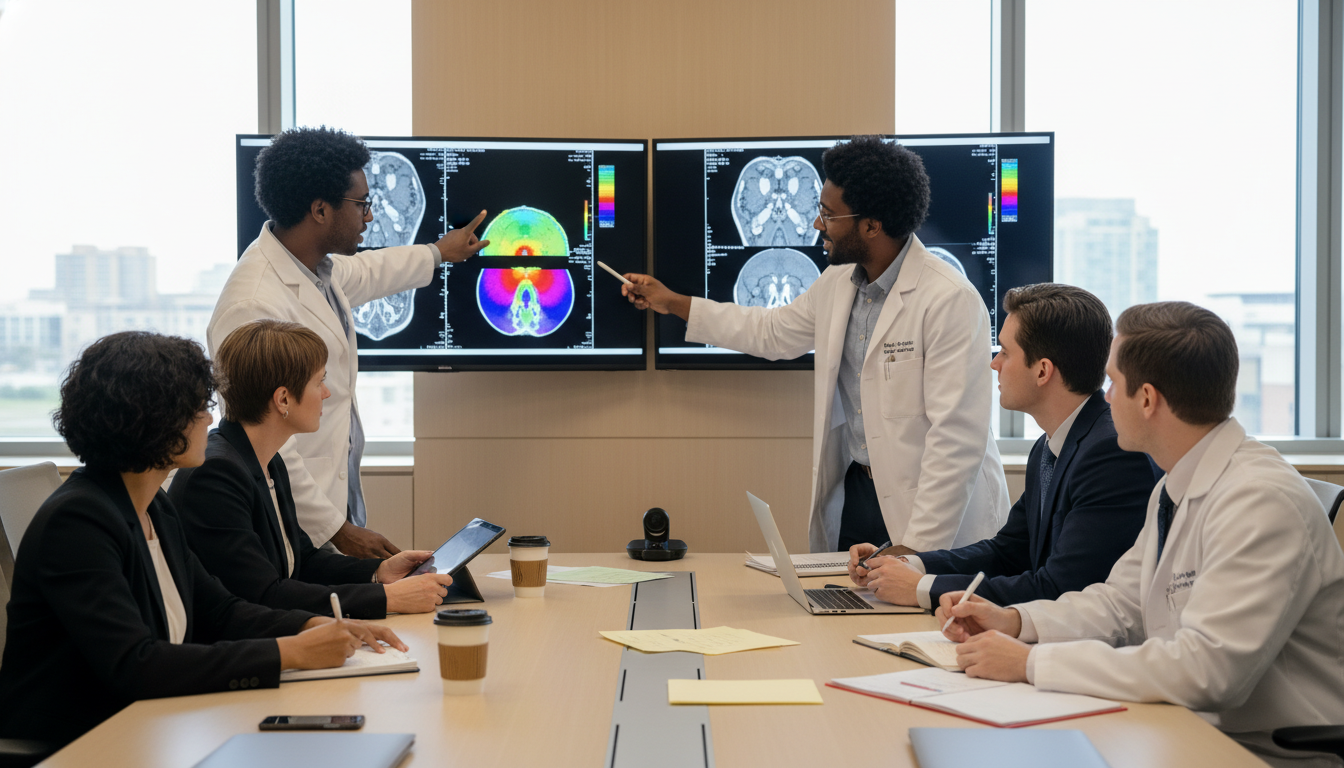
2. Work-Life Balance Across the Stages of Training
For Caribbean IMGs, the path to becoming a radiation oncologist includes specific stages with different lifestyle demands. You need to look at the entire training arc, not just the residency itself.
2.1 Pre-Residency: Caribbean Medical School and Transition to the U.S.
Many Caribbean IMGs, including those from schools like SGU, are already familiar with high academic pressure and geographic instability:
- Preclinical years often on an island campus
- Clinical rotations scattered across multiple U.S. states or hospital systems
- Frequent moves and housing changes
- Visa planning, USMLE exams, and financial stress
This period usually has poor work-life balance irrespective of specialty choice—long hours studying, uncertain schedules during rotations, and frequent travel. For those targeting a competitive specialty like radiation oncology:
- Additional pressure to secure strong research, often requiring:
- Research years (sometimes unpaid or low-paid)
- Living in expensive cities near NCI-designated cancer centers
- Networking and away rotations to improve chances in the rad onc match
So, while the specialty itself is lifestyle-friendly, the road to get there as a Caribbean IMG can be demanding.
2.2 Transitional/Preliminary Year
Radiation oncology residencies generally require:
- 1 preliminary or transitional year (often in internal medicine or surgery), followed by
- 4 years of radiation oncology residency
Lifestyle during the prelim year is not radi onc-specific:
- If you match into a categorical program with an integrated intern year, hours may be somewhat controlled but still typical of an IM or surgical intern.
- If you match prelim IM:
- Expect more inpatient work and longer duty hours (55–80 hrs depending on program)
- Night float, ward calls, and weekend rounding are standard
- Work-life balance in this year is often worse than in later rad onc years but improves once PGY-2 radiation oncology starts.
When comparing specialties as a Caribbean IMG:
- Most competitive specialties (derm, rad onc, ophtho) require you to get through this demanding intern year first.
- Your long-term work-life balance improves after that, but you should budget one particularly heavy year.
2.3 Radiation Oncology Residency Years (PGY-2 to PGY-5)
This is where the lifestyle benefits become clear.
Typical features:
- Primarily outpatient-based rotations in radiation oncology clinics
- Some inpatient consults and coordination with hospital teams, but fewer prolonged ICU or ward responsibilities
- Daily schedule that tends to resemble:
- 7:30–8:00 am start
- 5:30–6:00 pm finish, depending on case volume, conference schedule, and faculty expectations
From a duty hours perspective:
- Most residents report limited overnight work:
- Home call rotations (answering questions about on-treatment patients)
- Rare emergent palliative cases at night
- Weekends:
- Can be relatively protected, especially in well-staffed academic centers
- May require occasional inpatient follow-up, brachytherapy coverage, or urgent consults
Work-life balance strengths:
- More predictable schedule enables consistent family time, exercise, and hobbies
- Easier to maintain long-distance relationships or dual-career arrangements
Work-life balance risks:
- Academic pressure: research output, abstract submissions, and presentations often occur outside regular hours.
- Board exam preparation and physics/radiobiology studying can add evening workload.
- Certain rotations (like brachytherapy-heavy ones) can compress your daytime more intensely.
For a Caribbean IMG, the critical factor is that once you are in radiation oncology residency, lifestyle is generally favorable compared with many other U.S. specialties—even though the path to get there may not have been.
3. Specific Considerations for Caribbean IMGs in Radiation Oncology
The SGU residency match and similar Caribbean medical school pathways into competitive fields come with unique lifestyle considerations. These factors don’t negate the specialty’s benefits, but they do shape how you experience them.
3.1 Competitiveness and the Rad Onc Match
Radiation oncology has historically been competitive but has experienced fluctuations in applicant volume in recent years. For Caribbean IMGs, it still tends to be challenging. This means:
- You may need:
- Strong USMLE scores (or now strong performance on Step 2 CK and a solid academic record)
- U.S. clinical experience (electives/observerships)
- Research in oncology or radiation oncology
- Excellent letters from U.S. radiation oncologists
How this affects work-life balance:
- You may end up taking a research year (or more):
- Financial implications: possibly low or no salary, reliance on loans or family
- Long hours in lab or clinical research, evening data analysis or manuscript writing
- You may need to relocate multiple times:
- Island campus → U.S. clinicals → research institution → residency location
- Every move disrupts social support and personal routines
If you’re committed to the rad onc match, recognize that:
- The pre-residency phase will likely compress your work-life balance.
- The reward is a generally stable and manageable lifestyle once you match.
3.2 Visa and Immigration Realities
For many Caribbean IMGs (particularly non-U.S. citizens), visas are a major source of stress and can indirectly affect lifestyle:
- You may require a J-1 or H-1B visa, and not all rad onc programs sponsor H-1B.
- This can:
- Limit the number of programs you can apply to
- Push you toward certain geographic regions or academic institutions
- Increase stress near the end of training when planning fellowships or early career jobs
From a work-life balance angle:
- Visa uncertainty can lead to chronic background stress, even if your daily duty hours are good.
- Extra administrative tasks—immigration documents, meeting deadlines, coordinating with ECFMG/J-1 sponsors—consume mental bandwidth.
However, radiation oncology often offers:
- Strong academic program structures
- Institutional immigration support in many university hospitals
- More stable daytime schedules, allowing time to handle paperwork compared with busier rotations in other specialties
3.3 Financial and Family Considerations
Caribbean graduates often carry substantial educational debt. Lifestyle decisions in radiation oncology must be framed around:
- Salary trajectory:
- Resident salary: standard GME range (often $60–75k depending on location and PGY level)
- Attending salary: generally high for rad onc, but practice environment matters (academic vs private)
- Costs of training:
- Multiple relocations
- Potential unpaid research time
- High cost-of-living cities (where many major cancer centers are located)
If you support family back home or have dependents:
- The stable hours in rad onc are very helpful for:
- Childcare coordination
- Partner employment
- Personal health and stress management
The trade-off:
- You may need to tolerate short-term financial and geographic instability during the match-building phase to secure the long-term lifestyle benefits of radiation oncology.

4. Day-in-the-Life: Practical Work-Life Balance Scenarios
To make this more concrete, here are realistic scenarios illustrating the residency work-life balance you might experience as a Caribbean IMG in radiation oncology.
4.1 Typical Weekday During PGY-3
- 7:30 am – Arrive at clinic, review today’s patient list:
- 4–6 new consults
- 8–10 follow-ups
- 10–20 on-treatment visits (distributed across the week)
- 8:00–9:00 am – Multidisciplinary tumor board
- 9:00 am–12:00 pm – Clinic:
- Seeing new patients with the attending
- Documenting histories and plans
- Discussing radiation risks/benefits and logistics
- 12:00–1:00 pm – Lunch + resident didactic lecture (often provided lunch)
- 1:00–4:00 pm – Simulations and contouring:
- On CT sims with therapists
- Contouring targets and organs at risk on planning software
- 4:00–5:30 pm – Chart checks, finishing notes, reviewing treatment plans with attending
- 5:30–6:00 pm – Head home
Evenings:
- Two nights per week: brief review of physics notes or board-style questions (30–60 min)
- One evening: research meeting via Zoom or data analysis
- Remaining nights: free time for gym, family, or relaxation
This is a sustainable schedule for most residents, especially compared with high-intensity inpatient residencies.
4.2 Call and Emergencies
Radiation oncology residents typically experience:
- Home call rotations:
- Phone calls related to machine issues or urgent palliative radiation needs
- Occasional need to come in at night, but far less than surgical residents
- Weekend coverage:
- Rotating schedule to manage emergencies or ongoing inpatients
- Often one weekend every several weeks, with partial days rather than continuous 24+ hour shifts
From a lifestyle point of view:
- You can usually plan family events, religious commitments, and hobbies around your schedule.
- Sleep disruption is generally less common than in many inpatient-focused specialties.
4.3 Academic Expectations
During residency, you’ll balance clinical work with academic growth:
- Requirements may include:
- At least one research or quality improvement project
- Abstract submission to oncology conferences
- Teaching medical students or junior residents
- Time for these tasks is sometimes provided within the regular schedule but often spills into evenings or less busy clinics.
For Caribbean IMGs:
- This is an opportunity to reinforce your profile—especially if you are still overcoming perceived bias in competitive academic settings.
- However, it does mean that the “lifestyle” reputation includes some self-imposed workload to meet academic ambitions.
5. Comparing Radiation Oncology to Other “Lifestyle Residencies”
As you weigh your options, it’s useful to compare radiation oncology to other most lifestyle-friendly specialties that Caribbean IMGs may consider.
5.1 Radiology vs Radiation Oncology
- Radiology:
- More imaging-heavy, less direct patient contact
- Can have significant overnight or evening call (especially ER radiology)
- Teleradiology and flexible work patterns are more common post-residency
- Radiation Oncology:
- Combination of imaging interpretation and direct patient care
- Mostly daytime, clinic-centered
- Less overnight emergency work in most settings
Lifestyle comparison:
- Both can be good for work-life balance, but rad onc often has more predictable daytime clinic hours and more longitudinal patient relationships.
5.2 Dermatology vs Radiation Oncology
- Dermatology:
- Very high lifestyle reputation
- Mostly outpatient, few emergencies
- Extremely competitive, challenging for IMGs, especially Caribbean graduates
- Radiation Oncology:
- Also outpatient-focused but more emotionally heavy (cancer)
- Comparable or slightly more demanding hours due to research demands
- Still competitive but may offer relatively more IMG opportunities than dermatology in some institutions
If your top priority is maximum lifestyle with minimal emotional burden, dermatology may seem attractive—but realistic access for Caribbean IMGs is limited. Radiation oncology is a more attainable balance between intellectual challenge, cancer care, and lifestyle.
5.3 Psychiatry and Other Lifestyle Specialties
- Psychiatry, PM&R, pathology, outpatient-focused primary care can all offer good work-life balance.
- Compared to these:
- Radiation oncology usually has higher earning potential post-training.
- Emotional burden is different—oncology has unique end-of-life and prognostic discussions.
- The technical, physics-heavy side attracts those who enjoy technology and imaging.
For Caribbean IMGs, choosing between them should come down to:
- Comfort with cancer care and complex prognostic conversations
- Desire for a technically-oriented field with planning software and imaging
- Willingness to navigate the rad onc match competitiveness in return for long-term lifestyle and income benefits.
6. Actionable Advice for Caribbean IMGs Considering Radiation Oncology
6.1 Clarify Your Personal Priorities
Ask yourself:
- How important is geographic flexibility versus simply matching anywhere in rad onc?
- Can you tolerate 1–2 years of intense research or extra effort for a better chance at the match?
- Do you prioritize:
- Predictable weekday hours?
- High income post-residency?
- Emotional engagement with patients facing serious illnesses?
Write down your non-negotiables regarding:
- Location (coastal vs midwest vs any)
- Family needs (partner job, children, visa status)
- Financial restraints (willingness to take extra loans for a research year)
6.2 Strategically Plan Your Path from Caribbean School to Rad Onc
- Maximize clinical performance in your core rotations (especially internal medicine, surgery, and oncology electives).
- Seek early oncology exposure:
- Electives in medical oncology or radiation oncology during clinical years
- Virtual shadowing or observerships if in-person options are limited
- Line up research:
- Summer research between basic sciences and clinical years (if possible)
- Remote collaboration with a radiation oncologist at a U.S. center
- Consider a formal research year after graduation if needed
This front-loaded effort temporarily reduces work-life balance but is time-limited and focused on achieving a good SGU residency match–style outcome in a competitive specialty.
6.3 Be Realistic About Program Selection
When applying:
- Prefer programs known to be IMG-friendly and open about supporting J-1 or H-1B visas.
- Don’t overconcentrate only on ultra-elite research institutions; consider:
- Solid university-affiliated programs in non-urban areas
- Programs with a history of matching Caribbean IMGs or other international graduates
Doing this:
- Increases your chance of matching
- Reduces the need for multiple cycles, which would otherwise prolong uncertainty and stress
6.4 Protect Your Mental Health and Personal Life During Training
Regardless of where you train, build deliberate habits to maintain work-life balance:
- Set boundaries:
- Commit to unplugging from email for a few hours each evening when possible.
- Use your protected days off intentionally—rest, family, hobbies.
- Use institutional resources:
- Resident wellness programs
- Counseling services, especially if dealing with depression, anxiety, or cultural/immigration stress.
- Build a support network:
- Connect with other Caribbean IMGs in your hospital or city.
- Maintain ties to home through regular calls and online groups.
Radiation oncology’s structured schedule makes these habits easier to maintain compared to specialties with unpredictable call schedules.
FAQs: Work-Life Balance for Caribbean IMGs in Radiation Oncology
1. Is radiation oncology really a lifestyle residency for Caribbean IMGs, or is that only true for U.S. grads?
Yes, the core lifestyle advantages—predictable daytime hours, limited overnight call, outpatient focus—generally apply to all residents, including Caribbean IMGs. However, Caribbean IMGs may face additional pressures from visas, financial debt, and the extra work needed to secure a competitive rad onc match. Once you are in residency, your day-to-day lifestyle is usually similar to that of your U.S.-trained co-residents.
2. How do duty hours in radiation oncology compare to other specialties?
Radiation oncology residents typically work around 45–55 hours per week, mostly within weekday business hours, with limited overnight call and weekends. This contrasts with surgical fields or high-intensity internal medicine programs where duty hours can approach the 80-hour limit and call schedules are more frequent and disruptive.
3. Does pursuing radiation oncology as a Caribbean IMG require a research year, and how does that affect lifestyle?
A research year is not mandatory but is often helpful to strengthen your application, especially if you come from a Caribbean medical school without built-in oncology research. That year can temporarily worsen your work-life balance due to long hours and financial stress. However, it is time-limited, and the payoff can be a stable, relatively lifestyle-friendly residency and career afterward.
4. What if I care deeply about work-life balance but I’m worried about the emotional weight of oncology?
This is a valid concern. Radiation oncology combines a favorable lifestyle residency structure with intense emotional situations—advanced cancer, prognosis discussions, and end-of-life care. Many residents find meaning and resilience in building strong patient relationships and teamwork. If you are comfortable with emotionally charged but purposeful work, rad onc can be an excellent fit; if not, you might explore other lifestyle fields (e.g., radiology, dermatology, PM&R) with different emotional profiles.
For a Caribbean IMG, radiation oncology offers a compelling combination of intellectual challenge, outpatient-centered practice, and solid work-life balance—provided you are willing to invest extra effort up front to succeed in the competitive Caribbean medical school residency landscape and the rad onc match. By approaching the process strategically and realistically, you can secure a long-term career with both professional fulfillment and personal sustainability.