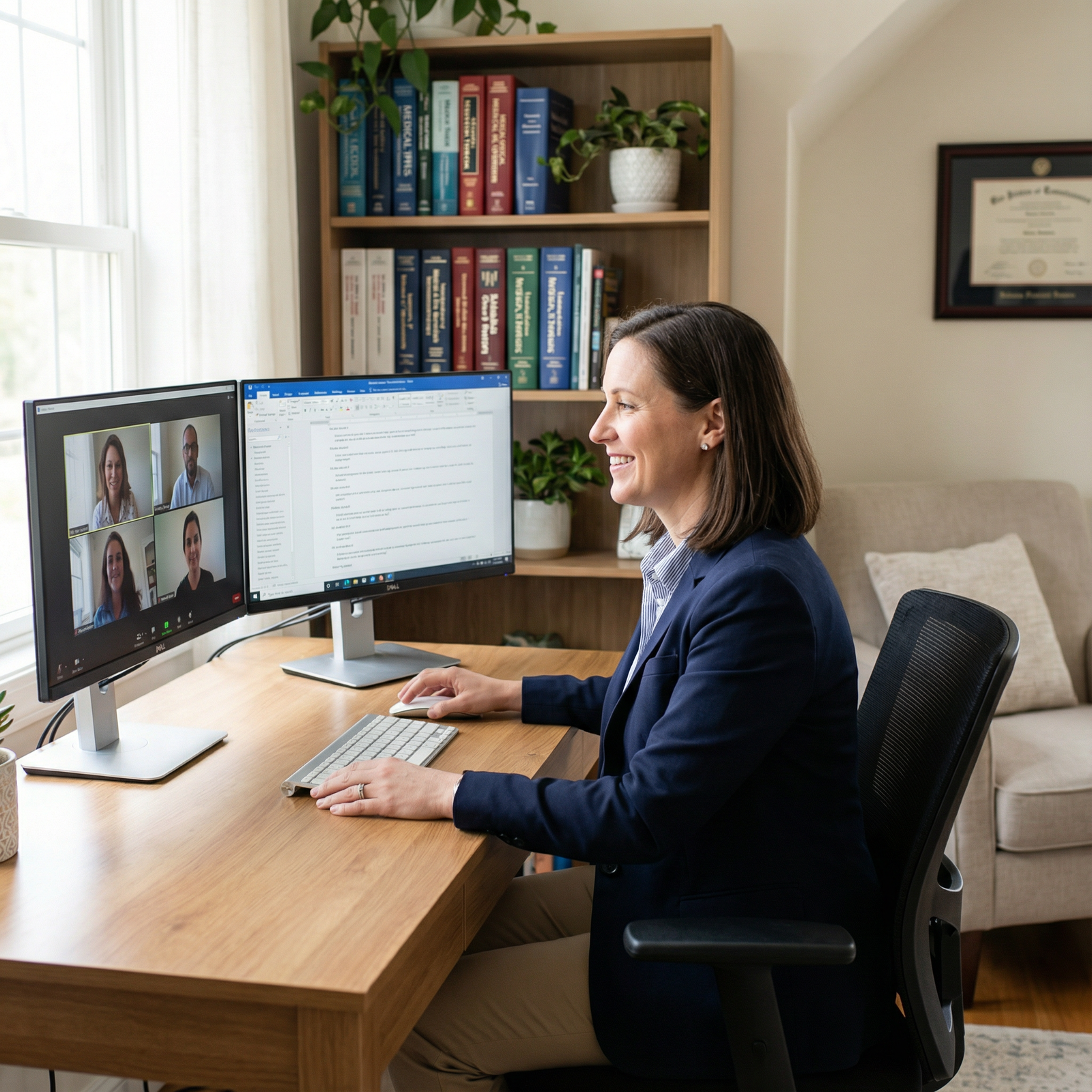
Understanding Work–Life Balance in Addiction Medicine as an IMG
Work–life balance in addiction medicine looks different from other specialties—and it looks especially different if you are an international medical graduate (IMG) navigating a new healthcare system, culture, and sometimes language. This IMG residency guide will help you realistically assess whether addiction medicine is a lifestyle residency fit for you, and how to build a sustainable, meaningful career in this specialty.
Addiction medicine is a rapidly growing field with expanding roles in outpatient clinics, hospital consult services, community programs, telemedicine, and academic centers. Compared with many acute-care specialties, it often provides:
- More predictable schedules (especially outpatient-focused roles)
- Fewer overnight in-house calls (depending on practice model)
- Deep longitudinal relationships with patients
- Significant emotional and ethical complexity that can spill into your personal life if not managed carefully
As an IMG, your experience of residency work life balance in addiction medicine will also be shaped by:
- Visa requirements and limitations
- Financial pressure (loans, family support, immigration costs)
- Cultural adaptation and support systems
- Variable program structures and duty-hour enforcement
This article will walk through:
- What addiction medicine training paths look like for IMGs
- Typical schedules and duty hours in addiction medicine rotations and fellowship
- Emotional demands of caring for patients with substance use disorders
- Strategies to protect your own mental health and relationships
- What questions to ask when choosing a program
Pathways Into Addiction Medicine for IMGs: Structure and Lifestyle Implications
Before you can judge work–life balance, you need to understand how an international medical graduate typically gets into addiction medicine in North America.
Common Training Pathways
Most addiction medicine physicians complete a primary residency and then an addiction medicine fellowship or focused practice:
- Internal Medicine → Addiction Medicine
- Family Medicine → Addiction Medicine
- Psychiatry → Addiction Psychiatry or Addiction Medicine
- Less common: Emergency Medicine, OB/Gyn, Pediatrics, Preventive Medicine → Addiction Medicine
For IMGs, the most common routes are via Internal Medicine, Family Medicine, or Psychiatry.
Each path has different lifestyle profiles:
Family Medicine → Addiction Medicine
- Often the most outpatient-oriented
- Good potential for “daytime only” roles after training
- More flexibility to blend primary care and addiction care
- Often considered a relatively lifestyle-friendly foundation, depending on practice setup
Psychiatry → Addiction Psychiatry/Addiction Medicine
- Strong mental health focus, frequent comorbidities (depression, anxiety, trauma)
- Call typically phone-based or home call in many settings
- High risk of emotional fatigue and vicarious trauma, but generally decent control over schedule, especially outpatient
Internal Medicine → Addiction Medicine
- More exposure to inpatient and medically complex patients with withdrawal, infections, and overdose
- Early residency years may include busy inpatient wards and night shifts
- Addiction consult teams can have more variable hours depending on hospital size and resources
Timeframe and Training Load
For an IMG, your timeline might look like:
- US Clinical Experience / Observerships: 3–12 months (variable)
- USMLE/board exams and match process: 1–3 years alongside or before clinical exposure
- Residency: 3 years (Family Medicine, Internal Medicine) or 4 years (Psychiatry – US)
- Addiction Medicine Fellowship: 1 year (most programs)
During this time, your work–life balance evolves:
Pre-residency (observerships, research, prep)
- Often financially and emotionally stressful
- You may be working part-time jobs, studying intensely, far from your support system
Residency: the most intense period for duty hours
- Up to 80 hours/week (ACGME limit) across all specialties
- Night shifts, weekend calls, heavy documentation
- Some rotation months much worse than others
Addiction Medicine Fellowship: generally better lifestyle
- Many addiction medicine fellows report 40–60 hours/week
- More structured clinic time, less overnight call
- Greater autonomy in schedule design, more academic/teaching opportunities
For IMGs, the trade-off is clear: you may invest in several years of demanding training with variable lifestyle to eventually reach a more controlled substance abuse training environment in fellowship and practice.

What Day-to-Day Work Looks Like in Addiction Medicine
To assess work–life balance honestly, you need a clear picture of what your days will look like during residency and fellowship.
Typical Settings in Addiction Medicine
You may rotate or work in:
Outpatient addiction clinics
- Medication-Assisted Treatment (MAT) for opioid use disorder
- Alcohol and stimulant use disorder management
- Co-occurring psychiatric disorders
- Often daytime, Monday–Friday
- Some early morning clinic starts for methadone or buprenorphine patients
Hospital-based addiction consult services
- Consults on medical or surgical floors
- Inpatient withdrawal management
- Coordination with social work, psychiatry, and primary teams
- Usually daytime with rotating call, but less in-house overnight than core residency
Detox or residential treatment facilities
- Withdrawal management and stabilization
- Structured schedules; may include weekend coverage
Community or public health programs
- Homeless outreach, harm reduction programs, syringe exchange sites
- Mobile clinics, telehealth models
Academic/Research roles
- Protected time for research, QI projects, teaching
- Relatively predictable hours compared with clinical-only roles
Sample Weekly Schedules
To make this concrete, here are realistic example schedules. These are illustrative; exact duty hours vary by program.
Addiction Medicine Fellow – Outpatient-Focused (Academic Center)
Monday–Friday
- 8:00–12:00: Clinic (MAT follow-ups, new consults, counseling integration)
- 12:00–1:00: Academic conference / journal club / teaching meeting
- 1:00–4:30: Clinic or supervised telehealth sessions
- 4:30–5:30: Documentation, case coordination
Call
- One weeknight every 2 weeks (phone call only)
- One weekend day every 1–2 months for inpatient consults
Typical: ~45–55 hours/week, relatively predictable, with some flexibility.
IMG Resident – Internal Medicine Rotation With Addiction Consult Month
- During general IM ward months (non-addiction)
- 6:00–7:00: Pre-rounding
- 7:00–8:00: Morning report
- 8:00–12:00: Rounds and orders
- 1:00–5:00: Notes, admissions, discharges
- 5:00–7:00: Finishing tasks; sometimes staying later
- Night float/systematic overnight shifts some weeks
Typical: 60–80 hours/week, especially early PGY-1.
- During an addiction consult elective month
- 8:00–9:00: Team huddle, triage consult list
- 9:00–12:00: Inpatient consults (new/old)
- 12:00–1:00: Teaching conference or lunch
- 1:00–3:00: Consult follow-ups, liaison with case managers
- 3:00–5:00: Documentation, multidisciplinary rounds
- Usually home by ~5:30–6:00; rare late-night stays
Typical: ~45–60 hours/week with more daytime focus and less overnight work.
How This Compares to Other Specialties
From a MOST_LIFESTYLE_FRIENDLY_SPECIALTIES perspective, addiction medicine—particularly in outpatient roles—can be more lifestyle-friendly than:
- Emergency Medicine with 12-hour shifts and nights
- Surgical specialties with long OR days and unpredictable calls
- ICU-based specialties with intense, high-acuity workloads
However, it is generally less “9–5” than classic outpatient-only dermatology or pathology roles. The emotional demands, patient crises (relapse, overdose, legal issues), and coordination with other services mean you’ll often think about patients outside of work, even if you’re not physically in the hospital.
Emotional and Cultural Dimensions of Work–Life Balance for IMGs
Work–life balance is not just about duty hours; it’s about how you feel during and after work. This is where addiction medicine requires honest self-reflection.
Emotional Load in Addiction Medicine
You will regularly face:
- Repeated relapses in patients you deeply care about
- Overdose deaths and sudden losses
- Stigma from colleagues and society towards patients with addiction
- Patients with dual diagnoses: PTSD, depression, severe anxiety
- Traumatic patient histories: abuse, neglect, incarceration
These realities can lead to:
- Compassion fatigue
- Moral distress (“Am I really helping?”)
- Burnout
- Secondary trauma
This emotional load doesn’t “turn off” at 5 pm. It can affect:
- Sleep and concentration
- Relationships with family and friends
- Your own mental health and substance use patterns
Additional Stressors Specific to IMGs
As an IMG, you are juggling two parallel adjustment processes:
Professional transition
- Learning new healthcare systems, EMR, and medicolegal norms
- Communicating complex, emotionally charged topics in a non-native language
- Navigating hierarchy and assertiveness expectations that may differ from your home culture
Personal and immigration transition
- Separation from family or spouse
- Visa constraints (H-1B, J-1) limiting job choices and adding stress
- Financial pressure: exams, applications, immigration fees, potential remittances
- Culture shock and possibly discrimination or bias
In addiction medicine specifically, some IMGs report:
- Initial discomfort discussing sex, trauma, and substance use frankly—especially if taboo in their culture
- Difficulty understanding slang, street drug names, or idiomatic expressions related to substance use
- Personal conflict between cultural or religious beliefs about substances and a harm reduction approach
Over time, with support and training, many IMGs find these become strengths, as they develop high cultural humility and empathy for marginalized patients. But during training, they can strain your emotional energy and indirectly affect your work–life balance.

Strategies to Build a Sustainable Lifestyle in Addiction Medicine as an IMG
Even if addiction medicine can be a relatively lifestyle-friendly subspecialty, balance will not happen automatically. You must design it.
1. Be Strategic About Your Primary Residency
Your residency work life balance during your foundational training (Family Medicine, Internal Medicine, Psychiatry) has enormous impact on your overall wellbeing.
When evaluating programs, pay attention to:
Duty hour enforcement
- Ask: “How strictly are 80-hour limits and day-off rules followed?”
- Talk to current residents, especially other IMGs, not just program leadership
Rotation mix
- Are there heavy ICU/ward months stacked back-to-back?
- How much outpatient time is there, especially in PGY-2 and PGY-3?
Wellness and support
- Is there protected time for appointments or wellness?
- Are there mental health resources dedicated to residents?
IMG culture
- How many current residents are IMGs?
- Is there visible support for visa issues, cultural integration, and mentorship?
Choosing a residency with a sustainable culture is one of the most important lifestyle residency decisions you will make.
2. During Fellowship: Protect Structure and Boundaries
In an addiction medicine fellowship, you often have more control than in residency. Use that wisely.
Practical steps:
Schedule design
- Negotiate clinic blocks that align with your peak energy (morning vs afternoon)
- Minimize late-evening clinics if you have family obligations or long commutes
- Clarify expectations on weekend and phone call coverage
Clear end-of-day routines
- Aim for a “hard stop” time (e.g., 5:30 pm) when you leave unless there is true emergency
- Finish notes and major tasks before leaving to avoid evening charting at home
Segmentation of work and home
- Physically change (e.g., remove badge, change clothes) as a signal that work is over
- Avoid checking clinic email/EMR every night unless you are actually on call
3. Build Emotional Resilience Intentionally
Evidence-based strategies particularly relevant in addiction medicine:
Structured supervision and debriefing
- Ask your fellowship to schedule regular case debriefings—especially after patient deaths or critical incidents
- Seek a mentor who understands both addiction medicine and IMG challenges
Skills training
- Motivational interviewing and boundary-setting training help maintain emotional distance while still being compassionate
- Learn to tolerate patient relapse without personalizing it as your failure
Formal mental health support
- Use resident/fellow counseling services, even preemptively
- Consider a personal therapist familiar with healthcare professionals or addiction work
4. Maintain Ties to Your Culture and Support System
Balance is not only about time; it’s also about identity.
For IMGs:
Create community
- Join local or national IMG groups
- Connect with colleagues from your home country or language group
- Attend regional or national addiction medicine societies (e.g., ASAM), where you’ll meet mentors and peers
Prioritize connection rituals
- Weekly video calls with family in your home country
- Celebrating cultural or religious holidays with friends, even if you are on call (plan in advance)
These connections act as emotional anchors when work in addiction medicine is heavy.
5. Long-Term Career Design After Training
Once you complete residency and addiction medicine fellowship, you have much more control over your lifestyle.
Options to consider:
Outpatient-only addiction practice
- Often the most predictable schedule
- Limited or no overnight in-house call
- Possible telemedicine components for additional flexibility
Hybrid roles
- 3 days/week outpatient addiction clinic, 1 day/week teaching or research, 1 day/week hospital consults
- Allows variety while keeping hours relatively controlled
Academic track
- Protected research time
- Slightly lower income potential in some settings but better work–life structure
Part-time or job-sharing
- Increasingly possible in addiction medicine
- May be more complicated initially if you’re on a visa but can be considered later
When job-hunting, explicitly discuss:
- Typical clinical hours and panel size
- Expectations for after-hours calls or paperwork
- Weekend or holiday commitments
- Telehealth flexibility and remote days
Work–life balance improves dramatically when your practice setting matches your values and energy.
Key Questions IMGs Should Ask When Evaluating Addiction Medicine Programs
As an international medical graduate considering addiction medicine, use these questions in interviews and informal conversations with current trainees:
Regarding workload and duty hours
- “On average, how many hours per week do fellows work, including documentation?”
- “How often are you doing work from home at night or on weekends?”
Regarding emotional support
- “How are difficult outcomes (e.g., overdose deaths) processed within the team?”
- “Are there formal debriefings or just informal discussions?”
Regarding IMG-specific issues
- “How many current fellows or residents are IMGs?”
- “How does the program support visa issues, licensing, and board eligibility?”
Regarding lifestyle and flexibility
- “Can fellows tailor their schedules toward more outpatient vs inpatient experiences?”
- “How easy is it to take vacation or personal days for immigration appointments or family visits abroad?”
The answers will give you a clearer picture of whether a program supports a sustainable work–life balance for you, not just in theory, but in lived experience.
FAQs: Work–Life Balance for IMGs in Addiction Medicine
1. Is addiction medicine considered a lifestyle-friendly specialty for IMGs?
Relative to many acute hospital specialties, yes. Once you complete core residency and enter an addiction medicine fellowship or early practice, many roles are:
- Primarily outpatient
- Daytime-focused
- Compatible with 40–55 hour workweeks
However, your residency foundation (Internal Medicine, Family Medicine, Psychiatry) may still include intense inpatient months with heavy duty hours, especially early on. Emotional stress can also be significant, which affects overall lifestyle even if hours are reasonable.
2. How does being an IMG specifically affect work–life balance in addiction medicine?
Being an IMG adds layers of:
- Visa and immigration stress
- Cultural adaptation and language nuances (especially around substance use and trauma)
- Financial pressure and sometimes separation from family
These factors make intentional self-care, mentorship, and program selection even more important. Programs with existing IMGs, robust wellness resources, and experience sponsoring visas are generally better able to support balance.
3. Are there night shifts or 24-hour calls in addiction medicine?
During core residency, yes—especially in Internal Medicine or Psychiatry—though this is not unique to addiction medicine. During addiction medicine fellowship and subsequent practice:
- Many outpatient roles have no in-house overnight call
- Some hospital-based consult services require phone or in-person call, but often less intense than primary admitting services
- Residential/detox facilities may have rotating overnight coverage, but models vary widely
When interviewing, explicitly ask about nighttime and weekend duties and how often fellows are called in after hours.
4. What can I do during residency to prepare for a balanced career in addiction medicine?
Concrete steps:
- Seek electives in addiction medicine early to confirm fit and meet mentors
- Learn efficient documentation and time management habits to limit after-hours work
- Develop skills in motivational interviewing and boundary setting
- Build a support network of co-residents, especially other IMGs
- Practice deliberate self-care: sleep hygiene, physical activity, and regular connection with family and friends
These foundations will help you not only match into an addiction medicine fellowship, but also sustain a fulfilling, balanced career caring for people with substance use disorders.
For an IMG drawn to meaningful, longitudinal relationships and social justice–oriented medicine, addiction medicine can offer a sustainable and rewarding career with better work–life balance than many high-acuity specialties. With intentional program selection, clear boundaries, and strong mentorship, you can thrive both inside and outside the clinic.