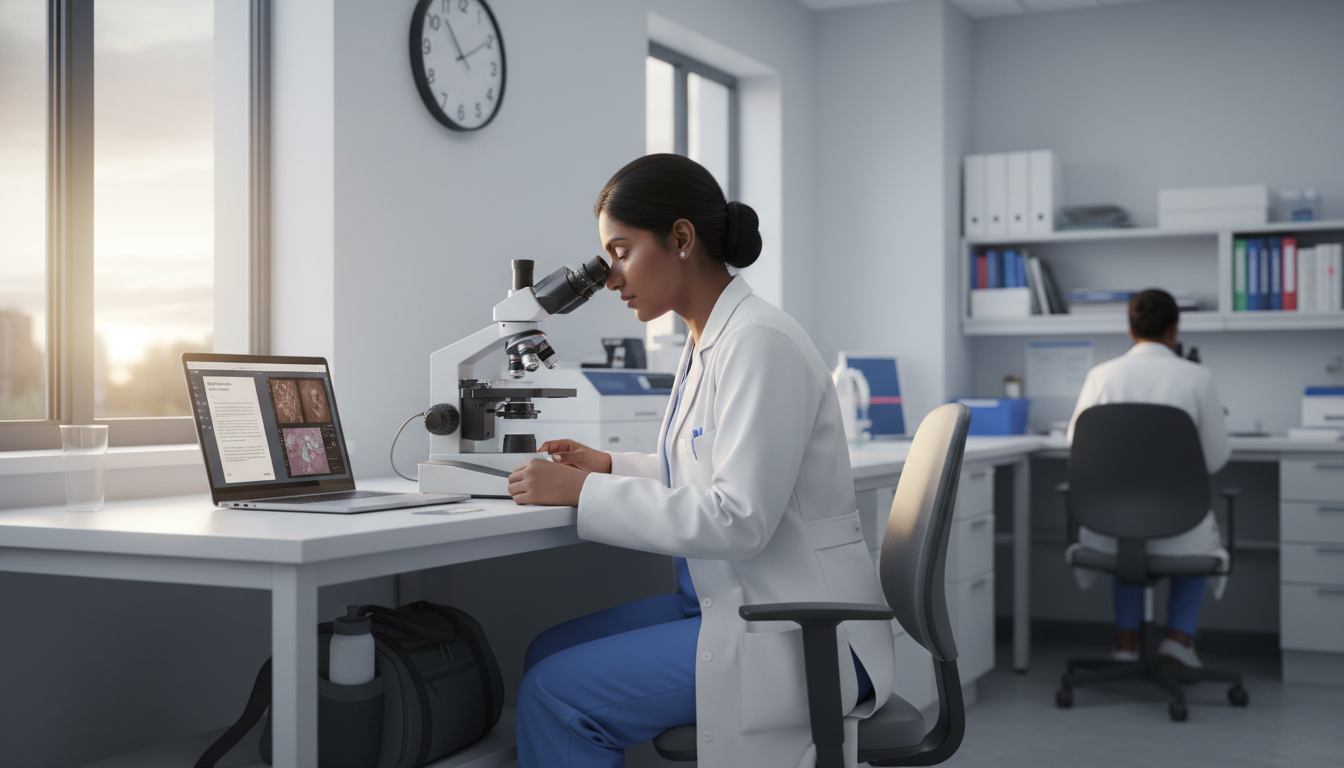
Understanding Work-Life Balance in Pathology for IMGs
For an international medical graduate (IMG), choosing pathology as a specialty often starts with two key questions:
- Can I realistically match into pathology as an IMG?
- Once I match, what will my residency work life balance actually look like?
Pathology has a reputation as one of the more “lifestyle residency” options, especially when compared to surgical or front-line acute care specialties. But that reputation is only partially accurate unless you understand the training structure, variations across programs, and the unique pressures of being an IMG in the U.S. system.
This IMG residency guide will walk you through a comprehensive work‑life balance assessment specifically for pathology. You’ll learn how duty hours are structured, where the true workload lies, how lifestyle evolves from PGY‑1 to attending, and what questions to ask programs to ensure the best fit for your goals and well‑being.
1. The Reality of Pathology Workload vs. Perception
Many IMGs hear that pathology is “easy” or “chill.” That oversimplification can lead to frustration later. A more accurate statement is:
Pathology is generally a predictable and controllable specialty, with fewer emergencies and better residency work life balance than many procedural fields, but it is also mentally demanding and academically rigorous.
Why Pathology Is Often Considered Lifestyle-Friendly
Several characteristics of pathology support better work‑life balance:
- Limited direct patient care:
No daily inpatient rounds or outpatient clinics. This removes much of the emotional and time pressure that comes with bedside care. - Fewer true emergencies:
Stat cases exist (e.g., frozen sections in the OR, urgent transfusion reactions), but true middle-of-the-night emergencies are relatively infrequent compared to internal medicine, surgery, or emergency medicine. - More predictable schedules:
Most pathology residents work standard weekday hours with specific call structures, allowing more consistent evenings and weekends. - Control as an attending:
Many attending pathologists have office/academic-style schedules, especially in large groups or academic settings.
Where the Work is Intense
However, pathology is not a “light” residency. Work intensity appears in different forms:
- Cognitive load:
Heavy reading, memorizing, and integrating microscopic findings, molecular data, and clinical information. - Volume pressure:
High case volumes in surgical pathology; multiple trays of slides daily that must be reviewed and understood. - Time pressure on frozen sections and intraoperative consults:
Surgeons need rapid answers during operations. - Call responsibilities:
After-hours issues in blood bank, microbiology, or forensic services can be stressful even if infrequent. - Board preparation throughout residency:
You are essentially studying for the pathology boards the entire four years.
For IMGs, additional pressures—visa status, cultural adjustment, and often less built-in local support—can increase perceived workload even if the duty hours are moderate.
2. Duty Hours and Typical Schedules in Pathology Residency
ACGME duty hour rules apply to pathology just like any other specialty. But how do these rules translate into day-to-day life?
ACGME Duty Hours: The Framework
You’ll be bound by typical ACGME standards:
- Maximum 80 hours/week, averaged over 4 weeks
- Minimum 1 day off in 7, averaged over 4 weeks
- Adequate rest between duty periods (often 8–10 hours)
Most pathology residents are well under the 80-hour limit. It’s common to see:
- 45–60 hours/week in many academic programs
- Occasionally 60–70 hours/week during heavy services or board study periods
Typical Daily Schedule
A “standard” resident day (varies by institution and rotation):
- 7:30–8:00 AM: Arrive; preview cases or check blood bank/micro issues
- 8:00–9:00 AM: Didactic conference, unknown slide session, or tumor board
- 9:00 AM–12:00 PM: Grossing specimens, previewing slides, or working in subspecialty labs
- 12:00–1:00 PM: Lunch; sometimes noon conference
- 1:00–4:30/5:30 PM: Sign-out with attendings, lab duties, paperwork
- 5:00–6:00 PM: Finish cases, wrap up, occasional late grossing
On most days, you’ll leave between 5:00 and 6:30 PM, depending on service volume and expectations.
Variability by Rotation
Some rotations are more lifestyle-friendly than others:
More Intense Rotations:
- Surgical pathology (especially general surg path, GI, breast, or high-volume services)
- Autopsy (time-consuming, physically tiring, emotionally taxing)
- Blood bank (Transfusion medicine) call services
Relatively Lighter Rotations:
- Cytology (depends on institution; Pap volume can be high, but hours often predictable)
- Hematopathology (intellectually demanding but usually reasonable hours)
- Microbiology and clinical chemistry (usually lab-based, no grossing)
You can expect your PGY‑2 and PGY‑3 years—when you take on heavier surgical pathology responsibilities—to be the busiest. PGY‑1 might be partially spent on off-service rotations (internal medicine, surgery, etc.) depending on the program, which can temporarily feel less “lifestyle-friendly” than your core pathology rotations.
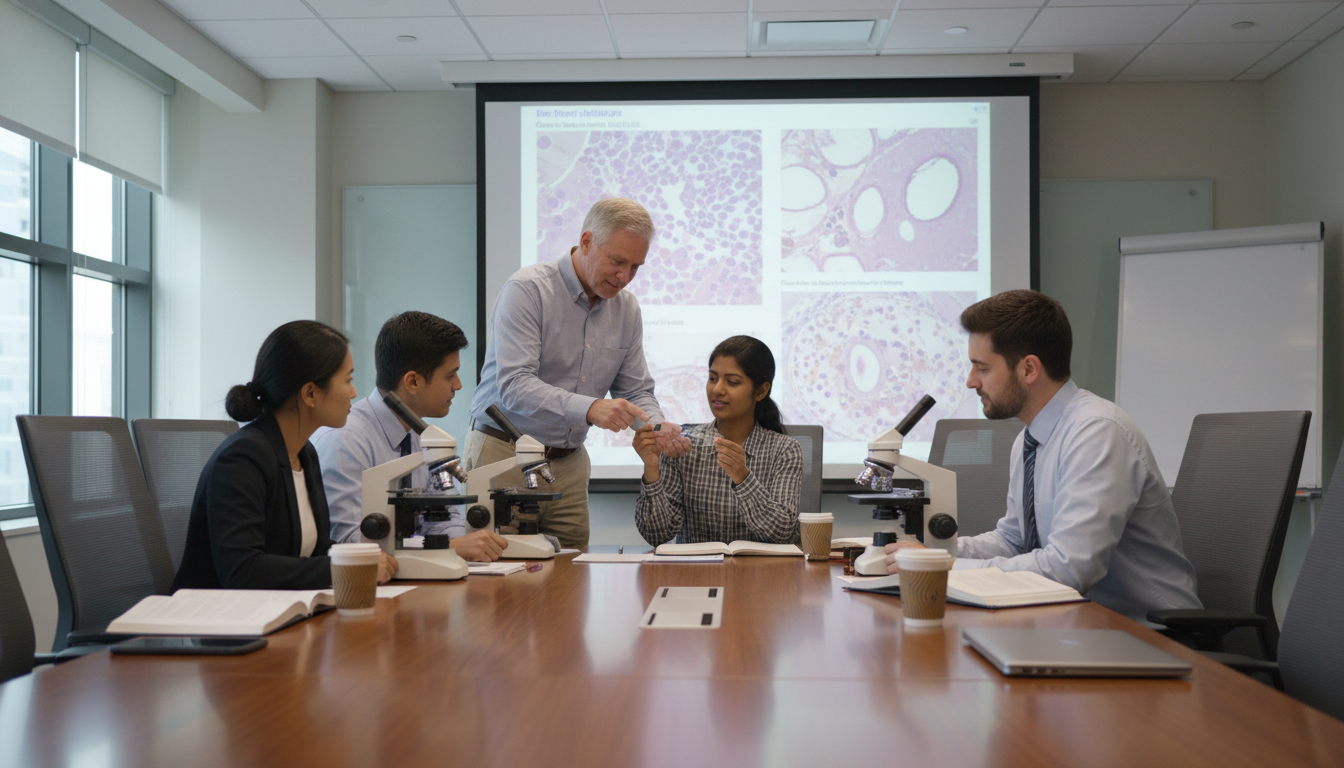
3. Call, Weekends, and Nights: What IMGs Should Expect
The concept of “call” in pathology is very different from surgical or medical specialties, and it’s central to understanding residency work life balance.
Types of Call in Pathology
Frozen Section / Surgical Pathology Call
- Usually daytime or evening during OR hours.
- You may be on-call to respond to intraoperative consults:
- Assess margins
- Evaluate lymph nodes
- Confirm malignancy vs. benign disease
- Rare overnight frozen sections (depends on hospital type and trauma level).
Blood Bank / Transfusion Medicine Call
- Often 24-hour home call:
- Approve complex transfusion requests (e.g., rare antibodies, massive transfusion protocols)
- Advise on platelet or plasma usage
- Handle suspected transfusion reactions
- Calls can cluster on busy weekends or during major events (e.g., trauma surges, transplant cases).
- Often 24-hour home call:
Clinical Pathology / Microbiology Call
- Answer questions on critical results, lab errors, or test utilization.
- Often shared among residents and attendings; some programs have limited resident involvement after-hours.
Autopsy Call (less common as formal call)
- Some institutions have scheduled weekend autopsy coverage.
- Brain removals or certain mandated cases may occur off-hours.
Home Call vs. In-House Call
Most pathology call is home-based:
- You are reachable by phone/pager.
- You may be consulted on transfusion decisions, lab issues, or pathology questions.
- You can often manage many issues remotely under attending supervision.
In-house call is rarer:
- Some large academic centers require an in-house resident for after-hours frozen sections or forensic cases.
- Night-float systems are uncommon but do exist at a few high-volume institutions.
For IMGs, home call can be both a relief and a source of anxiety—language barriers, unfamiliar hospital systems, and medicolegal concerns can make early call nights stressful. However, support from attendings is typically robust, especially early in training.
Frequency of Call
Typical patterns (very program-dependent):
- Call every 4th–7th night as home call for blood bank or surgical pathology.
- 1–2 weekends per month with variable responsibilities.
- Some programs group call blocks for a few intense weeks followed by lighter periods.
When comparing programs for residency work life balance, directly ask:
- “Is call primarily home or in-house?”
- “How often are residents physically called in after hours?”
- “Are juniors paired with seniors on call early in training?”
4. Academic Demands, Board Prep, and Work-Life Balance
Even if duty hours are moderate, the hidden work in pathology is the sustained academic effort required to become competent.
Daily Academic Load
You’ll need to:
- Pre‑read for unknown slide sessions and conferences.
- Review standard pathology texts and atlases (e.g., Robbins, WHO classification books, subspecialty references).
- Practice microscopic slide interpretation regularly—this is like “procedural” practice for pathologists.
Because this studying often occurs outside of duty hours, it can blur the line between work and personal time. A realistic lifestyle assessment must include these self‑study expectations.
Pathology Board Exam Pressure
The American Board of Pathology (ABPath) exams (AP, CP, or combined AP/CP) require deep, integrated knowledge. Most residents start serious board prep at least by PGY‑3, often earlier.
Residents commonly:
- Use weekends or evenings for board review.
- Join study groups or do group unknowns.
- Spend extra time in slide study rooms.
For IMGs—especially those trained in non-U.S. systems—there can be an initial steep learning curve:
- Different disease classifications
- U.S.-specific guidelines for cancer staging and reporting
- CLIA regulations and U.S. lab management topics
This can temporarily increase workload compared to U.S. grads. However, once the system is learned, many IMGs perform extremely well because they are already accustomed to heavy academic demands.
Strategies to Maintain Balance with Academic Expectations
- Build in daily or weekly “study blocks” as part of your routine instead of cramming before exams.
- Use preview time efficiently—allocate part of the day to carefully examine unknown slides and correlate with clinical notes.
- Leverage institutional resources:
- Digital slide collections
- Online board prep subscriptions (PathPresenter, BoardVitals, ASCP resources)
- Faculty-led review sessions
- Protect true off-time:
- Identify at least one half-day or evening per week where you do not study unless absolutely necessary.
- Treat this as your mental health buffer.

5. Work-Life Balance Beyond Hours: The IMG-Specific Dimension
For international medical graduates, assessing residency work life balance in pathology goes beyond counting hours and call frequency. Unique challenges shape your overall lifestyle experience.
Visa and Immigration Stress
Common scenarios:
H‑1B or J‑1 visa constraints:
- Paperwork and legal fees.
- Travel limitations (family visits abroad may be complex).
- Anxiety about renewals and future job options.
Impact on life planning:
- Delaying buying a home.
- Uncertainty around long-term location.
- Complicated decisions regarding spouse/children relocation.
These non-clinical stressors can significantly affect your psychological work-life balance, even when clinical hours are reasonable.
Actionable Advice:
- Seek programs with established IMG support and infrastructure for visas.
- Ask existing IMG residents about their visa experience.
- Use institutional international offices and legal counsel early and proactively.
Cultural and Communication Adjustment
Even without direct patient care, pathology involves:
- Interactions with surgeons, oncologists, and other clinicians.
- Participation in tumor boards and multidisciplinary conferences.
- Written and verbal communication in pathology reports.
For IMGs, especially those whose first language is not English, early training may be stressful:
- Fear of misunderstanding clinicians on the phone.
- Anxiety about presenting at tumor boards.
- Concern about making a mistake due to language issues.
These factors can drain energy and make residency feel more burdensome.
Tips to Mitigate:
- Observe senior residents’ calls and tumor boards before taking them independently.
- Ask attendings and peers for feedback on your communication early.
- Use institutional language support services if available.
- Practice prepared phrases for common scenarios (e.g., “I will review this with my attending and call you back shortly.”).
Social Support and Isolation
Many IMGs:
- Live far from family and long-term friends.
- Are building a new social network from scratch.
- May feel different culturally from most co-residents or staff.
In a specialty like pathology—where much time is spent at microscopes or in labs—social interaction can be less frequent than in highly team-based specialties, which may amplify the feeling of isolation.
To Maintain Balance:
- Actively participate in department social events and resident wellness activities.
- Connect with IMG or international student organizations at your institution.
- Build a routine outside of residency (sports, religious community, hobby groups).
Pathology can give you the time for a life outside work—but you must intentionally build that life.
6. Comparing Pathology to Other Specialties for Lifestyle
Many IMGs consider pathology alongside other fields like internal medicine, family medicine, psychiatry, radiology, or neurology. How does pathology rank as a lifestyle residency?
Advantages for Lifestyle
- Predictable hours:
Fewer overnight emergencies; most work done during the day. - Weekends off more frequently:
Compared with hospitalist or ICU-based specialties. - Less emotional exhaustion from direct patient care:
You are often one step removed from acute bedside tragedies. - Flexibility after training:
Part-time work, group practice models, and academic jobs can support a very balanced life.
Potential Downsides
- Long, mentally intense days:
Even if you leave at 6 PM, you may feel mentally exhausted from concentrated slide review. - Study expectations persist:
You’ll continuously review cases and literature to stay current. - Job market variability by region:
Some geographic areas are saturated, limiting flexibility in choosing the perfect lifestyle location.
Lifestyle as an Attending Pathologist
Many IMGs ultimately report excellent work life balance as practicing pathologists:
- Typical hours: 8 AM–5 PM, with limited call (often home call rotation).
- Predictable vacations: Group practices and academic departments often have structured vacation coverage.
- Ability to plan life events: Easier to schedule personal travel, family events, or academic meetings.
Subspecialty choices also matter:
- Dermatopathology, cytopathology, hematopathology can offer structured, mostly daytime work.
- Forensic pathology often provides regular hours with predictable court responsibilities.
- Blood bank/transfusion medicine can involve more call but usually with home-based phone coverage.
Practical Tips for IMGs Evaluating Pathology Programs for Work-Life Balance
Ask residents specific questions:
- “How many hours per week do you work on average on surgical pathology?”
- “How often are you called in from home after midnight?”
- “Do you feel you have time for family, hobbies, or board studying outside work?”
Clarify call structure and duty hour enforcement:
- Programs that routinely push residents to the 80-hour limit in pathology may compromise your educational and lifestyle goals.
- Confirm whether duty hours are honestly reported and respected.
Evaluate IMG support systems:
- Are there many IMGs in the program?
- Does the program routinely sponsor H‑1B or J‑1 visas?
- Are faculty familiar with the challenges IMGs face?
Look at academic expectations:
- Is there protected time for conferences and board review?
- Are residents supported for national meetings (e.g., USCAP, CAP)?
Assess the city and cost of living:
- Your off-duty quality of life heavily depends on location.
- Affordable housing, reasonable commute, and access to community can enhance overall lifestyle.
Frequently Asked Questions (FAQ)
1. Is pathology a good choice for IMGs looking for residency work life balance?
Yes, pathology is often one of the most lifestyle-friendly residency options for IMGs, especially when compared with inpatient-heavy specialties. Most residents work well under 80 hours per week, call is usually home-based, and emergencies are limited. However, the intellectual workload is high, and steady studying is required. Work life balance is excellent if you are comfortable with a mainly lab-based, academically focused role.
2. As an IMG, will I struggle more with pathology training than U.S. graduates?
You may face extra challenges at the beginning:
- Adapting to U.S. disease classifications and reporting standards.
- Confidently communicating with clinicians in English.
- Managing visa and immigration stress.
However, IMGs are often highly resilient and academically strong. With supportive faculty and proactive effort, many IMGs excel in pathology and achieve outstanding exam results and careers. Choose programs with a track record of supporting international medical graduates.
3. How does pathology call compare to internal medicine or surgery call?
Pathology call is generally less intense:
- Mostly home call rather than in-house overnight.
- Fewer life-or-death emergencies requiring immediate bedside decisions.
- More consultation-based (e.g., transfusion issues, lab questions).
That said, call can still be stressful, especially in blood bank or high-volume surgical pathology centers. The overall burden is typically lighter and more predictable than in internal medicine, general surgery, or OB/GYN.
4. Will I have time for family, hobbies, and exam prep during pathology residency?
In most pathology programs, yes. A realistic expectation:
- Weekdays: 8–10 hours of work plus some additional study at home.
- Evenings: Often available for family, exercise, or rest, though some of this time will go to board prep.
- Weekends: Many weekends off or with minimal responsibilities; good for longer study blocks and personal activities.
Your personal work life balance will depend on:
- How efficiently you manage your time.
- The specific demands of your program.
- How you handle adjustment as an IMG (visa, culture, support system).
If you actively plan your schedule, seek help when needed, and choose a program aligned with your priorities, pathology can provide a rewarding career with excellent long-term lifestyle and professional satisfaction.