Understanding Work–Life Balance in Interventional Radiology for IMGs
Interventional Radiology (IR) is often described as “the surgery of the future” or “image-guided minimally invasive therapy.” For an international medical graduate (IMG), it can be an exciting, high-impact career with strong procedural exposure and good lifestyle potential. But the reality of residency work life balance, duty hours, and long-term sustainability can be difficult to assess from the outside—especially if you’re training in a new country and system.
This IMG residency guide focuses specifically on work–life balance for IMGs considering an Interventional Radiology residency pathway (Integrated IR/DR or Independent IR), with a particular emphasis on the U.S. system but with principles that translate to many countries.
We’ll explore what day-to-day life is actually like, how duty hours and call work in IR, what makes IR a “lifestyle residency” or not, and practical strategies you can use to protect your well-being while still becoming a strong interventional radiologist—and securing a successful IR match.
1. Interventional Radiology vs Other Specialties: Where Does It Sit on the Lifestyle Spectrum?
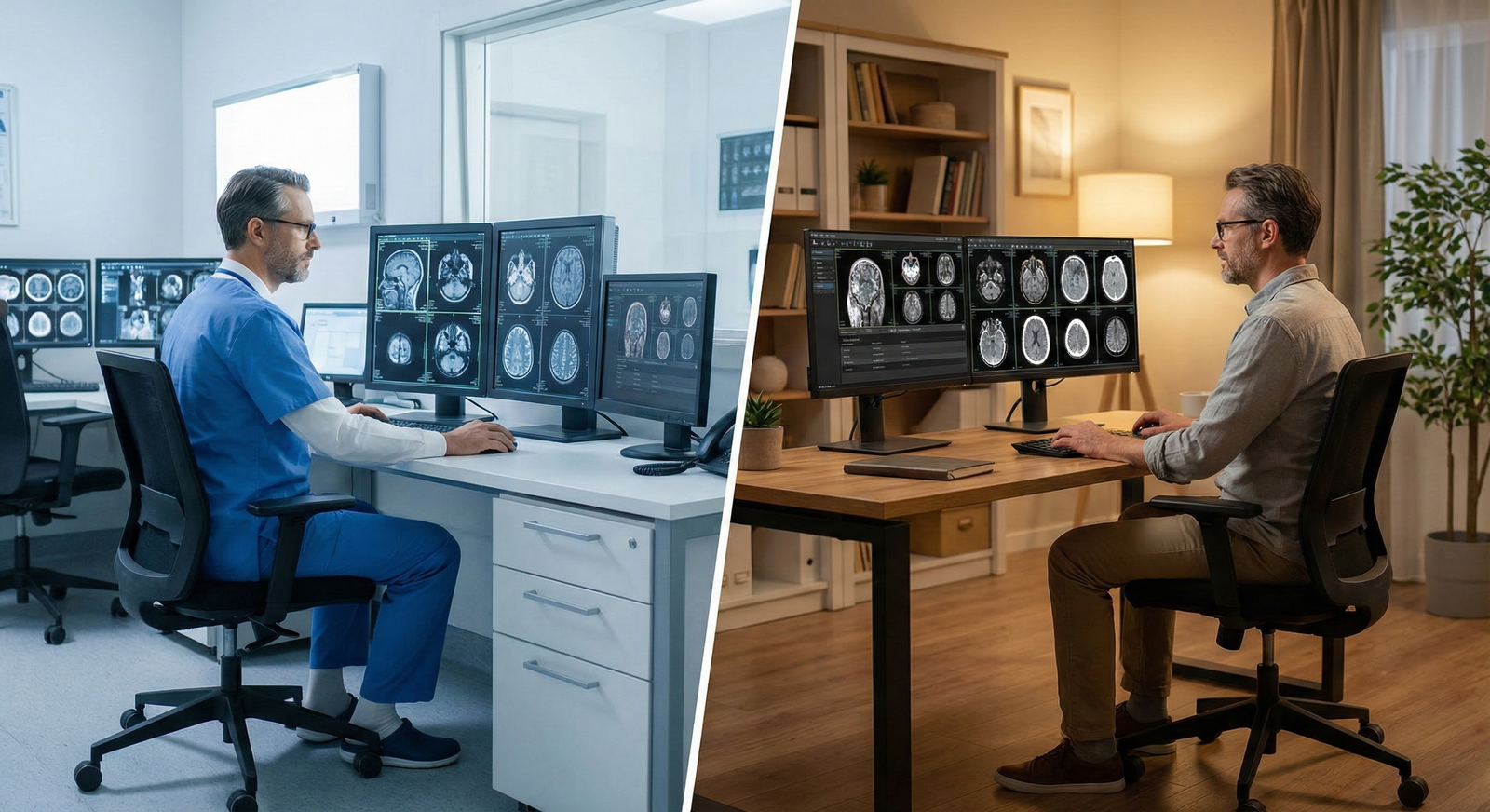
When IMGs think “lifestyle residency,” they often picture dermatology, pathology, or radiology. Interventional Radiology occupies a middle ground: better than many surgical specialties, more intense than most diagnostic radiology jobs, and highly variable by program and practice model.
1.1 Core lifestyle characteristics of IR
Typical features of IR practice that affect work–life balance:
Hybrid nature
- Part diagnostic radiology (DR): reviewing imaging, consulting, planning procedures.
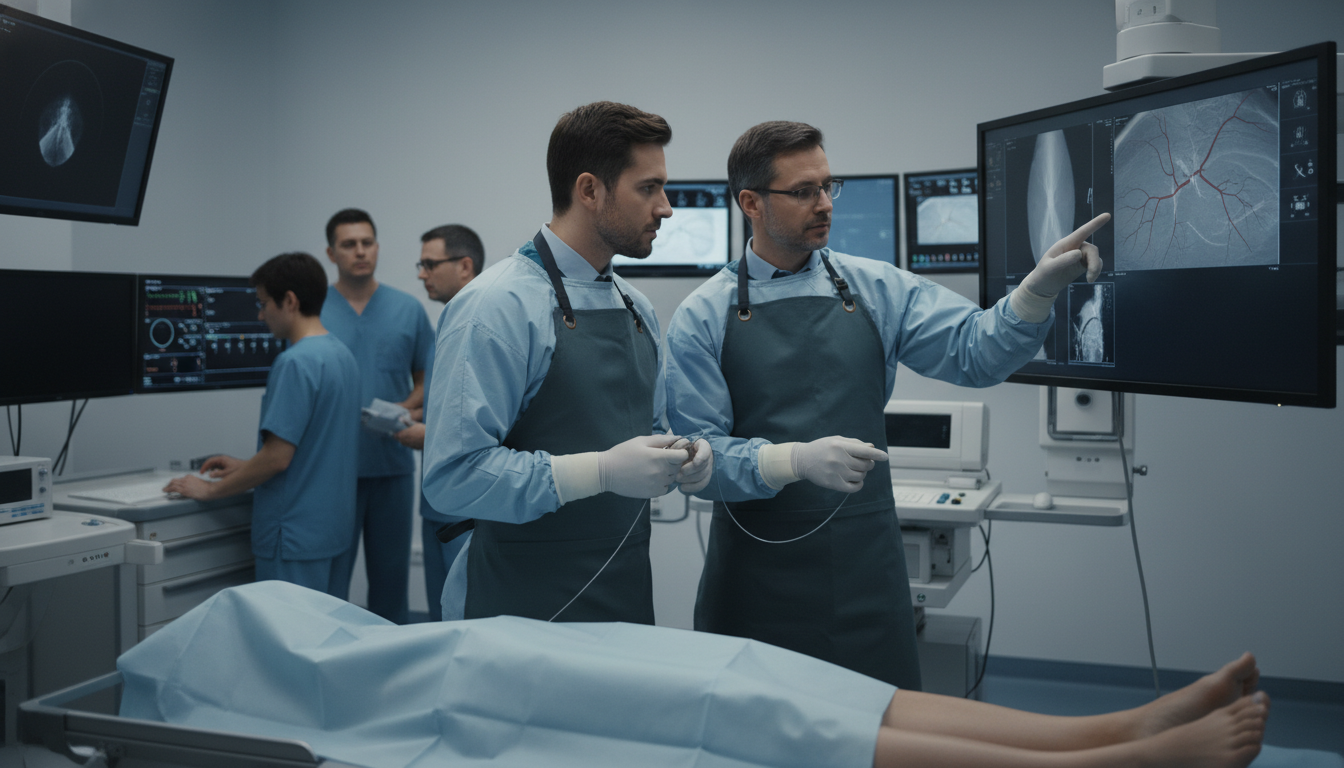
- Part procedural: performing minimally invasive interventions in IR suites, angiography labs, or hybrid ORs.
- This mix creates variation in cognitive vs procedural days and often means both scheduled cases and unpredictable emergencies.
Procedure-driven days
- Fixed start: IR suites usually start early, often 7:00–7:30 a.m.
- Variable finish: End time depends on caseload, add-on cases, and emergencies.
Acute care involvement
- IR is deeply integrated with trauma, ICU, oncology, and emergency medicine.
- Many urgent cases (bleeding, sepsis drains, limb ischemia) cannot wait until the next business day.
Team-based practice
- Interactions with surgeons, hospitalists, intensivists, oncologists—and of course nurses, technologists, and anesthesiology.
- Strong collaboration, but also frequent pages and requests, especially during busy call shifts.
1.2 Comparing IR to other specialties on work–life balance
To place IR on the lifestyle continuum:
Compared with General Surgery, Orthopedics, Neurosurgery
- Generally better lifestyle:
- Fewer overnight in-house calls as an attending (often home call in many practices).
- Shorter average case duration compared to open surgeries.
- Less physically taxing than prolonged open cases or long ward rounds.
- But:
- Acute bleeding or ischemia cases can be as urgent as surgical emergencies.
- IR often receives consults at all hours, especially in tertiary centers.
- Generally better lifestyle:
Compared with Diagnostic Radiology
- More intense lifestyle:
- More frequent overnight/weekend responsibilities.
- Physical presence required for procedures; less flexibility for remote work.
- Greater emotional load from critically ill patients and time-sensitive interventions.
- Diagnostic colleagues may have more predictable hours and more remote/full-remote options later in their careers.
- More intense lifestyle:
Compared with EM, ICU, Hospitalist medicine
- Similar or slightly better as an attending in many settings:
- IR attendings can often design practice templates to limit the number of overnight shifts.
- Revenue-generating procedures can support hiring additional staff to share call.
- Yet residency can be more intense due to call in both IR and DR settings.
- Similar or slightly better as an attending in many settings:
For IMGs primarily seeking a most lifestyle friendly specialties path, IR is not at the extreme “cush” end; however, compared with other procedural specialties, it offers a solid balance of interesting work, high impact on patient care, and the realistic possibility of a sustainable lifestyle—if you choose the right program and practice model.
2. Residency Structure, Duty Hours, and Realistic Expectations for IMGs
Understanding the structure of IR training is crucial for assessing work–life balance as an international medical graduate. The two main IR pathways in the U.S. are:
- Integrated IR/DR Residency (6 years total)
- Independent IR Residency (1–2 years after a DR residency)
2.1 Integrated IR/DR residency: What your life might look like
Duration: 1 internship year + 5 years IR/DR residency.
Typical year-by-year rhythm:
Intern year (Preliminary/Transitional):
- Often IM, surgery, or transitional year.
- Lifestyle: Can be quite intense with ward rotations, night float, and call.
- As an IMG, this may be your first exposure to U.S. duty hours, EMR, and communication styles.
PGY-2 to PGY-4 (mostly DR-focused years):
- Majority diagnostic radiology rotations (reading rooms, ED radiology, night float).
- IR rotations sprinkled throughout.
- Duty hours:
- Often 7:30 a.m.–5:00 p.m. on day rotations.
- Night float systems common (e.g., 1–2 weeks of nights every several months).
- Lifestyle:
- Generally more structured than surgery; no ward rounding.
- Reading and call volumes can be intense, but there’s usually less physical exhaustion.
PGY-5 to PGY-6 (IR-heavy years):
- Majority of time in IR suites, with advanced procedures and independent call beginning.
- Duty hours:
- Early starts (preparing cases, reviewing imaging).
- Staying late for add-on cases or emergent procedures.
- Home call or in-house call depending on institution.
- Lifestyle:
- More satisfaction from direct patient care and procedures.
- Workload spikes with complex emergent interventions (e.g., trauma embolization, stroke thrombectomy in some centers).
2.2 Duty hour realities
Residents in the U.S. must follow ACGME duty hour rules, including:
- 80-hour workweek (averaged over 4 weeks)
- 1 day off in 7 (averaged)
- 10 hours off between shifts (with some flexibility)
In practice for IR/DR residents:
- Diagnostic rotations often comfortably within 60–70 hours or less in many programs.
- IR rotations can approach the higher end of duty hours in busy centers, particularly during:
- High-volume trauma seasons
- Complex oncology case blocks
- Periods of limited staffing (e.g., someone on leave)
You should expect:
- Some weeks close to the 80-hour limit, especially on IR-intensive rotations at tertiary centers.
- Other weeks (on outpatient or DR electives) with significantly fewer hours.
For IMGs, a key adaptation is learning to monitor your duty hours, log them accurately, and advocate for yourself when chronic violations occur. Program cultures differ sharply: some are proactive and protective; others expect residents to “push through” unless explicitly challenged.
2.3 Common daily schedule patterns on IR rotations
A typical IR resident day in a busy academic center might look like:
- 6:45–7:00: Arrive, review imaging, pre-round on inpatients.
- 7:00–7:30: Team briefing or safety timeout; first case starts.
- 7:30–12:00: Scheduled procedures (angiograms, drain placements, biopsies, ports).
- 12:00–13:00: Quick lunch, consults, imaging review.
- 13:00–17:00 (or later): Additional cases, add-ons, urgent procedures.
- 17:00–18:30: Finish late cases, document procedures, sign out to night coverage.
In some programs, especially trauma centers, add-on cases may extend well past 6 or 7 p.m. A key lifestyle indicator is how often this happens and how fairly it is distributed among residents.
3. Unique Work–Life Challenges for IMGs in IR
As an international medical graduate, your work–life balance in interventional radiology is shaped not only by the specialty, but also by cultural, logistical, and immigration-related factors.
3.1 Cultural adaptation and communication
IR is highly consult-driven. Your day includes:
- Rapid conversations with surgeons, hospitalists, ED physicians.
- Explaining risks and benefits of procedures to patients and families.
- Negotiating timing and urgency of procedures.
Challenges for IMGs:
- Communication style differences (direct vs indirect, hierarchy vs flat teams).
- Accents and language nuances, especially when discussing complex consent procedures.
- Confidence in interprofessional interactions, which can affect how many last-minute “urgent” consults get pushed onto your plate.
Impact on work–life balance:
- More time spent clarifying orders and expectations.
- Emotional fatigue if you feel constantly misunderstood or underestimated.
- Risk of taking on extra work because it feels culturally difficult to say “no” or “this can safely wait until tomorrow.”
3.2 Immigration and visa-related stress
For many IMGs, IR training occurs on J-1 or H-1B visas. This creates additional pressures:
- Anxiety about securing an IR residency or independent IR spot to maintain status.
- Limited flexibility to change programs if work environment becomes unhealthy.
- Pressure to accept less lifestyle-friendly positions post-training to satisfy visa or waiver requirements (e.g., underserved areas, high-call centers).
This background stress can make long hours feel heavier. You may feel you cannot complain or push back, fearing it will affect your visa or future recommendations.
3.3 Building a social and support network from scratch
Work–life balance is not just about hours; it also depends on what your non-work life looks like.
Common IMG issues:
- Arriving in a new city without family or friends.
- Time zone differences making it hard to keep up with loved ones back home.
- Less familiarity with local community resources (religious centers, social groups, sports clubs).
IR’s early starts and unpredictable calls can make it harder to establish:
- Regular gym routines
- Language classes
- Social activities
Without deliberate planning, it’s easy to fall into a cycle of work–home–sleep that eventually leads to burnout.
4. Is Interventional Radiology a “Lifestyle Residency” for IMGs?
The phrase “lifestyle residency” can be misleading. Instead of asking “Is IR easy?” it’s more useful to ask: “Can I shape a sustainable, satisfying life in IR as an IMG?”
4.1 Factors that improve lifestyle in IR
IR can offer good long-term work–life balance when the following are present:
Balanced case mix
- A mix of elective oncology, venous work, and bread-and-butter procedures, rather than all high-acuity trauma and emergent cases.
- Outpatient IR clinics and day procedures that end at predictable times.
Well-structured call systems
- Shared call among several attendings and fellows/residents.
- Clear handover processes and backup support for particularly heavy nights.
- Defined policies about “post-call” protections (e.g., no scheduled daytime cases after heavy night call).
Support staff and infrastructure
- Dedicated IR nurses, advanced practice providers (APPs), and coordinators who handle:
- Consent forms
- Scheduling
- Routine follow-up
- Reliable technologists and anesthesia support that minimize inefficiencies.
- Dedicated IR nurses, advanced practice providers (APPs), and coordinators who handle:
Program culture
- Leadership that monitors workload and duty hours honestly.
- Openness to scheduling adjustments during pregnancy, health issues, or personal crises.
- A learning environment that values rest and psychological safety.
4.2 Red flags for poor work–life balance in IR residency
During interviews and pre-match research, IMGs should pay attention to:
- Residents routinely staying several hours past scheduled end time without logging extra duty hours.
- Frequent overnight calls without adequate post-call time off (“post-call” but expected to stay until late afternoon).
- High resident or fellow turnover (people transferring or quitting).
- Complaints about “unmanageable” duty hours in unofficial conversations.
- Lack of ancillary staff, with residents handling excessive non-procedural tasks (transport, paperwork, chasing labs).
When assessing an IR program as part of your IR match strategy, ask specifically:
- “On IR rotations, what is the typical time residents leave on weekday evenings?”
- “How many nights of call per month do senior IR residents take?”
- “Is IR call home call, in-house, or a mix?”
- “What changes has the program made in the last 2 years to improve resident work–life balance?”
If answers are vague or defensive, that’s a sign to probe further.

5. Practical Strategies for IMGs to Protect Work–Life Balance in IR
While you cannot completely control residency structure, you do have significant influence over how sustainable your experience becomes. Below are actionable strategies tailored to IMGs in interventional radiology.
5.1 Before the match: Choosing programs with lifestyle in mind
As you build your IMG residency guide for IR and DR programs, incorporate lifestyle evaluation:
Use data and forums wisely
- Review program websites for:
- Number of IR faculty vs trainees (more faculty = more shared call).
- Presence of outpatient IR clinics (usually more predictable hours).
- Read independent resident reviews with caution, focusing on consistent patterns.
- Review program websites for:
Ask targeted lifestyle questions on interview day
- “What does a tough week here look like?”
- “How are duty hours enforced and monitored?”
- “Do IR residents feel comfortable saying ‘no’ to unsafe volume or last-minute non-urgent add-ons?”
Talk to current IMG residents
- Specifically ask IMGs:
- How they adapted culturally.
- Whether program leadership is responsive to concerns.
- How immigration/visa issues have been handled.
- Specifically ask IMGs:
5.2 During residency: Structuring your time and energy
5.2.1 Build non-negotiable boundaries
Even in a demanding field:
Protect sleep as a priority
- Aim for consistent sleep windows on non-call days.
- Use blackout curtains, white noise, or earplugs if you work night float.
Schedule protected activities
- 2–3 fixed weekly activities that are not work-related:
- Gym or running club
- Language classes
- Religious services or community gatherings
Treat these as seriously as you treat conferences.
- 2–3 fixed weekly activities that are not work-related:
Learn to say “not urgent” politely
- Example phrases:
- “The patient is hemodynamically stable; based on our protocols this can be scheduled for early tomorrow.”
- “Given current caseload and availability, I can add this later today or first case tomorrow—what are the clinical priorities?”
- Example phrases:
This balances professionalism with protecting against unnecessary late add-ons.
5.2.2 Optimize efficiency at work
Improved efficiency directly improves work–life balance:
- Create checklists for common procedures (paracentesis, biopsies, drain placements).
- Develop macro templates for procedure notes in the EMR.
- Pre-plan next-day cases at the end of each day:
- Review imaging
- Clarify labs and coagulation status
- Ensure consent and orders are complete
This reduces delays and late finishes.
5.2.3 Set realistic performance standards
IMGs often feel they must prove themselves twice as hard. This can lead to:
- Over-prepping every case to perfection.
- Staying late to help beyond reasonable expectations.
- Taking on extra shifts without negotiating rest.
Instead, aim for steady and sustainable excellence, not perfection at the cost of your health. Remember:
- Program leadership values reliability and growth more than heroic sacrifice.
- Burnout decreases your learning and technical performance over time.
5.3 Leveraging support systems
5.3.1 Professional support
Mentors in IR and DR:
- Seek at least one IMG mentor in radiology or IR who understands your unique challenges.
- Use mentorship meetings to discuss:
- Career planning
- Research that aligns with your lifestyle goals
- How to negotiate call and contracts after residency
Institutional resources:
- Resident wellness offices
- Employee assistance programs (EAPs)
- Confidential counseling services
These can be particularly helpful when cultural or immigration stress intersects with work demands.
5.3.2 Personal support
- Build a local network:
- Join local IMG/medical associations.
- Attend social events in your hospital or city.
- Keep regular contact with family/friends abroad:
- Schedule fixed weekly calls in your calendar.
- Share your schedule ahead of time so they understand when you’re unavailable.
5.4 Preparing for post-residency lifestyle
Your long-term IR lifestyle depends heavily on your practice choice:
- Academic vs private practice vs hybrid
- Academic centers:
- More teaching, research, complex cases.
- Often more call but also more team support and fellows.
- Private practice:
- Possibly higher procedural volume and income.
- Call can be intense or very reasonable depending on group size and negotiation.
- Hybrid models:
- Some combine outpatient IR centers with hospital coverage, offering excellent work–life balance when well structured.
- Academic centers:
When interviewing for fellowships or jobs:
- Ask directly about:
- Number of nights and weekends on call per month.
- Typical time out of bed for call.
- Backup coverage when multiple emergencies arrive simultaneously.
- Consider practices with robust outpatient IR and clinics if you want more daytime, scheduled work.
6. Summary: Is IR a Good Work–Life Choice for IMGs?
For an international medical graduate, Interventional Radiology offers:
High professional satisfaction:
Direct procedural impact, acutely improving patients’ lives.Moderate to high training intensity:
Especially during IR-heavy years and in tertiary trauma centers.Strong long-term lifestyle potential:
Particularly when you choose the right program, advocate for yourself, and deliberately shape your post-residency job.
IR is not a classic “easy lifestyle residency” like dermatology, but compared with many surgical and acute care specialties, it can offer a meaningful and sustainable balance between a fulfilling career and a life outside the hospital—especially for informed and proactive IMGs.
FAQs: Work–Life Balance for IMGs in Interventional Radiology
1. Is Interventional Radiology a good choice for IMGs who value lifestyle?
Yes, for many IMGs IR provides a reasonable balance between exciting procedures and a manageable lifestyle, especially compared with traditional surgical specialties. It is more demanding than pure diagnostic radiology but often more sustainable than general surgery or neurosurgery. The key is choosing programs and later jobs that prioritize fair call schedules and adequate staffing.
2. How many hours per week do IR/DR residents typically work?
On average, IR/DR residents work anywhere from 55 to 75 hours per week, with variability by rotation and institution. Diagnostic radiology months may be closer to the lower end, while busy IR months at trauma centers may approach the 80-hour ACGME maximum. Actual hours depend on call structures, attending expectations, and institutional culture.
3. Are there IR jobs after training with very good work–life balance?
Yes. Some IR practices emphasize outpatient procedures, venous disease, oncology clinics, and elective interventions, with structured daytime work and limited call. Larger groups can share call more equitably, leading to a lifestyle comparable to many other “lifestyle” subspecialties. As an IMG, be prepared to evaluate job offers carefully, asking explicit questions about call volume, backup arrangements, and support staff.
4. What can IMGs do during residency to avoid burnout in IR?
Key strategies include:
- Choosing programs that respect duty hours and support residents.
- Building clear boundaries around sleep and non-work commitments.
- Improving efficiency with checklists and documentation templates.
- Seeking mentorship—especially from other IMGs in radiology/IR.
- Making deliberate efforts to form a social network and maintain connections with family abroad.
By combining smart program selection, realistic expectations, and proactive self-care, IMGs can thrive in Interventional Radiology while maintaining a healthy work–life balance.