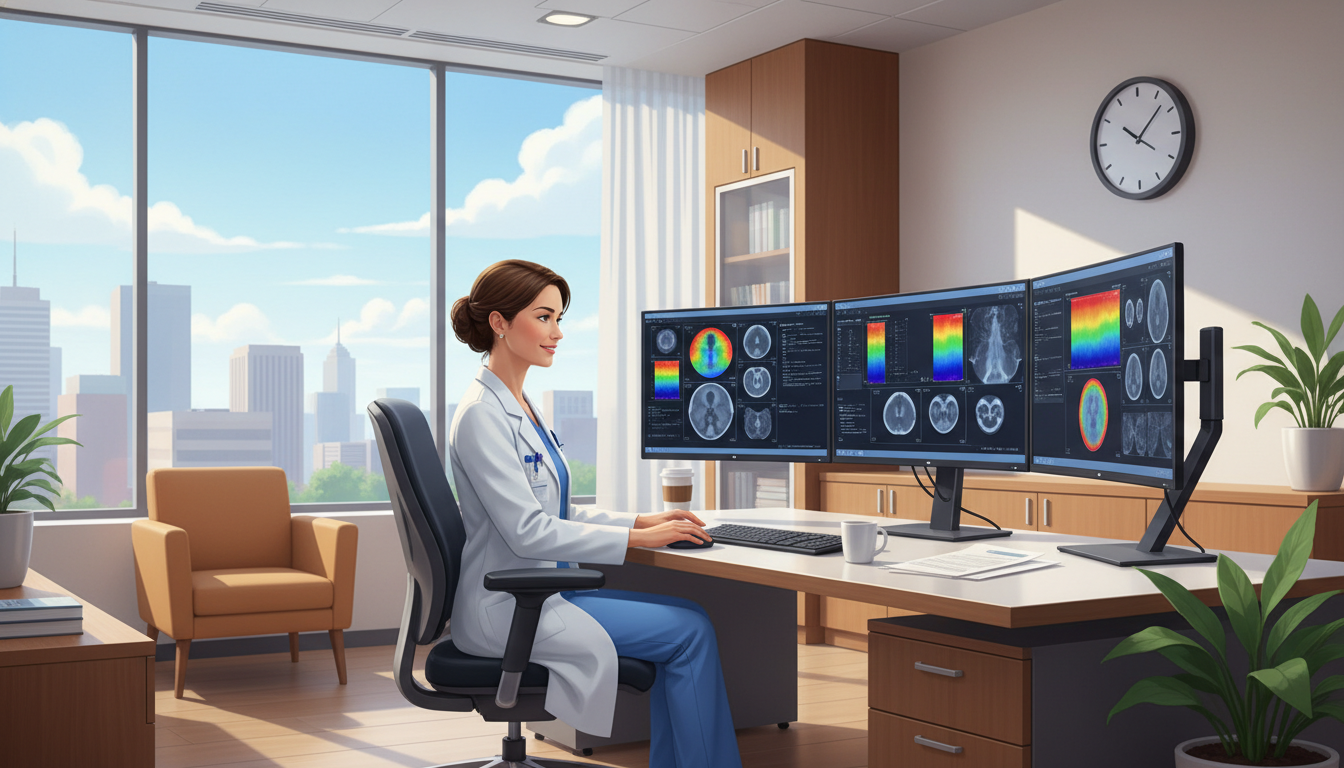
Nuclear medicine often flies under the radar when students and residents think about “lifestyle residency” options. Yet, when you look closely at day-to-day duty hours, call burden, and long-term flexibility, nuclear medicine residency is one of the most lifestyle-friendly specialties in modern medicine.
This guide walks you through a realistic, nuanced work-life balance assessment for nuclear medicine: what your schedule looks like in training, what your life might look like in practice, and the specific trade-offs you should consider when ranking programs for the nuclear medicine match.
Understanding Nuclear Medicine as a Lifestyle Specialty
Nuclear medicine is a diagnostic and therapeutic specialty that uses radiopharmaceuticals for imaging (e.g., PET/CT, SPECT) and treatment (e.g., radioiodine, Lu-177 therapies). Compared with many procedural or acute-care fields, its clinical tempo is generally more controlled and predictable.
From a lifestyle perspective, several structural features stand out:
- Mostly daytime, scheduled work
- Limited emergent procedures
- A smaller number of acute, hands-on interventions
- Team-based workflow with technologists and physicists
These characteristics are fundamentally different from high-intensity specialties like general surgery, emergency medicine, or critical care.
Why Nuclear Medicine Often Ranks as a Lifestyle-Friendly Choice
When residents talk about “lifestyle residency,” they usually mean:
- Reasonable duty hours with fewer 24-hour or overnight shifts
- Predictable weekend and holiday coverage
- Less emotionally or physically draining on a day-to-day basis
- Ability to engage in family life, hobbies, research, and non-clinical pursuits
Nuclear medicine typically scores well on all four:
Limited overnight emergencies
Nuclear medicine emergencies are rare. Although some centers provide limited off-hours imaging, most nuclear imaging studies are elective and scheduled during regular business hours.Stable outpatient-oriented workflow
Much of nuclear medicine practice takes place in outpatient imaging centers or hospital-based departments that align with daytime hours.Team-based environment
Technologists perform radiotracer injections and image acquisition; the nuclear medicine physician focuses on interpretation, consultations, and selected therapies. This division of labor helps protect physician bandwidth.Emotional intensity is lower than many acute specialties
You will certainly care for patients with serious and terminal illnesses (e.g., oncology patients), but the day-to-day environment resembles radiology more than an ICU.
Day-to-Day Life in Nuclear Medicine Residency
The nuclear medicine residency experience can vary significantly by institution—especially in programs integrated with diagnostic radiology or large academic centers. Still, some broad patterns are consistent.
Typical Duty Hours and Daily Schedule
Most nuclear medicine residents report:
- Weekday hours: often around 7:30–8:00 AM to 5:00–6:00 PM
- Average weekly duty hours: commonly in the 40–55 hours/week range
- Overtime: Extra time may be needed for studying, conferences, or research
This is typically less intense than many surgical or acute care specialties but may be similar to or slightly lighter than diagnostic radiology, depending on call structure.
A typical weekday might look like:
- 7:30–8:00 AM:
- Arrive in the department, review the schedule of cases
- Prepare for morning readout or review any urgent overnight studies
- 8:00–12:00 PM:
- Read SPECT, PET/CT scans with attending
- Participate in radiopharmaceutical dosing decisions
- Consult with referring clinicians about test selection or interpretation
- 12:00–1:00 PM:
- Lunch + Noon conference (didactic, case conference, or journal club)
- 1:00–4:00 PM:
- Continue reading outpatient imaging studies
- Participate in therapies (e.g., radioiodine, Lu-177, Y-90 where applicable)
- 4:00–5:30 PM:
- Finish reads, finalize reports, follow up on pending questions
- Self-study, board prep, or research
On most days, you should leave the hospital close to the end of scheduled hours unless you’re on call or there’s a late-add study.
Weekends and Call Responsibilities
The nuclear medicine residency call structure is often modest compared to other fields:
- Many programs have:
- Home call for rare urgent studies or dose questions
- Limited in-house call, often shared with radiology residents
- Weekend work typically involves:
- Covering a small number of urgent or add-on cases
- Answering occasional referring-physician questions
- Reviewing inpatient scans that must be done over the weekend
Call intensity is heavily program-dependent. In some institutions:
- Nuclear medicine residents may share call with radiology residents
- Larger cancer centers may perform more off-hours PET or therapeutic cases
- Smaller or community-based programs often have minimal weekend work
Even at the busier centers, the on-call experience is usually more manageable than many front-line acute specialties.
Emotional and Cognitive Workload
The cognitive workload of nuclear medicine is substantial:
- Interpreting multimodal images (PET/CT, SPECT/CT)
- Understanding pharmacokinetics and biodistribution of radiotracers
- Integrating oncologic, cardiologic, and endocrine data
However, from a lifestyle standpoint:
- The pace is typically measured, not frantic
- There is time for deep thinking and detailed reporting
- Workflow is rarely dictated by life-or-death emergencies every hour
You will encounter emotionally heavy situations (e.g., staging metastatic cancer, poor therapy response), but you are often slightly more removed from continuous bedside care compared to inpatient specialties.
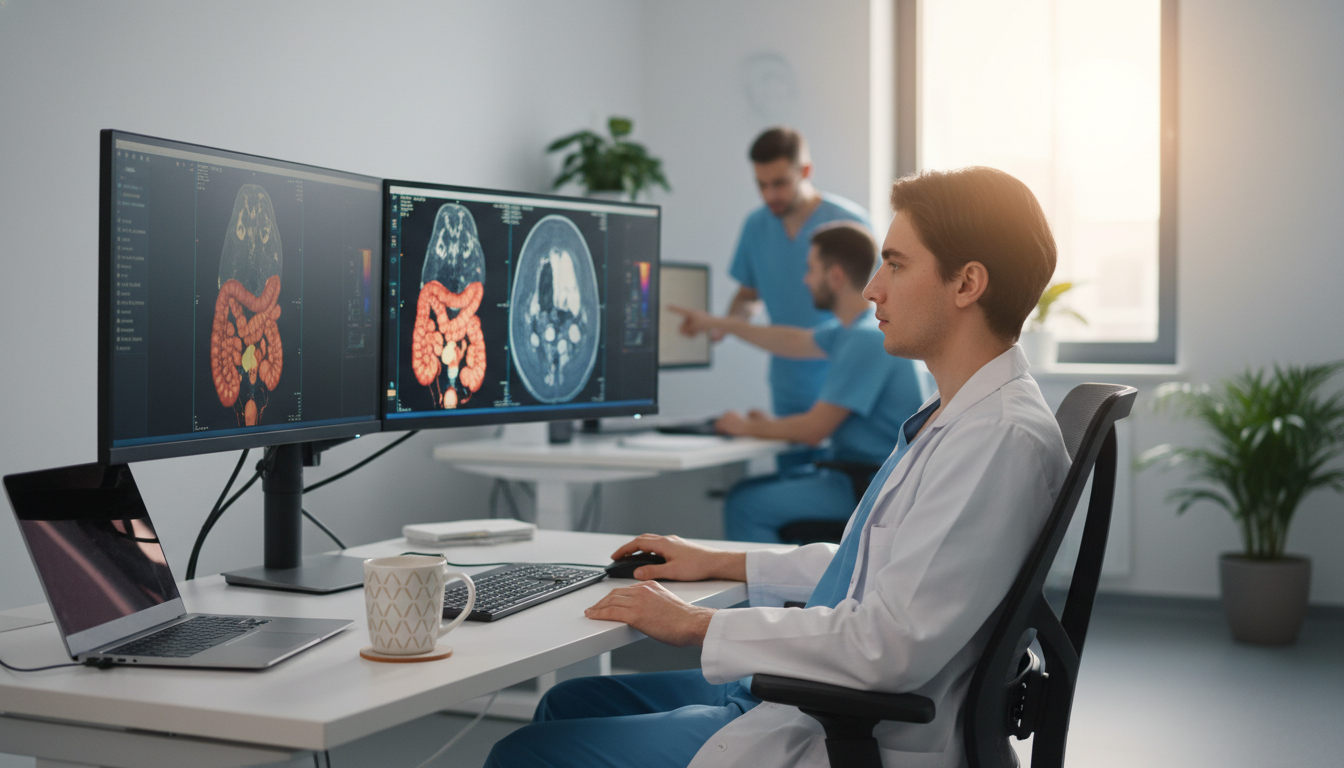
Comparing Nuclear Medicine Work-Life Balance to Other Specialties
To decide whether nuclear medicine fits your desired residency work life balance, you need a realistic comparison to other fields you might be considering.
Compared with Diagnostic Radiology
Nuclear medicine often overlaps significantly with diagnostic radiology. Many nuclear radiologists are dually trained, and some diagnostic radiology residencies incorporate substantial nuclear medicine rotations.
From a lifestyle perspective:
Hours:
- Very similar; both tend to have reasonable daytime hours.
- Pure nuclear medicine programs can occasionally have slightly fewer overnight obligations than general radiology, which often runs 24/7 imaging services.
Call:
- Radiology call can be heavier, with a large volume of emergency CT, MR, and ultrasound studies.
- Nuclear medicine call is often lighter and more consultative.
Intensity:
- Radiology has more emergent trauma and acute stroke imaging.
- Nuclear medicine is heavily oncologic and cardiologic—serious pathology, but less minute-to-minute time pressure.
Many applicants who want an imaging-based, relatively lifestyle-friendly residency may favor diagnostic radiology due to broader job markets, but nuclear medicine remains particularly appealing if you want subspecialized imaging with a relatively gentle call profile.
Compared with Internal Medicine and Its Subspecialties
Internal medicine and its subspecialties vary widely, but overall:
- Residency hours are generally longer and more intense
- Inpatient time involves:
- Night float
- Frequent 12-hour or longer shifts
- Weekend coverage every 3–4 weeks or more
In contrast, nuclear medicine:
- Has less direct responsibility for day-to-day inpatient management
- Offers fewer night shifts and usually minimal in-person overnight work
- Provides more predictable schedules conducive to study, research, or family life
However, some IM subspecialties (e.g., endocrinology, outpatient allergy/immunology) may approach nuclear medicine in lifestyle friendliness after fellowship—though not always during residency.
Compared with Surgical Specialties
Surgical and procedural subspecialties (general surgery, orthopedics, neurosurgery, OB/GYN) almost universally:
- Have longer weekly duty hours
- Require more in-house call and frequent overnight or 24-hour shifts
- Involve physically and emotionally intense cases regularly
If you prioritize a lifestyle residency with strong work-life balance, nuclear medicine is dramatically more compatible with that goal than nearly any surgical field.
Compared with Other Lifestyle-Oriented Specialties
If you’re comparing nuclear medicine to fields often labeled as “lifestyle residencies” (e.g., dermatology, pathology, radiation oncology, PM&R):
Dermatology:
- Outpatient, highly lifestyle friendly, minimal nights/weekends.
- Work-life balance is often excellent, though competitiveness is very high.
Pathology:
- Significant diagnostic work, more predictable hours, some call for transfusion or frozen sections.
- Lifestyle similar in spirit to nuclear medicine; both are highly analytical.
Radiation Oncology:
- Strong lifestyle potential, generally daytime work with low call intensity.
- Nuclear medicine may be somewhat similar, with differing disease focus and technical skills.
PM&R (Physical Medicine & Rehabilitation):
- Mix of outpatient and inpatient rehab work; intensity varies by practice.
- May have more direct patient interaction and variable call.
Nuclear medicine fits well within this group of specialties often considered to have better-than-average work-life balance, especially if you enjoy image-based diagnostics and targeted therapies.
Long-Term Lifestyle in Nuclear Medicine Practice
Work-life balance in training is important, but your career after the nuclear medicine match is where you’ll spend decades. Understanding how practice settings affect lifestyle is crucial.
Academic vs. Community vs. Private Practice
Academic Centers
- Pros:
- Predictable daytime hours, especially for pure nuclear medicine services
- Protected time for research, teaching, and conferences
- Access to cutting-edge imaging equipment and therapies
- Cons:
- Expectations for publications and teaching may encroach on personal time
- Compensation may be lower than private practice in some regions
Lifestyle-wise, academic nuclear medicine can be very favorable, particularly if you enjoy teaching and research.
Community Hospitals
- Pros:
- Often stable 8–5 schedules
- Limited night or weekend work, depending on on-call obligations
- More general radiology/nuclear hybrid roles may broaden your scope
- Cons:
- Potential need to cover some general radiology, increasing call burden
- Fewer specialized nuclear therapies may mean less variety for subspecialists
If you want a balanced routine with predictable family time, community-based nuclear imaging or hybrid nuclear radiology roles can be appealing.
Private Practice / Outpatient Imaging Centers
- Pros:
- Business-hours scheduling, especially in freestanding imaging centers
- Potentially higher earning potential
- Can offer excellent control over vacation and workload in mature groups
- Cons:
- Business pressures (productivity, contracts, referral relationships)
- In some markets, may require additional general radiology skills
Overall, many practitioners in nuclear medicine-oriented practices report strong work-life balance, though actual experience varies by region and group culture.
Call, Weekends, and Holidays in Practice
Most practicing nuclear medicine physicians have:
- Low to moderate call volumes
- Limited off-hours imaging, more focused on:
- Emergency ventilation-perfusion (V/Q) scans at some institutions
- Occasional urgent nuclear cardiology studies
- Rare after-hours therapies or urgent consultations
Compared with hospitalists, intensivists, or EM physicians, nuclear medicine call is usually much lighter, and full 12-hour or 24-hour shifts are uncommon.
Flexibility and Part-Time Options
Because nuclear medicine is image-interpretation-heavy and modular, it can lend itself well to:
- Part-time or flexible schedules
- Remote reading and teleradiology in some practice setups
- Job sharing or reduced FTE arrangements, especially after establishing yourself in a group
For physicians prioritizing long-term control over work hours and location—perhaps for family, academic, or entrepreneurial reasons—nuclear medicine can be a good fit.

How to Assess Work-Life Balance When Ranking Nuclear Medicine Programs
Not all nuclear medicine residencies are created equal. If you’re seeking a lifestyle residency, you’ll want to ask targeted questions about duty hours, culture, and expectations at each program.
Key Questions to Ask on Interview Day
Duty Hours and Workflow
- “What is the typical daily schedule for residents on nuclear medicine?”
- “How often do residents stay past 6 PM, and why?”
- “How strictly are duty hours monitored and enforced?”
Call Structure
- “Is call in-house or home call for nuclear medicine residents?”
- “How often is the resident called in overnight?”
- “What’s the typical volume of urgent studies during call?”
Weekend and Holiday Coverage
- “How often do residents work weekends?”
- “Are there designated ‘golden weekends’ or guaranteed days off?”
- “How many holidays are residents expected to cover each year?”
Support Staff and Team Dynamics
- “How many technologists and support staff are available per shift?”
- “Are residents expected to perform tasks that technologists or staff might do at other institutions?”
- “Is there clerical or IT support for image transfer and report management?”
Culture and Wellness
- “What formal wellness resources or initiatives does the program have?”
- “How does the program respond when residents are struggling with workload or burnout?”
- “Can you describe a time when the program supported a resident’s personal or family needs?”
Ask these questions to both faculty and current residents—and pay attention to consistency and body language when they answer.
Reading Between the Lines: Red Flags and Green Flags
Red Flags for Poor Work-Life Balance
- Residents routinely staying very late to finish routine work
- Vague or evasive answers about duty hours compliance
- Complaints about unpaid “extra” responsibilities not reflected in schedules
- High turnover among residents or frequent program leadership changes
- Residents appearing exhausted, burnt out, or disengaged on interview day
Green Flags for Healthy Work-Life Culture
- Transparent duty hour tracking and adjustments based on resident feedback
- Clear workflow support from technologists, physicists, and administrative staff
- Residents describing time for outside interests, research, or family life
- Programs that proactively discuss wellness, not just as a buzzword
- Explicit examples of schedule flexibility for life events (birth, illness, etc.)
Balancing Lifestyle with Training Quality
While lifestyle is important, your goal is to become a competent, confident nuclear medicine specialist. A program with too light a workload or limited case variety can undermine your future:
- You want exposure to a broad range of imaging (oncologic PET/CT, cardiac, neuro, endocrine, musculoskeletal, benign and malignant disease)
- You need adequate experience with theranostic and therapeutic radionuclide treatments
- You should develop comfort managing complex consults from oncology, cardiology, endocrinology, and surgery
The ideal program offers:
- Strong case volume and complexity
- Attentive mentorship and teaching
- Reasonable, sustainable duty hours with protected learning time
When comparing offers in the nuclear medicine match, aim to choose a program that combines robust training with a culture that values your life outside the hospital.
Actionable Strategies to Maintain Work-Life Balance During Nuclear Medicine Residency
Even in a relatively lifestyle-friendly field, residency is demanding. You can use specific strategies to protect your well-being:
1. Build Efficient Reading and Study Habits
- Use structured templates for reporting to speed up interpretation and avoid reinventing phrasing every time.
- Keep a personal case log or teaching file (digital screenshots, anonymized) to reinforce pattern recognition.
- Integrate board prep into daily workflow:
- Look up unfamiliar radiotracers or findings as they arise
- Attend multidisciplinary tumor boards and keep notes
The more efficient your learning, the more personal time you reclaim.
2. Set Boundaries Early and Communicate Clearly
- If late add-on cases are affecting your duty hours routinely, bring it up respectfully with your chief resident or program director.
- Clarify expectations for:
- How quickly you must respond to non-urgent messages
- When it’s acceptable to hand off cases or ask for help
Programs that respect boundaries generally respond well to thoughtful, professional feedback.
3. Protect Non-Clinical Time
- Schedule regular exercise, even if brief, around your workday (morning runs, post-call yoga, walking commutes).
- Keep at least one consistent weekly activity unrelated to medicine (music, sports, or social group).
- Use vacations and days off for true disconnection when possible—avoid the reflex to always “catch up on reading” during your only downtime.
4. Lean on Your Team
- Nuclear medicine is collaborative—technologists, physicists, and nurses can be invaluable allies.
- Ask technologists for workflow tips; they often know how to streamline repeated tasks.
- Share experiences with co-residents; support each other around exams, family events, and stressful rotations.
A supportive community is one of the most powerful buffers against burnout.
FAQs: Nuclear Medicine Residency and Work-Life Balance
1. Is nuclear medicine a good choice if work-life balance is my top priority?
For many residents, yes. Nuclear medicine is widely considered a lifestyle-friendly specialty, with:
- Predominantly daytime, scheduled work
- Relatively limited overnight and weekend demands
- Manageable duty hours compared to many acute-care or surgical fields
That said, you should still vet individual programs carefully—culture and workload vary.
2. How intense is call during nuclear medicine residency?
Nuclear medicine call is usually home call with low to moderate volume. You may:
- Be contacted to review limited urgent studies (e.g., V/Q scans)
- Rarely be called in for emergent imaging or therapy issues
In some institutions, radiology residents handle most off-hours imaging, further reducing call for nuclear medicine residents. Always confirm the structure at each specific program.
3. Can I have a family or major life responsibilities during nuclear medicine residency?
Yes, many nuclear medicine residents successfully manage family life, parenting, or major personal commitments. The controllable schedule, limited overnight work, and relatively stable duty hours make this more feasible than in many other specialties. Program culture and local support systems (partner, childcare, extended family) are key additional factors.
4. What if I want both good lifestyle and long-term job security—should I still choose nuclear medicine?
This is an important strategic question. While nuclear medicine offers excellent lifestyle potential, the job market can be more niche and regionally variable than broad specialties like internal medicine or diagnostic radiology. Many physicians pursue dual pathways (e.g., diagnostic radiology plus nuclear) to maximize flexibility. When considering nuclear medicine, balance:
- Your interest in the field
- Your commitment to pursuing possible additional training
- Your willingness to be geographically flexible for certain roles
If you are genuinely drawn to image-based oncology and theranostics and value a balanced work life, nuclear medicine can be an excellent fit, especially when combined with thoughtful career planning.
In summary, nuclear medicine residency offers one of the more favorable work-life profiles in graduate medical education. With deliberate program selection, clear communication, and smart personal strategies, you can build a training journey—and a career—that supports both your professional aspirations and the life you want outside the hospital.