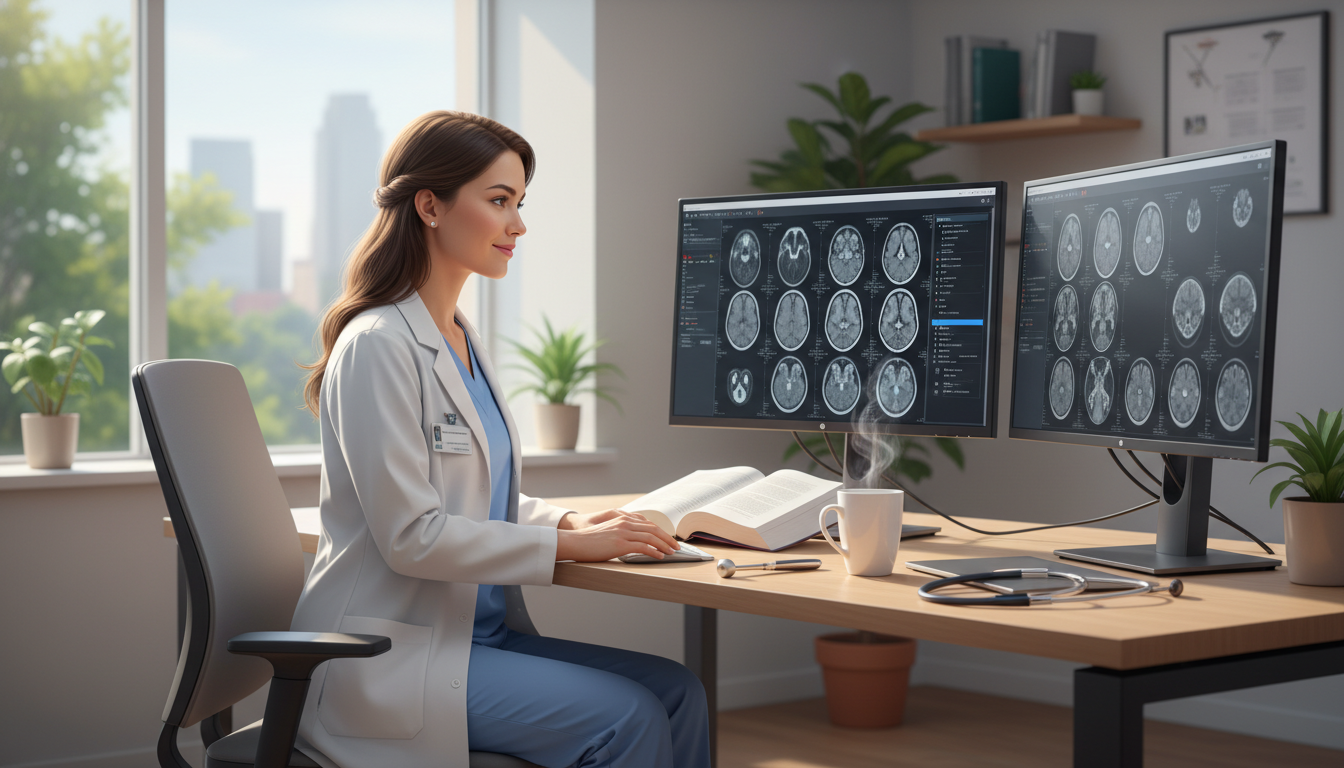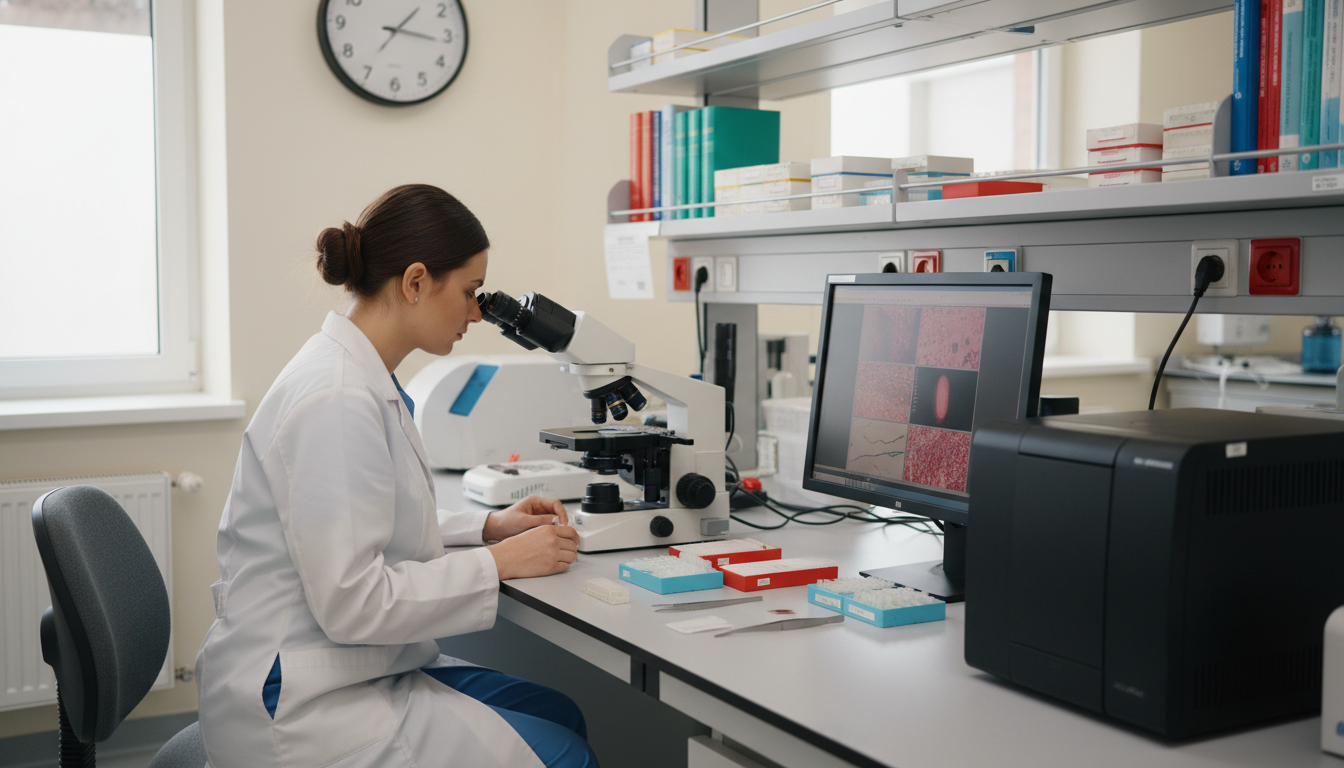
Pathology has a strong reputation as one of the most lifestyle-friendly specialties, particularly appealing to MD graduates seeking predictable hours and a sustainable career pace. But how does this actually translate into day-to-day residency life? This article provides a work-life balance assessment specifically for an MD graduate in pathology residency, with a focus on realistic expectations, practical strategies, and how to evaluate programs before you rank them in the allopathic medical school match.
Understanding Pathology Residency Through a Lifestyle Lens
Pathology is often considered when MD graduates are searching for a “lifestyle residency.” Compared to many procedural or acute-care specialties, pathology residents generally enjoy:
- More predictable schedules
- Fewer overnight in-house calls
- Less direct patient care stress (no codes, no clinic)
- A work environment that rewards focus and precision rather than speed at the bedside
However, “good lifestyle” does not mean “easy.” Pathology residency is cognitively demanding and detail-heavy; the work is often solitary, and errors have serious consequences. Understanding the realities of the training environment is crucial before you pursue a pathology match.
Typical Training Structure
In the U.S., pathology residency is usually:
- 3–4 years for AP/CP (Anatomic Pathology and Clinical Pathology) combined
- AP-only or CP-only tracks (less common, often 3 years)
- Optional subspecialty fellowships (e.g., hematopathology, cytopathology, dermatopathology, forensic pathology, transfusion medicine, molecular pathology)
From a work-life balance standpoint, the combination program (AP/CP) is the most common pathway and what this article will mainly reference.
Duty Hours, Call, and the Flow of a Pathology Resident’s Day
The duty hours framework is similar to other residencies, but how those hours feel and how they are distributed tend to be different from high-intensity clinical specialties.
Duty Hours: Where Pathology Fits
As an ACGME-accredited residency, pathology adheres to standard duty hours rules:
- Max 80 hours per week, averaged over 4 weeks
- One day off in seven, averaged over 4 weeks
- At least 10 hours off between shifts (target)
- Limits on continuous duty, especially for call
In practice, the majority of pathology residents report:
- 40–60 hours/week during most rotations
- Occasional spikes (60–70 hours) during:
- Heavy surgical pathology (“surg path”) rotations
- Frozen section coverage
- Autopsy-heavy months
- Call weeks
Compared to other specialties, this generally allows for more manageable residency work life balance, especially outside of the most intense AP rotations.
A Typical Week in Pathology Residency
Here’s what a typical weekday might look like on a busy Anatomic Pathology rotation:
- 7:30–8:00 am – Sign out with attending (reviewing cases prepared the previous day)
- 9:30 am–12:00 pm – Grossing surgical specimens in the gross room, reviewing slides at your desk/microscope, previewing cases
- 12:00–1:00 pm – Noon conference/educational lecture (often protected)
- 1:00–4:30 pm – Continued case review, frozen sections, additional grossing, synoptic reports, tumor board preparation
- 4:30–6:30 pm – Finish dictations, finalize cases for the next morning sign out, quick studying for boards or reference review
Most residents go home between 5–7 pm, depending on case volume and efficiency. Weekend work varies by program, but often includes:
- Limited weekend grossing or call coverage
- Autopsy coverage if needed
- On-call for clinical pathology services (e.g., transfusion reactions, critical lab issues)
Call in Pathology: What It Really Involves
Compared to internal medicine, surgery, or OB/GYN, pathology call is generally lower intensity and more consultative.
Common types of call:
- Surgical pathology call
- Frozen section consultation (intraoperative)
- Urgent pathology questions from surgeons or radiologists
- Clinical pathology (CP) call
- Blood bank alerts: transfusion reactions, complex crossmatch questions, massive transfusion protocols
- Microbiology questions: critical results, infection control issues
- Hematology: significant smear reviews, critical counts
- Autopsy call
- Deaths requiring autopsy (especially in academic or county hospitals)
- May involve going in after hours, but volume varies widely by institution
Many programs have home call rather than in-house call. You may be required to go in for certain events (e.g., frozen sections or autopsies), but you’re more likely to field calls by phone, interpret results, or review digital images remotely.
For MD graduates comparing lifestyle residency options, pathology call is usually seen as:
- Less disruptive than q4 inpatient call
- More intellectually focused, less emotionally intense than acute bedside care
- Variable between programs—something to ask about during interviews
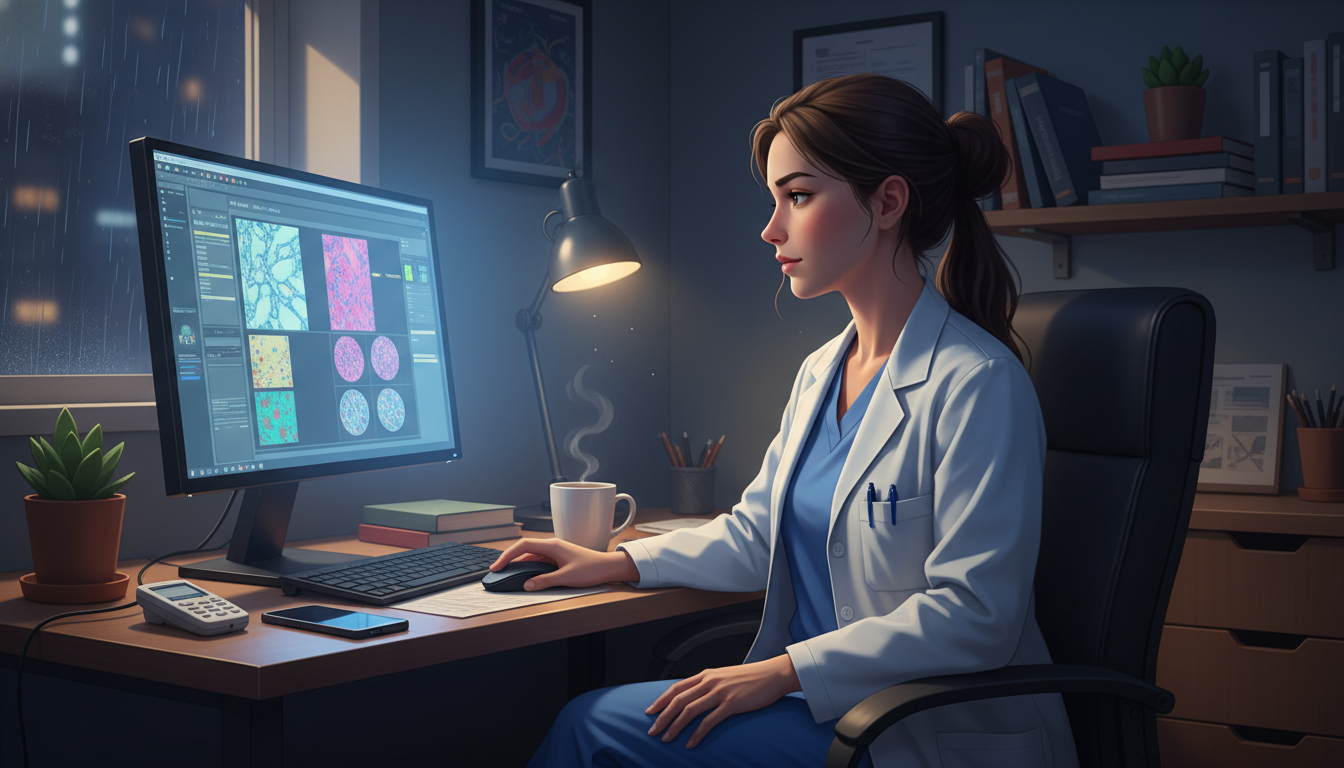
Factors That Shape Work-Life Balance in Pathology
Even within a relatively lifestyle-friendly field, the quality of your day-to-day life will depend on multiple factors: program culture, rotation mix, your own efficiency, and your long-term career goals.
1. Surgical Pathology vs. Clinical Pathology Rotations
Anatomic Pathology (AP) rotations:
- Time-intensive: Grossing large surgical specimens, previewing slides, and sign out can be lengthy
- More likely to have early starts and later evenings
- Frozen sections can add unpredictable bursts of activity
- Typical “heavier” AP rotations:
- General surgical pathology
- GI, breast, GU, gyn subspecialty services
- Autopsy months (variable by program)
Clinical Pathology (CP) rotations:
- Often more predictable hours
- More “office-like” days: reviewing lab data, attending multidisciplinary meetings, supervising lab workflows
- Less physical fatigue; more administrative and interpretive tasks
- Common CP rotations:
- Hematology/coagulation
- Transfusion medicine
- Microbiology
- Chemistry
- Molecular diagnostics
From a residency work-life balance perspective, CP months can feel like a “break” from the intensity of surg path, though they’re still intellectually challenging.
2. Academic vs. Community Programs
Academic programs (large university or tertiary centers):
- Higher case volumes, more complex cases
- More subspecialization
- Stronger expectations for research, teaching, and conference participation
- Often more evening work due to higher specimen load
- Richer educational environment but potentially heavier time demands
Community programs:
- May have more moderate case volumes
- Broader generalist training (less subspecialty siloing)
- Potentially more predictable, shorter days
- Less research pressure, fewer conferences
This doesn’t mean all academic programs are “bad lifestyle” or all community programs are “cushy.” However, when assessing work-life balance, MD graduates should be realistic: the “powerhouse” academic programs often come with a steeper workload, especially in surg path.
3. Program Culture and Support
Culture can make or break your residency experience. Key cultural elements that affect lifestyle:
- Attending expectations: Are they realistic about how much you can handle at your level?
- Case distribution: Are cases equitably assigned between residents and fellows?
- Support staff: Adequate pathologist assistants (PAs), histotechnologists, and lab staff dramatically reduce resident overload, especially in the gross room.
- Education vs. service balance: A good program safeguards learner time and avoids treating residents purely as workforce.
Red flags that may negatively impact lifestyle:
- Regularly staying past 8–9 pm
- Residents repeatedly violating duty hours
- Culture of “badge of honor” overworking
- Little transparency about case volumes and workload
Green flags for a lifestyle residency experience:
- Residents generally leave by early evening
- Program leadership actively monitors duty hours and workload
- Strong PA support for grossing
- A clear, structured curriculum with protected educational time
4. Personal Style, Efficiency, and Study Time
Pathology is reading-, pattern-recognition-, and detail-heavy. Your personal organization and efficiency significantly shape your everyday experience. Factors include:
- Microscope speed: With experience, you preview and sign out cases faster.
- Note and report efficiency: Using templates and structured synoptic reporting can save time.
- Study integration: Residents who build studying into their daily workflow (e.g., reading about challenging cases the same day) often avoid heavy last-minute board cram sessions.
- Boundaries: Being able to stop reviewing slides or reading at a reasonable hour and disconnect is crucial for long-term sustainability.
Many MD graduates transitioning from clinical rotations are surprised by how mentally tiring but physically less demanding pathology can be. Strong work-life balance requires conscious management of mental fatigue and protecting time away from the microscope.
Pathology vs Other Specialties: Is It Really “Lifestyle Friendly”?
When people talk about “most lifestyle friendly specialties,” pathology is consistently near the top alongside radiology, dermatology, and some outpatient-focused fields. But what does that comparison look like in practical terms?
Pathology Compared to Internal Medicine and Surgery
Versus Internal Medicine:
- Pathology has:
- Less overnight, in-house call
- No long inpatient rounding days
- Minimal clinical documentation burden in the EHR (compared to daily notes for large patient lists)
- Internal medicine residents often work closer to or above 70–80 hours/week on certain rotations; pathology tends to hover lower with fewer extremes, except in particularly demanding programs.
Versus General Surgery:
- Surgery has:
- Early starts (often pre-5 am), longer days, frequent overnight call
- High physical and emotional fatigue from OR days, emergencies, trauma
- Pathology, in contrast, is:
- More daytime-focused
- Less physically and emotionally acute
- Still intense during heavy grossing and sign-out days, but with fewer night disruptions
Pathology Compared to Other “Lifestyle Residencies”
Radiology:
- Similar cognitive demands and heavy image review
- Both are visually intensive and require prolonged concentration
- Radiology may have more acute call (e.g., STAT CTs, overnight coverage) at some centers
- Pathology call is often more consultative and less continuous overnight imaging work
Dermatology:
- Often considered the gold standard for lifestyle residency
- Outpatient clinic structure, relatively predictable schedules
- Pathology is more lab-based and can have heavier early-career training hours
- Long-term, many pathologists achieve similar or even better control over their schedules, especially in private practice settings
Overall, for an MD graduate focused on lifestyle, pathology strongly qualifies as a lifestyle residency, particularly when you select a program aligned with your needs and values.

Long-Term Lifestyle After the Pathology Match
Work-life balance in residency is only one piece of the picture. For MD graduates, the long-term lifestyle and career flexibility of pathology are major attractions.
Typical Post-Residency Career Paths
Common paths after completing a pathology residency and (often) one or more fellowships:
- Academic pathology
- University hospitals, teaching institutions
- Mix of sign-out, teaching, research, and administrative work
- Private practice / community pathology
- Group practices or hospital-employed roles
- Heavy focus on surgical pathology sign-out, possibly with CP oversight
- Subspecialty-focused practice
- Dermatopathology, hematopathology, neuropathology, molecular pathology, etc.
- Industry and non-traditional careers
- In vitro diagnostics, biotech, pharma, informatics, digital pathology
- Medical director roles in labs, reference labs, or corporate settings
Lifestyle in Practice
In practice, pathologists typically have:
- Full-time work weeks of ~40–55 hours in many settings
- More daytime-focused hours than many acute care physicians
- Predictable clinic/lab schedules
- Limited or telephone-only call in many private practice arrangements
Of course, workload varies:
- High-volume private groups may expect higher case loads, but still generally preserve evenings and weekends.
- Academic pathologists might work fewer clinical hours but add research and administrative time.
- Subspecialists in high-demand niches (e.g., dermatopathology, hematopathology) may negotiate more flexible or remote work, especially with digital pathology.
The long-term residency work-life balance advantage of pathology is that once you complete training, you often have:
- Several practice models to choose from
- The ability to negotiate scope of practice and work location
- Potential for remote or partial remote work as digital pathology expands
How to Evaluate Work-Life Balance During the Pathology Match Process
If you’re an MD graduate entering the allopathic medical school match and aiming for a pathology residency with strong lifestyle support, you’ll need to ask targeted questions and read between the lines during interviews and second looks.
Questions to Ask Residents and Faculty
Duty Hours and Realistic Schedules
- “What is the average arrival and departure time on surg path rotations?”
- “How often do residents stay past 7 pm?”
- “How strictly are duty hours monitored and enforced?”
Call Structure
- “Is call in-house or home? How many calls per month?”
- “What typically triggers having to come in during call?”
- “How are CP and AP calls divided among residents and fellows?”
Workload and Case Volume
- “What is the typical number of cases per resident per day on high-volume services?”
- “Is there pathologist assistant support for grossing large cases?”
- “How is case volume adjusted for junior vs senior residents?”
Program Culture
- “If someone is overwhelmed, how does the program respond?”
- “Are attendings approachable if you need help or fall behind?”
- “Do residents feel comfortable taking vacations, and is coverage fair?”
Educational vs. Service Balance
- “Is noon conference truly protected time?”
- “Are residents frequently pulled from teaching sessions for service needs?”
- “How much of your time is spent grossing vs. direct diagnostic work vs. teaching/research?”
Clues from Resident Behavior and Morale
Pay close attention to:
- Resident demeanor: Do they seem burnt out, or reasonably satisfied?
- Turnover: High attrition can reflect poor support or unrealistic workload.
- Candidness: If residents only give vague or overly polished answers, they may be hesitant to disclose concerns.
As an MD graduate, your goal is to identify a pathology residency where your enthusiasm for the specialty is matched by a sustainable training environment.
Practical Strategies to Maintain Balance During Pathology Residency
Even in a relatively lifestyle-friendly specialty, you need concrete strategies to protect your wellbeing.
1. Build Efficient Study Habits
- Integrate reading into daily work:
- Look up entities you see during sign out on the same day.
- Use digital resources (e.g., pathology reference sites, image atlases).
- Set specific, realistic goals:
- “I’ll review 10 common breast pathology entities this week.”
- “I’ll read 10–15 pages of hematopathology each CP rotation day.”
2. Optimize Your Workday
- Organize your grossing:
- Start with large or complex specimens earlier in the day.
- Use checklists to reduce re-work or errors.
- Streamline reporting:
- Use templates, smart phrases, and synoptic formats.
- Keep a personal reference of common diagnostic phrases.
3. Protect Time Outside the Hospital
- Clearly define off-duty times when you:
- Don’t check work email unless you’re on call
- Turn off pathology learning and engage in other activities
- Maintain non-medical hobbies and relationships:
- Sports, music, reading, art, or anything that pulls you away from the microscope mindset
4. Address Burnout Early
Burnout in pathology may look different than in frontline high-acuity specialties:
- Cognitive fatigue and difficulty concentrating
- Loss of interest in previously engaging cases
- Emotional detachment or irritability
- Physical symptoms from prolonged sedentary work (back/neck pain, eye strain)
Use available resources:
- Residency wellness programs
- Peer support and mentorship
- Occupational health for ergonomic evaluations (microscope and workstation setup)
- Counseling or therapy if needed
The key insight: a specialty known for good lifestyle doesn’t automatically protect you from burnout—you must be proactive and honest with yourself about your limits.
FAQs: Pathology Residency and Work-Life Balance
1. Is pathology really a “lifestyle residency,” or is that a myth?
Pathology is legitimately considered one of the most lifestyle-friendly specialties, particularly when compared to fields like surgery, OB/GYN, or emergency medicine. Most pathology residents:
- Work fewer night shifts and have more daytime hours
- Experience less direct emotional stress from acutely ill patients
- Have the potential for a 40–55 hour work week in many practice settings after training
However, during residency, some rotations—especially heavy surgical pathology or autopsy months—can be demanding and may push closer to 60–70 hours in some programs. It’s better described as a balanced, cognitively intense specialty rather than an easy one.
2. How does work-life balance differ between pathology residency and practice?
During residency:
- You rotate through high- and low-intensity blocks.
- Your schedule is largely dictated by program structure and call schedules.
- You’re still learning foundational skills, so cases often take longer.
In practice:
- You often have more control over your schedule and workload.
- Many pathologists maintain a stable weekday schedule with limited weekends/evenings.
- Lifestyle can be tailored by choosing academic vs. community practice, subspecialty focus, and group size.
In general, if you find the residency lifestyle manageable, you’re likely to find the long-term pathology lifestyle quite favorable.
3. Does choosing pathology limit my earning potential compared to other specialties with better lifestyle?
Pathology offers solid and stable compensation, often comparable to other non-procedural specialties and, in some markets, higher. While it may not match high-end procedural fields like orthopedic surgery or interventional cardiology, many pathologists find their income more than adequate for a comfortable lifestyle.
Importantly:
- Pathology combines good compensation with strong work-life balance.
- Subspecialization (e.g., dermatopathology, hematopathology) can increase earning potential.
- Private practice settings, high-volume groups, and leadership roles may further increase income.
For most MD graduates interested in a balanced life rather than maximizing income at all costs, pathology strikes a favorable balance.
4. What if I’m an MD graduate who likes patient contact—will I be unhappy in pathology?
Pathology involves limited direct patient interaction, but substantial impact on patient care through diagnoses, lab stewardship, and tumor boards. If your primary joy in medicine is:
- Direct counseling
- Longitudinal patient relationships
- Clinical bedside decision-making
…then you may miss that in a pure pathology role. However, some pathologists engage more directly with clinicians and patients through:
- Interdisciplinary conferences and tumor boards
- Lab management and clinical consultations
- Autopsy discussions with families (in certain settings)
- Hybrid roles (e.g., transfusion medicine with more clinical overlap)
If patient contact is essential to your satisfaction, carefully reflect before committing to a pathology match. If you most enjoy diagnostic reasoning, pattern recognition, and behind-the-scenes problem solving, pathology can be incredibly rewarding with excellent work-life balance.
For MD graduates assessing the allopathic medical school match, pathology offers a compelling combination: a cognitively rich specialty with generally favorable duty hours, sustainable workloads, and long-term flexibility. With thoughtful program selection and proactive self-care, it can be one of the most lifestyle-friendly specialties in medicine.