
Understanding Work–Life Balance in Cardiothoracic Surgery as a US Citizen IMG
For an American studying abroad and returning as a US citizen IMG, cardiothoracic surgery offers a uniquely challenging blend of high-stakes heart surgery training, long duty hours, and intense responsibility. Work–life “balance” in this field is less about equal time between work and personal life and more about sustainable integration: ensuring you can train at the highest level without burning out or sacrificing your long‑term well‑being.
This article will walk you through what residency work life balance realistically looks like in cardiothoracic surgery, how it compares to other lifestyle residency options, and what is distinct for a US citizen IMG. You’ll get concrete examples, actionable strategies, and a framework to help you decide whether this path fits your goals and values.
1. The Reality of Cardiothoracic Surgery Training in the US
Cardiothoracic surgery is one of the most demanding surgical specialties—both intellectually and in terms of lifestyle. Understanding the structure of training is critical before you can assess what your day‑to‑day life might be.
1.1 Core Training Pathways
There are three main US training pathways, and each has implications for workload and lifestyle:
Traditional Pathway (5+2 or 5+3)
- 5 years of general surgery residency
- Followed by 2–3 years of cardiothoracic surgery fellowship
- Total: 7–8 years post‑MD
- Lifestyle impact: Two long phases—general surgery (already intense) followed by another high-intensity fellowship.
Integrated Pathway (I-6)
- 6 years of integrated cardiothoracic surgery residency directly after medical school
- Early, continuous exposure to heart and thoracic surgery
- Lifestyle impact: Intensity is high from PGY-1 onward, but the training can be more streamlined, with fewer “off‑service” rotations.
4+3 or Other Combined Programs (less common)
- 4 years of general surgery plus 3 years of CT surgery
- Aim to shorten the total pathway while maintaining quality
- Lifestyle impact: Similar overall demands, but slightly shorter overall training.
For a US citizen IMG, competitiveness is a key consideration. Many American studying abroad students find:
- Traditional path (general surgery → CT fellowship) may offer more entry points and less risk concentration.
- Integrated I-6 spots are few and very competitive; a strong US clinical experience (USCE) and US letters are crucial.
1.2 Typical Duty Hours and Workload
While the ACGME enforces an 80‑hour weekly limit averaged over four weeks, cardiothoracic surgery residents commonly function near the upper range:
- Weekdays:
- Start: 5:30–6:00 am (pre-rounds, review imaging, see post-op patients)
- OR start: 7:00–7:30 am
- End: 6:00–8:00 pm (later on heavy cases or call)
- Call:
- Night float or 24‑hour in-house calls depending on program
- Weekends often include at least one day in-house or on home call
These duty hours are legal and standard, but the intensity of those hours is high: complex cases, unstable patients, rapid decision-making, and long operations.
1.3 Where Does Work–Life Balance Fit?
Given this baseline, “work–life balance” for cardiothoracic surgery residents typically looks like:
- Work dominating weekdays and much of the weekend
- Personal time protected in small but deliberate pockets, not large blocks
- Vacations used strategically for rest, family, and career planning
- A strong need for boundaries and time-management skills
If your mental model of a “lifestyle residency” is 40-hour weeks with frequent evenings free, cardiothoracic surgery will be a significant departure.
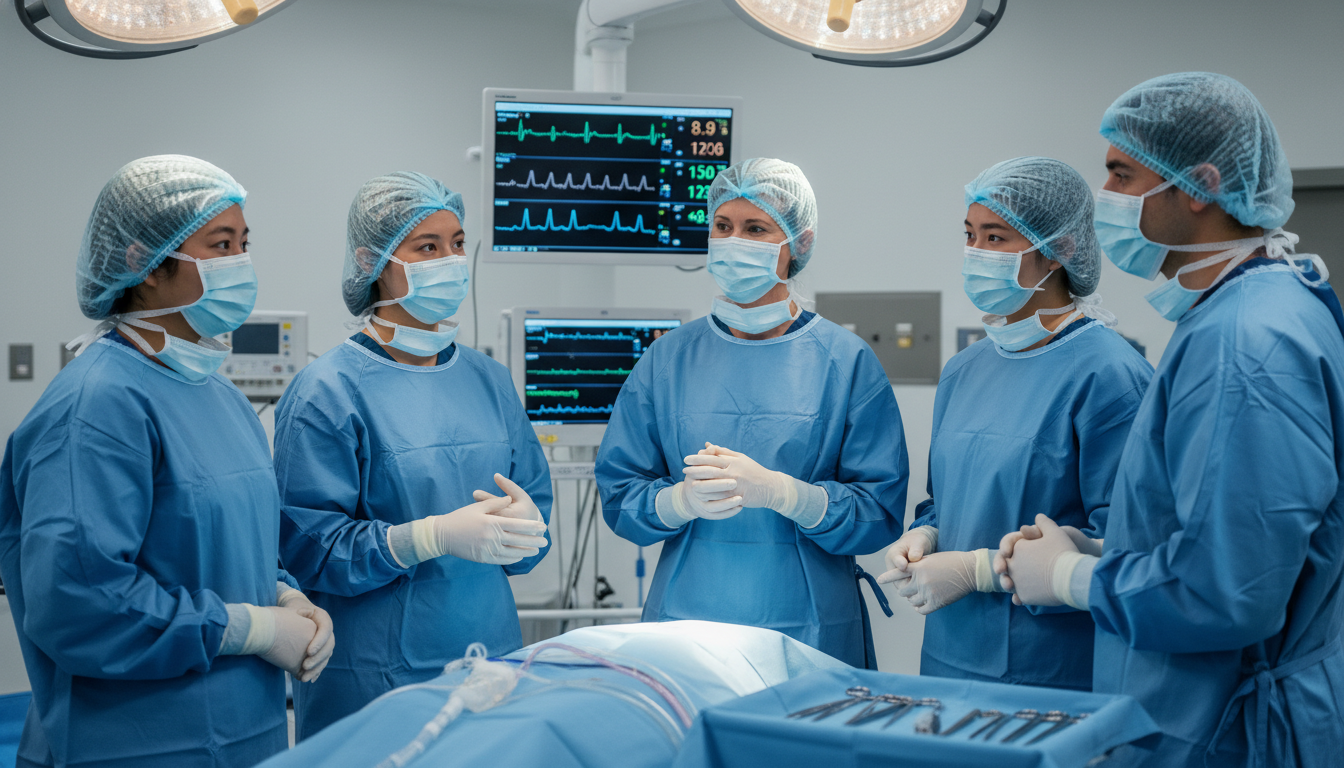
2. Daily and Weekly Life: A Ground-Level View
To make this tangible, consider two representative weeks in an integrated cardiothoracic program. Details vary by institution, but the themes are consistent.
2.1 Example: PGY-2 Resident on Cardiac Service
Schedule Snapshot (80‑hour week):
- Mon–Fri
- 5:45 am – 6:30 am: Pre-rounds and chart review
- 6:30 am – 7:00 am: Rounds with team
- 7:00 am – 5:00 pm: OR (CABG, valve replacements, LVAD work, etc.)
- 5:00 pm – 7:00 pm: Post-op checks, notes, floor issues
- One weekday overnight call (24 hours in-house, post-call day with early sign-out but not necessarily fully off)
- Weekend
- One day in-house (rounds, consults, emergencies)
- One day off (often half-consumed by sleep, laundry, errands)
Lifestyle Implications:
- Free time is limited to brief evening windows on non-call days.
- Fitness, hobbies, and maintaining relationships require intentional scheduling.
- Sleep often cycles between 5–6 hours on heavy days and more on post-call/off days.
2.2 Example: Senior Resident on Thoracic Service
Schedule Snapshot:
- More autonomy in OR, more involvement in complex cases and teaching.
- Some programs have slightly more predictable days during elective thoracic blocks (lung resections, esophagectomies).
- Call may shift toward home call, depending on institutional policies and ICU coverage structures.
Lifestyle Implications:
- Responsibility is higher, but operative experience can be deeply satisfying.
- Some senior residents report marginally more control over their schedules (e.g., influencing case assignments, clinic templates).
- Burnout risk remains high if coping strategies are not in place.
2.3 Emotional and Cognitive Demands
In addition to long duty hours, modern cardiothoracic surgery residency involves:
- Managing acutely ill patients in ICU settings
- Handling death and complications more frequently than in lower-risk specialties
- Maintaining concentration through long, technically demanding operations
- Functioning within a high-stakes, perfectionist culture
For a US citizen IMG, coming from a different health system or training culture, the adjustment can be intense. That makes proactive planning around resilience and support essential.
3. Special Considerations for US Citizen IMGs
As a US citizen IMG, your path into cardiothoracic surgery intersects with lifestyle considerations in unique ways.
3.1 Competitiveness and Its Lifestyle Impact
CT surgery is highly competitive. For an American studying abroad, this means:
- You may need extra research, US clinical rotations, and exam excellence to match.
- Time invested before residency (research years, observerships, sub-internships) may extend your training timeline.
- Financial stress (loans, unpaid rotations, relocation) can add pressure outside of duty hours.
Paradoxically, many of these efforts—publications, strong mentorships, longitudinal USCE—can later translate into better support and opportunities in residency, which can indirectly improve your work-life experience.
3.2 Program Selection: How It Affects Your Lifestyle
Not all cardiothoracic surgery residencies are equal in culture or workload distribution. As a US citizen IMG, you should be especially strategic:
Key factors to assess during application and interview season:
Program ethos toward wellness
- Is there explicit attention to burnout and mental health?
- Do residents feel safe discussing fatigue or requesting help?
Resident retention and satisfaction
- Ask residents privately: “Would you choose this program again?”
- High attrition suggests unsustainable culture or support issues.
Case volume vs. resident number
- Extremely high case volumes with few residents = exceptional training, but risk of chronic overwork.
- Healthy ratios allow for education without constant overload.
ICU and night coverage model
- Are there intensivists and advanced practice providers sharing the load?
- Are nights covered by dedicated night float systems or frequent 24‑hour calls?
Geography and cost of living
- In expensive cities, financial stress can force moonlighting or cramped living, eroding any fragile work-life balance.
3.3 US System Adaptation
Coming from an international medical school, you’ll also be navigating:
- Learning US electronic medical records and documentation requirements
- Understanding US malpractice culture and patient expectations
- Adapting to hierarchical surgical team structures that may differ from abroad
The cognitive load in your first year or two may feel higher than for US grads, further affecting your energy outside duty hours. Anticipating this and seeking mentorship from other IMGs can make a major difference.

4. Strategies to Optimize Work–Life Balance in Cardiothoracic Training
You cannot turn cardiothoracic surgery into a classic “lifestyle residency,” but you can significantly shape your day-to-day experience. The key is to maximize your control in the small domains you can influence.
4.1 Build a Sustainable Mindset
Redefine “balance” as “sustainability”
- Instead of measuring hours, ask: “Can I sustain this pace and emotional load for months to years?”
- Recognize that some rotations will be more punishing; balance is achieved across the year, not every week.
Embrace purposeful sacrifice
- During training, significant time will be devoted to work. Balance comes from being clear that this is temporary, purposeful sacrifice toward a long-term goal.
Practice self-compassion
- Many high-achieving surgical trainees are self-critical. Build the habit of treating yourself like you would a respected colleague—especially when you make inevitable mistakes.
4.2 Time Management Tactics
Use micro‑time blocks
- 10-minute breaks: deep breathing, short walk, quick check-in text with loved one.
- 30–45 minutes at home: exercise burst, meal prep, or mindful downtime instead of social media doomscrolling.
Pre-plan weekly essentials
- At the start of each week, schedule:
- 2–3 short workouts (even 20 minutes)
- One meaningful connection (call with family, coffee with a friend)
- Sleep targets for heavy vs light days
- At the start of each week, schedule:
Batch and automate
- Set up recurring grocery deliveries or meal prep services.
- Automate bill payments, loan payments, and savings transfers.
- Batch administrative tasks (emails, forms) into a fixed weekly slot.
4.3 Protecting Physical Health
Cardiothoracic surgery is physically demanding: long hours standing, lead aprons, late nights.
Core and back strengthening:
- Focus on exercises that support posture and stamina (planks, hip bridges, back extensions).
- Even 10 minutes daily can reduce musculoskeletal strain.
Sleep hygiene:
- Dark, cool bedroom; blackout curtains if you’re on nights.
- Limit caffeine after mid‑afternoon.
- Nap strategically before or after call as program policies allow.
Nutrition under pressure:
- Stock your locker or call room with high-protein, shelf-stable options (nuts, protein bars, jerky, canned tuna).
- Aim for regular hydration, even if meals are irregular.
4.4 Protecting Mental and Emotional Health
Normalize seeking help
- Use resident wellness services or counseling—even prophylactically.
- Many institutions offer confidential psychological support; early use can prevent more serious burnout.
Debrief after difficult cases
- Dealing with intraoperative deaths or complications is emotionally heavy.
- Seek mentors who are open about their own coping strategies.
- Informal peer debriefs (post-call breakfast, walk after rounds) can be powerful.
Set realistic expectations in personal relationships
- Share your schedule and likely energy patterns with partners, family, and friends.
- Plan “anchor” rituals: a weekly date night, a Sunday brunch, or a monthly weekend trip, even if brief.
4.5 Leveraging Your Identity as a US Citizen IMG
Find IMG-specific mentors
- Seek out cardiothoracic attendings or fellows who were IMGs; their path will resonate with yours.
- Ask how they preserved relationships, handled culture shock, and navigated early insecurities.
Use your adaptability as a strength
- You’ve already adapted to a foreign medical education system; this resilience translates well to high-intensity specialties.
Advocate for yourself professionally
- When you’ve proven reliability, negotiate for occasional schedule adjustments for key personal events (weddings, family emergencies).
- As an IMG, you may feel hesitant to ask—but respectful, well-timed requests are part of adult professional life.
5. Cardiothoracic Surgery vs. “Lifestyle” Specialties
You may be asking: if my priority is residency work life balance, should I even consider cardiothoracic surgery?
5.1 Comparing Lifestyle Across Specialties
Commonly cited lifestyle residency specialties include:
- Dermatology
- Pathology
- Radiology
- Some outpatient-focused internal medicine or pediatrics tracks
- Certain non-interventional psychiatry paths
These typically offer:
- More predictable schedules
- Fewer night/weekend demands
- Shorter average work hours
- Lower routine exposure to life-or-death decision-making
Cardiothoracic surgery, by contrast, almost always involves:
- Long hours and intense duty schedules
- Substantial on-call responsibilities
- High emotional weight of patient outcomes
5.2 Why People Choose CT Surgery Anyway
Despite the demanding lifestyle, many trainees—including US citizen IMGs—are drawn to:
- The intellectual challenge of advanced heart and thoracic pathology
- The immediacy of impact: a well-done operation can transform a patient’s prognosis overnight
- The technical artistry of heart surgery training
- The strong sense of teamwork and shared purpose within CT services
For the right person, these benefits can outweigh the lifestyle costs, especially if you build sustainable habits and choose a supportive program.
5.3 Long-Term Lifestyle After Training
An important nuance: work-life balance often improves after residency and fellowship, though it rarely becomes “easy.”
Academic CT surgeons may face:
- Variable OR days with some 10–12+ hour days
- Research, teaching, and administrative duties
- On-call rotations and weekend coverage
Private practice surgeons may face:
- Higher operative volumes and business pressures
- Some ability to shape their practice (more or less call, specific case types)
Some graduates transition to:
- More thoracic-focused practices (less emergent surgery, more scheduled cases)
- Structural heart/interventional roles with different call patterns
- Industry, leadership, or hybrid clinical-administrative roles
Your long-term lifestyle will depend heavily on how you structure your career: group size, academic vs private, mix of cardiac vs thoracic vs structural heart, and how much call you accept.
6. Decision Framework: Is Cardiothoracic Surgery the Right Fit for Your Life?
To make a thoughtful choice as a US citizen IMG, consider the following structured reflection.
6.1 Clarify Your Priorities
Rank, for yourself, the importance of:
- Technical, high-acuity surgery
- Long-term earning potential
- Time with family/relationships during training
- Time with family/relationships after training
- Geographic flexibility
- Research and academic interests
If high-acuity surgery and impact clearly outrank short-term lifestyle comforts for you, cardiothoracic surgery is more likely to be a reasonable fit.
6.2 Honestly Assess Your Tolerance for Intensity
Ask:
- How do I handle sleep deprivation?
- How do I react when things go badly (complications, criticism)?
- Have I thrived or struggled during my most intense rotations so far?
- Do I recover reasonably well after stressful weeks?
If you’ve never experienced anything close to an 80‑hour week in a high-stakes environment, seek observerships, sub‑internships, or research blocks embedded in clinical teams to test yourself before fully committing.
6.3 Map Out Your Support System
For IMGs, social support is especially critical:
- Are close family or friends within reasonable travel distance?
- Is your partner (if present) understanding and flexible about relocation, hours, and delay of major life events (children, home purchase, etc.)?
- Can you reasonably maintain at least 1–2 strong relationships within the US to lean on?
If your support network is thin, you’ll need to be proactive in building community during residency—through co-residents, interest groups, spiritual communities, or local organizations.
6.4 Plan Financially
Cardiothoracic training is long. For a US citizen IMG, this may intersect with:
- Higher educational debt
- Delayed attending-level salary
- Multiple moves between medical school, residency, and fellowship
Basic steps:
- Construct a projected financial timeline for the next 10 years.
- Budget realistically for resident and fellow salaries in your likely cities.
- Consider meeting with a fee-only financial planner familiar with physicians.
Reduced financial stress can significantly improve your subjective sense of work-life balance.
FAQs: Work–Life Balance for US Citizen IMGs in Cardiothoracic Surgery
1. Is cardiothoracic surgery residency compatible with having a family?
Yes, but it requires intentional planning and strong communication. Many residents and fellows successfully raise families during training. Key considerations:
- Choose a program with a track record of supporting residents with children (ask directly).
- Discuss expectations with your partner in advance—household roles, childcare plans, and backup options.
- Use parental leave policies, and plan rotations strategically when possible.
While your time at home will be limited on some rotations, predictable “anchor times” (morning breakfast, bedtime routines on off-call nights, weekly outings) can sustain family bonds.
2. As a US citizen IMG, will I have a worse lifestyle than US grads in the same program?
Within a given residency, US citizen IMGs and US grads have the same official duty hours and responsibilities. Differences are more subtle:
- Early in training, you might spend extra personal time catching up on system navigation (EMR, local protocols).
- You may initially feel more pressure to “prove yourself,” which can lead to overextending.
- Over time, performance and relationships matter more than where you trained.
Proactively seeking mentorship, asking questions, and taking advantage of orientation resources can minimize this gap.
3. Are there cardiothoracic surgery programs known for better work–life balance?
“Better” is relative—no CT program is truly low-intensity—but some have:
- Strong wellness initiatives and mental health resources
- Night float systems that limit 24‑hour duty
- Larger resident cohorts and APP support for ICU and floor coverage
- Cultures where attendings value resident education over sheer service
When researching programs, read between the lines of resident comments, ask specific questions about call structure and days off, and pay attention to how openly people discuss fatigue and wellness.
4. If meaningful work–life balance is my top priority, should I avoid cardiothoracic surgery?
If by “meaningful balance” you mean substantial free time and low stress during residency, you may be happier in a classic lifestyle residency such as dermatology, radiology, or outpatient-focused internal medicine.
If, however, you’re comfortable with:
- High-intensity years during training
- Limited but carefully protected personal time
- A trajectory toward a career that may later offer more control over your schedule
then cardiothoracic surgery can still be a rewarding choice. The key is honest self-assessment: understand what you’re trading and what you’re gaining—technically, intellectually, and emotionally—by committing to this path.
Cardiothoracic surgery will never be the easiest road in medicine, but for the right US citizen IMG, it can be profoundly fulfilling. By understanding the realities of duty hours, planning proactively around sustainability, and choosing your program and mentors wisely, you can build a career that respects both your ambition and your life outside the OR.