Understanding Work-Life Balance in Clinical Informatics as a Caribbean IMG
For Caribbean international medical graduates (IMGs), clinical informatics is one of the most lifestyle-friendly pathways that still allows you to remain closely connected to clinical care, technology, and system-level impact. But the label “lifestyle residency” can be misleading if you don’t understand the nuances: work hours, stress patterns, on‑call expectations, remote work potential, and long‑term career trajectories.
This article focuses on a detailed work-life balance assessment specifically for Caribbean IMGs considering or entering clinical informatics. We’ll connect the dots between your unique background (e.g., Caribbean medical school residency goals, SGU residency match strategy) and the emerging world of informatics, health IT training, and digital medicine careers.
1. What Clinical Informatics Actually Looks Like Day-to-Day
Before you can judge work-life balance, you need a clear picture of what informaticians actually do.
Clinical informatics is typically a subspecialty pursued after a primary residency (often Internal Medicine, Pediatrics, Family Medicine, Emergency Medicine, Pathology, or Anesthesiology). Your role focuses on how technology supports clinical care—things like:
- Electronic health record (EHR) optimization
- Clinical decision support tools
- Data analytics for quality improvement
- Health IT project leadership and implementation
- Workflow redesign and process improvement
- Interfacing with IT, operations, and frontline clinicians
Daily Work Patterns
Most clinical informatics roles combine several activities:
- Meetings: With clinicians, IT teams, project teams, and hospital leadership.
- EHR configuration and testing: Building and refining order sets, templates, dashboards.
- Data work: Pulling reports, analyzing metrics, creating visualizations.
- Education and training: Teaching clinicians how to use tools or comply with new workflows.
- Strategic planning and governance: Helping decide which technology projects to prioritize.
Unlike many traditional residencies, your work in informatics is usually:
- Predictable: Standard business hours are common.
- Task-based rather than shift-based: You manage projects rather than covering a ward.
- Less physically demanding: Most work is computer- and meeting-based.
This foundation sets up clinical informatics as a strong residency work life balance option once you complete your primary specialty training.
2. Pathway for Caribbean IMGs: From Caribbean School to Informatics Fellowship
Your work-life balance in clinical informatics is heavily influenced by how you get there, especially as a Caribbean IMG.
Step 1: Caribbean Medical School and Core Rotations
Many Caribbean students—e.g., SGU, AUC, Ross—start thinking early about “lifestyle residency” options because of:
- Long-term burnout concerns
- Visa limitations
- Desire to live in specific geographic regions
If you’re currently in medical school:
- Seek clinical rotations at hospitals that use robust EHR systems like Epic, Cerner, or Meditech.
- Request opportunities to shadow clinical informatics or IT leaders where possible.
- During clerkships, volunteer for EHR-related QI projects or documentation improvement initiatives.
These experiences not only help your Caribbean medical school residency applications but also show early interest in informatics.
Step 2: Residency Match (Primary Specialty + Informatics Potential)
Clinical informatics is almost always pursued after a primary clinical residency. As a Caribbean IMG, focus on specialties that:
- Are IMG-friendly
- Offer stable duty hours
- Provide strong exposure to EHR and quality improvement
- Have established pathways to informatics roles
Common choices:
- Internal Medicine: Most common pathway into clinical informatics, broad exposure to inpatient and outpatient systems.
- Family Medicine: Good for population health informatics roles and ambulatory EHR design.
- Pediatrics: Strong in children’s hospitals with advanced informatics infrastructure.
- Pathology or Radiology (less common for IMGs, but growing): Deeply data- and tech-driven, though matching is more competitive.
- Emergency Medicine: Excellent EHR and throughput-related projects; competitiveness varies for Caribbean graduates.
If you’re targeting an SGU residency match or a similar Caribbean IMG-friendly pipeline:
- Aim for programs with robust EHR systems and strong quality improvement cultures.
- Look for “Chief Medical Information Officer (CMIO)” or “Clinical Informatics Director” on the hospital website; this signals informatics infrastructure and mentorship potential.
Step 3: Clinical Informatics Fellowship
After residency (or during late PGY-2/PGY-3):
- Apply to a 2-year ACGME-accredited clinical informatics fellowship.
- Many programs are linked to large academic centers, but some are more community-oriented.
Work-life balance during fellowship is often better than your core residency, with:
- More regular daytime hours
- Fewer overnight call duties (sometimes none)
- Project- and curriculum-based workload instead of constant clinical coverage
However, visa issues and IMG status can limit which fellowships are accessible. Before committing to a residency, confirm:
- Does the affiliated institution sponsor J-1 or H-1B visas for fellowship training?
- Do they have a history of accepting IMGs into their informatics programs?

3. Duty Hours, Schedules, and On-Call Responsibilities
Duty hours and scheduling are central to understanding any specialty’s lifestyle. Clinical informatics is favorable, but it’s not identical across training phases.
A. During Your Base Residency
Even if you’re informatics-focused, your work-life balance is initially driven by your primary specialty:
- Duty hours: Typically up to 80 hours/week (ACGME standard) in many core residencies.
- Call/long shifts: Overnight shifts, weekends, and holidays will be standard early on.
- Control over schedule: Limited as an intern; improves modestly as a senior resident.
That said, some specialties are more lifestyle-friendly:
- Family Medicine and some community Internal Medicine programs often have more predictable duty hours than competitive academic Internal Medicine or Emergency Medicine programs.
- Outpatient-heavy tracks usually mean:
- More regular daytime schedules
- Fewer overnight calls
- Some weekend clinic but less intense push
If your long-term goal is informatics, optimize for:
- Programs that respect duty hour boundaries and document compliance.
- Rotations that include time for quality improvement (QI) and IT-related projects.
- A culture that doesn’t glorify chronic overwork.
B. During Clinical Informatics Fellowship
Once in a clinical informatics fellowship, most fellows report significantly improved residency work life balance:
Typical schedule features:
- Core hours: Often 8:00–5:00, Monday to Friday.
- Overnights: Rare; typically limited to any remaining clinical duties you keep within your primary specialty.
- Weekend work: Usually minimal; may occur around go-lives or big project deadlines.
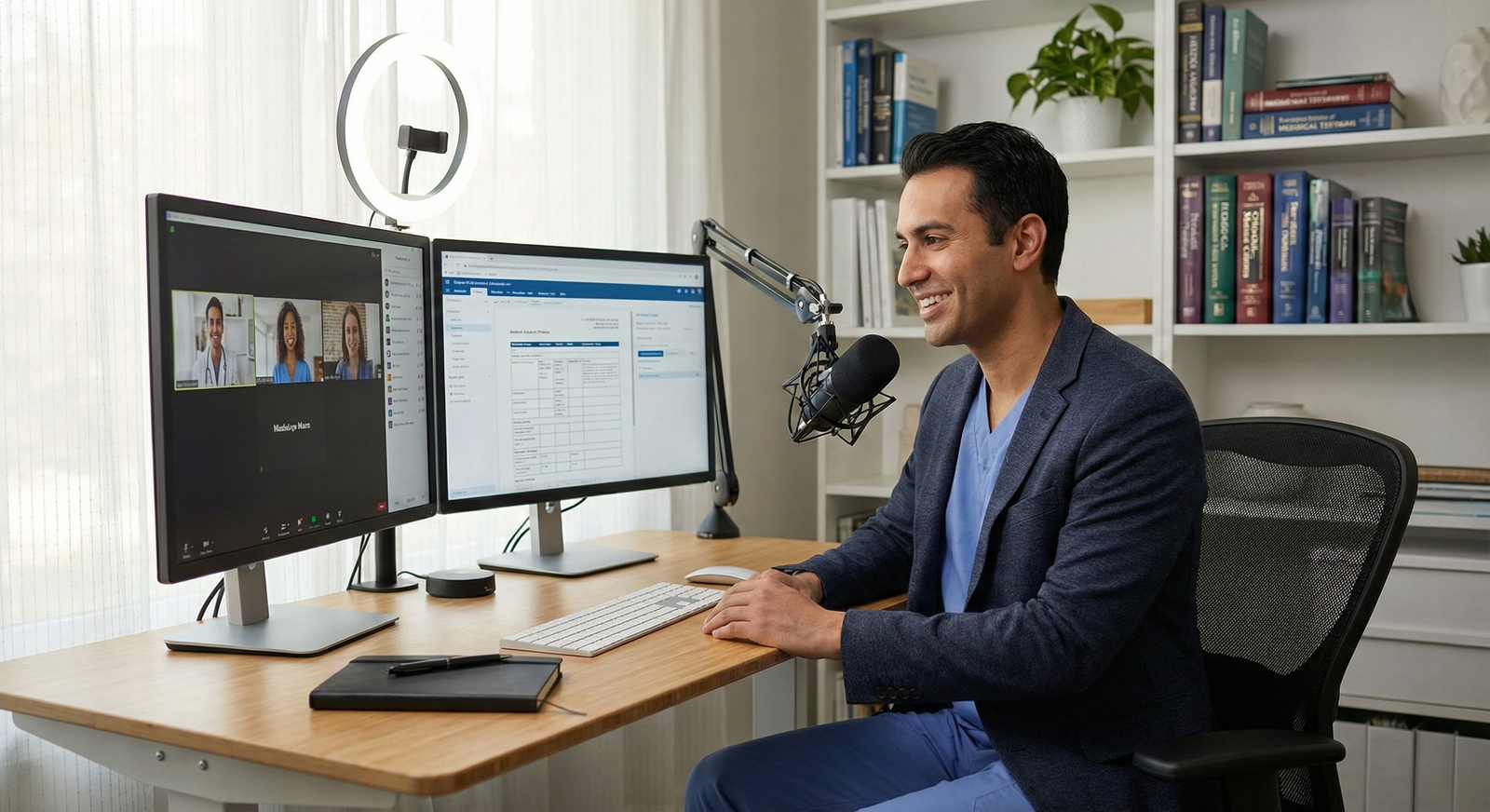
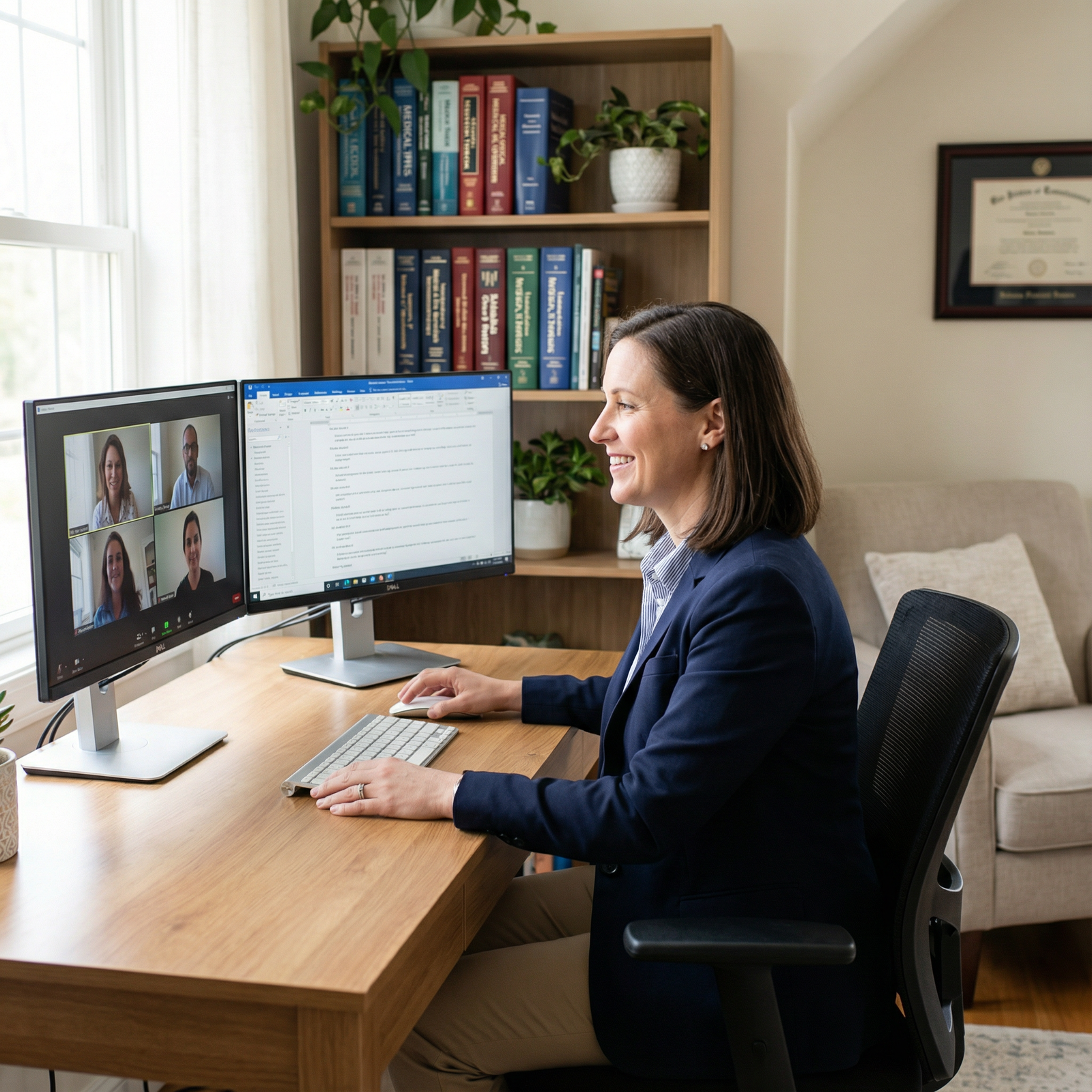
- Remote work: Some programs allow part-time remote work (e.g., data analysis, build, documentation, and meetings via video).
However, there are trade-offs:
- Project deadlines can create surge periods of high intensity—especially during EHR go-live phases or major upgrades.
- If you maintain a part-time clinical practice (e.g., 20–40% clinical time), occasional nights or weekends could still be required.
Overall, compared with many clinical specialties, duty hours in informatics fellowship are generally compatible with sustained work-life balance.
C. Early Career as a Clinical Informatician
Your work pattern after training depends on your mix of:
- Clinical time (practicing your base specialty)
- Informatics time (projects, governance, leadership)
- Academic time (teaching, research), if at a university site
Common arrangements:
- 0.5 FTE clinical / 0.5 FTE informatics
- 0.2–0.3 FTE clinical / 0.7–0.8 FTE informatics
- Full-time informatics leadership (CMIO, Director) after several years of experience
Lifestyle implications:
- More informatics FTE = more business-hours work and less night/weekend duty.
- More clinical FTE = more traditional physician schedule, including call in many specialties.
For many Caribbean IMGs, the long-term goal is to shift progressively toward informatics-heavy roles over 5–10 years, improving flexibility and sustainability.
4. Work-Life Balance Strengths and Stressors in Clinical Informatics
Clinical informatics is attractive for its lifestyle profile, but like any field, it has both advantages and hidden friction points.
Major Lifestyle Advantages
Predictable Hours and Fewer Night Shifts
- Most informatics projects are planned and executed during normal business hours.
- Overnight emergencies related to IT (e.g., downtime) are generally handled by IT on-call teams, not informatics physicians—though senior leaders may be looped in.
Less Physical Fatigue
- You’re not constantly on your feet rounding or in the operating room.
- Work is intellectually demanding but lighter on physical exhaustion, which helps long-term sustainability.
Less Emotional Trauma from Direct Patient Care
- You still have clinical exposure, but much of your energy goes into systems, workflows, and data.
- This buffer can reduce exposure to some of the emotional toll of continuous acute care.
Remote and Hybrid Work Possibilities
- Many health IT training and informatics positions allow partial remote work:
- Data analysis
- EHR build and configuration
- Documentation and report writing
- Video conferences and virtual stakeholder meetings
- This is especially attractive if you’re balancing:
- Parenting or caregiving responsibilities
- Immigration-related travel limitations
- Geographic flexibility for spouse/partner careers
- Many health IT training and informatics positions allow partial remote work:
Scalability of Impact
- Many physicians feel burnt out when they cannot see systemic change.
- In clinical informatics, you can improve workflows for hundreds or thousands of patients and clinicians at once.
- This often increases professional satisfaction, which is a critical dimension of work-life balance beyond hours alone.
Lifestyle Stressors You Should Not Ignore
Project Deadlines and “Go-Live Stress”
- Large EHR projects, new module launches, or system upgrades can mean:
- Evening or weekend work during critical phases
- High-pressure stakeholder expectations
- Compressed timelines and scope creep
- The stress is different from acute clinical emergencies but can be intense in a corporate-project sense.
- Large EHR projects, new module launches, or system upgrades can mean:
Stakeholder Conflict and Politics
- You’re in the middle of clinicians, IT, administration, and sometimes vendors.
- Balancing conflicting demands (e.g., productivity vs. documentation burden, compliance vs. workflow reality) can lead to:
- Meeting fatigue
- Political tensions
- Slow progress despite your best efforts
Cognitive Load and Switching
- You may alternate between:
- Technical meetings with IT
- Bedside rounding or clinic
- Strategic planning with leadership
- Teaching or presentations
- Constant context-switching can be mentally draining, even if the clock hours are reasonable.
- You may alternate between:
Role Ambiguity
- Early-career informaticians sometimes feel pulled in many directions:
- “Clinician”
- “Tech translator”
- “Project manager”
- “Data expert”
- Clarity around your FTE split, responsibilities, and decision-making authority is essential to protect your work-life boundaries.
- Early-career informaticians sometimes feel pulled in many directions:

5. Specific Considerations for Caribbean IMGs
Caribbean IMGs face additional structural factors that impact work-life balance—both during training and early career.
A. Visa and Immigration Pressures
Visa status (J-1, H-1B, O-1, or permanent residency) can influence:
- Job choice flexibility: You may accept higher workload positions in less-desired locations to secure visa sponsorship.
- Fellowship availability: Not all clinical informatics fellowships sponsor visas.
- Support systems: Frequent relocation or limited family support can amplify burnout risk.
Work-life strategy for Caribbean IMGs:
- During residency interviews, ask explicitly about visa sponsorship for fellowships and staff positions at the affiliated systems.
- Prioritize settings that show long-term commitment to IMGs, not just “filling service needs” in residency.
- Whenever possible, align with institutions that have:
- Established clinical informatics programs
- Demonstrated track record of sponsoring and retaining international graduates
B. Financial Considerations
Student loans—particularly for Caribbean medical school graduates—can be substantial. This affects:
- How long you can tolerate lower-paid positions (e.g., academic vs. private).
- Willingness to accept high-volume clinical roles alongside informatics just to manage debt.
Mitigation strategies:
- During residency, seek moonlighting options carefully while staying within duty hours and self-care limits.
- Consider healthcare organizations with:
- Loan repayment programs
- Public Service Loan Forgiveness eligibility
- Long-term, aim for informatician roles that pay competitively, especially once you are board-certified in clinical informatics.
C. Cultural and Communication Dynamics
As a Caribbean IMG, you may encounter:
- Stereotypes about international graduates
- Assumptions about your tech skills or leadership readiness
- Communication style mismatches in high-level meetings
Because clinical informatics is highly collaborative and leadership-oriented, your work-life balance is partly contingent on your comfort in these interactions.
Actionable steps:
- Seek formal training in:
- Leadership communication
- Project management
- Conflict resolution
- Ask fellowship programs about:
- Mentorship structures
- Leadership development curricula
- Join professional groups such as AMIA, and look for committees or interest groups supportive of IMGs and minority physicians.
6. Practical Strategies to Protect Your Work-Life Balance in Informatics
To make clinical informatics a truly lifestyle-friendly specialty, you need deliberate planning.
During Residency
Choose Rotations Strategically
- Electives in:
- Quality Improvement
- Health IT / EHR optimization
- Data analytics
- These rotations are often better-aligned with daytime hours and learning-oriented workloads.
- Electives in:
Document Projects and Outcomes
- Keep a detailed portfolio of:
- QI projects
- EHR enhancements
- Workflow redesign efforts
- This helps you secure a clinical informatics fellowship and eventually less service-heavy roles.
- Keep a detailed portfolio of:
Guard Personal Time
- Set boundaries around post-call recovery.
- Practice efficient documentation and time management to minimize after-hours charting.
During Clinical Informatics Fellowship
Clarify Role and FTE Split Early
- Agree on:
- Expected clinical hours per week or month
- Informatics responsibilities
- Expected presence during go-lives vs. regular weeks
- Agree on:
Learn Project and Time Management Skills
- Use tools (e.g., task managers, shared project boards) to:
- Prioritize tasks
- Avoid last-minute scramble around deadlines
- This is both a professional and a lifestyle skill.
- Use tools (e.g., task managers, shared project boards) to:
Negotiate Remote Work Where Reasonable
- Some aspects (analytics, documentation, asynchronous collaboration) can be done from home.
- Even one remote day per week can improve your overall well-being.
Early Career and Beyond
Be Intentional About Your Clinical-Informatics Mix
- If burnout risk is high:
- Aim for more informatics FTE and fewer night/weekend clinical duties, when financially feasible.
- If you love direct patient care:
- Choose a clinical setting with controlled duty hours—e.g., outpatient or hospitalist groups with solid staffing.
- If burnout risk is high:
Define Boundaries with Stakeholders
- Be clear about:
- Response expectations after hours
- Meeting availability windows
- Escalation paths for true emergencies vs. non-urgent requests
- Be clear about:
Continue Professional Development in Non-Technical Skills
- Leadership, negotiation, and change management directly influence:
- How much friction you face at work
- How much work you do “off the clock” to push projects forward
- Leadership, negotiation, and change management directly influence:
Build a Support Network
- Connect with:
- Other Caribbean IMGs in informatics
- Mentors in your base specialty and in health IT leadership
- A strong network can:
- Open doors to positions with genuinely sustainable workloads
- Provide advice when you’re evaluating job offers and contracts
- Connect with:
FAQs: Work-Life Balance for Caribbean IMGs in Clinical Informatics
1. Is clinical informatics really a “lifestyle residency” option for Caribbean IMGs?
Not exactly. Clinical informatics is a fellowship or subspecialty, not a core residency. Your primary residency (e.g., Internal Medicine, Family Medicine) will often be demanding with traditional duty hours. However, the clinical informatics pathway overall is one of the more lifestyle-friendly long-term careers, particularly once you’re practicing as an informatician with mainly daytime, project-based work.
2. Can I go directly into a clinical informatics fellowship after a Caribbean medical school residency match?
You must complete an ACGME-accredited primary residency (or equivalent) in an eligible specialty before applying to a clinical informatics fellowship. As a Caribbean IMG, your first step is securing a Caribbean medical school residency position (e.g., through an SGU residency match or similar) that is IMG-friendly and has exposure to health IT. Only after finishing that residency can you formally pursue informatics fellowship training.
3. Will I still have night shifts and weekend calls as a clinical informatician?
It depends on your clinical FTE. If you maintain a substantial clinical practice in a specialty with call duties, you’ll likely still have some nights and weekends. Your informatics work, however, is usually concentrated in daytime business hours. Over time, many physicians shift toward more informatics-heavy roles, which typically means more predictable schedules and less overnight work.
4. How can I, as a Caribbean IMG, maximize my chances of a work-life-friendly informatics career?
Focus on three pillars:
- Training Environment: Choose residency programs with reasonable duty hours, strong QI culture, and EHR sophistication.
- Focused Experiences: Seek health IT training opportunities—QI projects, EHR optimization, data analysis—during residency to strengthen your informatics fellowship applications.
- Strategic Career Choices: Post-fellowship, prioritize positions with clear role definitions, balanced clinical-informatics FTE, and institutional support for IMGs, including visa sponsorship if needed.
With intentional planning, clinical informatics can offer Caribbean IMGs a compelling mix of impact, intellectual challenge, and sustainable work-life balance.