Understanding Work–Life Balance in a Preliminary Medicine Year as a Caribbean IMG
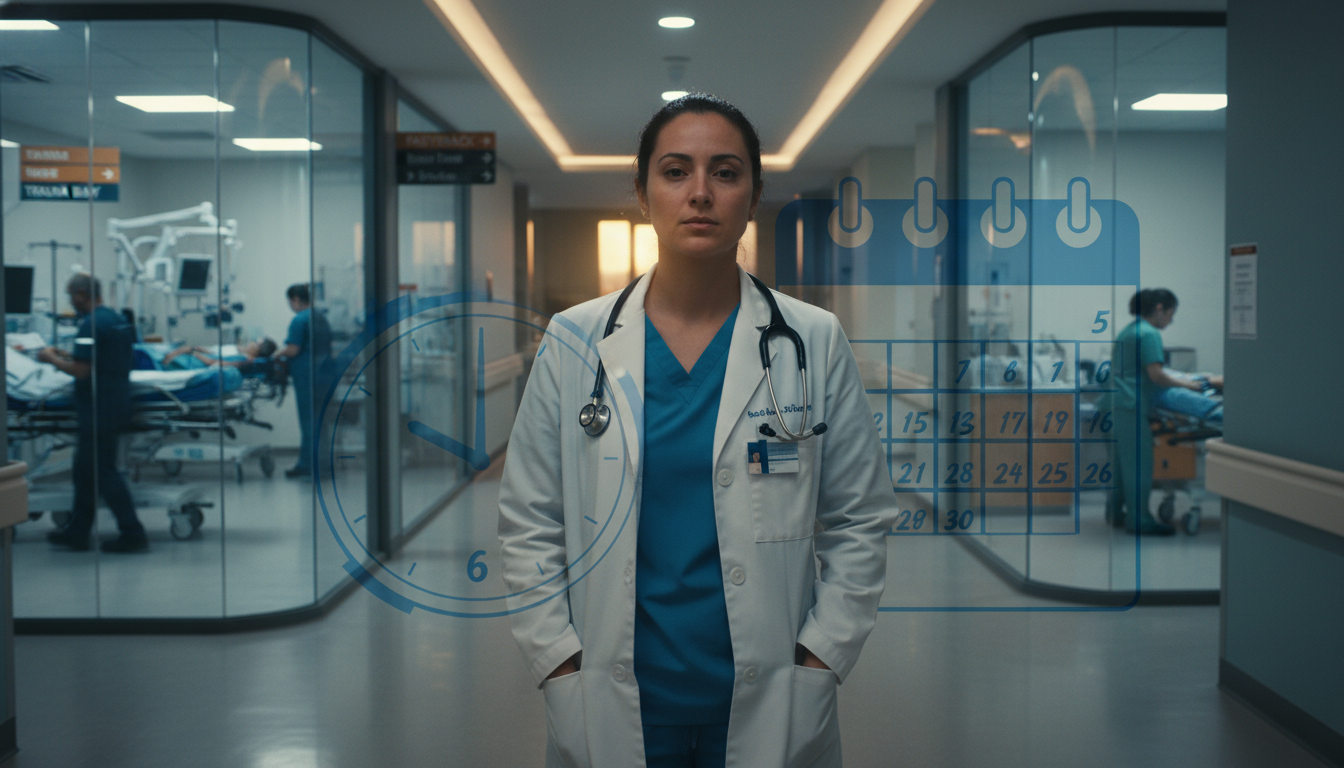
For a Caribbean IMG, a preliminary medicine year can be both a strategic stepping-stone and one of the most grueling periods of your training. It is often the gateway to fields like neurology, anesthesiology, radiology, physical medicine & rehabilitation, dermatology, and even some advanced internal medicine programs. But before you sign up for a prelim IM spot, you need a realistic understanding of residency work life balance, duty hours, and how your status as a Caribbean medical graduate may shape your experience.
This article focuses on work–life balance for Caribbean IMGs in Preliminary Medicine—especially those coming from schools like SGU, AUC, Ross, Saba, etc.—and how to approach this year strategically while preserving your health, relationships, and long‑term career trajectory.
1. What a Preliminary Medicine Year Actually Looks Like
A preliminary medicine year (prelim IM) is a one‑year, usually PGY‑1, position in internal medicine. Unlike categorical internal medicine, it does not guarantee continuation to PGY‑2 within that same program.
Typical reasons Caribbean IMGs pursue a prelim year include:
- As a required PGY‑1 for advanced programs (e.g., neurology, anesthesiology, radiology, PM&R)
- As a bridge when they did not match categorical IM or their preferred specialty
- As a way to prove themselves clinically in the U.S. system and strengthen future applications
Typical Schedule and Duty Hours
Across most prelim IM programs, your schedule will resemble that of categorical IM interns:
- Duty hours:
- Capped at 80 hours/week averaged over 4 weeks (ACGME standard)
- Up to 24+4 hours per continuous in‑house call (24 hours of patient care + 4 hours for transitions, no new patients in those 4 hours)
- 1 day off in 7, averaged over 4 weeks
- Shifts & rotations may include:
- General medicine wards with long days and call nights
- ICU rotations (often the heaviest workload)
- Night float months
- Outpatient clinic (lighter, more lifestyle‑friendly blocks)
- Electives (variable, can be high or low intensity)
Even though duty hours are regulated, reality often pushes toward the upper limit. Documentation, EMR inefficiencies, and workload “spillover” may mean you are mentally in work mode even when technically off‑duty.
How Prelim IM Differs from Categorical IM in Experience
While clinical day‑to‑day work is similar, there are some differences that affect work–life balance:
- Shorter time horizon:
- You only have one year, which intensifies pressure to impress attendings, secures letters, and position yourself for a strong SGU residency match–style outcome, even if you’re not from SGU.
- Less stability:
- Common uncertainty about “what comes next”—Will you match into an advanced spot? Reapply? Transition to categorical internal medicine? This ambiguity adds emotional load.
- Less social integration (sometimes):
- Some programs integrate prelims and categoricals fully; others treat prelims more transiently. Being perceived as “temporary” can affect mentorship and camaraderie, indirectly influencing your well‑being.
Despite these challenges, many IMGs complete prelim years successfully, match into strong advanced positions, and later enjoy very favorable lifestyle residency trajectories (e.g., radiology, PM&R, anesthesia).
2. Unique Work–Life Challenges for Caribbean IMGs in a Prelim Year
Being a Caribbean IMG adds additional layers to the residency experience that can directly and indirectly affect work–life balance.
A. Visa, Finances, and Family Stress
Many Caribbean IMGs face:
- Visa constraints (J‑1 or H‑1B)
- Extra paperwork appointments, anxiety about renewals, and geographic limitations in job searches.
- Financial pressures
- Higher educational debt from Caribbean medical schools and cost of relocation to the U.S.
- Supporting family abroad or back home in the Caribbean.
- Family separation
- Long‑distance relationships or being away from spouse/children.
These issues often translate into:
- Less flexibility to take unpaid time off
- More guilt about not being emotionally or physically available to family
- A constant sense of pressure to “succeed quickly”
B. Perception and Performance Pressure
Caribbean IMGs frequently feel they must “overperform” to counter implicit bias or skepticism about Caribbean medical school residency applicants. This can result in:
- Saying yes to extra shifts or tasks to “prove” dedication
- Reluctance to push back against unsafe workloads or unfair treatment
- Hesitation to request mental health support or schedule adjustments
While professionalism and strong work ethic are essential, chronic overextension is a major early driver of burnout.
C. Social and Cultural Adaptation
You may be adjusting to:
- A different hospital culture than you’ve seen on rotations
- New climate, cost of living, or even accent/language subtleties
- Being apart from familiar Caribbean support systems
This adaptation consumes emotional energy, which can make the same 70–80 hour week feel heavier compared with peers who are “at home” culturally or geographically.

3. Rotation‑by‑Rotation Work–Life Balance: What to Expect
Not all months are equally intense. Understanding how different blocks affect your life outside the hospital helps you plan realistically.
A. Inpatient Ward Months
These are usually the heaviest in prelim IM:
- Schedule:
- 12–14 hour days common, up to 6 days/week
- Depending on program: Q4 call, long shifts, or day + night float coverage
- Workload:
- New admissions, cross‑cover, rapid responses, discharges
- High documentation workload
- Impact on life:
- Social life: Limited; you may only have energy for basic self‑maintenance on off days
- Sleep: Fragmented during call-heavy stretches
- Exercise: Often first thing to be sacrificed
Advice: During ward months, think in short cycles. Your goal is to survive and function, not optimize everything. Pre‑plan meals, automate bills and chores, and protect your post‑call sleep aggressively.
B. ICU Months
ICU can be even more intense than wards:
- Schedule:
- 12–14 hour shifts, often in a 7-on/7-off or blocked schedule
- Nights and weekends routine
- Stressors:
- High‑acuity patients, frequent codes, ethical dilemmas, death and dying
- Impact on life:
- Emotional exhaustion high; second‑guessing decisions may follow you home
- Recovery days require intentional decompression
Advice:
ICU is a classic setting for burnout. Find a decompression ritual: short walk after shift, journaling, or a phone call with a supportive friend. Many Caribbean IMGs carry strong family/community values—lean on that in a structured way.
C. Night Float
Night float often reshapes your sense of time:
- Schedule:
- Nights for 1–4 week blocks, sometimes 6–7 shifts/week
- Benefits:
- Fewer meetings and teaching conferences
- Quieter hospital at certain hours
- Challenges:
- Social isolation (away when friends/family are awake)
- Circadian disruption and sleep inversion
Advice:
Treat night float as a distinct “season.” Minimize daytime commitments; protect your main block of sleep, even if it feels odd socially. Expect mood and patience to be more fragile.
D. Outpatient and Elective Months
These are typically your breathing space:
- Schedule:
- 8–10 hour days, mostly weekdays
- Limited weekends or nights
- Benefits:
- Predictable schedule, better sleep pattern
- Time to attend dental/medical appointments, tackle life admin
- Impact on life:
- Best months to reconnect socially, pursue hobbies, and reflect on your career path
Advice:
Do not waste these months. Use them to:
- Update CV and plan your next application step
- Explore advanced specialties (e.g., neurology, radiology, PM&R) if you haven’t secured a categorical or advanced spot yet
- Rebuild healthy habits (exercise, nutrition, sleep)
4. Strategies to Protect Work–Life Balance as a Caribbean IMG in Prelim IM
While the year is inherently intense, you are not powerless. The aim isn’t to create a “perfect lifestyle residency” out of a prelim medicine year—it’s to make it sustainable and purposeful.
A. Choose Your Program with Lifestyle in Mind
When evaluating offers (or making rank lists), look at more than just name prestige. For Caribbean IMGs, the right fit can be more important than a marginal name advantage.
Key structural factors affecting work–life balance:
- Program size & culture
- Larger programs may distribute call more evenly but feel less personal.
- Smaller programs may be collegial, but gaps in coverage can lead to extra burden.
- Night float vs traditional 24-hour call
- Night float systems often lead to more predictable rest.
- Presence of advanced specialties
- If you’re targeting an advanced field, being in a hospital with that department often improves mentoring and opportunities.
- Wellness infrastructure
- Formal wellness committees, mental health access, and protected didactics are positive signs.
During interviews, ask specific questions:
- “How are duty hours monitored and enforced?”
- “Do interns frequently work beyond scheduled hours?”
- “What wellness resources exist, and are residents actually using them?”
- “How integrated are preliminary interns with categorical residents in terms of teaching and socials?”
Be honest with yourself: the Caribbean medical school residency path is already uphill. You don’t need a program that normalizes chronic duty hour violations and neglects resident well‑being.
B. Time and Energy Management on the Ground
With 60–80 hour weeks, you must become ruthless about priorities.
Use micro‑planning
- Night before: list 3 non‑negotiable tasks for the next day (e.g., “renew visa paperwork, call mom, 15‑min walk”).
- During downtime at work: complete quick life chores (pay bills, schedule appointments).
Standardize clinical workflows
- Develop templates and phrases in the EMR for common notes.
- Batch tasks (call all families at once, write all discharge summaries in a set block of time).
Define “minimum viable self‑care”
- Instead of ideal 1‑hour workout, aim for:
- 10–15 minutes of walking or stretching
- 5 minutes of diaphragmatic breathing before sleep
- Replace perfectionism with consistency.
- Instead of ideal 1‑hour workout, aim for:
Manage your phone
- Turn off non‑essential notifications while on wards/ICU.
- Have a default “wind‑down” time when you stop checking email/texts about work after leaving the hospital (except for emergency calls).
C. Build a Support Network Early
Isolation worsens burnout, especially for IMGs far from home.
Within residency:
- Get to know your co‑interns and seniors; invite people to quick coffee or lunch, even if your time is limited.
- Identify at least one attending or senior resident who seems IMG‑friendly and ask them to be an informal mentor.
Outside residency:
- Find Caribbean or IMG communities in your area (Facebook groups, WhatsApp groups, hospital diversity or international committees).
- Stay grounded in your cultural identity—Caribbean food, music, or religious/spiritual communities can offer real psychological nourishment.
Back home:
- Set realistic expectations with family:
- Explain call schedules and why you might not respond instantly.
- Create a predictable time (e.g., Sunday afternoon) to connect deeply.
- Set realistic expectations with family:
D. Protecting Mental Health
Residency burnout and depression are common, and IMGs can be especially vulnerable.
Warning signs to watch for:
- You no longer enjoy anything, including off‑days or calling loved ones.
- You feel emotionally numb or excessively irritable most days.
- You have persistent thoughts of failure, worthlessness, or hopelessness.
- You think about self‑harm, or “not waking up” feels like a relief.
Action steps:
- Use confidential mental health resources:
- Many institutions have employee assistance programs (EAP), counseling hotlines, or resident wellness clinics.
- Reach out to:
- A trusted co‑resident or chief resident.
- Faculty advisors or program directors—many would rather adjust your schedule slightly than risk you burning out or leaving.
- If experiencing suicidal thoughts:
- In the U.S., call or text 988 (Suicide & Crisis Lifeline) or present to the nearest emergency department.
Seeking help will not automatically end your career. Ignoring serious distress is actually more dangerous for you and for patient safety.

5. Turning a Hard Year into a Launchpad for a Better Lifestyle Residency
A key reason many Caribbean IMGs accept the intensity of a preliminary medicine year is to reach a more lifestyle-friendly specialty. The year can be strategically managed to increase your odds of landing in a better work–life situation long‑term.
A. Link Your Prelim Year to Your Long‑Term Goals
Be explicit about where you want to go:
- Neurology, Radiology, Anesthesiology, PM&R, etc.
- These often offer significantly better work life balance in attending life than hospitalist internal medicine or surgery, especially if you prioritize the right practice setting.
- Future SGU residency match–style success metrics:
- Strong US clinical performance and letters of recommendation
- Evidence of resilience and professionalism
- Appropriate research or scholarly output
At the start of your prelim year:
- Inform your program leadership and mentors of your goals.
- Ask which rotations or attendings are crucial to impress if you want letters for your target specialty.
B. Optimize for Strong Letters Without Self-Destructing
To get powerful letters while maintaining balance:
On key rotations (e.g., with letter‑writers):
- Be reliably prepared: know your patients cold; read briefly each night about major diagnoses or admissions.
- Be teachable: ask focused questions, show growth over the rotation.
- Be team‑oriented: help co‑residents when able without routinely sacrificing your own sleep or safety.
Communicate boundaries professionally:
- It is possible to be dedicated and say, “I’m at my duty hour limit and need to sign out” in a calm, clear way.
- Use the structure:
- State facts: “I’ve reached 80 hours this week as per my scheduled shifts.”
- Express concern: “I want to follow duty hour policies and provide safe care.”
- Ask for guidance: “How would you like me to hand off this remaining work?”
Avoid chronic martyrdom:
- Doing 120% effort on every rotation may feel heroic but is unsustainable.
- Focus on 100% on high‑yield rotations and at least 85–90% on lower‑yield months where you recover.
C. Use the Prelim Year to Learn Your Personal Limits
You will leave this year with an unusually clear sense of:
- How many hours/week you can work sustainably
- How you respond to overnight schedules
- What kinds of patient care (ICU vs clinic vs procedures) you enjoy versus tolerate
Use this insight when choosing or confirming your advanced specialty and future job:
- If nights and shifts wreck you:
- Future consider outpatient neurology, clinic‑heavy PM&R, or radiology groups with minimal call.
- If you thrive in acute-care chaos but still want reasonable balance:
- Anesthesiology or critical care with team-based schedules and enforced duty hours might fit.
- If clinic days feel easier on your energy:
- Outpatient-oriented specialties or mixed models may provide more stable residency work life balance later.
6. Practical Work–Life Balance Checklist for Caribbean IMGs in Prelim Medicine
Here is a concise framework you can revisit throughout the year:
Before You Start
- Honestly assess your financial situation, visa status, and support system.
- Choose the best overall fit program you can (not only name prestige).
- Set expectations with family and partners about your schedule and availability.
- Clarify your long‑term specialty goals and identify potential mentors.
During Heavy Rotations (Wards/ICU/Night Float)
- Aim for 1–2 small self‑care actions daily (walk, brief stretching, short prayer/meditation).
- Limit perfectionism: prioritize safe, complete care over over‑polishing notes.
- Protect sleep like a medical intervention—dark room, earplugs, phone on Do Not Disturb.
- Notice early signs of burnout and speak with a trusted colleague or chief resident.
During Lighter Rotations (Clinic/Electives)
- Schedule healthcare, dental, visa, and banking appointments.
- Work on applications (advanced positions, fellowships, or categorical reapplications).
- Reconnect intentionally with friends and family.
- Reflect: Is your current long‑term specialty goal still the right fit?
Continuously
- Track your duty hours honestly; escalate chronic violations.
- Maintain at least one hobby or activity not connected to medicine.
- Keep a simple log of clinical successes and learning points.
- Reaffirm why you chose this path—especially on difficult days.
FAQs: Work–Life Balance for Caribbean IMGs in Preliminary Medicine
1. Is a preliminary medicine year always worse for work–life balance than categorical internal medicine?
Not necessarily. The daily clinical work and duty hours are usually similar. What often makes a prelim IM year feel harder is uncertainty (about next steps) and pressure to perform quickly for letters and reapplications. Some programs treat prelims identically to categoricals, which can ease the experience; others show less investment in prelims, which increases stress.
2. Can a Caribbean IMG in prelim IM still have any social life or hobbies?
Yes, but they must be minimalist and intentional. You’re unlikely to maintain multiple demanding hobbies, but you can usually sustain one consistent activity (e.g., 2–3 short workouts per week, religious services twice a month, or a weekly video call with close friends). The key is abandoning the idea of a “normal” schedule and designing a simpler, realistic off‑duty life.
3. How do duty hours actually work in practice, and what if my program violates them?
ACGME duty hours cap you at 80 hours/week averaged over four weeks, with at least one day off in seven and no more than 24+4 consecutive hours in-house. In reality, you may sometimes work slightly beyond your shift for sign‑out or emergencies, but systematic overages are a red flag. You should:
- Log your hours accurately in the tracking system.
- Talk to your chief residents if chronic violations occur.
- If unaddressed, speak with your program director or GME office.
As a Caribbean IMG you may fear retaliation, but chronic unsafe hours threaten patient safety and resident well‑being. Programs are evaluated on these metrics.
4. Is doing a prelim IM year worth it for better lifestyle residencies like radiology, PM&R, or anesthesiology?
For many Caribbean IMGs, yes—if you approach it strategically. A solid prelim year with strong letters can open doors to advanced specialties that ultimately offer far better long‑term lifestyle and work life balance than many front‑line hospital positions. The key is to view the prelim year as a high‑intensity but temporary investment: protect your health, align your rotations with your goals, and consistently build your application for the next step.
A preliminary medicine year as a Caribbean IMG is demanding, but not impossible to balance. You may not achieve perfect harmony between work and personal life, yet with realistic expectations, smart program choice, deliberate self‑care, and strong mentorship, this year can serve as a powerful bridge to a more sustainable, fulfilling medical career.