Clinical informatics is often described as one of the most flexible and lifestyle-friendly paths for physicians who want to stay connected to patient care while leaving the 2 a.m. pages behind. But what does work-life balance actually look like in this field? How do you realistically assess whether a clinical informatics fellowship and subsequent career can support your personal and professional goals?
This guide walks you through a structured, honest assessment of work-life balance in clinical informatics—from fellowship years to early attending roles and beyond.
Understanding Work-Life Balance in Clinical Informatics
Work-life balance in clinical informatics looks very different from traditional shift-based specialties like EM or surgery, and even from many outpatient fields.
What “Balance” Means in This Specialty
For clinical informatics, balance usually centers around:
- Predictable daytime hours: Many roles are primarily Monday–Friday, business hours.
- Project-based work: Workload fluctuates with go-lives, upgrades, and major implementations.
- Cognitive intensity vs. physical fatigue: Work is mentally demanding but rarely physically exhausting.
- Less emergency-driven disruption: True middle-of-the-night emergencies are uncommon, but production outages or go-lives can create transient high-intensity periods.
- Hybrid/remote options: Many health IT and analytics tasks can be done remotely, especially in mature organizations.
However, clinical informatics is not universally “cush” or low-stress. New projects, political dynamics, tight timelines, and complex stakeholder needs can create high cognitive load and time pressure, especially around major EHR changes.
How It Compares to Traditional Clinical Roles
Compared to a typical residency or many clinical jobs:
- Duty hours during fellowship are often significantly lighter than core residency, though they may not be strictly capped by ACGME in the same way as primary specialties.
- Nights and weekends are generally minimal, though some on-call rotation or off-hours support may be expected.
- Non-clinical time is protected and structured toward informatics projects, meetings, and training in health IT.
- Lifestyle residency appeal: Informatics is commonly cited as part of “lifestyle” career paths because of its flexibility, ability to move partially or fully away from direct patient care, and opportunities for remote or industry work.
Before assuming it’s automatically lifestyle-friendly, you need to understand the type of role, the institution’s culture, and your own tolerance for project-based peaks in workload.
Work-Life Balance During a Clinical Informatics Fellowship
A clinical informatics fellowship is often the first exposure residents have to structured health IT training. Understanding the balance during these two years is essential when making the decision to apply.
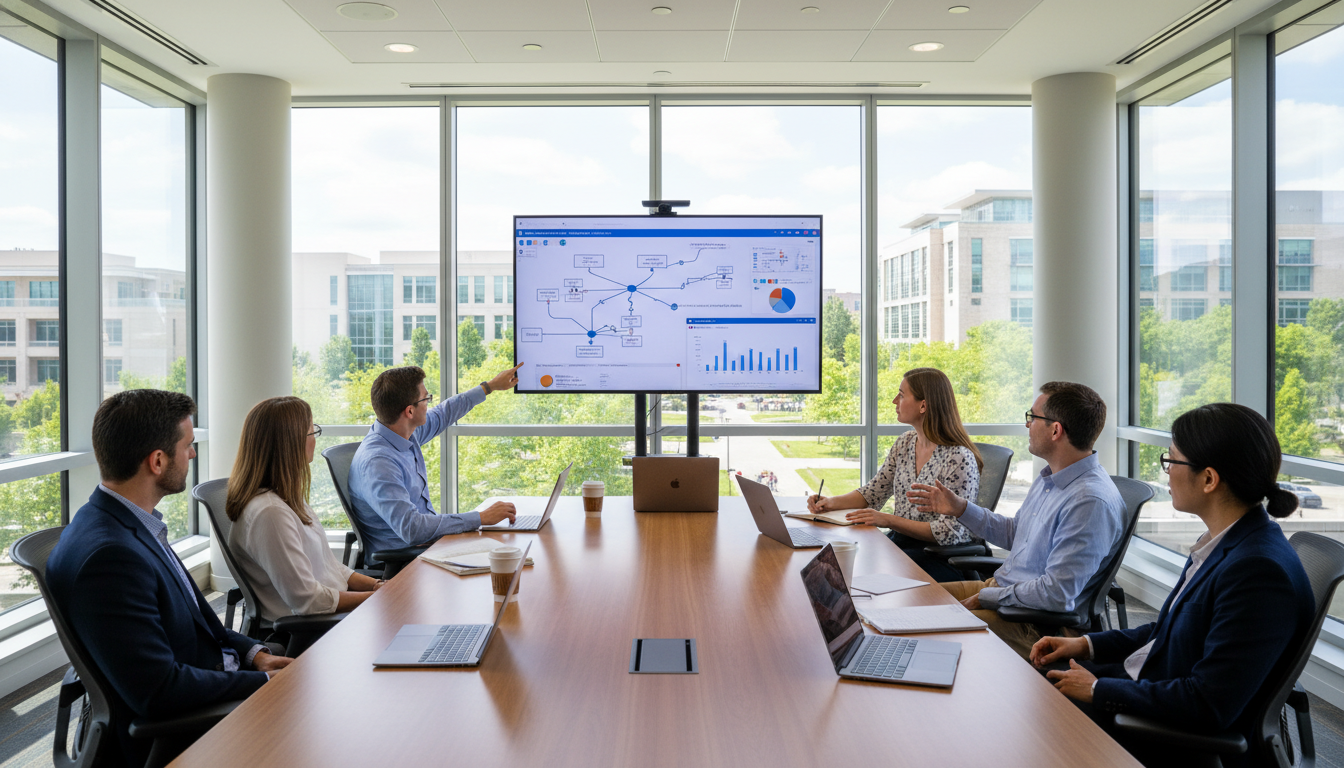
Structure of a Typical Informatics Fellowship
Most ACGME-accredited clinical informatics fellowships:
- Are 2 years in length
- Mix clinical duties in your primary specialty with informatics project time
- Emphasize:
- EHR optimization and governance
- Data analytics and decision support
- Workflow redesign and quality improvement
- Health IT safety and usability
- Project management and leadership
This blend influences work-life balance in important ways.
Duty Hours and Clinical Load
Duty hours in clinical informatics fellowships are usually much more manageable than a typical residency block schedule, but they vary by program type and your base specialty.
Common patterns:
- Clinical time: Often 20–40% of your total effort, depending on your primary specialty and the program’s funding model.
- Example: An internal medicine-trained fellow might do 1–2 half-days of clinic plus 1–2 weeks of inpatient service per block.
- An emergency medicine-trained fellow might have shifts grouped into dedicated clinical weeks.
- Duty hours: While your clinical time is usually structured within traditional duty-hour norms, your informatics work is more akin to a non-clinical job and tends to be regular weekdays. You may occasionally stretch hours during big go-lives or deadlines.
Compared with core residency, most fellows report:
- Fewer total hours per week overall
- Much more control over when and where non-clinical work is done
- Better sleep schedules and more predictable evenings
Call Responsibilities
Call during fellowship varies by institution:
- No call at all: Some programs have no formal call and no overnight duties beyond your base specialty’s normal expectations.
- Clinical call only: You follow the same call patterns as a junior attending in your specialty.
- Informatics-related call: Relatively rare, but may include:
- Go-live support hotlines
- Being available during critical cutovers or upgrades (often once or twice a year)
- Participating in change control after hours
These aren’t usually high-frequency, but they can temporarily impact your residency work life balance mindset if you’re expecting zero after-hours work.
Typical Weekly Schedule Example
A realistic week for an informatics fellow might look like:
- Monday:
- 8–12: Clinical clinic or rounding
- 1–5: Project meetings, working on CDS build, emails
- Tuesday–Wednesday:
- 8–12: Informatics education (seminars, journal club, data science coursework)
- 1–5: Independent project work or stakeholder interviews
- Thursday:
- 8–5: Protected project time (working from home possible, depending on culture)
- Friday:
- 8–12: Governance committee or IT leadership meeting
- 1–3: Documentation, presentation prep
- 3–5: Early wrap-up, academic time, or self-directed learning
Even in a busy program, evenings and weekends are typically far more flexible than during core residency.
Factors That Can Disrupt Balance During Fellowship
Be alert to these potential stressors:
- Major EHR implementations or upgrades that require:
- Long days during preparation and go-live weeks
- Some weekend or evening cutover support
- Understaffed clinical services where fellows are heavily relied upon
- Poorly defined fellow roles, leading to:
- Excessive meetings
- Hard-to-say-no “voluntold” projects
- Long commutes between clinical sites and IT offices
When interviewing, ask specifically:
- “Across the last year, what’s the average weekly workload for your fellows?”
- “How many weekends or late nights were required for system go-lives?”
- “How do you protect fellow time during intense project periods?”
Post-Fellowship Career Paths and Lifestyle Implications
The clinical informatics fellowship is only part of the story. Long-term work-life balance depends much more on the type of job you take afterwards.
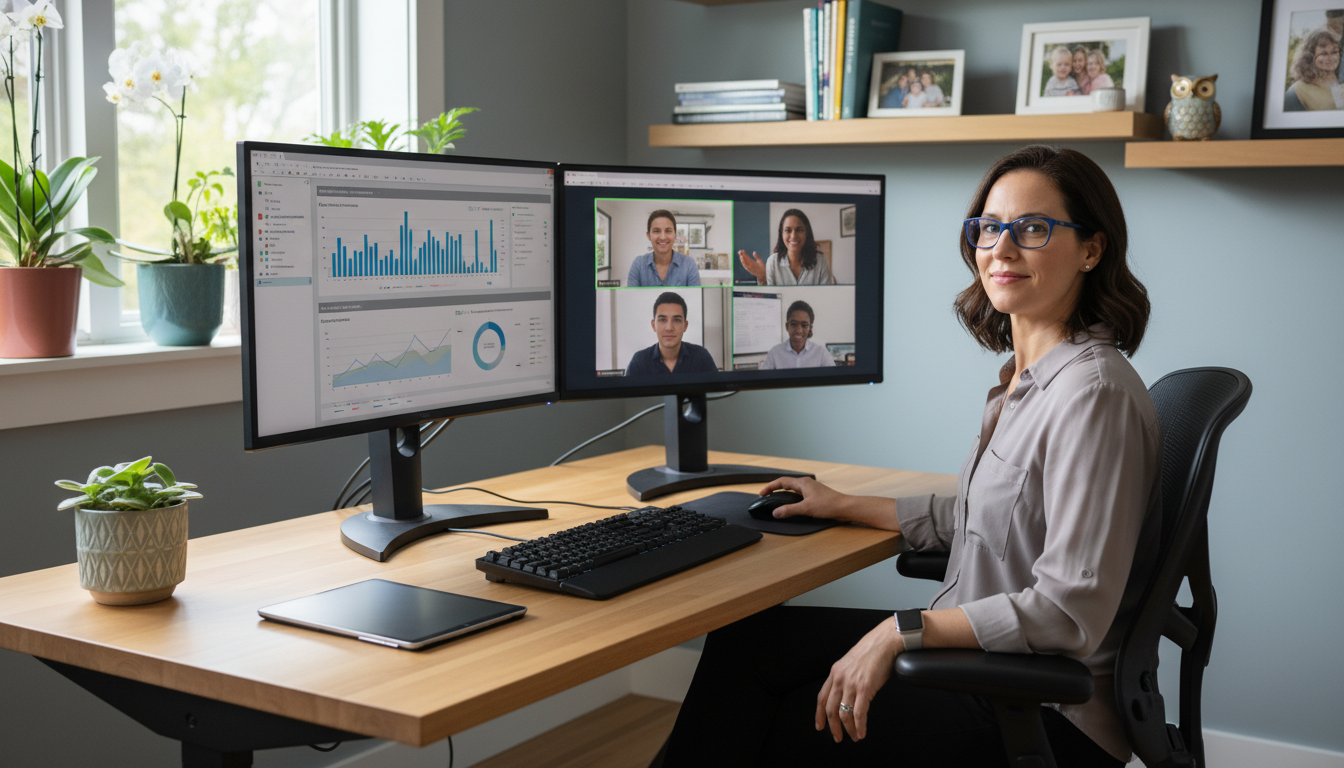
Common Career Models After Fellowship
Hybrid Clinical + Informatics Role (Most Common)
- Example: 0.5 FTE hospitalist, 0.5 FTE informaticist
- Balance:
- More variety but also two sets of demands
- Night and weekend work tied to your clinical specialty
- Informatics tasks often daytime, but deadlines may bleed into evenings
- Ideal for:
- Physicians who want to maintain strong clinical identity
- Those who enjoy blending direct care with system-level change
Primarily Non-Clinical Informatics Role in a Health System
- Example: 0.8–1.0 FTE informatics, minimal or no clinical work
- Balance:
- Often true Monday–Friday, business hours
- On-call for major outages or go-lives may exist but is usually rare and compensated
- Ideal for:
- Those prioritizing steady hours, fewer shifts, and long-term lifestyle residency goals
- Physicians interested in leadership, strategy, and enterprise-level projects
Industry or Vendor Roles (EHR companies, startups, consulting)
- Balance:
- Can be very flexible and remote, especially in mature organizations
- Travel expectations may be significant in consulting or implementation roles
- Startups may demand long hours and fast turnaround times
- Ideal for:
- Those seeking dynamic projects and high-impact innovation
- Physicians comfortable with less traditional, more entrepreneurial career paths
- Balance:
Academic Roles
- Example: Faculty informaticist with teaching, research, and institutional IT responsibilities
- Balance:
- Mix of structured and self-directed time
- Pressure to publish, obtain funding, and serve on committees can increase workload
- Ideal for:
- Physicians who enjoy mentoring, scholarship, and influencing training programs
Typical Work Week in a Post-Fellowship Role
For a full-time health system informaticist:
- Hours: Often around 40–50 hours/week, with spikes during go-lives.
- Nights/weekends: Limited, except during:
- EHR implementations
- System outages
- Critical upgrade windows
- Remote work: Many teams now offer hybrid models (e.g., 2–3 days/week on-site, rest remote).
For a hybrid clinical + informatics role, your work week might be:
- 2–3 clinical days (or equivalent shifts) with associated nights/weekends based on your specialty
- 2–3 days of daytime informatics work
- Some asynchronous evening time reviewing emails, dashboards, or slide decks
Burnout Risks in Clinical Informatics
Even with relatively favorable hours, burnout can occur due to:
- Constant exposure to system-level problems without quick solutions
- Complex politics between clinicians, IT, administration, and vendors
- High expectations to “fix” EHR frustrations quickly
- Role ambiguity—being both clinician and IT translator
Protective factors include:
- Clear job descriptions and realistic project scopes
- Supportive leadership who value physician well-being
- Teams with non-physician analysts and project managers sharing the workload
- Autonomy in choosing projects and focus areas
Framework: How to Personally Assess Work-Life Balance Fit
To systematically evaluate whether a clinical informatics path will support your desired lifestyle, use a three-part framework:
- Self-assessment
- Program or employer assessment
- Longitudinal lifestyle planning
1. Self-Assessment: Clarifying What You Need
Be honest about your priorities before you apply to fellowships or jobs. Ask yourself:
- How important is:
- Predictable evenings and weekends?
- Ability to live in a specific city/region?
- Income vs. time off?
- Working from home or flexible location?
- Ongoing direct patient care?
- Am I comfortable with:
- Intense but temporary project cycles?
- Being on-call for EHR or IT issues a few times a year?
- Leading meetings and managing complex stakeholders?
If you are strongly oriented toward lifestyle residency and long-term lifestyle stability, clinical informatics can be a great match—especially if you choose a primarily non-clinical or hybrid role with limited nights.
2. Program or Employer Assessment: Questions to Ask
For Fellowship Programs:
Duty hours and workload
- What is the typical weekly schedule for informatics fellows?
- How many evenings or weekends are fellows expected to work per month?
- During the last EHR go-live, how many extra hours did fellows work?
Clinical expectations
- What percentage of time is clinical vs. informatics?
- How are clinical schedules created, and how much control do fellows have?
- Are fellows treated like junior attendings, moonlighters, or residents in clinical settings?
Role clarity
- Are fellows primarily observers, project leaders, analysts, or liaisons?
- How many major projects is each fellow expected to lead concurrently?
For Post-Fellowship Jobs:
Work schedule
- What are the core hours? Is there protected no-meeting time?
- How often do system cutovers or go-lives happen, and what’s expected of informaticists?
Call and off-hours work
- Is there an on-call rotation for clinical systems or EHR incidents?
- When major outages occur at night, who is contacted?
Flexibility
- Is remote or hybrid work allowed?
- Is schedule flexibility possible around family or personal commitments?
Culture and support
- How does leadership measure success—hours worked, number of projects, user satisfaction, or outcomes?
- Do physicians in this role take full vacations without being disturbed?
3. Longitudinal Planning: Seeing the Big Picture
Think beyond the first job:
- How will your clinical and informatics mix evolve over 5–10 years?
- Are you aiming for leadership (CMIO, VP, Chief Digital Officer)?
- These roles may come with more responsibility and time pressure, even if hours are still mostly daytime.
- Are you open to transitioning to part-time work, consulting, or industry roles later?
- How might major life events (children, elder care, relocation) interact with:
- Call schedules
- Travel requirements
- Night/weekend implementations
Clinical informatics is versatile; your career can be adjusted over time to better support evolving work-life needs, but only if you choose positions that allow for growth and flexibility.
Practical Strategies to Protect Your Balance in Clinical Informatics
Even in a relatively lifestyle-friendly specialty, daily habits and boundaries matter. Here’s how to optimize your residency work life balance mindset and carry it into fellowship and beyond.
1. Set Clear Boundaries Early
- Define when you’re “off”:
- Turn off non-urgent email notifications after certain hours.
- Share your availability with your team and stick to it.
- Negotiate expectations:
- Clarify with your supervisor how quickly you are expected to respond to messages.
2. Manage Project Load
- Be realistic about capacity:
- Limit yourself to a manageable number of active projects.
- Use project management tools to visualize workload.
- Learn to say “not now”:
- Offer timelines that are reasonable and defend them with clear rationale.
3. Use Your Flexibility Intentionally
In many informatics roles, you’ll have flexible daytime:
- Schedule personal appointments during lighter meeting days.
- Batch focused work (data analysis, documentation) into blocks to reduce after-hours spillover.
- Consider occasional remote days to:
- Reduce commute time
- Increase deep work productivity
4. Maintain Clinical Skills Strategically
If you choose hybrid work:
- Select clinical roles that match your lifestyle goals:
- Daytime clinic vs. heavy overnight call
- Hospitalist weeks vs. scattered shifts
- Negotiate FTE and shift expectations clearly:
- Understand exactly how many shifts or clinics you’re responsible for.
- Confirm how informatics and clinical supervisors coordinate.
5. Monitor Your Own Burnout Risk
Watch for:
- Emotional exhaustion after meetings and conflict-heavy days
- Cynicism about change management or leadership decisions
- Feeling “always on” and unable to disconnect from email or Slack
Respond early:
- Take full vacations and truly disconnect
- Request adjustments in project assignments during unsustainably busy cycles
- Seek mentorship from more senior informaticists who have navigated these challenges
FAQs: Work-Life Balance in Clinical Informatics
1. Is clinical informatics considered a “lifestyle residency” or fellowship?
Clinical informatics is widely viewed as lifestyle-friendly compared to many core clinical specialties, particularly in terms of nights, call, and predictable hours. Most fellows and attendings work predominantly weekday, daytime hours with limited weekends. However, intense project periods and some off-hours responsibilities still exist, especially during EHR go-lives or system outages.
2. How many hours per week do clinical informatics fellows typically work?
Most report working around 45–55 hours per week, with variation based on clinical load, institutional expectations, and major projects. Duty hours are usually substantially better than core residency, and overnight work is infrequent. Always ask current fellows at specific programs for recent, realistic numbers.
3. Will I have to take call in a clinical informatics job?
Not always. Some roles have no formal call, while others include:
- Clinical call related to your primary specialty
- Rotational on-call for EHR or IT incidents
- Expected availability during go-lives or critical upgrades
The frequency is usually low, but it’s essential to clarify exactly how often and what “call” entails at each institution.
4. Can clinical informatics roles be done remotely?
Many can, especially in mature health systems and industry or vendor positions. A hybrid model—some days on-site, some days remote—is increasingly common. However, early leadership roles or highly integrated hospital positions may require regular in-person presence for meetings, shadowing, and stakeholder engagement.
Clinical informatics can offer an outstanding balance of meaningful impact, intellectual challenge, and protectable personal time—if you carefully choose your training environment and subsequent roles. By systematically evaluating duty hours, role expectations, institutional culture, and your own priorities, you can craft a career in health IT that supports both your professional aspirations and your life outside of medicine.