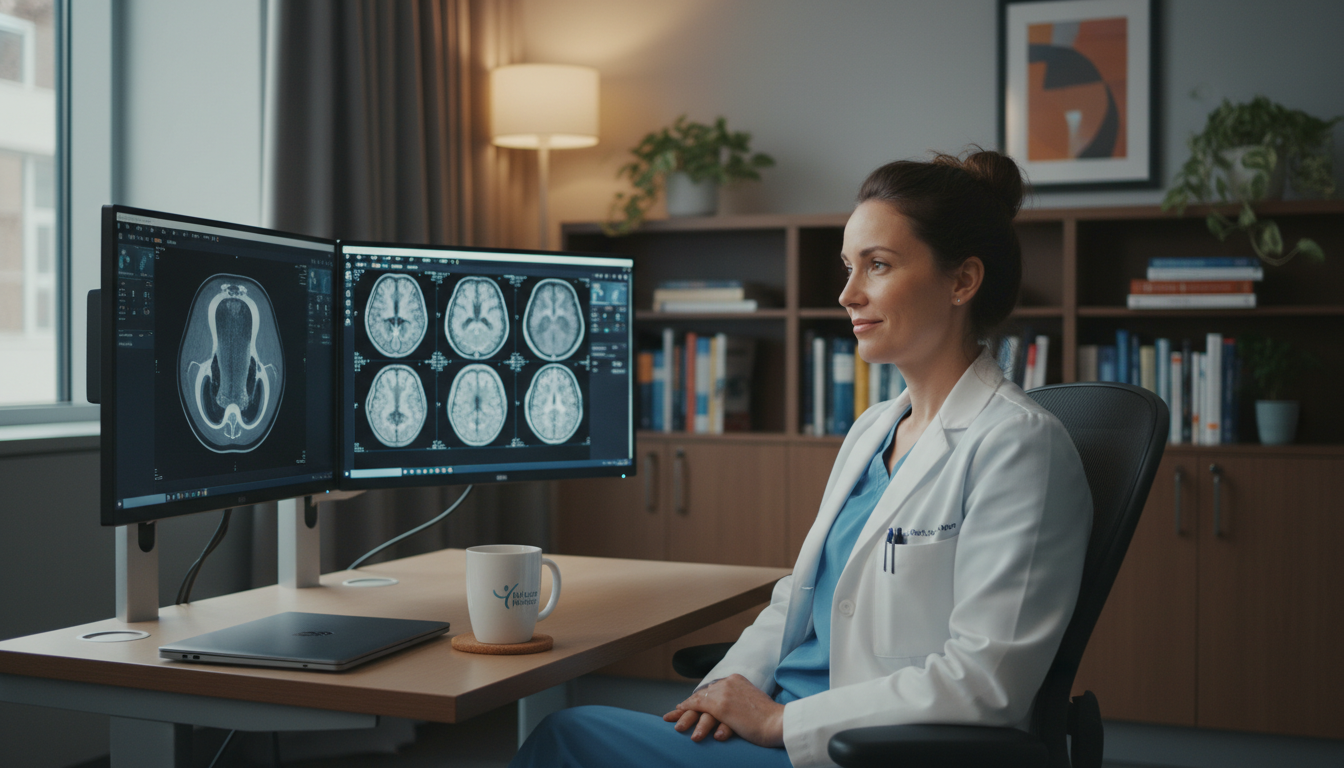
Understanding Work-Life Balance in Diagnostic Radiology
Diagnostic radiology is frequently cited as a “lifestyle residency” and often appears on lists of most lifestyle-friendly specialties. But what does that actually mean when you’re the one living the schedule, managing duty hours, and preparing for the diagnostic radiology match?
For many applicants, radiology’s reputation for better-than-average residency work life balance is a major draw—but realities vary widely by program, training year, and practice setting. This guide breaks down what work-life balance truly looks like in diagnostic radiology, what factors matter most, and how to critically assess programs during your application and interview process.
We’ll focus on:
- Typical schedules and duty hours in radiology residency
- Call structures and how they impact lifestyle
- Program characteristics that influence workload and burnout risk
- How to evaluate work-life culture during the diagnostic radiology match
- Practical strategies to protect your own balance as a trainee
Whether you’re just starting to explore radiology or actively building your rank list, this article is designed to help you make informed, realistic decisions.
1. “Lifestyle Residency” in Context: Radiology vs Other Specialties
Radiology is often considered one of the more lifestyle-friendly specialties—but that label can be misleading without context.
1.1 Why Radiology Is Seen as Lifestyle-Friendly
Several structural features tend to support a better residency work life balance than many procedurally heavy or inpatient-driven specialties:
Predictable daytime schedules
Most daytime rotations approximate a 7:30/8:00 AM to 5:00/6:00 PM schedule. When the workday ends, you generally hand off and go home—no rounding lists or pages overnight.Limited direct inpatient responsibility
Radiologists support patient care diagnostically but rarely carry primary responsibility for inpatient admissions, discharges, or overnight management.Less physical fatigue
Work is cognitively demanding but physically less taxing than surgical or procedural fields. You’re mostly at the workstation, not on your feet for 12–14 hours in the OR.Few emergencies outside call
Emergencies are concentrated into defined call or night float blocks rather than being a constant daily risk.
Compared to surgery, OB/GYN, or critical care-oriented specialties, radiology can be a highly lifestyle-friendly choice—especially long term.
1.2 Where the “Lifestyle” Narrative Can Be Misleading
The phrase “lifestyle residency” can obscure some real challenges:
High cognitive load and time pressure
You may read dozens to over a hundred studies in a day on some services. The pace can be relentless, and the expectation for accuracy remains high.Growing imaging volumes
In many institutions, imaging volumes increase faster than staffing, which can create sustained workload pressure.Call and nights can be intense
Trauma centers and tertiary hospitals may have busy overnight shifts with nonstop CTs and emergent reads.High stakes decisions
A missed finding can drastically affect a patient’s outcome and carries potential medicolegal implications.
The truth: diagnostic radiology often provides a more sustainable lifestyle than many specialties, but it is not “easy” and should not be chosen solely for hours. It’s best for those who genuinely enjoy image interpretation and complex diagnostic problem-solving.

2. Duty Hours, Schedules, and Call: What to Expect
Understanding typical schedules is central to assessing the work-life balance of a radiology residency.
2.1 Duty Hours in Diagnostic Radiology Residency
Radiology residency programs are bound by ACGME duty hour rules, including:
- Maximum 80 hours per week, averaged over 4 weeks
- One day off in seven, averaged over 4 weeks
- In-house call no more frequently than every third night
- Minimum rest periods between shifts (often 10 hours)
In practice, radiology residents in many programs:
- Average 50–65 hours per week during typical daytime blocks
- Occasionally approach 70–80 hours during heavy call or night float weeks
- Have weekends off during many non-call rotations
Compared with many other residencies, the actual hours worked often support a more favorable residency work life balance—though program specifics matter greatly.
2.2 Typical Daytime Schedules by Rotation
While schedules vary, a general pattern is:
Core rotations (e.g., body CT, chest, neuro, MSK):
- Start: 7:30–8:00 AM
- End: 5:00–6:00 PM
- One late-stay resident may cover until 8–10 PM in some systems
Fluoroscopy and procedural services (GI/GU fluoro, IR support):
- Early start (7:00–7:30 AM) with cases scheduled through late afternoon
- Occasional stay-late if cases run over
Pediatric radiology rotations:
- Often slightly more regular daytime hours given children’s hospital scheduling
Breast imaging:
- Clinic-style schedule (e.g., 8:00 AM–5:00 PM), with predictable breaks and lunch
The majority of days end at a reasonable hour, which is a major factor in radiology’s reputation as a lifestyle residency.
2.3 Call Structures and Night Float
Call is where variability between programs becomes most apparent—and where you should pay close attention.
Common call models:
Night Float System
- Blocks of consecutive nights (e.g., 5–7 nights)
- Typical hours: 8 or 10 PM–7/8 AM
- Residents may do several weeks per year, particularly in PGY-3 and PGY-4
- Pros: contained disruption; days and evenings free outside those weeks
- Cons: intense fatigue during blocks, heavy case volume at busy centers
Home Call (less common for primary ER coverage)
- You’re available by phone/computer; may need to come in for procedures
- More common later in training, or for subspecialty rotations/fellowship
Traditional In-House Call (shorter shifts)
- 12-hour overnight or evening shifts integrated into schedules
- Can be paired with daytime responsibilities, which may push hours higher if not protected properly
Night work is a significant strain on work-life balance. You should ask:
- How many weeks of nights do residents do per year, by PGY level?
- How is recovery time structured (post-call days, schedule protections)?
- How many attendings or fellows are present or available overnight for backup?
- What is the typical imaging volume per night, and how has it changed in recent years?
Programs that manage duty hours thoughtfully and support rest and recovery will feel very different from those that maximize service without adequate protections.
3. Key Program Factors That Influence Work-Life Balance
Not all radiology residencies are created equal. Several structural and cultural elements greatly influence resident lifestyle.
3.1 Program Size and Coverage Model
Larger programs (e.g., 30–60 residents):
- More residents to share call
- Ability to assign dedicated “float” or backup residents
- Greater flexibility in schedule changes
- But also: higher service expectations at large volume centers
Smaller programs (e.g., 8–16 residents):
- Tighter-knit cohorts and closer faculty relationships
- But: call burden can be heavier per resident, and schedule gaps harder to fill
To assess impact on residency work life balance, ask:
- How many residents are on call at a time?
- Are there prelim or early specialization tracks that affect coverage?
- How often are residents called in on supposed days off?
3.2 Hospital Type and Case Mix
The setting heavily shapes both intensity and flexibility:
Tertiary academic centers / Level I trauma centers
- High emergency and overnight imaging volume
- Large inpatient census → constant CT, MRI, and ultrasound demands
- Great for training, but nights and certain rotations can be very busy
Community-based or hybrid programs
- Often more predictable volume
- May have less overnight trauma, depending on region
- Sometimes broader general radiology experience with more autonomy
Neither is inherently better, but the lifestyle profile differs. When evaluating programs during the diagnostic radiology match, notice:
- Is the ER bustling 24/7, or does volume drop overnight?
- How much inpatient vs outpatient imaging is there?
- Are residents reading primarily emergent or also a lot of routine outpatient studies?
3.3 Culture: Education vs Service
Culture may matter more than raw hours in determining how sustainable residency feels.
Signs of a resident-centered, education-focused culture:
- Protected didactic time where residents truly leave the reading room
- Faculty who prioritize teaching, not just RVU generation
- Reasonable expectations for study volume at different training levels
- Encouragement to take vacation without guilt
- Openness about mental health, stress, and burnout
Red flags signaling a “service machine” environment:
- Didactics routinely interrupted for service demands
- Residents primarily valued for “keeping the list clean”
- Chronic understaffing with no clear plan to address it
- Residents expressing high stress and no bandwidth for board prep or research
- Frequent violations or “stretching” of duty hours
The same number of hours can feel profoundly different depending on whether you feel supported, respected, and mentored.
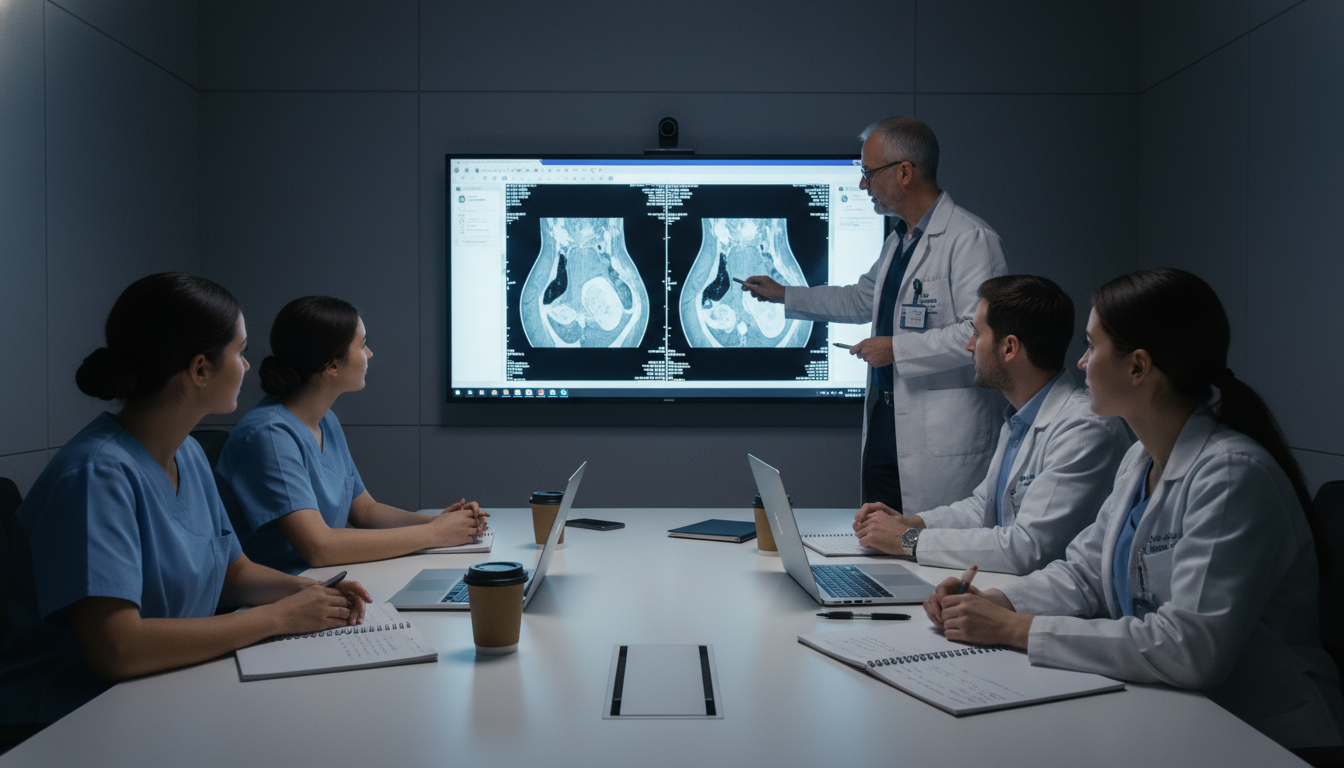
4. Assessing Work-Life Balance During the Match Process
You can—and should—evaluate residency work life balance proactively during your application, interviews, and program visits.
4.1 Before Interviews: Research and Signals
Use available resources to build a preliminary picture:
Program websites and social media
- Do they showcase residents engaged in wellness activities, retreats, or non-clinical interests?
- Are there clear statements about duty hours, call structures, and vacation?
Program location and cost of living
- Higher cost-of-living cities can add stress even with good hours.
- Consider commuting times and housing options near the hospital.
Board pass rates and scholarly expectations
- Excessively high expectations for research without protected time may signal an overburdened environment.
4.2 Questions to Ask Residents on Interview Day
Residents are your best source for real information on work-life balance. Consider asking:
About hours and call
- “On a typical core rotation, what time do you arrive and leave?”
- “How many weeks of nights do you do each year?”
- “What’s the busiest call rotation, and how do you cope with it?”
- “How strictly are duty hours tracked and respected?”
About culture and autonomy
- “Do you feel comfortable taking time off for personal needs or appointments?”
- “How supportive are attendings when you’re overwhelmed?”
- “Are there any rotations that feel unreasonably heavy or under-resourced?”
About life outside medicine
- “What do residents do for fun here?”
- “How many residents have families, and how manageable is that?”
- “Do you feel you have time for hobbies, relationships, or exercise?”
Pay attention not just to words but to tone and consistency: if multiple residents hedge or give guarded answers, that’s informative.
4.3 Interpreting Subtle Cues
During virtual or in-person visits, notice:
Resident demeanor
Calm and engaged vs exhausted and withdrawn.Faculty-resident interactions
Respectful and collegial vs purely transactional.Schedule transparency
Programs that willingly share sample schedules, call calendars, and vacation policies vs vague answers.Radiology reading room atmosphere
Chaotic and noisy vs focused and reasonably paced.
Programs that are proud of their resident lifestyle and duty hour compliance will usually be eager to share specifics.
5. Personal Strategies to Protect Work-Life Balance in Radiology
Even in a relatively lifestyle-friendly specialty, maintaining balance requires intentional effort—especially during busy rotations.
5.1 Managing Workload and Cognitive Fatigue
Radiology is cognitively intense; burnout often comes from sustained mental strain more than raw hours. Strategies include:
Structured reading approach
Use systematic search patterns for different imaging modalities to minimize decision fatigue.Micro-breaks
Stand, stretch, walk to get water every 60–90 minutes when possible to reduce eye strain and musculoskeletal discomfort.Batching communications
When appropriate and safe, cluster non-urgent clinician calls to reduce constant task-switching.Ergonomic workstation use
Adjust chair, monitor height, and keyboard to prevent chronic pain that can spill into your personal life.
5.2 Protecting Time Outside the Hospital
Your non-work time is a primary tool for preventing burnout:
Create consistent rituals
For example, a 15-minute walk after work, or a weekly dinner with friends or co-residents.Set boundaries with your phone
Outside call, avoid compulsively checking work email or PACS unless your program requires it (in which case, clarify expectations).Schedule non-negotiable recharge activities
Exercise, creative hobbies, or time outdoors can be more protective than another hour of passive screen time.Plan vacation intentionally
- Earlier years: use some time for pure rest, some for family/friends.
- Later years: balance board study needs with true downtime.
5.3 Building Support Networks
Social support is a major buffer against residency stress:
Foster strong relationships with co-residents
They understand your day-to-day realities and can share strategies.Seek mentors
Attendings who model healthy work-life boundaries can offer both guidance and practical career advice.Use institutional wellness resources
Many programs offer confidential counseling, wellness coaches, or group sessions.
5.4 Long-Term Career Planning and Lifestyle
Work-life balance in residency is just the beginning. Radiology offers diverse post-residency paths with varying lifestyles:
Academic radiology
- Mix of clinical, teaching, and research time
- Often more predictable schedules but with non-clinical responsibilities (papers, grants, teaching prep)
Private practice (outpatient-focused)
- Often high volume but fewer nights; some groups outsource overnight reads
- Income potential can be higher, but business pressures may increase
Teleradiology/remote work
- Growing area, especially for after-hours coverage
- Can offer significant lifestyle flexibility but may involve night shifts or international schedules
Thinking ahead can help you choose fellowships and career tracks that align with your ideal long-term lifestyle.
6. Weighing Radiology Against Your Personal Priorities
Diagnostic radiology consistently ranks among the more lifestyle-friendly specialties, especially when measured by:
- Average weekly duty hours
- Predictability of daily schedule
- Ability to separate work from home life
- Flexibility in long-term career arrangements
However, the fit between radiology residency and your personal concept of work-life balance depends on your priorities:
Radiology may be a strong choice if you:
- Prefer structured daytime schedules over unpredictable inpatient demands
- Enjoy analytical and visual problem-solving more than direct procedural care
- Value the ability to have evenings and many weekends consistently free
- Are comfortable with high-volume, high-concentration work at a workstation
You may want to reconsider if you:
- Crave continuous direct patient interaction and bedside procedures
- Strongly prefer being physically active at work rather than desk-based
- Are highly averse to night shifts or high-stress scenarios (trauma, stroke alerts, etc.)
Ultimately, “lifestyle residency” should not be your only criterion. But if diagnostic radiology aligns with your clinical interests, it can offer an excellent balance between meaningful work and sustainable personal life—both during residency and across a decades-long career.
FAQs: Work-Life Balance in Diagnostic Radiology
1. Is diagnostic radiology really a “lifestyle residency”?
Diagnostic radiology is generally more lifestyle-friendly than many inpatient and procedural specialties due to:
- More predictable daytime schedules
- Limited direct inpatient responsibilities
- Lower average weekly duty hours in many programs
However, it is not low-stress or “easy.” The cognitive load, responsibility for critical findings, and busy night shifts can be intense. Think of it as a specialty with relatively favorable structural conditions for balance—but one that still requires hard work and resilience.
2. How many hours per week do radiology residents typically work?
Most diagnostic radiology residents average around 50–65 hours per week, with variations based on:
- Rotation type (ER vs breast imaging vs neuro, etc.)
- Call or night float blocks, which can push hours closer to ACGME limits
- Institutional culture and case volume
During non-call-heavy months, many residents enjoy fairly regular schedules with evenings and some weekends free.
3. How intense are call and night shifts in radiology?
Intensity depends heavily on program type and hospital setting:
- Level I trauma and major academic centers: very busy overnight with trauma, stroke, and emergent imaging.
- Community or smaller centers: lighter overnight volume, though still unpredictable.
Across programs, night shifts can be some of the most challenging parts of training, but they are typically concentrated into defined rotations rather than spread throughout the year. A well-structured night float system with adequate recovery time makes a large difference.
4. Can I have a family or significant outside commitments during radiology residency?
Yes. Many radiology residents successfully maintain relationships, raise children, or pursue substantial outside interests. Radiology’s relatively predictable daytime hours and fewer continuous overnight calls compared to many specialties can make family life more manageable.
Important considerations:
- Parental leave policies and coverage support
- Program flexibility for schedule adjustments
- Local cost of living and childcare availability
These are important questions to address directly with residents and program leadership during the diagnostic radiology match process.
By approaching the radiology residency decision with a clear understanding of duty hours, call structures, and program culture—and by honestly assessing your own priorities—you can find a training environment that offers both strong clinical education and a sustainable work-life balance.