Understanding Work-Life Balance in Diagnostic Radiology
For an MD graduate weighing specialty options, diagnostic radiology often appears on every “lifestyle residency” short list. But headlines like “radiology is chill” or “radiology is 9–5” are oversimplifications that can mislead you during one of the most important career decisions you’ll make.
This article provides a work-life balance assessment tailored to the MD graduate considering diagnostic radiology. We’ll look beyond stereotypes to:
- Clarify what typical duty hours and schedules actually look like
- Contrast residency vs attending work-life balance
- Highlight differences between academic, private, and teleradiology practice
- Examine night float, call, and vacation realities
- Offer practical strategies to protect your personal life during training and beyond
Throughout, we’ll connect these realities to the allopathic medical school match process and what you should be thinking about as an MD graduate residency applicant targeting a diagnostic radiology match.
1. Is Diagnostic Radiology Really a “Lifestyle Residency”?
Reputation vs. Reality
Diagnostic radiology is consistently labeled as one of the more lifestyle-friendly specialties. Compared with high-acuity, in-house procedural fields (e.g., surgery, OB/GYN), radiology can offer:
- Less direct patient responsibility overnight
- More predictable daytime workflow in many settings
- Fewer unexpected emergencies once systems are well staffed
However, several realities complicate the simplistic “radiology = easy life” narrative:
- High cognitive load: Continuous image interpretation, pattern recognition, and decision-making are mentally draining, even if you’re seated most of the day.
- Time pressure: Turnaround time expectations from clinicians and administrators can be intense, especially in emergency and high-volume settings.
- Call and nights are real: Emergency imaging never stops. Radiology is integral to acute care; you will work nights, weekends, and holidays.
- Growing volume and complexity: Imaging utilization continues to rise, and studies are more complex, not less.
Comparing Radiology to Other Specialties
From a residency work life balance perspective, diagnostic radiology typically compares favorably to:
- General surgery, neurosurgery, orthopedics, OB/GYN, ENT
- Many medicine subspecialties with heavy inpatient service (e.g., cardiology, GI during fellowship)
And is roughly comparable to or slightly more intense than:
- Pathology
- Dermatology (radiology usually has more call)
- Some outpatient-focused internal medicine or pediatrics careers
But your actual experience will depend heavily on:
- Program structure and culture
- Call system design (home vs in-house, night float vs Q4 call)
- Volume and case mix of affiliated hospitals
- Your own tolerance for cognitive rather than purely physical workload
2. Residency Structure, Duty Hours, and Daily Life
For an MD graduate targeting an allopathic medical school match in radiology, a realistic picture of daily life during residency is crucial.
Training Outline and Timing
Current U.S. diagnostic radiology training for MD graduates generally follows:
- 1 year: Clinical internship (prelim medicine, transitional year, or surgical prelim)
- 4 years: Diagnostic Radiology (PGY-2 to PGY-5, often denoted R1–R4)
Throughout these four radiology years, duty hours are regulated by ACGME:
- Maximum 80 hours/week, averaged over 4 weeks
- One day in seven off, averaged over 4 weeks
- Duty periods typically not exceeding 24 hours of continuous clinical duties (with some extension for transitions)
Most radiology residents are well below the 80-hour limit, especially compared to surgical trainees. A realistic average is often 50–65 hours/week, depending on program and rotation.
Typical Day During Radiology Residency
A standard weekday in a diagnostic radiology residency might look like this:
Morning (7:30–8:00 a.m. start)
- Arrive, log in, open worklists
- Prepare for read-out or case conference
- Core didactics or morning case conference (commonly 7:30–9:00)
Mid-Day (9:00 a.m.–12:00 p.m.)
- Read studies (CT, MRI, X-ray, ultrasound, nuclear medicine)
- Review with attending at scheduled times or continuously at the workstation
- Handle urgent “wet reads” from ED or inpatient services
Afternoon (1:00–5:00/6:00 p.m.)
- Continue reading stack
- Short afternoon teaching sessions or multidisciplinary meetings
- Wrap up cases, finalize reports, sign out to on-call resident if appropriate
Evening
- Most daytime rotations end between 5–6 p.m.
- When not on call or night float, evenings are usually yours for personal life, exercise, family, or studying for CORE exam
Compared to many other residencies, the frequency of late stays for floor issues, family meetings, or bedside emergencies is lower. However, staying late is still common in high-volume services to finish worklists or handle surges from the ED.
Workload and Sitting vs. Physical Fatigue
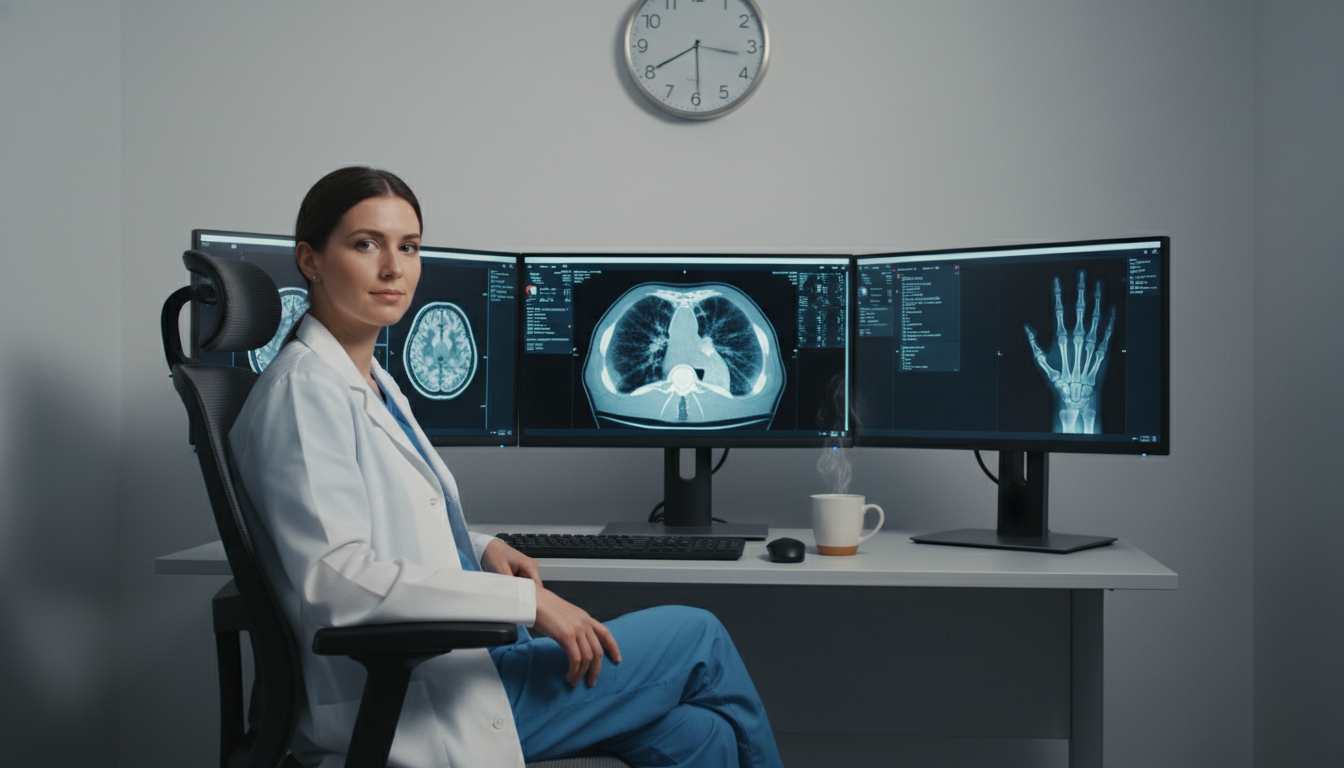
Radiology is a cognitively intense but physically sedentary specialty:
- You’re primarily reading at multiple monitors, using dictation, and consulting with clinicians by phone or EMR.
- Time pressure can be significant, especially in ED or overnight settings.
- Your productivity is visible and measured—relative value units (RVUs), report turnaround times, number of studies read—so the pressure is sometimes more “quantitative” than in other fields.
From a lifestyle standpoint, this means:
- Less physical exhaustion than surgical or ICU-based specialties
- More mental fatigue and eye strain
- The need for intentional breaks, stretching, and movement to protect long-term health
3. Nights, Call, and Weekends: The Real Lifestyle Stressors
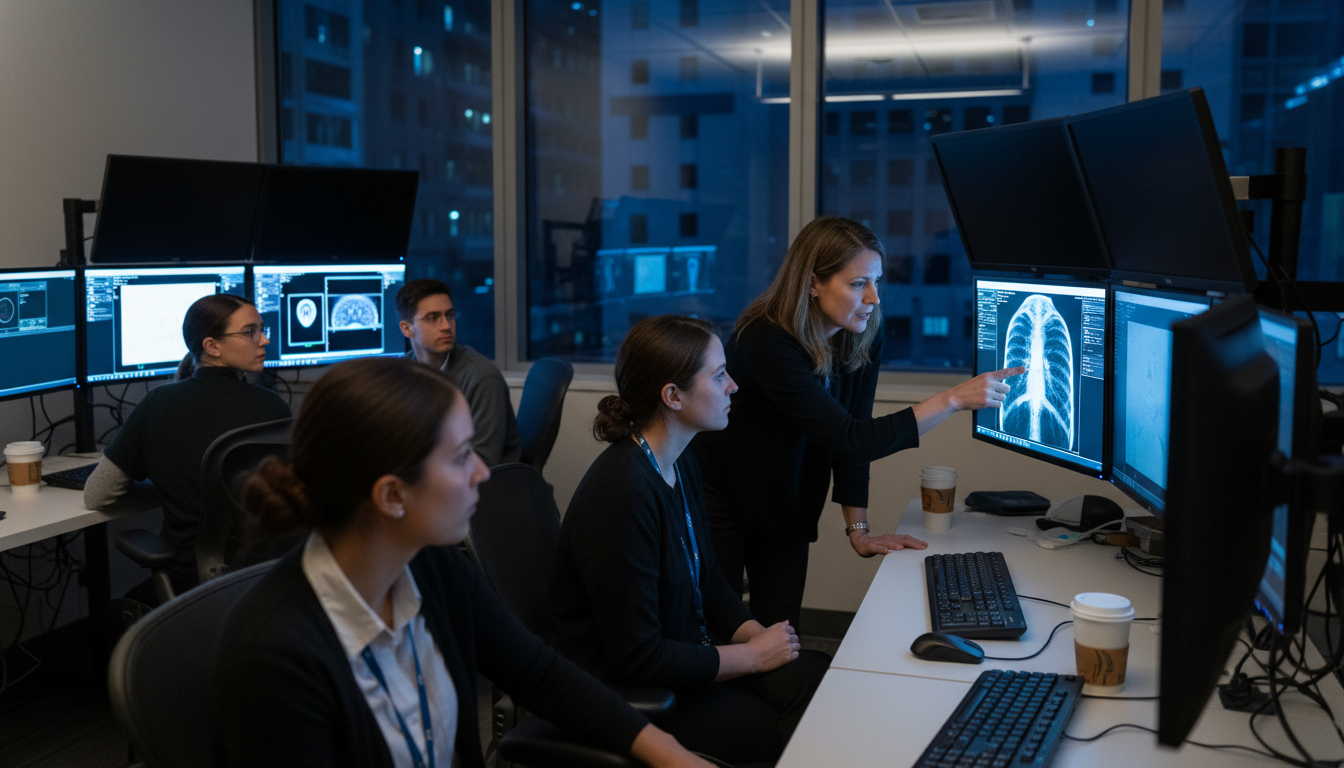
Night Float and Call Systems
Most radiology programs use some combination of:
- Night float blocks (e.g., 1–2 weeks at a time, working 7 nights on, then days off)
- Traditional call (Q4–Q8 style, in-house or home call depending on modality and level)
- Short call / long call coverage systems on weekends and evenings
For MD graduates evaluating a radiology residency, the structure of nights and call is one of the most important determinants of lifestyle.
Examples of typical patterns:
Night float:
- 6 p.m.–7 a.m., 6 or 7 nights in a row, followed by 4–7 days off
- Focus on ED imaging, inpatient stat studies, sometimes limited cross-sectional imaging
- Repeated 3–6 times per year depending on program size
Weekend call:
- Saturday/Sunday 8 a.m.–8 p.m. in-house, with night coverage by float or teleradiology
- Or 24-hour in-house with post-call day off
Program size matters: larger programs often provide more distributed call coverage; smaller programs may require more frequent nights but also can be more flexible and supportive.
Workload During Nights
Nights can be intense, especially in trauma centers or large academic hospitals:
- Rapid-fire CT heads, CT As, CT CAPs, trauma panscans
- High volume of ED plain films and ultrasounds
- Constant prioritization: stroke alerts, code patients, unstable trauma cases
Work-life balance during these blocks can feel poor in the short term—days blur together, circadian rhythm is disrupted, and you may feel socially isolated. But between blocks, you often have more consecutive days off than many other specialties.
Home Call vs In-House
In most diagnostic radiology programs, first few years of residency involve predominantly in-house call at large centers, while later rotations (e.g., neuroradiology, MSK, body imaging) may have home call systems where:
- You take calls from clinicians
- Read select after-hours studies from home workstations
- Come in for procedures (if interventional rotations are included)
Home call can be lifestyle-friendly (you’re physically at home) but still disruptive to sleep and family life due to frequent phone calls or stat reads.
Holidays and Special Occasions
Radiology is 24/7, 365 days a year:
- You will work some holidays.
- You’ll miss some family events, especially in smaller programs.
- Rotations try to spread major holidays (Thanksgiving, Christmas, New Year’s, etc.) fairly, but fairness doesn’t remove the lifestyle impact.
As a residency applicant, ask programs specifically:
- How holiday coverage is assigned
- Whether residents can trade holiday shifts
- Whether major religious or cultural holidays can be accommodated
4. Comparing Work-Life Balance: Internship, Residency, and Attending Life
The Internship Year (PGY-1)
Many MD graduates underestimate the lifestyle contrast between the intern year and radiology years:
- Transitional year (TY): Often considered the most lifestyle-friendly, with more electives and fewer heavy inpatient blocks (varies by program).
- Prelim medicine: Can be intense with long ward hours, night float, and frequent pages.
- Prelim surgery: Typically demanding, early mornings, late evenings, frequent call.
If your primary goal is lifestyle, the choice of PGY-1 year can significantly impact your residency work life balance during that first year. However, a more demanding internship can also make you a more confident and clinically savvy radiologist.
Radiology Residency vs Other Residencies
Once you enter PGY-2 and beyond:
- Overnight stress is more about time pressure and decision-making than bedside emergencies.
- When you’re off, you’re often truly off (no pager for your “panel” like IM or peds).
- Protected didactics and structured learning time are relatively respected in many programs.
In terms of duty hours, diagnostic radiology residents typically:
- Work fewer nights overall than many surgical residents
- Have more predictable daytime shifts than inpatient medicine residents
- Still experience intense weeks on ED or night float, but with offsetting lighter stretches
Attending Life: Where Lifestyle Really Diverges
Work-life balance changes again when you become an attending. The spectrum is wide:
1. Academic Radiology
Often considered moderate lifestyle:
- Hours: Commonly 7:30 a.m.–5:30 p.m., Monday–Friday plus some call
- Pros:
- Protected academic time in some positions
- Teaching and research opportunities
- Collegial environment, sub-specialty focus
- Cons:
- Lower compensation than busy private practice
- Administrative and academic expectations (publications, committees)
From a lifestyle perspective, academic jobs can:
- Offer more predictable daytime hours
- Incur some evening/weekend work for research, lectures, or call
2. Private Practice
Can vary from “lifestyle-friendly” to “workhorse”:
- High-volume practice:
- 8–10+ hours of dense reading per day
- Pressure to maximize RVUs
- Evening or weekend shifts with teleradiology coverage
- Group with protected lifestyle:
- 4-day workweeks or flexible schedules
- Job-sharing or part-time options
- Higher control over vacation and off days
Compensation tends to be higher in private practice, but you trade money for intensity and sometimes longer hours.
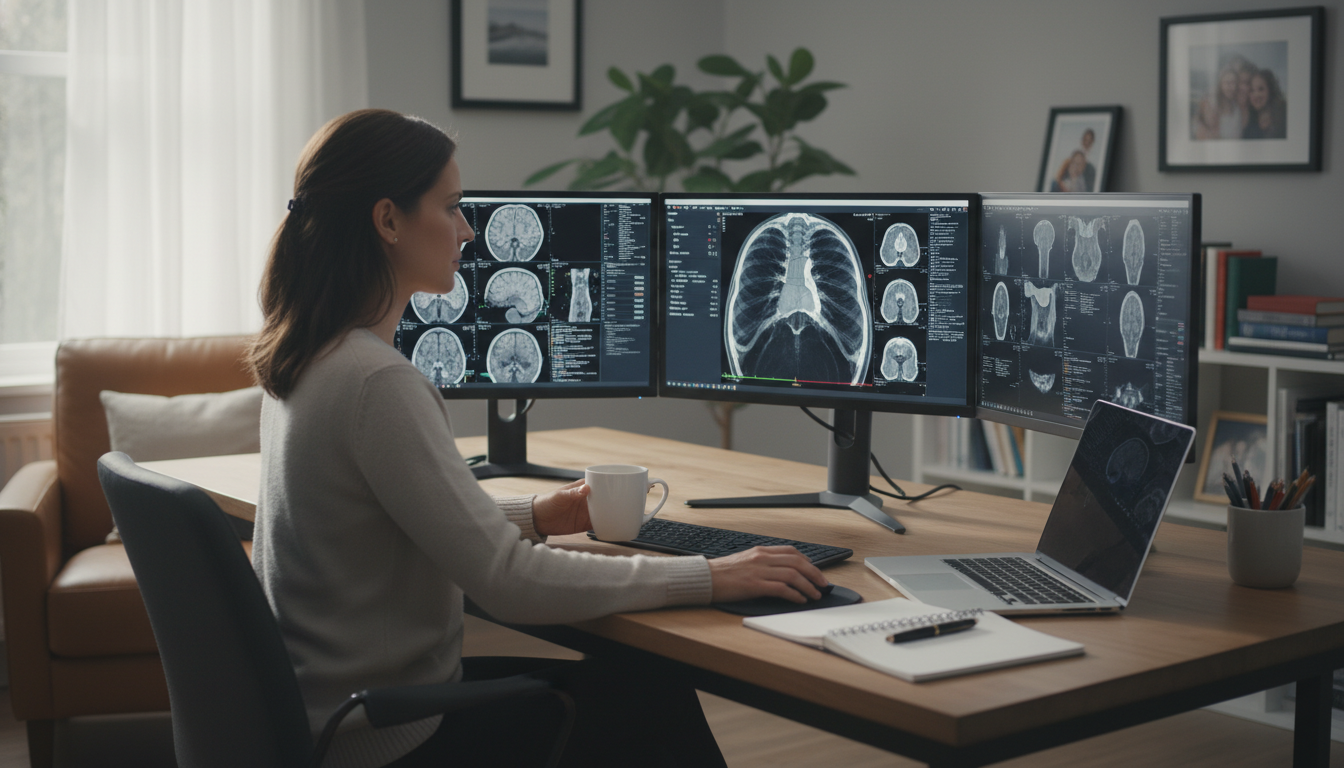
3. Teleradiology
Perceived as an ultimate lifestyle residency outcome, but reality is mixed:
- Pros:
- Work from home, no commute
- Can live almost anywhere
- Often shift-based: once you log off, you’re truly off
- Cons:
- Overnight-heavy schedules (if reading U.S. nights from a different time zone)
- Isolation, less collegial interaction
- Productivity demands can be very high
For MD graduates seeking maximal schedule control and willing to accept isolation, teleradiology can be extremely lifestyle-friendly, especially after gaining several years of experience.
5. Strategies to Optimize Work-Life Balance in Diagnostic Radiology
Even within the same specialty, your day-to-day experience can vary dramatically. As an MD graduate heading toward a diagnostic radiology match, you can actively shape your future lifestyle.
A. Choosing the Right Program for You
When evaluating programs, ask targeted questions that reveal true culture rather than just stated duty hours:
Call and Night Float
- How many weeks of nights per year at each PGY level?
- Is there a cap on consecutive night shifts?
- What is the typical overnight study volume?
Workload Expectations
- How are resident worklists structured?
- Do residents feel pressure to keep up with attending-level volume?
- Are there scribes or adequate support staff?
Educational vs Service Balance
- Are lectures and noon conferences truly protected?
- Do residents frequently miss didactics due to service demands?
Time Off and Vacation
- How many weeks of vacation per year?
- How easy is it to get specific weeks off (weddings, major events)?
- Are there restrictions on back-to-back vacation weeks?
Moonlighting
- Is internal or external moonlighting allowed?
- Are there caps to protect against burnout?
Programs vary widely: some are heavily service-driven, others are more educationally focused. The latter often provide a better residency work life balance, even if they are busy.
B. Daily Habits to Protect Your Well-Being
Regardless of setting, certain habits are critical in a largely sedentary, cognitively intense specialty:
Scheduled movement:
- Short walks between batches of studies
- Brief stretching routines to combat back and neck strain
Eye care:
- Follow the 20-20-20 rule (every 20 minutes, look 20 feet away for 20 seconds)
- Proper monitor positioning and ambient lighting
Boundaries:
- When not on call, avoid constantly checking email/worklists
- Protect evenings for rest, family, or hobbies when possible
Mental health:
- Acknowledge that mental fatigue is real, even without physical exertion
- Seek peer and faculty support when feeling overwhelmed
C. Planning Long-Term Career Path for Lifestyle
If lifestyle is a key motivator in your specialty choice—as it is for many MD graduates—think ahead beyond residency:
Subspecialty choice:
- High-acuity subspecialties (e.g., neuroradiology, ER radiology) may come with more nights/weekends.
- Others (MSK, breast, outpatient-heavy body imaging) may offer more daytime, clinic-like schedules.
Practice setting:
- Prioritize groups and institutions with clear, transparent policies on hours, vacation, and coverage.
- Ask how many evenings/weekends attendings work and what the call burden is like.
Part-time and flexible arrangements:
- Radiology is one of the more amenable fields to part-time work, job-sharing, and remote work—valuable if you anticipate major family or personal commitments.
6. Is Diagnostic Radiology the Right Lifestyle Fit for You?
As an MD graduate planning an MD graduate residency in diagnostic radiology, you should align your expectations with your values:
Radiology May Be a Strong Fit If You:
- Value predictable daytime schedules more than complete avoidance of nights
- Prefer high cognitive, pattern-recognition work over physically intense tasks
- Are comfortable with indirect patient care and spending much of the day at a workstation
- Appreciate opportunities for remote work or flexible arrangements later in your career
- Want a specialty with good long-term earning potential combined with reasonably controllable lifestyle
Radiology May Be Less Ideal If You:
- Strongly dislike night shifts and can’t tolerate even intermittent overnight work
- Need constant direct patient interaction for fulfillment
- Prefer dynamic, physically active clinical environments over desk-based work
- Are highly averse to quantitative productivity metrics (e.g., RVUs, study counts)
As you approach the diagnostic radiology match, balance your lifestyle goals with your genuine interest in imaging, anatomy, and the role of radiology in multidisciplinary care. Radiology can offer excellent work-life balance—especially compared to many other acute-care specialties—but it does so in exchange for a specific kind of mental workload and professional culture.
FAQs: Work-Life Balance in Diagnostic Radiology for MD Graduates
1. How many hours per week do radiology residents typically work?
Most diagnostic radiology residents work 50–65 hours per week, well below the 80-hour ACGME limit. This includes daytime rotations, call shifts, and occasional weekend coverage. Weeks on night float or in busy ED rotations may feel more intense, but are often balanced by lighter stretches or post-call days.
2. Is radiology residency less stressful than surgery or internal medicine?
In many programs, yes—particularly in terms of schedule predictability and physical exhaustion. However, stress in radiology is more cognitive: high case volumes, complex decision-making, and time pressure from ED and inpatient services. Whether it feels “less stressful” depends on your preferences and stress tolerance for mental vs physical workload.
3. What is work-life balance like for attending radiologists?
It varies widely by setting:
- Academic: Often stable hours with some call, moderate lifestyle, lower pay relative to private practice.
- Private practice: Potentially higher volume and longer days, but higher compensation; some groups design very lifestyle-friendly schedules.
- Teleradiology: Highly schedule-based and location-flexible; can be excellent for lifestyle if you accept isolation or night-heavy shifts.
Many radiologists ultimately find arrangements that allow substantial control over vacation, schedule, and part-time work.
4. How can I assess work-life balance at programs during the diagnostic radiology match process?
When interviewing, ask residents candid, specific questions:
- “How many weeks of nights do you do per year at each level?”
- “Do you usually get out on time on day rotations?”
- “How many days off do you realistically have in a typical month?”
- “Do you feel you have time for family, hobbies, or exercise?”
Pay attention not only to the content of their answers, but also their tone and consistency across residents at different training levels.
Diagnostic radiology offers one of the more favorable combinations of intellectual challenge, compensation, and residency work life balance among hospital-based specialties. For an MD graduate, it is a compelling choice—provided you understand its real demands and actively shape your training and career toward the lifestyle you want.