Understanding Work-Life Balance in Addiction Medicine for the DO Graduate
As a DO graduate considering an addiction medicine fellowship, you’re stepping into a field that is both emotionally demanding and uniquely rewarding. Addiction medicine sits at the intersection of internal medicine, psychiatry, emergency medicine, and public health. It’s a specialty where your osteopathic training—particularly your emphasis on holistic, patient-centered care—can shine.
But is it a lifestyle residency and career? How manageable are duty hours? What does day-to-day work actually look like, and how does it affect your personal life?
This article offers a focused work-life balance assessment tailored to DO graduates exploring addiction medicine: the training pathways, typical schedules, emotional demands, and practical strategies for building a sustainable, satisfying career.
1. Training Pathways for DO Graduates: How Addiction Medicine Fits In
Before assessing lifestyle, you need to understand how you get into addiction medicine and where work-life balance challenges may appear along the way.
1.1. Addiction Medicine as a Fellowship
Addiction medicine in the U.S. is primarily a fellowship-trained subspecialty recognized by the American Board of Preventive Medicine (ABPM) and some parent boards (e.g., internal medicine, psychiatry).
Common primary residencies that feed into an addiction medicine fellowship include:
- Internal Medicine
- Family Medicine
- Psychiatry
- Emergency Medicine
- Pediatrics
- OB/GYN, Anesthesiology, and others (depending on board pathways and program policies)
For DO graduates, the process involves:
Primary Residency Match
- You complete a core residency, often via the NRMP match.
- Your osteopathic residency match competitiveness and options will depend on board scores, clinical evaluations, letters, and demonstrated interest in addiction and behavioral health.
Addiction Medicine Fellowship Application
- Typically 1 year (occasionally 2)
- Opportunities in academic centers, community hospitals, VA systems, and integrated health systems
1.2. Where Work-Life Balance Pressure Hits
Work-life balance can vary by stage:
During Core Residency (Pre-Fellowship)
This is where duty hours are more tightly regulated but still intense. Internal medicine or psychiatry programs often hit the ACGME upper limits, especially inpatient months.During Addiction Medicine Fellowship
Generally more predictable than your core residency, with fewer overnight calls and more outpatient, consult, and integrated-care experiences.As an Attending Addiction Medicine Specialist
The field offers a wide spectrum—from shift-based inpatient consult roles to 9–5 outpatient clinics and telehealth-heavy practices.
Key takeaway: For a DO graduate, the most intense work-life challenges are likely during core residency, not during the addiction medicine fellowship itself. The fellowship and subsequent career often provide better balance.
2. Typical Schedules, Duty Hours, and Clinical Settings
To realistically assess work-life balance, you need to visualize time structure: hours per week, nights, weekends, and call burden.

2.1. During Core Residency
If you plan on pursuing addiction medicine after a primary specialty, here’s a rough picture:
Internal Medicine or Family Medicine Residency
- Inpatient months:
- Typical duty hours: 60–80 hours/week (within ACGME 80-hour cap)
- Night float or 24-hour calls depending on program
- Some weekend coverage, often 1–3 weekends per month
- High workload, high patient turnover, frequent admissions and discharges
Psychiatry Residency
- Often somewhat better lifestyle compared with many other core specialties:
- Many rotations are closer to 50–60 hours/week
- Some call, but intensity and frequency vary by institution
- More outpatient and consult-liaison experiences
- Still emotionally demanding, especially on acute units and during suicide risk management
This stage can feel far from a lifestyle residency, but remember: these are stepping-stones, not your final practice conditions.
2.2. Addiction Medicine Fellowship: A Closer Look
An addiction medicine fellowship generally offers more stable hours than most core residencies.
Typical features (varies by program):
- Hours per week: Often 45–60 hours, sometimes less in heavily outpatient-focused programs
- Call:
- Some programs have minimal or no overnight call
- Others may have call for detox units, inpatient consult services, or coverage of affiliated residential programs
- Call may be home-call rather than in-house
- Weekends:
- Limited weekend coverage
- Many programs focus Monday–Friday schedules with occasional weekend rounding
- Clinical mix:
- Outpatient medication-assisted treatment (e.g., buprenorphine, methadone in OTP-affiliated settings)
- Inpatient consult services on medical, surgical, or psychiatric units
- Residential or partial hospitalization programs
- Emergency department consults
- Public health and community-based care
Compared to your core residency, fellowship schedules are usually more predictable and more compatible with a healthy residency work life balance.
3. Long-Term Lifestyle in Addiction Medicine: Is It a “Lifestyle Specialty”?
Once you complete fellowship, your job choice shapes your lifestyle more than the specialty itself. Addiction medicine is relatively flexible—arguably one of the most lifestyle-friendly specialties within the behavioral health and internal medicine-adjacent domains, if you choose your practice setting strategically.
3.1. Common Practice Settings and Lifestyle Profiles
Here’s a spectrum of typical addiction medicine roles and how they tend to feel in daily life:
Outpatient Addiction Clinic (Academic or Community)
- Schedule: Usually Monday–Friday, 8 am–5 pm
- Call: Often very limited; sometimes phone-only rotation for urgent issues
- Patient mix: Medication-assisted treatment (MAT), counseling coordination, co-occurring disorders
- Lifestyle: High degree of predictability, little or no overnight work
Integrated Primary Care + Addiction Practice
- Schedule: Similar to outpatient internal or family medicine but may be tailored to addiction-focused sessions
- Call: Primary care-style call or shared practice line
- Lifestyle: Moderate, can be busy but typically less chaotic than hospital medicine
Hospital-Based Inpatient Consult Service
- Schedule: Daytime consults for patients admitted for medical/surgical issues with concurrent substance use disorders
- Call: Variable—may include weekend rounds or consult coverage
- Lifestyle: More intense, but often balanced with structured shifts and multidisciplinary teams
Detox or Residential Treatment Center
- Schedule: Day shifts, some weekend expectations
- Call: May require off-hours availability, especially for medical complications (e.g., withdrawal syndromes)
- Lifestyle: Can be emotionally heavy but still generally predictable compared with acute hospital medicine
Telehealth-Focused Addiction Care
- Schedule: Can be highly flexible; evenings or weekends may be chosen to match patient availability
- Call: Minimal in many models
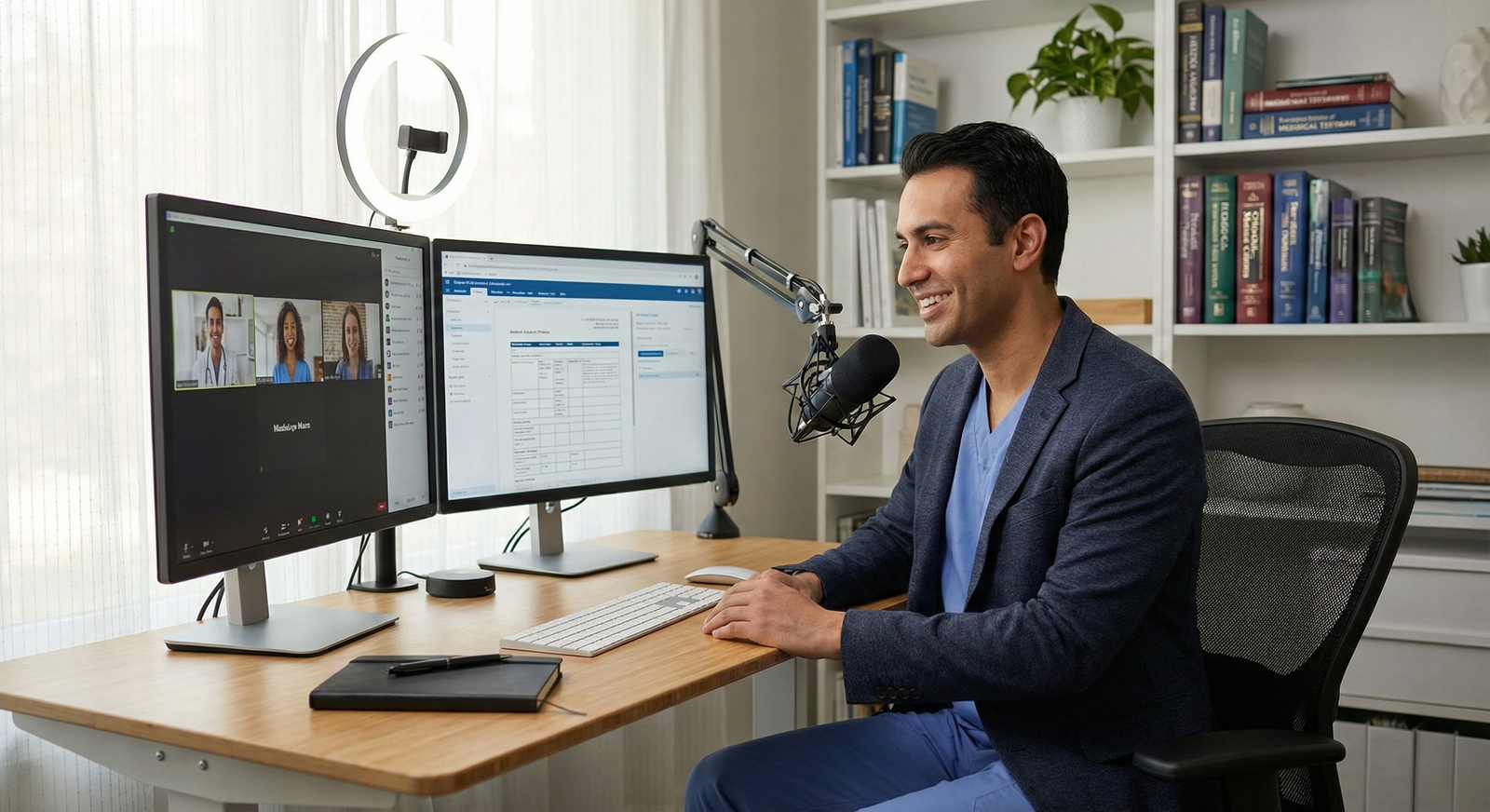
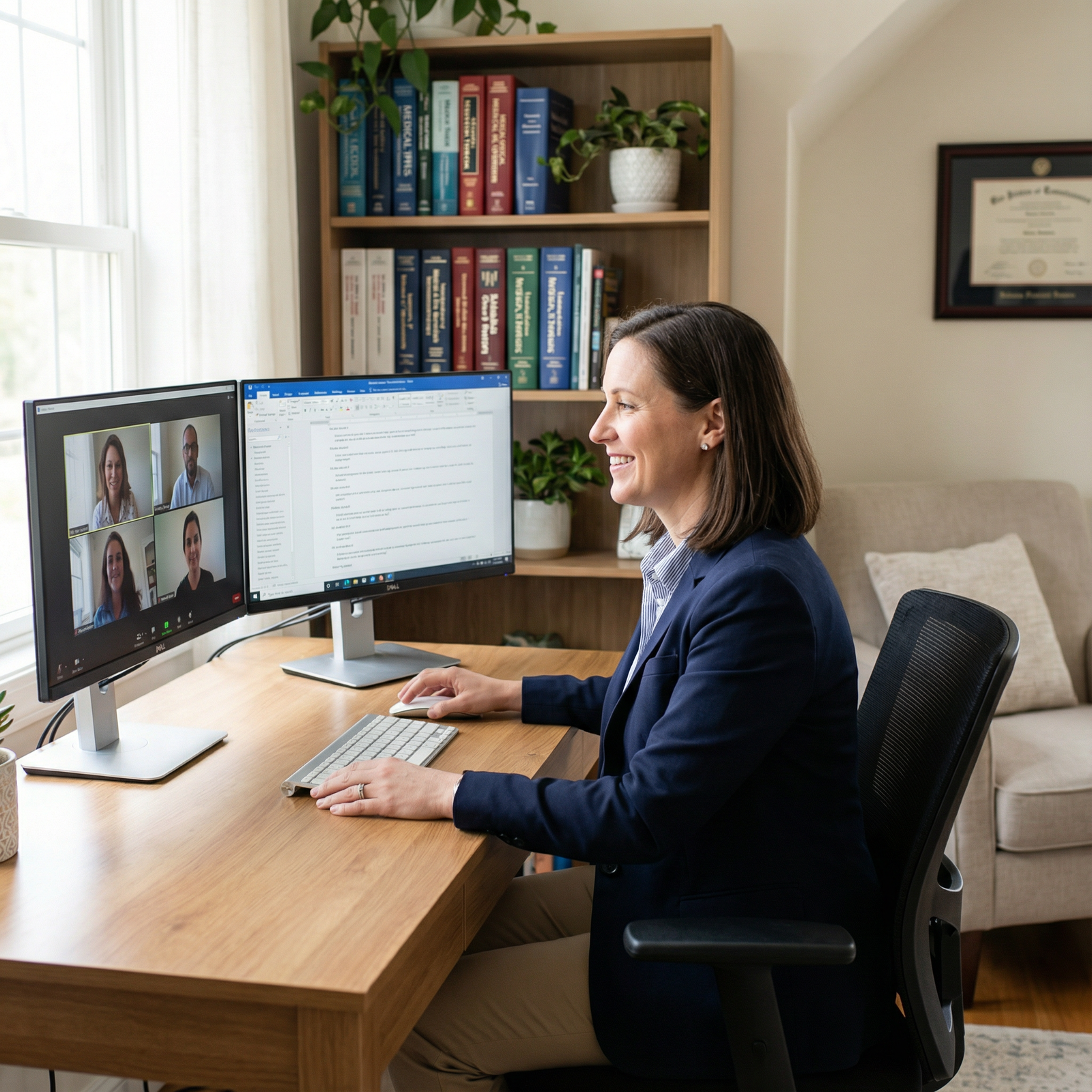
- Lifestyle: Potentially very lifestyle-friendly, especially for physicians prioritizing schedule autonomy or remote work options
3.2. Comparing Addiction Medicine to Other Specialties
In the MOST_LIFESTYLE_FRIENDLY_SPECIALTIES ranking, addiction medicine typically compares favorably to:
- Better lifestyle than: Emergency medicine (depending on shifts), inpatient internal medicine, general surgery, OB/GYN
- Comparable or slightly more demanding than: Outpatient psychiatry, some non-procedural specialties (e.g., certain outpatient-focused family medicine practices)
- More emotionally intense than, but schedule-similar to: Many chronic disease management fields like endocrinology or rheumatology
For a DO graduate who enjoys behavioral health, longitudinal patient relationships, and holistic care, addiction medicine can offer strong work-life balance potential, especially after training.
4. Emotional Load, Burnout Risk, and How to Protect Yourself
Work-life balance is not just about hours and duty logs. In addiction medicine, emotional and moral workload matter as much as schedule.

4.1. Unique Emotional Stressors in Addiction Medicine
- Relapse and recurrence of use despite careful treatment planning
- Overdose and mortality, including patients you have treated and known for months or years
- Systemic barriers: limited access to rehab beds, insurance authorizations, social determinants of health
- Stigma—from healthcare colleagues, families, or the broader community
- Legal and regulatory complexity around controlled substances, MAT, and documentation
These factors can create burnout, moral distress, and compassion fatigue, even when your duty hours are reasonable.
4.2. How DO Training Can Be an Asset
As a DO graduate, your background may give you strengths that support resilience:
- Training in holistic care and attention to mind–body–spirit
- Emphasis on therapeutic alliance and communication
- Experience in multidisciplinary and community-based care
- Often more comfort in integrating behavioral health principles into general medical practice
You’re likely already attuned to whole-person wellness, which can be applied both to your patients and yourself.
4.3. Practical Strategies to Maintain Balance
To thrive in addiction medicine, build systems early:
Set Emotional Boundaries
- Recognize what outcomes are within your control (e.g., offering evidence-based treatment) vs. what is not (social context, patient choices, structural inequities).
- Explicitly define your “end-of-day” ritual (e.g., notes done before leaving, short reflection, then no checking of EMR at home unless on-call).
Use Team-Based Care to Your Advantage
- Work closely with counselors, social workers, peer recovery coaches, and pharmacists.
- Delegate appropriately; you do not have to shoulder every aspect of care.
Develop a Peer Support Network
- Join addiction medicine professional societies (e.g., ASAM) and DO-focused groups.
- Participate in case conferences, Balint groups, or wellness groups.
Build Intentional Recovery Time Into Your Week
- Non-negotiable time off: exercise, hobbies, time with family or friends
- Set clear boundaries: when you are and are not available for work messages
Monitor for Burnout Early
- Pay attention to warning signs: cynicism, emotional withdrawal, dread before clinic, compassion fatigue
- Seek early support from mentors, program wellness resources, or professional counseling
Even with manageable hours, the emotional substance abuse training environment can be intense; a proactive wellness strategy is essential.
5. Specific Considerations for DO Graduates in the Osteopathic Residency Match
If you’re early in your training journey, your osteopathic residency match decisions will strongly influence your future work-life balance in addiction medicine.
5.1. Choosing a Core Residency with Future Lifestyle in Mind
If your long-term goal is addiction medicine, you can still consider residency work life balance when ranking programs and specialties:
Psychiatry
- Strong alignment with addiction medicine
- Typically good lifestyle compared to many other residencies
- Deep training in co-occurring mental health conditions
Family Medicine
- Offers broad clinical scope, including primary care and addiction treatment
- Can be molded into a lifestyle-friendly outpatient career with addiction focus
- Good for DO graduates who want to maintain procedural or broad-spectrum care options
Internal Medicine
- More inpatient-heavy, especially in residency
- Excellent prep for hospital-based consult roles and complex medical comorbidities in addiction
- Long-term lifestyle depends greatly on practice setting (outpatient vs. hospitalist vs. academic)
When assessing a program, ask explicitly:
- How do you handle duty hours and schedule transparency?
- What are the typical call structures and night float systems?
- How many graduates pursue addiction medicine or substance abuse training tracks?
- Is there exposure to addiction consult services, methadone clinics, or MAT clinics?
5.2. Fellowship Selection for Balance
When applying for an addiction medicine fellowship, evaluate programs through a lifestyle lens:
- Clinic-to-call ratio: Is the bulk of the experience daytime outpatient?
- Inpatient responsibilities: How many nights/weekends are covered?
- Moonlighting policies: Are there options to supplement income without overextending?
- Telehealth opportunities: Increasingly relevant for flexible practice and geographic freedom
- Mentorship and wellness culture: Are faculty modeling sustainable work patterns?
You’re not just choosing training content—you’re choosing an environment that signals what “normal” looks like for addiction specialists.
6. Actionable Steps to Design a Lifestyle-Friendly Addiction Medicine Career
To close the loop, here’s how you can actively shape your path from DO student to practicing addiction medicine physician with strong work-life balance.
6.1. During Medical School and Early Training
- Seek rotations in:
- Addiction psychiatry
- Outpatient MAT clinics
- Detox units or residential programs
- Integrated primary care + addiction practices
- Attend local or national addiction conferences; network with DO-friendly mentors.
- Reflect on what kind of lifestyle residency profile matches your temperament:
- Are you energized by the hospital’s pace or drained by it?
- Do you prefer structured 9–5 or flexible but irregular hours?
6.2. During Core Residency (Pre-Fellowship)
- Pursue elective time in addiction services—document your interest and build a track record.
- Learn from attendings how they manage boundaries (e.g., no-work weekends, strict sign-outs).
- Track your own energy patterns: which rotations and schedules left you fulfilled vs. depleted?
- Start sketching a future: outpatient clinic, hospital consult, telehealth, academic, or hybrid?
6.3. During Addiction Medicine Fellowship
Prioritize learning systems and workflows that support efficiency:
- Smart templates for documentation
- Team-based care strategies
- Structured protocols for withdrawal, MAT, urine drug screens, and coordination with counseling
Ask attendings explicitly:
- “What does your typical week look like?”
- “What boundaries have you set to protect personal time?”
- “What would you do differently if you were early in your career again?”
Explore varied practice sites; notice:
- Which settings gave you the most manageable day-to-day experience?
- Where did you feel you could leave work at work?
6.4. As an Attending Addiction Medicine Physician
When choosing a job, negotiate from a lifestyle-first perspective:
Clarify:
- Number of patients per session/day
- Protected administrative time
- Expectations for evenings/weekends
- Telehealth vs. in-person mix
- Call structure and backup for emergencies
Use your DO background in whole-person wellness to:
- Advocate for integrated, team-based models
- Incorporate mind–body strategies that support both patients and your own well-being
- Create a career that is not just sustainable, but personally meaningful
A well-designed addiction medicine practice can allow you to:
- Maintain reasonable weekly hours
- Avoid chronic overnight call
- Have consistent time for family, hobbies, and self-care
- Make a measurable impact on individuals and communities grappling with substance use
FAQs: Work-Life Balance for DO Graduates in Addiction Medicine
1. Is addiction medicine considered a lifestyle-friendly specialty?
Yes, addiction medicine can be very lifestyle-friendly, especially once you complete training and choose an outpatient or telehealth-focused role. Many addiction medicine physicians work weekday, daytime hours with minimal or no overnight call. Compared to acute hospital-based specialties or procedural fields, the residency work life balance and attending lifestyle in addiction medicine can be quite favorable, particularly if you prioritize flexible, outpatient-oriented positions.
2. How intense are duty hours during an addiction medicine fellowship?
Most addiction medicine fellowship programs have more manageable duty hours than core residencies. Many fellows report 45–60 hours per week, largely daytime-focused, with limited weekend or overnight call, depending on the program’s inpatient or detox responsibilities. It’s important to ask each program about specific schedules, call frequency, and weekend expectations, as these can vary.
3. As a DO graduate, will my osteopathic background be valued in addiction medicine?
Absolutely. Addiction medicine is highly aligned with the holistic, patient-centered philosophy of osteopathic training. Your DO background can be an asset in:
- Building therapeutic relationships
- Addressing mind–body connections in substance use and recovery
- Integrating physical, mental, and social factors into treatment plans
Program directors and employers in addiction medicine typically value DO graduates who bring strong communication skills, empathy, and a whole-person approach.
4. How emotionally taxing is addiction medicine, and can I still have a good work-life balance?
Addiction medicine can be emotionally demanding, with exposure to relapse, overdose, and systemic barriers to care. However, good work-life balance is still highly achievable if you:
- Choose work environments with reasonable patient loads and strong teams
- Set clear boundaries around work hours and availability
- Use peer support and mentorship
- Engage in regular self-care and monitor for burnout
In many ways, addiction medicine offers a unique combination of meaningful impact and controllable lifestyle, provided you are intentional about your practice setting and boundaries.
For a DO graduate seeking a career that blends neuroscience, internal medicine, psychiatry, public health, and meaningful longitudinal relationships—and who values a sustainable lifestyle—addiction medicine is a compelling choice. With careful planning through medical school, residency, fellowship, and early job selection, you can build a career that balances impactful clinical work with a healthy, fulfilling life outside of medicine.