Understanding Work–Life Balance in Global Health as a DO Graduate
Work–life balance means something slightly different in global health than it does in traditional, hospital‑based careers. For a DO graduate considering a global health residency track or a career in international medicine, balance is less about rigid “9–5” hours and more about:
- Predictability vs. unpredictability of schedule
- Geographic stability vs. frequent travel
- Emotional load and moral distress vs. recovery time
- Control over duty hours vs. mission demands and crises
As an osteopathic physician, you also bring a holistic framework—mind–body–spirit, community, and prevention—that aligns closely with global health values. The core question is: Can you align that holistic philosophy with a sustainable lifestyle residency and long‑term career?
This article walks you through:
- How different global health pathways influence residency work life balance
- What to expect during training vs. after residency
- How to assess programs and jobs realistically
- Concrete strategies to protect your well‑being while pursuing a mission‑driven career
1. The Unique Work–Life Realities of Global Health for DO Graduates
Global health looks glamorous or purely altruistic from the outside, but its lifestyle is shaped by a few structural realities that DO graduates need to understand.
1.1 Defining “Global Health” Roles
“Global health” is not a board specialty; it is a focus area embedded in another specialty. As a DO graduate, your work–life balance will depend overwhelmingly on your primary specialty, then be modified by the global health components you add on.
Common pathways with a global health focus:
- Family Medicine with Global Health track
- Internal Medicine (general, infectious diseases, HIV, tropical medicine)
- Pediatrics (general, infectious disease, nutrition, refugee health)
- Emergency Medicine (acute care in low‑resource settings, disaster response)
- OB/GYN (maternal–child health, fistula surgery, family planning)
- Surgery/Anesthesia (short‑term missions, capacity building)
- Preventive Medicine / Public Health (systems, policy, implementation science)
Your baseline lifestyle comes from your primary specialty. Global health then adds layers of:
- International travel and time zones
- Remote collaboration (evening meetings with overseas partners)
- Field deployments for weeks–months
- Research and grant deadlines
1.2 What Makes Global Health Lifestyle Different?
Key lifestyle‑shaping characteristics:
Geographic mobility vs. stability
- Multiple overseas trips per year or long‑term postings
- Physical distance from family, friends, and support systems
- Jet lag and travel fatigue
Emotional intensity
- Working with severe resource scarcity, poverty, conflict, or disasters
- Exposure to preventable deaths, ethical dilemmas, and systemic injustice
- Higher risk of burnout and moral injury if not supported
Role overlap
- Clinician + educator + project manager + advocate
- Blurry boundaries between “work” and “mission”
- Difficulty setting limits because work feels morally urgent
Funding and job security
- Grant‑based or NGO roles may depend on cycles and donors
- Need to publish, present, or show impact to sustain roles
- Anxiety about contracts and location changes can spill into personal life
For DO graduates, the osteopathic emphasis on whole‑person care can be both a strength and a risk: you may connect deeply with patients and communities, which is rewarding, but it can also make it harder to disconnect and emotionally detach when needed.
2. How Global Health Tracks Shape Residency Work–Life Balance
Most DO graduates enter global health through a global health residency track within an ACGME‑accredited program. Understanding the day‑to‑day realities of these tracks is crucial.
2.1 DO Graduate Residency Options with Global Health Focus
You can pursue global health via:
- Residencies with formal global health tracks or pathways
- Examples: FM, IM, Pediatrics, EM with a structured curriculum
- Protected didactic time, mentorship, and defined rotation blocks
- Residencies with international electives but no formal track
- You create your own pathway with mentors
- Dual‑degree or extended training
- MD/DO‑MPH, DO‑MS in Global Health, research fellowships
- Post‑residency fellowships
- Global Health, Infectious Disease/Global Health, Pediatric Global Health, etc.
From a lifestyle standpoint:
Formal tracks: More predictable structure, but higher workload because of:
- Extra coursework
- Scholarly projects and QI initiatives
- Evening seminars, global case conferences
Informal tracks/electives: More flexibility, but:
- You must self‑advocate for elective time
- Less guaranteed support for travel, childcare, and coverage
2.2 Duty Hours and On‑Call Expectations
In the U.S., all ACGME‑accredited residencies must comply with duty hours regulations:
- Max 80 hours/week (averaged over 4 weeks)
- One day off in 7, averaged
- Limits on continuous duty periods and time between shifts
When you add global health to the mix:
Domestic weeks: Follow standard ACGME duty hours, though global health projects may push you to do:
- Late‑evening Zoom calls across time zones
- Research writing on “days off”
- Global health seminars after clinic
International rotations:
- Must still respect ACGME duty hour rules for residents
- However, in reality, resource‑limited settings may mean:
- Longer days during critical periods
- Emotional work lingering after hours
- Informal “on‑call” for urgent issues even off‑site
For DO graduates specifically, be sure that:
- The program’s international sites are ACGME‑approved and supervised
- Duty hours are monitored and enforced even when abroad
- You can report concerns without fear of jeopardizing your global health opportunities
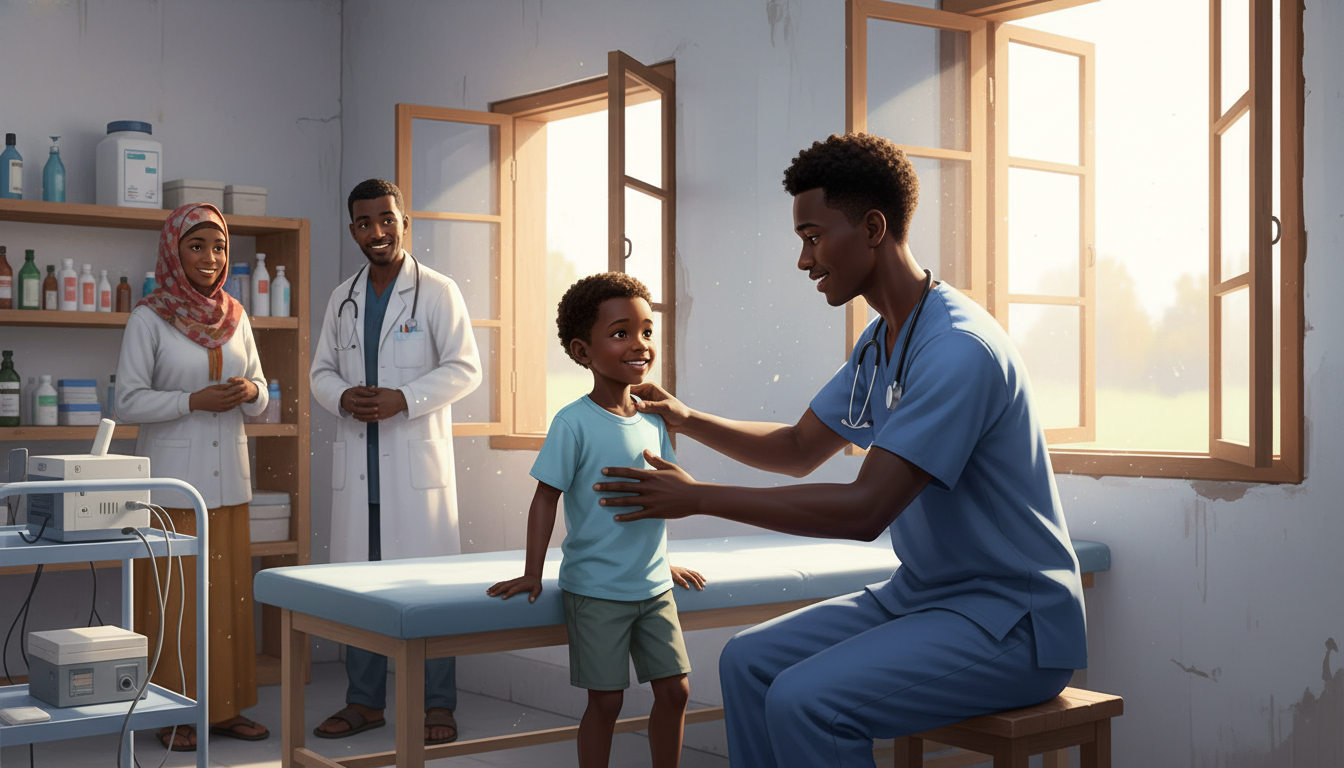
2.3 Case Example: Family Medicine DO with Global Health Track
Imagine a DO graduate in a 3‑year Family Medicine residency with a global health focus.
PGY‑1:
- Standard inpatient rotations, nights, ICU, ED
- Global health mostly readings, evening lectures, maybe local refugee clinic
- Work–life: hardest hours, limited control, but global work is still low‑intensity
PGY‑2:
- One 4‑week international rotation
- Additional outpatient responsibilities + continuity clinic
- Global health projects (e.g., QI in maternal health)
- Work–life: more rewarding, but “free time” often consumed by project planning
PGY‑3:
- Senior responsibilities + multiple global health electives
- Fellowship or job applications, possible MPH coursework
- Work–life: more autonomy and schedule control, but also leadership demands
This trajectory is typical: peak intensity of hours in PGY‑1, then more global health time as you rise in seniority and can shape your own schedule.
3. Matching into Lifestyle‑Friendly Specialties with Global Health Options
If you want a lifestyle residency plus global health, carefully choose a specialty that balances both.
3.1 Lifestyle Considerations by Specialty
Below is a broad, lifestyle‑oriented view (actual experiences vary by program):
More lifestyle‑friendly (often better for long‑term work–life balance):
Family Medicine
- Breadth suits international medicine and rural health
- Outpatient‑focused jobs post‑residency can be quite flexible
- Team‑based primary care; easier to negotiate time away for trips
Internal Medicine (Primary Care)
- Options for outpatient‑based roles, HIV/TB care, chronic disease management
- Hospitalist roles often allow split schedules (e.g., 7 on/7 off, leaving blocks for global work)
Pediatrics (General)
- Strong fit for vaccine programs, malnutrition, child development
- Outpatient or combined roles can allow periodic international work
Preventive Medicine / Public Health
- Often daytime hours, project‑based work, better predictability
- Strong alignment with system‑level global health work
Moderate lifestyle, higher acuity but great global alignment:
Emergency Medicine
- Shift work—intense but clearly bounded
- Flexible schedules can be arranged to cluster shifts before/after trips
- Key role in disaster relief, trauma systems, and acute care capacity‑building
OB/GYN
- Call can be demanding, but impactful for maternal health
- Global opportunities in obstetric emergencies, fistula repair, contraception
More demanding lifestyle, but high impact in global surgery:
- General Surgery / Anesthesia
- Long training, heavy call, intense residency duty hours
- After residency, can structure life with surgical missions, mentoring, or partial‑year placements
- Lifestyle varies widely depending on practice model
For a DO graduate aiming for strong work–life balance with sustainable global health engagement, Family Medicine, Primary Care Internal Medicine, and General Pediatrics are often the most lifestyle‑flexible starting points.
3.2 How the Osteopathic Background Helps or Hurts in the Match
Regarding an osteopathic residency match or ACGME residency:
- Most global health‑oriented programs are fully open to DOs, especially:
- FM, IM, Pediatrics, EM
- Programs may value:
- Your holistic lens and OMT skills for musculoskeletal care in low‑resource settings
- Prior service, language skills, or community‑based experiences
For work–life balance, being a DO does not intrinsically worsen lifestyle. What matters more is:
- Program culture and support
- Specialty chosen
- How heavily you stack on research, leadership, and international travel during training
4. Assessing Work–Life Balance When Evaluating Global Health Programs
A structured approach helps you identify programs that prioritize humane training alongside global health excellence.
4.1 Questions to Ask on Interviews and Visits
When evaluating programs, explicitly ask about residency work life balance and global health logistics:
Schedule and workload
- “How are duty hours tracked and enforced during international rotations?”
- “What is a typical weekly schedule like on global health blocks vs. core rotations?”
- “How often are residents asked to work beyond scheduled hours for global projects?”
Support and coverage
- “Who covers my continuity clinic or ward responsibilities when I am abroad?”
- “Is there dedicated staff or faculty coordinating the global health track so residents are not doing everything off the side of their desk?”
Culture and expectations
- “Is there an expectation that global health residents will publish or present to be viewed as successful?”
- “How many hours per month of ‘extra’ global health work do residents typically do outside normal duty hours?”
Family and personal life
- “How do residents with partners/children navigate international rotations?”
- “Is there flexibility in when international rotations are scheduled for major life events (weddings, childbirth, caregiving)?”
Watch for red flags:
- Residents consistently describe “burnout” or “never having a day off” on global tracks
- Lack of clarity about supervision or duty hour enforcement abroad
- Programs equating “commitment” with self‑sacrifice and guilt around setting boundaries
4.2 Evaluating Program Culture Through Resident Stories
Ask current residents for concrete examples:
- “Tell me about a time a resident was struggling with workload—what did the program do?”
- “Has anyone ever declined a global rotation for personal reasons? How was that received?”
- “How does the program handle safety concerns in international sites?”
A healthy global health program:
- Normalizes saying “no” or postponing trips when needed
- Offers opt‑out options without penalty
- Provides mental health support, debriefing, and peer support after intense experiences
An unhealthy culture:
- Romanticizes martyrdom: “You have to be all‑in all the time, or you’re not serious about global health”
- Minimizes safety or emotional risks
- Treats global health residents as free labor for endless projects
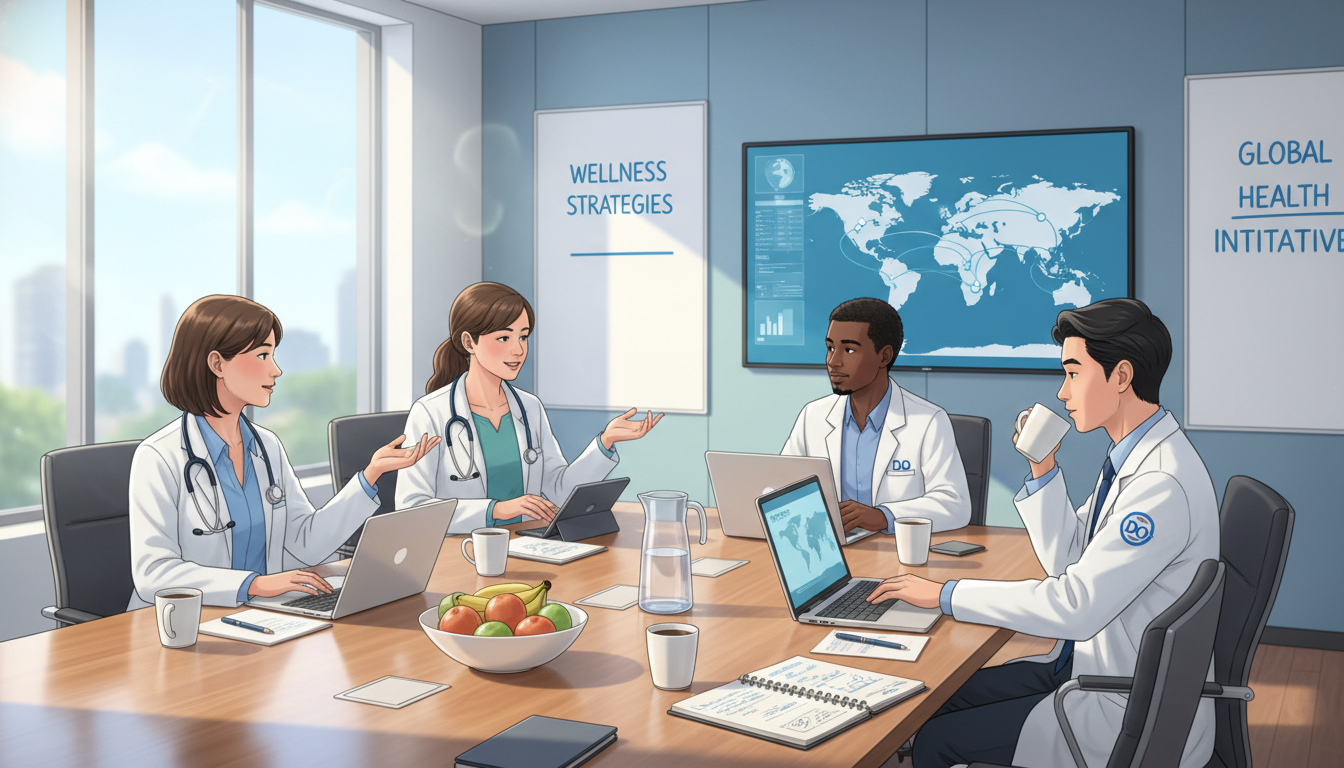
4.3 Practical Checklist: Is This a Sustainable Global Health Program?
Use this quick checklist when comparing programs:
- Global health expectations are clearly described (projects, travel, call, research).
- Duty hours and time off are explicitly protected on domestic and international rotations.
- There is dedicated administrative support for travel logistics, visas, housing.
- Faculty acknowledge the emotional impact of global work and provide structured debriefing.
- Residents with families or dependents are supported, not discouraged, from joining the track.
- You sense that kindness, humility, and boundaries are valued over nonstop hustle.
5. Long‑Term Career Planning: Crafting a Sustainable Global Health Lifestyle
Residency is only the start. Many DO graduates want to know: What does life actually look like 5–10 years out?
5.1 Common Career Models and Their Lifestyle Implications
1. U.S.‑based clinician with periodic global trips
- Structure:
- Main job in U.S. clinic/hospital
- 2–8 weeks/year abroad for teaching, capacity building, or clinical work
- Lifestyle:
- More stable home base, family life, consistent income
- Travel intensity compresses work before/after trips, but overall manageable
- Often compatible with part‑time work or flexible scheduling
2. Split appointment: U.S. academic + overseas partner sites
- Structure:
- Academic appointment (50–80%) with protected time for global projects
- Multiple trips/year, remote meetings, student/resident supervision abroad
- Lifestyle:
- High cognitive load; many simultaneous roles
- Evening calls due to time zones; travel in peak academic deadlines
- However, significant schedule control, potential for sabbaticals and flexible blocks
3. Long‑term in‑country posting (NGO, mission hospital, government, UN)
- Structure:
- Based 6–12+ months/year in one country or region
- Mix of clinical care, system‑building, research, and/or leadership
- Lifestyle:
- Deep community ties, local friendships, meaningful continuity
- Intense work seasons (especially during crises)
- Distance from extended family and U.S. support systems; schooling and partner jobs must be considered
4. Public health/policy/implementation science with clinical “one day a week”
- Structure:
- Primarily project, research, or policy work
- Minimal but focused clinical duties to maintain skills
- Lifestyle:
- Often more traditional weekday schedules
- Less overnight/weekend call
- Travel tied to conferences, stakeholder meetings, or field visits
Your preferred lifestyle will drive which of these models feels sustainable. For example, a DO graduate with young children may favor regular U.S. base with planned shorter trips, whereas a early‑career single DO might embrace multi‑year international placements.
5.2 Protecting Personal Relationships and Well‑Being
Global health can strain relationships if boundaries are unclear. Consider:
Explicit conversations with partners/family:
- Travel frequency and duration
- Communication norms while abroad
- How decisions are made about accepting new roles or postings
Building a portable support system:
- Online therapy or coaching familiar with humanitarian work
- Professional networks (e.g., osteopathic global health groups, specialty societies)
- Mentors who have navigated similar life stages and choices
Implementing personal rules:
- Max number of international weeks per year
- Required recovery days after returning from intense deployments
- Non‑negotiable family events you will prioritize over field work
5.3 Financial and Career Stability Considerations
Lifestyle is not just hours; it’s also about security and control:
- Salary and benefits
- NGO positions may pay less but offer housing or education benefits
- Academic roles may pay moderately but include strong benefits and stability
- Loan repayment
- U.S. clinics serving underserved populations may qualify for loan repayment, indirectly supporting your ability to accept lower‑paid global roles later
- Board certification and licensure
- Ensure you maintain required CME and clinical engagement to keep licenses active
- For DOs, track both AOA and ABMS‑linked requirements if applicable
Aligning financial choices with life goals (e.g., aggressive early loan payoff, maintaining emergency savings) can significantly reduce stress and burnout.
6. Actionable Steps for DO Graduates: From Interest to Sustainable Practice
To translate all of this into concrete steps:
6.1 During Medical School / Early DO Training
- Seek global or underserved clinical experiences that are ethical and supervised (domestic or abroad).
- Learn another language that aligns with your likely regions of interest.
- Engage in public health, quality improvement, or community‑based research.
- Reflect on your personal limits: How do you handle sleep deprivation, moral distress, and vicarious trauma?
6.2 During Residency Selection
- Prioritize specialties that are both global‑health‑relevant and lifestyle‑friendly for you.
- On interview day, explicitly ask about:
- Work–life balance
- Global health track workload
- Support for resident wellness and mental health
- Talk to DO alumni from the program who pursued global health. Ask:
- “What would you do differently for your own work–life balance?”
6.3 During Residency
- Start with manageable global health commitments. Avoid saying yes to everything.
- Use electives strategically:
- Mix international trips with domestic underserved rotations to reduce travel fatigue.
- Reserve some elective time for recovery, board prep, and personal life.
- Develop basic coping tools:
- Regular debriefs with mentors
- Journaling or reflective practice
- Simple mindfulness or grounding techniques after difficult cases
6.4 Early Career
- Choose your first job with lifestyle in mind:
- Consider positions that explicitly allow 4–8 weeks/year for global health work.
- Start at the lower end of your travel capacity and adjust gradually.
- Reevaluate annually:
- Are you energized or drained most of the time?
- How are your important relationships doing?
- Are your health, sleep, and hobbies intact?
Work–life balance in global health is not a one‑time decision; it is a dynamic process of recalibrating your commitments to match your life stage, values, and capacity.
FAQs: Work–Life Balance for DO Graduates in Global Health
1. Is a career in global health compatible with having a family and a stable home life?
Yes, many global health physicians have families and stable home bases. Usually they:
- Base themselves primarily in the U.S. or one country long‑term
- Limit trips to defined blocks (e.g., 4–8 weeks/year)
- Involve partners/families in decision‑making about travel and postings
- Choose roles with predictable schedules (e.g., outpatient, academic, or public health positions)
The key is intention and boundaries, not absence of global work.
2. Which specialties offer the best combination of global health opportunities and lifestyle for DO graduates?
For most DOs prioritizing work–life balance, the most flexible options are:
- Family Medicine
- Primary Care Internal Medicine
- General Pediatrics
- Preventive Medicine / Public Health
Emergency Medicine and OB/GYN are also popular global health specialties but often have more intense call or shifts. Surgery and anesthesia can be deeply impactful globally but typically involve more demanding training and early‑career lifestyle.
3. Will participating in a global health residency track significantly increase my workload?
It often does increase workload, but how much varies by program. Added demands may include:
- Evening seminars or curricula
- Research, QI projects, or presentations
- International travel planning and logistics
In a well‑designed program, these are built into your schedule with protected time, not simply layered on top. Ask explicitly how much extra time residents typically spend on global health activities outside standard duty hours.
4. How can I tell if a global health program will respect duty hours and my well‑being?
Look for:
- Clear, written policies on duty hours during international rotations
- Resident stories showing that the program responds constructively when hours or stress become excessive
- Regular wellness check‑ins and debriefing after global experiences
- Leadership that speaks openly about the risks of burnout and the importance of boundaries
If the only narrative you hear is about “sacrifice” and “working nonstop,” that program may not be aligned with a sustainable, balanced career.
By approaching your choices with clarity about both your values and limits, you can absolutely craft a DO career in global health that is impactful, ethical, and sustainable—for you, your patients, and the communities you serve.