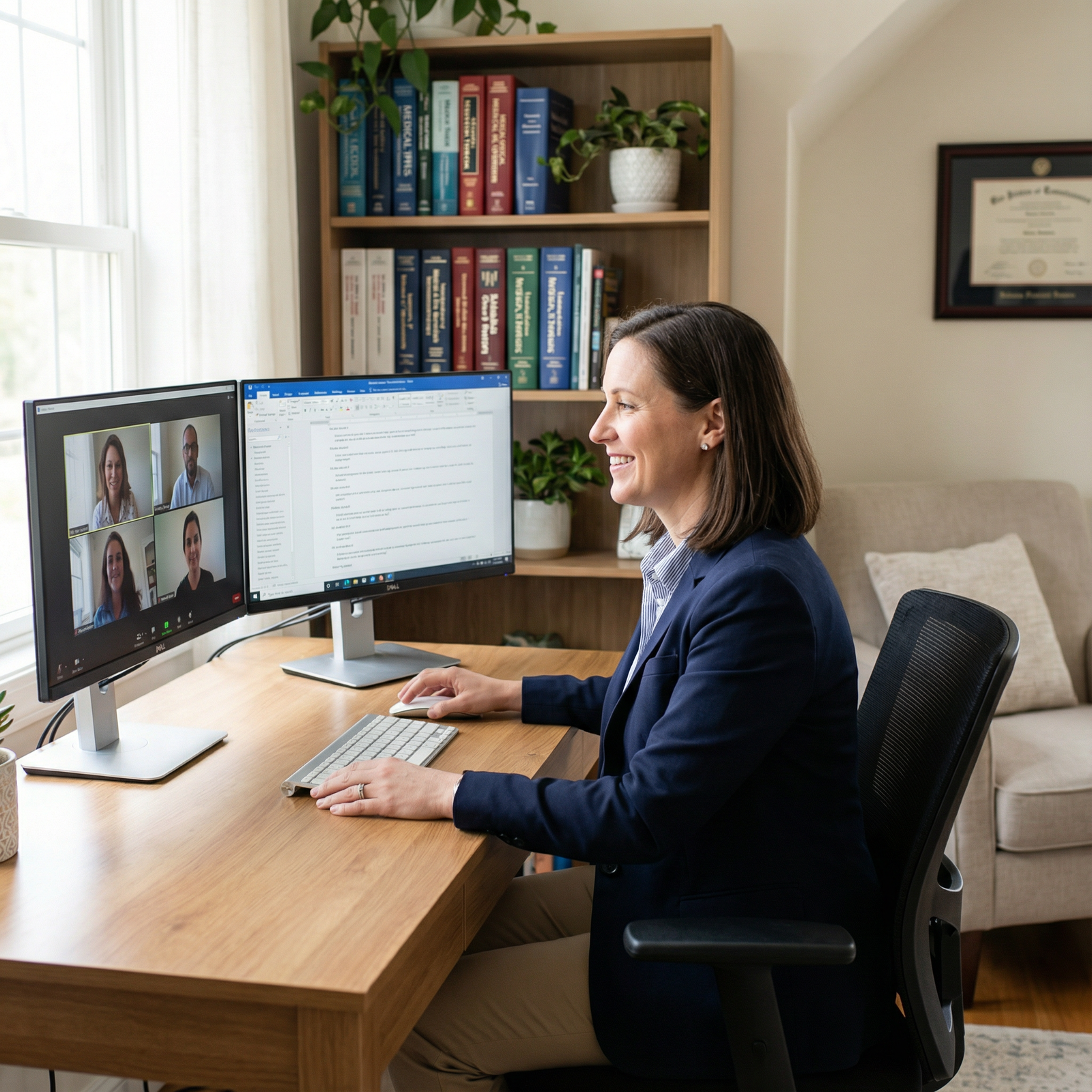
Understanding Work-Life Balance in Urology for DO Graduates
For a DO graduate considering urology, work-life balance is one of the most important—and most misunderstood—parts of career planning. Urology is a surgical subspecialty with demanding training, but it also offers some of the better long-term lifestyle prospects among operative fields. As a DO applicant navigating the osteopathic residency match and integrated programs, you’ll want a realistic picture of daily life, duty hours, call load, and how your lifestyle can evolve from intern year through attending practice.
This article breaks down the work-life balance landscape in urology specifically for DO graduates: what to expect in residency, how program type and practice setting affect your lifestyle, and concrete strategies to protect your well‑being from day one.
1. How Demanding Is Urology Compared to Other Specialties?
1.1 Where Urology Fits on the Lifestyle Spectrum
On the “lifestyle residency” spectrum, urology sits somewhere in the middle:
- Better lifestyle than: General surgery, neurosurgery, cardiothoracic surgery, obstetrics (especially in private practice), certain surgical subspecialties with heavy trauma.
- Roughly comparable to: Orthopedic surgery (with somewhat more frequent but generally less brutal emergencies), ENT, ophthalmology in some settings.
- More demanding than: Outpatient-heavy fields like dermatology, psychiatry, radiology, pathology, or many outpatient internal medicine subspecialties.
Urology offers:
- A mix of clinic and OR (procedural satisfaction without being in the OR every hour of the day).
- Mostly scheduled surgeries, with a manageable but real emergency burden.
- Increasing use of minimally invasive and robotic techniques, which can reduce physical strain (but may extend OR days).
For a DO graduate, urology can be one of the most lifestyle-friendly surgical subspecialties, especially in the attending years—provided you choose your practice environment carefully.
1.2 Acute vs Chronic Demands
Urology has two main kinds of patient presentations:
Chronic, planned care
- BPH, kidney stones (elective management), erectile dysfunction, incontinence, infertility, cancers on surveillance or planned surgery.
- These are usually seen in clinic or scheduled OR days → more predictable hours, easier to plan life around.
Acute emergencies
- Obstructing stones with infection, urinary retention, testicular torsion, trauma to the genitourinary tract.
- These drive your night call and weekend work.
Because most urologic care is elective, the day-to-day work can be structured, but call is real and can be intense at certain institutions. Understanding how each program structures call is critical to assessing work-life balance during the urology match process.
2. Residency Work-Life Balance: What DO Applicants Need to Know
Residency is the most lifestyle‑limited phase of your career. Urology training is front-loaded with long hours and steep learning curves, but the details vary significantly between programs.
2.1 Typical Duty Hours and Schedule Patterns
Across ACGME-accredited programs (where DO and MD residents now train side-by-side), duty hours must comply with national standards:
- 80 hours/week average over 4 weeks
- 1 day off in 7, averaged over 4 weeks
- Maximum 24 hours of in-house call, with up to 4 additional hours for transitions of care
- Adequate time off between shifts (often 8–10 hours depending on specific program policies)
How this looks in practice for a urology resident:
PGY‑1 (Preliminary/Transitional Year)
- Rotations in general surgery, ICU, emergency medicine, and perhaps urology.
- Most intense from a duty hours standpoint:
- Long general surgery days: 5:30–6:00 a.m. to 6:00–7:00 p.m. typical.
- Q3–Q4 call (every 3rd–4th night) on some rotations.
- Work-life balance is often poor at this stage regardless of specialty choice.
PGY‑2 to PGY‑4 (Core urology training years)
- Mix of inpatient consults, the OR, and some clinic.
- Sample weekday:
- 5:30–6:00 a.m.: Pre-rounds
- 6:30–7:30 a.m.: Rounds with team
- 7:30 a.m.–4:00/5:00 p.m.: OR or clinic
- 4:00–5:30 p.m.: Floor work, consults, sign‑out
- Call frequency examples:
- In-house call: Q4–Q6 on heavy services or trauma centers.
- Home call: More common in later years and smaller/medium-sized programs.
- These are your highest learning and procedure years, and typically where life feels most “controlled chaos.”
PGY‑5/6 (Senior/chief years)
- More leadership, more complex cases, often more clinic.
- Better ability to delegate to juniors; more home call vs in-house at many programs.
- Schedule often becomes more predictable (though still busy).
DO graduates should expect consistent 60–80 hour weeks in many urology residencies, with some rotations dipping slightly below 60 and others brushing the 80‑hour cap.
2.2 Call: The Biggest Lifestyle Variable
Call structure is the primary determinant of residency work-life balance in urology.
Common call models you’ll see during urology residency:
In-house q3–q4 call
- You sleep (or try to) in the hospital.
- Respond to ED consults, ward issues, OR emergencies.
- Post‑call days may end at noon or early afternoon; sometimes you stay later if work is heavy.
- Lifestyle impact: Significant fatigue, unpredictable nights, but more learning volume.
Home call with required response time
- You take calls from home, coming in for emergent cases or consults.
- Frequency can be higher (q3–q7) depending on the number of residents.
- Lifestyle impact: Better for family and personal life, but sleep can still be fragmented during busy nights.
Hybrid call
- Junior residents in-house; senior residents at home.
- Certain rotations (trauma hospital, transplant center) may require more in-house presence.
When evaluating programs during the urology match, ask specifically:
- How often are residents in-house vs home call?
- What is the average number of calls per month at each PGY level?
- On home call, how often are residents actually coming in overnight?
- How is post-call time protected?
For a DO graduate targeting better residency work-life balance, programs with more home call and a larger resident complement can feel more sustainable.
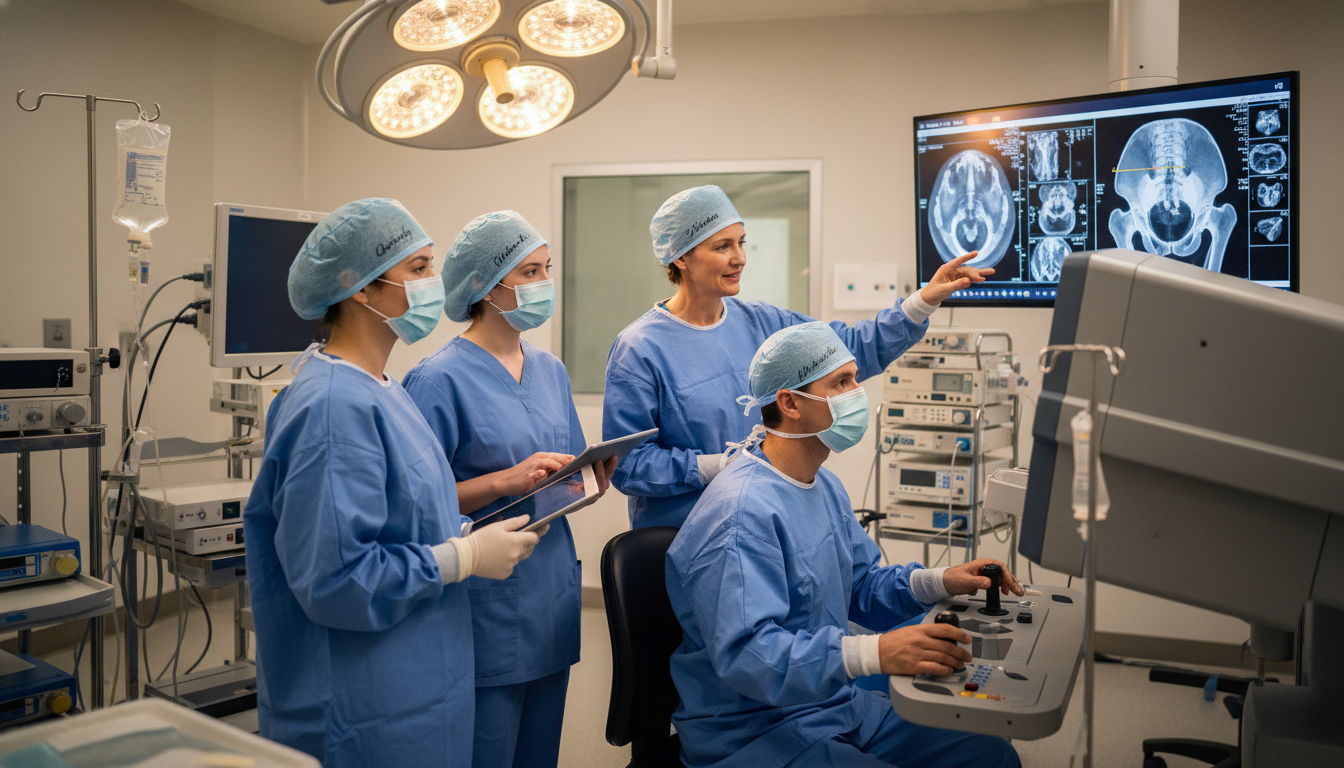
3. DO Graduate–Specific Considerations in the Osteopathic Residency Match
3.1 The DO Graduate in Urology: Feasibility and Lifestyle Considerations
The unified ACGME system means that DO graduates apply to the same urology residency programs as MDs. The urology match is highly competitive, but DOs have successfully matched and built rewarding careers in urology.
From a work-life perspective, some additional factors matter for DO applicants:
Geographic flexibility
Being more flexible about where you train increases your chances of matching and lets you select programs with a reputation for supportive culture and reasonable duty hours, rather than only chasing brand‑name institutions.Program familiarity with DO training
Programs that have historically accepted DO residents may:- Have a more standardized evaluation process for COMLEX/USMLE.
- Be more attuned to mentoring DO graduates through the unique aspects of the osteopathic residency match process.
- Offer a more inclusive culture, which often correlates with better resident support and, indirectly, better work-life balance.
Osteopathic skills and niche interests
While OMT is not core to urology practice, having an osteopathic mindset about holistic care, musculoskeletal pain, and functional complaints can:- Open doors to subspecialty niches (pelvic pain, men’s health, integrated survivorship clinics).
- Support a more patient-centered, clinic-heavy practice later on, which often has more predictable daytime hours.
3.2 Using Interviews to Gauge Culture and Lifestyle
During interviews, DO applicants should strategically assess residency work-life balance:
Ask residents:
- “What is your average weekly schedule like on heavy vs lighter rotations?”
- “How strictly is the 80‑hour rule enforced in practice?”
- “How many weekends are you in the hospital per month?”
- “What does post-call actually look like?”
- “Do you feel comfortable saying no when you’re at your limit?”
- “How does the program handle illness, parental leave, or personal emergencies?”
Observe for:
- Body language when lifestyle questions come up.
- Whether residents hesitate or look at faculty before answering.
- Whether residents talk about hobbies, families, or lives outside the hospital.
Programs that encourage open conversation about residency work-life balance are more likely to honor it in daily life.
4. Long-Term Lifestyle: Urology Practice After Residency
Residency is temporary; your career as an attending urologist can last 30+ years. This is where urology’s lifestyle can truly shine—if you choose your practice setting wisely.
4.1 Major Practice Settings and Lifestyle Implications
1. Academic medical center
- Pros:
- Structured clinic and OR days.
- Stable salary with benefits, often with protected academic time.
- Team-based call: multiple attendings sharing nights and weekends.
- Opportunities to focus on a subspecialty (endourology, oncology, pediatrics, female pelvic medicine).
- Cons:
- Potentially more evening commitments: research, teaching, committees.
- Lower base income than some private practice settings (though lifestyle may be more predictable).
Work-life impact: Often moderate-to-good balance; can be excellent if you choose a less call-heavy niche.
2. Private practice (single or multi-specialty group)
- Pros:
- Potentially higher compensation.
- More control over your schedule over time.
- Ability to adjust your workload (clinic days vs OR days, elective vs emergent cases).
- Cons:
- Early years can be busy to build a patient base.
- Call burden depends heavily on group size and local competition.
- Business responsibilities (partnership, management) can spill into off-hours.
Work-life impact: Ranges from intense but lucrative to very balanced with 4‑day weeks in mature practices.
3. Employed hospital or health-system model
- Pros:
- Salary structure; less business risk.
- Negotiable contracts around clinic time, call frequency, and duty expectations.
- Decent benefits; ability to carve out niches (e.g., outpatient stone management center).
- Cons:
- Less autonomy over long-term practice changes.
- Institutional pressure for RVU targets in some environments.
Work-life impact: Often stable and predictable, especially with well-negotiated contracts.
4. Subspecialized, referral-based practice
- Examples: Reconstructive urology, fertility/andrology, female pelvic medicine, oncology, pediatrics.
- Lifestyle depends on the subspecialty:
- Fertility/andrology: Largely outpatient, procedures done in the office or short elective OR blocks; often excellent hours and few true emergencies.
- Oncology: More major cases; longer OR days but often scheduled; call can vary.
- Pediatrics: Limited emergency burden but night/weekend calls still possible.
Work-life impact: Frequently above average once established, especially in more clinic and procedure-based subspecialties.
4.2 Urology as a “Lifestyle Residency” in the Long Run
While urology residency is demanding, many attending urologists:
- Work mainly weekday daytime hours, with 1–2 OR days and 2–3 clinic days per week.
- Share call with a group, bringing average night call down to 1 in 5–10 nights or less (depending on region and group size).
- Negotiate 4‑day workweeks or reduced clinical FTE later in their careers.
- Maintain stable, long-term relationships with patients, creating personal and professional satisfaction that buffers the stress of duty hours and call.
For DO graduates who value both procedural work and a sustainable lifestyle, urology can be one of the more reasonable surgical choices.

5. Practical Strategies to Protect Work-Life Balance as a Urology Resident
Even in a rigorous field, you have real control over how sustainable your day-to-day life feels. These strategies are tailored for DO graduates entering the urology residency match and subsequent training.
5.1 Before Match Day: Choosing Programs With Better Lifestyle Potential
When assembling your rank list for the urology match, consider:
- Resident-to-faculty ratio: More residents per attending often means more shared coverage and fewer brutal stretches.
- Number of hospitals covered: Covering multiple sites spreads you thin; single or dual-site systems are usually more manageable.
- Presence of advanced practice providers (APPs): Nurse practitioners or PAs can handle routine floor work and some clinic tasks, freeing residents to focus on high-yield operative and consult work—and sometimes shortening hours.
- Reputation for culture: Programs known for “malignant” culture or chronic 80+ hour weeks should raise red flags unless you have strong reasons to accept that trade-off.
5.2 During Residency: Day-to-Day Habits That Matter
You cannot control emergency cases or census spikes, but you can:
Master efficiency early
- Learn your EMR shortcuts.
- Standardize notes (smart phrases, templates).
- Batch tasks: complete discharges, order sets, and consult notes in focused blocks.
Communicate proactively
- Let seniors know when your workload is unsafe.
- Triage consults appropriately and ask for guidance when unsure.
- Develop scripts for politely but clearly asserting when you cannot safely add another task without compromising patient care.
Protect small pockets of personal time
- Even if it’s a 20-minute walk after work, schedule it like a procedure.
- Maintain at least one consistent weekly activity unrelated to medicine: workout class, religious service, social event, or hobby.
Use your off days intentionally
- Rest is primary: sleep, nutrition, and physical recovery.
- Plan small but meaningful activities with family or friends.
- Avoid over-scheduling chores; a “good enough” standard helps.
Mental health and support
- Use employee assistance programs or resident wellness services early, not as a last resort.
- Normalize therapy or coaching—residents in high-intensity specialties benefit from professional support.
5.3 As You Approach Attending Practice: Build the Lifestyle You Want
Before signing your first contract:
- Clarify call expectations in writing:
- In-hospital call vs home call.
- Number of weekdays and weekends per month.
- Backup coverage for vacations and emergencies.
- Negotiate clinic template and OR blocks:
- New vs return patient slots.
- Time allotted for complex visits.
- Ask about future flexibility:
- Possibilities for part-time work or 4‑day weeks.
- Options to reduce call load with seniority.
As a DO graduate, you can lean on your osteopathic training—emphasizing holistic care and functional outcomes—to position yourself for clinic-forward roles and patient-centered niches that naturally align with better work-life balance.
6. Is Urology the Right Lifestyle Fit for You as a DO Graduate?
When assessing whether urology aligns with your personal definition of residency work-life balance, consider:
Your tolerance for surgical intensity
Are you comfortable with long OR days, procedural focus, and some unpredictable nights?Your long-term goals
Do you see yourself in a specialty where you can eventually sculpt a schedule that is:- Mostly daytime.
- Allows time for family and outside interests.
- Still offers complex problem-solving and technical challenges?
Your resilience and support systems
Urology residency will challenge your stamina. A strong support network, good coping skills, and willingness to seek help are essential.Your priorities during different phases of life
You might accept heavier duty hours in residency knowing that your attending years can be quite balanced—especially if you choose a practice setting that supports your lifestyle goals.
For many DO graduates, urology offers a compelling combination: surgical satisfaction, intellectual engagement, and ultimately, a realistic path to a sustainable, fulfilling lifestyle.
FAQs: Work-Life Balance for DO Graduates in Urology
1. Is urology considered a “lifestyle residency” compared to other surgical fields?
Among surgical specialties, urology is often viewed as relatively lifestyle-friendly—especially in the long term. Residency is still demanding, with 60–80 hour weeks and significant call, so it’s not as “lifestyle” as fields like dermatology or radiology. However, compared to general surgery or neurosurgery, urology typically offers:
- More elective, scheduled cases
- Less trauma
- Better ability to shape a balanced practice as an attending
2. As a DO graduate, will my work-life balance be different from MD residents in the same urology program?
Once matched into the same ACGME-accredited program, DO and MD residents follow the same duty hours, call schedules, and expectations. Your work-life balance will depend more on the program’s culture and structure than on your degree. Where you may see differences is in the path to matching (e.g., needing stronger board scores or more networking), but not in the lifestyle once you’re in residency.
3. What types of urology practice offer the best lifestyle after residency?
Generally, the best lifestyle tends to be found in:
- Larger private or group practices with many urologists sharing call.
- Clinic-heavy niches like fertility/andrology, men’s health, or pelvic floor/incontinence.
- Academic positions with defined clinic/OR days and limited emergency burden, especially in non-trauma centers.
In these settings, many urologists work mainly weekdays, with call spread widely across the group.
4. How can I assess residency work-life balance during the urology match process?
Focus on:
- Detailed questions about duty hours, call frequency, and post-call policies.
- How residents describe their ability to maintain hobbies and relationships.
- Signs of a supportive culture: regular check-ins, wellness initiatives, accommodations for life events.
- Objective markers such as number of residents, APP support, and number of hospital sites covered.
For a DO graduate, prioritizing programs with transparent communication and a track record of supporting resident well-being is just as important as case volume or prestige when aiming for a sustainable life in urology.