Medicine-Pediatrics and Work-Life Balance: Why This Matters for US Citizen IMGs
For a US citizen IMG or an American studying abroad, deciding on Medicine-Pediatrics (Med-Peds) is about much more than just liking both adults and kids. It’s also about whether this path will support the life you want to live—your family, your health, your finances, and your long-term happiness.
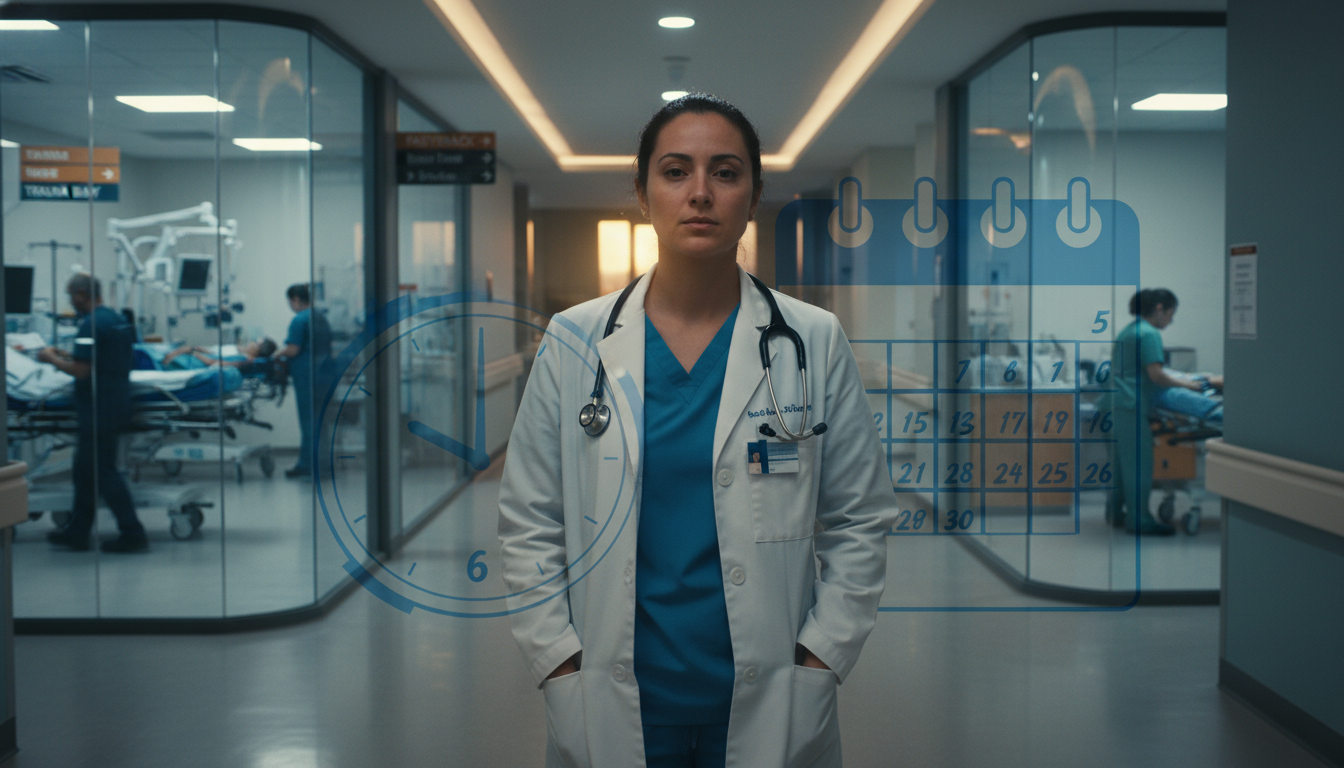
Med-Peds has a reputation for being demanding but flexible. It is not a “lifestyle residency” in the way some fields (like dermatology or pathology) are often described, but it can offer a very sustainable career with thoughtful choices. The residency work life balance you experience and the career you build afterward depend heavily on where and how you train.
This article will walk you, as a US citizen IMG, through:
- How Med-Peds residency duty hours and workload actually feel
- How Med-Peds compares to categorical Internal Medicine and Pediatrics for lifestyle
- What is realistic to expect in training vs after graduation
- Unique opportunities and pressure points for a US citizen IMG
- Practical strategies to protect your well-being and still match strongly in Medicine-Pediatrics
1. Understanding Medicine-Pediatrics Residency Structure and Culture
What is Med-Peds in Practice?
Medicine-Pediatrics is a four-year combined residency that fully trains you in both Internal Medicine (IM) and Pediatrics, making you board-eligible in both specialties. It is not “half” of each; it’s the full curriculum compressed into four years through careful integration.
Typical features:
- 4-year program vs 3-year categorical IM or Pediatrics
- Time split roughly 50/50 between Medicine and Pediatrics
- Rotations alternate between adult and pediatric services every few months
- Graduates have broad career options: primary care, hospitalist, academics, global health, subspecialty fellowship, complex care, med-psych collaboration, and more
Culture-wise, Med-Peds residents often:
- Value complex, longitudinal care (transitions from childhood to adulthood)
- Enjoy variety and intellectual challenge
- Tend to be team-oriented, flexible, and adaptable
- Are often drawn to underserved populations and system-level thinking
Med-Peds does not inherently guarantee better or worse work-life balance than categorical IM or Pedi; the differences show up in your specific program, your future job, and your personal boundaries.
2. Residency Work-Life Balance in Med-Peds: What to Expect
Duty Hours: The Official Rules vs Reality
All ACGME-accredited Med-Peds programs must follow standard duty hours rules, same as other core residencies:
- Maximum 80 hours per week, averaged over four weeks
- One day off in seven, averaged over four weeks
- Maximum 24 hours continuous in-house (plus up to 4 hours for transitions/education)
- Mandatory rest periods between long shifts, especially for interns
In practice, you should expect:
- High-intensity rotations (Adult wards, ICU, ED, NICU, PICU, night float)
- More moderate rotations (clinic blocks, electives, some subspecialty services)
- Fluctuation week-to-week, with some weeks feeling manageable (50–60 hours) and others pushing the 70–80-hour range
For a US citizen IMG, the workload itself is not fundamentally different—but you may face additional stressors:
- Adapting to US hospital culture after training abroad
- Building confidence speaking up and advocating for your limits
- Navigating new systems (EHR, communication style, inter-professional collaboration) under time pressure
Is Med-Peds a “Lifestyle Residency”?
No, Med-Peds is not generally classified among the top lifestyle residencies. Compared to highly lifestyle-friendly fields like dermatology or radiology, Med-Peds:
- Has more inpatient time
- Involves more night and weekend work, particularly in residency
- Includes higher exposure to critical illness and emotionally heavy cases
However, within primary care and hospital-based specialties, Med-Peds can be relatively lifestyle-friendly—especially in the post-residency phase:
- Flexibility to practice inpatient, outpatient, or mixed
- Ability to limit or avoid specific settings (e.g., adult ICU, NICU) after training
- Strong job market demand that allows you to negotiate schedule, call, and compensation
Think of Med-Peds as: Work-hard in training, then tailor your practice for balance.

Day-in-the-Life Examples: How Busy Is It Really?
Example 1: Busy Inpatient Medicine Month (PGY-2)
- 6:30 am – Arrive, pre-round on 6–8 patients
- 8:00 am – Team rounds with attending
- Late morning – Order entry, family discussions, new consults
- Afternoon – Admissions from ED, cross-cover issues
- Evening – Sign-out and wrap-up, leave between 6:30–7:30 pm
- Call or night float some weeks (e.g., 6 nights in a 4-week block)
Example 2: Outpatient Pediatrics Clinic Block (PGY-3)
- 8:00 am – Start clinic, about 8–12 patients in the morning
- 12:00 pm – Lunch, didactics, charting
- 1:00–4:30 pm – Afternoon patients (well-child visits, chronic care, sick visits)
- 4:30–5:30 pm – Finish notes and callbacks
- Evenings usually free; occasional late days for urgent add-ons
Across the four years of Med-Peds, these mix:
- High intensity blocks: wards, ICU, ED, nights
- Moderate/low intensity blocks: ambulatory, electives, research, community rotations
Your overall residency work life balance will hinge on:
- How your program schedules rotations (clustered vs distributed heavy months)
- Whether there is a robust night float system
- How supportive attendings and senior residents are about leaving on time and protecting days off
3. Comparing Med-Peds to Internal Medicine and Pediatrics for Lifestyle
Many US citizen IMGs choosing Med-Peds are torn between IM and Pediatrics. Understanding relative lifestyle factors can clarify whether Med-Peds is the right compromise for you.
Residency Phase
Workload Intensity:
- Internal Medicine (categorical): Heavy inpatient exposure, especially in academic programs; more complex adult co-morbidities.
- Pediatrics (categorical): Still busy but somewhat fewer comorbidities, potentially shorter average length of stay.
- Med-Peds: Combines the hardest parts of both at times; you alternate between IM and Peds services, so you don’t escape heavy rotations, but you do get variety that some find mentally protective.
Professional Identity:
- Categorical IM or Peds: Simpler identity and expectations, one department culture
- Med-Peds: Dual identity; you integrate into two cultures, two sets of expectations, two evaluation systems
For some US citizen IMGs, this duality is energizing. For others, it can feel like constantly switching gears, which may add cognitive and emotional fatigue.
Early Career Phase (Post-Residency)
Once board-certified, work-life balance depends heavily on:
- Setting (academic vs community vs rural vs urban)
- Scope of practice (hospitalist, outpatient, hybrid, fellowship)
- Call responsibilities (nights, weekends, ICU coverage)
Lifestyle comparisons in early practice:
Categorical IM:
- Hospitalist jobs can be intense but with block schedules (e.g., 7-on/7-off).
- Outpatient IM can offer predictable weekday work but often heavy panel management and inbox burden.
Categorical Pediatrics:
- Outpatient pediatrics often has more family-friendly hours, fewer late-night emergencies, but sometimes lower compensation.
- Pediatric hospitalist roles vary; smaller hospitals may require broader coverage (including newborn nursery, occasional NICU support).
Med-Peds:
- You can choose to be an adult hospitalist, pediatric hospitalist, outpatient Med-Peds clinician, or mixed.
- Dual training may let you carve out niche, balanced roles (e.g., transition clinics, complex care, partial outpatient/partial inpatient).
- Because you are versatile, you may have more leverage to negotiate better lifestyle residency-style jobs even if you work full-time.
For many, Med-Peds is a flexible platform: you may work harder early in your career and then pivot to a more lifestyle-oriented role later (e.g., mostly clinic with no nights, 0.8 FTE, academic teaching position with protected time).
4. Specific Work-Life Challenges and Opportunities for US Citizen IMGs
As a US citizen IMG or American studying abroad, your personal work-life balance in Med-Peds is affected by more than just hours.
Additional Pressures You May Face
Visa and Status Stress Tilted to Your Past, Not Present
- While you’re a US citizen, you may still be grouped mentally with IMGs in program leadership’s mind.
- You won’t have visa issues, but your IMG label may make you feel pressure to “prove” yourself, work longer, or avoid asking for help.
Imposter Syndrome and Cultural Adaptation
- Transitioning from a non-US medical school to a US residency can be jarring:
- Different documentation standards
- More emphasis on inter-professional communication
- Patient-centered language and shared decision-making
- This may lead to over-preparation, overwork, and burnout risk if you feel you must constantly overperform.
- Transitioning from a non-US medical school to a US residency can be jarring:
Geographic Constraints and Support Systems
- Many Med-Peds programs are at academic centers in major cities; as a US citizen IMG, you may be less geographically flexible to stay near family or support networks if your application is more limited by program competitiveness.
- Being distant from your support system makes self-care and balance harder during heavy months.
Perceived “Second-Class” Status Among Applicants
- While Med-Peds is generally IMG-friendly compared to ultra-competitive specialties, some programs still show a preference for US MDs.
- The pressure to match at “any” program can lead you to accept environments with worse duty-hour cultures or poor wellness infrastructure.
Unique Opportunities for US Citizen IMGs in Med-Peds
Strong Demand for Flexible, Generalist Physicians
- Many underserved areas and growing health systems want physicians who can see all ages efficiently.
- This can translate into job offers with more negotiable schedules once you complete training (part-time, 4-day weeks, limited call).
Alignment with Global Health and Cross-Cultural Skills
- Many IMGs bring cross-cultural communication skills that are valuable in Med-Peds, especially for immigrant and diverse communities.
- This can help you secure roles that incorporate teaching, advocacy, and flexible time allocation, improving lifestyle.
Academic and Teaching Appeal
- Programs value Med-Peds physicians as bridges between departments.
- Your IMG experience can make you a strong mentor for other international trainees, opening options for academic jobs with more controlled clinical load.

5. Practical Strategies to Protect Work-Life Balance as a US Citizen IMG in Med-Peds
A. Choosing Programs with Realistic Residency Work-Life Balance
When researching Med-Peds programs, especially as a US citizen IMG, you must actively assess culture, not just name recognition.
Key signals to look for:
Transparent Duty Hours Culture
- Do residents openly admit: “Some months are brutal, but leadership helps enforce 80-hour limits”?
- Ask whether residents feel comfortable filing duty-hour violations without retaliation.
Night Float vs 24-Hour Call Structure
- Robust night-float systems tend to be more sustainable.
- A small number of 24-hour calls is acceptable; frequent 24+ hour shifts can be draining.
Wellness and Mentorship Systems
- Is there a designated Med-Peds program director or associate PD who knows residents well?
- Are there formal mentorship pairings?
- Ask about scheduled wellness days, mental health resources, and protected vacation time.
Resident Retention and Morale
- Do residents sound honest, nuanced, and occasionally critical when you speak to them, or do they feel scripted?
- High attrition or frequent transfers out may hint at difficult work environments.
Questions to ask on interview day:
- “How often do you approach or exceed 80 hours in a week?”
- “What happens when residents are consistently staying late?”
- “How many weekends per month are typically free?”
- “Do residents feel supported when they need time off for illness or emergencies?”
B. Matching Smart as a US Citizen IMG
As a US citizen IMG, you may feel pressure to rank any program that will take you. It’s important to be strategic but also realistic.
Balance competitiveness with well-being by:
- Applying broadly, including community-based Med-Peds programs, not just large academic centers.
- Prioritizing programs where current residents with non-traditional backgrounds (including IMGs) appear happy and successful.
- Considering geography: being closer to family or friends may significantly buffer stress and burnout.
If you are an American studying abroad, use your US roots as a strength:
- Emphasize your insight into the US healthcare system (previous work, volunteering, US clinical experience).
- Highlight resilience, adaptability, and cross-cultural competence.
- When you show you can navigate both US and non-US contexts, programs may see you as especially suited to Med-Peds populations (e.g., immigrants, global health).
C. Managing Daily Life in Residency
Concrete habits matter more than abstract “resilience.”
During heavy rotations (wards/ICUs):
- Aim for micro-rest: even 10–15 minutes to eat, breathe, and step away from alarms.
- Use checklists for pre-rounding to reduce cognitive load.
- Protect one consistent decompression habit (short walk after work, 20-minute stretch, quick call with a friend).
During lighter rotations (clinic/electives):
- Pre-plan catch-up time for sleep, exercise, errands, and social life.
- Avoid turning every free evening into extra study time; schedule intentional rest.
- Use this time to reflect and adjust your long-term career plan (fellowship vs generalist, desired practice setting).
Boundaries and Communication:
- Learn to say, “I’d like to help, but I need to finish these urgent tasks first. Can we prioritize?”
- If your work regularly exceeds expectations, discuss workflow with seniors and attendings instead of silently absorbing extra load.
- Build ally relationships with nurses, advanced practice providers, and other residents; a strong team makes long shifts more sustainable.
D. Planning Your Post-Residency Lifestyle Career in Med-Peds
Work-life balance becomes much more malleable after residency. Use your four training years to:
Sample Different Practice Models
- Electives with Med-Peds hospitalists, outpatient Med-Peds clinics, community practices, and academic roles.
- Ask each attending:
- “What does your typical week look like?”
- “How many nights/weekends do you work?”
- “What would you change about your schedule if you could?”
Identify Your Non-Negotiables
- Do you need no overnight call due to family obligations?
- Do you want 4-day weeks?
- Are you willing to accept lower salary for more free time?
Use Your Value as a Dual-Boarded Physician
- Med-Peds physicians can often cover more than one service line.
- Leverage this when negotiating:
- “I can provide both adult and pediatric hospitalist coverage, but I’d like a schedule capped at X shifts/month,” or
- “I’ll build a combined transitions clinic if I can have 0.8 FTE and one day a week for administrative and teaching work.”
Consider Lifestyle-Forward Tracks
- Outpatient-only jobs with limited or no call
- Shared FTE arrangements (e.g., two physicians sharing one full-time role)
- Telemedicine components for follow-ups and chronic disease management
- Academic positions with protected time for teaching and research
Using Med-Peds to craft a lifestyle residency–adjacent career is realistic as demand for generalists increases.
6. Is Med-Peds Right for You as a US Citizen IMG Seeking Balance?
Medicine-Pediatrics is a powerful match for US citizen IMGs who:
- Enjoy variety and complexity
- Want flexibility in shaping their career (inpatient vs outpatient, adult vs child, community vs academic)
- Are willing to work hard during residency but want choice and control afterward
- Feel energized by cross-cultural care, transitions of care, and system-level impact
Where it may be challenging:
- If you primarily want a classic “lifestyle residency” with consistently light hours during training
- If you strongly prefer one patient population (only adults or only kids)
- If you know you will be heavily constrained outside work (e.g., full-time caregiving responsibilities) during residency and cannot tolerate unpredictable workloads
For many, the medicine pediatrics match is less about immediate comfort and more about building a long-term, sustainable, and meaningful career. With intention, Med-Peds can provide a strong balance between professional fulfillment and personal life.
FAQs: Work-Life Balance in Medicine-Pediatrics for US Citizen IMGs
1. As a US citizen IMG, will Med-Peds programs expect me to work harder than US graduates?
Formally, no—duty hours and responsibilities are standardized for all residents. Informally, some IMGs feel internal pressure to “prove” themselves, which can lead them to take on extra work. The key is to meet expectations reliably, seek feedback regularly, and resist overextending yourself out of anxiety. Your performance and growth, not endless hours, will build trust.
2. Are there Med-Peds programs known for better lifestyle or residency work life balance?
Yes, but the details change over time. Tend to look for:
- Community-based or hybrid programs (community + academic affiliates)
- Strong outpatient emphasis and night float systems
- Places where residents talk honestly about wellness.
During interviews, explicitly ask about “typical weekly hours,” weekend frequency, and whether residents get home close to scheduled end-times on clinic and elective days.
3. Can I have a family or significant personal responsibilities during a Med-Peds residency?
Many Med-Peds residents are parents or primary supporters for family. It is challenging but possible with:
- A program supportive of parental leave and schedule accommodations
- Reliable childcare and backup plans
- Open communication with program leadership about major life events
Planning ahead and choosing a program with a track record of supporting residents with families is crucial.
4. What Med-Peds careers offer the best long-term lifestyle?
Common lifestyle-friendly paths include:
- Outpatient Med-Peds primary care (with controlled panel size and limited call)
- Hospitalist positions with block scheduling and no ICU coverage
- Academic roles mixing clinic with teaching and some protected time
- Positions in organizations open to 0.6–0.8 FTE arrangements
Your dual training lets you design practice models that many single-specialty colleagues cannot, which can significantly enhance your long-term work-life balance.
By understanding the realities of Med-Peds duty hours, program culture, and post-residency options—and by strategically leveraging your unique strengths as a US citizen IMG—you can pursue Medicine-Pediatrics in a way that supports both your professional ambitions and the life you want outside the hospital.