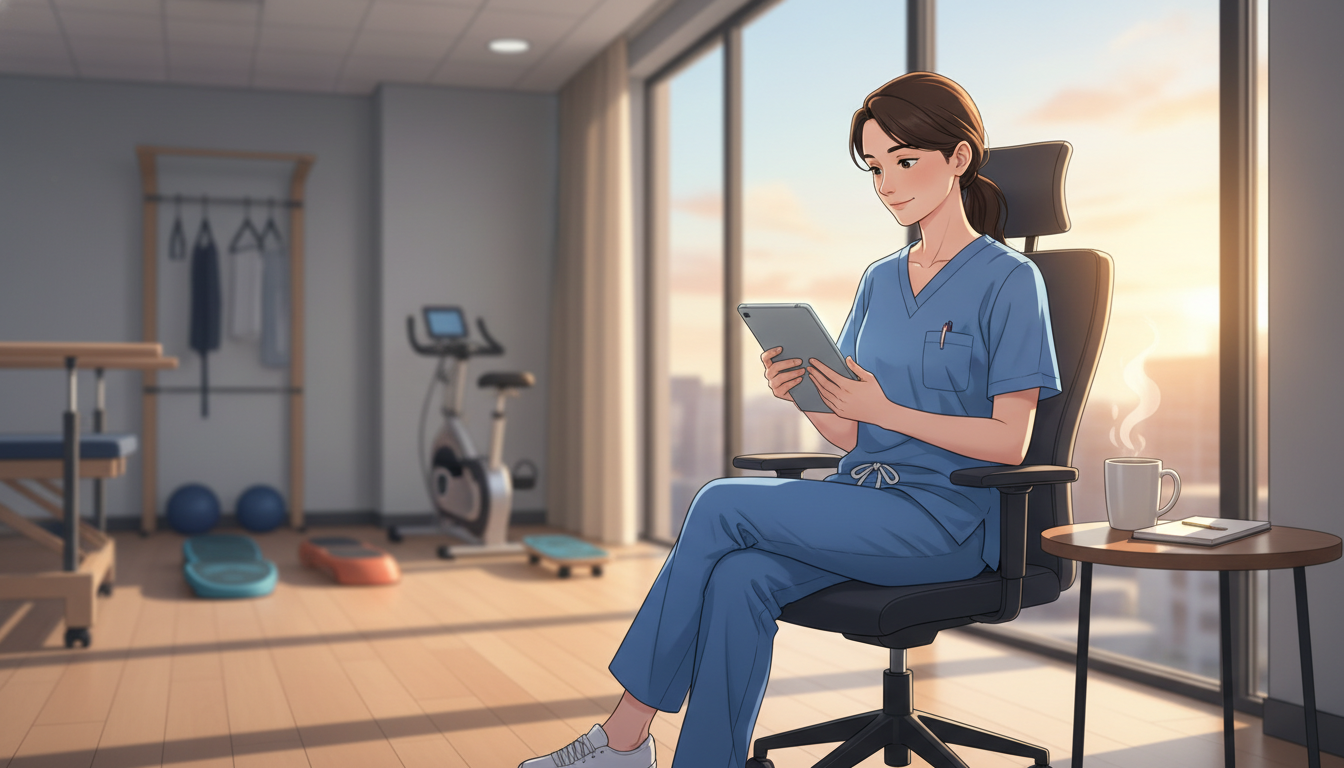
Physical Medicine & Rehabilitation (PM&R) is often labeled a “lifestyle residency,” but for a non-US citizen IMG, the reality is more complex. Work-life balance is influenced not only by the specialty, but also by visa status, program culture, geography, and your long-term career plans. This article will walk you through a nuanced, practical assessment of work-life balance in PM&R residency as a foreign national medical graduate, so you can make informed choices before you apply.
Understanding Work-Life Balance in PM&R Residency
What “Lifestyle Residency” Really Means
PM&R is frequently grouped with the most lifestyle friendly specialties. In broad terms, that usually means:
- More predictable schedules than surgical fields
- Fewer overnight emergencies (especially on outpatient-heavy rotations)
- Less time in the operating room and more in clinics/wards
- A culture that values rehabilitation, continuity of care, and long-term patient relationships
However, the phrase “lifestyle residency” can be misleading. It does not mean you will:
- Consistently work only 40 hours per week
- Always have free weekends
- Be free from call, nights, or emotionally demanding patients
Instead, think of PM&R as moderately intense training with relatively strong residency work life balance compared with many other specialties, especially surgery, OB/GYN, or acute care specialties like EM or ICU-focused fields.
Core Duty Hours and Schedule Patterns
All US residency programs must follow ACGME duty hours:
- Maximum 80 hours/week, averaged over 4 weeks
- Minimum 1 day off in 7, averaged over 4 weeks
- Maximum 24+4 hours on a continuous in-house call shift
PM&R typically falls well below the 80-hour maximum at most programs. Common patterns include:
- Average hours: 50–65 hours per week for many programs
- Inpatient rotations: longer days (7 AM–6 PM or later), sometimes weekend coverage
- Outpatient rotations: more structured hours (8 AM–5 PM), fewer late evenings
- Night float/call: variable—some programs have night float; others use home call or a mix
Programs with a heavy inpatient load (e.g., spinal cord injury, traumatic brain injury, stroke rehab) tend to be more intense than mostly outpatient or consult-heavy programs. As a non-US citizen IMG, you should pay close attention to how each program describes its inpatient vs outpatient balance and call structure.

Unique Work-Life Pressures for Non-US Citizen IMGs
Even in a lifestyle residency, a non-US citizen IMG faces additional layers of pressure that can impact work-life balance.
Visa Status and Emotional Load
Your visa situation directly affects your mental bandwidth:
J-1 visa:
- Sponsored by ECFMG; relatively standardized
- Requires completion of a 2-year home-country physical presence after training in many cases (unless you obtain a waiver)
- Less administrative work during residency, but major planning stress for post-residency jobs and waiver options
H-1B visa:
- Typically more attractive to some applicants because it can lead to long-term employment pathways
- Requires USMLE Step 3 before starting residency in most programs
- May increase the paperwork load for a program and can limit which programs will sponsor you
Both options come with uncertainty, immigration-related anxiety, and paperwork that US citizen peers do not handle. That background stress can erode your sense of work-life balance, even if official duty hours are decent.
Actionable tip:
When assessing work-life balance, consider not just the time you work, but the mental space consumed by visa, licensing, and future planning.
Financial and Family Obligations
As a foreign national medical graduate, you may face:
- Financial support responsibilities for family abroad
- Higher costs related to visas, credential evaluations, and travel
- Possible need to send money home, limiting your discretionary spending and “relaxation” budget
These obligations may reduce your ability to fully “rest” on days off because you might be:
- Doing extra moonlighting (if allowed and visa-permitted)
- Handling international financial issues
- Supporting relatives emotionally through long-distance communication
Real-life example:
A J-1 physiatry resident from South Asia works 55 hours/week on inpatient rehab. On paper, it’s a lifestyle residency. However, every Sunday off is spent managing family emergencies, helping siblings apply for visas, and sending money home. Burnout risk is still high, though duty hours are reasonable.
Cultural Adjustment and Social Support
Work-life balance isn’t only about time; it’s also about connection and well-being. As a non-US citizen IMG, you may:
- Have a smaller local support network
- Need to adjust to new communication norms with staff and patients
- Experience language and accent fatigue
- Feel isolated if you’re the only IMG or foreign national in the program
All of this can make the same schedule feel heavier than it might for someone with established local support. Programs that value diversity and have a history of supporting IMGs can significantly improve your experience.
Typical PM&R Workflows and Lifestyle Considerations
Inpatient PM&R Rotations
Inpatient rotations are often the most intense in terms of hours and emotional load.
Common responsibilities:
- Managing a census of post-acute patients (stroke, SCI, TBI, orthopedic conditions, amputations)
- Daily rounds with attendings, therapists, and nurses
- Family meetings, care conferences, discharge planning
- Fielding pages from nursing staff and therapists throughout the day
- Participating in call (in-house or home call)
Typical schedule (example):
- Weekdays: 7:00–7:30 AM start, 5:30–6:30 PM end
- Weekends: 1–2 weekend days per month (sometimes more early in residency), shorter rounding days
During these blocks, your flexible personal time shrinks, especially if you’re also:
- Preparing for USMLE Step 3 (for H-1B or career goals)
- Studying for in-training exams
- Handling visa or family-related tasks
Work-life perspective:
Inpatient PM&R is intense but not like surgical residency trauma call. There are fewer “life-or-death at 3 AM” emergencies, but the cognitive and emotional work (complex rehab planning, family counseling, chronic disability) is substantial.
Outpatient and Procedural Rotations
Outpatient rotations are usually the best for residency work life balance in PM&R.
You may rotate through:
- General musculoskeletal clinics
- Sports and spine clinics
- EMG/nerve conduction studies
- Spasticity management (Botox, phenol, intrathecal baclofen)
- Pain procedures (depending on the program)
Typical schedule:
- 8:00 AM–5:00 PM with structured clinics
- Infrequent or no weekend work
- Minimal or no overnight call for many outpatient blocks
This is when you can:
- Work on research or scholarly projects
- Prepare for boards and Step 3 (if not done)
- Build professional networks and plan your post-residency path
- Recover from intense inpatient months
For a non-US citizen IMG:
Use these months strategically for visa planning, networking for J-1 waiver or H-1B-friendly jobs, and building your academic profile to stand out in the physiatry match for fellowships or competitive positions.
Call and Night Float in PM&R
Call structure varies widely:
In-house call at large academic centers:
- Manage inpatient rehab units and consult services
- Cross-cover multiple rehab wards
- Some exposure to acute consults in ED or ICU for rehab planning
Home call in smaller programs:
- Take calls from home, sometimes needing to come in for admissions or urgent issues
- Typically less disruptive but can fragment sleep
Night float systems:
- Dedicated week(s) of night shifts, then days off
- Can be tiring but limit rotating back-and-forth
Relative to many other specialties, PM&R call is lighter, but for a non-US citizen IMG, disrupted sleep can magnify:
- Jet lag if you’re communicating with family abroad in different time zones
- Stress from trying to manage visas or finances during off-hours
Actionable tip:
During interviews, ask residents very clearly:
- How many nights per month do you take call (PGY-2, PGY-3, PGY-4)?
- Is call in-house, home, or a mix?
- How is post-call day structured? Do you actually leave by midday?
Evaluating Work-Life Balance Across PM&R Programs as a Non-US Citizen IMG
When you’re researching PM&R residency programs, assess work-life balance systematically, not just based on reputation or labels.
Step 1: Analyze the Rotation and Duty Hours Structure
Review program websites and ask during interviews:
Proportion of time on:
- Inpatient rehab
- Consult services (inpatient consults on acute care floors/ICU)
- Outpatient clinics/procedures
- Electives and research
Stated duty hours:
- Average hours per week
- On-call expectations by PGY year
- Weekend coverage frequency
Location of training sites:
- Are hospitals spread out, requiring commuting?
- Do you need a car (affects time and money)?
Red flags for lifestyle:
- Heavy inpatient month after inpatient month with little outpatient experience early on
- Vague or evasive answers from residents about how often they exceed duty hours
- Long commutes between multiple hospital systems
Step 2: Investigate Program Culture and IMG-Friendliness
For a non-US citizen IMG, supportive culture is as important as raw duty hours.
Ask current residents (particularly IMGs):
- How many IMGs are in the program currently?
- What share of residents are non-US citizen IMGs (on J-1 or H-1B)?
- How approachable are attendings and program leadership?
- How does the program respond if residents feel overwhelmed or burned out?
Programs with a long-standing track record of training foreign national medical graduates are more likely to:
- Understand visa timelines and documentation
- Offer practical guidance on J-1 waiver or H-1B pathways
- Recognize the unique stressors you face and support your well-being
Step 3: Consider Geography and Cost of Living
Lifestyle is heavily influenced by where you live:
High-cost cities (e.g., NYC, San Francisco, Boston):
- Pros: many cultural comforts, diverse communities, often more IMGs, public transport
- Cons: high rent, financial pressure, longer commutes
Medium-sized cities or college towns:
- Pros: often better cost of living, shorter commutes, easier access to nature
- Cons: possibly less cultural familiarity, fewer ethnic communities
For a non-US citizen IMG, being in a place where you can access familiar food, community centers, or religious institutions can significantly impact your sense of balance and belonging.
Step 4: Look at Alumni Outcomes—Especially Non-US Citizens
Professional stability after training greatly affects your present work-life balance. If you’re deeply uncertain about your post-residency visa or job, anxiety can overshadow any lifestyle advantages.
Research:
- Where do recent graduates work (geographically and practice setting)?
- For J-1 IMGs, how many successfully obtained J-1 waivers and where?
- For H-1B residents, did they transition to long-term positions or fellowships?
- Are there alumni from your region of the world you can reach out to?
Programs that can confidently say, “Our non-US citizen IMG graduates consistently find jobs/waivers in X, Y, Z areas” are programs where you can focus more on learning and living during residency.
Practical Strategies to Protect Your Work-Life Balance in PM&R as a Foreign National Graduate
Even in a relatively lifestyle residency, you must be deliberate about maintaining balance.
1. Set Realistic Expectations from Day One
Understanding that PM&R is not stress-free helps you avoid disappointment:
- Expect busy inpatient rotations and difficult cases (e.g., traumatic injuries, chronic disability)
- Recognize that transitions (PGY-2 start, new hospital systems, new healthcare culture) are challenging
- Accept that exam prep, research, and planning for future jobs will demand time
2. Build a Personal Support Network Early
Within the first 3–6 months:
- Connect with other IMGs and non-US citizen physicians (even outside PM&R)
- Find mentors from your background or those familiar with international physicians
- Locate cultural, religious, or community centers that give you a sense of home
Social connection buffers stress and prevents the “I am alone here” feeling that can amplify burnout.
3. Protect Non-Negotiable Personal Time
Given residency duty hours, you might not have many free hours, but you can protect a few:
Choose 1–2 evenings per week that you dedicate to:
- Exercise or outdoor activity
- Talking with family/friends at home
- A hobby not related to medicine
Try to have at least one half-day on weekends where:
- You do not study or work on applications
- You intentionally rest, explore the city, or engage in recreation
This small but deliberate space can substantially improve your perceived residency work life balance.
4. Organize Immigration and Licensing Tasks Proactively
To reduce chronic stress:
Create a timeline for:
- USMLE Step 3 (if not done yet)
- Visa renewals, DS-2019 or H-1B documentation
- State medical licensing requirements
- Fellowship or job applications
Keep a digital folder with:
- Passport, visa, ECFMG certificate, medical school diploma
- Translations, notarized documents, immunizations, etc.
Proactive organization reduces last-minute crises that steal your limited free time.
5. Use Outpatient Months for Long-Term Planning
When your schedule is more predictable:
- Explore subspecialty interests (pain, sports, brain injury, pediatrics, SCI)
- Attend networking events, national society meetings (e.g., AAPM&R, resident courses)
- Start conversations with potential employers who:
- Sponsor J-1 waivers (e.g., underserved or rural areas)
- Are open to H-1B sponsorship
Knowing you have a path forward reduces background anxiety and improves your daily experience.
6. Communicate Early if You Are Overwhelmed
Many IMGs hesitate to disclose stress or fatigue, fearing it may be perceived as weakness. In fact, early, honest communication is often seen as professional.
Consider:
- Talking to your chief resident or program director if duty hours are consistently excessive or you feel unsafe
- Using institutional resources:
- Resident wellness programs
- Confidential counseling services
- Peer support groups
Strong work-life balance in lifestyle residency programs often depends on transparent communication, not silent endurance.
Frequently Asked Questions (FAQ)
1. Is PM&R a good lifestyle residency choice for a non-US citizen IMG?
Yes, PM&R is generally among the most lifestyle friendly specialties, with more predictable schedules and less overnight emergency work than many fields. For a non-US citizen IMG, it provides:
- Reasonable duty hours at many programs
- Time to manage visa and long-term planning, especially on outpatient rotations
- A culture that often values multidisciplinary teamwork and holistic care
However, inpatient months can still be intense, and visa/immigration stress can significantly affect your work-life balance. Choosing an IMG-friendly program with a good track record of supporting foreign nationals is crucial.
2. How competitive is the physiatry match for non-US citizen IMGs, and does that affect lifestyle?
The physiatry match (PM&R residency) has become more competitive over the past decade, but it is still more accessible to non-US citizen IMGs than many surgical or highly competitive subspecialties. However, because options may be relatively fewer for visa-dependent applicants:
- You may feel pressure to accept positions in locations or program cultures that are not ideal for lifestyle
- It is important to apply broadly and realistically, but still prioritize programs that treat residents humanely and respect duty hours
A “prestigious” name is not worth chronic burnout. For a life-long career, choose a program where you can grow, stay healthy, and build a sustainable foundation.
3. Do duty hours in PM&R really stay within 80 hours per week?
In PM&R, most programs remain comfortably below the 80-hour limit, especially compared with surgery, OB/GYN, and some internal medicine subspecialties. Typical reported averages are in the 50–65 hours per week range, with variability based on rotation.
That said:
- Some inpatient-heavy programs occasionally approach higher hours during busy weeks
- Your subjective feeling of workload can be higher if you’re also managing visa issues, family support abroad, and board exams
Always ask residents during interviews for candid answers about actual weekly hours, particularly on the most intense rotations.
4. How can I evaluate residency work life balance before even getting an interview?
Before interviews, you can:
- Review program websites: Look for detailed rotation schedules, call descriptions, and mention of wellness initiatives.
- Check IMG representation: Programs that clearly state they accept and value IMGs are more likely to understand your needs.
- Use alumni networks and social media: Contact recent graduates on LinkedIn or professional platforms; politely ask about workload and culture.
- Look at geography and hospital systems: Multiple far-apart sites, high-cost cities with long commutes, or unclear schedules may signal greater time pressure.
Once invited to interviews, prioritize speaking to current residents—especially non-US citizen IMGs—to verify if the program truly offers the lifestyle and support it advertises.
For a non-US citizen IMG, PM&R can offer a genuinely sustainable lifestyle residency with fulfilling patient relationships, multidisciplinary teamwork, and relatively balanced duty hours. The key is to look beyond the “lifestyle” label: assess program culture, IMG support, visa experience, and long-term outcomes as carefully as you evaluate schedules and rotations. With that approach, you can find a physiatry residency that supports both your professional ambitions and your life outside the hospital.