Radiation oncology (rad onc) has a long-standing reputation as one of the most lifestyle-friendly specialties in medicine. For a non-US citizen IMG (international medical graduate) considering this field, understanding the true work-life balance, beyond the stereotypes and rankings, is critical before committing to years of training, visa planning, and relocation.
This article gives a practical, IMG-focused assessment of work-life balance in radiation oncology residency and early career practice in the US, including what is different for a foreign national medical graduate, what is realistic to expect, and how to position yourself for a sustainable, satisfying career.
Understanding Work-Life Balance in Radiation Oncology
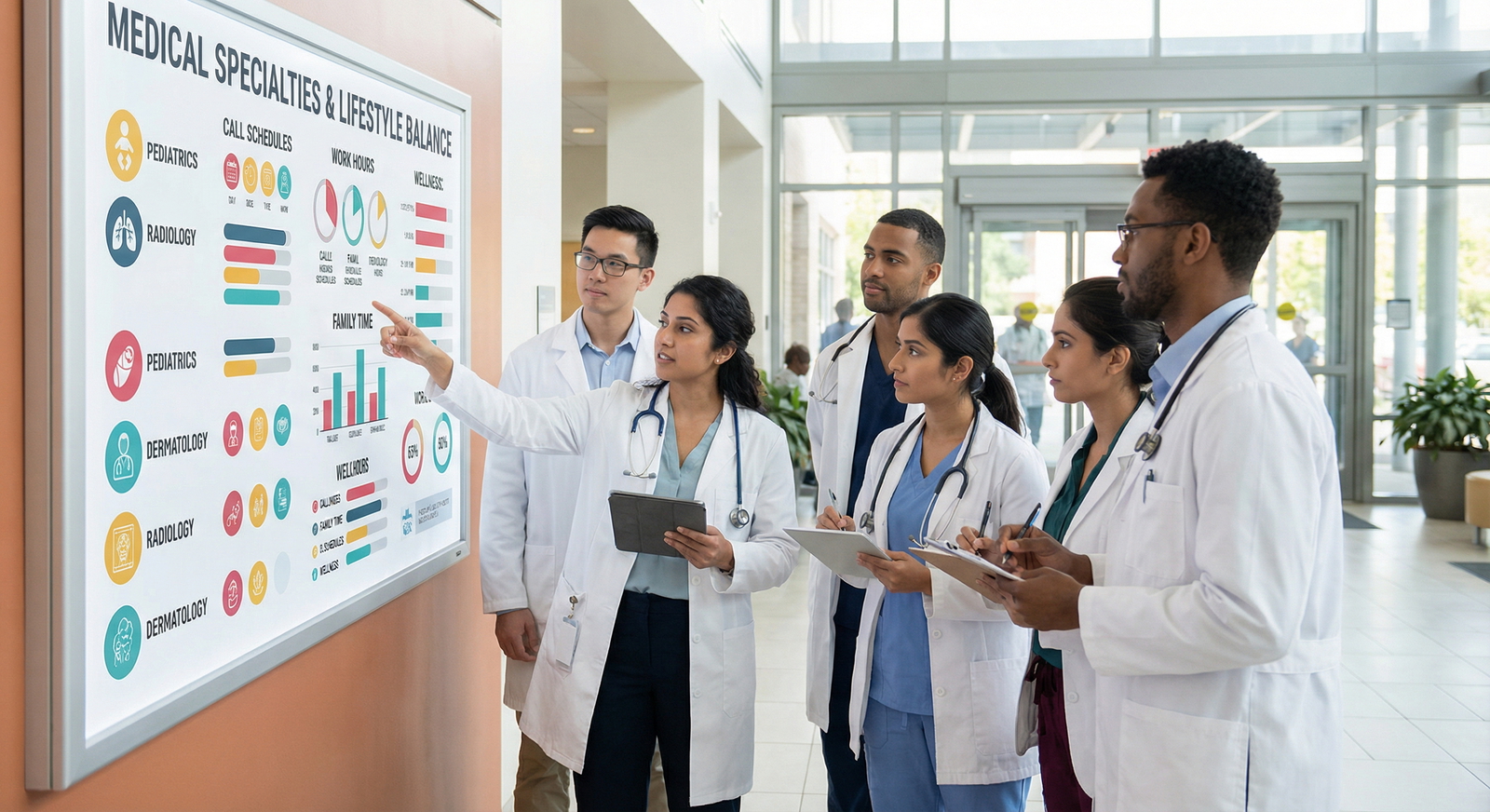
Radiation oncology is often listed among the MOST_LIFESTYLE_FRIENDLY_SPECIALTIES, but that label can be misleading without context. Work-life balance is not just “fewer hours” — it includes:
- Total weekly duty hours
- Predictability of schedule
- Frequency/intensity of call
- Emotional and cognitive demands
- Support for parenting, family, and personal life
- Impact of visa and immigration status on flexibility
For a non-US citizen IMG, work-life balance also connects to:
- Visa-related constraints (changing jobs, moonlighting, time off)
- Pressure to perform as a “high-yield” resident to secure future positions
- Adjustment to a new culture, system, and language
Typical Workload in Radiation Oncology Residency
In most accredited US radiation oncology residency programs, you can generally expect:
- Duty hours: Commonly around 45–55 hours/week, below the 80-hour ACGME limit.
- Daily schedule:
- Arrive ~7:00–8:00 am
- Leave ~5:00–6:30 pm on clinic days
- Occasional later evenings for planning or urgent cases
- Weekends: Most programs have infrequent weekend work compared with surgical or acute inpatient specialties.
- Call responsibilities:
- Often home call, not in-house
- Frequency is usually light compared to internal medicine, surgery, or OB/GYN
- Most urgent calls relate to:
- Spinal cord compression
- Superior vena cava syndrome
- Brain metastases with emergent symptoms
- Bleeding or airway compromise requiring emergent radiation
For many residents, this structure allows for regular evening time for family, hobbies, or studying — which is why radiation oncology is often seen as a lifestyle residency.
However, as a non-US citizen IMG, you need to consider additional layers that can influence your real work-life balance, such as studying for licensing exams, research output, and visa constraints.
How Radiation Oncology Compares: Lifestyle and Duty Hours
To understand the rad onc match from a work-life perspective, it’s helpful to compare with other specialties.
Duty Hours Comparison
Typical residency duty hours (many programs, not all):
- Radiation Oncology: ~45–55 hours/week
- Diagnostic Radiology: ~50–60 hours/week (varies with call/night float)
- Internal Medicine: ~60–80 hours/week, with more inpatient responsibility
- General Surgery: Often 70–80 hours/week, frequent nights/weekends
- Emergency Medicine: Shift-based; 40–50 hours, but irregular schedules and nights
- Family Medicine: ~55–65 hours/week, more clinic plus some inpatient call depending on program
Radiation oncology typically offers:
- More predictable daytime work
- Lower intensity of overnight duties
- Less physically exhausting schedules (no long OR days, minimal night shifts)
This predictability is particularly helpful for a foreign national medical graduate who may need time outside clinical hours to:
- Coordinate immigration paperwork
- Maintain family connections abroad (different time zones)
- Study for USMLE/board exams
- Participate in research to strengthen fellowship/job prospects
Emotional and Cognitive Load
Although duty hours are relatively favorable, radiation oncology deals primarily with cancer patients, many of them facing life-threatening illness. This includes:
- Advanced cancers with limited prognosis
- Patients experiencing serious side effects
- End-of-life discussions
- Family distress and difficult goals-of-care conversations
This emotional load can be significant. For some residents, especially those far from home, this may contribute more to burnout than hours alone. On the other hand, the specialty also offers:
- Longitudinal relationships with patients
- Opportunities to provide symptom relief and improve quality of life
- A sense of meaning in helping patients navigate complex decisions
Work-life balance in rad onc is therefore less about sheer exhaustion and more about managing emotional demands, cognitive complexity, and long-term sustainability.

Special Considerations for Non-US Citizen IMGs
For a non-US citizen IMG or foreign national medical graduate, the core clinical work-life balance in radiation oncology often looks similar to that of US graduates. The key differences involve visa status, expectations, and long-term planning.
Visa Status and Work-Life Balance
Most non-US citizen IMGs in radiation oncology enter on either:
- J-1 visa (sponsored by ECFMG)
- H-1B visa (sponsored by the residency program)
Each has implications:
J-1 Visa
- Pros:
- Widely used, many programs are familiar with it.
- Often simpler to obtain initially.
- Cons (impacting balance):
- Two-year home country requirement after training, unless you secure a waiver (often in underserved areas).
- Geographic flexibility after residency can be limited, which may influence your fellowship/job options and family plans.
- J-1s generally cannot moonlight without complex approvals, limiting extra income but also limiting extra fatigue from side work (which can be positive for balance).
H-1B Visa
- Pros:
- Can sometimes offer a more straightforward path to longer-term US employment after training.
- Some programs allow limited moonlighting (depending on institutional rules and visa specifics).
- Cons:
- Not all radiation oncology programs sponsor H-1B visas.
- Application and transfer processes can be time-consuming/stressful.
- You may feel pressure to stay in a specific job due to immigration ties.
From a day-to-day work-life perspective, your visa itself rarely changes duty hours or clinical expectations, but it shapes your mental load and options: the need to plan ahead, limited ability to change jobs, and stress about long-term status can all spill over into your overall well-being.
Additional Pressures on IMGs
Beyond visa issues, non-US citizen IMGs often experience:
Higher perceived performance pressure
- Feeling the need to “prove” yourself as good as (or better than) American graduates
- Taking on extra research/administrative work to strengthen your CV
- Reluctance to say no, leading to overcommitment
Cultural and language adaptation
- Learning US communication norms with patients and staff
- Adapting to documentation, EMR systems, and legal considerations
- Extra cognitive load in complex family meetings or goals-of-care discussions
Distance from support systems
- Family and close friends often in another country
- Time zone differences that complicate regular contact
- Limited local support during stress, illness, or major life transitions
Financial pressures
- Prior educational debt abroad
- Supporting family back home
- Limited ability to work extra jobs due to visa and residency restrictions
Individually, these may be manageable, but collectively they can erode work-life balance, even in a field with favorable duty hours like radiation oncology.
Day-to-Day Life in Radiation Oncology Residency
To realistically assess residency work life balance, it helps to imagine a typical week in rad onc.
Typical Resident Schedule (Example)
Monday–Friday
- 7:30–8:00 am: Arrive, review patient list, check overnight messages
- 8:00–9:00 am: Morning conference (didactics, case conference, physics, or journal club)
- 9:00 am–12:00 pm: Clinic — new consults, on-treatment visits (OTVs), follow-up patients
- 12:00–1:00 pm: Lunch (often informal teaching; sometimes free time)
- 1:00–4:00 pm: Clinic continues; occasional procedures (e.g., brachytherapy in some sites); family meetings
- 4:00–6:00 pm: Contouring on planning software, reviewing treatment plans, documentation, follow-up calls
- After 6:00 pm: Usually done for the day; occasional later stay for emergent cases or complex plans
Weekends
- Many programs: No routine weekend requirements, except:
- Call coverage (home call): responding to urgent pages, possibly coming in for emergent cases
- Personal study, board prep, or finishing research tasks, if you choose to
Types of Work
The resident’s day typically includes:
- Direct patient care: Consults, OTVs, follow-ups
- Computer-based work: Contouring, plan review, chart checks, documentation
- Team communication: Tumor boards, multidisciplinary conferences
- Learning and teaching: Attending teaching, journal clubs, physics/radiobiology sessions
The combination of clinic + planning makes the work mentally intensive but generally stationary and organized, with fewer physical demands and schedule disruptions than many inpatient specialties.
How This Feels in Real Life for an IMG
For a non-US citizen IMG, this structure often provides:
- Predictable evenings to:
- Call/video chat with family in your home country
- Prepare for board exams or written projects
- Build a social life, exercise, rest
- Reduced acute stress compared to specialties where you are frequently woken at night or called in for emergencies
- Mental space to learn the US healthcare environment without being constantly overwhelmed by shift-based fatigue
On the other hand, you may also find:
- Evenings and weekends are sometimes “taken” by research or extra reading to stay competitive in a specialty where the job market has tightened compared with previous decades.
- You might voluntarily work beyond the core duty hours to keep up with expectations — something that can be healthy or unhealthy depending on boundaries.

Strategies to Maintain Work-Life Balance as a Non-US Citizen IMG
Radiation oncology can offer an excellent work-life balance, but this does not happen automatically. As a foreign national medical graduate, you must plan intentionally.
1. Choose Programs with a Track Record of Supporting IMGs
When researching programs for the rad onc match, look specifically for:
Previous non-US citizen IMG residents
- Check program websites, alumni lists, or ask current residents.
- Ask how those IMGs did after graduation (fellowships, jobs, visa outcomes).
Visa sponsorship clarity
- Confirm whether they sponsor J-1, H-1B, or both.
- Ask how many residents are currently on visas.
Support systems
- Are there institutional resources for international staff?
- Is there a formal mentorship system that includes IMGs?
Programs that understand your situation are more likely to foster a supportive culture, which directly influences your daily stress and balance.
2. Set Boundaries Around Duty Hours and Extra Commitments
Radiation oncology culture often encourages academic productivity, which is important but can be double-edged.
Practical tips:
Clarify expectations early:
Ask your program director or chief resident about typical research/output expectations (posters, publications, QI projects).Prioritize quality over quantity:
Focus on a few meaningful projects rather than saying yes to everything.Protect rest time:
- Keep at least one full day each week with minimal/no academic tasks when possible.
- Use your vacation days fully; don’t feel guilty for taking them.
Use duty hour policies:
While radiation oncology rarely approaches the 80-hour limit, if you are consistently working much more than peers due to extra tasks, discuss this with leadership.
3. Build a Support Network Early
For non-US resident IMGs, social support strongly affects work-life balance.
Actions you can take:
- Connect with other IMGs in your institution (any department).
- Join national societies:
- ASTRO (American Society for Radiation Oncology)
- ARRO (Association of Residents in Radiation Oncology) — they often have IMG-specific resources or interest groups.
- Find at least one mentor who:
- Understands your visa/immigration context
- Can advise on realistic career steps and potential pitfalls
Even a small network reduces isolation and provides emotional backup during stressful rotations, visa issues, or personal difficulties.
4. Manage the Emotional Load of Cancer Care
To sustain a long-term career in rad onc:
- Develop communication skills for difficult conversations:
- Many institutions offer formal training in breaking bad news, goals-of-care discussions, etc.
- Practice reflective habits:
- Debrief with colleagues after emotionally heavy cases.
- Use wellness counseling or institutional mental health resources if available.
- Separate self-worth from outcomes:
- Patients may have disease progression despite excellent care; this is not a personal failure.
For IMGs who may carry cultural expectations of self-sacrifice or perfectionism, learning healthy emotional boundaries is crucial.
5. Long-Term Planning: Post-Residency Life and Balance
Work-life balance doesn’t end with residency; your first attending job or fellowship will largely determine your lifestyle.
When evaluating job offers:
- Look at weekly hours and call burden (especially in community practices vs. academic centers).
- Ask about:
- Support staff (nurse navigators, APPs, dosimetrists, physicists)
- Patient volume expectations
- Protected time for research or teaching (if in academics)
- Consider how your visa situation affects:
- Location flexibility (e.g., J-1 waiver jobs often in underserved areas)
- Ability to change jobs if the practice environment is unhealthy
An upfront conversation about expectations can prevent future dissatisfaction and maintain the lifestyle advantages that attract many people to radiation oncology in the first place.
Is Radiation Oncology a Good Lifestyle Specialty for Non-US Citizen IMGs?
Taking all of this together, radiation oncology remains one of the most lifestyle-friendly specialties overall, and many non-US citizen IMGs in rad onc report:
- Manageable duty hours with predictable days
- Acceptable and usually light call responsibilities
- Adequate time for family, hobbies, and self-care
- Opportunity to engage in academics and research without sacrificing personal life (if boundaries are maintained)
However, balance is influenced by:
- Program culture and workload distribution
- Visa-related stress and constraints
- Individual tendencies toward overcommitment or perfectionism
- Emotional resilience in oncology care
For a foreign national medical graduate, radiation oncology can offer a strong combination of intellectual challenge, meaningful patient contact, and sustainable work-life balance — as long as you approach the match process and training years with intentional planning and self-advocacy.
Frequently Asked Questions (FAQ)
1. As a non-US citizen IMG, is radiation oncology harder to match into than other lifestyle residencies?
Radiation oncology is competitive, especially for applicants without US ties, but it’s not uniformly out of reach. Compared with some other lifestyle-oriented specialties (like dermatology or plastic surgery), rad onc may be slightly more accessible for IMGs at certain programs, particularly those with academic research focus or prior IMG residents. Success depends on:
- Strong US clinical/research experience in radiation oncology or oncology-related fields
- Solid board scores and letters of recommendation
- Demonstrated commitment to the specialty (research, electives, mentorship)
- Targeting programs that have previously taken non-US citizen IMGs and sponsor the visa you need
2. Do radiation oncology residents frequently exceed their duty hours?
In most programs, routine violation of duty hours is uncommon in radiation oncology. Residents might occasionally have longer days due to:
- Complex emergent cases
- Multidisciplinary conferences that extend the schedule
- Time invested in research or scholarly activity
On average, however, rad onc residents usually remain comfortably within ACGME duty hour limits, and compared with more inpatient-heavy specialties, the schedule is often more predictable and sustainable.
3. Can I maintain good work-life balance while also doing research as a rad onc resident?
Yes, but this requires intentional time management and realistic expectations. Many programs build dedicated research blocks into their curricula, which allow residents to focus on research while keeping clinical demands lighter during that time. To protect balance:
- Choose projects with clear timelines and mentor support.
- Avoid overcommitting to multiple unrelated projects.
- Use evenings and weekends for research selectively, not constantly.
- Communicate openly with your mentor about workload and limits.
4. How does work-life balance differ between academic and community radiation oncology practice after residency?
In academic centers, you might experience:
- More time spent on teaching, research, and administration
- Sometimes lower patient volume but more complex cases
- Calls that may be more structured and team-based
- Pressure for academic productivity, which can affect free time
In community practice, you may see:
- Higher patient volume but less research obligation
- Shorter commute and more straightforward clinical workflows in some settings
- Call that might be less frequent but more personally handled if you are the only or one of few rad onc physicians
- Potentially strong work-life balance if the group culture values it
For a non-US citizen IMG, visa and job availability can sometimes drive the choice more than preference. When possible, ask future colleagues about their true weekly hours, call patterns, and burnout levels to gauge real-world work-life balance.
By carefully selecting programs, understanding visa implications, and setting healthy boundaries, a non-US citizen IMG can enjoy an excellent work-life balance in radiation oncology — combining a manageable schedule, intellectually rich work, and a meaningful role in cancer care with a sustainable and rewarding personal life.