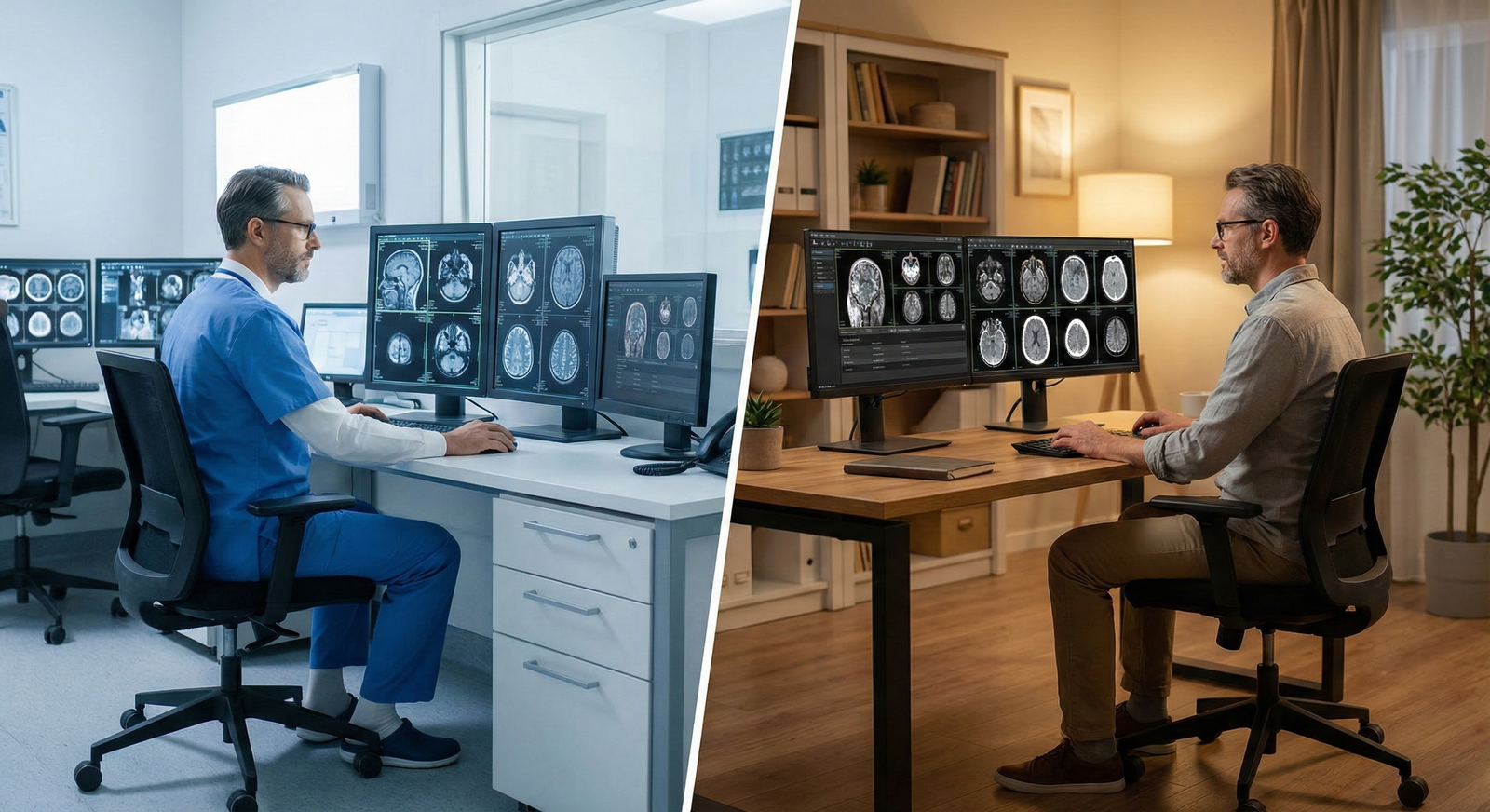
Understanding Work–Life Balance in Nuclear Medicine
For an MD graduate considering a nuclear medicine residency, one of the biggest questions—after “Will I match?”—is “What will my life actually look like?” Nuclear medicine is often discussed in the same breath as other lifestyle residencies, but the details matter: hours, call structure, emotional load, and long‑term flexibility can vary significantly between programs.
This article provides a work–life balance–focused look at nuclear medicine for the MD graduate residency applicant, especially those coming from an allopathic medical school match pathway. You’ll see how nuclear medicine stacks up against other specialties, what a typical week looks like, and how to realistically evaluate residency work–life balance when building your rank list.
We’ll cover:
- Typical duty hours and schedule patterns
- Call responsibilities and how “intense” they really are
- Emotional demands of cancer-heavy imaging
- Flexibility of the specialty over a 30–40 year career
- Practical strategies to protect your personal life in residency and beyond
1. Where Nuclear Medicine Fits on the Lifestyle Spectrum
Among “MOST_LIFESTYLE_FRIENDLY_SPECIALTIES,” nuclear medicine is consistently near the top. It is less physically demanding, has more predictable hours, and usually involves lower acute clinical stress than many other specialties. But there are nuances.
1.1 Nature of the Work
Nuclear medicine physicians primarily:
- Interpret PET, SPECT, and planar nuclear imaging studies
- Supervise or perform therapeutic procedures (e.g., radioiodine, Lu-177 therapies)
- Oversee radiation safety and radiopharmacy aspects
- Consult with oncologists, cardiologists, surgeons, and internists about imaging and therapy
Key lifestyle implications:
- Less physical strain: Mostly seated work at workstations.
- Cognitive and analytical focus: Intense mental work but not usually time-pressured like acute ED or OR settings.
- Limited emergencies: Urgent add-ons exist (e.g., acute GI bleed scans), but true “life-or-death, second-by-second” rescues are rare.
1.2 Typical Duty Hours Compared with Other Fields
While individual programs vary, many nuclear medicine residency programs and combined pathways (e.g., Diagnostic Radiology + Nuclear Medicine, or subspecialty training after radiology) report:
- Weekdays: ~40–55 hours per week on average
- Nights/weekends: Intermittent call, often home call, with relatively low volume in many institutions
- Compliance with ACGME duty hours: Almost universally observed (≤80 hours/week, 1 day off in 7, etc.), but in practice most nuclear medicine residents are well below the upper limit
Compared to other residencies:
- More lifestyle friendly than: General surgery, OB/GYN, many medicine subspecialties with heavy inpatient call (e.g., cardiology fellowships later on)
- Comparable to or slightly more intense than: Pathology, dermatology, many diagnostic radiology programs, ophthalmology
- Less lifestyle friendly than: Some very niche outpatient‑only specialties and certain non-procedural academic roles later in practice
For MD graduates used to demanding clinical clerkships, the structure of a nuclear medicine residency often feels like a noticeable step toward work–life balance—especially after a grueling intern year, if required by your pathway.
2. Schedule, Duty Hours, and Daily Workflow
Understanding the typical day-to-day is crucial when assessing residency work–life balance.
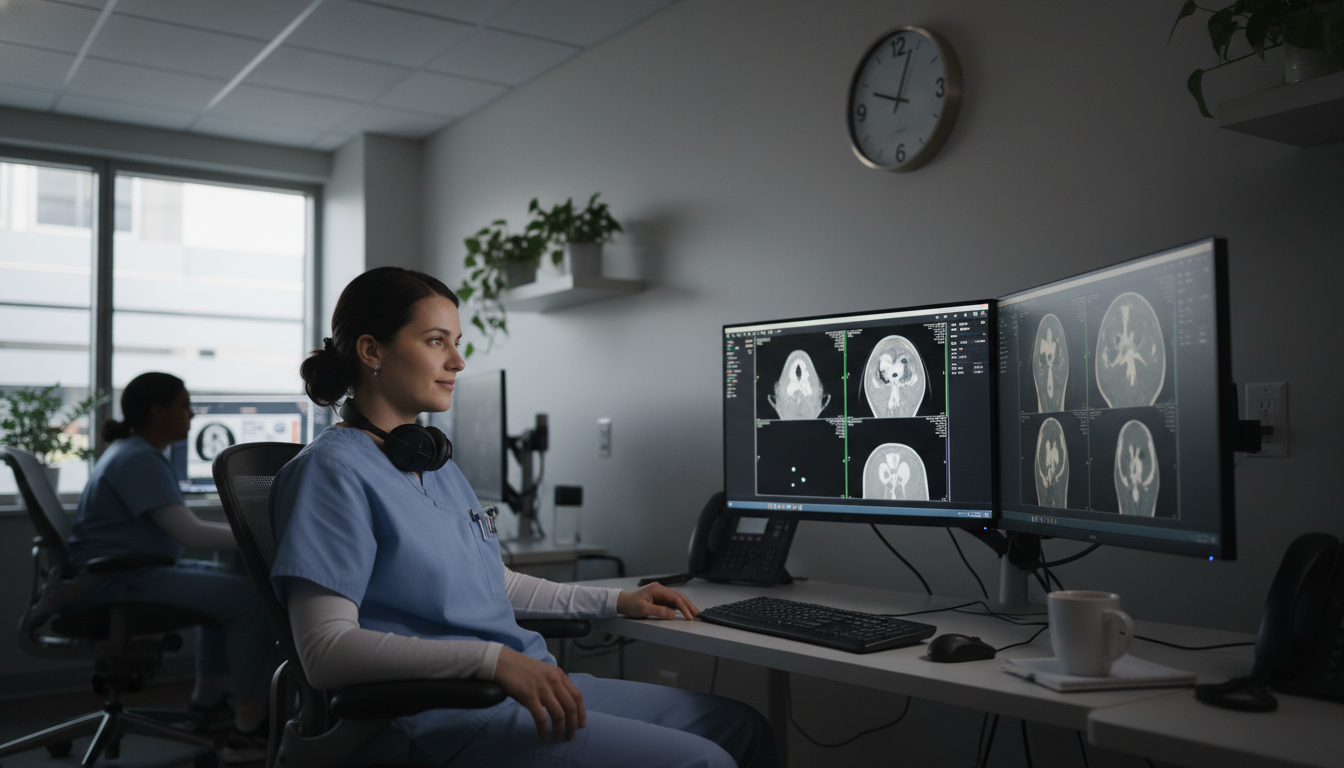
2.1 Common Training Pathways and Their Impact on Lifestyle
Your MD graduate residency experience in nuclear medicine depends heavily on your training route. The main options in the U.S. are:
Dedicated Nuclear Medicine Residency (typically 3 years)
- May follow a clinical internship (1 year)
- Focused training with less general radiology
- Lifestyle often very favorable once past the intern year
Diagnostic Radiology Residency with Nuclear Medicine Emphasis/Subspecialty
- 4-year radiology residency after prelim year, then optional 1-year nuclear medicine or molecular imaging fellowship
- Radiology residency lifestyle is generally good but often busier and more call-heavy than standalone nuclear medicine programs
- Nuclear medicine-heavy rotations tend to be among the more lifestyle-friendly blocks within radiology
Alternate Pathways (e.g., Internal Medicine or Other Backgrounds with Added Nuclear Medicine Training)
- Less common but possible
- Lifestyle depends heavily on prior specialty obligations and final practice setup
When people talk about nuclear medicine residency as a lifestyle residency, they most often refer to the dedicated nuclear medicine training or the nuclear medicine-heavy portions of radiology residencies.
2.2 Typical Daily Schedule
A representative nuclear medicine resident weekday might look like this:
- 7:30–8:00 a.m.: Arrive, review scheduled studies and therapies for the day, brief huddle with technologists
- 8:00–9:00 a.m.: Didactic lecture, case conference, or journal club
- 9:00–12:30 p.m.: Interpret scans (e.g., PET/CT, bone scans, V/Q scans), protocol new studies, answer technologist questions
- 12:30–1:30 p.m.: Lunch break (often protected; many reading rooms maintain a culture of actual lunch breaks)
- 1:30–4:30 p.m.: Continue reading studies; supervise or participate in radionuclide therapies; multidisciplinary tumor board occasionally
- 4:30–5:30 p.m.: Finish dictations, finalize reports, handoff any pending urgent cases
- By ~5:30–6:00 p.m.: Most residents are leaving the hospital on non-call days
Of course, busy academic centers doing high volumes of PET/CT or radioisotope therapies may run slightly later, but the default rhythm is daytime-heavy with relatively predictable end times.
2.3 Duty Hours and “Hidden Time”
Compared with many residencies, nuclear medicine generally has:
- Less “hidden” work: Minimal pre-rounding, no inpatient service notes, fewer time-consuming family meetings, and typically no large clinic volumes
- Less cross-coverage chaos: You are usually reading studies in a defined worklist, not managing 30 inpatients overnight
- Fewer unanticipated emergencies: There may be urgent add-on scans, but they rarely derail your entire evening
This structure allows for more reliable time off after work. Many residents find they can:
- Exercise regularly
- Maintain hobbies
- See friends/family consistently on weeknights
- Study in a structured way without sacrificing sleep
3. Call, Weekends, and Overall Lifestyle
Call is often the biggest determinant of residency work–life balance. Nuclear medicine call tends to be lighter than in most acute care specialties, but you need to ask program-specific questions.

3.1 Types of Call in Nuclear Medicine
Common models include:
Home call with rare callbacks
- You may be reachable by phone for urgent consults or questions
- Occasional need to log in remotely to review a study
- In-person call is rare in many centers, unless there is a late therapy or urgent study that truly requires your presence
In-house call during early years (shared with radiology)
- Some institutions integrate nuclear medicine call into a broader radiology call pool
- Can involve after-hours reading of urgent nuclear scans, but volume is often low compared to CT or MR
Weekend “nuclear attending coverage” as senior resident
- Supervise or independently interpret certain weekend studies
- Hours may be limited (e.g., 4–8 hours on a Saturday) with the rest on pager/home call
In many programs, call frequency is modest—for example, 1:4 to 1:6 weekends and 1–3 weeknights per month. Always ask about specifics, because this is highly program dependent.
3.2 Workload on Call
Urgent nuclear medicine studies are fewer than CT or ultrasound in most hospitals. Depending on the program, typical after-hours work may include:
- Limited PET/CT or SPECT/CT for oncology patients who must stay on treatment timelines
- Nuclear medicine scans for suspected GI bleed or urgent hepatobiliary problems
- Occasional urgent V/Q or perfusion scans for suspected pulmonary embolism when CT is contraindicated
- Answering technologist or provider questions about dosing, preparation, or radiopharmaceutical safety
Many residents report that nuclear medicine call is often boring but manageable—a few calls or cases, then relatively quiet. This is a substantial contrast with residents managing inpatient wards or EDs overnight.
3.3 Weekends and Holidays
Most nuclear medicine programs maintain:
- Some weekend service for essential scans or ongoing therapies
- Rotating coverage among residents/fellows/attendings
- Comp days or lighter weekdays to compensate for worked weekends
Holiday coverage is typically:
- Shared in a fair rotation
- Often home-call style
- Less disruptive than in specialties like trauma surgery, OB/GYN, or critical care
From a big-picture perspective, nuclear medicine offers above-average weekend and holiday quality of life during training.
4. Emotional Load, Burnout Risk, and Long-Term Lifestyle
Lifestyle isn’t only about duty hours; emotional intensity and professional satisfaction significantly influence perceived work–life balance.
4.1 Emotional Demands of Oncology-Heavy Imaging
Nuclear medicine is deeply intertwined with oncology:
- PET/CT staging and restaging of malignancies
- Follow-up scans assessing treatment response
- Radionuclide therapies for metastatic or advanced disease
This can create a steady exposure to advanced cancers and poor prognoses. However, unlike frontline oncology or ICU medicine, nuclear medicine physicians:
- Spend less time directly delivering grave news
- Are not usually responsible for longitudinal management of symptoms or end-of-life care
- Contribute critical diagnostic and therapeutic decisions but often at one step removed from the emotional heart of patient–family discussions
For many physicians, this offers a better emotional buffer than continuous inpatient oncology or ICU exposure, while still feeling meaningfully connected to patient care.
4.2 Burnout Risk Compared with Other Specialties
Published data comparing burnout across specialties are limited and change year to year, but nuclear medicine—often grouped with radiology—tends to show:
- Lower burnout rates than front-line, high-acuity specialties (EM, IM hospitalist, ICU, OB/GYN, surgery)
- Moderate burnout risks related mainly to:
- Repetitive screen-based work
- High productivity demands in some private practice settings
- Rapidly evolving technology and pressure to stay current
- Isolation if reading rooms are poorly integrated with the broader care team
However, the core lifestyle elements (predictable hours, low overnight intensity, no primary inpatient responsibility) are protective factors for long-term work–life satisfaction.
4.3 Flexibility and Career Longevity
Nuclear medicine offers multiple paths for preserving work–life balance across a 30–40 year career:
Academic roles:
- Mix of clinical work, research, and teaching
- Often stable daytime schedules
- Some pressure to publish and obtain funding, but high autonomy in structuring time
Hospital-employed nuclear medicine / radiology groups:
- Clear duty hours and contract terms
- Possibilities for part-time or flexible schedules depending on staffing and institution needs
Private practice radiology groups with nuclear focus:
- Variable—from excellent lifestyle to high-volume pressure
- Often higher earnings but may come with more call or speed expectations
Industry / imaging technology / radiopharmaceutical companies:
- Product development, clinical trials, medical affairs roles
- Primarily weekday office hours, substantial flexibility, and minimal or no call
Over time, many nuclear medicine physicians craft careers that allow substantial autonomy, including options for part-time work, teleradiology/remote reading, or academic–industry hybrids. These features make nuclear medicine appealing to MD graduates prioritizing long-term lifestyle stability.
5. How to Evaluate Nuclear Medicine Programs for Work–Life Balance
Not all programs are equal. To understand the allopathic medical school match landscape for nuclear medicine and maximize your work–life balance, you’ll need to do targeted research during your application and interview process.
5.1 Key Questions to Ask on Interview Day
When assessing a program’s duty hours and lifestyle, ask residents and faculty:
Duty Hours and Daily Schedule
- “On a typical rotation, what are your start and end times?”
- “How often do duty hours approach the 80-hour limit?”
- “Do you routinely stay late to finish dictations or are reads shared/redistributed?”
Call Structure
- “Is call from home or in-house, and how often are you called in?”
- “How many weeknights and weekends per month do residents take call?”
- “Do attendings back you up on difficult cases overnight?”
Weekend Expectations
- “What is a typical Saturday or Sunday on call like?”
- “Are there any rotations with heavier weekend obligations?”
Support and Culture
- “How supportive are attendings when workload spikes?”
- “Is there help from fellows or co-residents when you’re overwhelmed?”
- “Do residents feel comfortable asking for help or pushing back on unsafe workloads?”
Wellness and Flexibility
- “Are there formal wellness initiatives that people actually use?”
- “How easy is it to schedule medical appointments, parental leave, or family events?”
The answers will quickly differentiate programs that talk about being a lifestyle residency from those that actually protect resident time and well-being.
5.2 Evaluating Program Culture Beyond the Brochure
Beyond explicit duty hours, look for subtle indicators:
- Reading room atmosphere: Collegial and teaching-oriented vs. tense, production-driven
- Resident demeanor: Do they look rested and engaged, or exhausted and cynical?
- Turnover and recruitment patterns: Chronic vacancies or difficulty filling spots can be a red flag
- Faculty mix: Programs with a stable core of long-standing nuclear medicine faculty often have more consistent expectations and support
Try to have informal conversations with current residents or recent graduates; they will usually give you a clear-eyed picture of what lifestyle actually looks like.
5.3 Considering Pre- and Post-Residency Phases
When you think about lifestyle, remember:
Pre-residency:
- Many nuclear medicine pathways require at least one clinical intern year (often IM, transitional, or surgery prelim)
- Your work–life balance during that year will reflect your chosen internship, not nuclear medicine itself
During residency/fellowship:
- These are the years most candidates focus on when they hear “residency work life balance”
- Nuclear medicine’s core years are typically favorable compared with many other fields
Post-training career:
- Early career jobs after the nuclear medicine match can range from ultra-lifestyle-friendly (stable academic post) to more demanding (high-volume private practice)
- Think proactively about what job characteristics matter most to you: location, salary, call frequency, academic vs private, outpatient vs hospital-based
6. Is Nuclear Medicine the Right Lifestyle Fit for You?
To decide if nuclear medicine is your ideal lifestyle residency, consider:
6.1 Personality and Working Style
Nuclear medicine may be a good fit if you:
- Enjoy pattern recognition, imaging interpretation, and synthesizing complex data
- Prefer predictable, daytime-focused work over adrenaline-driven emergencies
- Like multidisciplinary collaboration but don’t need to be the primary “face” of patient care
- Are comfortable spending long periods working at a computer
- Value having cognitive energy left over after work for family, hobbies, or side projects
If you crave continuous high-intensity patient contact, procedural adrenaline, or OR time, nuclear medicine may feel too removed from direct bedside care.
6.2 Long-Term Life Goals
Nuclear medicine is well aligned with:
- Physicians who plan to have major obligations outside work (family, caregiving, community roles)
- Those who prioritize geographic flexibility, since remote reading and teleradiology are increasingly feasible for some aspects of nuclear medicine
- MD graduates who value intellectual stimulation without chronic sleep deprivation
Realistically, no medical specialty is stress-free; all careers require tradeoffs. But compared with many options in the allopathic medical school match, nuclear medicine offers one of the more sustainable combinations of meaningful work and manageable hours.
FAQs: Work–Life Balance in Nuclear Medicine for MD Graduates
1. How competitive is the nuclear medicine match for MD graduates, and does competitiveness affect lifestyle?
The nuclear medicine match (including dedicated nuclear medicine residencies and fellowships after diagnostic radiology) is generally less competitive than many procedure-heavy or high-prestige specialties. There are usually more positions than applicants, especially in certain geographic areas.
For work–life balance, lower competitiveness can be beneficial:
- You can prioritize programs with better culture and lifestyle rather than just “wherever I can get in”
- Programs are often more motivated to support and retain residents, which can translate into healthier duty hours and more humane expectations
However, do not assume that less competitive automatically means low workload. You still need to evaluate each program’s duty hours, call structure, and academic expectations directly.
2. Are there big differences in work–life balance between academic and private practice nuclear medicine careers?
Yes, there can be:
Academic nuclear medicine
- Pros: Stable daytime hours, teaching and research time, intellectual variety, fewer productivity pressures
- Cons: Lower salary than high-end private practice, expectations for publications and grants in some institutions
Private practice / hospital-employed nuclear medicine or radiology
- Pros: Potentially higher compensation, clear clinical focus, sometimes the ability to negotiate part-time or teleradiology arrangements
- Cons: Some practices have high daily study volumes, more evening/weekend work, and productivity-based stress
In both settings, though, nuclear medicine usually maintains a more favorable lifestyle than many front-line, high-acuity specialties.
3. Will I still have to work nights and long weeks in a nuclear medicine residency?
You will almost certainly have some nights and weekends, but:
- Frequency and intensity are usually lower than in many other residencies
- Much call is home call with a limited number of actual interruptions
- Sustained 70–80-hour weeks are relatively rare compared with surgery or busy internal medicine programs
Always clarify individual program expectations, but as a rule, nuclear medicine is considered a lifestyle-friendly specialty in terms of duty hours.
4. Is nuclear medicine a good choice if I’m worried about burnout and want a sustainable long-term career?
For many MD graduates, yes. Nuclear medicine offers:
- Predominantly daytime work with manageable call
- Intellectually challenging but not constant high-intensity bedside care
- Multiple career paths (academic, clinical, industry, teleradiology) that allow adjustment over time
- Opportunities to shape a practice around your priorities (e.g., more therapy-focused, more PET/CT focus, hybrid radiology/nuclear roles)
Burnout is still possible, especially in high-volume settings or if you feel isolated, but compared with many specialties, nuclear medicine starts from a strong foundation of favorable work–life balance and long-term sustainability.
For an MD graduate weighing lifestyle, intellectual interest, and long-term flexibility, nuclear medicine deserves serious consideration. With the right program and career choices, it can provide a rare balance: advanced, evolving clinical work coupled with a life outside the hospital that is genuinely your own.