
Understanding Work–Life Balance in Ophthalmology for DO Graduates
For DO graduates considering ophthalmology, the specialty’s reputation as a “lifestyle residency” is both appealing and nuanced. Ophthalmology offers a compelling combination of intellectual challenge, procedural work, long-term patient relationships, and, compared with many other surgical specialties, relatively favorable duty hours and work-life balance. But the reality on the ground depends heavily on training environment, practice setting, subspecialty choices, and your own boundaries.
This article focuses specifically on work–life balance for a DO graduate pursuing ophthalmology: how residency feels day to day, how the ophtho match and training path impact your lifestyle, and how to set yourself up for a sustainable, fulfilling career.
Pathway Overview: How DO Graduates Reach the Ophthalmology Match
Before assessing lifestyle, it helps to understand the training pathway, especially as a DO graduate, since it shapes your schedule during the most intense years of your training.
Training Timeline at a Glance
Typical timeline for ophthalmology in the U.S.:
- 4 years medical school (DO)
- 1 pre-residency year (PGY-1)
- Transitional year, internal medicine prelim, surgery prelim, or a dedicated ophthalmology-integrated PGY-1 (depends on program)
- 3 years ophthalmology residency (PGY-2–PGY-4)
- Optional 1–2 year fellowship (e.g., retina, cornea, glaucoma, oculoplastics, pediatrics, neuro-ophthalmology, uveitis)
For DO graduates, the osteopathic residency match is now integrated within the single NRMP Match system, but ophthalmology itself largely participates in the San Francisco (SF) Match, separate from NRMP.
Key implications for lifestyle:
- You may have two match processes to manage: SF Match for ophthalmology (PGY-2 position) and NRMP for a PGY-1 transitional or prelim year.
- This adds complexity and potential stress in MS4, but it doesn’t necessarily worsen your long-term residency work life balance.
- Your PGY-1 year lifestyle will depend on which type of intern year you choose (and where you match).
The DO-Specific Lens
As a DO graduate, you’ll want to think strategically about:
- Program openness to DOs: Some ophthalmology residency programs have a long track record of training DOs; others don’t. Programs that value osteopathic graduates may also have cultures that prioritize wellness and balanced training.
- Geographic flexibility: More flexible applicants can target places where ophthalmology is known as a more lifestyle-friendly specialty within lifestyle-friendly cities.
- Letters and mentorship: Strong mentorship (particularly from ophthalmologists who know the SF Match) can reduce your stress, help you navigate requirements, and keep your workload focused and efficient.
These upstream decisions significantly influence your day-to-day experience later.
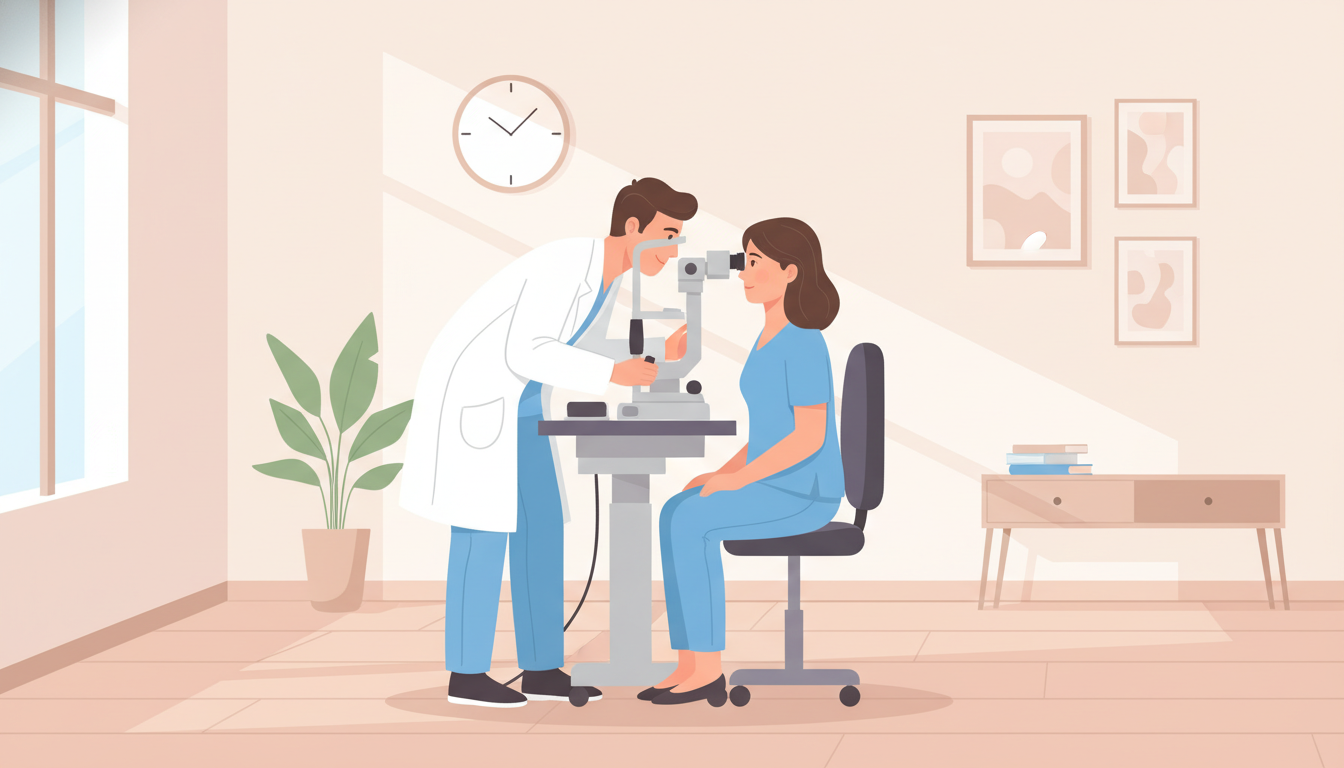
Lifestyle Profile of Ophthalmology: Why It’s Considered a “Lifestyle Residency”
Among surgical specialties, ophthalmology is frequently listed near the top of most lifestyle friendly specialties. Many attending ophthalmologists have predictable schedules, limited overnight call, and the ability to tailor their practice volume.
Core Lifestyle Advantages
1. Predictable Clinic Hours
- Most ophthalmology clinics operate Monday–Friday, roughly 8 am–5 pm.
- As a resident, your hours may expand (e.g., 7 am–6 pm at busy programs), but many rotations still avoid late-evening or overnight in-house call.
- Compared to internal medicine or general surgery, there are far fewer true emergencies that require you to be awake all night.
2. Limited Overnight Emergencies
Ophthalmic emergencies exist—orbital cellulitis, open globe injuries, acute angle-closure glaucoma, retinal detachments—but:
- They are less frequent than emergencies in ED-heavy or critical care fields.
- Much urgent work happens in the early evening or next day in clinic rather than at 3 am.
- On-call coverage is often home call as an attending, depending on your hospital’s policies.
3. High Job Control in Attending Practice
Once trained, you can make deliberate choices that affect lifestyle:
- Outpatient-only practice or a mix of clinic and surgery
- Part-time work or flexible schedules in certain markets
- Subspecialties with less emergency call (e.g., comprehensive ophthalmology, refractive surgery, some cornea practices) compared with more urgent-call fields (e.g., retina, oculoplastics managing trauma)
Many ophthalmologists report strong overall work–life satisfaction, with time to pursue family life, hobbies, and academic interests.
Lifestyle Trade-Offs
Despite its reputation, ophthalmology is not “easy”:
- High cognitive load: Visual diagnostics, advanced imaging, and precise microsurgery require intense attention.
- Productivity pressures: In some private or high-volume practices, you may see 40–60 patients per clinic day, which can be mentally exhausting even if hours are predictable.
- Technological change: Rapid advances (e.g., new MIGS procedures, retinal imaging technologies) require ongoing learning outside regular hours.
The balance is generally better than many surgical fields, but your personal experience will depend on environment and boundaries.
Residency Work–Life Balance: What DO Graduates Should Expect
Any residency, even a “lifestyle” one, is demanding. A realistic assessment of ophthalmology residency for DO graduates should cover duty hours, call structure, common stressors, and how it compares to other specialties.
Duty Hours and Call in Ophthalmology Residency
Most programs adhere to ACGME duty hours limits:
- 80 hours per week, averaged over 4 weeks
- 1 day off in 7, free of all clinical and educational responsibilities
- Limits on consecutive in-house call and requirement for 10 hours off between shifts
In ophthalmology, the average weekly hours tend to be:
- PGY-1 (transitional/prelim year): 60–80 hours, often more strenuous than ophthalmology years
- PGY-2 (first ophthalmology year): 55–70 hours/week at many programs
- PGY-3 and PGY-4: 50–65 hours/week, with some variability based on call, surgical load, and academic responsibilities
Compared with fields like general surgery, neurosurgery, or OB/GYN, this is generally more favorable, making ophthalmology highly attractive from a residency work life balance standpoint.
Typical Day-in-the-Life: Ophtho Resident
For a DO graduate in an ophthalmology residency, a standard weekday might look like:
- 6:45–7:30 am: Arrive, pre-chart, quickly see post-op or admitted patients, review imaging
- 7:30–8:00 am: Morning conference (grand rounds, resident lecture, or case review)
- 8:00 am–12:00 pm: Clinic—comprehensive exams, follow-ups, pre-ops, consults
- 12:00–1:00 pm: Lunch (sometimes combined with didactics)
- 1:00–5:30 pm: Continued clinic or OR block (cataracts, retina procedures, minor plastics cases)
- 5:30–6:30 pm: Finish notes, call consults, coordinate with attendings
- Evening: Home, with the possibility of being called in for emergencies if on call
Night float or in-house call is less common than in medicine or surgery residencies. Many programs use:
- Home call for ophthalmology residents, especially in later years
- Occasional in-house call blocks (e.g., while on trauma or as the junior resident covering the main hospital)
PGY-1: The Hardest Year for Lifestyle
For many ophthalmology residents, the intern year is the most grueling for lifestyle, and for DO graduates this is especially important to consider during the residency application phase.
Common PGY-1 options:
- Transitional Year (TY):
- Often considered the “most lifestyle friendly” intern option:
- More elective time (including ophthalmology rotations)
- Some months may be lighter (e.g., outpatient clinics)
- Still can have heavy inpatient blocks, night float, and busy rotations
- Often considered the “most lifestyle friendly” intern option:
- Preliminary Medicine or Surgery:
- More intense inpatient workload, more nights, more cross-cover responsibilities
- Stronger general medical foundation, which can help in ophthalmology but comes at a lifestyle cost
- Integrated Ophthalmology PGY-1 (where available):
- Combines core rotations with early ophtho exposure
- Lifestyle depends strongly on program design
As a DO graduate, a transitional year at a program friendly to osteopathic physicians often provides the best balance of preparation and lifestyle, especially if you value a gentle ramp-up toward becoming an ophthalmology resident.
Comparing Ophthalmology Residency to Other Specialties
Relative to other fields, ophthalmology ranks favorably in lifestyle residency lists, particularly among surgical specialties.
Rough comparison:
- More lifestyle-friendly than: General surgery, neurosurgery, vascular surgery, orthopedics, OB/GYN, emergency medicine (depending on shift burden), some IM subspecialties with heavy inpatient loads.
- Comparable to or slightly more intense than: Dermatology, PM&R, radiology, pathology in terms of hours; but with more OR and call responsibilities.
- Different kind of stress: High precision, micro-surgical work with immediate patient impact; pressure is more about performance quality than pure quantity.

Matching as a DO: Strategies that Influence Your Future Lifestyle
The ophtho match is competitive—US MD and DO seniors, plus IMGs, compete for a limited number of positions. For DO graduates, strategic planning can reduce application stress and help you land in a program that values wellness.
Building a Competitive Application Without Burning Out
To keep your own work–life balance manageable during medical school and the application process:
- Be intentional about research
- Aim for 1–3 solid ophthalmology projects rather than overcommitting to many.
- Seek a mentor with a track record of helping DO students match.
- Prioritize meaningful away rotations
- One or two audition rotations at DO-friendly ophthalmology programs can help enormously.
- Choose programs known for strong resident culture and reasonable duty hours.
- Leverage DO strengths
- Emphasize holistic care, communication, and patient-centered approach—values many ophthalmologists, especially in academic and community settings, deeply appreciate.
Choosing Programs with Balanced Cultures
Not all ophthalmology residencies are equal when it comes to lifestyle. When interviewing and researching, ask:
- Call frequency and type
- “How often are residents in-house overnight?”
- “Is senior call home-based or in-house?”
- Clinic volume
- “How many patients does a typical resident see in a half-day clinic?”
- “Are there scribes or good EMR templates to ease documentation burden?”
- Wellness supports
- “Does your program have formal wellness initiatives?”
- “How often are post-call days truly protected?”
Programs that are transparent, proud of resident wellness, and have structured support systems tend to provide better residency work life balance.
Long-Term Career Lifestyle: Ophthalmology After Residency
The ultimate measure of lifestyle is what your life looks like as an attending. Ophthalmology excels here, with a wide range of practice styles that accommodate different personalities and life goals.
Common Practice Settings and Their Lifestyle Implications
Private Practice / Group Practice
- Often the most lucrative path with high income potential.
- Hours can be very reasonable (e.g., 4 clinic days plus 1 OR day per week).
- Lifestyle depends heavily on:
- Clinic volume expectations
- Ownership vs employed status
- Call structure with local hospitals
Academic Ophthalmology
- Mix of clinic, OR, teaching, and research.
- Schedule can be flexible but may include early meetings, evening lectures, and grant deadlines.
- More predictable than many academic surgical fields; still generally good lifestyle if the department values balance.
Hospital-Employed / Health System Practice
- Salaried positions with clear productivity targets.
- Often good benefits and stable schedules.
- Some hospital-employed roles have home call only, further improving lifestyle.
Subspecialty-Driven Practices
- Retina: High clinical volume, frequent procedures, more after-hours emergencies (e.g., urgent detachments).
- Cornea: Mix of transplant cases, refractive work, and clinic; moderate on-call.
- Glaucoma: Chronic disease management, lots of clinic, some surgery; generally stable hours.
- Oculoplastics: OR heavy, trauma in some settings; lifestyle strongly depends on practice model.
- Pediatrics and Neuro-ophthalmology: Often clinic-heavy and procedure-light; potentially excellent lifestyle, but fewer practice opportunities and sometimes lower compensation.
Tailoring Your Career to Your Desired Lifestyle
To optimize your long-term work–life balance:
- Clarify your values early
Are you willing to sacrifice some evenings/weekends for higher income? Or do you prioritize time with family and hobbies even if it means a smaller paycheck? - Choose your subspecialty intentionally
If you dislike frequent emergency calls, you might favor comprehensive practice or non-urgent subspecialties over retina or trauma-heavy oculoplastics. - Negotiate your first job carefully
Pay attention to:- Call frequency and whether it is shared in a group
- Expectations for clinic volume and OR days
- Flexibility for part-time or modified schedules
A DO graduate in ophthalmology has the same breadth of options as an MD graduate; lifestyle outcomes are more tied to individual decisions and local markets than degree type.
Practical Strategies for Maintaining Work–Life Balance During Ophthalmology Training
Even in a lifestyle-friendly specialty, you need intentional habits to protect your well-being.
1. Set Boundaries Early
- Protect sleep: Aim for consistent sleep schedules on non-call days.
- Define “off time”: Choose certain evenings or parts of weekends as fully work-free and plan something restorative (family time, exercise, hobbies).
- Use vacation wisely: Many residencies allow 3–4 weeks/year—use them proactively to travel, recharge, or visit family.
2. Streamline Your Workflow
- Create templates for common note types (cataract, post-op, glaucoma follow-ups).
- Learn your EMR’s shortcuts early; ask senior residents what saves them the most time.
- Practice efficient exam routines (e.g., standardized slit lamp sequence) to reduce cognitive load.
3. Build a Support System
- Peer support: Share difficult cases and stress with co-residents; many struggles are shared.
- Mentorship: Identify at least one faculty member who is open about how they maintain balance.
- Family and friends: Be intentional about communication; schedule regular calls or meet-ups.
4. Protect Your Physical and Mental Health
- Vision and posture: Long hours at slit lamps and microscopes make ergonomics crucial.
- Invest in supportive footwear.
- Pay attention to chair and microscope positioning.
- Regular exercise: Even 15–20 minutes of movement 3–4 times per week helps dramatically with stress.
- Mental health resources: Don’t hesitate to access counseling or wellness services early, not just in crisis.
5. Leverage Your DO Training
As a DO graduate, you’re trained with an emphasis on whole-person care and preventive health. Apply that framework to your own life:
- View yourself as a patient whose body, mind, and environment all need attention.
- Use your osteopathic understanding of structure-function relationships to prioritize ergonomics, posture, and musculoskeletal health as you spend hours at microscopes and computers.
- Consider whether OMT or bodywork could help you prevent or manage neck and back strain.
FAQs: Work–Life Balance for DO Graduates in Ophthalmology
1. Is ophthalmology really a “lifestyle residency,” or is that an exaggeration?
Ophthalmology is relatively lifestyle-friendly, especially compared with other surgical fields. Residents typically work fewer nights, have more predictable daily schedules, and encounter fewer 3 am emergencies. However, it is still a demanding residency with long days, high cognitive and technical demands, and busy on-call periods at some programs. As an attending, you can often design a practice with excellent work–life balance.
2. As a DO graduate, will I have a worse lifestyle than MD residents in the same ophthalmology program?
No. Once you are in the same residency program, DO and MD residents share identical responsibilities, duty hours, and call schedules. Any differences in lifestyle occur before matching (e.g., needing more audition rotations or research to be competitive) or due to individual choices, not your degree. Your lifestyle in residency will be shaped more by program culture and your own habits than by being a DO.
3. Which ophthalmology subspecialties offer the best work–life balance?
Subspecialties that tend to have fewer emergencies and more predictable hours include comprehensive ophthalmology, neuro-ophthalmology, some pediatric ophthalmology positions, and non-trauma-focused cornea or glaucoma practices. Retina and trauma-heavy oculoplastics typically involve more urgent after-hours work and call, which can be less lifestyle-friendly, though they may be highly rewarding professionally and financially.
4. How can I evaluate residency work–life balance during interviews?
Ask specific, concrete questions:
- “What are the actual average duty hours for your PGY-2s and PGY-3s?”
- “Is call mostly home or in-house? How many nights per month?”
- “How consistently are days off and vacation time protected?” Speak privately with current residents about:
- How often they stay late finishing notes
- Whether post-call days are truly free
- Program response to residents who struggle or face burnout
Look for a culture where residents feel comfortable being honest and where leadership openly values wellness and a sustainable pace of training.
For a DO graduate drawn to both surgery and long-term patient care, ophthalmology offers a rare combination of procedural sophistication, intellectual challenge, and strong work–life balance. With thoughtful planning around the ophtho match, careful selection of training programs and practice settings, and deliberate personal habits, you can build a career that is both professionally rewarding and personally sustainable.