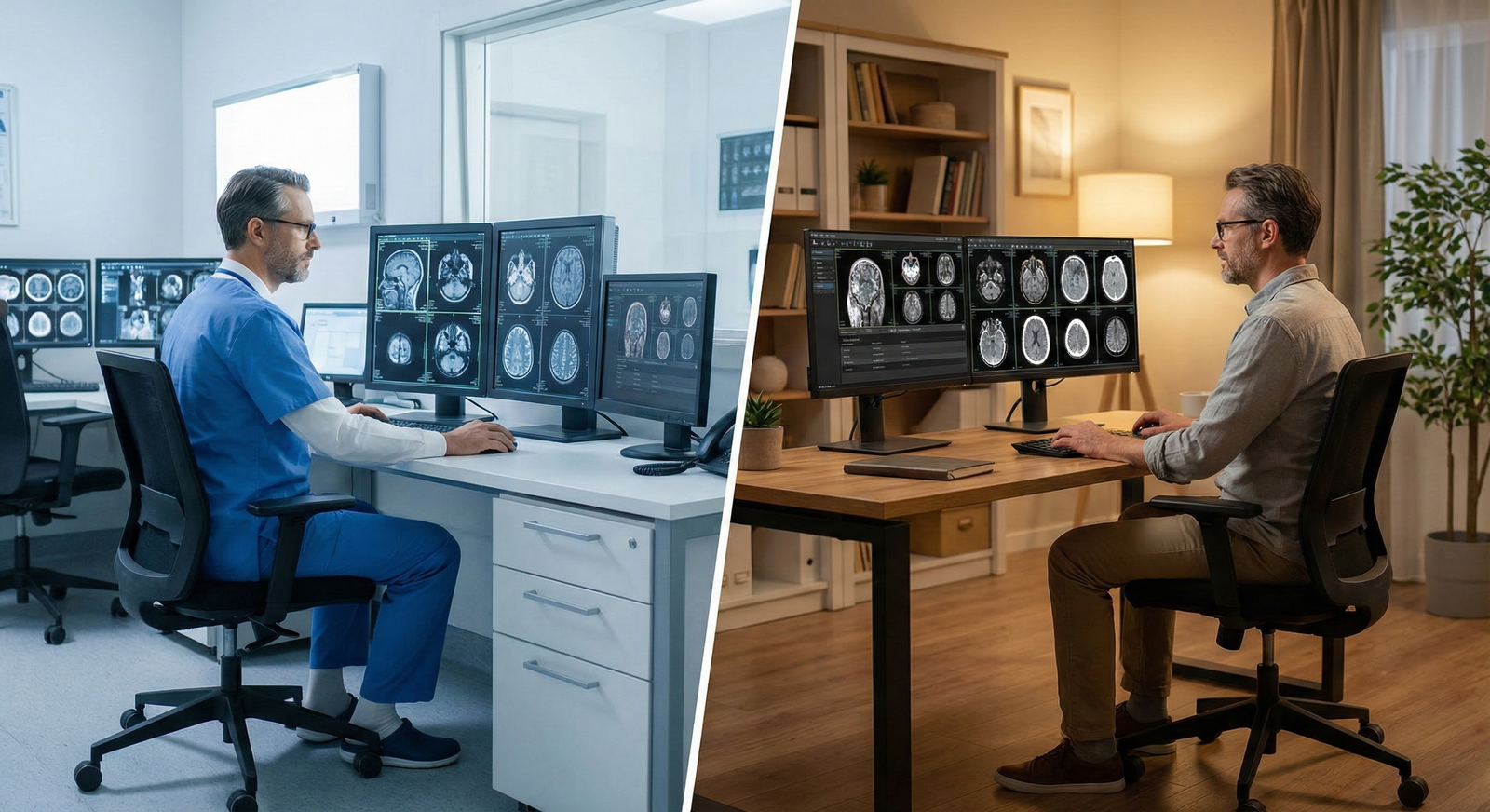
Understanding Ophthalmology as a “Lifestyle” Specialty
Ophthalmology is often labeled a lifestyle residency—especially compared to more demanding surgical fields like general surgery or neurosurgery. For a US citizen IMG (American studying abroad), this reputation can be very attractive, but it also needs to be understood realistically.
Why ophthalmology is seen as lifestyle-friendly:
- Most work is outpatient-based (clinics, minor procedures, elective surgeries).
- Predictable schedule: Many ophthalmologists work standard daytime hours (e.g., 8–5).
- Limited overnight emergencies compared with trauma-heavy or ICU-focused specialties.
- High proportion of elective surgeries (e.g., cataracts, refractive surgery) allows more control over scheduling.
- Generally good duty hours during residency compared to many other surgical programs.
However, “lifestyle-friendly” does not mean “easy.” Ophthalmology residency and early career practice have real pressures:
- It’s a competitive specialty (including for US citizen IMG applicants).
- The learning curve is steep: microsurgery, complex decision-making, and high patient volume.
- During training, you’ll still experience call, night shifts, and stressful situations (e.g., eye trauma, acute angle-closure glaucoma, endophthalmitis).
As a US citizen IMG, your journey adds additional layers—visa is less of an issue, but geographic flexibility, program selection, and academic preparation can impact how much control you have over your eventual work-life balance.
Big picture: Ophthalmology is usually one of the more lifestyle-friendly surgical specialties, especially post-residency. During training, you should still expect full, busy days and some evenings/weekends—but usually with less burnout risk than in many other high-intensity fields.
Residency Duty Hours, Call, and Daily Life in Ophthalmology
To assess residency work-life balance realistically, you need to understand what your day and week might look like in an ophtho program.
Typical Duty Hours in Ophthalmology Residency
Most ophthalmology residency programs comply with standard ACGME duty hour rules:
- Maximum 80 hours/week, averaged over 4 weeks
- 1 day off in 7, averaged over 4 weeks
- 10 hours off between duty periods, when feasible
In practice, most ophthalmology residents work well under 80 hours. Typical ranges:
- PGY-1 (Preliminary or Transitional Year):
- Often in internal medicine or surgery
- 60–80 hours/week is common
- More nights, weekends, and inpatient rotations
- PGY-2 to PGY-4 (Ophthalmology years):
- Many programs: 50–65 hours/week on average
- Some high-volume academic centers may get closer to 70 during busy blocks
- Call frequency, trauma volume, and subspecialty mix heavily influence your schedule
Compared to other surgical residencies, ophtho duty hours are generally lighter and more outpatient-driven, but you should still plan on a full-time-plus commitment.
Structure of a Typical Ophthalmology Resident Day
A representative weekday in an ophthalmology residency might look like:
7:00–8:00 AM
Sign-out, review overnight consults, quick pre-clinic teaching or case review.8:00–12:00 PM
Morning clinic: seeing patients with a faculty preceptor. Mixture of new and follow-up patients (glaucoma, cataract, diabetic retinopathy, retina issues, etc.).12:00–1:00 PM
Lunch + didactics: lectures, journal club, case conferences, or surgical video review.1:00–5:00 PM
Afternoon clinic or OR block. Could be cataract cases, retina procedures, or resident-run urgent clinic.5:00–6:30 PM
Wrap up notes, call patients with results, respond to messages, review next day’s schedule or cases.Evening
Personal time, studying for OKAPs (ophthalmology in-service exam), reading around cases, possibly home call depending on the rotation.
Compared with inpatient-heavy residencies, there is generally less night rounding and fewer middle-of-the-night emergencies. Most post-op issues, urgent consults, and emergency eye problems are triaged in a more predictable way than general surgical emergencies.

Call Schedules and Night Work
The ophtho match experience rarely highlights call in detail, but it matters a lot for lifestyle. Call structures vary:
Home call vs in-house:
Many programs use home call (you are available by phone and come in for true emergencies), especially for upper years. Some PGY-2s may take more in-hospital call early on, particularly at large trauma centers.Frequency:
- PGY-2: Often 1 night every 4–7 days + some weekend call
- PGY-3/4: Less frequent, more consult-heavy, more supervisory
Workload while on call:
- ED consults: trauma, acute vision loss, chemical injuries, retinal detachments.
- Inpatient consults: vision changes, visual field deficits, papilledema.
- Post-op urgent issues: pain, decreased vision, elevated IOP.
Even with home call, a busy program in a major city can have several calls per night on bad days. Still, compared with fields managing respiratory failure or sepsis, ophthalmology emergencies are relatively more contained and procedural.
Research, Studying, and Extra Responsibilities
Ophthalmology is academically intense. For a US citizen IMG, research productivity and exam performance often feel high-stakes, both during the match process and in residency.
You’ll need time for:
- Studying for OKAPs, boards, and surgical techniques
- Preparing for presentations, grand rounds, and morbidity & mortality conferences
- Participating in retina, cornea, glaucoma, or global ophthalmology research projects
Many residents incorporate 5–10 hours/week of self-study or scholarly time, which affects your real residency work life balance. Some programs build in structured research blocks or protected time—these are attractive from a lifestyle standpoint.
Work-Life Balance Challenges Specific to US Citizen IMGs
For an American studying abroad, your path into ophthalmology residency and beyond can shape your lifestyle more than the specialty’s baseline characteristics. Several unique factors affect your work-life balance.
Geographic Flexibility and Program Choice
US citizen IMGs often face fewer total interview offers and less geographic choice than US MD grads. This means:
- You may be more likely to match at:
- Smaller or less well-known programs
- Programs in less popular cities or regions
- Institutions with higher clinical volume and fewer residents (heavier workload per resident)
This does not automatically mean poor residency work life balance, but it increases variability. As a US citizen IMG, you may have less negotiating power to pick the “cushiest” programs, so you must:
- Research each program’s duty hours, call burden, and clinic volume.
- Speak to current residents (especially IMGs) about their lifestyle experience.
- Prioritize programs that demonstrate resident wellness initiatives and a track record of supporting IMGs.
Competitiveness and “Proving Yourself”
Because ophthalmology is highly competitive, many US citizen IMGs feel pressure to overcompensate academically and clinically:
- Taking extra research responsibilities
- Saying “yes” to additional clinics, surgeries, or presentations
- Studying late nights or weekends to keep up with peers who trained in US med schools
This can be professionally useful—but it can erode your residency work life balance if not managed carefully.
Actionable strategies:
Set boundaries early:
Decide how many extra research projects you can realistically handle without sacrificing sleep, exercise, or mental health.Leverage your strengths:
If you come from a school with strong clinical exposure, offer to help with teaching or case discussions rather than simply saying yes to every added clinic.Use mentorship:
Find a faculty mentor who understands both ophthalmology and IMG dynamics. Ask direct questions about realistic career paths that don’t require burning out.
Additional Transitions and Hidden Stressors
US citizen IMGs often face:
- Relocation stress: Moving back from abroad, sometimes without an established support network in the city where they match.
- Licensing and paperwork complexity: Navigating ECFMG certification, state licensing specifics, and ophthalmology match timelines.
- Cultural readjustment: Adapting from an overseas school culture back to US clinical norms and expectations.
Each of these can compound residency demands. They don’t directly change duty hours, but they reduce your available emotional bandwidth, which dramatically affects how tolerable a 60-hour work week feels.

Lifestyle After Residency: What Ophthalmology Careers Really Look Like
Most residents choose ophthalmology partly because of the promise of excellent long-term lifestyle. The transition from residency to practice is where lifestyle gains truly appear.
Typical Attending Work Schedules
Many ophthalmologists work a schedule like:
- 4–5 days per week
- Mix of clinic and OR days (e.g., 3 clinic days, 1–2 OR days)
- Generally daytime hours (8–4 or 9–5)
- Limited or no in-house night work; call often light and home-based
The exact lifestyle depends heavily on practice type:
Private Practice / Group Practice
- Often best combination of income and lifestyle
- Schedules can be tailored: some ophthalmologists compress hours into 4 longer days for a 3-day weekend.
- Elective surgery control: cataracts and refractive cases can be scheduled around vacations, family events, etc.
- Call: Often shared in a group; frequency moderate and mostly home call.
Academic Ophthalmology
- Mix of patient care, teaching, and research.
- Slightly more meetings, administrative duties, and academic deadlines.
- Lifestyle still generally very good: stable daytime hours, protected academic time in some institutions.
- Call: Often associated with a teaching hospital, but shared among faculty and sometimes residents.
Subspecialty Practices
- Retina, glaucoma, cornea, pediatrics, oculoplastics, neuro-ophthalmology, etc.
- Some subspecialties (e.g., retina) may face more urgent surgical cases (e.g., detachment repairs), but still far less grueling than many other surgical fields.
- Many subspecialists still report excellent residency work life balance carryover into their attending practice.
Income and Lifestyle Trade-Offs
Ophthalmology is typically well-compensated relative to many other lifestyle residencies (e.g., psychiatry, family medicine). This allows:
- Ability to live in safer neighborhoods closer to work, reducing commute stress.
- Freedom to outsource time-consuming chores (e.g., housecleaning, childcare support), indirectly improving lifestyle.
- Choice to work fewer sessions per week if income goals are modest.
For a US citizen IMG, financial security can also reduce pressure to overwork, especially if you’re balancing family obligations, educational loans, or supporting relatives.
Practical Strategies to Protect Work-Life Balance as a US Citizen IMG Ophthalmology Resident
You can’t fully control duty hours or call, but you can shape your experience. Below are concrete, US citizen IMG–specific strategies to maintain a sustainable residency work life balance.
1. Be Strategic During the Ophtho Match Process
When you interview, explicitly evaluate lifestyle factors alongside prestige and case volume:
Ask residents:
- “In a typical week, how many hours do you work?”
- “How often do you exceed 70 hours?”
- “How is your call structured? How many nights per week or month?”
- “Do you feel you have time for family, hobbies, or exercise?”
Look for:
- Programs that track duty hours accurately and respond to concerns.
- Evidence of mental health resources and wellness initiatives.
- Faculty who speak about sustainable careers, not just productivity.
As a US citizen IMG, you may feel pressure to “take whatever you get,” but you often still have some rank-order flexibility. Use it to tilt toward programs that respect lifestyle.
2. Build Efficient Clinical Habits Early
Time management is a major determinant of residency work life balance:
- Learn the EMR and documentation shortcuts quickly.
- Create structured templates for common notes (cataract evals, glaucoma visits, post-op checks).
- Develop a rhythm in clinic:
- Quickly identify chief complaints.
- Perform focused, efficient exam sequences.
- Learn when to get attending input efficiently to reduce back-and-forth.
The more efficient you become, the less you’ll need to stay late charting or reviewing cases.
3. Protect Sleep and Physical Health
Even when duty hours are moderate, chronic sleep loss and sedentary habits can make ophtho residency feel much worse:
- Prioritize a consistent sleep schedule on non-call days.
- Aim for at least 3 short exercise sessions per week (20–30 minutes):
- Home workouts, brisk walks, or quick strength sessions—no need for a 90-minute gym routine.
- Monitor for signs of burnout:
- Emotional exhaustion
- Detachment from patients or colleagues
- Feeling ineffective or hopeless
If you notice these, talk early to a trusted mentor, chief resident, or mental health professional. Many programs provide confidential counseling.
4. Use Support Networks Intentionally
US citizen IMGs sometimes lack local family support after matching far from “home.” Compensate with:
- Residency “families”: Informal groups of co-residents you can eat with, vent to, and lean on.
- Virtual support: Regular video calls with family or friends abroad or in other states.
- Mentorship outside your program: National US citizen IMG communities, ophthalmology interest groups, or alumni from your med school now in US ophthalmology.
These emotional anchors make high-intensity periods more tolerable and reduce isolation.
5. Plan a Sustainable Career Path Early
Think beyond residency to design a lifestyle residency-to-practice pipeline:
Reflect on your priorities:
- Do you value geographic flexibility, income, academic work, or fewer hours most?
- Are you open to smaller cities that might offer lighter call and more predictable workdays?
Explore subspecialties with lifestyle in mind:
- Many subspecialties allow excellent work-life balance; talk to fellows and attendings about their schedules.
- Consider how much you want emergency responsibilities (e.g., retina can have more urgent cases).
Planning with lifestyle in mind from PGY-2 onward helps you avoid drifting into a path incompatible with your long-term well-being.
FAQs: Work-Life Balance for US Citizen IMG Ophthalmology Applicants
1. Is ophthalmology really a “lifestyle residency,” even for US citizen IMGs?
Yes, compared with many surgical residencies, ophthalmology offers better duty hours, more outpatient time, and fewer overnight emergencies. As a US citizen IMG, you may work at higher-volume programs with less initial control over geographic location, but the specialty itself remains among the more lifestyle-friendly surgical fields. The best lifestyle benefits are most pronounced after residency.
2. How many hours per week should I expect during ophthalmology residency?
Most ophthalmology residents work around 50–65 hours per week, with some variability based on rotation and call. Your PGY-1 year (often in internal medicine or surgery) may be closer to 60–80 hours, while PGY-2 to PGY-4 ophthalmology years tend to be lighter and more structured. Busy academic programs can sometimes approach 70 hours during intense blocks, but this is still usually better than many other surgical specialties.
3. Does being a US citizen IMG make my lifestyle worse during residency?
Not inherently. The duty hours and workload standards are the same, but you may have fewer program options and end up in locations or institutions that are more clinically intense. You might also feel more pressure to prove yourself through research and extra responsibilities. With intentional program selection, mentorship, and boundaries, you can still achieve a strong residency work life balance.
4. What can I do during medical school (as an American studying abroad) to set up a good lifestyle in ophthalmology later?
Focus on:
- Building a strong academic and research profile to increase your program options in the ophtho match.
- Getting US clinical experience in ophthalmology, ideally rotations at institutions that sponsor IMGs and value resident wellness.
- Developing efficient study habits and time management now; they’ll translate directly into better balance later.
- Networking with US ophthalmologists who can guide you toward programs and career paths known for good lifestyle and supportive cultures.
A career in ophthalmology offers one of the most appealing combinations of interesting medicine, microsurgery, and sustainable work hours in modern residency training. As a US citizen IMG, you’ll face extra steps and sometimes more uncertainty, but with careful planning—during the ophtho match and throughout residency—you can secure both a competitive training path and a satisfying, balanced life in and out of the clinic.