New Approaches to Chronic Pain Management: What Patients Should Know
Chronic pain is one of the most common and challenging health problems worldwide. It affects millions of people and often leads to profound physical, emotional, and social consequences. Historically, treatment centered heavily on medications—particularly opioids. As we now better understand the risks of long-term opioid use and the complexity of pain itself, the field of chronic pain management is rapidly evolving.
Modern pain care emphasizes integrated care, holistic approaches, and treatment innovation. For patients, this means more options, more personalized plans, and a greater focus on long-term function and quality of life—not just temporary relief.
This expanded guide walks you through the latest thinking in chronic pain, newer treatments, and practical steps you can take to work effectively with your healthcare team.
Understanding Chronic Pain: More Than Just a Symptom
Chronic pain is typically defined as pain lasting longer than three months or beyond the expected time of healing. Unlike acute pain, which serves as a warning signal of injury, chronic pain often becomes a condition in its own right.
Common Sources and Types of Chronic Pain
Chronic pain can arise from many different mechanisms, sometimes overlapping:
Post-Injury or Post-Surgical Pain
- Pain persists even after tissues appear to have healed.
- For example, ongoing low back pain after a lifting injury or joint pain long after a fracture has repaired.
Post-Infectious Pain
- Certain infections can trigger long-lasting pain.
- Conditions like post-herpetic neuralgia (after shingles) or some post-viral pain syndromes can linger for months or years.
Neuropathic Pain
- Caused by damage or dysfunction in the nervous system itself.
- Patients often describe burning, tingling, electric shock, or shooting sensations.
- Common in conditions like diabetic neuropathy, radiculopathy, or nerve injuries after trauma.
Chronic Disease–Related Pain
- Disorders such as osteoarthritis, rheumatoid arthritis, fibromyalgia, migraine, endometriosis, and chronic low back pain can produce ongoing discomfort.
- These conditions often involve both physical changes (e.g., joint degeneration) and altered pain processing in the nervous system.
Why Chronic Pain Is So Complex
Chronic pain is not just about damaged tissue. Over time, the nervous system can become more sensitive—a process called central sensitization. Signals that would not normally be painful can become painful, and existing pain can feel amplified.
In addition, chronic pain interacts with:
- Sleep: Poor sleep increases pain sensitivity; pain worsens sleep, creating a vicious cycle.
- Mood: Anxiety, depression, and stress can heighten the experience of pain.
- Activity Level: Fear of movement (kinesiophobia) may lead to inactivity, muscle deconditioning, and more pain.
- Social and Work Life: Financial stress, loss of roles, and disability often compound emotional distress.
Because of this complexity, one-size-fits-all solutions rarely work. Integrated, multimodal care—combining several approaches—is now the standard of care in progressive pain medicine.
Integrated Pain Management Programs: A Team-Based Approach
Integrated or multidisciplinary pain management programs bring together professionals from different fields to address chronic pain from multiple angles. This holistic approach recognizes that effective treatment must consider the whole person.

Core Components of Integrated Care
Physical Therapy (PT) and Movement-Based Therapies
- Tailored exercises to improve mobility, strength, and posture.
- Techniques may include manual therapy, graded exercise, aquatic therapy, or balance training.
- Example: A patient with chronic low back pain might begin with gentle core stabilization exercises, walking programs, and gradual exposure to previously avoided movements.
Occupational Therapy (OT)
- Focuses on helping patients perform daily tasks with less pain and strain.
- Strategies include:
- Joint protection techniques
- Energy conservation methods
- Adaptive equipment (e.g., ergonomic tools, braces, or modified workstations)
- Practical outcome: Being able to return to work or daily activities with modifications that make tasks more manageable.
Psychological and Behavioral Therapies
- Chronic pain is both a physical and emotional experience. Evidence-based therapies can reduce suffering and improve function:
- Cognitive Behavioral Therapy (CBT): Helps patients identify and change unhelpful thought patterns (“I’ll never get better”) and behavior patterns (avoidance of activity).
- Acceptance and Commitment Therapy (ACT): Emphasizes accepting pain while focusing on living in line with personal values (e.g., staying engaged with family, work, hobbies).
- Pain Coping Skills Training: Teaches relaxation, pacing, and problem-solving techniques.
- Chronic pain is both a physical and emotional experience. Evidence-based therapies can reduce suffering and improve function:
Mind-Body Techniques
- Aim to calm the nervous system and reduce stress-related amplification of pain:
- Mindfulness meditation
- Yoga and tai chi
- Breathing exercises and progressive muscle relaxation
- Research shows these practices can reduce pain intensity, improve mood, and enhance quality of life when practiced consistently.
- Aim to calm the nervous system and reduce stress-related amplification of pain:
Benefits of Integrated Programs
- Reduced reliance on opioids and other high-risk medications.
- Improved physical function and activity tolerance.
- Enhanced mood, sleep, and coping skills.
- Better understanding of pain and realistic expectations for treatment.
For patients, this often means learning to live well with pain, even if pain cannot be completely eliminated.
Interventional Pain Procedures: Targeted Relief When Needed
For some patients, especially when pain is localized and significantly limiting function, interventional pain procedures can be an important part of comprehensive care. These procedures are typically performed by anesthesiologists, physiatrists, or interventional radiologists with specialized training.
Common Interventional Techniques
Nerve Blocks
- Injection of a local anesthetic, often combined with a steroid, near a specific nerve or nerve group.
- Used for conditions like facet joint pain, some forms of neuropathic pain, or regional pain syndromes.
- Can be diagnostic (to identify the source of pain) and therapeutic (to provide relief).
Epidural Steroid Injections
- Medication delivered into the epidural space around the spinal cord.
- Often used for radicular pain (sciatica) due to herniated discs or spinal stenosis.
- May provide weeks to months of relief and allow patients to participate more fully in physical therapy.
Radiofrequency Ablation (RFA)
- Uses heat generated by radiofrequency waves to disrupt pain-carrying nerve fibers.
- Commonly used for facet joint–mediated back or neck pain, and sometimes for knee or hip pain.
- Pain relief can last 6–12 months or longer in selected patients.
Spinal Cord Stimulation (SCS) and Neuromodulation
- Implantable devices deliver electrical impulses to the spinal cord or peripheral nerves to modify pain signals.
- Can be helpful for conditions like failed back surgery syndrome, complex regional pain syndrome (CRPS), or refractory neuropathic pain.
- Typically preceded by a “trial” period to see if the device meaningfully reduces pain.
Other Emerging Interventions
- Peripheral nerve stimulation
- Intrathecal drug delivery systems
- Minimally invasive procedures for vertebral fractures or spinal stenosis
Weighing Benefits and Risks
Interventional procedures can offer significant relief for some people, but they are not cures and do carry risks (infection, bleeding, nerve injury, or lack of benefit). Shared decision-making with your pain specialist is essential, ideally within the broader context of an integrated treatment plan.
Biologics and Regenerative Medicine: Promising but Still Evolving
Another area of treatment innovation involves regenerative medicine, which aims to repair or modulate diseased tissues and inflammation.
Key Regenerative Approaches
Platelet-Rich Plasma (PRP)
- Uses a concentrated portion of the patient’s own blood, rich in platelets and growth factors.
- Injected into areas like tendons, ligaments, or joints (e.g., tennis elbow, some types of osteoarthritis).
- Some studies show benefit, but results are variable and protocols are not yet standardized.
Stem Cell–Based Therapies
- Typically involve mesenchymal stem cells from bone marrow or adipose (fat) tissue.
- Under investigation for joint degeneration, disc disease, and other chronic pain conditions.
- Research is ongoing; many therapies remain experimental and may not be covered by insurance.
Gene Therapy and Molecular Approaches
- Early-stage research is exploring ways to modify pain pathways at a genetic or molecular level.
- Not yet part of routine clinical care but may shape future chronic pain treatments.
What Patients Should Know
- Many regenerative treatments are not yet strongly evidence-based and can be expensive.
- Some clinics aggressively market regenerative therapies without solid scientific backing. It’s important to:
- Ask about published research supporting the proposed treatment.
- Confirm credentials and training of providers.
- Discuss realistic expectations and potential risks with your healthcare team.
- Whenever possible, consider participation in clinical trials, where treatments are carefully monitored and contribute to scientific knowledge.
Medication Management Beyond Opioids: Expanding the Toolkit
As the medical community moves away from routine opioid prescribing for chronic non-cancer pain, the focus has shifted toward safer, more sustainable medication strategies.
Non-Opioid Pain Medications
Non-Opioid Analgesics
- Acetaminophen: Often used for mild to moderate pain; safer for many patients but must be monitored for liver toxicity.
- NSAIDs (Non-Steroidal Anti-Inflammatory Drugs): Ibuprofen, naproxen, and others reduce inflammation and pain, especially in musculoskeletal conditions.
- Long-term use requires monitoring for kidney issues, gastrointestinal bleeding, and cardiovascular risks.
Adjuvant Medications
- Originally developed for other conditions, these can be very effective for certain pain types:
- Antidepressants (e.g., duloxetine, amitriptyline, nortriptyline): Often used for neuropathic pain, fibromyalgia, and headache disorders.
- Anticonvulsants (e.g., gabapentin, pregabalin): Widely used for neuropathic pain such as diabetic neuropathy or post-herpetic neuralgia.
- These medications often require slow dose titration and careful monitoring for side effects (e.g., sedation, weight changes, mood changes).
- Originally developed for other conditions, these can be very effective for certain pain types:
Topical Treatments
- Lidocaine patches or gels: Useful for localized neuropathic pain.
- Capsaicin creams or patches: Can reduce pain signal transmission over time.
- Topicals can be particularly helpful for older adults or patients who cannot tolerate systemic medications.
Limited and Carefully Supervised Opioid Use
- Opioids may still play a role in specific cases:
- Severe pain not responsive to other treatments.
- Cancer-related pain or end-of-life care.
- Best practices include:
- Clear treatment goals and time frames.
- Lowest effective dose.
- Regular reassessment of benefits versus risks.
- Screening for history of substance use disorder.
- Opioids may still play a role in specific cases:
Practical Tips for Patients on Medication Management
- Keep an up-to-date list of all medications and supplements.
- Take medications exactly as prescribed; do not adjust doses without discussing with your clinician.
- Report side effects early—there are often alternative options.
- Ask about deprescribing when certain medications are no longer needed or helpful.
Technology-Enabled Pain Solutions: Digital Tools for Daily Life
Digital health tools are transforming how chronic pain is monitored and treated, supporting more continuous and connected care.
Useful Technology for Chronic Pain Management
Mobile Apps
- Pain tracking apps allow patients to record:
- Pain intensity and location
- Triggers (e.g., weather, stress, activity)
- Medication use and side effects
- Over time, this data helps identify patterns and informs treatment adjustments.
- Pain tracking apps allow patients to record:
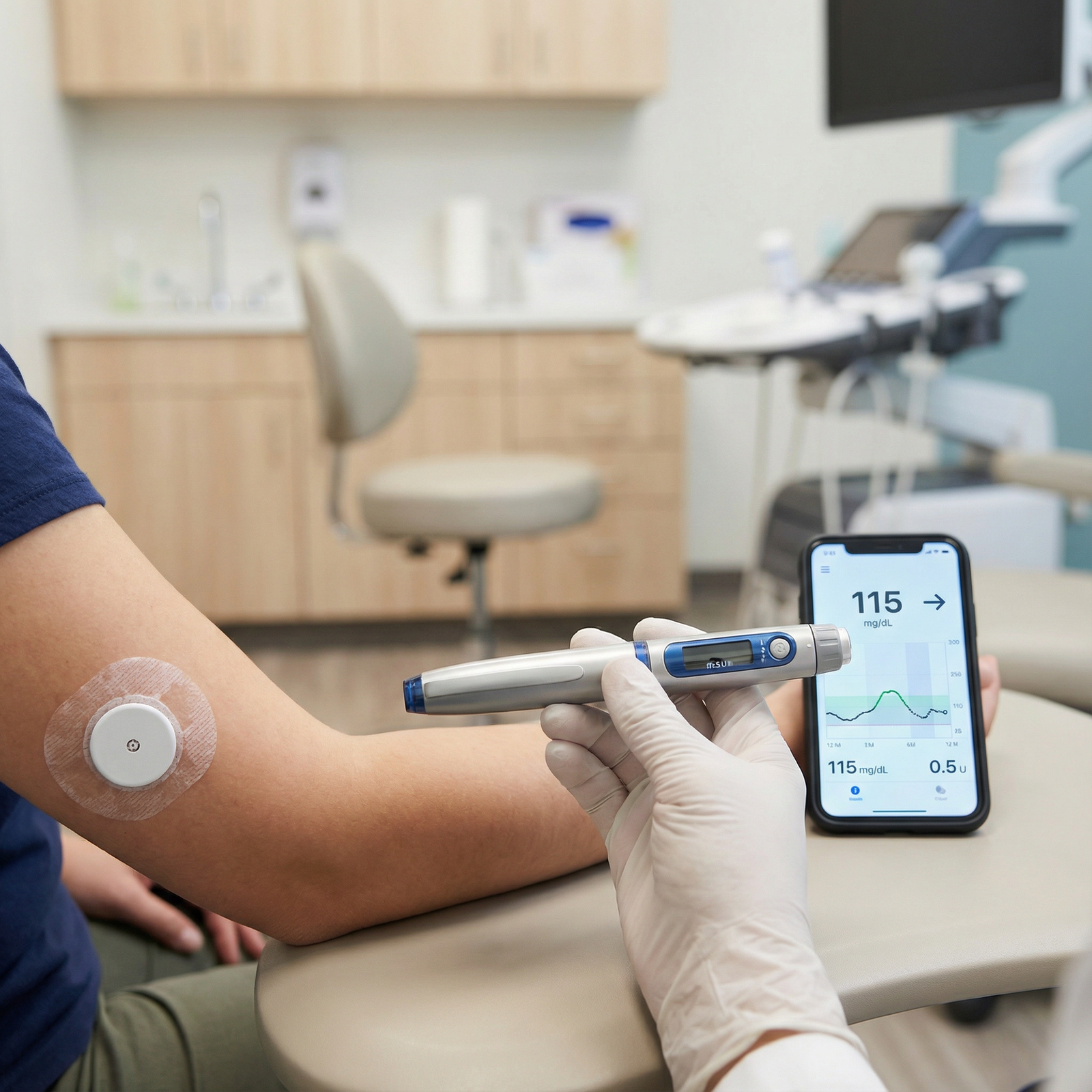
Wearable Devices
- Fitness trackers and smartwatches can monitor:
- Activity levels
- Heart rate and sleep patterns
- Sometimes stress markers (e.g., heart rate variability)
- These metrics help guide pacing, goal setting, and behavior change.
- Fitness trackers and smartwatches can monitor:
Telemedicine and Virtual Visits
- Video visits make it easier to:
- Follow up regularly with pain specialists, therapists, or psychologists.
- Adjust medications and rehabilitation plans in real time.
- Particularly valuable for patients in rural or underserved areas.
- Video visits make it easier to:
Digital Therapeutics
- Some structured online programs deliver CBT, mindfulness training, or pain education modules.
- Early evidence suggests they can reduce pain interference and improve coping, especially when combined with clinician support.
Using technology is not a replacement for professional care but can significantly enhance integrated care, offering more consistent support between clinic visits.
Holistic and Lifestyle-Based Approaches: Supporting the Whole Person
A holistic approach to chronic pain recognizes that lifestyle choices and self-management are powerful tools in reducing pain and improving function.

Nutrition and Anti-Inflammatory Lifestyle
- Diet
- Emphasize fruits, vegetables, whole grains, lean proteins, and healthy fats (e.g., omega-3s from fish, flax, or walnuts).
- Limit highly processed foods, added sugars, and excessive alcohol, which can worsen inflammation and weight gain.
- Weight Management
- Even modest weight loss can significantly reduce joint pain and improve mobility in conditions like osteoarthritis.
- Sleep Hygiene
- Regular sleep schedule, minimizing caffeine and screens before bed, and developing a relaxing pre-sleep routine can help break the pain–insomnia cycle.
Complementary and Integrative Therapies
Acupuncture
- Involves inserting thin needles at specific points on the body.
- Evidence supports its use for some types of chronic pain, such as low back pain and osteoarthritis, as part of a comprehensive plan.
Chiropractic and Manual Therapies
- Spinal manipulation and other manual techniques may help select patients with musculoskeletal pain.
- Important to work with licensed professionals and coordinate with your medical team.
Herbal and Nutritional Supplements
- Turmeric (curcumin), ginger, omega-3 fatty acids, and certain herbal products are often used for their anti-inflammatory properties.
- Always discuss supplements with your healthcare provider:
- Some interact with prescription medications.
- Quality and dosing can vary widely between products.
Pacing and Activity Planning
- Learning to pace activities—balancing movement and rest—can prevent “boom and bust” cycles where overactivity leads to flare-ups.
- Setting realistic, gradual goals helps maintain progress without triggering setbacks.
The Role of Self-Compassion and Support
Chronic pain can be isolating and demoralizing. Emotional resilience is part of effective pain management:
- Seek support from family, friends, or support groups.
- Consider counseling or support groups specific to chronic pain.
- Practice self-compassion: acknowledging limits, celebrating small gains, and avoiding self-blame.
Putting It All Together: Building a Personalized Chronic Pain Plan
No single treatment works for everyone. The most effective chronic pain management usually combines multiple strategies tailored to your unique situation.
Steps Patients Can Take
Learn About Your Condition
- Ask questions. Request explanations about your diagnosis, treatment options, and realistic goals.
- Reliable sources include academic medical centers, professional societies, and evidence-based patient education websites.
Assemble a Care Team
- Beyond a primary care provider, your team may include:
- Pain specialist
- Physical/occupational therapist
- Psychologist/behavioral health specialist
- Nutritionist
- Integrated care improves outcomes and reduces fragmentation.
- Beyond a primary care provider, your team may include:
Set Functional Goals
- Focus on what you want to be able to do (e.g., walk to the store, play with grandchildren, work part-time) rather than just a number on a pain scale.
- Goals help guide treatment choices and measure progress.
Be Open to Trial and Error
- Chronic pain treatment often requires trying different combinations of therapies.
- Track what helps and what doesn’t, and regularly review your plan with your providers.
Advocate for Yourself—Ethically and Collaboratively
- Share your concerns respectfully.
- Ask about new or alternative treatments when appropriate.
- Discuss risks, benefits, and your personal values when making decisions about interventions or medications.
Frequently Asked Questions About New Approaches to Chronic Pain Management
Q1: Can chronic pain ever be completely cured, or is it always lifelong?
Not all chronic pain is permanent. Some conditions improve significantly with time, targeted treatment, and lifestyle changes. Others may persist but become far more manageable. The goal of modern pain management is often to maximize function and quality of life, even if some level of pain remains. For many patients, pain intensity decreases and interference with daily life improves over time with an integrated, consistent approach.
Q2: How do I know if an integrated pain management program is right for me?
You may benefit from an integrated program if:
- Pain has lasted longer than three months.
- Pain significantly affects your daily activities, work, or mood.
- Medications alone have not provided adequate relief. If these apply, ask your primary care clinician or specialist for a referral to a multidisciplinary or integrated pain clinic, where physical, psychological, and medical treatments are coordinated.
Q3: Are regenerative treatments like PRP or stem cells safe and effective?
Some patients do experience improvement with regenerative treatments, but:
- Evidence is still evolving, and results vary by condition and individual.
- Not all marketed therapies are backed by strong research.
- Risks include infection, cost, and potential disappointment if results fall short.
Discuss these options with a knowledgeable specialist, ask about clinical trials, and be cautious of clinics making sweeping promises or offering expensive packages without data to support them.
Q4: What role does mental health play in chronic pain, and does seeing a psychologist mean “it’s all in my head”?
Chronic pain is a real physical experience. Psychological therapies do not imply that pain is imaginary. Instead, they target the way the brain and nervous system process pain signals and help you develop skills to reduce suffering, manage stress, improve sleep, and increase activity. Because pain and emotions share overlapping pathways in the brain, addressing mental health is a core part of scientifically grounded pain care.
Q5: How can I safely reduce or stop opioids if I’ve been taking them for a long time?
Never stop opioids abruptly on your own. Work with your prescribing clinician to:
- Develop a gradual tapering plan tailored to your dose and health status.
- Introduce or optimize non-opioid medications and non-drug therapies (e.g., PT, CBT, mindfulness).
- Monitor for withdrawal symptoms, mood changes, or increases in pain. Many patients find that, over time, they function better and feel more alert with lower doses or without opioids, especially when supported by an integrated care plan.
New developments in chronic pain management are steadily shifting care away from a narrow focus on medications toward comprehensive, integrated, and patient-centered strategies. By staying informed, engaging actively with your healthcare team, and combining medical, psychological, and lifestyle approaches, you can play a powerful role in improving your own pain control and quality of life.