
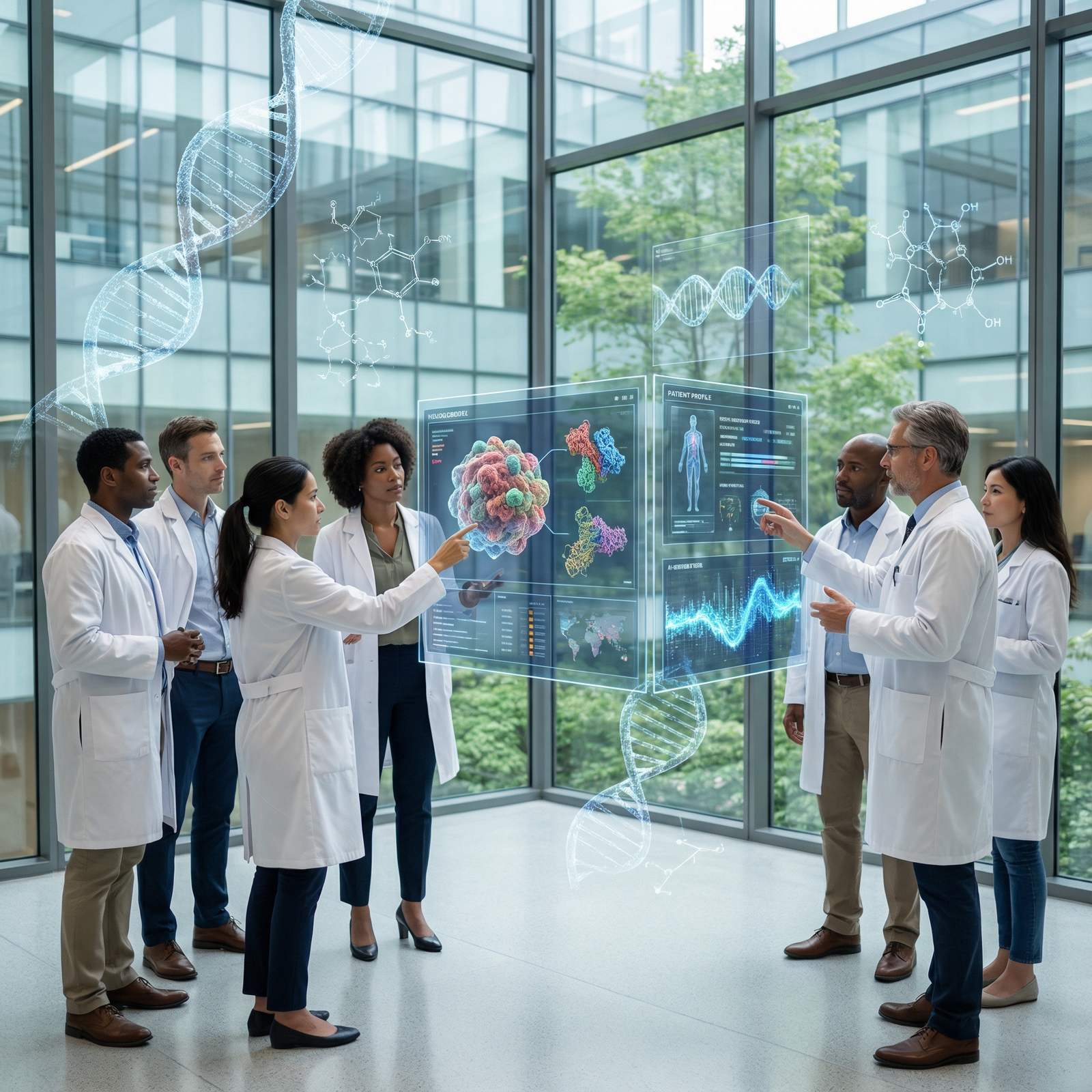
Introduction: A New Era in Cancer Treatment
Cancer treatment is entering one of the most transformative periods in medical history. What was once dominated by surgery, chemotherapy, and radiation is now rapidly evolving into a landscape defined by immunotherapy, Personalized Medicine, AI in Healthcare, and a growing range of Emerging Therapies.
For medical students, residents, and early-career clinicians, understanding where cancer care is heading is not just intellectually interesting—it is essential for ethical, effective practice and for guiding patients through increasingly complex choices.
This article explores the future of Cancer Treatment with a focus on:
- How traditional therapies are being reshaped, not replaced
- The science and clinical impact of immunotherapy and targeted therapies
- The expanding role of gene editing, nanotechnology, and AI in healthcare
- The central importance of Personalized Medicine in oncology
- Ethical, economic, and educational challenges that will define your role as a future physician
By the end, you should have a clearer framework for how these innovations fit together and how to integrate them into patient-centered, ethically grounded cancer care.
The Evolving Landscape of Cancer Treatment
From One-Size-Fits-All to Mechanism-Driven Care
Historically, cancer care has relied on three core modalities:
- Surgery – removing solid tumors where feasible
- Radiation therapy – damaging cancer cell DNA with focused high-energy beams
- Chemotherapy – using cytotoxic drugs that target rapidly dividing cells
These approaches have cured or controlled millions of cancers, but they have clear limitations:
- Significant toxicity and impact on quality of life
- Limited specificity—normal rapidly dividing cells (e.g., bone marrow, hair follicles, GI tract) are affected
- Variable benefit depending on tumor subtype, stage, and host factors
As molecular biology, genomics, and bioinformatics advanced, a crucial insight emerged: “cancer” is not one disease but hundreds of biologically distinct entities. Two breast cancers may look similar histologically but respond completely differently to treatment based on their genomic and molecular profile.
This realization has driven the shift toward mechanism-based and patient-specific therapies, moving away from a purely histology-based “lung vs. breast vs. colon” classification to a more nuanced framework based on molecular pathways, biomarkers, and immune contexture.
Milestones That Changed the Field
Some key turning points in modern oncology include:
- Imatinib (Gleevec) in chronic myeloid leukemia (CML), proving that precisely targeted therapy against a specific driver mutation (BCR-ABL) could dramatically alter natural history
- Checkpoint inhibitors (e.g., pembrolizumab, nivolumab) showing durable responses, even cures, in cancers previously considered refractory
- CAR T-cell therapies achieving deep, long-lasting remissions in refractory hematologic malignancies
- Next-generation sequencing (NGS) becoming more accessible, enabling routine tumor genomic profiling
These developments catalyzed a paradigm shift: today, the question is increasingly not just “What cancer does this patient have?” but “What drives this particular cancer, in this specific patient, in this specific microenvironment?”
Emerging Frontiers in Cancer Treatment
1. Immunotherapy: Teaching the Immune System to Fight Cancer
Immunotherapy has reshaped how oncologists think about cancer biology and has become central to modern Cancer Treatment plans.
Checkpoint Inhibitors: Releasing the Brakes
Cancer cells can evade immune detection by exploiting regulatory “brakes” on T cells—immune checkpoints like PD-1, PD-L1, and CTLA-4.
Checkpoint inhibitors such as:
- Pembrolizumab (Keytruda)
- Nivolumab (Opdivo)
- Ipilimumab (Yervoy)
block these inhibitory signals, allowing T cells to attack tumor cells more effectively.
Clinical impact:
Dramatic and sometimes durable responses in:
- Melanoma
- Non–small cell lung cancer (NSCLC)
- Renal cell carcinoma
- Hodgkin lymphoma
- Mismatch repair–deficient or MSI-high tumors (site-agnostic approvals)
Some patients achieve long-term remission, leading to the concept of a “functional cure” in metastatic disease.
Key considerations for trainees:
- Response is not universal; only a subset benefit.
- Biomarkers like PD-L1 expression, tumor mutational burden (TMB), and MSI status can guide use but are imperfect.
- Immune-related adverse events (irAEs)—colitis, pneumonitis, endocrinopathies—require vigilance and multidisciplinary management.
CAR T-Cell Therapy: Personalized Cellular Weapons
Chimeric Antigen Receptor (CAR) T-cell therapy involves:
- Collecting a patient’s T cells via leukapheresis
- Genetically engineering them to express CARs targeting specific antigens (e.g., CD19)
- Expanding and reinfusing them into the patient
Approved CAR T therapies have shown high response rates in:
- Pediatric and young adult B-cell acute lymphoblastic leukemia
- Certain types of relapsed/refractory large B-cell lymphomas
Challenges for broader implementation:
- Cytokine release syndrome (CRS) and neurotoxicity
- High cost and logistical complexity
- Limited success to date in solid tumors due to antigen heterogeneity and hostile tumor microenvironments
For residents, understanding CAR T pathways, toxicity grading, and management protocols will be critical in hematology/oncology practice.
Cancer Vaccines: Preventive and Therapeutic
Cancer vaccines fall into two broad categories:
- Preventive vaccines – e.g., HPV vaccine, which prevents HPV-associated cervical, anal, and oropharyngeal cancers
- Therapeutic vaccines – designed to stimulate an immune response against existing tumors
An example is sipuleucel-T (Provenge) for metastatic prostate cancer, which modestly extends survival.
The next generation includes neoantigen-based personalized vaccines, developed from an individual’s tumor-specific mutations and increasingly enabled by advances in AI in Healthcare and high-throughput sequencing.

2. Targeted Therapy: Precision Oncology in Practice
Targeted therapies focus on specific molecular drivers of tumor growth and survival, sparing normal tissues to a greater degree than conventional chemotherapy.
Tyrosine Kinase Inhibitors (TKIs) and Beyond
Tyrosine kinase inhibitors have transformed several malignancies:
- Imatinib for BCR-ABL–positive CML and GIST
- Erlotinib, osimertinib for EGFR-mutated NSCLC
- Crizotinib, alectinib, lorlatinib for ALK or ROS1 rearranged NSCLC
These agents inhibit aberrant signaling pathways that promote proliferation, survival, or angiogenesis.
For trainees, this requires:
- Familiarity with key mutations (EGFR, ALK, ROS1, BRAF, HER2, etc.)
- Knowing indications for molecular testing in solid and hematologic tumors
- Monitoring for class-specific toxicities (cardiotoxicity, QT prolongation, interstitial lung disease, etc.)
Monoclonal Antibodies and Antibody–Drug Conjugates (ADCs)
Monoclonal antibodies (mAbs) can:
- Block growth factor receptors (e.g., trastuzumab targeting HER2)
- Mark cancer cells for immune destruction via antibody-dependent cellular cytotoxicity (ADCC)
- Deliver cytotoxic payloads as antibody–drug conjugates, such as:
- Trastuzumab emtansine (T-DM1) in HER2-positive breast cancer
- Brentuximab vedotin in Hodgkin lymphoma and anaplastic large cell lymphoma
ADCs represent a powerful “guided missile” approach: highly potent chemotherapy delivered directly to cancer cells via antigen-specific antibodies.
Toward Combination and Adaptive Strategies
Future Cancer Treatment is likely to involve:
- Rational combinations of TKIs, mAbs, immunotherapies, and radiation
- Adaptive therapy informed by real-time biomarkers and liquid biopsy data
- Use of AI in Healthcare to predict optimal sequences or combinations and resistance patterns
For residents, this underscores the need to interpret molecular tumor boards, keep up with rapidly changing indications, and counsel patients on complex risk–benefit profiles.
3. Gene Editing and Gene Therapy: Rewriting the Cancer Playbook
Gene-based approaches aim to correct, replace, or exploit genetic abnormalities driving cancer.
CRISPR and Beyond
CRISPR-Cas9 and next-generation editing tools (e.g., base editors, prime editing) offer the potential to:
- Disrupt oncogenes
- Restore tumor suppressor function
- Engineer immune cells with enhanced antitumor activity
Early-phase trials are exploring CRISPR-modified T cells and other gene-edited products. While clinical application in solid tumors remains nascent, progress is rapid.
Ethical and safety concerns include:
- Off-target effects and unintended mutations
- Germline editing risks (currently prohibited in most jurisdictions)
- Long-term immunologic and oncogenic consequences
Gene Therapy and Oncolytic Viruses
Gene therapy strategies in oncology include:
- Introducing functional tumor suppressor genes
- Modifying tumor cells to be more immunogenic or sensitive to other treatments
Oncolytic virus therapy uses genetically engineered viruses that selectively infect and lyse tumor cells while stimulating immune responses.
- Talimogene laherparepvec (T-VEC), an oncolytic herpesvirus, is approved for certain forms of advanced melanoma.
- Multiple viral platforms (adenovirus, reovirus, vaccinia) are in development for a range of cancers.
For trainees, the key is not memorizing every platform but understanding mechanisms, indications, and major safety issues, as these therapies will increasingly appear in tumor board discussions and clinical trials.
4. AI in Healthcare: Transforming Oncology from Bench to Bedside
Artificial intelligence is rapidly weaving itself into every layer of oncology practice, from research and diagnosis to prognostication and decision support.
Enhanced Diagnostics and Early Detection
AI-powered tools can:
- Interpret radiologic images (CT, MRI, PET, mammography) with high sensitivity, sometimes detecting subtle changes beyond human perception
- Analyze pathology slides using digital pathology and deep learning to classify tumor types, grade, and even predict molecular alterations
- Integrate imaging with clinical and genomic data to refine staging and risk stratification
For residents, familiarity with AI-enabled imaging platforms and decision support tools will become part of everyday practice, similar to how we now accept PACS and EHRs as routine.
Predictive Analytics and Personalized Treatment Planning
Machine learning models can:
- Predict likely response to specific regimens based on clinical and genomic features
- Forecast toxicity risks and hospital admission probabilities
- Aid in clinical trial matching by scanning eligibility across large datasets
This strengthens the concept of Personalized Medicine, using not just tumor genomics but also real-world data, comorbidities, social determinants of health, and patient preferences.
AI in Drug Discovery and Emerging Therapies
AI is accelerating drug discovery, helping to:
- Identify new targets and repurpose existing drugs
- Predict binding affinities and optimize molecular structures
- Simulate clinical trial outcomes and refine trial design
As Emerging Therapies reach the clinic faster, clinicians must stay current and critically evaluate the evidence base behind AI-assisted discoveries.
5. Nanotechnology: Precision Delivery at the Nanoscale
Nanotechnology offers tools to improve the delivery, efficacy, and safety of cancer drugs.
Smart Drug Delivery Systems
Engineered nanoparticles can:
- Encapsulate chemotherapeutics or targeted agents
- Accumulate preferentially in tumors via enhanced permeability and retention (EPR) effect
- Release drugs in response to stimuli such as:
- pH differences between tumor and normal tissue
- Enzymatic activity
- Temperature or external triggers (e.g., light, magnetic fields)
Examples include liposomal formulations (e.g., liposomal doxorubicin) that reduce cardiotoxicity and improve pharmacokinetics.
Nanosensors and Real-Time Monitoring
Nanomaterial-based biosensors are being developed to:
- Detect circulating tumor DNA (ctDNA), exosomes, or protein biomarkers at ultra-low concentrations
- Monitor treatment response or minimal residual disease in real-time
- Enable more adaptive, Personalized Medicine strategies
For future oncologists, nanotechnology will be less about knowing the engineering details and more about recognizing when to use advanced formulations, how to interpret novel biomarker data, and how to counsel patients about risks/benefits.
6. Integrative and Supportive Oncology: Holistic, Ethically Grounded Care
Despite high-tech advances, cancer care remains deeply human. Integrative oncology recognizes that quality of life, symptom control, and psychosocial support are as important as tumor response.
Key components include:
- Supportive care – effective pain control, antiemetics, management of fatigue and cognitive changes
- Rehabilitation and physical therapy – maintaining function and independence
- Psychological and spiritual support – addressing anxiety, depression, existential distress
- Evidence-based complementary therapies – mindfulness, yoga, acupuncture, and nutrition counseling, integrated with conventional treatment when data support benefit
For trainees, this is an ethical imperative: to see beyond scans and lab values, understand patient goals and values, and incorporate shared decision-making into every phase of treatment.
Personalized Medicine: The Central Pillar of Future Cancer Care
Biomarkers and Companion Diagnostics
Personalized Medicine in oncology depends on robust biomarker identification and testing strategies:
- Genomic biomarkers: EGFR, ALK, BRAF, HER2, BRCA1/2, KRAS, NTRK, and many more
- Immunologic biomarkers: PD-L1 expression, tumor mutational burden (TMB), MSI/dMMR
- Circulating biomarkers: ctDNA and circulating tumor cells (CTCs) via liquid biopsy
Liquid biopsies are particularly promising, enabling:
- Early detection of relapse
- Monitoring of emerging resistance mutations
- Treatment adaptation without repeated invasive tissue biopsies
As a future clinician, you’ll need to understand:
- Which tests to order and when
- How to interpret variants of unknown significance (VUS)
- How to counsel patients on implications, limits, and uncertainties of genomic information
Multidisciplinary, Data-Rich Decision-Making
Effective Personalized Medicine depends on multidisciplinary teams:
- Medical, surgical, and radiation oncologists
- Pathologists, radiologists, molecular biologists
- Genetic counselors, pharmacists, palliative care, and psychosocial support teams
Molecular tumor boards and virtual case conferences increasingly rely on AI in Healthcare to integrate complex data into actionable recommendations.
Your role as a resident or early-career clinician includes:
- Synthesizing complex information into understandable options for patients
- Advocating for appropriate testing and access to indicated targeted or immunotherapies
- Considering clinical trial enrollment when standard options are limited
Accessibility, Ethics, and Challenges Ahead
Despite extraordinary innovation, the future of Cancer Treatment raises profound challenges in equity, ethics, and implementation.
Cost, Access, and Global Disparities
Many Emerging Therapies—CAR T, checkpoint inhibitors, gene therapies—come with very high price tags. This creates:
- Inequities between high- and low-income countries
- Access gaps even within high-income nations based on insurance status, geography, and institutional resources
Ethically, clinicians and systems must grapple with:
- Resource allocation and sustainability
- Ensuring that innovations do not widen existing disparities
- Advocating for policies that support affordable access, generic and biosimilar development, and rational reimbursement models
Education and Training for the Next Generation
Modern oncology demands:
- Understanding of genomics, bioinformatics, and data literacy
- Competence in discussing complex risk–benefit trade-offs and uncertainty
- Awareness of AI tools’ limitations, biases, and appropriate use
Residency programs and continuing education must evolve to integrate:
- Molecular tumor boards as training opportunities
- Rotations in translational research or precision oncology clinics
- Ethics and health-policy discussions around high-cost therapies and AI in Healthcare
Ethical Considerations in Data, AI, and Consent
With large-scale genomic data and AI models, ethical considerations include:
- Privacy and data security – who can access tumor and germline genomic data?
- Informed consent – particularly when using AI tools or enrolling in early-phase gene therapy trials
- Bias in AI systems – ensuring that risk prediction or treatment recommendation tools work equitably across populations
For future oncologists, being ethically grounded means:
- Transparently discussing uncertainty and limitations
- Recognizing when algorithmic outputs may conflict with clinical judgment or patient values
- Participating in institutional efforts to monitor and mitigate bias and unintended harms

FAQs: Future of Cancer Treatment, Personalized Medicine, and AI
1. How is immunotherapy changing the standard of care in cancer treatment?
Immunotherapy has become a fourth pillar of cancer care alongside surgery, chemotherapy, and radiation. Checkpoint inhibitors are now first-line or second-line standard for multiple cancers, sometimes replacing chemotherapy or being used in combination. In some diseases like advanced melanoma or certain lung cancers, immunotherapy-based regimens have significantly improved overall survival and durable remission rates. For clinicians, this means staying current on indications, biomarkers (e.g., PD-L1, MSI), and management of immune-related toxicities.
2. What does Personalized Medicine mean in practical terms for oncology patients?
In practice, Personalized Medicine means that treatment decisions are increasingly guided by:
- The tumor’s genomic and molecular profile
- The patient’s comorbidities, organ function, and performance status
- Biomarkers predicting response or resistance
- Patient goals, values, and lifestyle
Examples include choosing EGFR inhibitors for EGFR-mutant NSCLC, PARP inhibitors for BRCA-mutated ovarian cancer, or checkpoint inhibitors for MSI-high tumors. It also involves using tools like liquid biopsies to adjust therapy as the tumor evolves.
3. What are the main ethical concerns with AI in Healthcare and gene-based therapies in oncology?
Key ethical concerns include:
- Data privacy and consent for genomic and clinical data used to train AI models
- Algorithmic bias, which may disadvantage certain racial or socioeconomic groups
- Transparency and explainability of AI-generated recommendations
- Long-term safety and unintended effects of gene editing and gene therapy
- Equitable access to advanced treatments, avoiding deepening existing disparities
Clinicians have a responsibility to understand these issues well enough to counsel patients, challenge inappropriate uses, and participate in institutional oversight.
4. How can patients and clinicians improve access to innovative cancer treatments?
Strategies include:
- Early referral to comprehensive cancer centers or academic institutions that run clinical trials
- Use of molecular tumor boards to identify targeted therapy or trial options
- Engaging with patient assistance programs, foundations, and social work teams for financial navigation
- Advocacy at institutional and policy levels for coverage of evidence-based genomic tests and therapies
- Supporting global initiatives to expand access to generics, biosimilars, and essential cancer medicines
For residents, becoming familiar with local trial portfolios, referral pathways, and financial counseling services is highly practical and immediately impactful.
5. As a trainee or early-career clinician, how can I prepare for the future of cancer care?
You can prepare by:
- Building a foundation in cancer biology, immunology, and genomics
- Actively participating in tumor boards, especially molecular and multidisciplinary case conferences
- Learning to interpret basic NGS reports and biomarker panels
- Staying updated through journals, ASCO/ESMO resources, and reputable online platforms
- Reflecting on medical ethics, communication skills, and shared decision-making—especially when discussing high-cost, high-uncertainty therapies
- Considering research or quality improvement projects related to precision oncology, AI in Healthcare, or care disparities
The future of cancer treatment is deeply promising—and undeniably complex. As technology, immunotherapy, Personalized Medicine, AI in Healthcare, and Emerging Therapies converge, your role will not simply be to “apply” these tools, but to integrate them ethically and compassionately into individualized care. By combining scientific rigor with empathy and advocacy, you can help shape a future in oncology that is not only more effective, but more equitable and humane.


