Telemedicine: Bridging the Gap for Remote Patients
Introduction: How Telemedicine Is Redefining Healthcare Access
Telemedicine is no longer a niche experiment or a temporary pandemic workaround—it is now a core component of modern healthcare delivery. By leveraging digital communication tools to provide Remote Patient Care, telemedicine is transforming how patients access clinicians, how teams coordinate care, and how systems think about equity and efficiency.
For patients in rural and underserved communities, particularly those facing geographic, financial, or mobility barriers, Telemedicine and broader Telehealth solutions can mean the difference between delayed, fragmented care and continuous, proactive management. Instead of viewing telemedicine as “virtual” or “secondary” care, health systems are increasingly integrating it as a standard doorway into the healthcare system.
The COVID-19 pandemic acted as a stress test and accelerator. Policy waivers, rapid technology adoption, and necessity-driven innovation pushed telemedicine from optional to essential in a matter of months. Many of those changes are now being codified into long-term practice and regulation.
For medical students and residents, understanding telemedicine is no longer optional. It is part of core clinical competence, professionalism, and medical ethics—especially as it relates to equitable Healthcare Access and sustained Patient Engagement. This article will explore:
- What telemedicine is and how it fits within Telehealth
- The main types and real-world examples
- Benefits for patients, clinicians, and health systems
- Persistent challenges, ethical considerations, and regulatory issues
- A case study of successful implementation
- Future directions that will shape your practice in the coming decade
Understanding Telemedicine in Modern Clinical Practice
Telemedicine vs. Telehealth: Clarifying the Terms
The terms “telemedicine” and “telehealth” are often used interchangeably, but there is a useful distinction:
Telemedicine:
Typically refers to the clinical delivery of care at a distance—diagnosis, treatment, and follow-up provided remotely by physicians and other licensed clinicians.Telehealth:
A broader umbrella term that includes telemedicine plus non-clinical services such as provider training, administrative meetings, health education, and remote public health initiatives.
In practice, both involve using technology—video, audio, messaging, connected devices—to extend care beyond the walls of the clinic or hospital. For residency applicants and early-career clinicians, being comfortable with both the terminology and the workflows is increasingly expected.
Core Definition: What Is Telemedicine?
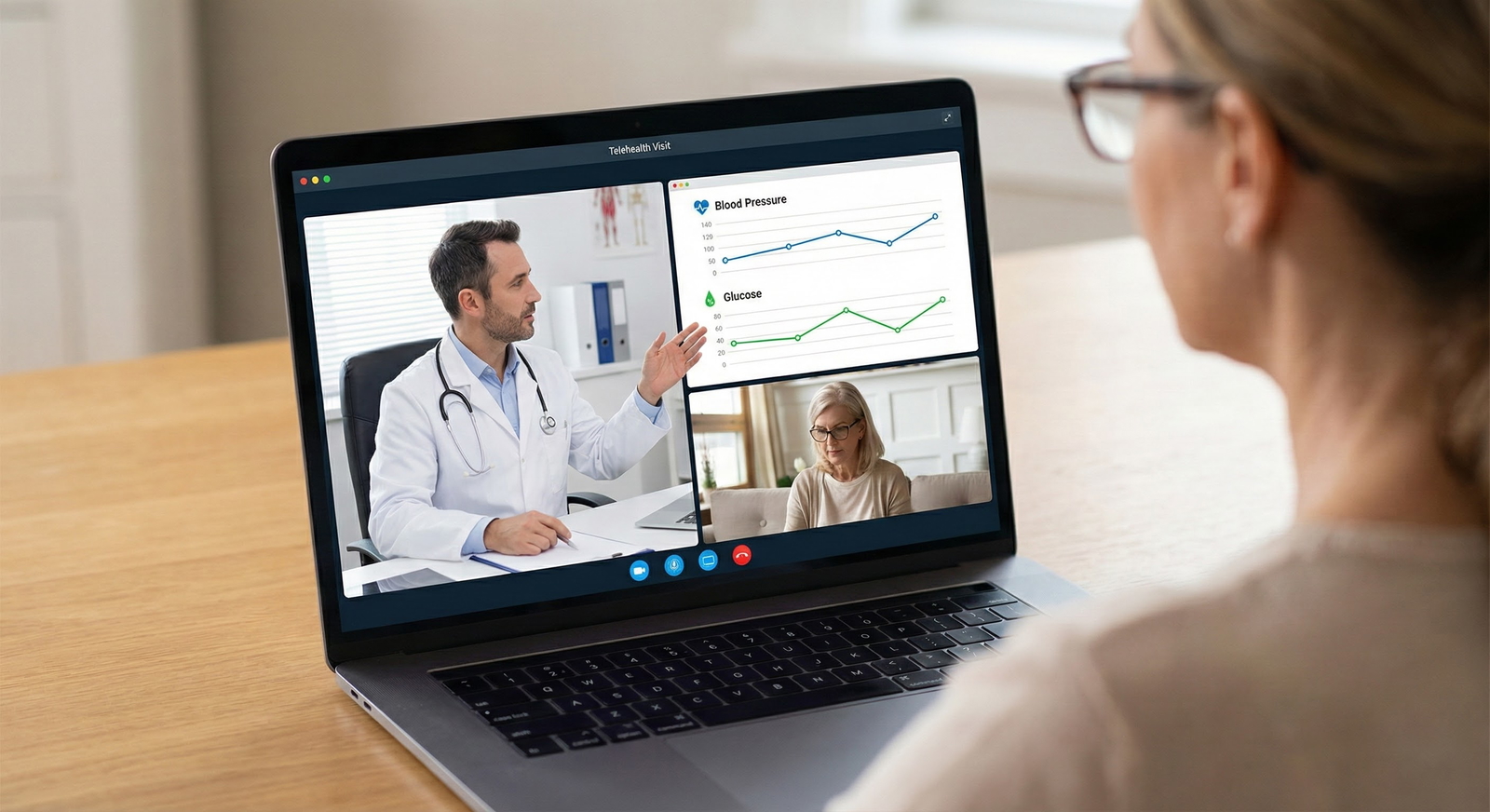
Telemedicine is the remote diagnosis, management, and treatment of patients using telecommunications technologies. These can include:
- Encrypted video visits
- Secure messaging portals
- Remote monitoring devices (e.g., blood pressure cuffs, glucometers, pulse oximeters)
- Mobile health (mHealth) apps
- Electronic consultations (e-consults) between clinicians
The goal is not simply convenience; it is to close gaps in Healthcare Access, improve continuity, and make high-quality care available to patients regardless of location, mobility, or socioeconomic status.
Major Types of Telemedicine and How They Work
Telemedicine can be categorized by how and when information is exchanged:
1. Synchronous Telemedicine (Real-Time Visits)
Real-time encounters conducted by:
- Video conferencing (most common)
- Phone calls (especially in low-bandwidth settings)
Use cases:
- Acute complaints (e.g., upper respiratory symptoms, rash, medication side effects)
- Routine chronic disease check-ins (e.g., diabetes, hypertension, heart failure)
- Mental health visits (therapy, medication management)
- Pre-visit triage (deciding whether ED, urgent care, or outpatient follow-up is appropriate)
For residents, synchronous visits require adapted physical exam skills—using patient-guided maneuvers, visual inspection, and clinical judgment to decide when an in-person exam is critical.
2. Asynchronous Telemedicine (Store-and-Forward)
Patient or provider sends information for later review, such as:
- Photos of skin lesions, wounds, or rashes
- Recorded data or questionnaires (e.g., asthma symptom diaries)
- Imaging, labs, or ECGs forwarded for specialist review
Use cases:
- Teledermatology (image review with brief history)
- Teleradiology (off-site radiologist reads)
- E-consults between primary care and specialists to guide management without full referral
This model can dramatically reduce wait times for specialty input and is particularly powerful in resource-limited settings.
3. Remote Patient Monitoring (RPM)
Ongoing Remote Patient Care using connected devices that automatically transmit data to clinicians or care teams:
- Blood pressure cuffs
- Weight scales (for heart failure)
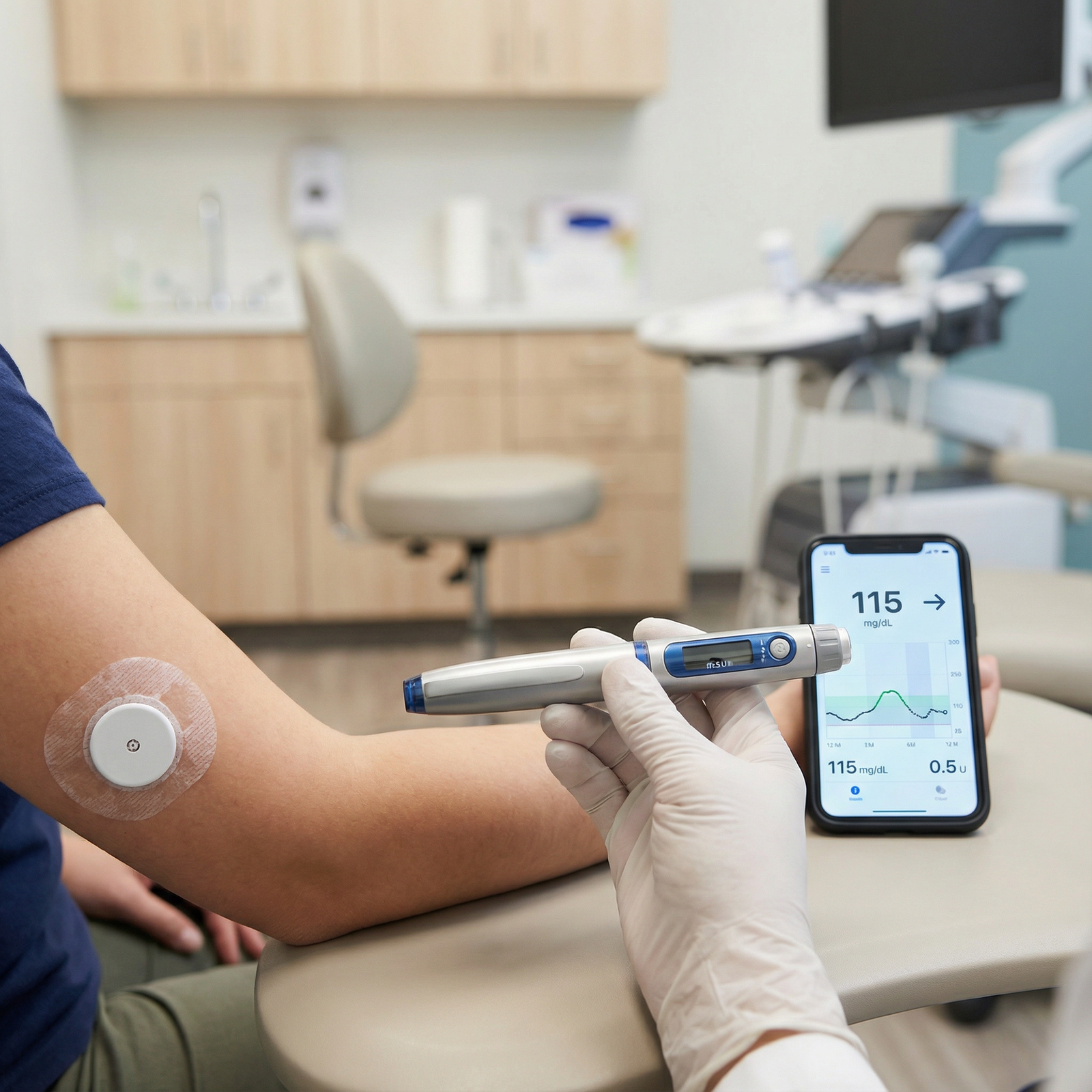
- Glucometers and continuous glucose monitors
- Home spirometers or peak flow meters
- Wearables tracking heart rate, rhythm, or activity
Use cases:
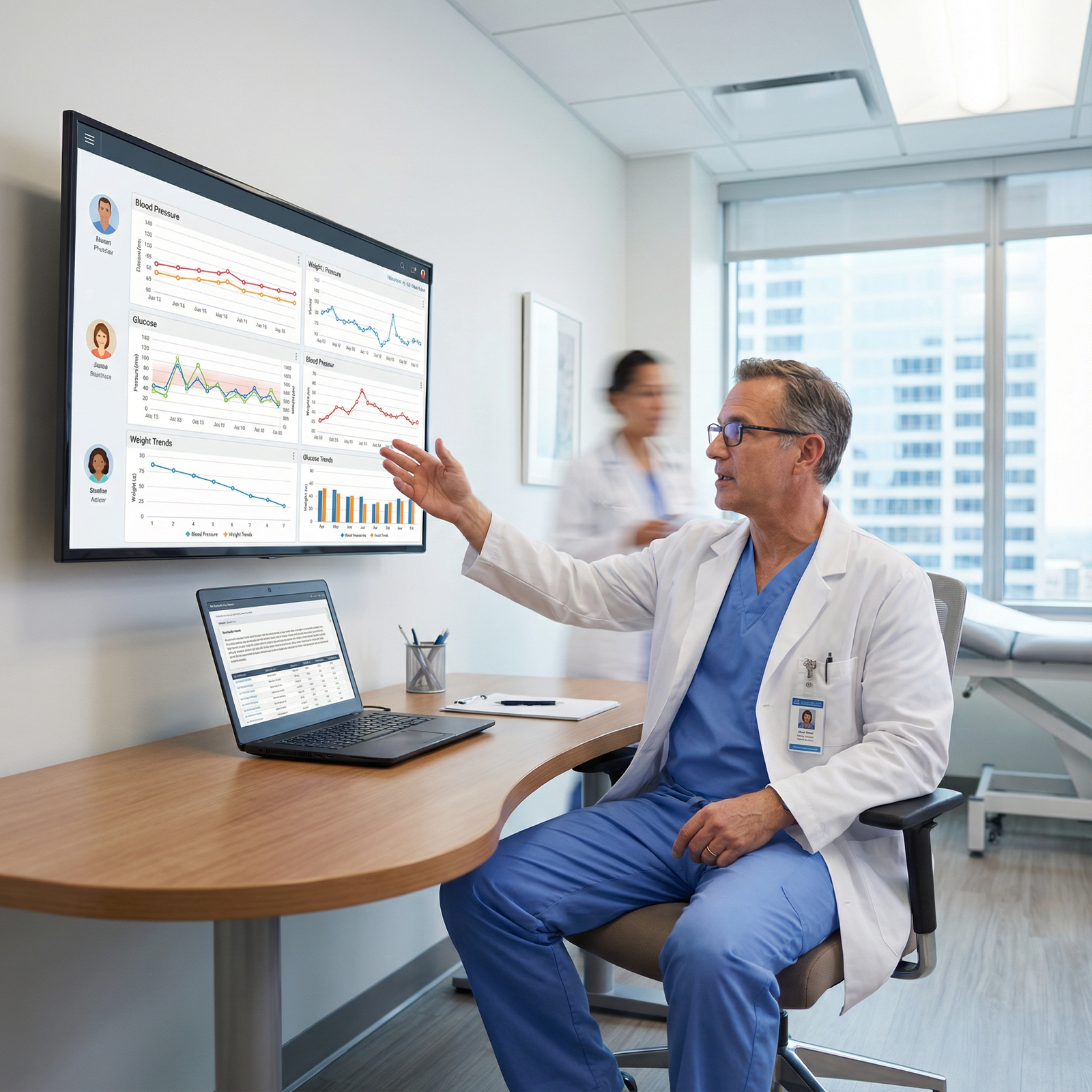
- Heart failure: daily weights and vital signs help prevent decompensation
- Diabetes: glucose trends inform therapy adjustments
- Hypertension: home BP readings provide a more realistic picture than office-only values
- COPD/asthma: peak flow and symptom tracking can guide step-up or step-down therapy
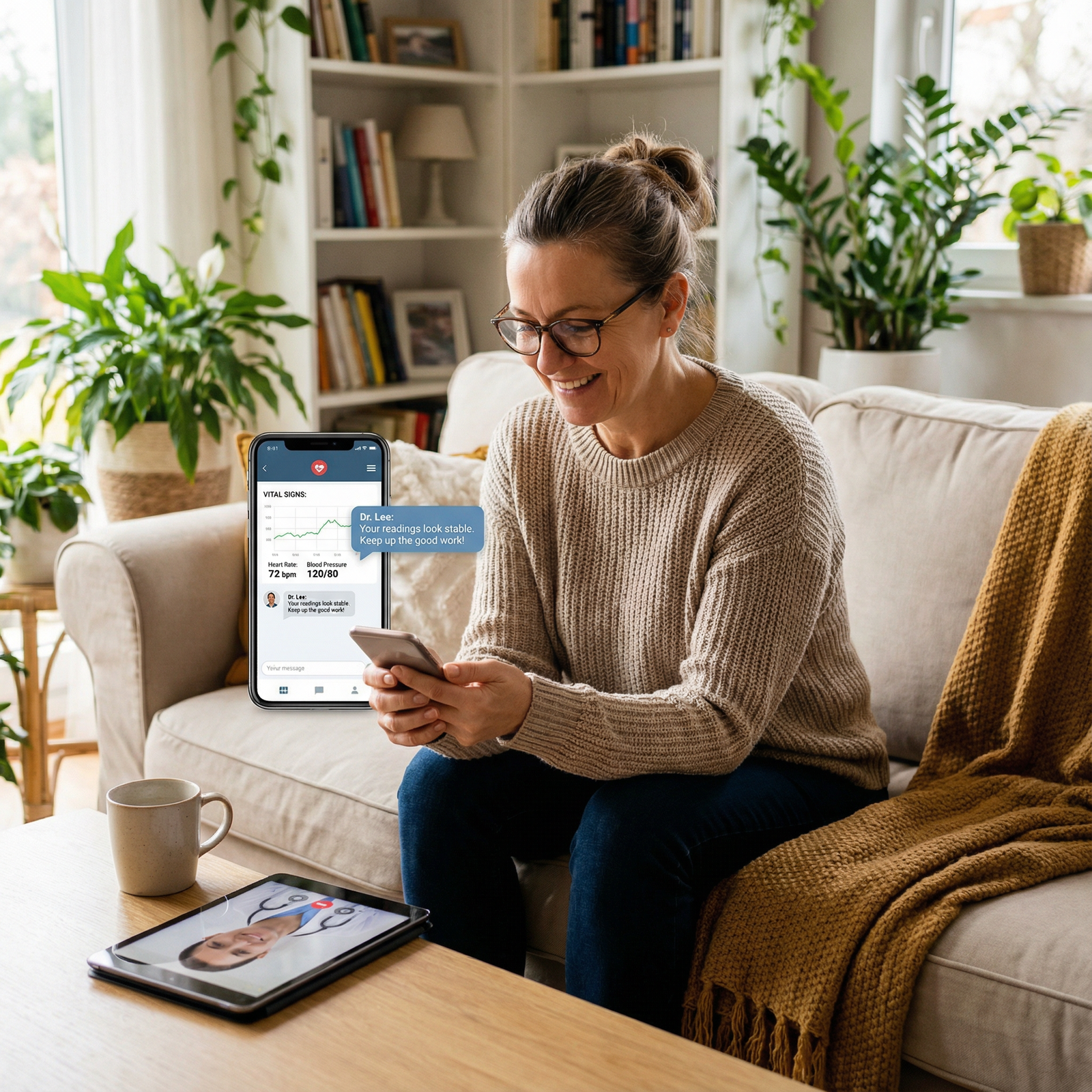
RPM turns episodic care into continuous care, strengthening Patient Engagement and enabling earlier intervention.
4. Interprofessional Store-and-Forward (Provider-to-Provider E-Consults)
Primary care clinicians send structured questions and clinical data to specialists within the EHR or telehealth platform.
Use cases:
- Endocrinology consults for complex diabetes
- Cardiology input on arrhythmias or heart failure management
- Rheumatology review of serologies and symptom patterns
This improves care for remote patients while enhancing primary care skills and reducing unnecessary in-person referrals.
A Real-World Scenario: Telemedicine in Rural Practice
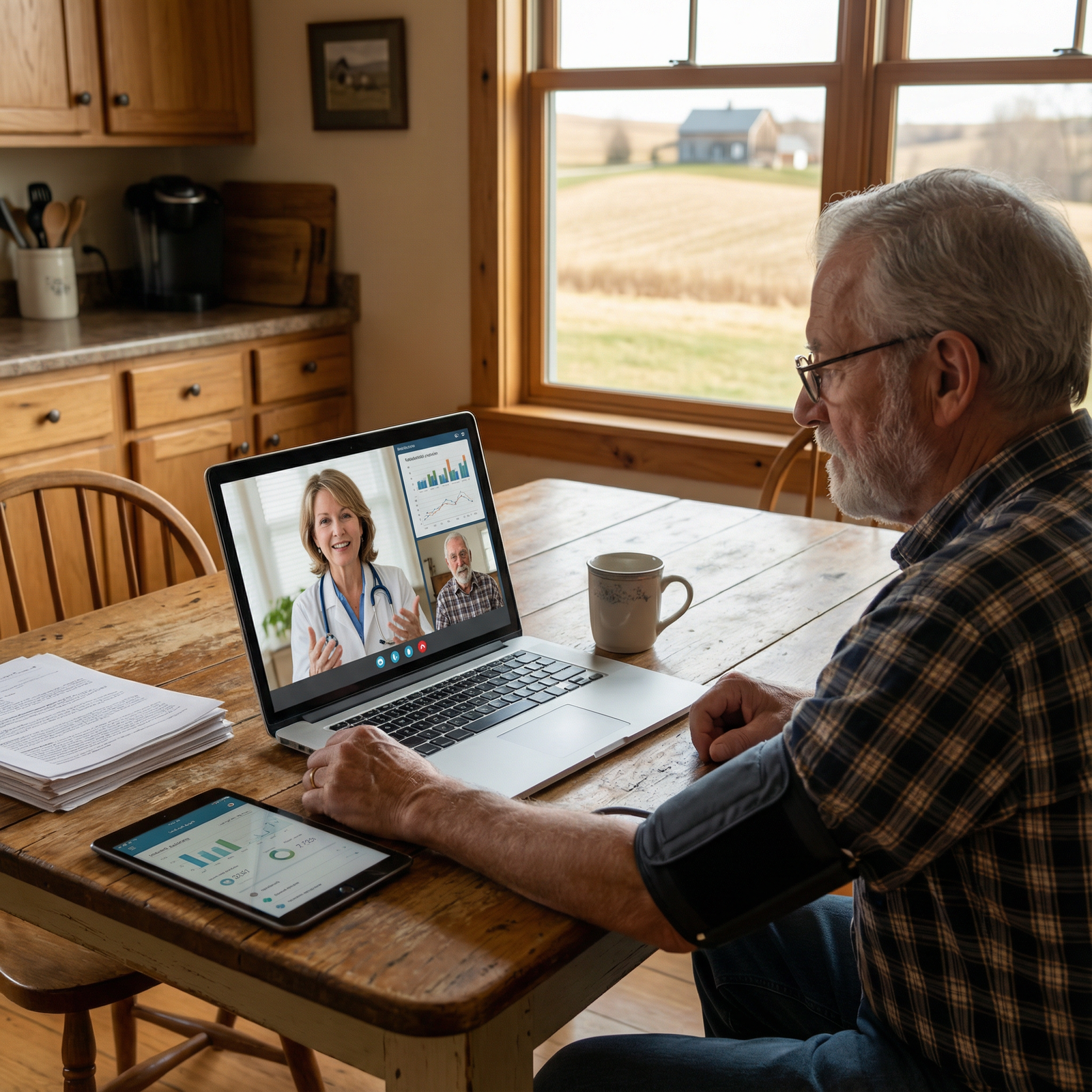
Imagine a 63-year-old woman with heart failure and diabetes living in a mountainous region two hours from the nearest tertiary center. Historically, she would miss follow-ups due to transportation difficulties, leading to repeated ED visits and admissions.
With Telemedicine:
- She has a video visit with her cardiologist every 3 months.
- She uses home monitoring (BP cuff, weight scale) synced to the clinic’s portal.
- Her primary care doctor uses an e-consult with a cardiologist for interim medication adjustments.
- Nurse care managers contact her via secure messaging when they notice early warning signs, such as a rising weight trend.
The result: fewer hospitalizations, better quality of life, and care delivered in her home community.
Key Advantages of Telemedicine for Patients, Clinicians, and Systems
Telemedicine offers benefits that span convenience, cost, quality, and equity. For residency applicants, being able to articulate these advantages—in interviews and in practice—is invaluable.
1. Expanded Healthcare Access for Underserved Populations
Telemedicine fundamentally changes the geography of care:
- Rural and frontier communities gain access to specialists often unavailable locally.
- Patients with limited transportation, disabilities, or caregiving responsibilities can connect from home.
- Working adults can schedule early-morning, evening, or lunch-hour visits without losing an entire day to travel and waiting rooms.
- Incarcerated or institutionalized patients can receive specialty care without complex transfers.
The American Hospital Association has reported that roughly three-quarters of U.S. hospitals use some form of telehealth to connect with patients or other providers. Globally, in low- and middle-income countries, telemedicine has supported everything from stroke consultation to maternal-fetal medicine where specialists are scarce.
For trainees, this is a powerful tool to address health disparities, particularly when combined with language services and culturally sensitive care.
2. Convenience and Reduced Friction for Patients
Convenience is more than comfort; it directly influences adherence and outcomes.
Telemedicine:
- Reduces time off work, childcare coordination, and travel time
- Minimizes exposure to contagious illnesses in waiting rooms
- Allows quicker access for minor or time-sensitive issues
- Makes follow-up more likely, particularly for vulnerable or ambivalent patients
For chronic disease, replacing some in-person visits with video or phone follow-up can markedly improve continuity, adherence to treatment plans, and Patient Engagement.
3. Cost-Effectiveness for Patients and Systems
From a patient perspective, telemedicine reduces:
- Travel expenses (fuel, public transportation, parking)
- Indirect costs (lost wages, caregiver time, lodging for distant appointments)
From a system perspective, telemedicine can:
- Decrease potentially avoidable ED visits by offering timely remote triage
- Optimize clinic schedule utilization and reduce no-shows
- Support hospital-at-home and early discharge programs that lower inpatient costs
- Facilitate team-based care where physicians, advanced practice providers, and nurses share virtual workflows
Many payers now reimburse telehealth at or near parity with in-person care for specific services, recognizing the overall economic and health benefits.
4. Quality of Care Comparable to In-Person Visits
Evidence across disciplines (primary care, psychiatry, dermatology, endocrinology, and others) suggests that telemedicine can achieve similar clinical outcomes to in-person care for appropriately selected conditions.
Examples:
- Mental health: Telepsychiatry has outcomes comparable to in-person therapy and medication management, with high patient satisfaction.
- Chronic disease: Remote monitoring and virtual visits can improve glycemic control in diabetes and blood pressure control in hypertension.
- Postoperative care: Many surgical specialties now use telemedicine for follow-ups, with no increase in complications and high convenience scores.
The ethical obligation is to use telemedicine where it is safe and effective—and to recognize when an in-person exam, imaging, or procedure is truly necessary.
5. Stronger Patient Engagement and Self-Management
Telemedicine can transform patients from passive recipients of care into active participants:
- Patient portals and apps allow secure messaging, easy access to lab results, and medication list review.
- Remote monitoring devices provide real-time feedback, encouraging behavior change and adherence.
- Educational resources and virtual coaching can be embedded into telehealth platforms.
This heightened Patient Engagement is essential for chronic disease management and preventive care, and it aligns with modern models of shared decision-making.
Challenges, Risks, and Ethical Considerations in Telemedicine
Telemedicine is powerful but not a panacea. For clinicians in training, it is crucial to understand both operational and ethical pitfalls.
1. Technology and Connectivity Barriers
The “digital divide” can worsen existing inequities:
- Limited broadband access in rural and low-income urban areas
- Lack of smartphones, computers, or private spaces for confidential visits
- Low digital literacy in older adults or marginalized communities
Residency programs increasingly include training on:
- Conducting low-bandwidth or audio-only visits effectively
- Teaching patients basic tech skills or connecting them with digital navigators
- Recognizing when technology limitations necessitate an in-person visit
2. Regulatory, Licensing, and Reimbursement Complexity
Regulations vary by country, state, and payer:
- Clinicians may need separate licenses for each state where patients are located.
- Rules on prescribing controlled substances via telemedicine are evolving.
- Coverage and reimbursement policies differ by service, modality, and setting.
During COVID-19, many restrictions were temporarily relaxed; some have been extended, others have not. Understanding current policies is part of professional responsibility and systems-based practice.
3. Privacy, Security, and Data Protection
Telemedicine involves sensitive health information transmitted and stored electronically. Ethical and legal obligations include:
- Using secure, HIPAA-compliant platforms rather than public video apps
- Obtaining informed consent for telehealth, including risks and limitations
- Ensuring private, quiet spaces on both provider and patient sides
- Implementing multi-factor authentication and robust cybersecurity practices
For trainees, this also means avoiding documentation or communication through personal email or unsecured messaging platforms.
4. Limitations of Remote Physical Examination
A key clinical limitation: not every condition can be safely assessed virtually.
Challenges include:
- Inability to palpate, auscultate, or perform detailed neurologic or musculoskeletal exams
- Limited ability to perform urgent interventions
- Risk of missing subtle diagnostic clues visible only in person
Clinicians must develop:
- Skills in visual examination (e.g., gait, respiratory effort, skin appearance)
- Techniques for patient-guided maneuvers (e.g., self-palpation, home vitals)
- Clear thresholds for converting to in-person or emergency evaluation
Ethically, when in doubt about safety or diagnostic sufficiency, clinicians should err on the side of face-to-face evaluation or urgent referral.
5. Professionalism and Communication in the Virtual Environment
Telemedicine demands deliberate attention to:
- Visual professionalism (background, lighting, dress)
- Nonverbal cues (eye contact via camera, posture)
- Clear communication about follow-up, testing, and red-flag symptoms
These skills are increasingly part of residency curricula and competency evaluations.
Telemedicine in Action: The Veterans Affairs (VA) Telehealth Model
One of the most robust, long-standing examples of telemedicine at scale is the U.S. Veterans Affairs (VA) Telehealth Services program.
Scope of Services
The VA’s telehealth network provides:
- Primary care and specialty consultations
- Mental health services (individual and group therapy, medication management)
- Chronic disease management (CHF, COPD, diabetes, hypertension)
- Rehabilitation services and post-acute care follow-up
- Tele-ICU support in some facilities
Services are delivered to:
- Veterans in rural or frontier areas
- Those with mobility impairments or limited transportation
- Patients in community-based outpatient clinics and long-term care facilities
Outcomes and Impact
In recent years, millions of telehealth encounters have been conducted annually within the VA, with particularly strong uptake in mental health services. Key outcomes include:
- High patient satisfaction and perceived access
- Reduced travel burden and missed appointments
- Improved management of chronic conditions
- Strong Patient Engagement through home monitoring and frequent virtual touchpoints
From an educational perspective, VA systems often serve as training sites where residents gain hands-on experience in telemedicine workflows, documentation, and interprofessional collaboration.
The Future of Telemedicine: Trends Shaping Your Career
Telemedicine will continue to evolve rapidly over the next decade. For residency applicants, demonstrating familiarity with these trends signals readiness for the future of practice.
1. Integration with Artificial Intelligence and Clinical Decision Support
AI tools are increasingly embedded within Telehealth platforms to:
- Analyze remote monitoring data and flag high-risk patients
- Provide decision support (e.g., guideline-based suggestions for hypertension management)
- Assist with triage, routing patients to the appropriate level of care
- Enable natural language processing for documentation and visit summaries
Ethical considerations include transparency, bias mitigation, and maintaining clinician oversight of AI-generated recommendations.
2. Expanded Use Cases Across the Care Continuum
Telemedicine is moving beyond simple follow-ups to become part of:
- Hospital-at-home programs for select patients (e.g., low-risk pneumonia, CHF)
- Postoperative follow-ups with remote wound checks and symptom monitoring
- Tele-emergency and tele-stroke services supporting smaller hospitals
- Remote behavioral health integration into primary care
For trainees, this means that telemedicine competencies will be relevant in inpatient, outpatient, and transitional care settings.
3. Evolving Policies to Promote Equity and Sustainability
Policy discussions increasingly focus on:
- Long-term reimbursement parity and sustainable payment models
- Quality metrics that account for virtual care
- Ensuring that telemedicine reduces rather than reinforces disparities
- Cross-state compacts and licensure models that facilitate broader access
Clinicians-in-training can contribute by participating in quality improvement projects, research, and advocacy related to telehealth.
4. Patient-Centered Design and Co-Creation
The most effective Telemedicine solutions are built with patient input:
- User-friendly interfaces with multiple language options
- Accessibility features for visual, hearing, or cognitive impairments
- Flexible modalities (video, phone, messaging) tailored to patient preference
- Integration with community health workers and local resources
For future physicians, listening to patient feedback about virtual care is essential to refining systems and maintaining trust.
Practical Tips for Medical Students and Residents Using Telemedicine
Preparing for a Telemedicine Encounter
- Review the chart and recent data just as you would for an in-person visit.
- Ensure your technology is functioning: audio, video, network connection.
- Choose a private, quiet, well-lit space with a neutral background.
- Have a clear plan for escalation (e.g., converting to in-person visit or ED referral).
Conducting a High-Quality Remote Visit
- Begin by confirming the patient’s identity and location (for emergency purposes).
- Obtain and document verbal consent for the telemedicine format if required.
- Clarify limitations: explain what can and cannot be safely assessed virtually.
- Use structured history-taking and adapted physical exam techniques.
- Summarize the plan, including red-flag symptoms and how to seek urgent care.
Documentation and Follow-Up
- Document the modality (video, audio) and any technical issues.
- Record home vitals or patient-reported outcomes when available.
- Arrange e-prescribing, lab orders, imaging, and follow-up visits as needed.
- Use patient portals to reinforce education and encourage Patient Engagement.
These skills are now part of routine competency assessments and can be powerful talking points in your personal statement and residency interviews.
Telemedicine FAQ for Patients and Trainees
Q1: What kinds of conditions are best suited for telemedicine?
Telemedicine is particularly effective for:
- Mental health care (therapy, medication management)
- Chronic disease follow-up (diabetes, hypertension, heart failure, COPD)
- Medication refills and side-effect monitoring
- Reviewing test results and adjusting treatment plans
- Minor acute issues (e.g., mild infections, rashes, medication questions)
Telemedicine is less appropriate for emergencies (e.g., chest pain, severe shortness of breath, signs of stroke) or situations requiring immediate procedures or detailed in-person exams.
Q2: Is telemedicine typically covered by insurance, and what should patients check?
Coverage has expanded significantly, but details vary by insurer and region. Patients should check:
- Whether their plan covers video and/or audio-only visits
- Copay or coinsurance differences between in-person and telehealth visits
- Coverage for Remote Patient Monitoring devices and services
- Network requirements (e.g., approved telehealth platforms or providers)
Many public and private payers now recognize telehealth as a standard mode of care, but policies continue to evolve.
Q3: How can patients best prepare for a telemedicine appointment?
To get the most out of a visit, patients should:
- Test their internet, camera, and microphone beforehand
- Choose a private, quiet, well-lit space
- Have an updated medication list and any home monitoring logs (e.g., BP, glucose)
- Write down questions or concerns in advance
- If possible, have devices (BP cuff, glucometer, scale, thermometer) nearby
Clinicians can support preparation by sending pre-visit instructions via portals or appointment reminders.
Q4: What are the main limitations and risks of telemedicine care?
Limitations include:
- Incomplete physical examination capabilities
- Technology failures or poor connectivity
- Potential privacy challenges at the patient’s location
- Variability in coverage and reimbursement
Risks are mitigated when clinicians are transparent about what telemedicine can and cannot safely address and when there are clear pathways for in-person or emergency care when needed.
Q5: How can clinicians ensure telemedicine improves, rather than worsens, healthcare equity?
Key strategies include:
- Offering audio-only options when video or broadband is unavailable
- Providing multilingual support and interpreter services
- Training staff and patients in digital literacy
- Partnering with community organizations and libraries to provide access points
- Proactively monitoring for disparities in telehealth use and outcomes
Ethically, clinicians and systems must view Telemedicine not just as a convenience tool but as a lever to expand Healthcare Access and close gaps for vulnerable populations.
Telemedicine, when thoughtfully implemented, is far more than a temporary fix—it is a lasting evolution in how we deliver, coordinate, and experience care. For the next generation of physicians, mastering telemedicine means mastering a core dimension of safe, equitable, patient-centered practice.