10 In-Demand Telehealth Careers You Didn’t Know Existed
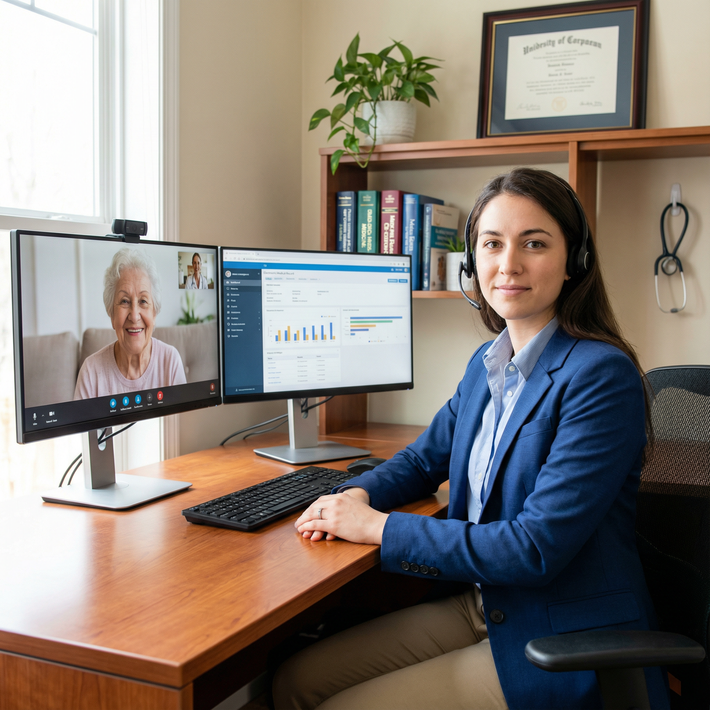
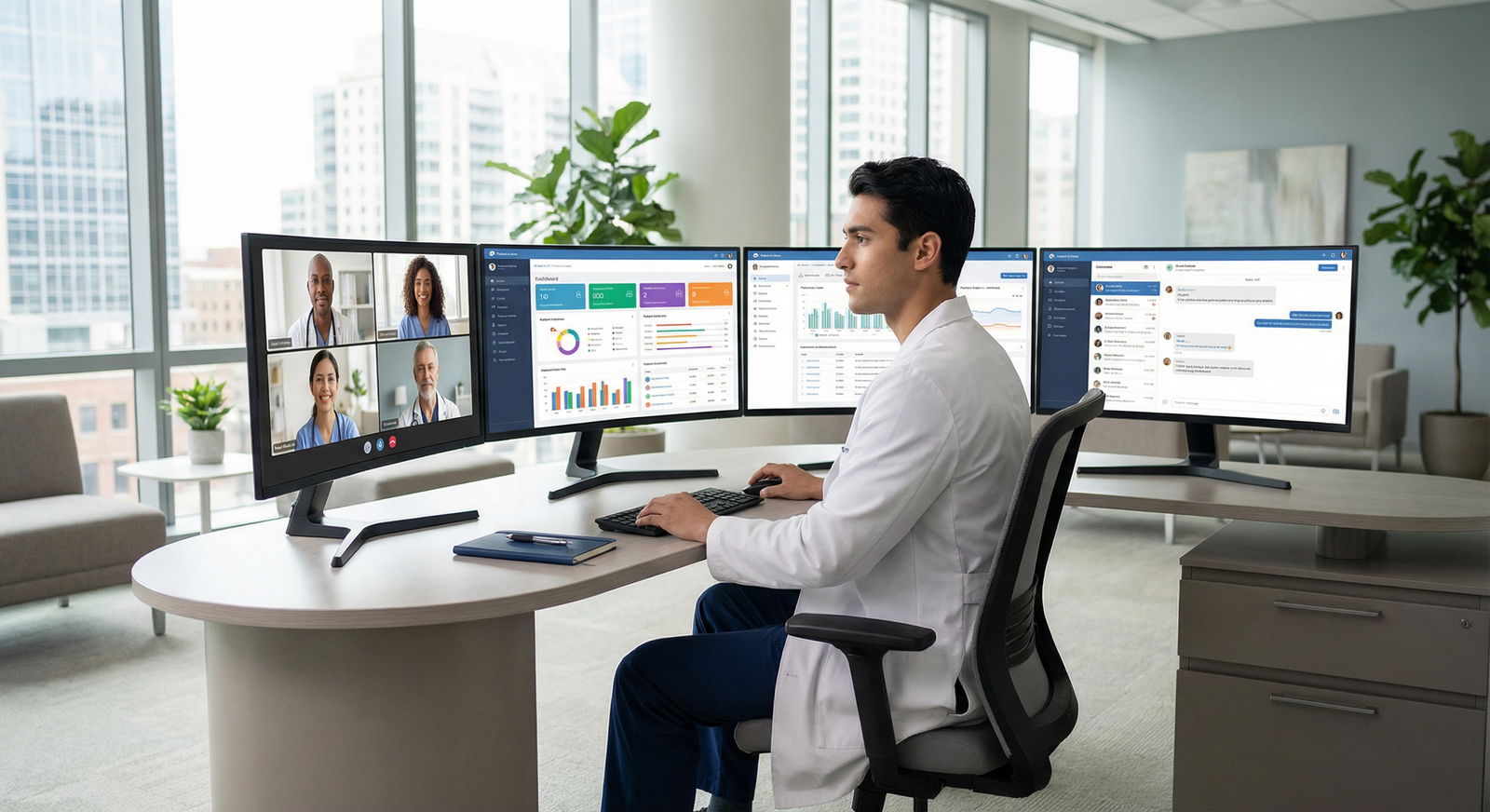
Telehealth is no longer a niche experiment—it is a core component of modern healthcare delivery and a major engine for new job opportunities. For residents, recent graduates, and other healthcare professionals exploring post-residency and job market options, Telehealth Careers offer flexible, innovative ways to practice medicine, support patients, and shape the future of care.
This guide expands on 10 in-demand telehealth jobs, explains what each role involves, and outlines how you can position yourself for these Remote Healthcare Jobs. Whether you’re clinically trained or coming from IT, operations, or data, there is likely a telehealth role that fits your skills and career goals.
The Rise of Telehealth and Remote Healthcare Jobs
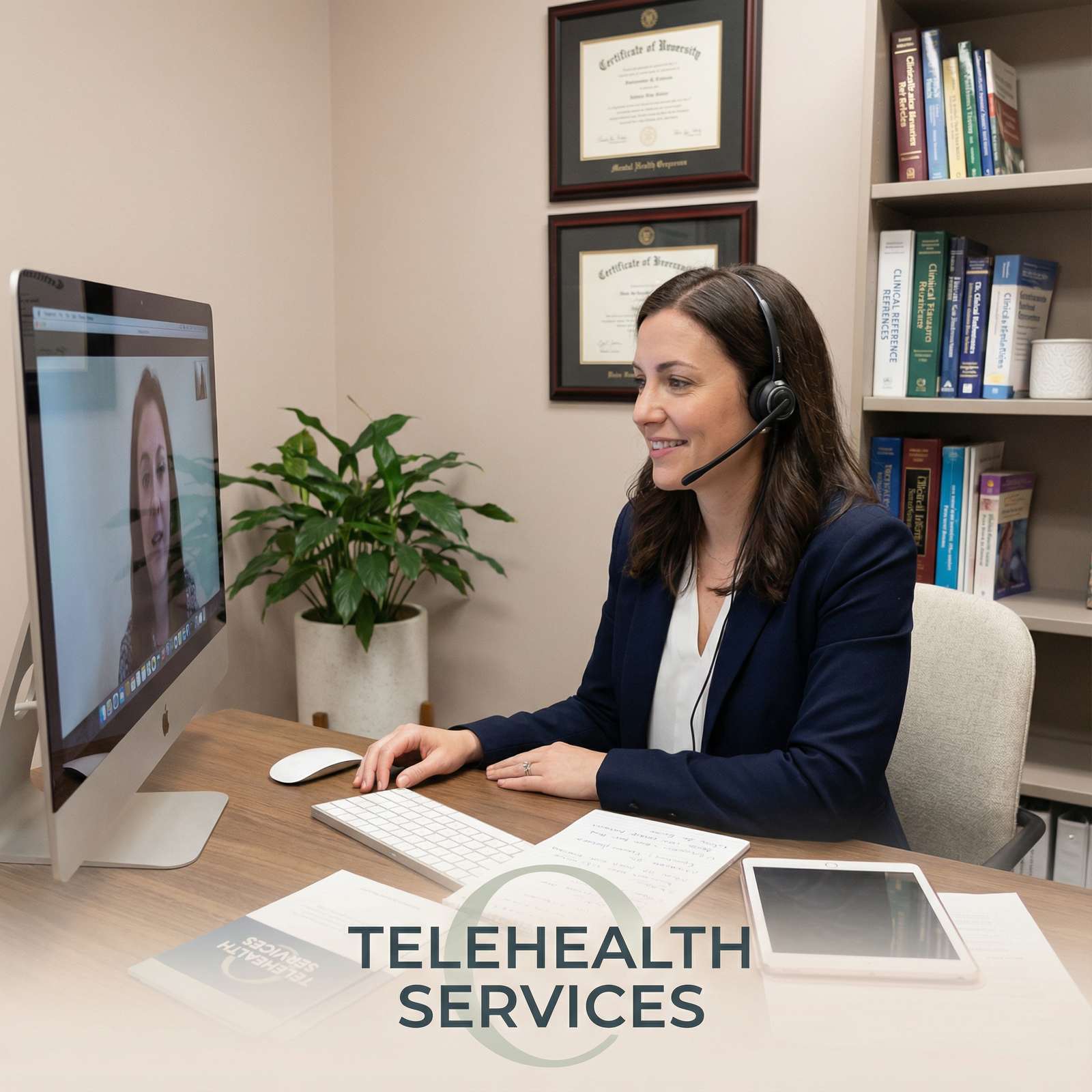
Telehealth Services encompass far more than a simple video visit. Today’s virtual care ecosystem includes:
- Synchronous video visits and phone consultations
- Asynchronous e-consults and secure messaging
- Remote patient monitoring (RPM) using connected devices
- Digital therapeutics and app-based care programs
- Virtual triage, care coordination, and health education
The COVID-19 pandemic dramatically accelerated the adoption of telehealth, but the sustained growth is now driven by other forces:
- Patient expectations for convenience and on-demand care
- Provider burnout and the need for more flexible practice models
- Payer and health system strategies to control cost and improve access
- Technology innovation, making virtual care safer and more clinically robust
Analysts project virtual care to remain a permanent pillar of healthcare delivery. That means sustained demand for a workforce ready to deliver, support, and optimize telehealth and other Remote Healthcare Jobs.
Below are 10 Telehealth Careers that are growing quickly—many of which are still under the radar for residents and early-career clinicians.
1. Telehealth Nurse: The Front Line of Virtual Care
Telehealth nursing has evolved from simple phone triage to comprehensive virtual patient management. For RNs, NPs, and in some cases LPNs, this is one of the most accessible and versatile Telehealth Careers.
Core Responsibilities
Telehealth nurses work across ambulatory care, hospital-at-home programs, urgent care, and chronic disease management. Typical responsibilities include:
- Conducting virtual assessments via video or phone to evaluate symptoms, severity, and next steps
- Performing triage, using protocols to determine whether a patient needs emergency care, in-person assessment, or home management
- Providing evidence-based education on medications, procedures, and chronic disease self-management
- Offering post-discharge follow-up, reinforcing instructions and monitoring for complications
- Documenting encounters in the EHR and routing cases to physicians or advanced practice providers when necessary
Why It’s In-Demand
- Ongoing nursing shortages and burnout make flexible, location-independent roles more attractive
- Health systems see telehealth nursing as key to reducing unnecessary ED visits and readmissions
- Patients with mobility barriers, transportation challenges, or rural locations rely heavily on remote nursing support
Training and Career Path
- Required: Active RN license (multistate license is a plus), strong clinical experience (especially in primary care, ED, or med-surg)
- Helpful: Experience with telephone triage, EHR systems, and remote monitoring tools
- Many organizations offer onboarding in telehealth etiquette, virtual exam techniques, and platform-specific workflows
For residents considering non-traditional or flexible paths, telehealth nursing leadership roles (e.g., overseeing remote triage teams) can also be part of a broader virtual care career.
2. Telebehavioral Health Specialist: Virtual Mental Health Support
Behavioral health has been one of the biggest success stories in Telehealth Services. No other specialty has seen such widespread and sustained virtual care adoption.
Who Fits This Role?
“Telebehavioral Health Specialist” is a broad umbrella that can include:
- Psychiatrists and psychiatric NPs
- Psychologists (PhD/PsyD)
- Licensed clinical social workers (LCSW)
- Licensed professional counselors (LPC), LMFTs
- Behavioral health coaches working in structured programs
Typical Responsibilities
- Conducting individual and group therapy sessions via secure video platforms
- Performing psychiatric evaluations, medication management, and follow-up visits remotely
- Developing and updating treatment plans with measurable goals and outcomes
- Coordinating care with PCPs, case managers, and crisis services
- Documenting visits, safety plans, and risk assessments in the EHR
Why It’s In-Demand
- Rising rates of anxiety, depression, and substance use disorders
- Severe workforce shortages in psychiatry and behavioral health, especially in rural areas
- Evidence that virtual behavioral health can be as effective as in-person care for many conditions
- Reduced stigma for patients, who can access care privately from home
How to Prepare
- Obtain and maintain appropriate state licensure (multistate practice can dramatically expand your Job Opportunities)
- Seek training in telepsychiatry best practices, including risk management, crisis intervention, and privacy
- Consider certification or CME focused on digital mental health tools and remote care protocols
For residents in psychiatry or primary care with behavioral health interest, telebehavioral health can offer flexible schedules, the option of part-time remote work, and access to patient populations across a wide geography.
3. Telehealth Pharmacist: Virtual Medication Management Expert
Medication management is a core pillar of Healthcare Innovation, and Telehealth Pharmacists are central to improving safety and adherence.
Core Responsibilities
- Performing virtual medication reviews to identify drug-drug interactions, duplications, and adherence issues
- Counseling patients on proper use, side effects, and monitoring parameters for their medications
- Coordinating with physicians to optimize regimens, deprescribe when appropriate, and adjust doses
- Supporting chronic care management programs (e.g., diabetes, heart failure, COPD) via regular virtual check-ins
- In some models, participating in remote anticoagulation or antimicrobial stewardship programs
Why It’s In-Demand
- Polypharmacy is common, especially in older adults and patients with multiple chronic conditions
- Payers and health systems are under pressure to reduce adverse drug events and hospitalizations
- Digital pharmacies, mail-order services, and app-based medication platforms are proliferating
Pathway for Pharmacists
- Required: PharmD or equivalent and state pharmacy license
- Helpful: Board certification (e.g., BCPS, BCACP), ambulatory care or clinical pharmacy experience
- Telehealth-specific skills: Comfort with video counseling, synchronous and asynchronous communication, and digital adherence tools
For pharmacists seeking Remote Healthcare Jobs, telehealth roles can offer work-from-home options, flexible hours, and diverse collaboration with multi-specialty care teams.
4. Remote Health Coach: Guiding Lifestyle and Chronic Disease Management
Remote health coaching sits at the intersection of clinical care and behavior change. This role supports patients between visits, helping them implement the lifestyle changes clinicians recommend.
What Remote Health Coaches Do
- Conduct initial assessments of health status, readiness to change, and personal goals
- Develop personalized wellness or disease management plans (nutrition, physical activity, sleep, stress management)
- Provide ongoing virtual support through scheduled video or phone sessions, messaging, or app-based check-ins
- Monitor progress using digital tools (wearables, glucometers, blood pressure cuffs, activity trackers)
- Coordinate with clinicians to escalate concerns or highlight clinical red flags
Why It’s In-Demand
- Chronic diseases like diabetes, hypertension, obesity, and heart disease drive most healthcare spending
- Clinicians often have limited time to provide in-depth lifestyle counseling during short visits
- Health systems and payers are investing in value-based care, where improved outcomes and reduced utilization are rewarded
Who Can Become a Remote Health Coach?
- Backgrounds may include nursing, exercise physiology, nutrition, psychology, or certified health coaching
- Key skills: Motivational interviewing, behavior change techniques, digital literacy, and cultural humility
- Many programs provide standardized curricula and protocols, so prior telehealth experience is helpful but not always required
For physicians and residents, understanding how to integrate health coaches into care plans is a valuable leadership skill in population health and telehealth program design.
5. Telehealth IT Specialist: Powering the Technology Behind Care
Telehealth Careers aren’t limited to clinicians. Telehealth IT Specialists ensure the technical backbone of virtual care is reliable, user-friendly, and secure.
Core Responsibilities
- Implementing, configuring, and maintaining telehealth platforms (video visit software, scheduling tools, patient portals)
- Ensuring integration with EHRs, billing systems, and remote monitoring platforms
- Providing technical support to clinicians and patients, including troubleshooting connectivity or device issues
- Maintaining HIPAA-compliant security, including encryption, user access controls, and regular updates
- Assisting with technology training and onboarding for new staff or new workflows
Why It’s In-Demand
- Rapid expansion of telehealth has created a patchwork of systems that need optimization and integration
- Cybersecurity risks in healthcare are increasing, especially with remote data flows
- Health systems are moving toward unified, patient-centered digital front doors, requiring sophisticated IT support
Ideal Background
- IT, computer science, health informatics, or biomedical engineering
- Familiarity with healthcare regulations, interoperability standards (HL7, FHIR), and cloud-based systems
- Strong communication skills to bridge technical and clinical teams
For non-clinical professionals, this is one of the most direct pathways into Healthcare Innovation and digital health strategy.
6. Telehealth Data Analyst: Turning Virtual Care Data into Action
Telehealth generates a huge volume of data—from video visit logs to RPM device feeds. Telehealth Data Analysts transform that data into insights that improve care and operations.
Core Responsibilities
- Gathering and cleaning data from multiple sources: telehealth platforms, EHRs, claims, remote monitoring tools
- Building dashboards that track key performance indicators (KPIs) like no-show rates, response times, clinical outcomes, and patient satisfaction
- Conducting analyses to evaluate program effectiveness, disparities in access, and ROI
- Identifying opportunities to refine virtual care workflows or expand high-value services
- Supporting research, quality improvement, and publications related to telehealth models
Why It’s In-Demand
- Health systems and payers must demonstrate that Telehealth Services are safe, effective, and cost-efficient
- Regulatory and reimbursement changes increasingly rely on data and outcomes evidence
- Organizations want to identify which patients benefit most from remote care and how to scale successful programs
Skills and Training
- Background in statistics, data science, public health, or health informatics
- Proficiency with data tools (SQL, Python/R, BI dashboards like Tableau or Power BI)
- Understanding of healthcare data structures, coding systems (ICD, CPT), and privacy rules
For residents interested in clinical informatics or population health, collaborating with or transitioning into telehealth analytics can be a strategic career move.
7. Virtual Enrollment Specialist: Connecting Patients to the Right Services
Even the best telehealth platform fails if patients cannot navigate into the system. Virtual Enrollment Specialists make sure patients get connected to appropriate services efficiently.
Key Responsibilities
- Explaining available telehealth options, eligibility criteria, and program benefits to patients and families
- Assisting patients with registration, identity verification, and consent forms
- Verifying insurance coverage, copays, and prior authorization requirements for telehealth services
- Helping patients install apps, create portal accounts, and test their devices before visits
- Acting as a customer service liaison, answering questions and resolving access barriers
Why It’s In-Demand
- Many patients—especially older adults or those with limited digital literacy—need hands-on guidance
- Health systems recognize that a seamless virtual front door improves engagement and satisfaction
- Telehealth enrollment is now part of larger care navigation and digital outreach strategies
Ideal Background
- Experience in patient access, registration, customer service, or call center roles
- Strong communication skills, patience, and cultural sensitivity
- Comfort explaining technology in simple, non-technical terms
This is a strong entry point into Remote Healthcare Jobs for individuals interested in patient-facing work without a clinical license.
8. Telehealth Compliance Officer: Navigating Regulations and Risk
As telehealth expands, so does the complexity of regulatory requirements. Telehealth Compliance Officers help organizations deliver virtual care safely and legally.
Core Responsibilities
- Monitoring state and federal regulations related to licensure, prescribing, cross-border care, and billing
- Developing and updating policies and procedures for telehealth practices
- Training clinicians and staff on privacy, security, documentation, and informed consent in virtual settings
- Conducting audits to ensure proper coding, billing, and use of telehealth modifiers
- Investigating potential compliance issues and implementing corrective action plans
Why It’s In-Demand
- Telehealth rules (e.g., DEA prescribing, interstate licensure compacts, temporary waivers) are continuously evolving
- Improper billing or licensure can result in significant penalties or loss of revenue
- Organizations need experts who can align innovation with regulatory safety
Background and Skills
- Compliance, health law, health administration, coding/auditing, or risk management backgrounds
- Deep understanding of HIPAA, Stark/anti-kickback laws, and payer-specific telehealth policies
- Ability to communicate nuanced regulations clearly to busy clinical teams
For residents considering administrative or policy-focused careers, collaboration with compliance teams on telehealth projects is an excellent way to build expertise.
9. Telehealth Administrative Coordinator: Orchestrating Virtual Operations
Behind every smooth telehealth encounter is a well-organized operational workflow. Telehealth Administrative Coordinators keep that engine running.
Responsibilities
- Managing scheduling for virtual visits, group sessions, and follow-up appointments
- Coordinating between clinicians, patients, interpreters, and technical support as needed
- Ensuring accurate patient registration, consent, and documentation prior to visits
- Monitoring visit volumes, cancellations, and no-shows, and helping troubleshoot patterns
- Serving as a communication hub between clinical teams and IT or operations leaders
Why It’s In-Demand
- Telehealth requires different workflows than in-person visits and often runs across multiple departments or locations
- Organizations are actively redesigning care models and need coordinators to standardize and scale processes
- Strong coordination improves both patient experience and clinician productivity
Ideal Candidates
- Backgrounds in medical office administration, care coordination, or clinic operations
- Strong organizational skills, comfort with multiple software platforms, and attention to detail
- Ability to multitask and adapt in a fast-changing environment
This role can be a stepping stone to telehealth program management, operations leadership, or digital health project management.
10. Telehealth Ambassador: Expanding Access and Building Trust
Telehealth Ambassadors focus on outreach, education, and patient engagement—especially in underserved communities.
What Telehealth Ambassadors Do
- Promote telehealth offerings in clinics, community centers, schools, and faith-based organizations
- Host informational sessions, demonstrations, and workshops explaining how telehealth works
- Provide one-on-one support to help patients set up technology and prepare for visits
- Gather feedback from patients and community leaders to inform program improvements
- Collaborate with marketing, community health workers, and clinical teams to tailor services to local needs
Why It’s In-Demand
- Many communities face barriers such as limited broadband, digital literacy, language, and distrust of institutions
- Health equity initiatives increasingly recognize telehealth as a tool to bridge access gaps—but only if implemented thoughtfully
- Grants and value-based contracts often include community engagement and telehealth adoption metrics
Background and Skills
- Community health work, public health, social work, or patient advocacy experience
- Strong communication and cultural competency skills
- Comfort with basic technology and willingness to teach others
For clinicians and trainees passionate about equity and community health, partnering with or stepping into ambassador-like roles can significantly expand your impact beyond traditional clinical encounters.
Positioning Yourself for a Career in Telehealth
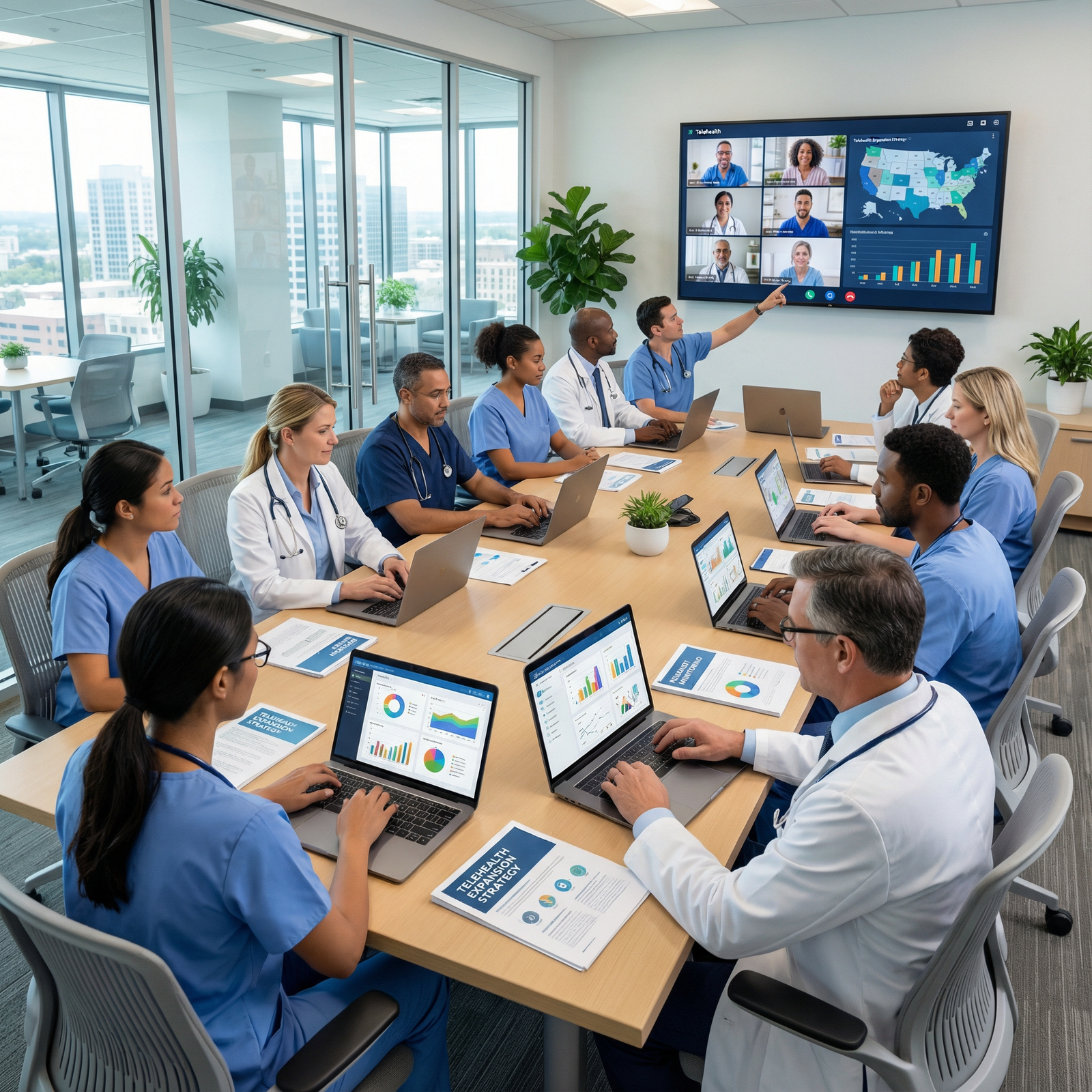
Regardless of your current training level, you can start preparing now to take advantage of Telehealth Careers and emerging Job Opportunities.
Build Telehealth Competencies During Training
- Seek electives or rotations that involve virtual care, remote monitoring, or digital health initiatives
- Participate in quality improvement projects that focus on telehealth workflows or patient access
- Volunteer to help your department with patient education materials, templates, or protocols for virtual visits
Develop Technical and Communication Skills
- Practice conducting structured virtual interviews and exams, including camera positioning and “web-side manner”
- Familiarize yourself with common tools: EHR-integrated telehealth platforms, secure messaging, digital consent tools
- Learn basics of data privacy, cybersecurity, and documentation standards for telehealth
Highlight Telehealth on Your CV and in Interviews
- Create a section for “Telehealth and Digital Health Experience” listing specific projects, roles, or competencies
- In interviews, discuss how you’ve used telehealth to improve access, quality, or efficiency
- Express openness to hybrid or fully remote roles, especially if geographic flexibility is important to you
By proactively building skills in remote care, you’re not just making yourself more marketable—you’re aligning with the future direction of healthcare delivery and Healthcare Innovation.
FAQs About Telehealth Careers and Remote Healthcare Jobs
1. Are telehealth jobs only for physicians and nurses?
No. While many clinical Telehealth Services require licensure (e.g., physicians, NPs, RNs, therapists), there are numerous non-clinical roles—IT specialists, data analysts, administrative coordinators, enrollment staff, compliance officers, and ambassadors. If you have skills in technology, data, operations, or community engagement, there are meaningful Telehealth Careers available.
2. Can I work remotely full-time in telehealth, or are most roles hybrid?
Both models exist. Many mental health, teleradiology, and some primary care roles are fully remote. Others follow a hybrid model, where you split time between in-person and virtual care. Non-clinical roles (IT, analytics, coordination) are often remote or hybrid. When exploring Job Opportunities, ask specifically about location flexibility, home office requirements, and on-site expectations.
3. How does licensure work if I want to see telehealth patients in multiple states?
In the U.S., you generally must be licensed in the state where the patient is located at the time of the visit. Physician and nursing licensure compacts help streamline multistate practice, but rules vary. Telehealth Compliance Officers or HR typically guide this process, and many organizations help clinicians obtain additional licenses. Always verify current state and federal regulations, as they change frequently.
4. Are telehealth roles stable, or is this just a temporary trend after COVID-19?
Evidence suggests telehealth is a durable shift, not a temporary surge. While visit volumes have stabilized below their pandemic peak, they remain far higher than pre-2020 levels. Payers, employers, and health systems now bake telehealth into long-term strategies for access, cost containment, and patient satisfaction. That said, reimbursement and regulatory details will continue to evolve, so adaptability is important.
5. How can I find and evaluate telehealth job opportunities?
- Use specialized job boards and filters for “remote,” “telehealth,” “virtual care,” or “digital health.”
- Check large health systems, academic centers, and telehealth-focused companies’ careers pages.
- Network through professional societies that now often have digital health sections or interest groups.
- When evaluating offers, consider: clinical support, technology quality, onboarding and training, licensure support, compensation structure (productivity vs salary), and how telehealth is integrated into broader care models.
Telehealth is redefining what it means to deliver care—and it’s opening a wide spectrum of careers that blend clinical expertise, technology, data, and community engagement. By understanding these 10 in-demand telehealth jobs and deliberately building relevant skills, you can position yourself at the forefront of Healthcare Innovation and craft a career that is flexible, impactful, and aligned with the future of medicine.