Introduction: Telemedicine as a Pathway to True Work-Life Balance
Telemedicine has moved from a niche offering to a central pillar of modern healthcare. For residency graduates and early-career clinicians, it is no longer just a pandemic workaround—it is a legitimate, sustainable career path with real advantages for work-life balance, professional growth, and long-term satisfaction.
As healthcare systems struggle with staffing shortages, burnout, and rising patient demand, telemedicine and broader telehealth services offer an alternative model of practice. For physicians, nurse practitioners, physician associates, therapists, and allied health professionals, telemedicine can mean:
- More control over your schedule
- Freedom from location constraints
- Reduced administrative and emotional burden
- Expanded career opportunities beyond traditional clinical roles
This article explores why telemedicine is often the best bet for healthcare professionals who want a flexible work-life balance—especially in the critical post-residency and job market phase—while still delivering high-quality, patient-centered care.
The Rise and Maturation of Telemedicine in Modern Healthcare
Telemedicine is more than video visits—it represents a fundamental shift in how care is delivered, documented, and coordinated.
What Telemedicine Really Encompasses
Telemedicine refers to the delivery of clinical care using telecommunications technologies. It includes:
- Synchronous visits: Real-time video or audio consultations
- Asynchronous care: Store-and-forward messaging, e-consults, image review
- Remote patient monitoring (RPM): Continuous or periodic data from devices (e.g., BP cuffs, glucometers, wearables)
- Virtual care coordination: Case management, interdisciplinary team huddles, and remote patient education
Telemedicine is part of the broader umbrella of telehealth services, which also includes non-clinical activities such as provider training, administrative meetings, and health education delivered remotely.
From Emergency Patch to Permanent Infrastructure
The COVID-19 pandemic accelerated adoption in a way that likely would have taken a decade under usual circumstances. Key changes included:
- Massive scale-up of virtual visits across primary care, psychiatry, neurology, endocrinology, and more
- Temporary regulatory flexibility (licensure, prescribing rules, reimbursement) that proved telemedicine could work safely and efficiently
- Permanent infrastructure investments by hospitals, large health systems, payers, and startups
Post-pandemic, many of these capabilities remain, and healthcare organizations now see telemedicine as a core service line rather than an optional add-on. This has opened robust career opportunities for clinicians at all stages of training and practice.
Why This Matters for Your Career Planning
For residency graduates deciding between employed positions, academic careers, locums, or private practice, telemedicine adds additional options:
- Fully remote telemedicine roles
- Hybrid models (e.g., 60% clinic, 40% telehealth)
- Side-gig telehealth work to supplement traditional employment
- Portfolio careers combining clinical telemedicine, teaching, consulting, and tech work
Understanding how telemedicine fits into the current job market helps you design a career that supports—not undermines—your personal life and long-term wellbeing.
How Telemedicine Enables Flexible Work-Life Balance
Flexible work-life balance is not just about fewer hours; it is about control, predictability, and alignment with your values and responsibilities. Telemedicine can transform these dimensions of your professional life.

1. Customizable Schedules and Shift Structures
Traditional clinical schedules often mean fixed clinic sessions, hospital rounds, and night or weekend calls. Telemedicine can offer:
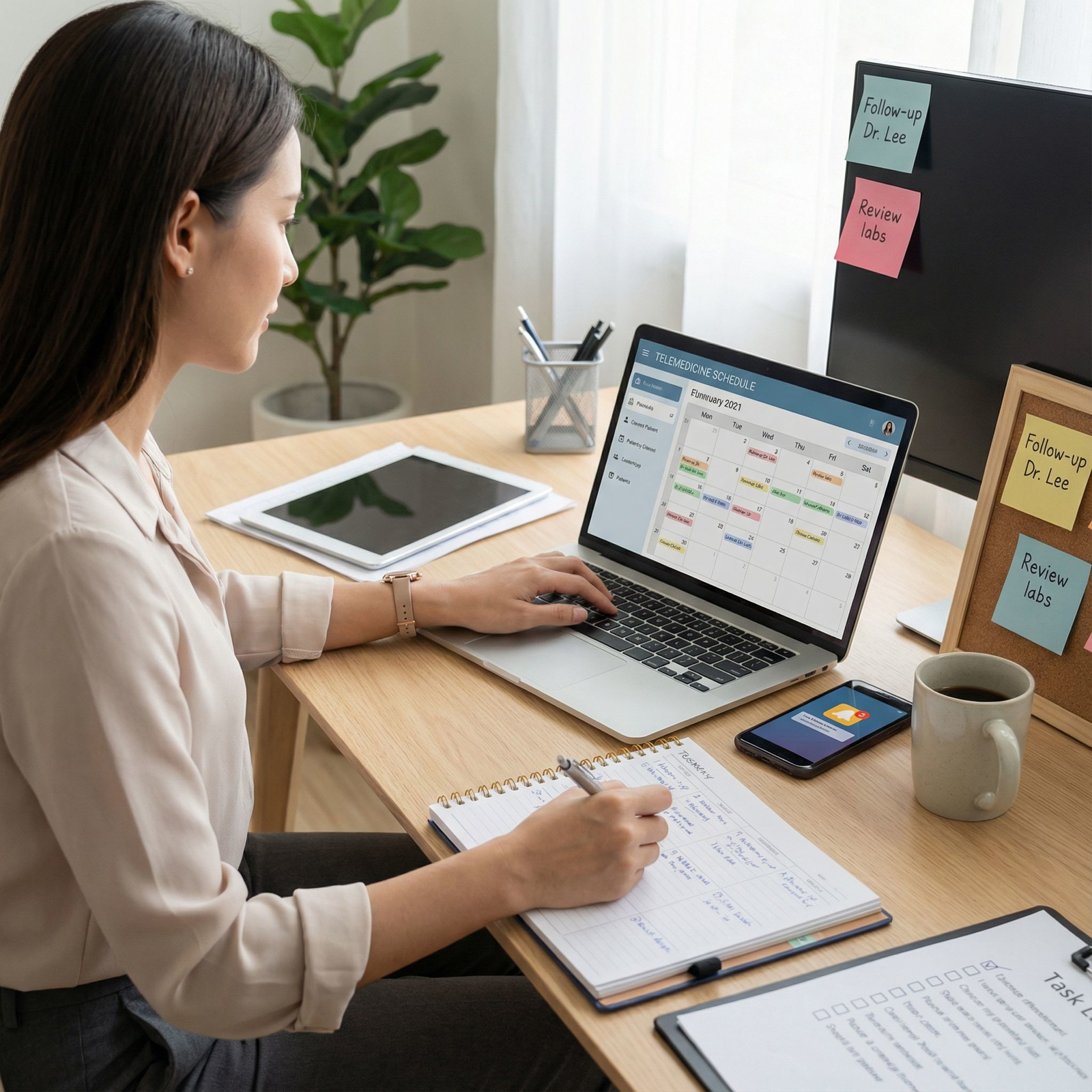
- Self-scheduled shifts: Many telehealth platforms allow you to open specific time blocks that fit your life—early mornings, evenings, or weekends—around family or personal commitments.
- Predictable session lengths: Visits are often standardized (e.g., 15–20 minutes), making your day more predictable and less prone to “overrunning” compared to in-person clinics.
- Part-time and per-diem options: Ideal for new parents, caregivers, semi-retired clinicians, or those balancing clinical work with research, teaching, or entrepreneurship.
Actionable tip: When evaluating telemedicine positions, ask about:
- Minimum hours required weekly or monthly
- Flexibility to change your schedule
- Requirements for weekends, holidays, or on-call coverage
2. Freedom to Work from Almost Anywhere
Telemedicine fundamentally decouples where you live from where you practice—within regulatory limits.
- No daily commute: Eliminating travel can save 1–2 hours per day, which you can invest in sleep, exercise, family time, or scholarly work.
- Relocation flexibility: You may live in a lower cost-of-living area or closer to family while serving patients in another region or state (as licensure permits).
- Travel-compatible work: Some clinicians work remotely while traveling (e.g., temporary stays in another city or country) with careful attention to legal, licensure, and data-security requirements.
For residents finishing training, this can be especially powerful: you are no longer limited to jobs within commuting distance of a specific hospital system.
Actionable tip: Always verify:
- State licensure requirements (many telemedicine roles expect or help support multi-state licensure)
- Rules on practicing from out-of-state or abroad
- Data security requirements (e.g., private space, secure Wi-Fi, device encryption)
3. Mitigating Burnout and Emotional Exhaustion
Burnout in healthcare is multifactorial, driven by long hours, administrative burdens, moral injury, and emotional overload. Telemedicine does not eliminate all of these—but it can meaningfully reduce several contributors.
- Greater control: Having more autonomy over your hours and patient volume can reduce feelings of helplessness.
- Less time pressure from physical logistics: No room turnover, no hunting for exam supplies, and fewer interruptions than in a busy clinic corridor.
- More focused patient interactions: Many clinicians find that virtual visits reduce the “chaos factor”—there is more structure and fewer extraneous demands.
Studies and surveys from the AMA and other organizations suggest that clinicians who integrate telehealth report:
- Improved work-life balance
- Higher perceived efficiency
- Reduced emotional exhaustion in certain specialties (notably mental health, primary care follow-ups, and chronic disease management)
4. Better Work-Life Integration for Complex Lives
Telemedicine can be especially valuable for:
- Physicians and APPs with young children who need to align work with daycare or school schedules
- Clinicians caring for aging parents or family members
- Those pursuing additional degrees or certifications (MPH, MBA, informatics) who need flexibility for coursework
- Physicians seeking a “bridge” role while transitioning between jobs or locations
Work-life integration means your professional and personal roles can coexist more harmoniously rather than in constant conflict. Telemedicine’s inherent flexibility can make this realistic, rather than aspirational.
Enhanced Productivity and Clinical Efficiency in Telehealth Services
Flexibility does not have to come at the cost of productivity. In fact, many clinicians find they are more efficient—and often more satisfied—when working in telemedicine settings.
1. Streamlined Workflows and Reduced Friction
Telemedicine platforms often integrate:
- Scheduling
- EHR documentation
- E-prescribing
- Patient messaging
- Billing and coding support
This integration can save time compared with fragmented in-person workflows where clinicians toggle between multiple systems, paper processes, and physical tasks.
Benefits for your daily work:
- Fewer late arrivals and no-shows (with automated reminders and easy access)
- Ability to review charts and update notes before and after visits without physical interruptions
- Easier follow-up via secure messaging instead of scheduling separate in-person visits
2. Efficient Communication and Care Coordination
Telemedicine supports multiple, efficient communication channels:
- Secure messaging: For quick clarifications, medication questions, and post-visit follow-up
- Shared documentation: All clinicians involved in a patient’s care can access the same encounter notes and media
- Team-based virtual care: Case conferences, multidisciplinary rounds, and virtual tumor boards can be conducted online, saving time and travel
For clinicians, this means:
- Less phone tag with patients and colleagues
- Faster resolution of simple issues
- More targeted, high-value visits
3. Supporting Preventive Care and Chronic Disease Management
Telemedicine is particularly well-suited to ongoing, lower-acuity care that often gets deprioritized in busy in-person clinics:
- Routine follow-ups for hypertension, diabetes, asthma, depression
- Lab result reviews and medication titration
- Lifestyle counseling (nutrition, exercise, sleep hygiene)
Remote patient monitoring (RPM) takes this further, allowing:
- Continuous or periodic data uploads (BP, HR, glucose, weight)
- Automated alerts when values are out of range
- Proactive outreach by care teams
For clinicians, this can mean fewer crisis visits, more structured care plans, and the professional satisfaction of seeing long-term improvements more clearly over time.
Expanding Career Opportunities in Telemedicine and Virtual Care
Telemedicine is not a single job type; it is an entire ecosystem of roles. For residents entering the job market, this opens a wide array of career paths that can evolve over time.
1. Direct Telehealth Clinical Practice
These are the most recognizable telemedicine roles:
- General telehealth consultation: Urgent care, primary care, internal medicine, pediatrics
- Specialty telemedicine: Psychiatry, dermatology, endocrinology, neurology, cardiology, and more
- Subspecialty micro-niches: Tele-ICU monitoring, telestroke, tele-oncology second opinions
These roles may be full-time, part-time, or per-diem. They can be structured as:
- Employed positions with large telehealth companies or health systems
- Independent contractor roles with multiple platforms
- Integrated hybrid positions within academic or community practices
2. Remote Patient Monitoring and Chronic Care Management
Some clinicians focus their practice on:
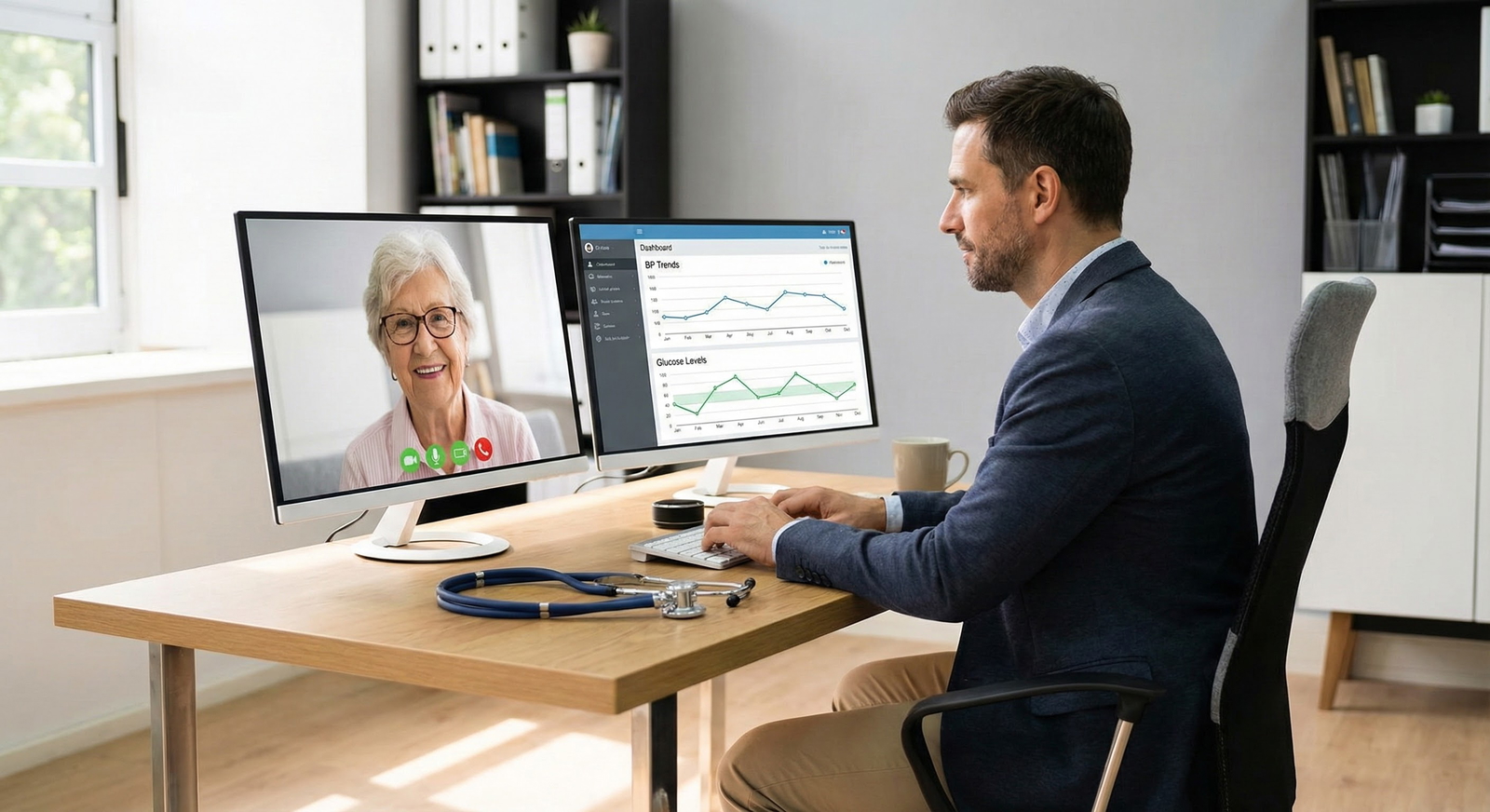
- Reviewing RPM data (e.g., BP logs, glucose trends, cardiac telemetry)
- Adjusting medications and care plans based on real-time data
- Coordinating with nurses, pharmacists, and health coaches
These roles are growing rapidly due to changing reimbursement models and a push toward value-based care.
3. Healthcare Technology and Product Development
Clinicians with an interest in technology can move beyond direct patient care into:
- Clinical product design: Helping build and refine telemedicine platforms and clinical workflows
- User experience (UX) consulting: Ensuring interfaces are intuitive for both patients and providers
- Clinical content development: Writing protocols, pathways, triage algorithms, and patient education materials
These positions may be:
- Part-time engagements while you continue clinical practice
- Full-time roles in digital health startups, established tech companies, or health systems
4. Telemedicine Administration, Leadership, and Quality
As telehealth services scale, health systems need clinicians who understand both medicine and operations:
- Telehealth program directors
- Clinical operations leaders for virtual care
- Quality improvement and safety leads for telemedicine programs
- Compliance and regulatory officers focused on telehealth policies, licensing, and privacy
These roles allow you to shape systems of care, influence institutional policy, and mentor other clinicians in best practices for virtual care.
5. Education, Consulting, and Portfolio Careers
Telemedicine experience also opens doors to:
- Teaching roles in medical schools and residency programs on virtual care competencies
- Consulting for hospitals, clinics, or international organizations building telehealth infrastructure
- Mixed “portfolio careers” combining clinical telemedicine, education, consulting, and tech development
For many clinicians, these diverse career opportunities in telemedicine make long-term practice more sustainable, intellectually interesting, and aligned with life goals.
Real-World Applications and Impact of Telemedicine
Telemedicine is not just convenient—it also addresses critical gaps in access, equity, and continuity of care.
1. Expanding Access in Rural and Underserved Areas
Many rural communities face:
- Shortages of primary care and specialty providers
- Long travel distances to tertiary care centers
- Transportation barriers and financial constraints
Telemedicine can:
- Connect patients to specialists without requiring travel
- Support local clinicians with e-consults and virtual second opinions
- Reduce missed appointments and delays in care
For providers, working in telemedicine can be a way to contribute to health equity and population health without relocating to remote areas.
2. Transforming Mental Health and Behavioral Healthcare
Teletherapy and telepsychiatry have seen some of the highest adoption and satisfaction rates:
- Patients often feel more comfortable discussing sensitive topics from home
- Stigma may be reduced when care is delivered virtually
- No commute or waiting room often improves show rates and engagement
Clinicians in psychiatry, psychology, social work, and counseling have especially strong telemedicine options that complement work-life balance and reduce burnout.
3. Enhancing Chronic Disease Management and Patient Engagement
For patients with chronic conditions, telemedicine can:
- Enable regular, shorter check-ins instead of infrequent, long in-person visits
- Improve adherence through frequent touchpoints and personalized education
- Support shared decision-making with family members joining virtual visits
Clinicians see clearer trajectories of improvement and have more tools to intervene early, which can be professionally rewarding and reduce the emotional toll of preventable complications.
4. Case Snapshot: A Post-Residency Telemedicine Transition
Consider Dr. Sarah, a family medicine physician who completed residency with two young children at home. During the pandemic she experimented with telemedicine and later transitioned to a predominantly virtual role:
- She negotiated a hybrid schedule: three days of telemedicine visits and one day of in-person clinic.
- Her telehealth days allowed her to start later in the morning, aligning with school drop-offs.
- Eliminating most commuting time freed up 7–8 hours per week, which she uses for exercise and family activities.
- Her patient satisfaction scores improved due to shorter wait times, consistent follow-up, and easier access.
While not every scenario is identical, this illustrates how telemedicine can be intentionally used to design a career that supports both professional fulfillment and personal wellbeing.
Frequently Asked Questions (FAQs) About Telemedicine Careers and Work-Life Balance
1. What qualifications do I need to practice telemedicine after residency?
You generally need the same core qualifications as for in-person practice:
- Active, unrestricted license in the state(s) where your patients are located
- Appropriate board certification or eligibility in your specialty (often preferred or required)
- Malpractice coverage that explicitly includes telemedicine services
Additional assets that can strengthen your telemedicine profile:
- Familiarity with major telehealth platforms and EHR systems
- Training in virtual communication skills and “webside manner”
- Understanding of telehealth privacy, informed consent, and documentation standards
Some organizations offer brief onboarding or CME focused on telemedicine best practices—these are valuable as you transition into virtual care.
2. How can I get started in telemedicine while still in or just after residency?
Practical steps include:
- Explore telehealth options within your current institution
- Ask program leadership or ambulatory directors if residents can participate in supervised telemedicine clinics.
- Build digital competencies
- Practice presenting cases over video, learn your institution’s telehealth platform, and refine your virtual exam skills.
- Research telemedicine employers early
- During your job search, explicitly ask about telehealth components, remote options, and hybrid models.
- Start part-time
- Some new attendings begin with a small number of telemedicine shifts on reputable platforms while maintaining a traditional position, then expand as they gain comfort and see how it fits their life.
3. Are telehealth services reliably reimbursed, and can telemedicine be a stable full-time job?
In many regions, yes—telemedicine can absolutely be a stable full-time role, but details depend on:
- Payer policies: Many private insurers and public payers have established reimbursement for a broad range of telehealth services, especially for mental health and chronic care.
- State and federal regulations: Coverage rules can evolve; reputable organizations track and adapt to these changes.
- Employer model: Some telehealth companies pay per-visit, others offer salaried positions with benefits and productivity incentives.
When considering a full-time telemedicine role, evaluate:
- Compensation structure (per hour vs. per visit vs. salary)
- Benefits (health insurance, retirement, CME funding, paid time off)
- Stability and growth of the organization
4. What technology and physical setup do I need for a professional telemedicine practice?
At minimum, you will need:
- A reliable, high-speed internet connection
- A computer or tablet with a high-quality webcam and microphone (often better than built-in laptop hardware)
- A private, quiet space with good lighting and a neutral, professional background
- Secure, HIPAA-compliant telehealth platform access
- Up-to-date antivirus and security measures, plus adherence to your employer’s data-protection policies
For a more polished setup, consider:
- External webcam, ring light, and noise-cancelling headphones
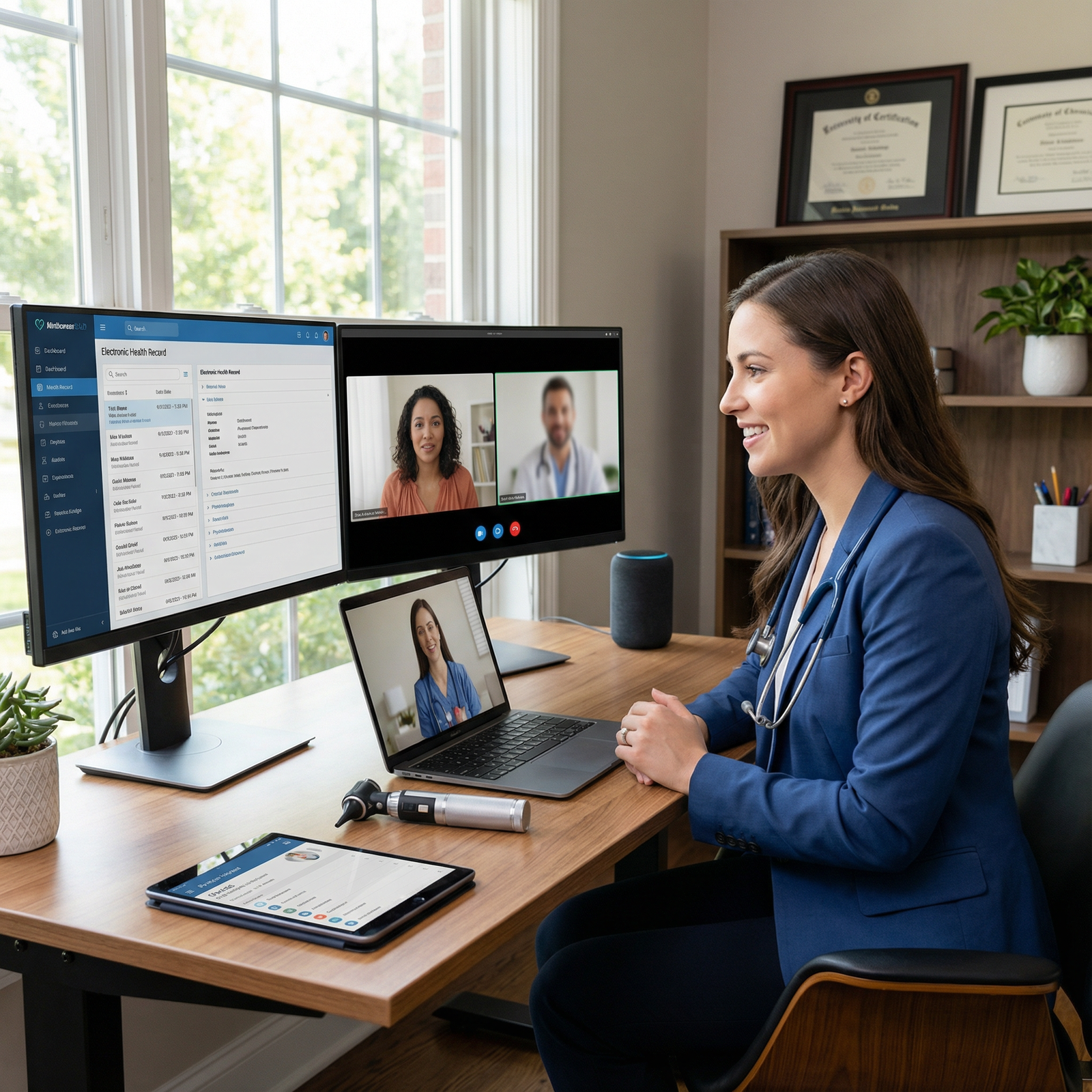
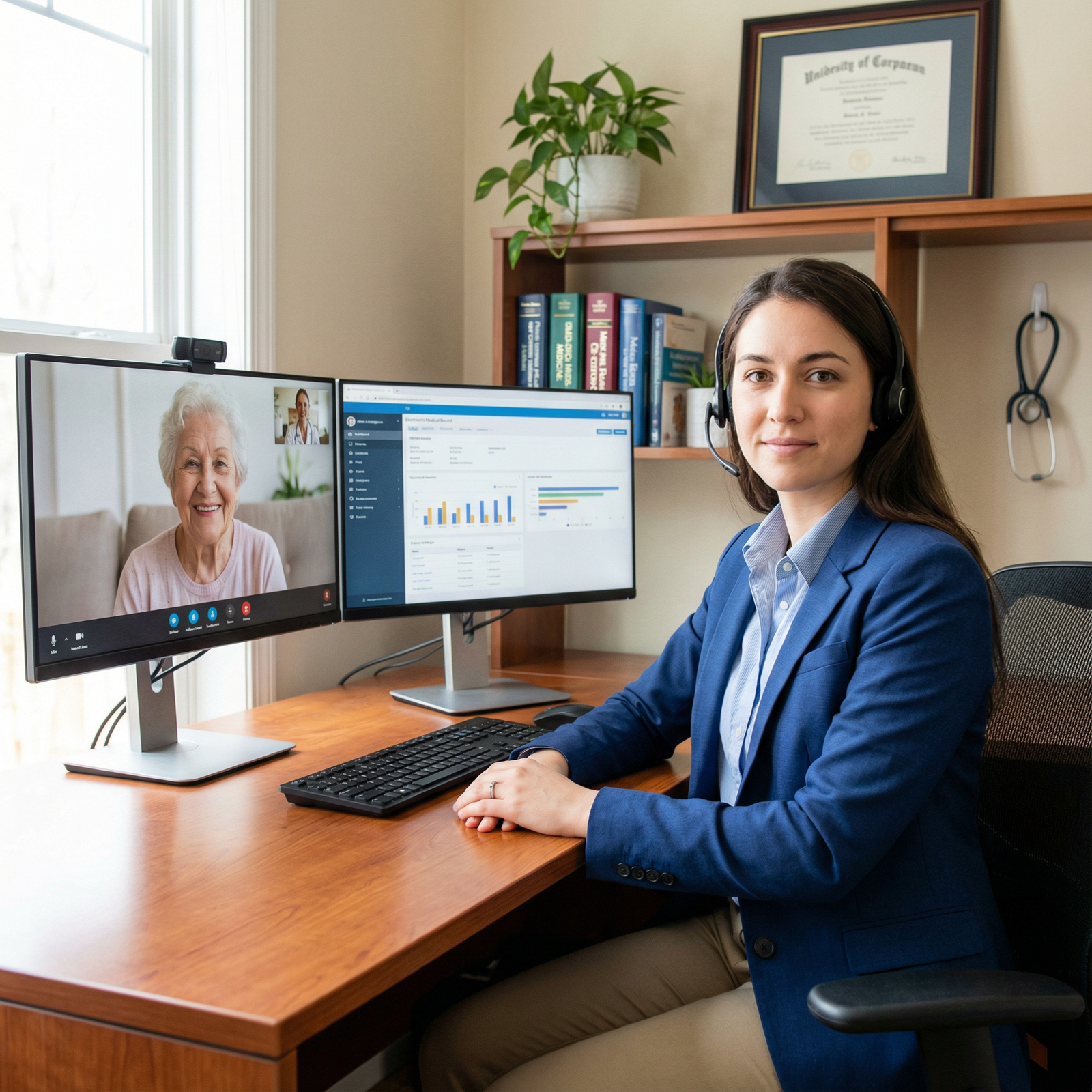
- Dual monitors (one for the video visit, one for EHR documentation)
- Ergonomic chair, standing desk, or other comfort-focused furniture to reduce physical strain
5. Does working in telemedicine limit my clinical skills or future career options?
Not necessarily—if anything, telemedicine can broaden your skills and open new career opportunities. That said:
- Procedural specialties may require maintaining an in-person component to keep hands-on skills current.
- Diagnostic reasoning and communication skills are often strengthened in telemedicine because you rely heavily on history, focused visual exam, and patient engagement.
- Career flexibility improves: experience in telehealth is increasingly valued in leadership, education, and digital health roles.
Many clinicians choose a hybrid model, practicing both in-person and via telemedicine. This can preserve procedural proficiency while leveraging the work-life balance benefits of virtual care.
By thoughtfully integrating telemedicine into your post-residency career plan—whether as a primary role or a strategic component of a hybrid practice—you can create a healthcare career that supports both excellent patient care and a sustainable, flexible work-life balance. Telemedicine is not just the future of healthcare delivery; it can be the foundation of a more humane way to practice medicine.