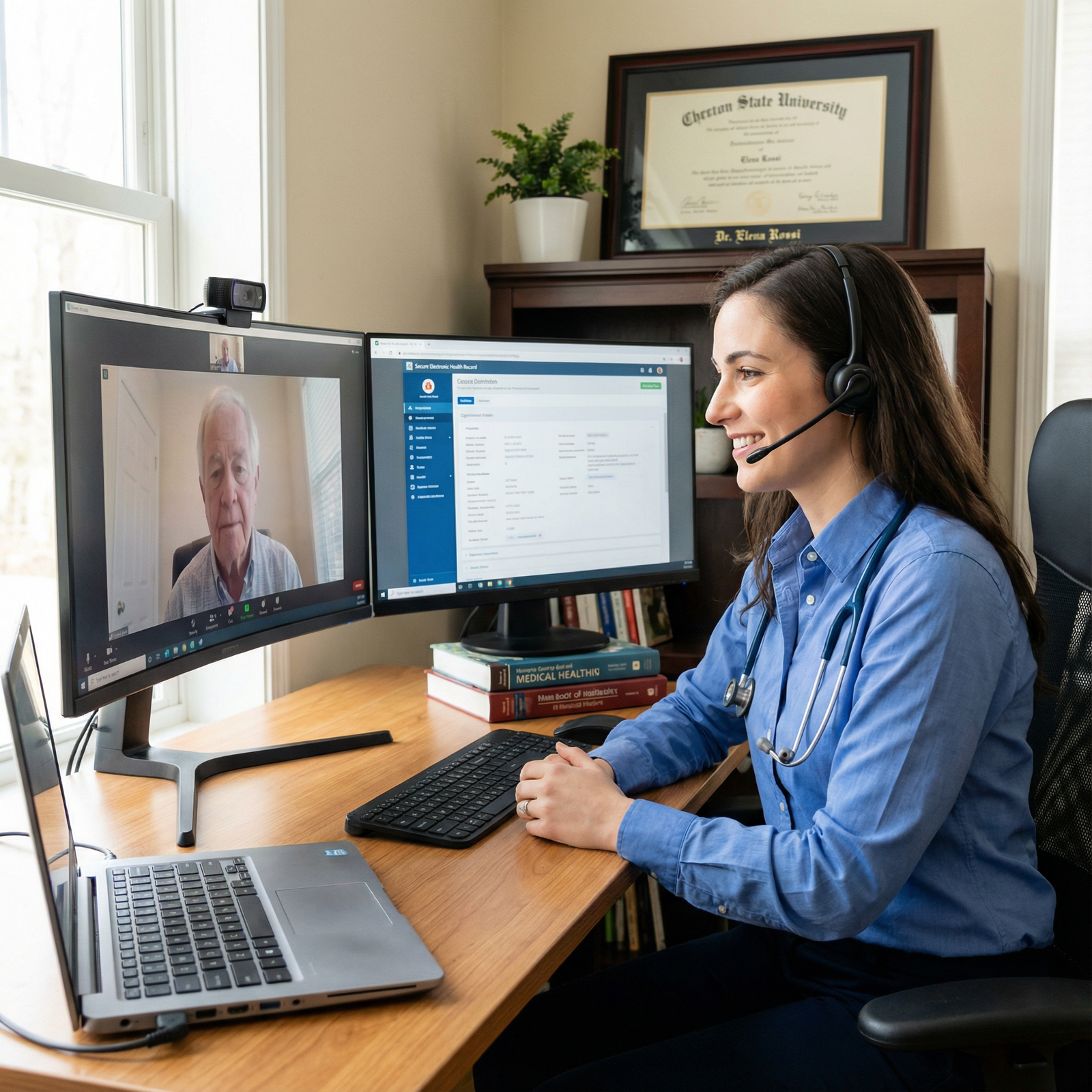
How to Transition to a Thriving Career in Telemedicine After Residency
Telemedicine has moved from niche pilot projects to a central pillar of modern healthcare delivery. What began as an emergency response during the COVID-19 pandemic has evolved into a durable model that patients now expect and health systems actively invest in. For residents, fellows, and early‑career clinicians, telehealth and Digital Health are no longer optional add‑ons to traditional practice—they are core skills that can shape long‑term Healthcare Careers, open Remote Work options, and accelerate Professional Development.
This guide walks you step‑by‑step through how to transition into a thriving telemedicine career after residency or during your early years in practice. You will learn how to assess your readiness, upskill efficiently, position yourself for the best roles, and build a sustainable, satisfying career in virtual care.
Understanding the Modern Telemedicine Landscape
What Is Telemedicine Today?
Telemedicine is the remote delivery of clinical care using digital communication tools. It sits within the broader field of telehealth and Digital Health and encompasses a range of modalities:
- Synchronous video visits (real‑time video consultations)
- Telephone visits and audio‑only encounters
- Asynchronous visits (store‑and‑forward) via secure messaging, portals, or review of uploaded photos/videos
- Remote patient monitoring (RPM) using connected devices (e.g., blood pressure cuffs, glucometers, pulse oximeters)
- Mobile health applications that support chronic disease management, mental health, and behavior change
Since the early pandemic period, utilization has stabilized far above pre‑COVID levels. Many systems have permanently integrated telemedicine into primary care, psychiatry, urgent care, and subspecialty workflows. Commercial payers and government programs have expanded coverage, and health tech companies are constantly launching new virtual care models.
For you as a clinician, this means telemedicine is no longer a temporary workaround—it’s a core component of everyday care and an important avenue for career growth, flexibility, and impact.
Benefits of Telemedicine for Clinicians and Patients
Before you commit to a major shift in your career direction, it’s worth clarifying why telemedicine is so attractive, particularly for post‑residency physicians, NPs, PAs, and other licensed professionals.
Benefits for Clinicians
Remote Work and Location Flexibility
Provide care from home, a co‑working space, or a hybrid model between clinic and remote sessions. This is especially appealing if you have family responsibilities, are considering relocation, or want to avoid long commutes.More Control Over Schedule
Many telemedicine roles offer evenings, weekends, or part‑time blocks, allowing you to tailor your schedule to your energy levels, side projects, or academic work.Expanded Career Options
Telemedicine experience is valuable for:- Leadership roles in virtual care programs
- Digital Health startups and product teams
- Health informatics and clinical operations
- Population health and chronic disease management
Potential for Improved Work–Life Integration
While telemedicine can still be intense, the ability to work from home and structure your day more flexibly can reduce burnout for some clinicians.
Benefits for Patients and Systems
Improved Access to Care
Telemedicine connects patients in rural, underserved, or transportation‑limited settings to specialists and primary care providers they otherwise couldn’t see.Convenience and Adherence
Shorter travel and waiting times often improve appointment adherence and continuity, especially in mental health, pediatrics, and chronic disease care.Cost and Efficiency
Telehealth can reduce overhead and streamline workflows, especially for follow‑ups, medication management, and low‑acuity concerns.
Understanding this value proposition helps you articulate to employers— and to yourself—why a telemedicine‑focused path is a legitimate and strategic career move.
Step 1: Assess Your Readiness for a Telemedicine Career
Successful telemedicine clinicians blend strong clinical judgment with digital communication skills and comfort with technology. Start by honestly evaluating where you stand.
Core Clinical and Communication Skills
Ask yourself:
Clinical scope:
Are you comfortable managing common outpatient conditions independently? Telemedicine often requires decisive, guideline‑based management without on‑site tests.Risk stratification:
Can you quickly determine which patients are safe for virtual management versus those who require in‑person evaluation or emergency care?Communication:
Can you:- Explain complex topics clearly without physical exam cues?
- Show warmth, empathy, and presence through video or phone?
- Set clear expectations about limitations of virtual care?
If you are just finishing residency or fellowship, you may already have these skills; telemedicine simply requires making them explicit and more intentional.
Technical and Workflow Comfort
Evaluate your comfort with:
- Electronic health records (EHRs) and documentation templates
- Video conferencing platforms and troubleshooting basic tech issues
- Secure messaging systems and patient portals
- Using clinical decision support tools integrated into EHRs
If any of these areas feel weak, that’s not a barrier—but it defines your learning agenda.
Self‑Assessment Exercise
Create a simple grid with three columns: Strong, Moderate, Needs Work. List:
- Clinical decision‑making
- Remote exam skills
- Tech comfort
- Patient communication
- Workflow efficiency
- Regulatory/Legal knowledge
This becomes your roadmap for Professional Development as you transition into telemedicine.
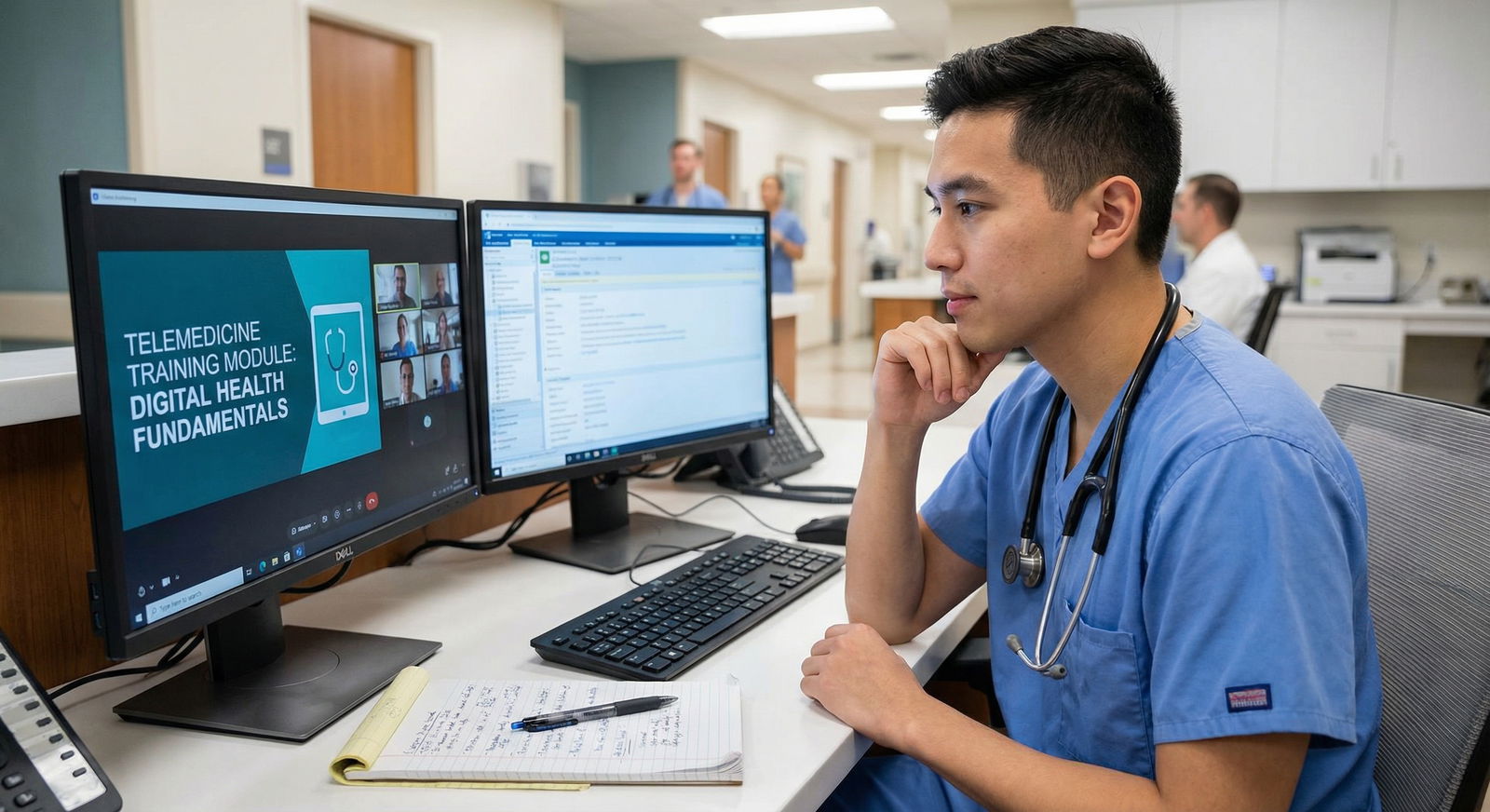
Step 2: Pursue Targeted Telemedicine Training and Certification
Once you’ve mapped your strengths and gaps, the next step is building focused telemedicine competencies. This not only makes you more effective but also strengthens your CV for a competitive job market.
Content Areas for Telemedicine Training
Look for courses, webinars, or workshops that cover:
1. Clinical Practice in Virtual Settings
- Conducting virtual histories and focused remote exams
- Using visual cues, patient‑performed maneuvers, and home devices
- Managing common acute complaints safely via telehealth
- Chronic care management models (e.g., hypertension, diabetes, depression) in virtual care
2. Telehealth Technology and Tools
- Common telemedicine platforms (e.g., Doxy.me, Amwell, MDLive, Zoom for Healthcare)
- Integrating telehealth with EHR documentation and e‑prescribing
- Basics of Remote Patient Monitoring platforms and workflows
3. Legal, Regulatory, and Ethical Foundations
- Licensing and multi‑state practice (e.g., Interstate Medical Licensure Compact for physicians, state‑specific rules for NPs and PAs)
- Informed consent requirements and documentation
- HIPAA, data privacy, and cybersecurity basics
- Prescribing regulations (especially for controlled substances and mental health)
4. Billing, Coding, and Reimbursement
- Current Procedural Terminology (CPT) codes for telehealth visits
- Distinctions between video, phone, and asynchronous billing
- Payer variability and documentation requirements
- Understanding value‑based care models that integrate telehealth
Where to Find Quality Telemedicine Education
Examples of reputable sources include:
American Telemedicine Association (ATA)
Offers telehealth‑specific training, guidelines, and educational resources.National Telehealth Certification Board (NTCB)
Provides certification options focusing on best practices and regulatory frameworks.Specialty societies and boards
Many professional organizations now provide virtual care curricula tailored to specific fields (e.g., psychiatry, pediatrics, internal medicine, dermatology).Academic medical centers and online universities
Offer Digital Health or telemedicine certificate programs, often asynchronous and compatible with busy clinical schedules.
Telemedicine Certifications: Are They Worth It?
Certifications are not universally required, but they can:
- Signal commitment and competency to employers
- Differentiate you for leadership or program‑building roles
- Provide a structured curriculum to accelerate learning
If you aim for a telemedicine‑heavy or telemedicine‑only role, one recognized certification can be a worthwhile investment.
Step 3: Build Your Telemedicine Network and Professional Brand
Your network and professional identity significantly influence how quickly and successfully you can pivot into telemedicine and Digital Health roles.
Networking in the Telehealth Ecosystem
Consider:
Join telehealth‑focused organizations
- ATA and regional telehealth resource centers
- Specialty‑specific telemedicine sections or committees
Attend virtual and in‑person conferences
Look for sessions on:- Virtual care models
- Remote monitoring
- AI in clinical workflows
- Healthcare system innovations
Engage on LinkedIn and professional platforms
- Update your headline to reflect your interest (e.g., “Internal Medicine Physician | Telemedicine & Digital Health Enthusiast”)
- Share brief reflections on telehealth experiences or research
- Connect with medical directors of virtual clinics, Digital Health product leads, and health system telehealth leaders
Developing a Telemedicine‑Aligned Professional Brand
Your “brand” is simply how others understand your skills and interests. You can build this deliberately by:
- Highlighting telehealth rotations or projects from residency or early practice
- Publishing short articles or blog posts on topics like:
- Best practices for virtual chronic care management
- Virtual care in rural communities
- Equity and access in telemedicine
- Participating in quality improvement or research projects related to virtual care or Remote Work models
These activities position you as someone serious about telemedicine, not just looking for “any remote job.”
Step 4: Gain Practical Telemedicine Experience
Hands‑on experience is the single most persuasive asset when you apply for telehealth roles.
Options for Building Real‑World Experience
Pilot or hybrid programs within your current institution
Volunteer to:- Take on virtual follow‑up clinics
- Help design telehealth triage protocols
- Support remote chronic disease programs
Per‑diem telemedicine shifts
Many virtual urgent care or direct‑to‑consumer platforms offer part‑time work that can be layered onto an existing in‑person job. This can:- Build confidence in remote clinical decision‑making
- Expose you to different telehealth platforms and workflows
Volunteer or community telehealth initiatives
Especially relevant for:- Rural and underserved populations
- Student‑run or community clinics leveraging telehealth consults
- International teleconsult platforms (mindful of licensing/regulatory constraints)
Make Your Learning Deliberate
As you gain telemedicine experience, keep a simple learning log:
- Types of cases you see
- Situations you had to escalate to in‑person care
- Communication strategies that worked well
- Technical challenges and how you resolved them
These notes are gold for interviews, quality improvement projects, and personal growth.
Step 5: Explore Telemedicine Career Paths and Job Opportunities
Telemedicine roles span far beyond “video visits from home.” Understanding the variety helps you target roles aligned with your skills, risk tolerance, and lifestyle goals.
Common Clinical Telemedicine Roles
Telehealth Primary Care or Urgent Care Provider
- High visit volume, broad range of low to moderate‑acuity issues
- Often shift‑based with evenings/weekends available
Telepsychiatry and Behavioral Health
- High demand and frequently remote‑first
- Particularly suited to long‑term therapeutic relationships
Subspecialty Virtual Clinics
- Endocrinology, cardiology, dermatology, sleep medicine, etc.
- Often hybrid models that combine in‑person and virtual care
Remote Patient Monitoring Clinician
- Manages panels of patients using connected devices
- Focus on population health, trend analysis, and proactive outreach
Non‑Traditional and Non‑Clinical Roles in Digital Health
Telemedicine experience also opens doors to:
Telehealth Program Director or Medical Director
Overseeing implementation, quality metrics, and staff training.Clinical Informaticist or Digital Health Consultant
Working at the intersection of clinical workflows, technology, and system design.Clinical Advisor for Health Tech Startups
Guiding product development, clinical safety, and regulatory strategy.Educational and Training Roles
Designing curricula to teach other clinicians how to practice virtual care safely and effectively.
Where to Find Telemedicine Jobs
Use a combination of:
- General job boards (Indeed, Glassdoor, LinkedIn) filtered with keywords:
“Telemedicine,” “Telehealth physician,” “Remote NP,” “Virtual care,” “Digital health clinical lead” - Dedicated telehealth job platforms and staffing agencies
- Health system and academic medical center career pages
- Startups and large Digital Health companies’ career portals
Set up job alerts and track postings over several weeks to understand common requirements and compensation ranges.
Step 6: Craft Telemedicine‑Ready Application Materials
Your CV, resume, and cover letter must clearly communicate that you are ready for virtual care.
Optimizing Your CV/Resume
Emphasize:
Telehealth Experience
- Dedicated section: “Telemedicine and Digital Health Experience”
- Include platforms used, visit volumes, and case types.
Digital Skills and Tools
- EHR systems (Epic, Cerner, etc.)
- Telehealth platforms (Doxy.me, Amwell, MDLive, Zoom for Healthcare)
- Remote patient monitoring or clinical decision support tools
Outcomes and Achievements
- Patient satisfaction scores
- Reduced no‑show rates through virtual options
- Quality improvement projects or protocols you helped develop
Writing a Strong Telemedicine Cover Letter
Address:
Why telemedicine?
Tie your interest to access, equity, innovation, or your lifestyle goals.Evidence of success in remote care
- Concrete examples of challenging virtual cases you handled
- How you’ve adapted physical exam and communication skills online
Commitment to ongoing Professional Development
Mention courses, certifications, and telehealth committees or groups you’re involved in.
Step 7: Succeed in Telemedicine Interviews and Onboarding
Interviewing for telemedicine roles often includes scenario‑based questions and technical assessments.
Telemedicine Interview Preparation
Be ready to discuss:
Clinical judgement in remote settings
- How you decide when to escalate to ED/in‑person care
- How you handle limited physical exam information
Technology challenges
- What you do if video fails mid‑visit
- How you support patients with low digital literacy
Boundary setting and productivity
- Managing high‑volume shifts
- Handling chat messages, refill requests, and follow‑ups efficiently
If possible, do mock telemedicine interviews with a peer or mentor using a video platform to practice presence on screen, camera positioning, and “webside manner.”
Mastering the Onboarding Process
Once hired, dedicate time to:
Platform Training
- Navigation, documentation templates, e‑prescribing flows
- Shortcut keys and macros to save time
EHR and Workflow Integration
- How telemedicine visits are scheduled and triaged
- Handoffs to in‑person care, labs, and imaging
- Messaging workflows with RNs, care coordinators, or MAs
Data Security and Privacy Protocols
- Screen‑sharing policies
- Rules for remote workspaces (e.g., private room, secure networks, no smart speakers)
This early investment pays off in safety, efficiency, and job satisfaction.
Step 8: Excel in Patient Engagement and Virtual Bedside Manner
High‑quality telemedicine is not just about technology—it’s about human connection at a distance.
Practical Tips for Effective Virtual Encounters
Optimize Your Environment
- Neutral, professional background
- Good lighting and camera at eye level
- High‑quality microphone or headset
Open Each Visit Intentionally
- Confirm patient identity and location (for safety and licensing)
- Ask about technical comfort and adjust pace accordingly
- Explain what you can and cannot do via telehealth
Use Enhanced Communication Techniques
- Speak slightly slower and check for understanding
- Verbally describe what you are doing (e.g., “I’m reviewing your labs now…”)
- Ask patients to demonstrate exam elements when appropriate (e.g., self‑palpation, range of motion)
Close the Loop
- Summarize key points and next steps
- Confirm how/when results or follow‑up will occur
- Provide written instructions via the patient portal when possible
Patient engagement is a major differentiator in telehealth; clinicians who excel here are often tapped for leadership and mentor roles.
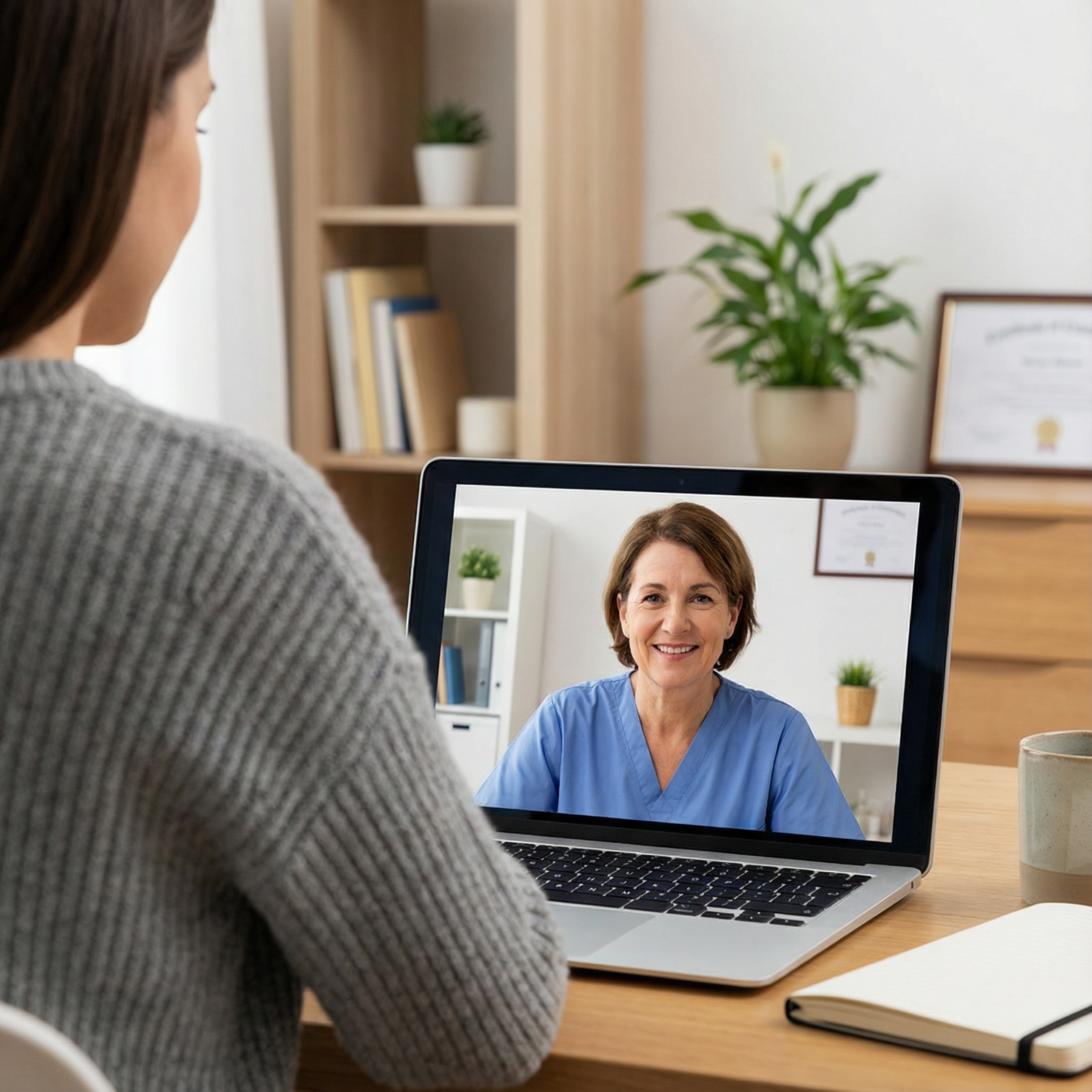
Step 9: Plan for Long‑Term Growth in Telemedicine and Digital Health
Telemedicine is evolving quickly. To build a resilient career, think beyond your first telehealth job.
Commit to Continuous Professional Development
Stay informed on policy changes
- State licensure rules and cross‑state practice
- Reimbursement and parity laws
- DEA and prescribing regulations, especially for controlled substances
Follow emerging tech and models of care
- AI‑assisted documentation and triage
- Home‑based acute care and “hospital at home”
- Integrations between wearables and clinical workflows
Build complementary skills
- Quality improvement, clinical informatics, or data literacy
- Leadership and change management
- Teaching and curriculum development for telehealth
Consider Your 3–5 Year Career Vision
Ask:
- Do I see myself as primarily a clinical virtual care provider, or do I want to move into leadership or Digital Health strategy?
- How can I balance telemedicine work with academic interests, research, or entrepreneurship?
- What mix of remote work and in‑person practice best aligns with my personal and professional goals?
Revisit these questions annually; telemedicine can be a powerful lever to redesign your career as your life circumstances evolve.
FAQ: Building a Successful Post‑Residency Career in Telemedicine
1. What qualifications do I need to work in telemedicine after residency?
You generally need:
- An active, unrestricted license in the state(s) where your patients are located
- Board certification (or eligibility) in your specialty, if applicable
- For NPs, PAs, and other clinicians: appropriate state licensure and certification
- Basic EHR and telehealth platform competence
Telemedicine‑specific certifications (e.g., from the ATA or National Telehealth Certification Board) are not always required but can strengthen your applications and prepare you for higher‑responsibility roles.
2. How can I find reputable remote telemedicine jobs and avoid scams?
Use multiple verification steps:
- Prioritize established health systems, academic centers, and well‑known Digital Health companies.
- Check company reviews, leadership, and funding history on sites like LinkedIn, Crunchbase, and Glassdoor.
- Be wary of roles that:
- Ask for money upfront
- Have no verifiable web presence or references
- Make unrealistic compensation promises
Network with peers already working in telemedicine and ask for introductions or opinions on specific organizations.
3. Which telemedicine platforms and tools should I be familiar with?
You don’t need to master every platform, but familiarity with common categories is helpful:
- Video visit platforms: Doxy.me, Amwell, MDLive, Zoom for Healthcare, integrated EHR telehealth tools
- EHRs: Epic, Cerner, Athenahealth, or the system your target employer uses
- Communication tools: Secure messaging through patient portals, HIPAA‑compliant texting platforms
- Remote monitoring systems: Platforms that integrate home devices and dashboards for clinician review
Focus on underlying skills—navigating interfaces, ensuring privacy, troubleshooting basic issues—since specific vendors vary by employer.
4. What are the biggest challenges of working in telemedicine, and how can I prepare for them?
Common challenges include:
Limited physical exam:
Prepare by learning structured virtual exam techniques and clear criteria for escalation to in‑person care.Technology issues:
Develop a simple troubleshooting script, backup phone workflows, and patience with varying levels of digital literacy.Boundary and workload management:
Clarify expectations for messages, after‑hours coverage, and visit volumes before signing a contract.Professional isolation:
Proactively build virtual connections with colleagues through team huddles, Slack channels, or regular case conferences.
5. How can telemedicine experience help my broader healthcare career?
Telemedicine can accelerate your career in multiple ways:
- Positions you for leadership roles in virtual care, quality, and Digital Health strategy
- Enhances your attractiveness to innovative health systems and startups
- Builds skills in population health, remote monitoring, and data‑driven care
- Demonstrates adaptability, systems thinking, and comfort with technology—competencies that are increasingly valued across all Healthcare Careers
Transitioning into telemedicine after residency is more than a way to work from home; it’s an opportunity to help shape the next era of patient care. By deliberately assessing your skills, pursuing targeted training, building experience, and staying engaged with the evolving Digital Health landscape, you can build a telemedicine career that is clinically rewarding, financially sustainable, and aligned with your personal and professional goals.