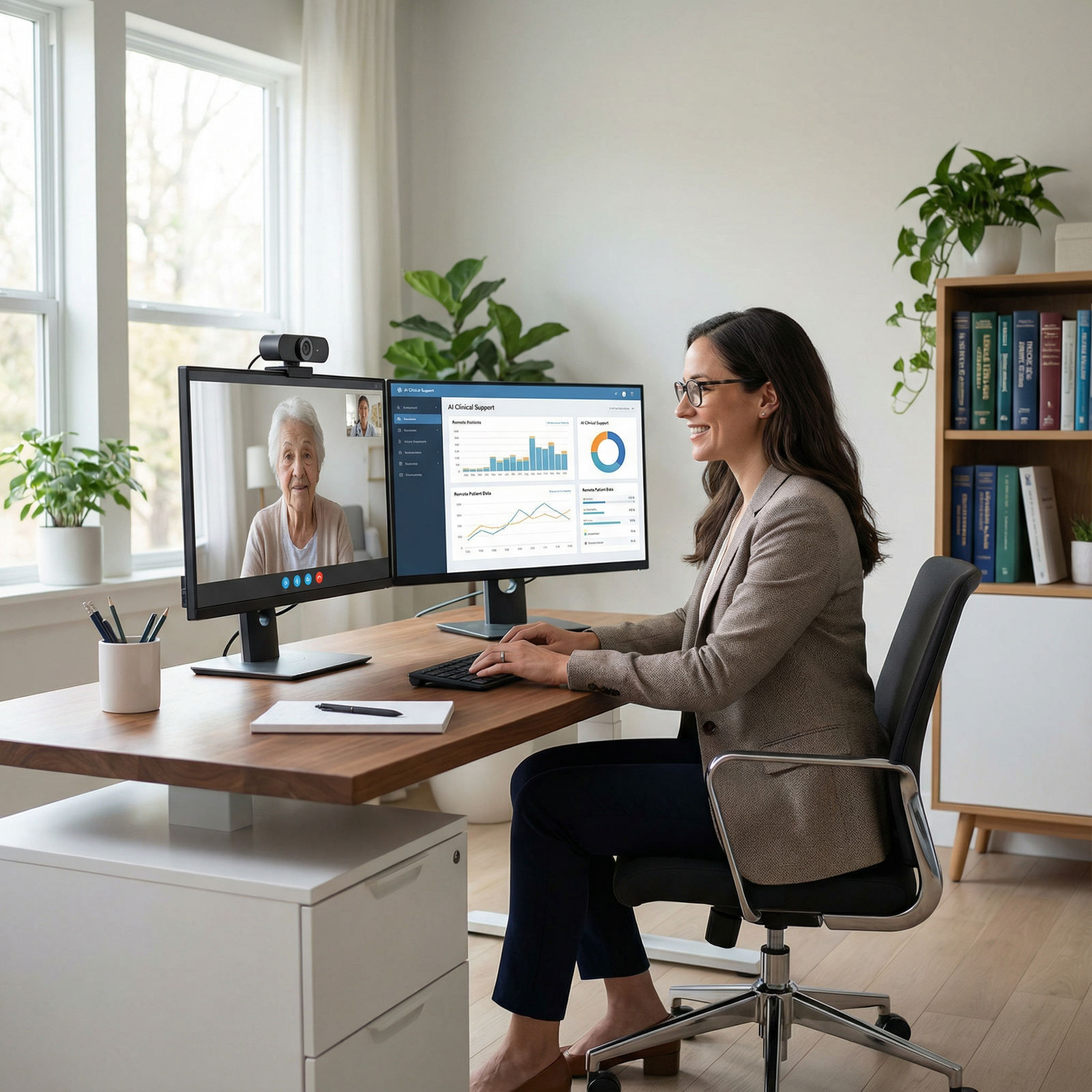
Telemedicine Trends: Emerging Roles to Watch as You Shape Your Healthcare Career
Telemedicine is no longer a niche experiment or a pandemic workaround—it has become a core pillar of modern healthcare delivery and a powerful driver of new healthcare careers. For residents, fellows, and early-career clinicians planning their post‑residency path, understanding current Telehealth Trends is now as important as knowing the job market for traditional in‑person roles.
Built initially around simple video visits, telemedicine has expanded into comprehensive virtual ecosystems that support chronic disease management, urgent care, behavioral health, specialty consults, and sophisticated Remote Patient Monitoring (RPM). At the same time, AI in Healthcare is transforming what you can do remotely—from triage and risk prediction to workflow automation and clinical decision support.
This expanded digital landscape has created a rich set of emerging roles—not only for physicians, but also for NPs, PAs, pharmacists, nurses, behavioral health professionals, and even non‑clinical professionals interested in Healthcare Careers on the tech and operations side.
This guide will walk you through:
- The major Telehealth Trends reshaping the field
- How AI in Healthcare and RPM are generating new job functions
- Key emerging telemedicine roles, what they involve, and who they fit best
- Practical steps you can take now to prepare for post‑residency telemedicine careers
The New Telehealth Landscape: Trends Driving Career Opportunities
Telemedicine has moved from “optional add‑on” to “strategic imperative” for health systems, payers, and employers. Several overlapping trends are responsible for this rapid shift—and each trend opens specific opportunities for new kinds of jobs.
1. Regulatory Evolution and Payment Reform
Regulatory shifts since COVID‑19 have been central to telemedicine’s growth.
Key developments include:
- Expanded reimbursement: Many public and private payers now reimburse for telehealth visits, Remote Patient Monitoring, and chronic care management. This has made virtual care financially sustainable and fueled hiring.
- Licensure and cross‑border care:
- U.S. examples: Interstate Medical Licensure Compact (IMLC) and similar compacts for nurses and PAs streamline multi‑state practice.
- Internationally, more countries are defining frameworks for cross‑border teleconsultations.
- Permanent policy changes: While some emergency flexibilities have sunset, many core telehealth provisions (e.g., coverage for behavioral health, certain home-based services) have been extended or made permanent.
Career implications:
- Health systems now staff dedicated virtual care teams across multiple states or regions.
- There is increased demand for professionals who understand telehealth regulations, billing, and compliance—especially for roles like Telehealth Consultant, Telehealth Coordinator, and virtual medical director.
2. AI in Healthcare: From Buzzword to Daily Tool
AI in Healthcare is increasingly embedded in telemedicine platforms, often in ways that are less visible but highly impactful.
Common AI-driven functionalities include:
- Automated triage and symptom checkers that route patients to the right level of care
- Risk prediction models for readmissions, decompensation, or disease progression
- Natural language processing to summarize visits and auto‑generate documentation
- Clinical decision support that flags abnormal trends in Remote Patient Monitoring data
Career implications:
- Clinicians with an interest in informatics, data science, or digital health can help:
- Design, test, and validate AI tools
- Serve as clinical product advisors for telehealth companies
- Lead AI‑enabled virtual clinics or population health programs
It’s increasingly valuable to list digital health and AI competencies on your CV (e.g., experience with EHR‑integrated clinical decision support, exposure to predictive analytics, participation in digital health quality improvement projects).
3. Expansion Beyond Traditional Video Visits
Telemedicine has diversified far beyond a simple “video visit with your PCP.”
Examples of telehealth service lines now in high demand:
- Virtual urgent care and after-hours triage
- Telepsychiatry and telepsychology (one of the fastest‑growing segments)
- Tele‑dermatology with store‑and‑forward imaging and asynchronous consults
- Tele‑cardiology, tele‑endocrinology, tele‑neurology and other specialties
- Chronic disease management supported by Remote Patient Monitoring
- Tele‑ICU networks providing centralized expert oversight
Career implications:
- Nearly every specialty now has telemedicine applications, creating hybrid roles that combine in‑person and virtual practice.
- Dedicated virtual positions are increasing—some physicians and advanced practice providers now work 100% remotely across multiple states or regions.
4. Interdisciplinary, Team‑Based Virtual Care
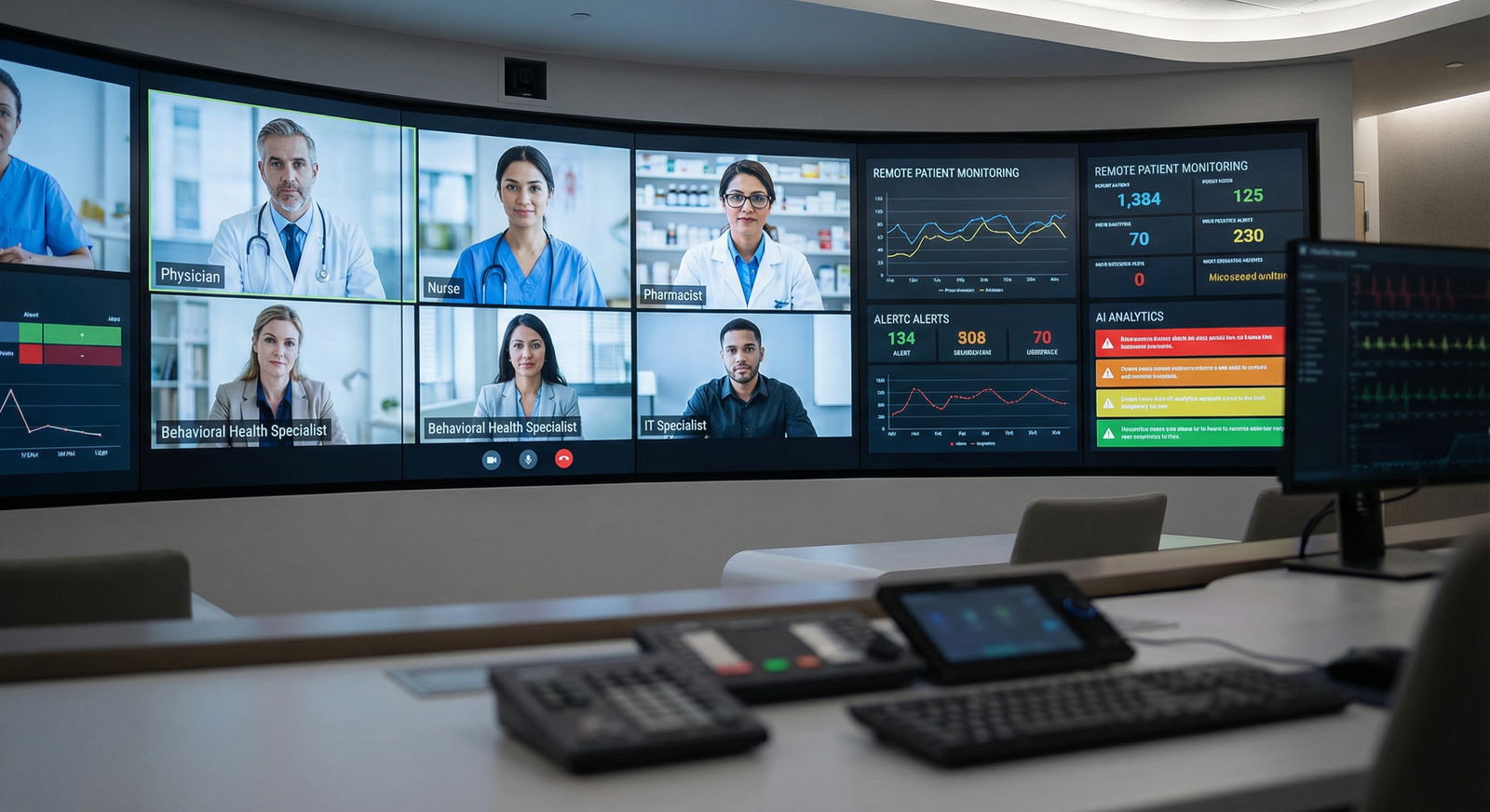
Effective telehealth rarely occurs in isolation. It depends on coordinated, interdisciplinary teams.
Common virtual care team components:
- Physicians, NPs, PAs, and behavioral health clinicians
- Nurses and Remote Patient Monitoring specialists
- Telehealth Coordinators and virtual front‑desk staff
- Pharmacists and pharmacy technicians
- Health coaches, social workers, and care navigators
- IT and clinical informatics professionals
Career implications:
- Communication, teamwork, and systems thinking are as critical as clinical skills.
- Many emerging telemedicine roles suit clinicians who enjoy cross‑disciplinary collaboration and continuous process improvement.
Emerging Telemedicine Roles: Clinical and Non‑Clinical Paths
Below are key emerging roles in Telemedicine that residents, early‑career clinicians, and other health professionals should know. Each section highlights role overviews, responsibilities, ideal backgrounds, and examples of where these positions typically sit within the healthcare ecosystem.
1. Telehealth Coordinator: Operational Backbone of Virtual Care
Role Overview
Telehealth Coordinators are the operational linchpins of virtual care programs. They ensure the right clinicians, platforms, and processes are in place so telemedicine encounters run smoothly.
Core Responsibilities
- Coordinate and optimize scheduling for virtual visits
- Onboard patients to telehealth platforms (consent, troubleshooting, test runs)
- Train clinicians and staff on workflows, documentation requirements, and etiquette for video visits
- Monitor operational metrics (no‑show rates, visit volumes, patient satisfaction, technical failure rates)
- Liaise with IT, billing, and compliance to keep programs aligned with regulations and payer policies
Where You’ll See This Role
- Hospital systems and academic medical centers scaling telehealth
- Multi‑site outpatient practices with hybrid in‑person/virtual care
- Telehealth startups deploying new virtual care lines for employers or payers
Who This Role Fits
- Nurses, allied health professionals, or practice managers with strong organizational and communication skills
- Residents or fellows interested in healthcare administration and QI who want early exposure to digital operations
Actionable Tip:
Ask your program leadership if you can join or observe a telehealth steering committee or QI project—this gives concrete experience you can list when applying for Telehealth Coordinator or operations‑focused roles.
2. Remote Patient Monitoring (RPM) Specialist: Frontline of Data‑Driven Care
Role Overview
Remote Patient Monitoring Specialists are at the center of continuous, tech‑enabled care. They monitor physiologic data from devices such as:
- Bluetooth blood pressure cuffs
- Glucose monitors and continuous glucose monitors (CGMs)
- Pulse oximeters, weight scales, and smart inhalers
- Wearables tracking heart rate, rhythm, sleep, or activity
They flag concerning trends, coordinate early interventions, and educate patients on device use and adherence.
Core Responsibilities
- Review RPM dashboards and respond to alerts (e.g., rising blood pressure, weight gain in heart failure, hypoglycemia risk)
- Escalate concerning findings to supervising clinicians based on protocol
- Provide patient outreach: device troubleshooting, data accuracy checks, adherence coaching
- Document interventions and outcomes in the EHR and billing systems
- Collaborate with care teams to refine RPM thresholds and workflows
Where You’ll See This Role
- Health systems running large chronic disease programs (cardiology, endocrinology, pulmonology)
- Virtual‑first care companies and digital health startups
- Payer‑sponsored population health programs
Who This Role Fits
- Nurses, MAs, and allied health professionals with strong patient communication skills and comfort with technology
- Residents or fellows pursuing careers in cardiology, endocrinology, internal medicine, or family medicine with an interest in population health
Actionable Tip:
If your institution uses RPM devices, volunteer to help evaluate outcomes or workflows. This experience is highly valued by employers building or scaling RPM programs.
3. Telehealth Consultant: Guiding Organizations Through Digital Transformation
Role Overview
Telehealth Consultants help hospitals, clinics, payers, and employers design, implement, and optimize virtual care strategies that are clinically sound, financially viable, and compliant with regulations.
Core Responsibilities
- Assess an organization’s current digital capabilities and identify gaps
- Design telemedicine service lines (e.g., virtual urgent care, telepsychiatry, Remote Patient Monitoring)
- Develop implementation roadmaps, staffing models, and workflows
- Advise on regulatory, licensure, and reimbursement issues
- Evaluate performance and suggest improvement strategies
Where You’ll See This Role
- Healthcare consulting firms and boutique digital health consultancies
- Large health systems with internal innovation or transformation teams
- Telehealth platforms providing implementation services to clients
Who This Role Fits
- Clinicians with interest in operations, health policy, or business (e.g., MD/DO/NP/PA with MPH, MBA, or quality improvement experience)
- Former chief residents, medical directors, or those with committee leadership roles
Actionable Tip:
Participate in telehealth implementation projects during residency or early practice. Collect concrete examples: protocol development, training materials you helped create, or metrics you improved. These stories are critical in consultant interviews.
4. Telehealth Software Developer & Clinical Informaticist: Building the Tools
Role Overview
As telemedicine platforms mature, the need for healthcare‑savvy Software Developers and Clinical Informaticists grows. These professionals translate clinical needs into secure, intuitive digital tools.
Core Responsibilities (Developer)
- Design and code telehealth web or mobile applications
- Integrate video, messaging, AI triage, and EHR systems
- Implement security and privacy safeguards (HIPAA, GDPR compliance)
- Collaborate with clinicians on usability and feature development
Core Responsibilities (Clinical Informaticist)
- Serve as a bridge between developers and clinicians
- Define clinical workflows, data fields, and decision support logic
- Lead usability testing and adoption strategies
- Monitor clinical and operational metrics to refine tools
Where You’ll See These Roles
- Telehealth startups and virtual‑first care companies
- EHR vendors adding telehealth and Remote Patient Monitoring features
- Large health systems with internal informatics teams
Who These Roles Fit
- Clinicians or students with coding skills (Python, JavaScript, etc.), informatics training, or strong tech literacy
- Individuals interested in non‑traditional Healthcare Careers that blend clinical insight with product design
Actionable Tip:
Consider taking a short course or certificate in clinical informatics, health IT, or digital product design. Participating in a hackathon or digital health incubator can also demonstrate your commitment and aptitude.
5. Behavioral Health Teletherapist: Expanding Access to Mental Healthcare
Role Overview
Behavioral Health Teletherapists—psychologists, psychiatrists, social workers, and counselors—use telehealth platforms to deliver therapy, medication management, and crisis interventions.
Core Responsibilities
- Conduct individual, group, or family therapy via secure video
- Provide medication management for psychiatry patients
- Collaborate with primary care, schools, employers, or justice systems
- Document care thoroughly and coordinate with interdisciplinary teams
Where You’ll See This Role
- Dedicated telebehavioral health companies
- Integrated primary care settings offering virtual psychology or psychiatry
- College health centers, correctional systems, and employee assistance programs
Who This Role Fits
- Behavioral health professionals seeking flexible, potentially location‑independent work
- Clinicians passionate about improving access for rural, underserved, or stigmatized populations
Actionable Tip:
Gain experience with at least one major telehealth platform (e.g., Zoom for Healthcare, Doxy.me, integrated EHR video tools) and learn best practices for establishing rapport, assessing risk, and managing crises remotely.
6. Tele‑Pharmacist: Medication Management Beyond the Pharmacy Counter
Role Overview
Tele‑Pharmacists extend the reach of pharmacy services into patients’ homes, clinics, and long‑term care facilities.
Core Responsibilities
- Conduct virtual medication therapy management (MTM) sessions
- Review polypharmacy in older or complex patients
- Educate patients on new medications, side effects, and adherence strategies
- Collaborate with prescribers via secure messaging or video to optimize regimens
- Support Remote Patient Monitoring programs by adjusting medications based on data trends
Where You’ll See This Role
- Health system pharmacies and integrated delivery networks
- Telepharmacy companies supporting rural clinics or critical access hospitals
- Payer‑sponsored adherence and MTM programs
Who This Role Fits
- Pharmacists who enjoy patient interaction and clinical decision‑making
- Those comfortable with technology and interprofessional collaboration
Actionable Tip:
Pursue training or CEs in telepharmacy, medication management in chronic disease, and digital adherence tools. Demonstrated experience with EHR‑based clinical pharmacy services is a strong asset.
7. Telemedicine Health Coach and Care Navigator: Sustaining Behavior Change
Role Overview
Telemedicine Health Coaches and Care Navigators help patients apply medical advice in daily life, supporting lifestyle changes and navigating the healthcare system.
Core Responsibilities
- Provide virtual coaching on diet, exercise, sleep, and stress management
- Set realistic health goals and track progress via telehealth tools
- Support adherence to medications and Remote Patient Monitoring protocols
- Help patients understand referrals, follow‑up plans, and community resources
- Coordinate with clinicians to flag barriers or changes in patient status
Where You’ll See This Role
- Digital therapeutics and virtual chronic care companies
- ACOs and population health programs
- Employer wellness and benefits platforms
Who This Role Fits
- Health professionals with strong motivational interviewing and counseling skills (RNs, MAs, CHWs, allied health)
- Individuals passionate about preventive care and long‑term behavior change
Actionable Tip:
Training in motivational interviewing, health coaching, or population health can significantly strengthen your candidacy. Familiarity with wearable and app‑based tracking tools is increasingly expected.
8. Tele‑ICU Specialist: Critical Care at Scale
Role Overview
Tele‑ICU Specialists—typically intensivists and critical care nurses—provide remote oversight to multiple ICUs from a centralized command center. They leverage continuous monitoring, high‑resolution video, and AI‑enhanced analytics to support bedside teams.
Core Responsibilities
- Monitor ICU dashboards across multiple sites for early warning signs of deterioration
- Provide rapid consultation and decision support to bedside providers
- Assist with ventilator management, sedation strategies, sepsis protocols, and complex cases
- Standardize best practices across participating ICUs
- Participate in quality improvement and outcome analysis across the network
Where You’ll See This Role
- Large health systems and academic centers serving regional ICU networks
- Rural or smaller hospitals partnering with tertiary centers for tele‑ICU coverage
- Private tele‑ICU companies contracted by hospitals
Who This Role Fits
- Intensivists and experienced ICU nurses who enjoy high‑acuity medicine, systems‑level thinking, and technology
- Clinicians interested in broader impact across multiple sites rather than a single bedside unit
Actionable Tip:
If you are in critical care training, seek out rotations or electives in tele‑ICU programs if available, or ask to shadow tele‑ICU rounds to understand workflows and technology.

How Residents and Early‑Career Clinicians Can Prepare for Telemedicine Careers
Whether you plan to practice clinically, move into leadership, or blend medicine with technology, you can start positioning yourself during training.
1. Seek Telehealth Exposure During Residency or Fellowship
- Ask to participate in your institution’s virtual clinics or follow‑up programs.
- Volunteer to pilot telehealth workflows (e.g., tele‑post‑op checks, tele‑diabetes visits).
- Request mentorship from faculty involved in digital health or clinical informatics.
Document these experiences on your CV under dedicated headings (e.g., “Telemedicine Experience” or “Digital Health Projects”).
2. Build Digital and Data Literacy
- Learn the basic capabilities of your EHR’s telehealth tools and patient portal.
- Take free or low‑cost courses in:
- Clinical informatics basics
- Data visualization and dashboards
- Fundamentals of AI in Healthcare and predictive analytics
Understanding how to interpret and act upon Remote Patient Monitoring data will distinguish you as virtual care becomes more data‑driven.
3. Strengthen Communication Skills for Virtual Encounters
Effective telemedicine requires heightened skills in:
- Building rapport and trust through a screen
- Managing privacy and confidentiality in remote settings
- Conducting focused virtual physical exams where appropriate
- Communicating clearly about next steps and red‑flag symptoms
Ask faculty to observe your virtual visits and provide feedback. Consider simulated telehealth OSCEs if your institution offers them.
4. Learn the Business and Regulatory Basics
Even if you don’t plan to work in administration, understanding the “business” side of telehealth is valuable:
- Reimbursement rules for telehealth and RPM in your region
- Documentation requirements and billing codes
- Licensure and cross‑state practice requirements
- Key privacy and security standards (HIPAA, GDPR where applicable)
This knowledge prepares you for leadership or consulting roles and makes you more effective in any virtual clinic.
5. Network in the Digital Health Community
- Join professional societies or working groups focused on telemedicine or digital health.
- Attend conferences or virtual symposia on Telehealth Trends and AI in Healthcare.
- Follow digital health leaders, startups, and telehealth organizations on professional platforms like LinkedIn.
Networking often reveals non‑traditional Healthcare Career paths you might not encounter in traditional academic settings.
FAQs: Telemedicine Careers After Residency
1. What skills are most important for a successful telemedicine career?
Key skills include:
- Clinical excellence in your specialty—telemedicine augments, not replaces, core clinical judgment.
- Technical proficiency with telehealth platforms, Remote Patient Monitoring tools, and EHR integration.
- Communication skills for building rapport, educating patients, and coordinating care remotely.
- Workflow and systems thinking to design and adapt efficient virtual care processes.
- Regulatory awareness regarding licensure, privacy, and reimbursement for telehealth.
Cultivating these during training will make you competitive for both clinical and non‑clinical digital health roles.
2. Is telemedicine a stable long‑term career path or just a passing trend?
Current evidence suggests telemedicine is firmly established as a permanent component of healthcare:
- Patients increasingly expect virtual options for convenience and access.
- Payers and health systems see value in reduced ER visits, improved chronic care, and better access to specialists.
- Regulations and reimbursement structures are increasingly codified rather than temporary.
While specific platforms and business models may evolve, skills in virtual care delivery, RPM, and AI‑enabled workflows will remain highly relevant across future Healthcare Careers.
3. How can I stand out when applying for telemedicine positions after residency?
To differentiate yourself:
- Highlight any telehealth clinics, projects, or QI initiatives you participated in.
- Include digital health or informatics coursework, certificates, or research.
- Demonstrate comfort with Remote Patient Monitoring data and virtual team collaboration.
- Show adaptability—for example, experience working across multiple practice settings or populations.
- For leadership or consulting roles, emphasize experience with workflow design, policy development, or cross‑disciplinary committee work.
Tailor your CV and cover letter to explicitly reference telemedicine and digital health experiences, rather than leaving them implied.
4. What certifications or additional training should I consider for telemedicine roles?
While requirements vary by role and region, the following can be valuable:
- Clinical informatics certificates or fellowships (for tech‑leaning or leadership roles)
- Telehealth‑specific CME or micro‑credentials from reputable professional organizations
- AI in Healthcare or data analytics courses, especially for roles that involve RPM or population health
- Behavioral health, chronic disease management, or coaching certifications for health coach or behavioral roles
Always verify that any program is recognized in your region and relevant to telehealth practice.
5. What are common challenges in telemedicine work, and how can I prepare for them?
Common challenges include:
- Technology barriers: Connectivity issues, device problems, or low digital literacy
- Prepare by learning simple troubleshooting steps and offering clear pre‑visit instructions.
- Limited physical exam:
- Compensate with focused history, patient‑assisted exam techniques, and clear thresholds for in‑person evaluation.
- Privacy and safety concerns:
- Ensure patients have a private space and clear safety plans, especially in behavioral health.
- Burnout and virtual fatigue:
- Use structured scheduling, ergonomic setups, and boundaries around screen time.
Exposure during training and deliberate reflection on what works best for you will help you navigate these challenges and thrive in virtual roles.
Telemedicine is reshaping how care is delivered and opening diverse, flexible Healthcare Career paths—from bedside‑adjacent Remote Patient Monitoring roles to AI‑enabled informatics, Tele‑ICU practice, and strategic Telehealth Consultant positions. By intentionally developing digital competencies during and after residency, you can align yourself with these Telehealth Trends and build a career that is clinically meaningful, future‑proof, and adaptable to the evolving landscape of AI in Healthcare.