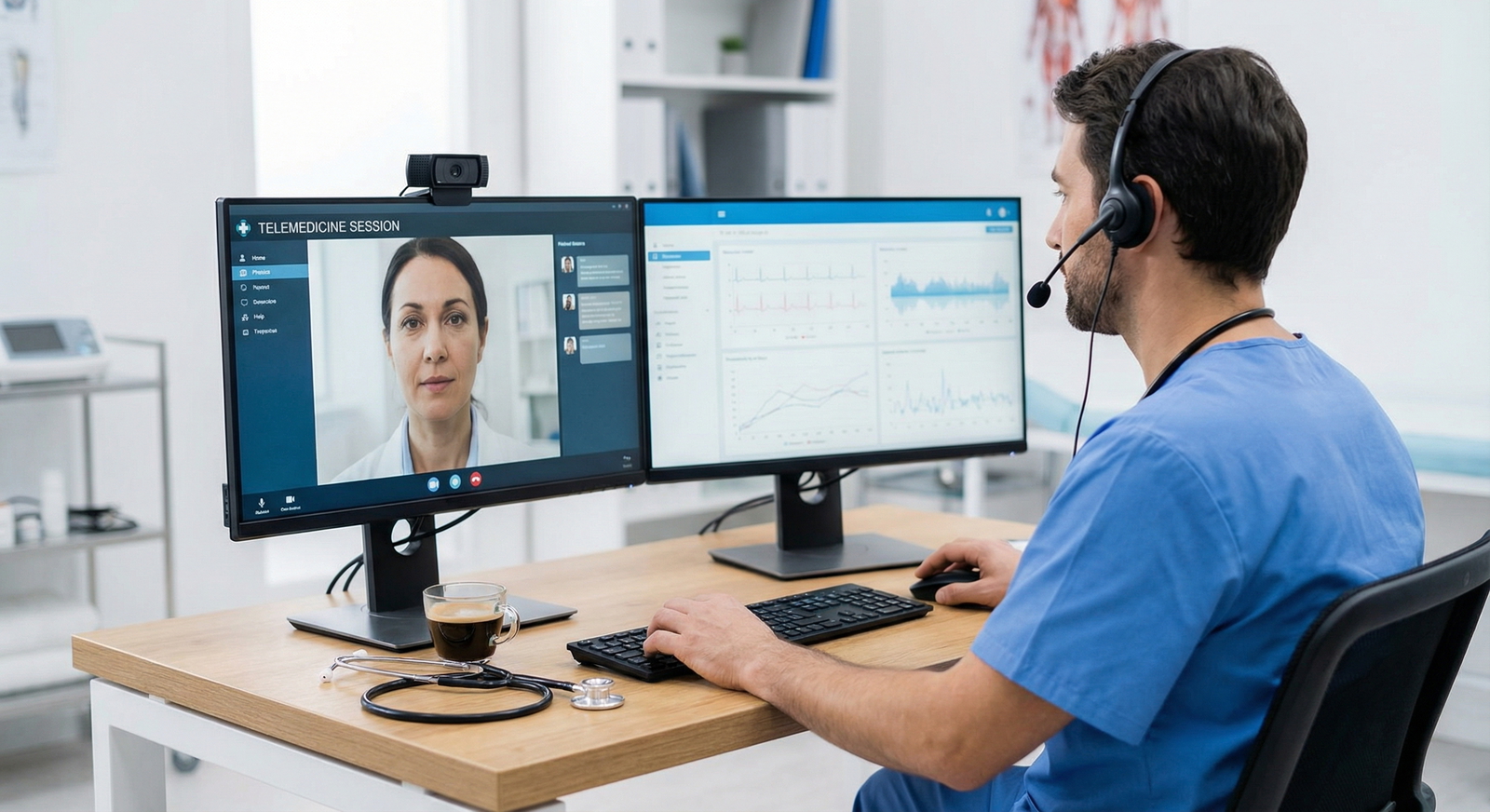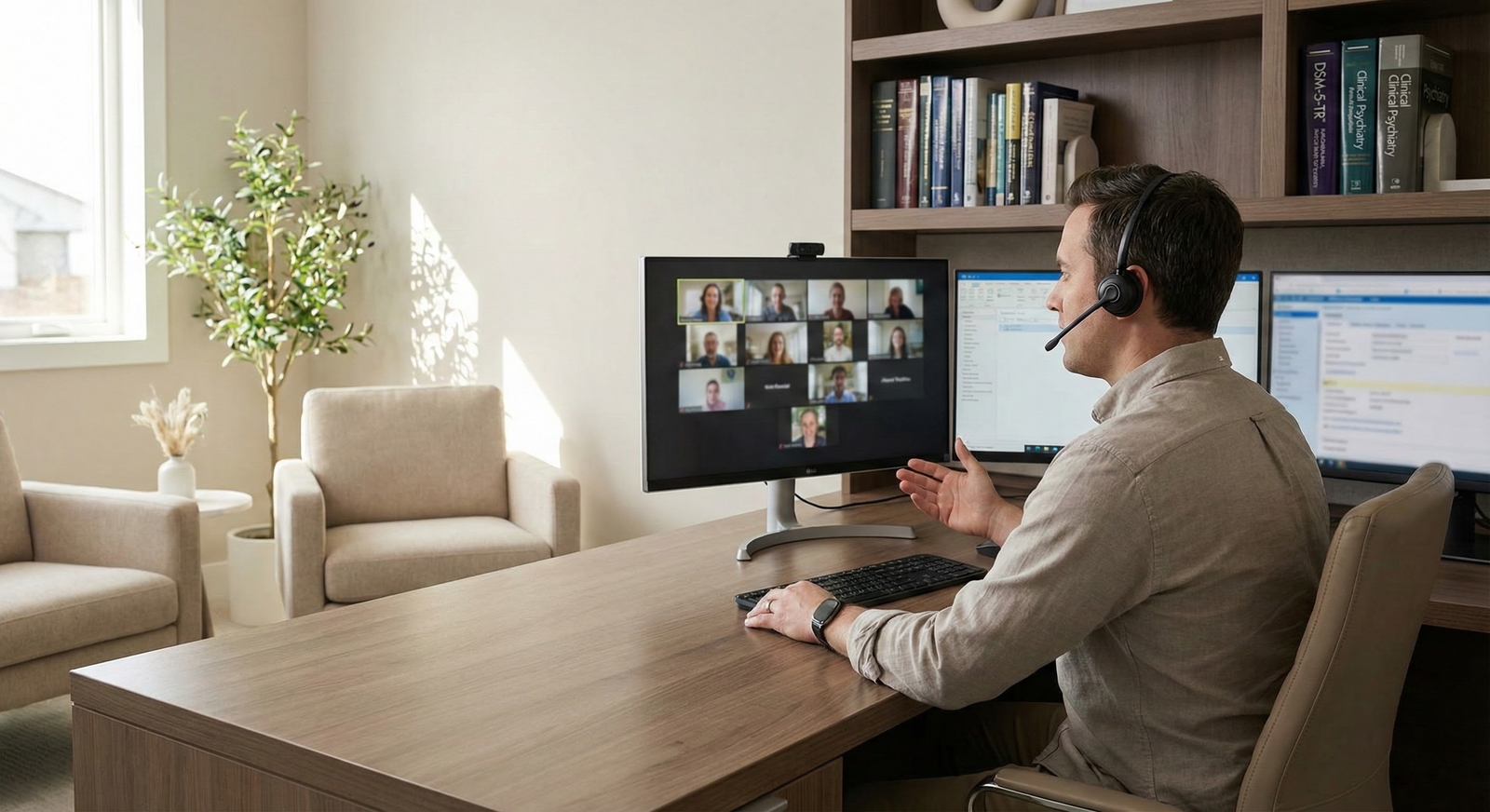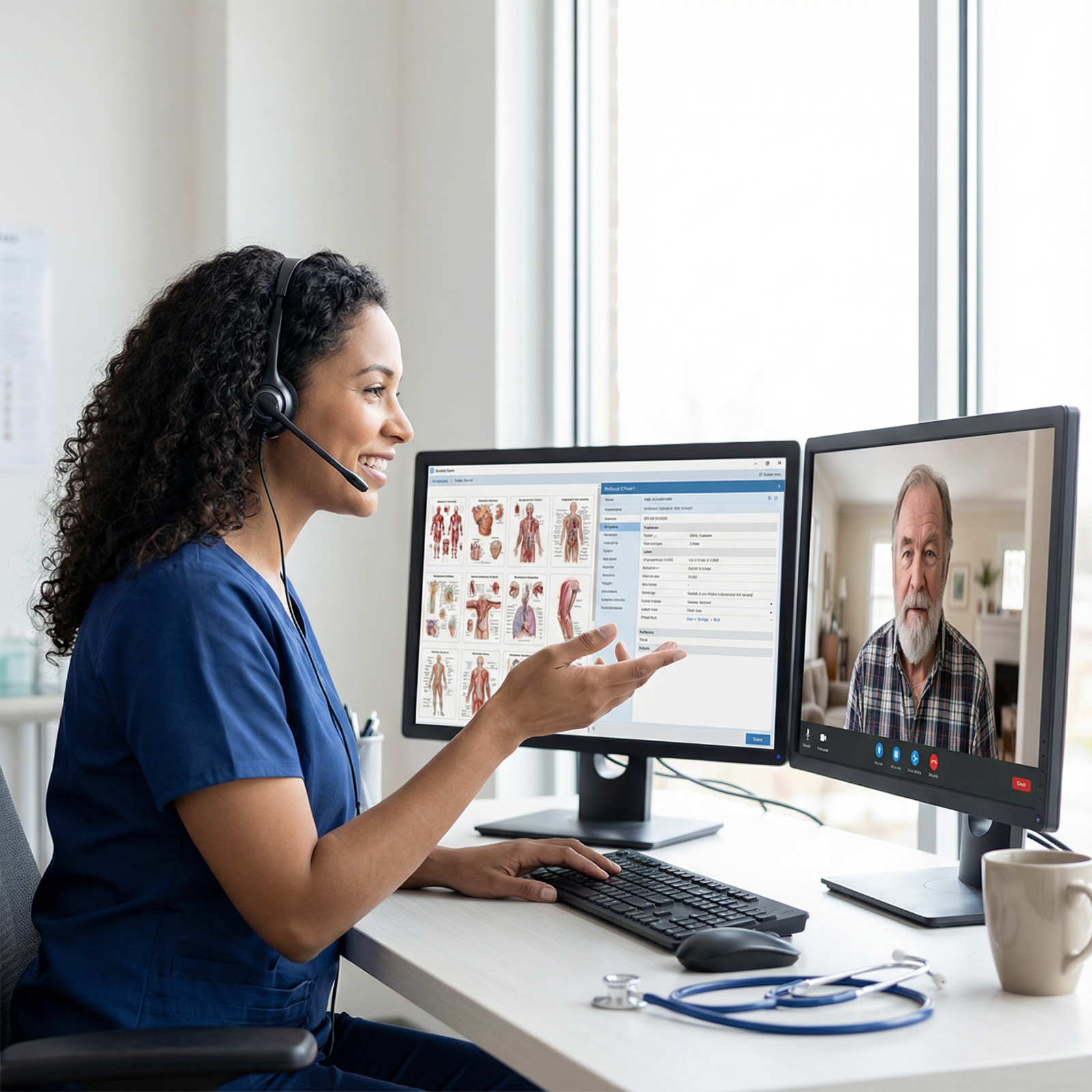
As telehealth becomes a core component of modern healthcare delivery, clinicians who deliberately develop skills and obtain targeted Healthcare Certifications in telemedicine are standing out in a competitive job market. Whether you are completing residency, exploring post-residency options, or already in practice, structured Telemedicine Training and continuing education can help you deliver safe, efficient, and patient-centered virtual care—while expanding your career opportunities across Health Professions.
This enhanced guide walks you through essential telehealth certifications, qualifications, and practical strategies to build a strong, future-ready profile in digital health.
The Growing Importance of Telehealth in Modern Practice
Telehealth is now fundamental to care delivery, not a temporary pandemic workaround. Employers, payers, and patients increasingly expect clinicians to be competent in virtual care workflows, tools, and regulations.
How Telehealth Is Reshaping Care Delivery
Telehealth’s growth is driven by multiple forces:
Accessibility and equity
Remote visits reduce geographic and transportation barriers, particularly for:- Rural communities without local specialists
- Patients with mobility limitations or disabilities
- Those with limited access to childcare or flexible work schedules
Convenience for patients and providers
Virtual visits can be scheduled before/after work hours, during breaks, or from home. Clinicians can:- Integrate telehealth into existing clinic templates
- Offer follow-up visits remotely
- Reduce unnecessary in-person visits for stable, chronic conditions
Operational efficiency
Properly designed telehealth programs:- Reduce no-show rates
- Improve schedule utilization
- Streamline triage and follow-up
- Allow group education sessions and remote care coordination
Continuity of care and chronic disease management
With remote patient monitoring and asynchronous messaging, clinicians can:- Track blood pressure, blood glucose, weight, or symptoms in real time
- Adjust treatment plans sooner
- Provide frequent, lower-intensity touchpoints
Career flexibility for clinicians
Post-residency, telehealth skills open doors to:- Hybrid clinical roles (in-person + virtual)
- Fully remote positions with national telehealth platforms
- Side-gigs in after-hours urgent care, behavioral health, or chronic care management
For residents and early-career clinicians, building telehealth competency—and documenting it through certifications and Continuing Education—signals to employers that you are ready to practice safely in this evolving space.
Core Telehealth Certifications to Strengthen Your Credentials
Several professional organizations now offer structured Telemedicine Training and telehealth-focused Healthcare Certifications. While not mandatory for licensure, these credentials can distinguish you in job applications, academic promotions, and leadership roles related to digital health.
1. Telehealth Certification from the American Telemedicine Association (ATA)
The American Telemedicine Association (ATA) is one of the most recognized authorities in virtual care. Their educational offerings and frameworks are widely referenced by health systems.
Best for:
- Physicians, NPs, and PAs integrating telehealth into routine practice
- Telehealth medical directors or program leads
- Administrators and Health IT professionals designing telehealth systems
Typical training topics include:
- Clinical best practices for video, phone, and asynchronous visits
- Ethical and professional standards in virtual care (boundaries, dual relationships, emergency protocols)
- Regulatory and policy landscape, including:
- Licensure and practice location rules
- Prescribing regulations (especially controlled substances)
- State and federal telehealth coverage rules
- Billing and reimbursement workflows, documentation requirements, and modifiers
- Operational design, such as workflow mapping, staffing models, and quality metrics
Career impact:
Referencing ATA-aligned training on your CV signals that your approach to telehealth is grounded in established standards rather than “learning on the fly.”
2. Certified Telehealth Coordinator (CTC)
The Certified Telehealth Coordinator (CTC) credential, commonly associated with the Telehealth Certification Institute and similar organizations, focuses on the operational side of telehealth programs.
Ideal for:
- Clinicians interested in telehealth leadership or program management
- Practice managers and clinic administrators
- Nurses or allied health professionals acting as telehealth champions
Training typically emphasizes:
- Designing, launching, and scaling telehealth services
- Creating and updating telehealth policies and procedures
- Integrating telehealth into EHR documentation and scheduling
- Coordinating equipment, connectivity, and technical support
- Training clinical staff and front-office staff on telehealth workflows
- Measuring outcomes, patient satisfaction, and key performance indicators (KPIs)
Example career paths:
- Telehealth Program Manager in a large health system
- Virtual Care Operations Lead in a multi-specialty group
- Digital Health Implementation Specialist for a vendor or startup
For residents with an interest in administration, quality improvement, or health systems leadership, the CTC pathway can be a differentiator and a bridge to formal leadership roles.

3. TeleMental Health Certification (TMH-C)
Behavioral health is one of the most mature and successful use cases for telehealth. TeleMental Health Certification (TMH-C), offered by the Center for Credentialing & Education (CCE) and other bodies, provides specialized training for remote mental health care.
Best suited for:
- Psychiatrists and psychiatric NPs
- Psychologists, counselors, and social workers
- Primary care clinicians providing integrated behavioral health
Core competencies often covered:
- Establishing therapeutic alliance over video or phone
- Conducting psychiatric evaluations via telehealth
- Managing risk: suicidality, self-harm, or crisis situations remotely
- Informed consent specific to tele-mental health
- Cross-state practice and supervision considerations
- Cultural and contextual factors in virtual therapy
Why it matters now:
Tele-mental health is a high-demand area, with many systems recruiting clinicians specifically for virtual behavioral health roles. A TMH-C or equivalent certification can:
- Strengthen your candidacy for remote or hybrid psychiatry/therapy jobs
- Demonstrate that you understand unique ethical and legal aspects of digital mental health
- Help you negotiate for telehealth leadership or program-design responsibilities
4. Certified Health Coach (with a Telehealth Focus)
While not telehealth-specific, a Certified Health Coach credential can be highly valuable if you:
- Frequently manage chronic diseases (e.g., diabetes, hypertension, obesity)
- Want to run or collaborate with remote lifestyle medicine or wellness programs
- Are interested in population health or value-based care models
Organizations such as the National Society of Health Coaches, ACE, and others offer health coach programs.
Key skill areas:
- Motivational interviewing and behavior change frameworks
- Goal setting and accountability in remote or asynchronous formats
- Coaching for nutrition, activity, sleep, stress, and medication adherence
- Structuring brief, high-yield virtual follow-ups
Telehealth application:
Health coaching translates extremely well to virtual formats. As a physician or AP, pairing clinical decision-making with coaching skills makes your telehealth follow-ups more effective and increases patient engagement.
5. HIPAA and Privacy Compliance Certifications for Telehealth
With telehealth, privacy and security are non-negotiable. While HIPAA compliance training is often required by employers, advanced or telehealth-focused courses can deepen your understanding.
What robust HIPAA/telehealth compliance training covers:
- How HIPAA applies to video, messaging, remote monitoring devices, and cloud platforms
- Business Associate Agreements (BAAs) and vendor risk management
- Practical steps for secure telehealth practice:
- Using encrypted platforms
- Managing screen sharing and recording policies
- Securing devices in home offices or remote work setups
- Handling and reporting potential privacy breaches
- Educating staff and colleagues about best practices
Why this matters to employers:
Demonstrated competence in privacy and data security reduces organizational risk. Clinicians who understand both the clinical and regulatory sides of virtual care are highly valued for leadership roles in digital health implementation.
Essential Qualifications and Skills for Telehealth Success
Beyond formal Healthcare Certifications, employers look for a combination of licensure, technical ability, communication skills, and ongoing Continuing Education related to telehealth.
1. Appropriate Licensure and Credentialing for Telehealth Practice
Telehealth does not eliminate licensure requirements—in some ways, it complicates them.
Key considerations:
- State medical license or APRN license
You must typically be licensed in the state where the patient is located at the time of the encounter. - Multi-state practice and compacts
- For physicians, the Interstate Medical Licensure Compact (IMLC) can expedite licensing in multiple states.
- For nurses, the Nurse Licensure Compact (NLC) facilitates multi-state practice for eligible RNs and LPNs.
- Payer and hospital credentialing
- You may need separate telehealth privileging or credentialing for hospital-based virtual consults.
- Ensure that your telehealth role is clearly defined in contracts and credentialing documents.
Understanding these rules—and highlighting that understanding in interviews—reassures employers that you can practice legally and safely across jurisdictions.
2. Continuing Education and CME in Telehealth and Digital Health
Engaging in Continuing Education focused on telehealth and digital health keeps your skills current and demonstrates intentional growth.
Valuable CE topics include:
- Telehealth clinical best practices for your specialty (e.g., tele-dermatology, tele-OB, tele-cardiology)
- Remote patient monitoring (RPM) and chronic care management (CCM)
- Digital therapeutics and app-based interventions
- Legal and ethical issues in telehealth
- Equity and access in virtual care, and addressing the digital divide
Where to find telehealth CME/CE:
- Specialty societies (e.g., ACP, AAFP, APA, AANP)
- ATA conferences and online modules
- Academic medical centers with digital health tracks
- Major medical education platforms with telehealth curricula
List select telehealth CME activities on your CV under Continuing Medical Education or Professional Development to show sustained interest and expertise.
3. Technical Proficiency with Telehealth Platforms and Tools
Competence with telehealth technology is now part of core clinical skills.
Platforms and tools to know:
- Video visit platforms (e.g., Doxy.me, Zoom for Healthcare, Amwell, Teladoc, or your system’s EHR-based tools)
- EHR-integrated telehealth workflows: scheduling, consent, documentation, and coding
- Remote patient monitoring devices and dashboards
- Secure messaging, e-consults, and asynchronous telehealth tools
Practical ways to build technical skills:
- Ask to participate in your institution’s telehealth pilot projects
- Attend vendor training sessions and “super-user” classes
- Practice mock visits with colleagues to troubleshoot audio, video, and lighting issues
- Learn basic home-office optimization: camera angle, sound quality, background professionalism
Highlighting specific platforms you’re trained on (e.g., “Experienced with Epic-integrated video visits and remote monitoring workflows”) can be a plus on applications.
4. High-Impact Communication Skills for Virtual Care
Effective telehealth is not just about technology—it’s about human connection through a digital medium.
Key telehealth communication competencies:
- Structured visit openings:
Confirm patient location (for emergency planning), verify identity, and set expectations for the virtual visit. - Nonverbal communication:
Looking at the camera, maintaining appropriate eye contact, and using facial expressions and body language to convey empathy. - Verbal clarity:
Using plain language, checking understanding frequently, and summarizing next steps at the end of the visit. - Managing distractions and delays:
Handling audio lag, visual interruptions, or technical issues calmly and professionally. - Health literacy and digital literacy awareness:
Adjusting your explanations and platform instructions to patient needs.
Residents can practice these skills during any available telehealth rotations or by asking attendings for feedback after virtual encounters.
5. Cultural Competence and Equity in Telehealth
Telehealth has the potential to improve or worsen disparities, depending on how it is implemented.
Telehealth-specific equity considerations:
- Access to devices, broadband, and private space for visits
- Language access and availability of interpreters on virtual platforms
- Cultural perceptions of remote care and technology
- Trust, privacy concerns, and digital literacy in different communities
Demonstrating awareness of these issues—and incorporating strategies to mitigate inequities—can make you especially valuable to institutions focused on health equity and community outreach.
Real-World Applications: Matching Certifications to Career Paths
Telehealth looks different in primary care, specialty care, mental health, and population health. Aligning your certifications and Telemedicine Training with your intended career path can maximize impact.
Primary Care and Chronic Disease Management
Recommended focus:
- ATA-aligned telehealth practice training
- Health coach or behavioral change certification
- RPM and chronic care management CE
Common telehealth uses:
- Follow-ups for hypertension, diabetes, COPD, or heart failure
- Medication titration and monitoring side effects
- Lifestyle coaching and adherence support
- Preventive care counseling and shared decision-making
Tele-Mental Health and Behavioral Health
Recommended focus:
- TeleMental Health Certification (TMH-C) or equivalent
- Advanced training in suicide risk assessment via telehealth
- Trauma-informed and culturally sensitive tele-therapy training
Common telehealth uses:
- Individual therapy and psychiatric follow-ups
- Collaborative care consults with primary care teams
- Substance use counseling and MAT follow-ups
Specialty Consultations and Tertiary Care
Recommended focus:
- Specialty-specific telehealth courses (e.g., tele-dermatology image capture rules, tele-cardiology RPM)
- CTC or similar program for specialists moving into virtual consult leadership
Common telehealth uses:
- e-Consults and second opinions for community providers
- Post-op or post-hospitalization virtual follow-ups
- Remote stroke or ICU consults in hub-and-spoke systems
Health Systems Leadership and Digital Health Innovation
Recommended focus:
- Certified Telehealth Coordinator (CTC) or equivalent
- HIPAA/compliance and risk management training
- Project management or Lean/Six Sigma courses
- Continuing Education in digital health innovation, AI in healthcare, and virtual care strategy
Common roles:
- Telehealth Medical Director
- Director of Virtual Care Programs
- Digital Health Implementation Specialist
- Consultant for health systems or telehealth vendors

Practical Steps to Build a Telehealth-Focused Career Post-Residency
To translate interest into a tangible career edge, take a structured approach.
Step 1: Assess Your Current Skills and Gaps
Ask yourself:
- Have I had meaningful exposure to telehealth during training?
- Do I understand legal and billing basics for my specialty?
- Am I comfortable conducting a full, high-quality virtual visit?
- Do I know which certifications align with my career goals (clinical vs. leadership vs. consulting)?
Use this self-assessment to prioritize which Healthcare Certifications or Telemedicine Training programs to pursue first.
Step 2: Select Targeted Certifications and CE Activities
You do not need every certification available. Instead:
- Choose 1–2 anchor certifications that fit your near-term goals (e.g., TMH-C + HIPAA refresh for a psychiatry role).
- Supplement with 2–3 focused CME/CE courses each year on telehealth topics relevant to your practice.
Document these clearly on your CV under Certifications, Professional Training, or Continuing Education.
Step 3: Seek Real-World Telehealth Experience Early
Certifications are powerful when paired with actual practice:
- Ask for telehealth shifts during residency or as a moonlighting opportunity.
- Join quality improvement or workflow redesign projects focused on telehealth.
- Volunteer for digital health committees or virtual care working groups.
- Offer to help train peers or junior learners in telehealth basics—teaching reinforces your own skills.
Employers value candidates who can point to concrete contributions, not just course completion.
Step 4: Showcase Telehealth Expertise in Applications and Interviews
To stand out when applying for post-residency and job market opportunities:
- Mention telehealth projects and certifications in your personal statement or cover letter.
- Include a Telehealth Skills subsection on your CV, listing:
- Platforms used
- Approximate number of telehealth encounters
- Relevant certifications and CME
- Any leadership or quality-improvement roles in virtual care
- Prepare specific STAR (Situation–Task–Action–Result) stories illustrating how you:
- Solved a telehealth-related challenge
- Improved a virtual workflow
- Managed a complex patient safely through telehealth
This demonstrates not only knowledge, but also your ability to apply it.
Telehealth Certifications and Qualifications: Frequently Asked Questions
Q1: Are telehealth certifications required to practice telemedicine?
Not usually. Most states do not require a telehealth-specific certification for clinicians to provide virtual care. However, organizations increasingly prefer or strongly value formal Telemedicine Training, especially for leadership roles or high-volume virtual positions. Certifications help demonstrate competency, risk awareness, and commitment to quality.
Q2: How long does it typically take to earn a telehealth-related certification?
Timeframes vary by program:
- Short courses (HIPAA/telehealth compliance refreshers): hours to 1–2 days
- Coordinator or program management certifications (e.g., CTC): several weeks of part-time study
- Tele-mental health certifications: often 20–40 hours of coursework plus practice integration
Most programs are self-paced and online, making them manageable during residency or early practice.
Q3: Do telehealth certifications and CME need to be renewed?
Many certifications require renewal or ongoing Continuing Education to stay active. Renewal may involve:
- Completing a specified number of telehealth-related CE hours every 1–3 years
- Paying a renewal fee
- Attesting to continued practice in telehealth
Always review specific program policies and track expiration dates just as you would for board certification or ACLS.
Q4: Can I provide telehealth across state lines with a single license?
Generally no. You typically must be licensed in the patient’s state at the time of the encounter. However:
- Some states participate in licensure compacts (e.g., IMLC, NLC) that streamline obtaining multiple licenses.
- Temporary waivers existed during the COVID-19 public health emergency but have largely expired.
- Each state has its own rules—always verify current regulations and consult your employer’s legal/compliance teams.
Knowing these details—and mentioning that in interviews—signals that you understand the legal landscape.
Q5: How can I gain telehealth experience if my residency program offers limited exposure?
Options include:
- Asking program leadership to join or help develop a telehealth continuity clinic or elective
- Seeking moonlighting opportunities with reputable telehealth organizations (when permitted)
- Participating in telehealth QI projects or research, such as evaluating no-show rates or patient satisfaction
- Completing simulation-based telehealth OSCEs or workshops offered by academic centers
- Shadowing faculty who already run significant portions of their practice virtually
Pairing this experience with formal Healthcare Certifications creates a strong narrative of initiative and preparedness.
By intentionally combining licensure, targeted Telemedicine Training, telehealth-focused Continuing Education, and real-world experience, you can position yourself at the forefront of digital health. As virtual care continues to shape the future of Health Professions, early-career clinicians who invest in telehealth competencies will be well-placed to lead, innovate, and thrive.