Is Telemedicine the Future? Emerging Digital Health Careers for a Post‑Residency World
Telemedicine has moved from the margins of healthcare to the mainstream in just a few years. What began as a niche service for rural patients and after-hours triage is now a central pillar of care delivery—deeply embedded in primary care, behavioral health, urgent care, and even some specialties. For residents and early-career clinicians planning their next steps, understanding telemedicine and digital health is no longer optional; it directly shapes your future job market and career options.
This expanded guide explores the evolution of telemedicine, the lasting COVID-19 impact on care delivery, and the rapidly growing career opportunities across Remote Healthcare and Digital Health. You’ll find practical insights tailored to medical students, residents, fellows, and new attendings considering how telemedicine will intersect with their long‑term Healthcare Careers.
The Evolution of Telemedicine and Its COVID-19 Impact
From Radio Medicine to Integrated Digital Health
Telemedicine is often framed as a new phenomenon, but its roots stretch back a century:
- 1920s–1960s: Ship-to-shore radio allowed physicians to advise crews and passengers at sea. Early teleradiology experiments used telephone lines and slow image transmission.
- 1970s–1990s: Academic centers and the VA pioneered early telepsychiatry and remote consults, typically via expensive, dedicated video links.
- 1990s–2010s: Widespread internet access, webcams, and smartphones lowered barriers. Pilot programs in teledermatology, telecardiology, and tele-ICU became more common, though usually limited by reimbursement and regulation.
By the late 2010s, telemedicine remained underused despite proven benefits. Many clinicians saw it as an adjunct—useful for rural outreach or low-acuity follow-up—but not as a core part of routine care.
COVID-19: The Turning Point for Remote Healthcare
The COVID-19 pandemic fundamentally changed the trajectory of telemedicine:
- Explosive adoption: Lockdowns, clinic closures, and infection control imperatives forced systems to move rapidly to Remote Healthcare models. Many practices went from <5% virtual visits to >70% virtually almost overnight.
- Regulatory flexibility: Emergency policies temporarily relaxed:
- State licensure barriers for cross-state telehealth
- Restrictions on originating site (patients could be at home)
- Reimbursement parity for telehealth vs in-person visits
- Normalization among patients and clinicians: Patients of all ages became comfortable using video platforms, and clinicians saw that meaningful clinical encounters were often possible without a physical room.
Analyses from major consulting groups showed telehealth utilization stabilizing at tens of times higher than pre-pandemic levels. Importantly, instead of returning entirely to the old model, many systems adopted hybrid care—mixing in-person and virtual visits based on need.
For those pursuing Healthcare Careers post-residency, this shift means:
- Telemedicine skills are now an expected competency, not a niche interest.
- Many job descriptions explicitly include virtual care components.
- Organizations increasingly design workflows around digital-first or hybrid models.
Current Forms of Telemedicine and Digital Health
Telemedicine today is much more than a simple video call. It encompasses a range of Digital Health tools and services:
- Synchronous video consultations
- Primary care, urgent care, and specialist visits via secure platforms
- Group visits for chronic disease education or shared medical appointments
- Remote Patient Monitoring (RPM)
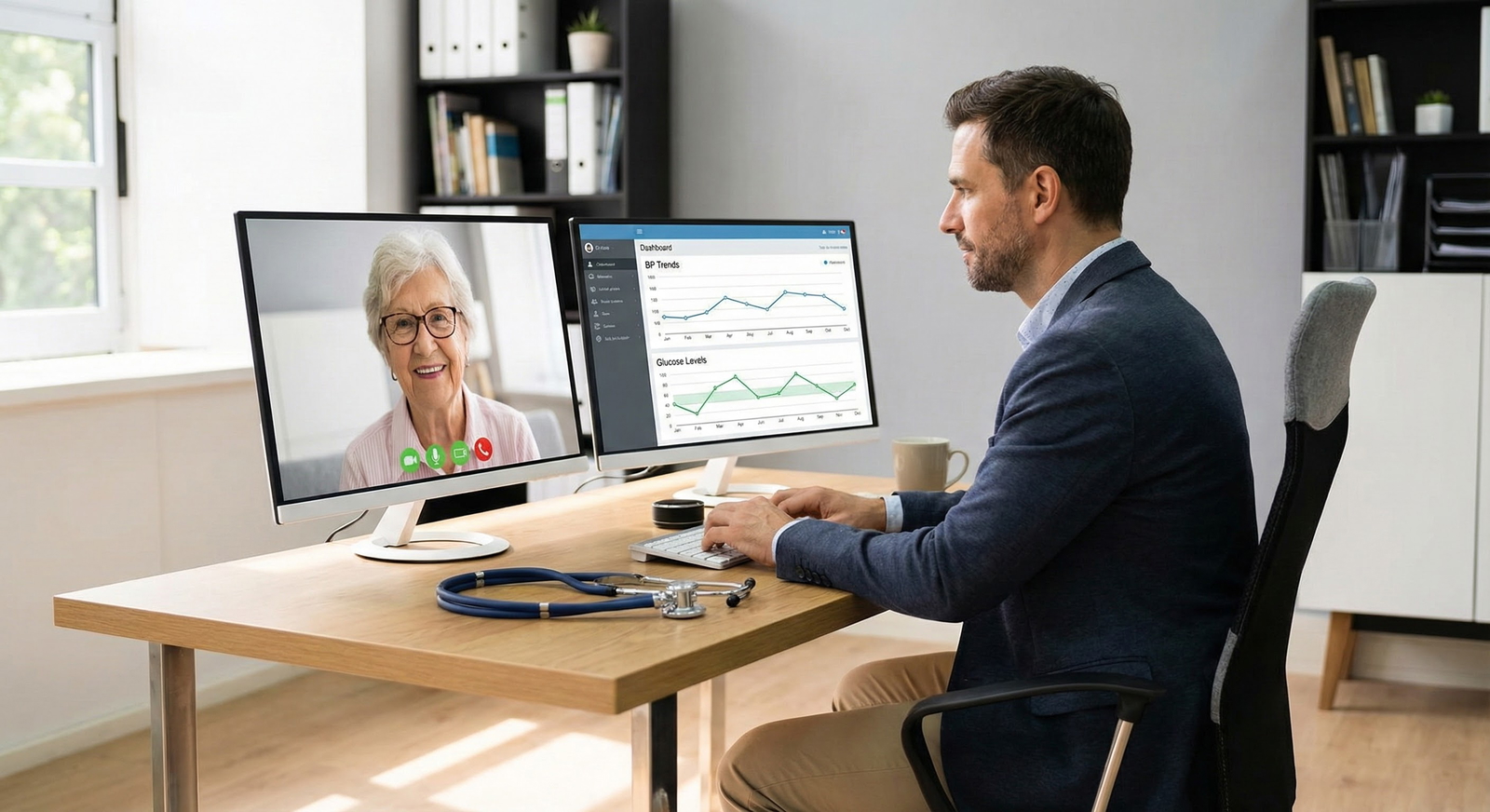
- Home devices for blood pressure, glucose, weight, oxygen saturation, and more
- Data streams to dashboards monitored by clinicians or RPM teams
- Asynchronous telehealth (store-and-forward)
- E-consults between primary care and specialists
- Patient-initiated messages, photos (e.g., rashes), and questionnaires
- Mobile health (mHealth) applications
- Symptom checkers and triage tools
- Chronic disease management apps for diabetes, heart failure, COPD, and mental health
- Behavioral telehealth / teletherapy
- Psychotherapy, psychiatry, substance use treatment, and collaborative care
- Telepharmacy services
- Medication therapy management, adherence counseling, and post-discharge follow-up
Across these modalities, telemedicine enables new care models, such as hospital-at-home programs, virtual urgent care, and continuous remote disease management.
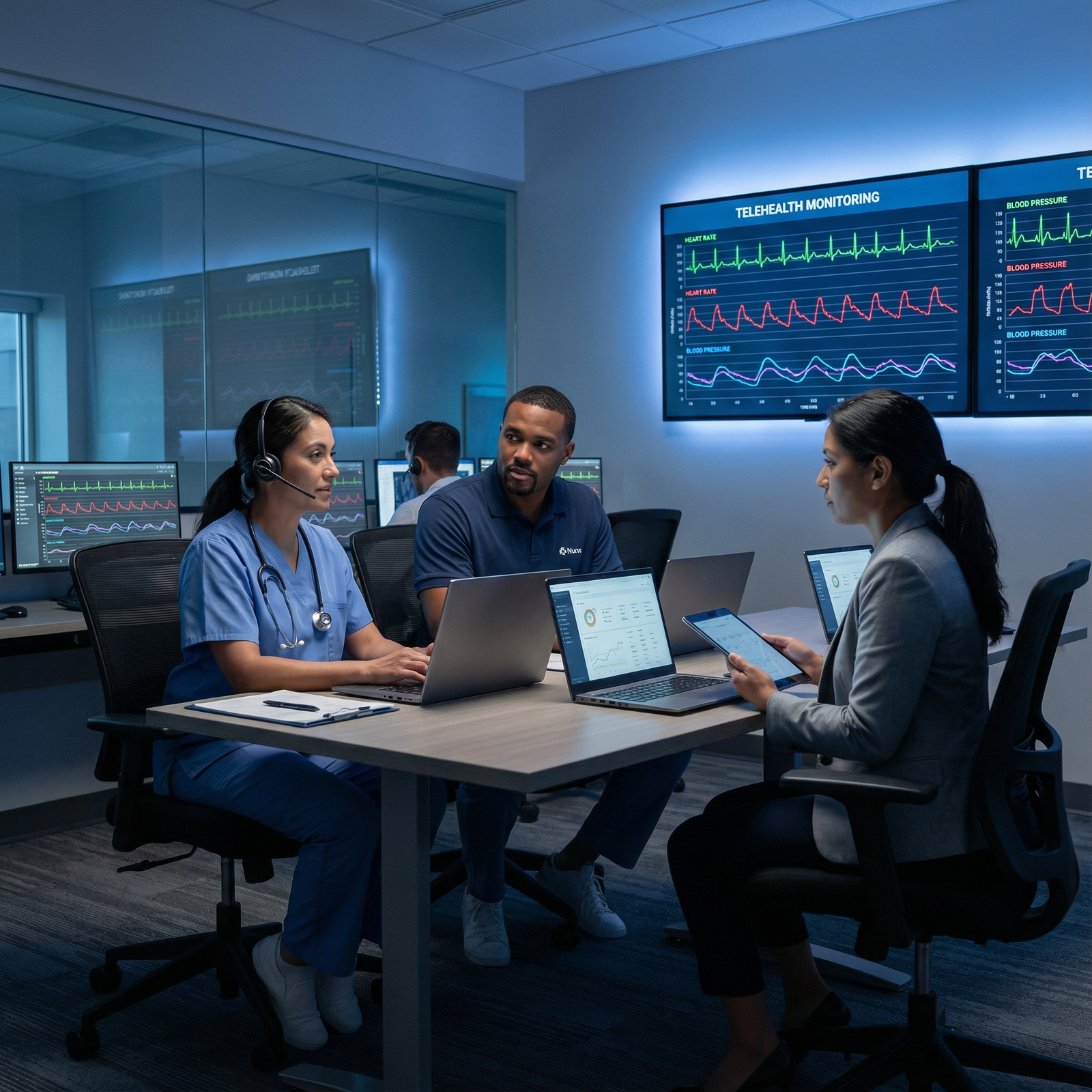
Why Telemedicine Matters for Modern Healthcare Careers
Key Benefits of Telemedicine for Patients
Telemedicine’s value proposition is clear from the patient’s perspective—understanding this helps you communicate its benefits and use it effectively in practice:
Improved access for underserved groups
- Rural and remote patients: Access specialists without traveling several hours.
- Patients with mobility or transportation barriers: Those with disabilities, elderly patients, or those without reliable transport can still receive timely care.
- Patients with caregiving responsibilities: Parents, caregivers, or those with inflexible work schedules find virtual visits easier to attend.
Convenience and time savings
- Reduced time off work and fewer logistical challenges (no parking, waiting rooms, or travel).
- Faster access for straightforward issues: medication refills, minor acute concerns, or stable chronic disease follow-up.
Enhanced privacy and comfort
- Behavioral health patients may feel more comfortable engaging from home.
- Sensitive topics (sexual health, mental health, addiction) can sometimes be easier to address virtually.
Benefits and Trade-Offs for Clinicians
Telemedicine also has important implications for physicians, NPs, PAs, and other clinicians:
Schedule flexibility
- Opportunities for part-time virtual shifts, evening/weekend coverage from home, or supplemental income.
- Ability to design mixed schedules (clinic + virtual) that fit family or research commitments.
Expanded geographic reach
- Potential to serve patients beyond your immediate area (subject to licensure rules).
- Opportunities to work with national telehealth companies or digital health startups.
Efficiency and panel management
- Quick virtual visits for specific issues can free in-person capacity for more complex cases.
- Easier touchpoints for follow-up and medication titration can improve outcomes and reduce no-show rates.
However, there are trade-offs:
Clinical limitations
- No physical exam (or limited exam), reliance on patient-reported data.
- Not all complaints are appropriate for virtual evaluation (e.g., acute abdominal pain, neurologic emergencies).
Workflow and burnout risks
- Message overload and “invisible work” if not properly structured and compensated.
- Potential for blurred boundaries when working from home if clear policies are not set.
For post-residency job seekers, it’s crucial to ask employers how they structure telemedicine time, document expectations, and compensate virtual visits relative to in-person care.
Cost-Effectiveness and Health System Implications
From a system level, telemedicine is increasingly seen as a tool to improve value:
- For patients
- Less travel and associated costs.
- Reduced indirect costs such as lost wages and childcare.
- For payers and health systems
- Potential reduction in unnecessary ED visits and hospitalizations via effective remote follow-up.
- Smaller physical footprints or more efficient use of clinic space.
- For population health
- Telemedicine supports proactive outreach to high-risk patients.
- Integration with RPM can identify early deterioration and prevent complications.
That said, reimbursement models are still evolving, and long-term sustainability depends on payers recognizing and appropriately valuing telehealth’s contributions.
Telemedicine and Patient Engagement
Telemedicine, combined with Digital Health tools, can deepen patient engagement:
- Continuous touchpoints with RPM and messaging encourage self-monitoring.
- Personalized reminders and nudges via apps improve medication adherence and lifestyle changes.
- Shared decision-making tools integrated into virtual visits help patients understand options and participate actively.
For clinicians, developing skills in digital communication, motivational interviewing via video, and remote monitoring interpretation will be increasingly important.
Emerging Telemedicine and Digital Health Career Paths
Telemedicine is transforming not just how care is delivered, but also what healthcare jobs look like. Many of these roles can be full-time, part-time, or blended with traditional clinical work.
1. Telehealth Nurse (RN, NP, or PA in Telemedicine Roles)
Telehealth nurses play central roles in Remote Healthcare programs, from triage to chronic disease management:
- Conducting phone or video triage and symptom assessment
- Managing RPM dashboards and escalating concerning trends
- Providing education on new diagnoses, medications, and lifestyle changes
- Coordinating care between primary care, specialists, and ancillary services
Key skills and competencies:
- Clear, structured communication without physical cues
- Comfort with telehealth platforms, EHR-integrated tools, and remote monitoring systems
- Ability to guide patients through limited physical self-exams (e.g., checking edema, pulse, or respiratory rate)
- Strong clinical judgment about which cases are safe to manage virtually vs require in-person or ED evaluation
For NPs and PAs, telemedicine roles may include virtual primary care, urgent care, or specialty follow-up, often with flexible scheduling and the option to work from home.
2. Telemedicine Coordinator and Program Manager
Telemedicine coordinators and program managers sit at the intersection of clinical care, operations, and technology. They ensure that telehealth services run smoothly:
- Designing workflows for virtual visits, including intake, check-in, and documentation
- Training staff and clinicians on platforms, best practices, and digital etiquette
- Monitoring metrics such as no-show rates, visit volumes, and patient satisfaction
- Troubleshooting technical issues and liaising with IT and vendors
Ideal backgrounds:
- Clinicians or allied health professionals transitioning into operations
- Individuals with experience in practice management, quality improvement, or project management
For residents interested in leadership, quality, or administrative tracks, a telemedicine program role can be an excellent bridge into healthcare management.
3. Remote Patient Monitoring (RPM) Specialist
RPM specialists are essential in programs managing chronic conditions like heart failure, diabetes, COPD, and hypertension remotely:
- Monitoring large panels of patients through dashboards
- Identifying abnormal trends (e.g., weight gain, rising blood pressure, decreased activity)
- Escalating alerts to clinicians and coordinating timely interventions
- Educating patients on proper device use and interpreting their own data
Skills required:
- Strong analytic skills to recognize meaningful trends vs noise
- Familiarity with clinical pathways and escalation protocols
- Comfort working with data visualization tools and integrated EHR dashboards
- Communication skills to coach patients on behavior change and adherence
These roles are often filled by nurses, pharmacists, allied health professionals, or trained technicians working within multidisciplinary teams.
4. Telehealth Pharmacist and Digital Pharmacy Roles
Pharmacists are increasingly embedded in telemedicine workflows, filling important gaps in medication management:
- Conducting video or phone medication therapy management (MTM)
- Collaborating with physicians to optimize complex regimens (e.g., anticoagulation, heart failure, diabetes)
- Managing adherence programs using apps and smart pill devices
- Providing post-discharge medication reconciliation to reduce readmissions
Key competencies:
- Deep pharmacotherapy expertise
- Ability to translate complex regimens into understandable plans remotely
- Use of electronic prescribing tools, drug interaction checkers, and communication platforms
- Understanding of state-specific telepharmacy regulations
Pharmacists with digital health interest can also work with app developers and health systems to design better medication adherence tools.
5. Health Informatics and Clinical Data Specialist in Telehealth
As telemedicine scales, the volume of data it generates requires professionals who can harness it:
- Integrating telehealth platforms with EHRs for seamless documentation and ordering
- Ensuring data security, privacy, and compliance with HIPAA and other regulations
- Building dashboards to track telehealth quality metrics and outcomes
- Supporting clinicians with decision support tools and workflow optimization
Typical backgrounds:
- Clinicians with informatics training
- Health information management professionals
- Data scientists or engineers with healthcare experience
For residents considering informatics fellowships or dual degrees (e.g., MD/MS in Biomedical Informatics), telemedicine programs offer rich opportunities for impact.
6. Behavioral Telehealth Provider
Behavioral health is one of the domains where telemedicine has had the most profound and lasting effect:
- Psychiatrists, psychologists, social workers, and counselors can reach patients who would otherwise go untreated.
- Virtual group therapy, CBT, and integrated collaborative care models have expanded rapidly.
- Telepsychiatry is now routine in many EDs, primary care clinics, and colleges.
Key skills for tele-behavioral health:
- Building therapeutic alliance without physical presence
- Managing risk (including suicidality) across distances with clear protocols
- Navigating licensure and jurisdictional rules for cross-state practice
- Mastery of privacy, confidentiality, and ethical standards in teletherapy
For psychiatry residents and behavioral health trainees, telemedicine competency is now foundational and opens doors to flexible, location-independent careers.
Looking Ahead: The Future of Telemedicine and Digital Health Careers
Challenges That Still Need to Be Addressed
Telemedicine is not without problems. As you plan your career, it’s important to understand these unresolved issues:
- Regulatory complexity
- Varied state licensure requirements for cross-state practice.
- Evolving rules about which services can be delivered virtually, and how.
- Reimbursement uncertainty
- Temporary COVID-19 flexibilities may change.
- Parity laws differ by state and payer, affecting how virtual work is valued.
- Digital divide and health equity
- Patients without broadband, devices, or digital literacy can be left behind.
- Elderly, low-income, and some minority communities may face particular barriers.
- Data privacy and security
- Increased cyber risk with more distributed endpoints (home devices, apps).
- Need for robust policies and training to prevent data breaches.
Clinicians entering the workforce today will play a role in shaping policy, advocacy, and practical solutions to these issues.
Emerging Trends Reshaping Telemedicine
Several powerful trends are likely to influence telemedicine and related Healthcare Careers over the coming decade:
AI and clinical decision support
- Triage chatbots that help route patients to appropriate care levels.
- Tools that summarize patient histories, prior notes, and RPM data before the visit.
- Image analysis in teledermatology, ophthalmology, and radiology aiding diagnosis.
Precision and personalized digital health
- Integration of genomics, wearables, and lifestyle data into tailored care plans.
- Digital therapeutics—software as a medical treatment—for conditions like insomnia, depression, or diabetes.
Globalization of care
- Cross-border consultations and second-opinion services.
- Potential for clinicians to work with international telehealth platforms (within regulatory frameworks).
Hybrid and “digital front door” models
- Virtual triage as the entry point to many health systems.
- Use of telemedicine to pre-visit screen, risk-stratify, and streamline in-person encounters.
For residents and fellows, this means that digital literacy, comfort with data, and adaptability will be core professional competencies—just like physical exam skills or procedural abilities.
Practical Career Planning Tips for Residents and Early-Career Clinicians
If you’re considering how to align your career with telemedicine and Digital Health:
During training:
- Seek out rotations in telehealth clinics, RPM programs, or digital health innovation teams.
- Ask to participate in quality improvement projects involving virtual care.
- Learn core telemedicine competencies: virtual exam techniques, remote triage, and effective video communication.
Early career:
- When evaluating job offers, ask:
- What proportion of care is virtual vs in-person?
- How is telemedicine scheduled, supported, and reimbursed?
- What training and technical support are provided?
- Consider part-time roles with telehealth companies to diversify experience.
- When evaluating job offers, ask:
Long term:
- Explore advanced training: informatics fellowships, MPH/MPH, or MBA with digital health focus.
- Get involved in institutional telehealth committees, policy advocacy, or guideline development.
- Stay current on evolving regulations, best practices, and technology platforms.

Frequently Asked Questions (FAQs) About Telemedicine Careers
1. Is telemedicine really the future of healthcare, or just a COVID-era trend?
Telemedicine usage surged because of COVID-19, but subsequent data show that utilization has stabilized at far higher levels than before the pandemic. Most major health systems now consider telemedicine a permanent, strategic component of care delivery. While the exact balance between virtual and in-person visits will continue to evolve by specialty and population, hybrid care models are here to stay. For new clinicians, telemedicine competency will be an expected part of standard practice.
2. Which specialties are best suited for telemedicine and Remote Healthcare?
Telemedicine can add value across many fields, but some specialties lend themselves particularly well:
- Highly compatible: Primary care, psychiatry, psychology, endocrinology, allergy/immunology, dermatology (store-and-forward), sleep medicine.
- Moderately compatible: Cardiology (follow-up), oncology survivorship, rheumatology, infectious disease.
- More procedure-dependent: Surgery, orthopedics, and some procedural subspecialties use telemedicine mainly for pre-op assessments, post-op follow-up, or triage rather than core interventions.
Regardless of specialty, most clinicians will use telemedicine at least part of the time—for follow-ups, education, and coordination.
3. What skills should residents develop now to be competitive for telemedicine-related jobs?
Key skills include:
- Technical fluency: Comfort with major telehealth platforms, EHR integration, and basic troubleshooting.
- Virtual communication: Clear, concise explanations; managing rapport and empathy over video or phone.
- Remote assessment: Knowing what can be safely managed virtually and when to escalate to in-person or emergency care.
- Digital professionalism: Understanding privacy, security, and documentation standards for telehealth.
- Data literacy: Basic understanding of RPM data, dashboards, and outcome tracking.
You can build these skills through telemedicine clinics, electives in digital health, informatics projects, and self-directed learning.
4. How will telemedicine affect physician compensation and job structure?
This is evolving and varies by institution and payer. Broad patterns include:
- Many employers now credit telemedicine visits toward RVU targets similarly to in-person visits.
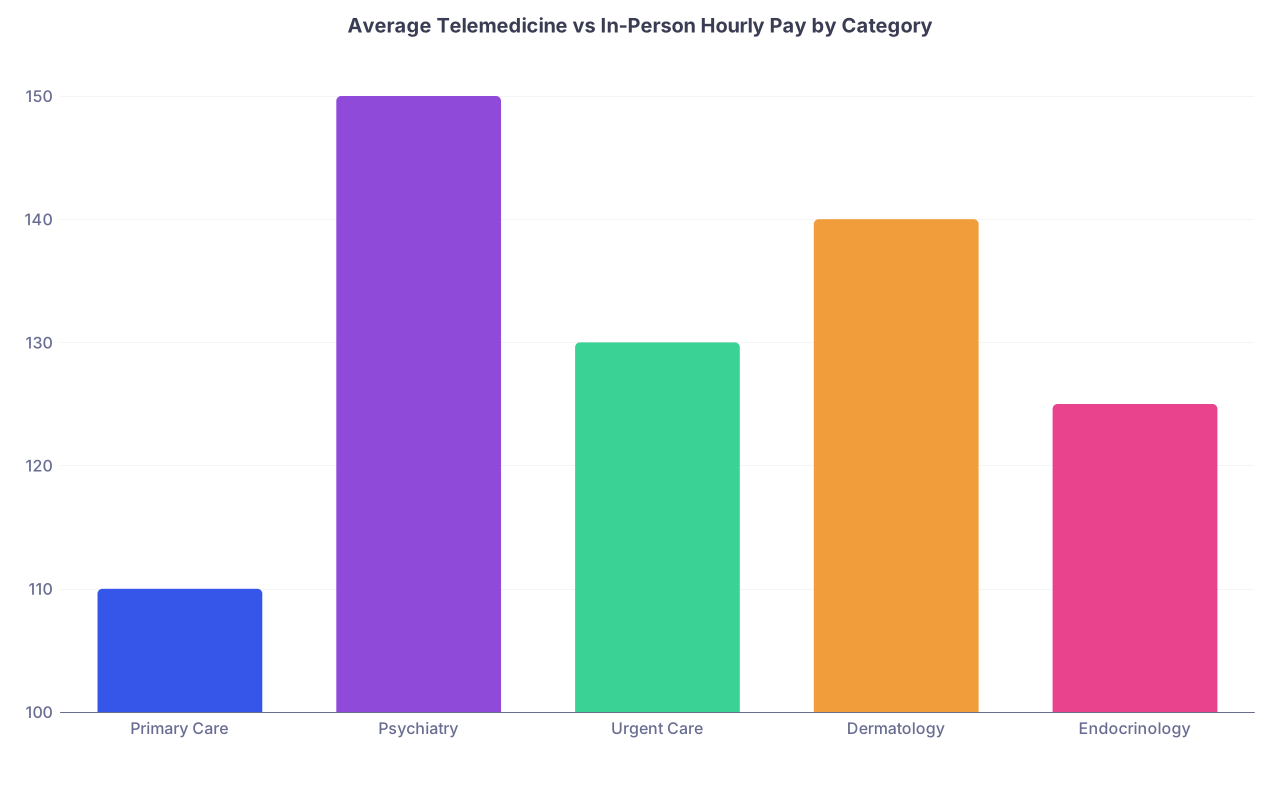
- Some organizations pay telehealth-specific rates or offer per-diem telehealth shifts.
- Compensation may be tied not just to visit volume but to panel management and outcomes, especially in value-based care models supported by RPM and telehealth.
When interviewing for jobs, explicitly ask how virtual work is counted, compensated, and supported, and whether there are expectations for after-hours messaging or call tied to telemedicine platforms.
5. Can I build a fully remote healthcare career, or will I always need some in-person work?
Fully remote clinical roles do exist—particularly in:
- Tele-urgent care and virtual primary care
- Behavioral telehealth (psychiatry, psychology, therapy)
- Teleradiology
- Some subspecialty consult services
However, many clinicians prefer (and many specialties require) a hybrid model with both in-person and virtual care. Licensure, scope of practice, and personal preferences will influence the balance. For long-term career resilience, maintaining some in-person skills and relationships is often advantageous, even if a substantial portion of your work is remote.
Telemedicine is no longer just an interesting side note in healthcare—it is a core component of how care is delivered, coordinated, and experienced. For residents and early-career clinicians planning their path in the post-residency job market, understanding and embracing Remote Healthcare and Digital Health will expand your options, enhance your impact, and future-proof your career in a rapidly changing healthcare landscape.