Introduction: How Medical Missions Shape Resilient Clinicians
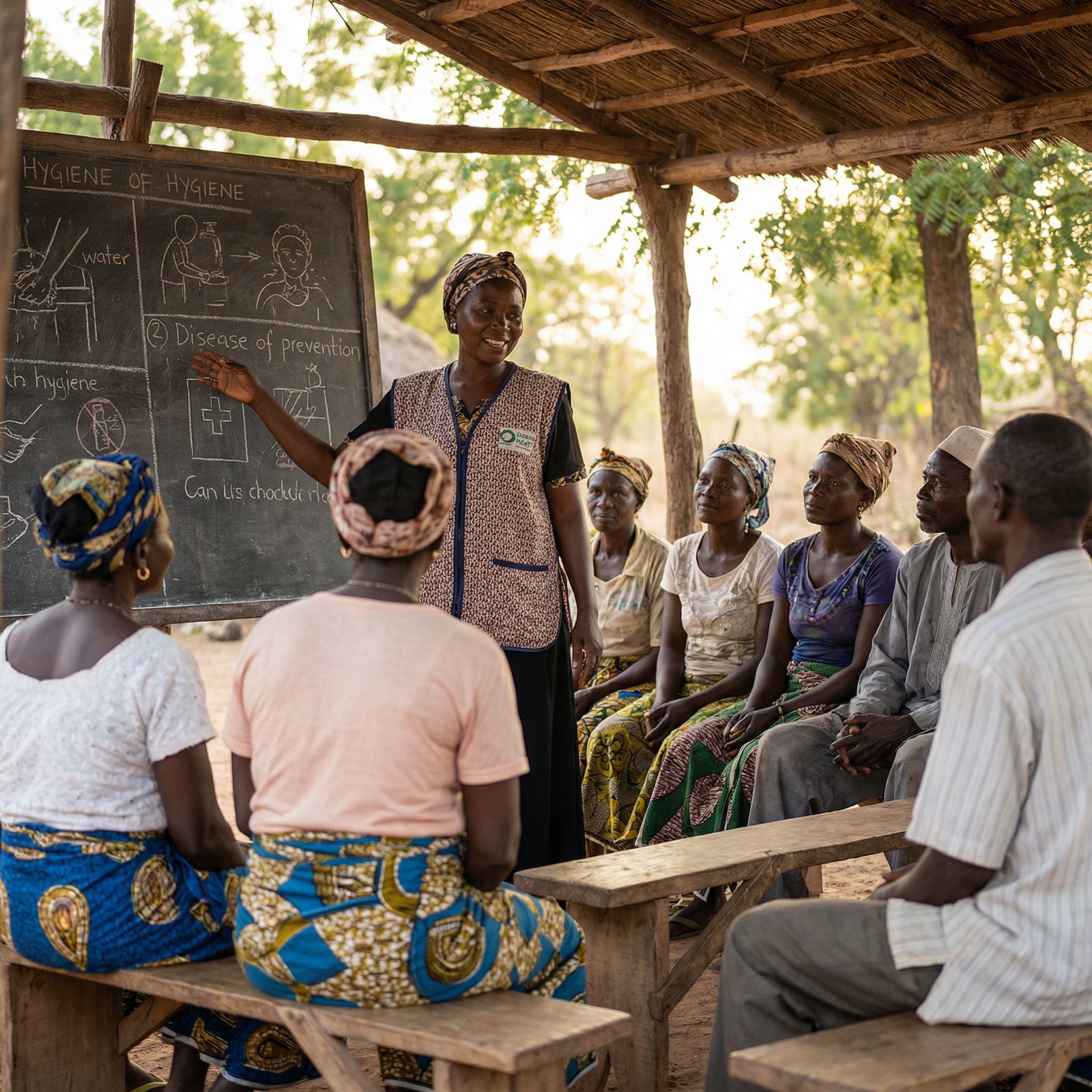
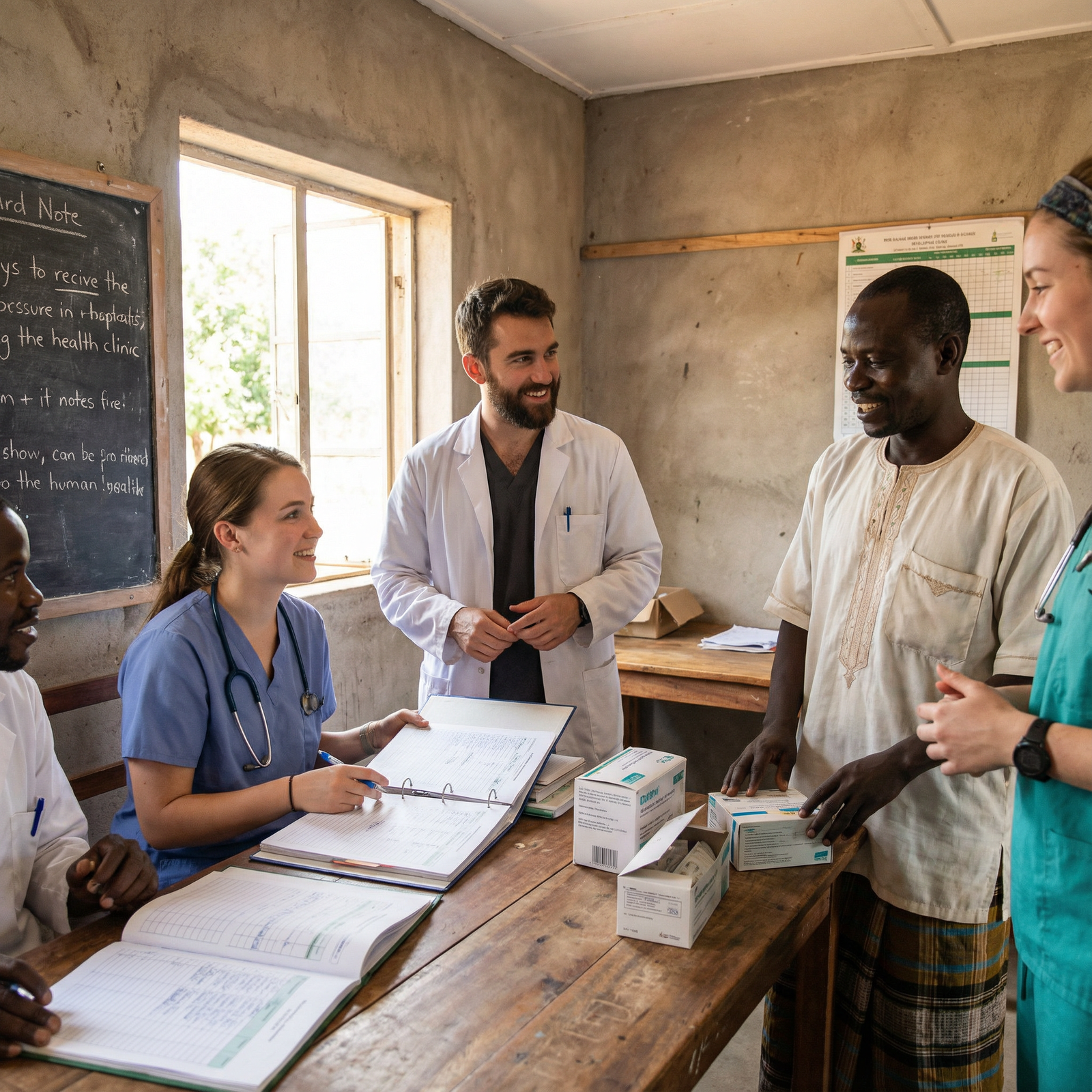
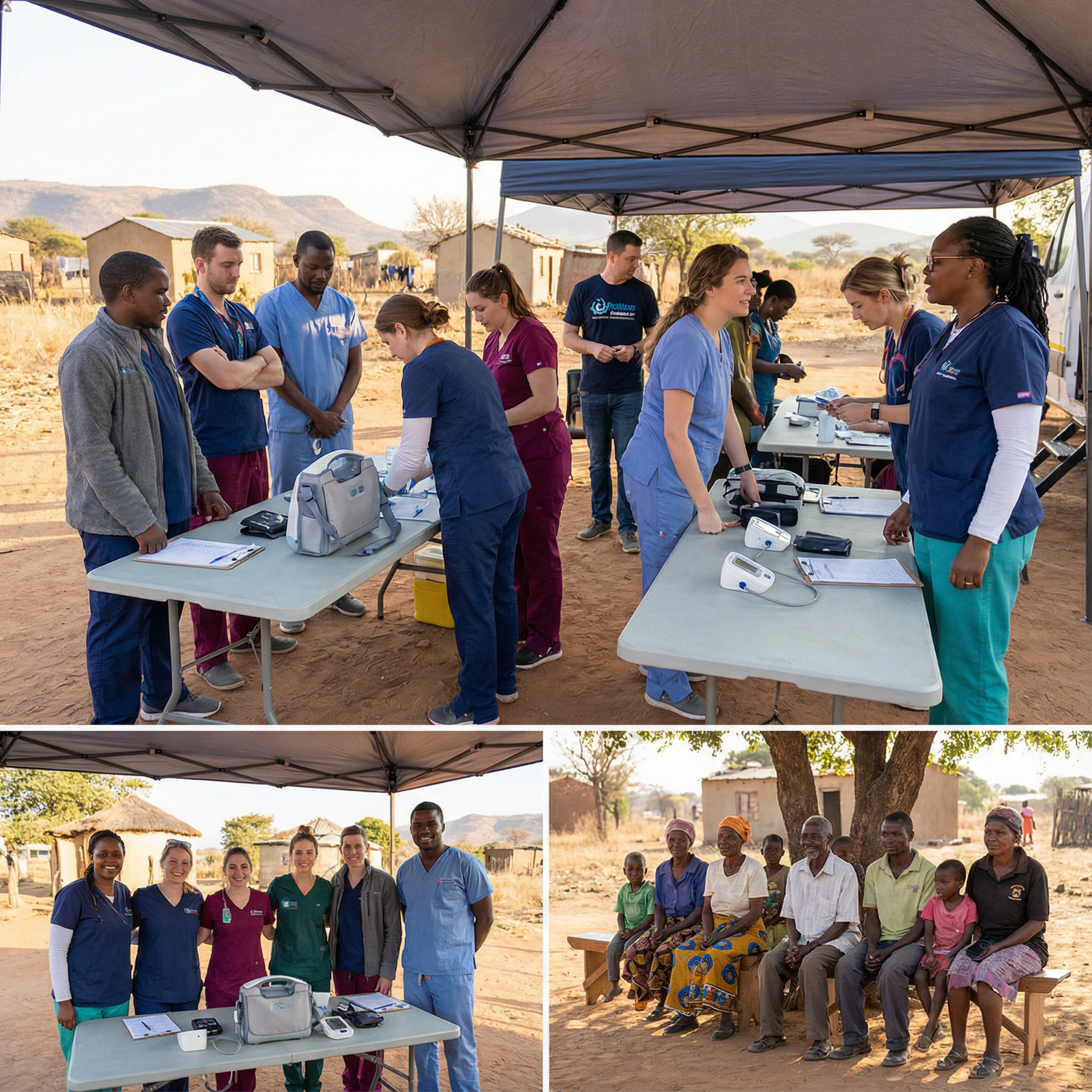
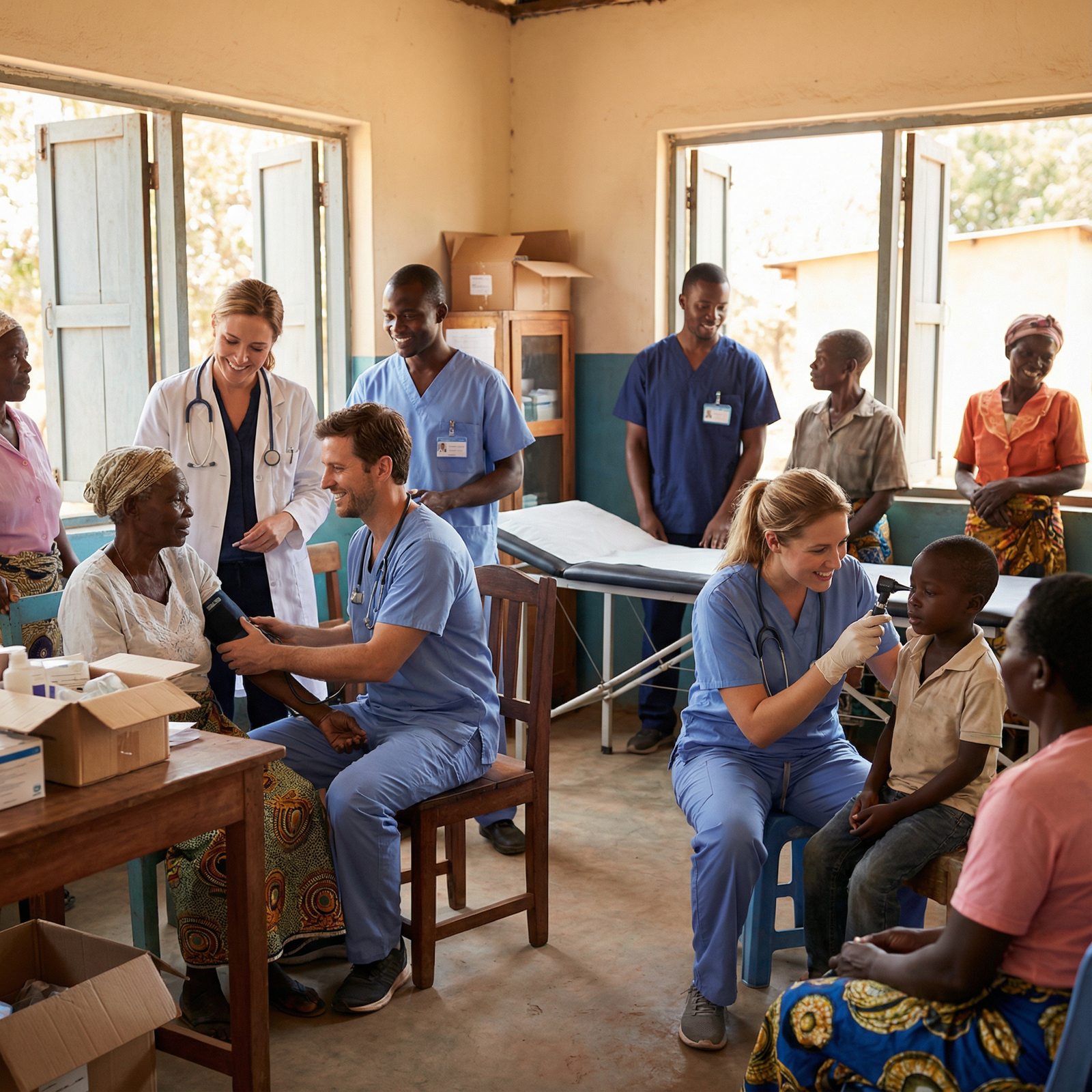
Medical Missions are more than short-term opportunities to “give back.” For many healthcare students and professionals, they become defining experiences that reshape how they practice medicine, relate to patients, and manage stress. Working in resource-limited settings—whether in remote rural villages or crowded urban clinics—pushes volunteers beyond their comfort zones.
Amid unfamiliar systems, constrained supplies, and complex social realities, one quality becomes indispensable: Resilience.
For residents, medical students, and early-career clinicians, Healthcare Volunteerism in global or domestic underserved settings can accelerate the development of resilience, Emotional Intelligence, and Cultural Competence in ways that traditional training often cannot. This article explores how medical mission volunteerism cultivates resilience, what lessons you can intentionally draw from these experiences, and how to carry those lessons back into your training and long-term practice.
Understanding Resilience in the Modern Healthcare Context
Resilience in healthcare isn’t about being “tough” or suppressing emotions. It’s the capacity to adapt, recover, and continue functioning effectively in the face of difficulty, uncertainty, or trauma—while still maintaining empathy and ethical integrity.
Why Resilience Matters for Clinicians
Healthcare professionals routinely encounter:
- High patient volumes and time pressure
- Emotionally charged situations (critical illness, death, family distress)
- Moral distress when ideal care is not possible
- Administrative and systemic pressures
- Personal challenges such as fatigue, self-doubt, and burnout
Without resilience, these demands can erode motivation, fuel cynicism, and compromise care. With resilience, clinicians are better able to:
- Regulate their own emotions and energy
- Maintain professionalism and compassion under stress
- Learn from difficult encounters instead of being overwhelmed by them
- Sustain a meaningful, long-term career in medicine
Medical missions add an extra layer of unpredictability—unfamiliar diseases, cultural differences, security concerns, supply limitations, and often intense exposure to poverty and structural inequity. These environments can rapidly accelerate both stress and growth, making them powerful incubators for resilience.
Emotional Intelligence: The Heart of Sustainable Resilience
Emotional Intelligence (EI) is the ability to:
- Recognize your own emotions
- Understand what triggers them
- Perceive others’ emotions
- Respond in ways that are thoughtful, constructive, and compassionate
In Medical Missions, emotional intelligence is tested and refined when you:
- Sit with a family that has lost a child with no access to tertiary care
- Collaborate with local clinicians whose practice style differs from yours
- Navigate your own frustration when systems, logistics, or culture clash with your expectations
Building EI in this context supports resilience by allowing you to process emotions instead of being controlled by them, stay connected to others, and avoid emotional shutdown or compassion fatigue.

Core Resilience Lessons from Medical Mission Volunteerism
1. Embracing Uncertainty and Letting Go of Control
In structured hospital settings, clinicians often depend on protocols, consultations, and diagnostics. On a medical mission, those anchors can disappear.
You may encounter:
- Clinics starting late due to weather or infrastructure issues
- Supply deliveries that never arrive
- Power outages in the middle of procedures
- Patients with advanced disease and no access to referral centers
In these situations, uncertainty is constant, not exceptional.
How Medical Missions Teach You to Work with Uncertainty
- Acceptance over perfectionism: You learn that insisting on perfect conditions is unrealistic—and that doing the best you can with what you have is both necessary and ethical.
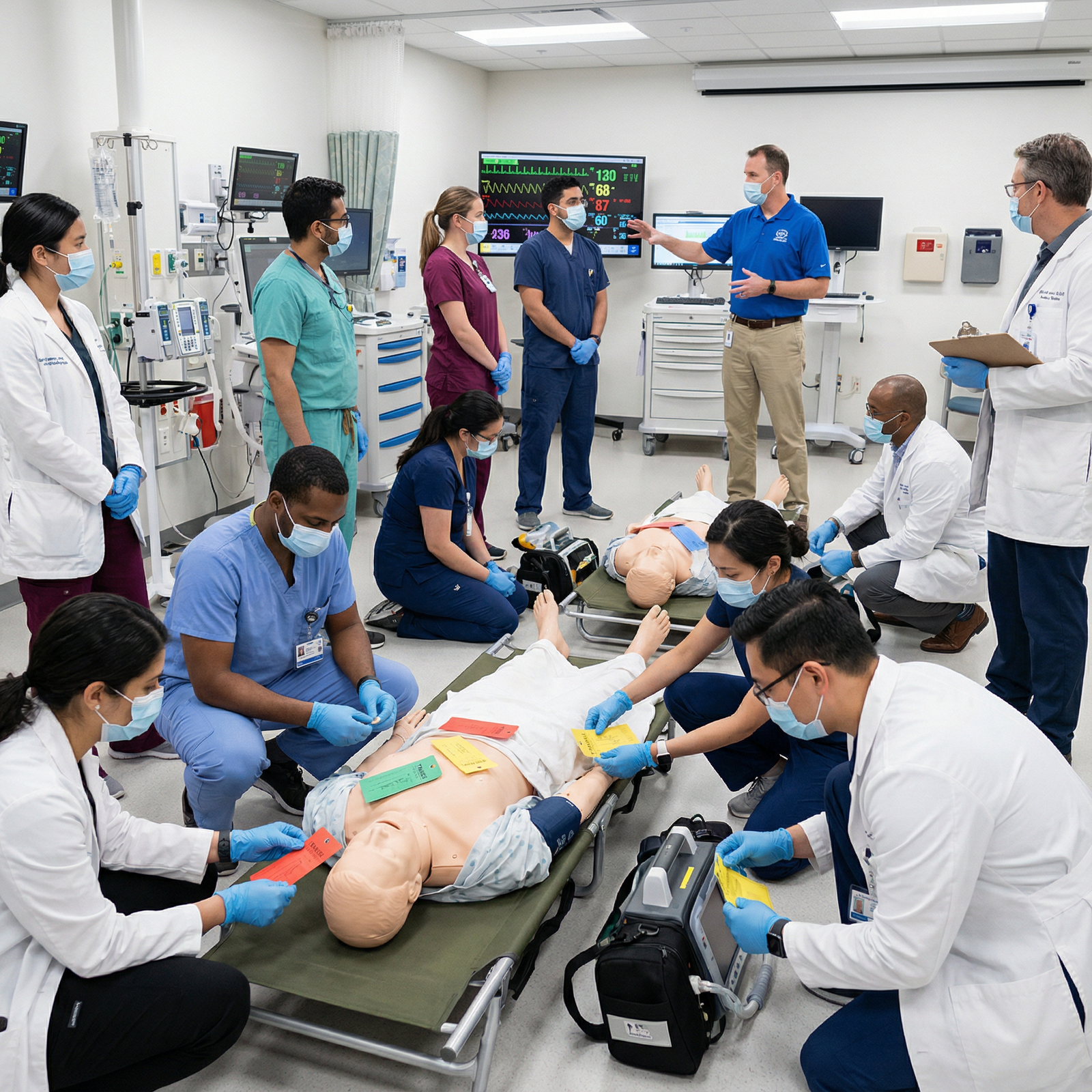
- Real-time prioritization: Clinics may see hundreds of patients in a short time. You build the skill of triaging, focusing on the most urgent needs first.
- Improvisation and flexible thinking: When the “standard” option isn’t available, you train your mind to seek safe alternatives rather than freeze.
Example:
A medical student in a field clinic in the Philippines found that the planned diagnostic tools (portable ultrasound and lab tests) were unavailable due to customs delays. Rather than cancel clinic, the team focused on careful history, physical exams, and clear return precautions for red-flag symptoms. The experience sharpened their clinical reasoning and confidence in bedside assessment—skills that later improved their performance even in well-equipped academic hospitals.
Actionable Takeaways
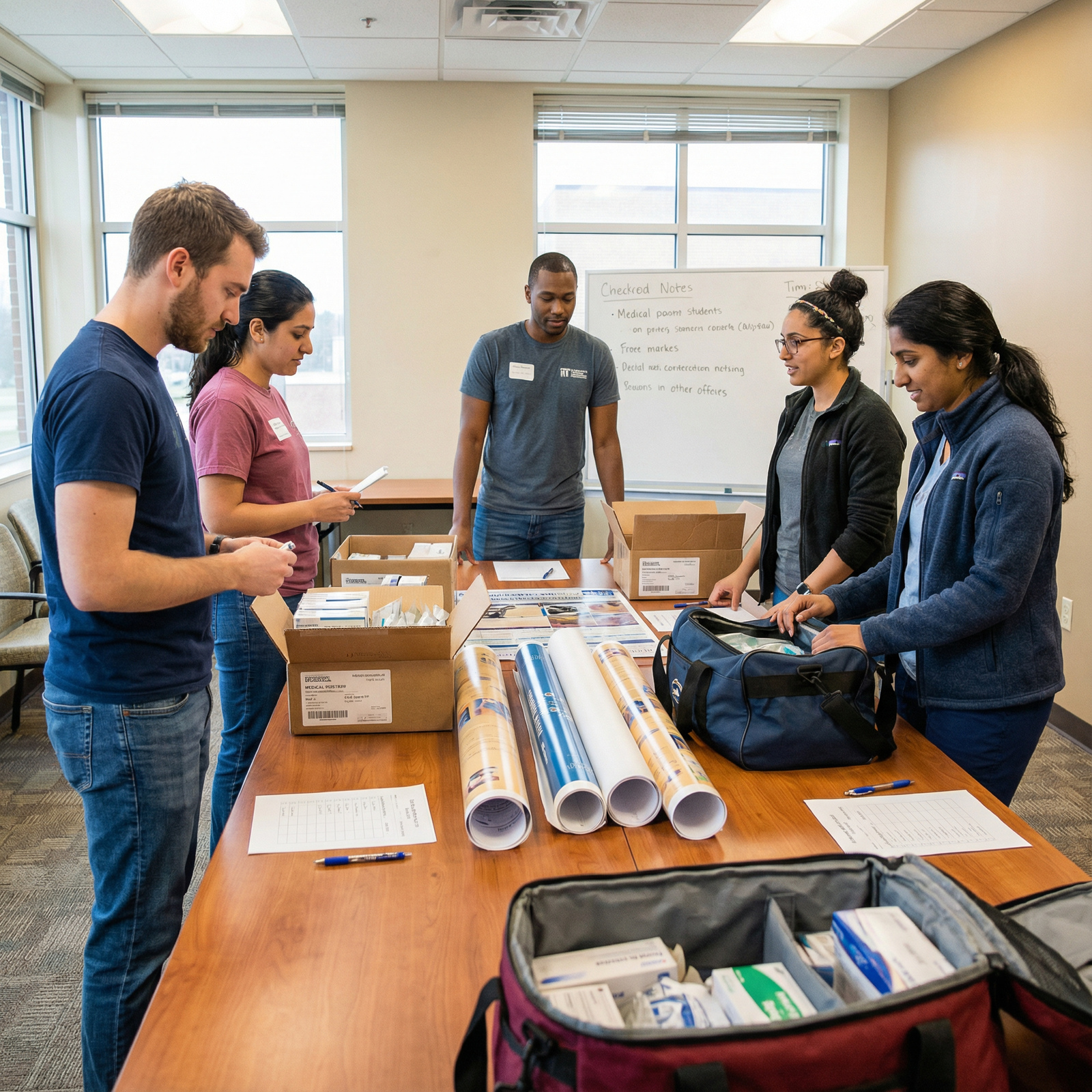
- Before your mission, practice thinking through “Plan B” scenarios for common conditions if key resources vanish.
- During the mission, name the uncertainty explicitly within your team and discuss options together instead of internalizing the stress.
- Reflect afterward: Which moments of uncertainty triggered me most, and how did I respond? What did I learn?
2. Building a Support Network and Team-Based Resilience
Few experiences demonstrate the power of community like demanding volunteer work. On Medical Missions, you quickly realize that no one can handle the load alone.
How Teamwork Buffers Stress
- Shared emotional burden: Debriefing difficult cases with colleagues helps normalize emotional responses and reduce isolation.
- Distributed responsibility: Task-sharing (triage, counseling, procedures, documentation) allows everyone to stay within a more sustainable workload.
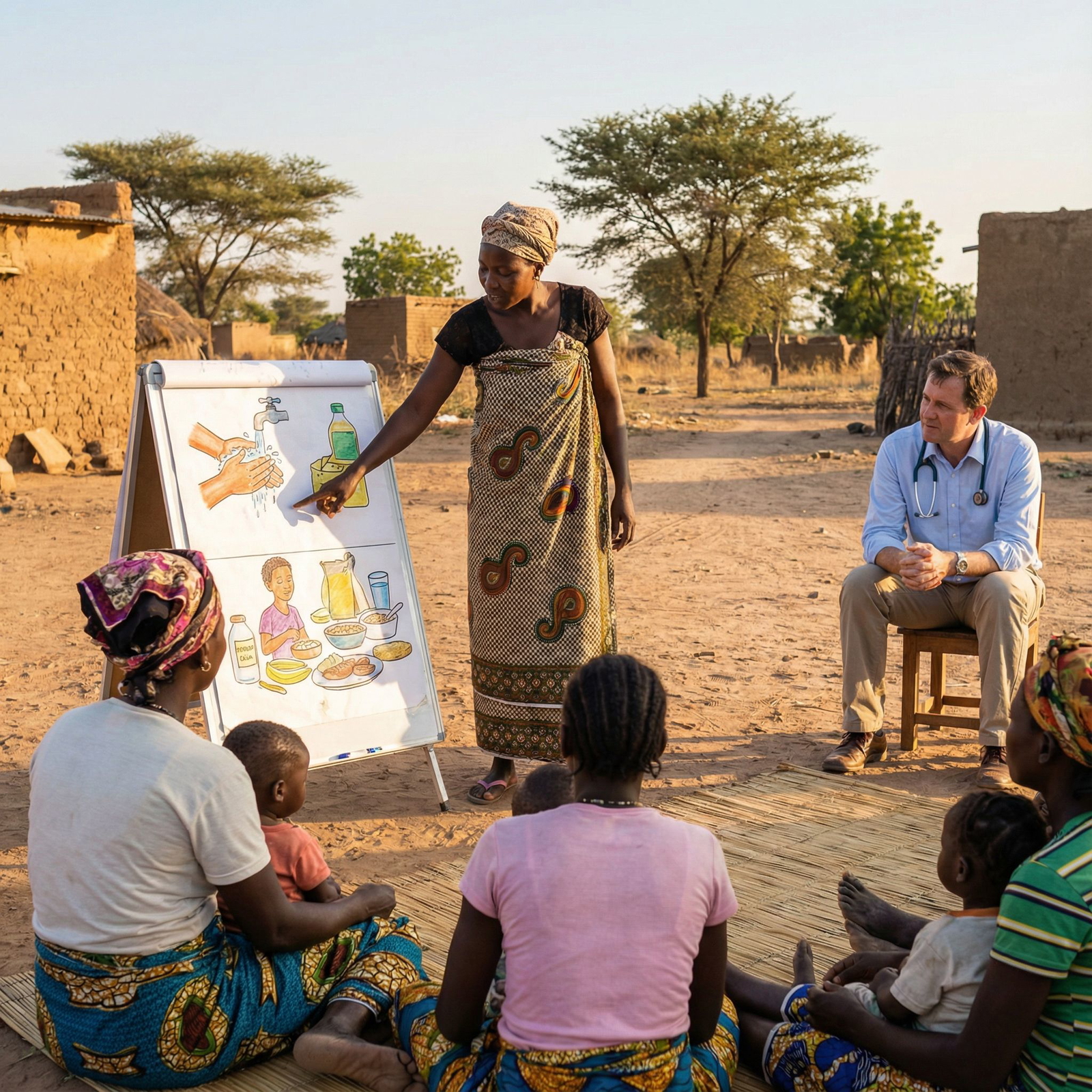
- Learning from diverse expertise: You gain confidence when you can turn to others—local nurses, community health workers, pharmacists, or senior clinicians—for insight and support.
Example:
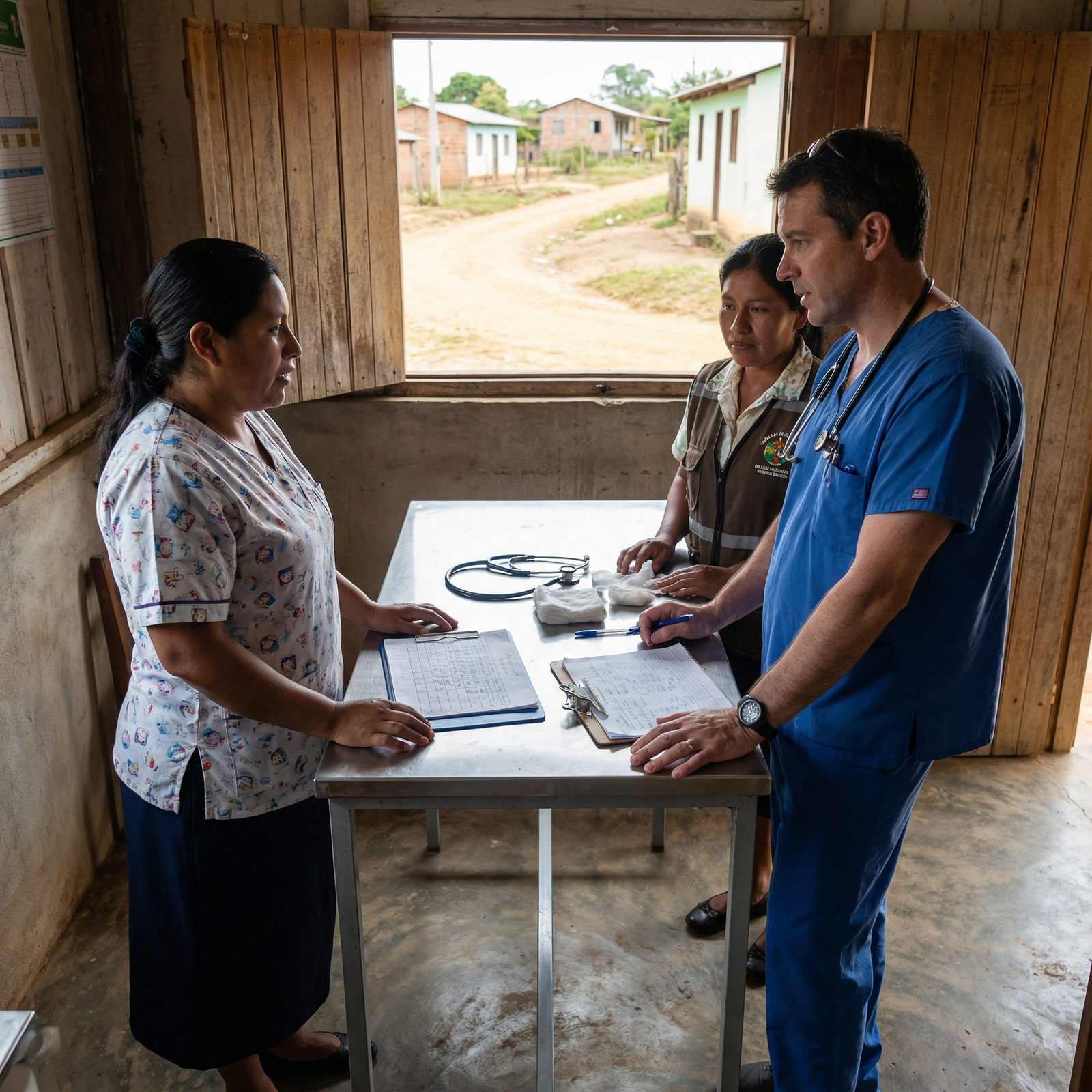
On a mission in rural Honduras, a resident doctor struggled emotionally after seeing malnourished children with preventable infections. Evening debriefs with the team—led by a senior nurse with years of global health experience—allowed them to discuss guilt, grief, and realistic expectations. This shared processing prevented emotional overload and reframed their experience as part of a long-term, community-driven effort.
Practical Strategies for Fostering Team Resilience
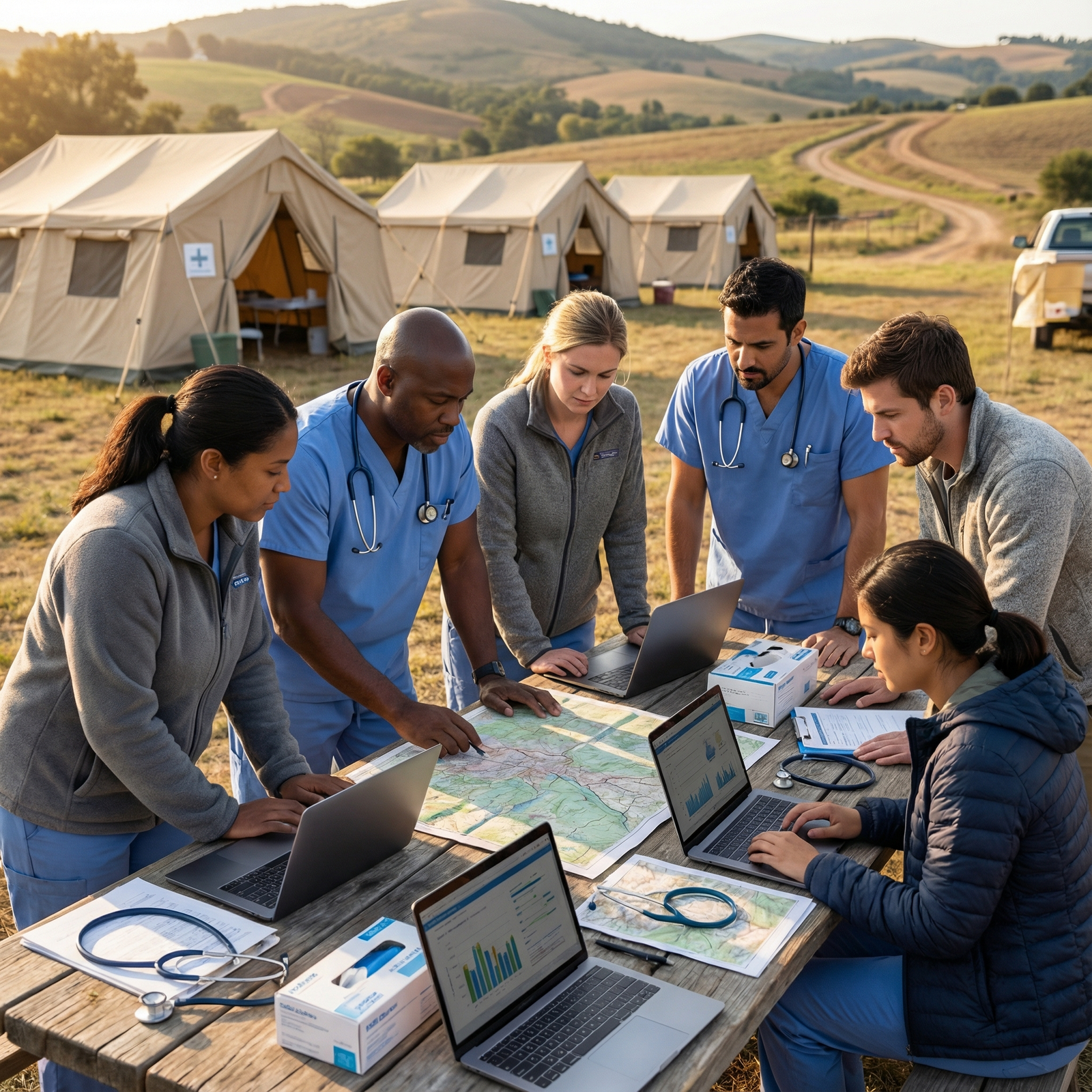
- Set up daily or every-other-day debriefs: Short, structured check-ins (What was hard? What went well? What do we need tomorrow?) can significantly reduce burnout.
- Identify peer “buddies”: Pair up, especially for first-time volunteers, to ensure no one processes hard cases alone.
- Recognize and name strengths: When someone handles a tough interaction or solves a problem creatively, say it explicitly; it builds confidence and psychological safety.
For residents and students, learning to both give and receive support in these environments is directly transferable to demanding rotations, overnight shifts, and crisis situations at home institutions.
3. Developing Deep Cultural Competence Under Real-World Pressure
Cultural Competence is not just about knowing customs or phrases; it’s a dynamic process of curiosity, humility, and adaptation that allows you to partner effectively with communities.
On medical missions, cultural competence often becomes a matter of clinical effectiveness: if patients don’t trust you, they may not return, adhere to treatment, or accept preventive care.
How Medical Missions Expand Cultural Competence
- Exposure to local belief systems and healing traditions: You may encounter traditional healers, community elders, or religious leaders who play central roles in health decisions.
- Rethinking your assumptions: Not every patient values autonomy, full disclosure, or biomedical explanations the way Western frameworks assume.
- Learning from local clinicians and community health workers: They often understand the real barriers patients face—costs, gender norms, stigma, transportation, or fear of discrimination.
Example:
A family medicine resident in a South Asian mission noticed that many women declined pelvic exams despite clear medical indications. After discussing with local nurses, she learned that modesty norms and family decision structures were major barriers. By involving female community health workers, ensuring privacy, and framing exams in culturally sensitive language, exam uptake and trust improved significantly.
Tips for Strengthening Cultural Competence Before and During Missions
- Pre-departure study: Learn basic language phrases, social hierarchy norms, and key health beliefs of the community you’ll serve.
- Ask, don’t assume: Use open-ended questions like, “How is illness usually handled in your family?” or “What worries you most about this condition?”
- Partner with local staff: Let local nurses, translators, or community leaders shape how you deliver education and counseling.
Greater cultural competence doesn’t just improve mission outcomes; it enhances your effectiveness with diverse patients back home—immigrants, refugees, and communities with different cultural or spiritual worldviews.
4. Strengthening Problem-Solving and Clinical Creativity in Low-Resource Settings
Limited resources can feel constraining, but they also ignite clinical creativity and sharpen fundamental skills that modern technology sometimes dulls.
On many Medical Missions, you may have:
- Minimal diagnostic tools
- Essential, but not comprehensive, medications
- Limited options for referral or advanced procedures
How Resource Constraints Build Resilient Clinicians
- Reinforcing core clinical skills: Without imaging or labs, you rely on history, physical exam, and pattern recognition.
- Improving prioritization and ethical reasoning: Deciding where to allocate scarce resources (e.g., one nebulizer, limited antibiotics) demands thoughtful triage and transparent decision-making.
- Fostering innovation: Teams often repurpose equipment, adjust workflows, or develop new patient education approaches that fit the context.
Example:
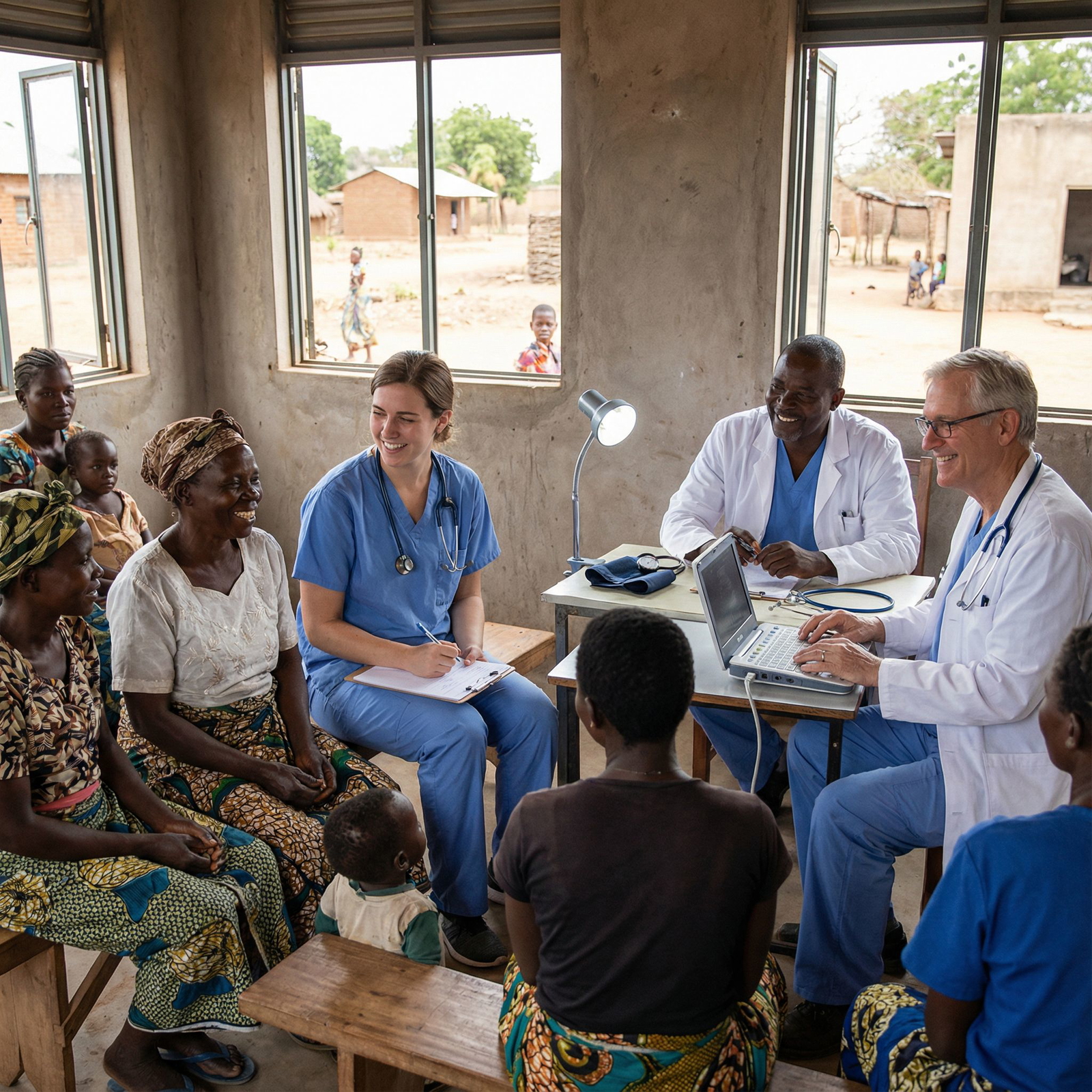
During a mission in a remote African village, a team had only one functioning blood pressure cuff. They created a rotation system, training local community health workers to check vitals while the clinicians focused on diagnosis and counseling. This task-shifting not only improved clinic flow but also built sustainable local capacity.
Actionable Problem-Solving Practices
- Practice stepwise clinical reasoning ahead of time: If you had no labs or imaging, how would you diagnose and manage common problems (e.g., pneumonia, anemia, diabetes, hypertension)?
- During the mission, keep a brief “workarounds log”—document creative solutions that worked (or didn’t) and why.
- Discuss difficult allocation decisions explicitly with your team to clarify values, reduce moral distress, and learn from each other.
These problem-solving skills translate directly into crisis situations at home—disaster response, mass casualty incidents, and even everyday scenarios where systems are overwhelmed.
5. Practicing Intentional Self-Care and Reflective Practice
Medical missions can be physically exhausting and emotionally intense. Long hours, sleep disruption, jet lag, unfamiliar food, and emotionally heavy cases all take a toll.
Resilience is not about ignoring these realities; it’s about acknowledging them and intentionally protecting your capacity to care.
Common Stressors in Mission Settings
- Witnessing preventable suffering or deaths
- Feeling helpless when ideal treatments are unavailable
- Managing your own guilt about privilege or returning home
- Physically demanding conditions (heat, travel, crowded clinics)
Without structured self-care, these stressors can lead to compassion fatigue and burnout—even among well-intentioned volunteers.
Practical Self-Care Strategies for Healthcare Volunteerism
- Pre-mission preparation:
- Be realistic about what you can and cannot change in a short-term mission.
- Arrange adequate sleep, hydration strategies, and personal health supplies.
- During the mission:
- Use brief mindfulness techniques between patients—three deep breaths, a quick body scan, or a 60-second grounding exercise.
- Set micro-boundaries (e.g., a 10-minute break every few hours, no clinical work after a set evening time when possible).
- Participate in team debriefs; naming emotions is protective, not a sign of weakness.
- Post-mission reflection:
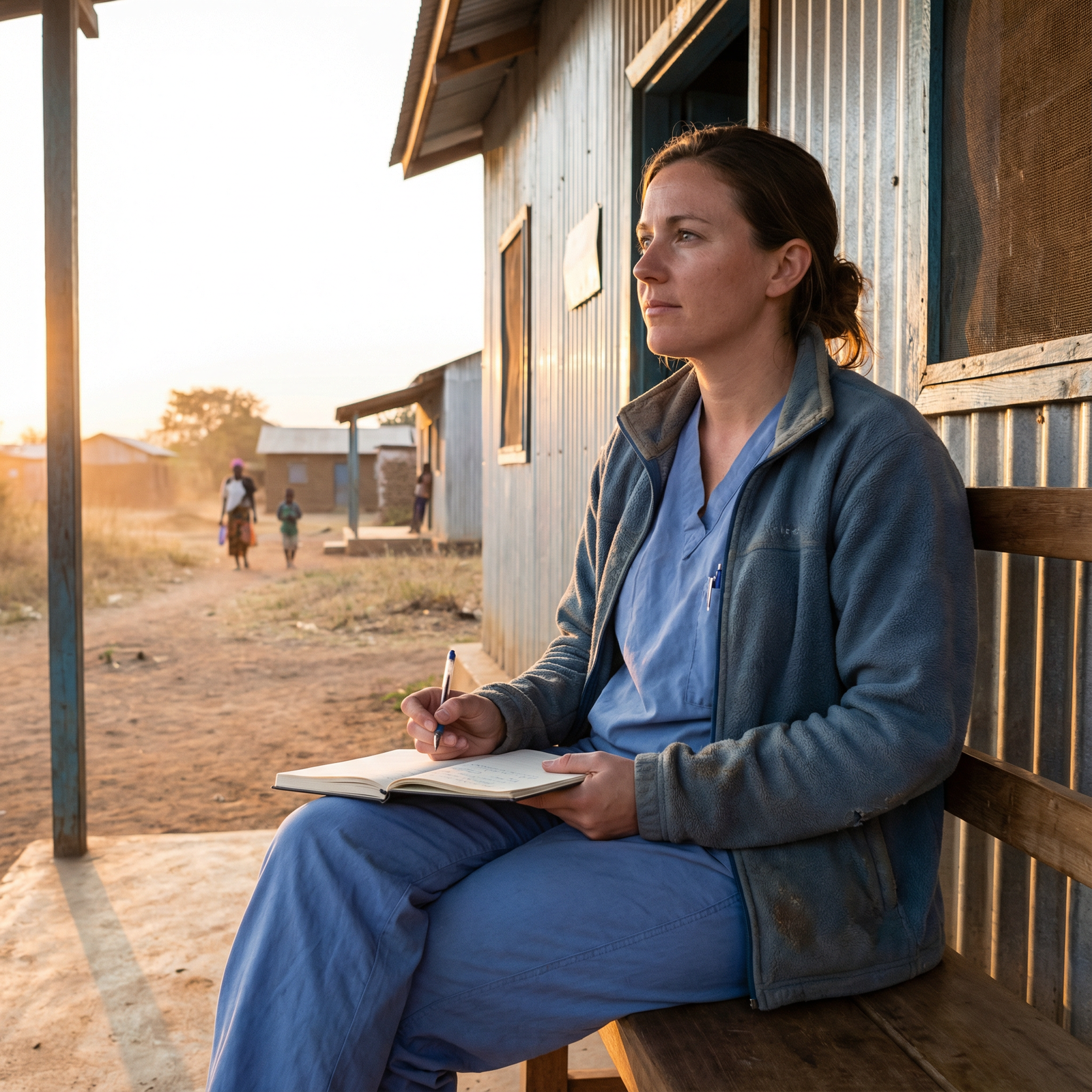
- Journal or debrief with a mentor about what you saw, what was hardest, and what you learned.
- Watch for signs of persistent sadness, guilt, or intrusive memories and seek professional support if needed.
Cultivating self-awareness and reflective practice in mission settings builds habits that support longevity and ethical practice in your residency or clinical career.
6. Gaining Perspective, Purpose, and Long-Term Professional Growth
Perhaps the most enduring impact of Medical Missions is how they reframe your understanding of medicine, equity, and your own role as a clinician.
Expanding Your View of Health and Systems
Volunteers often return with:
- A sharper awareness of how social determinants—housing, education, income, gender, conflict—shape health far more than any single medication.
- A deeper appreciation for primary care, prevention, and community-based interventions.
- Renewed gratitude for the resources available in their home systems—while also seeing clearly where those systems fall short.
Example:
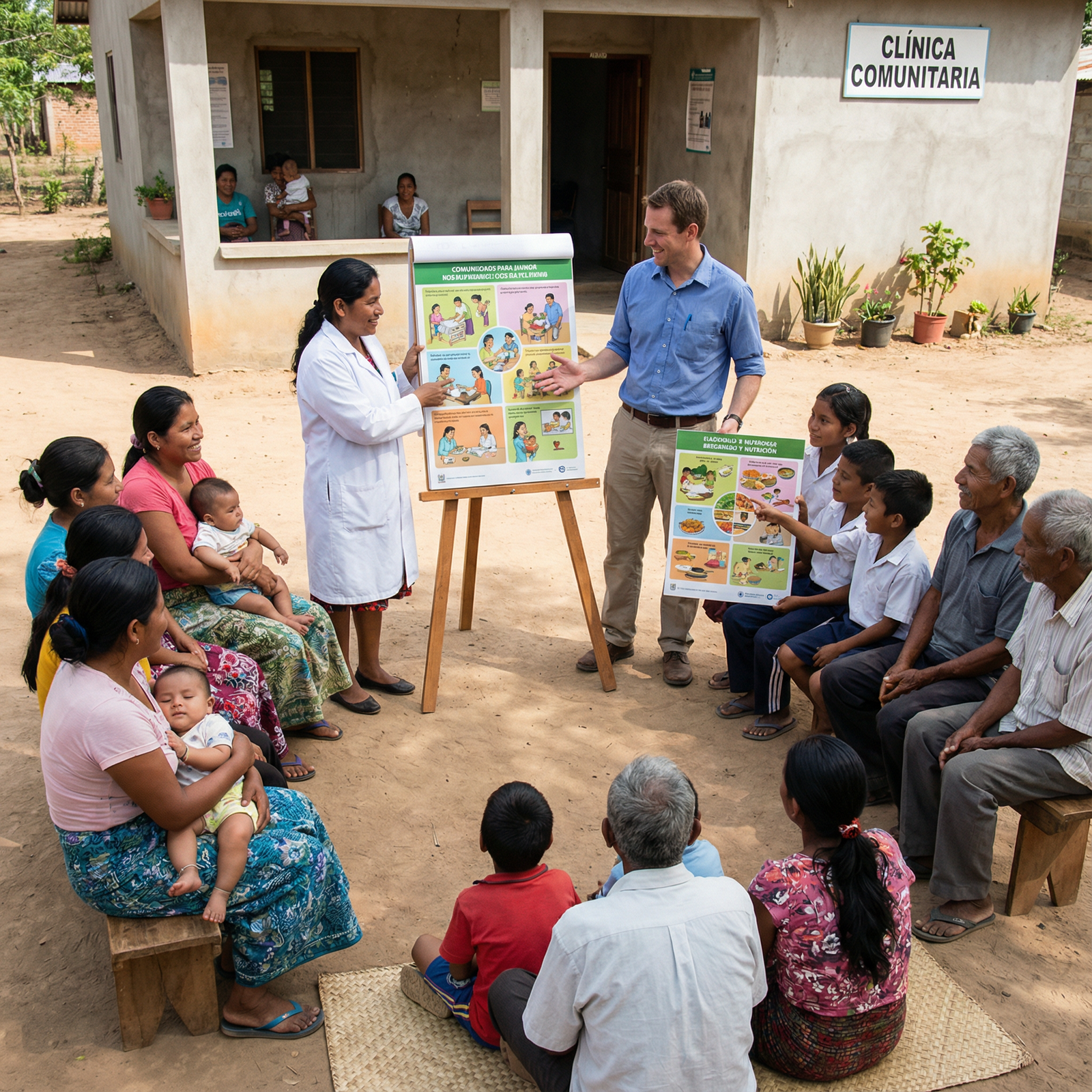
A pediatric resident, after working in an under-resourced clinic in Haiti, realized how powerful community health education could be. On returning home, she joined a local coalition to address food insecurity and preventive pediatric health education in her city, integrating lessons learned abroad into domestic advocacy.
Transforming Experiences into Long-Term Growth
To convert mission experiences into sustainable resilience and ethical practice:
- Articulate your “why”: Reflect on what aspects of volunteerism resonated most—advocacy, teaching, primary care, trauma care—and let that inform your career direction.
- Integrate into training and scholarship: Present your mission experiences at grand rounds, write reflective essays, or collaborate on quality improvement or global health research.
- Stay engaged ethically: Consider longitudinal partnerships with the same communities or organizations, supporting capacity-building rather than episodic, one-off efforts.
Over time, the perspective gained from missions helps you anchor your career in a sense of meaning and service—key pillars of long-term resilience.
Frequently Asked Questions About Medical Missions and Resilience
1. How can I get involved in Medical Missions as a student or resident?
- Start with reputable organizations: Look for academic global health programs, faith-based organizations with strong local partnerships, or established NGOs with a history of ethical engagement and capacity-building.
- Consult mentors: Talk with faculty who have global health or community service experience; they can recommend vetted programs.
- Clarify your role and supervision: Ensure there is appropriate clinical supervision and that your scope of practice matches your training level and local regulations.
For residents and students, prioritize organizations that emphasize sustainability, partnership with local health systems, and education, not just short-term service.
2. What costs should I expect, and are there ways to offset them?
Typical costs include:
- International or domestic travel
- Accommodation and local transportation
- Food and personal supplies
- Travel health insurance and vaccinations
- Program fees (if applicable)
To help manage expenses:
- Seek institutional support: Some residency programs, medical schools, and hospitals offer global health scholarships or elective funding.
- Apply for grants: Professional societies (e.g., specialty associations) sometimes fund trainees for global health or underserved community work.
- Fundraise ethically: If fundraising, be transparent about how funds will be used and consider also raising money for local partner organizations, not solely for travel.
3. How can I prepare emotionally and clinically for a Medical Mission?
- Clinically:
- Review guidelines for common conditions seen in low-resource settings (e.g., WHO guidelines, primary care manuals).
- Update your knowledge on tropical diseases or region-specific health issues.
- Emotionally:
- Set realistic expectations about what you can accomplish.
- Learn basic coping strategies (breathing exercises, journaling).
- Discuss anticipated challenges with experienced mentors.
Pre-departure training in Cultural Competence, ethical global health practice, and Emotional Intelligence can significantly increase both your impact and personal resilience.
4. What skills are most valuable for Medical Mission volunteers?
Beyond clinical knowledge, key skills include:
- Adaptability and flexibility in unpredictable environments
- Strong communication skills, including working effectively with translators
- Teamwork and humility, recognizing and respecting local expertise
- Cultural Competence, with a willingness to learn and not impose
- Reflective capacity, to process experiences and grow from them
These competencies are also critical for high-quality, patient-centered care in any healthcare setting.
5. Are Medical Missions suitable for all healthcare professionals?
Medical missions can involve a wide range of professionals:
- Physicians, residents, and medical students
- Nurses, nurse practitioners, and midwives
- Pharmacists and pharmacy technicians
- Public health professionals and epidemiologists
- Physical and occupational therapists
- Dentists and dental hygienists
- Social workers, psychologists, and counselors
Not everyone will find frequent travel feasible or fulfilling. However, many of the core principles learned through Healthcare Volunteerism—resilience, emotional intelligence, and cultural humility—can also be developed through work in local underserved communities, refugee clinics, free clinics, and public health initiatives.
Conclusion: Using Medical Missions to Build a Resilient, Ethical Career in Medicine
Medical Missions, when approached thoughtfully and ethically, can be transformative experiences for healthcare professionals at every stage of training. They challenge you to:
- Embrace uncertainty and adapt with creativity
- Rely on and contribute to resilient, supportive teams
- Deepen your Cultural Competence and Emotional Intelligence
- Strengthen problem-solving in low-resource settings
- Practice intentional self-care and reflective learning
- Reframe your understanding of equity, advocacy, and your professional purpose
By integrating these lessons into your daily practice, you cultivate a durable, grounded form of resilience—one that not only helps you withstand the pressures of modern medicine, but also keeps you connected to the reasons you chose this profession in the first place.
Whether you serve abroad or in underserved communities at home, Healthcare Volunteerism can be a powerful catalyst for personal growth, professional excellence, and ethical, compassionate care.