
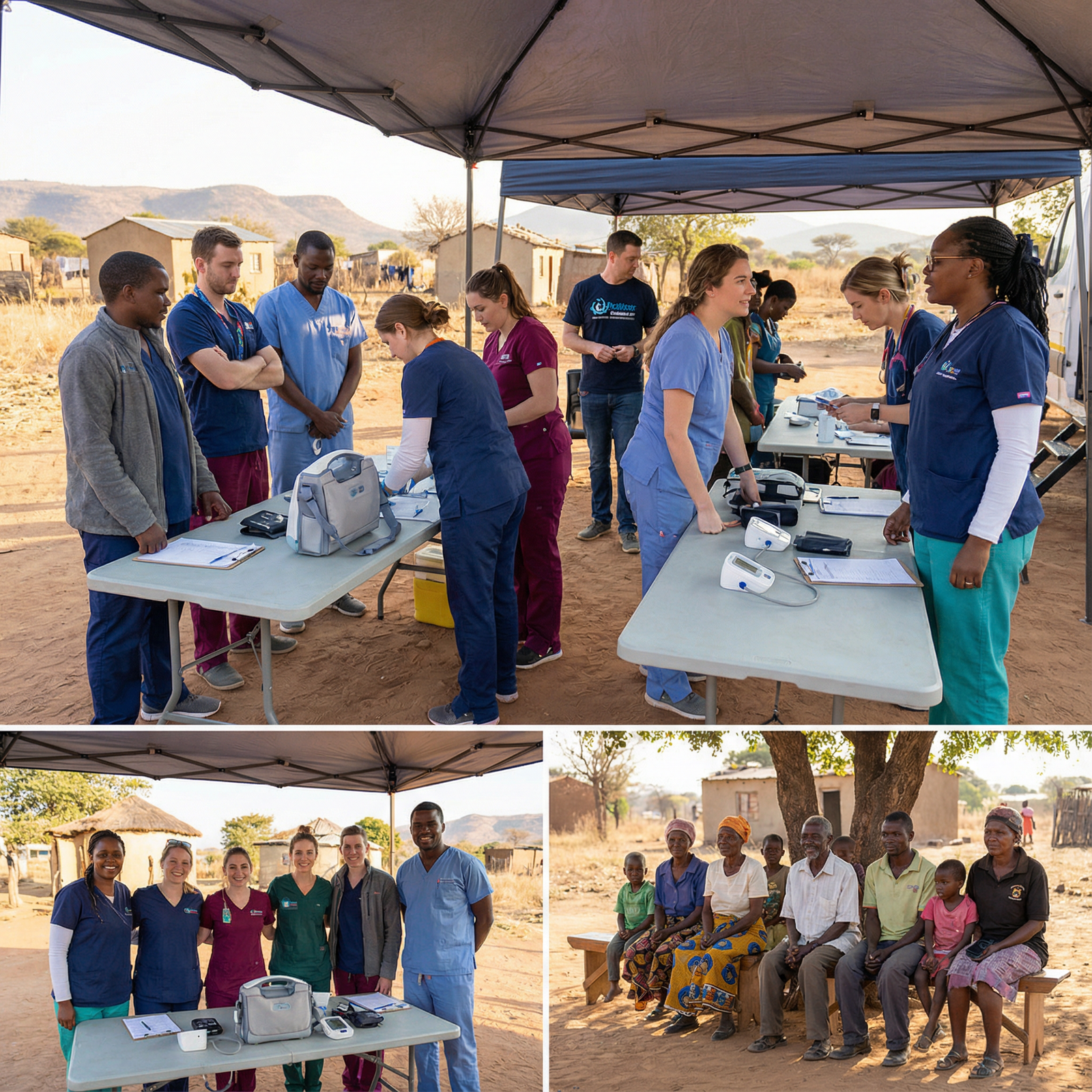
Introduction: Medical Missions and the Pursuit of Global Health Equity
Around the world, hundreds of millions of people live without consistent access to even the most basic healthcare. For residents of remote villages, urban slums, conflict zones, and marginalized communities, seeing a doctor may mean walking for hours—or not be possible at all. These gaps in healthcare access are at the heart of profound global health inequities.
Within this context, Medical Missions play a visible and often inspiring role. These organized efforts mobilize healthcare professionals, trainees, and support staff to bring clinical care, health education, and systems strengthening to underserved communities. When thoughtfully designed and ethically implemented, medical missions can support Community Health, relieve suffering, and promote Global Health Equity.
At the same time, the global health community increasingly recognizes that not all missions are equally beneficial. Short-term, poorly coordinated trips risk duplicating services, creating dependence, or unintentionally undermining local health systems. For medical students and residents, understanding both the potential and the pitfalls of Volunteer Healthcare work is now an essential part of personal development and medical ethics.
This article explores the impact of medical missions in underserved communities, the different models that exist, and how trainees can engage responsibly to foster sustainable, ethical change.
Understanding Medical Missions: Models, Goals, and Ethical Foundations
What Are Medical Missions?
Medical missions are organized initiatives in which healthcare professionals and volunteers provide clinical and public health services in settings with limited access to care. These missions may occur internationally—often in low- and middle-income countries—or domestically in marginalized or rural regions with inadequate health resources.
Core goals typically include:
- Expanding healthcare access to populations who otherwise might go without care
- Addressing urgent or unmet medical and surgical needs
- Strengthening local Community Health systems through training and capacity building
- Supporting public health initiatives such as vaccination, screening, and health promotion
- Contributing to Global Health Equity by working alongside local partners
Common Types of Medical Missions
Understanding the different mission models helps clarify expectations, scope, and ethical considerations.
Short-Term Medical Missions (STMMs)
- Duration: Typically 1–3 weeks
- Activities: Mobile clinics, primary care, dental care, minor procedures, basic diagnostics, vaccination drives, health education campaigns
- Benefits: Flexible for students and residents; can rapidly expand access to care in under-served areas
- Risks: Discontinuity of care, duplication of services, cultural misunderstandings if not well coordinated with local systems
Long-Term or Continuous Missions
- Duration: Months to years; may involve permanent or rotating staff
- Activities: Comprehensive clinic or hospital services, chronic disease management, maternal–child health, rehabilitation, workforce training, systems strengthening
- Benefits: Relationship-building, continuity of care, deeper understanding of local context, greater opportunity for sustainable change
Disaster Response Missions
- Context: Earthquakes, floods, epidemics, conflicts
- Activities: Emergency trauma care, obstetric care, infectious disease management, mass vaccination, mental health and psychosocial support
- Requirements: Specialized training in emergency response, logistics, security, cross-sector coordination
Research and Public Health Missions
- Focus: Epidemiologic studies, needs assessments, implementation research, program evaluation
- Activities: Data collection with community partners, developing and piloting interventions, training in surveillance and quality improvement
- Ethical priority: Community involvement, local relevance, shared ownership of data and results
The Central Role of Volunteer Healthcare Professionals
At the heart of every mission are volunteers: physicians, nurses, pharmacists, dentists, midwives, public health practitioners, mental health professionals, allied health staff, and increasingly, medical students and residents.
Their contributions often include:
- Direct clinical care: Diagnosis, treatment, procedures, follow-up planning
- Capacity building: Bedside teaching, skills workshops, mentorship of local providers
- Health education: Coaching patients, families, and community leaders on prevention and self-management
- Systems improvement: Helping develop protocols, referral pathways, and documentation standards
For trainees, missions can be formative experiences, shaping:
- Professional identity and commitment to service
- Cultural humility and communication skills
- Ethical awareness in resource-limited settings
- Understanding of structural and social determinants of health
However, the learning benefits for visitors must never overshadow the primary aim: to serve the host community in ways that they define as useful, respectful, and sustainable.
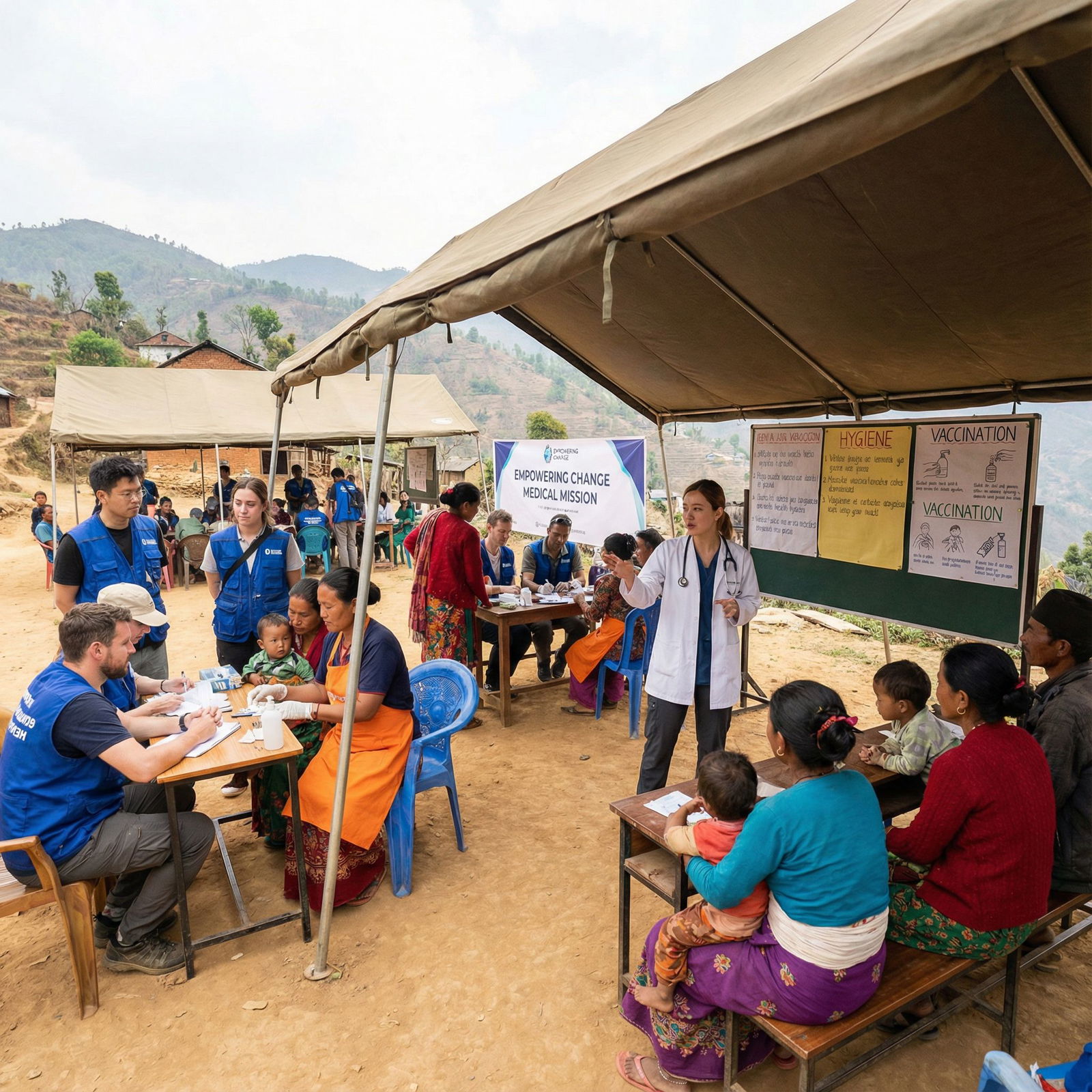
Global Examples of Medical Missions and Their Models
Several well-established organizations illustrate different approaches to volunteer healthcare and community partnerships.
Partners In Health (PIH): Long-Term Systems Strengthening
Partners In Health focuses on long-term collaboration with governments and communities to strengthen public health systems. Their work in Haiti, Rwanda, and other countries includes:
- Building or renovating hospitals and clinics
- Training local nurses, physicians, and community health workers
- Implementing chronic disease programs for HIV, TB, and non-communicable diseases
- Integrating social support—food, housing, transport—into clinical care
PIH’s model emphasizes solidarity over charity, aiming to build systems so robust that external teams are ultimately unnecessary.
Médecins Sans Frontières (MSF/Doctors Without Borders): Emergency and Humanitarian Response
MSF provides impartial, often lifesaving care in war zones, after natural disasters, and during epidemics. Their missions may include:
- Emergency surgery and trauma care in conflict zones
- Cholera or Ebola treatment centers
- Mobile clinics for displaced populations
- Mental health and psychosocial support in crises
MSF’s work highlights the importance of logistics, security, and ethical decision-making under extreme constraints.
Operation Smile: Focused Surgical Care and Training
Operation Smile concentrates on surgical management of cleft lip and palate in children:
- Organizes surgical missions to perform high-volume, standardized procedures
- Trains local surgeons, anesthetists, and nurses in cleft care
- Establishes local centers to provide long-term follow-up, speech therapy, and dental support
This focused model shows how specialized care can be combined with structured training and capacity building.
Healing Hands International and Volunteers In Medicine: Community-Level Primary Care
- Healing Hands International integrates medical and dental services with education on sanitation, nutrition, and preventive care, often delivered through community-based clinics and outreach programs.
- Volunteers In Medicine (primarily in the US) runs free primary care clinics for uninsured or underinsured individuals, relying largely on volunteer clinicians and partnerships with local hospitals and pharmacies.
These examples underscore how Community Health can be improved by pairing direct care with education, social support, and local partnerships.
How Medical Missions Transform Underserved Communities
When thoughtfully designed, medical missions can have a transformative impact at multiple levels: individuals, families, communities, and health systems.
1. Expanding Healthcare Access Where It’s Needed Most
In many underserved areas, barriers to care include:
- Long distances to healthcare facilities
- Severe shortages of clinicians or essential medicines
- Financial barriers (user fees, transport costs, lost wages)
- Social exclusion or discrimination
Medical missions can temporarily reduce these barriers by bringing services directly to communities.
Immediate Clinical Impact
By establishing temporary clinics, outreach posts, or strengthening existing facilities, missions can:
- Provide acute care for infections, injuries, and exacerbations of chronic disease
- Offer maternal and child health services, including antenatal care and safe deliveries (when appropriately staffed and equipped)
- Conduct mass vaccination campaigns and screening for conditions like hypertension, diabetes, tuberculosis, HIV, or malnutrition
In a village with no resident physician, a week-long mission offering antenatal visits, childhood immunizations, deworming, and blood pressure screening can make a measurable difference in morbidity and mortality—if paired with a plan for follow-up through local providers.
Access to Specialized and Surgical Services
Specialty care is often the scarcest resource in low-resource settings. Missions that provide:
- Cataract surgery
- Cleft lip and palate repair
- Obstetric fistula repair
- Orthopedic interventions
- Complex dental services
can restore function, reduce pain, and dramatically improve social participation and quality of life. When combined with local provider training and appropriate referral pathways, these services can catalyze longer-term improvements in healthcare access.
2. Education and Empowerment: Building Community Health from Within
Many missions now prioritize health education and local capacity building as strongly as direct clinical care.
Patient and Community Health Education
Common educational areas include:
- Handwashing, sanitation, and safe water practices
- Nutrition for pregnant women, infants, and children
- Family planning and reproductive health
- Safe sex practices and STI prevention
- Management of chronic conditions (e.g., diabetes, HIV, hypertension, asthma)
- Mental health awareness and stigma reduction
For instance, in communities with high rates of diarrheal disease, a mission might combine clinical treatment with demonstrations on water purification, oral rehydration solution (ORS) preparation, and safe food handling. These simple interventions can reduce future disease burden far beyond the mission’s brief presence.
Training and Mentorship for Local Healthcare Workers
The most sustainable missions view local providers not as assistants, but as primary partners and leaders. Training and mentorship may include:
- Side-by-side clinical care with shared decision-making
- Skills workshops (e.g., neonatal resuscitation, emergency obstetrics, ultrasound, basic surgical techniques)
- Quality improvement projects, data collection, and audit
- Remote follow-up via telemedicine or case conferences
For medical residents and students, participating in teaching—appropriately supervised—can be a powerful learning experience while directly supporting the local workforce.
3. Building Trust, Cultural Humility, and Community Partnerships
Health interventions succeed best when they are grounded in trust and mutual respect.
Cultural Competence and Humility
Effective missions invest time in learning:
- Local beliefs about illness, healing, and healthcare utilization
- Gender dynamics and decision-making patterns in families
- Traditional remedies and their interactions with biomedical treatments
- Language nuances and nonverbal communication norms
Volunteers who listen first, collaborate with traditional healers where appropriate, and adapt recommendations to local realities are more likely to achieve meaningful, lasting behavior change.
Community Leadership and Co-Design
Strong missions:
- Engage local leaders (religious, civic, youth, women’s groups) in planning and implementation
- Ask communities to define priority health problems and proposed solutions
- Share data transparently and jointly interpret outcomes
This co-design approach fosters a sense of ownership and accountability, strengthening Community Health rather than imposing external agendas.
4. Addressing Social Determinants of Health Beyond the Clinic
Health outcomes are shaped by factors far beyond clinical care: income, education, housing, food security, safety, and justice.
Many modern medical missions now integrate elements such as:
- Nutrition support: Food supplementation for malnourished children, pregnant women, and TB or HIV patients; training in home gardening and food preservation
- Water, sanitation, and hygiene (WASH): Installing or rehabilitating wells and latrines; distributing water filters; promoting safe waste disposal
- Education and literacy: Collaborating with schools to deliver health curricula, training peer educators
- Mental health services: Counseling, support groups, trauma-informed care, linkage to local mental health resources
By acknowledging and addressing these broader determinants, missions move closer to advancing Global Health Equity, not just providing temporary relief.
5. From Short-Term Help to Long-Term, Sustainable Change
The most ethically robust medical missions design themselves out of a job over time.
Strategies to foster lasting change include:
- Partnership with existing systems: Working under the leadership of local health authorities and in coordination with national health plans
- Capacity building: Training local staff to perform procedures, manage clinics, and train others
- Continuity of care: Ensuring clear referral pathways, medical record systems, and follow-up plans after the mission ends
- Advocacy and policy engagement: Using lessons learned to advocate for investment in primary care, universal health coverage, or specific population needs
For medical trainees, participating in such long-term partnerships can model how to integrate direct care with advocacy and systems improvement throughout one’s career.
Illustrative Case Studies: Lessons from the Field
Haiti’s Cholera Epidemic: Linking Clinical Care and Public Health
After the 2010 earthquake in Haiti, a devastating cholera outbreak emerged in a setting of damaged infrastructure and fragile health systems. Medical missions:
- Established cholera treatment centers with aggressive rehydration protocols
- Trained local staff in case management, infection control, and surveillance
- Implemented community-based education on safe water, handwashing, and latrine use
Over time, the combination of acute care and public health intervention helped reduce mortality and built lasting capacity within the Haitian health system.
Rural India: Maternal and Child Health Improvement
In several rural districts of India, missions partnered with local health authorities to address high maternal and infant mortality:
- Training traditional birth attendants and community health workers in safe delivery practices and early referral
- Supporting antenatal clinics with ultrasound, anemia screening, and nutritional counseling
- Establishing transport plans and funds for emergency obstetric referrals
Measured over years, these collaborative efforts reduced maternal deaths, improved birth outcomes, and increased trust in local health facilities.
Zika in Brazil: Community Education and Reproductive Health
During the Zika outbreak, missions in Brazil integrated clinical care with large-scale public health messaging:
- Providing prenatal consultations and ultrasound screenings for pregnant women
- Educating communities about mosquito control and personal protection
- Offering family planning counseling and reproductive health services
- Supporting families of affected infants with multidisciplinary care
This response highlighted how Volunteer Healthcare can reinforce local public health campaigns to mitigate longer-term impacts of emerging infectious diseases.
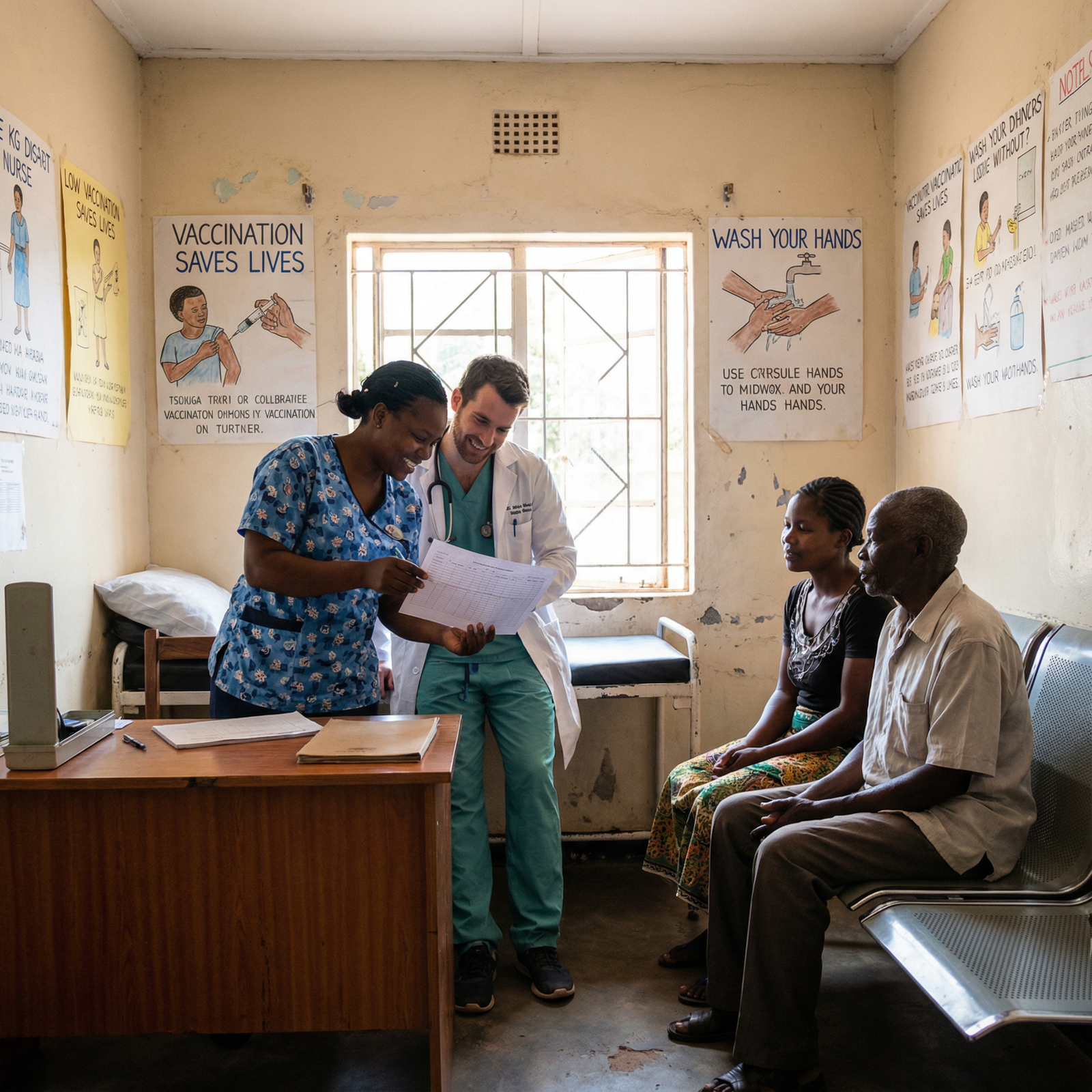
Engaging in Medical Missions as a Student or Resident: Ethical and Practical Guidance
For many trainees, participating in medical missions is a major career motivation. Done well, these experiences can foster lifelong commitments to underserved populations and Global Health Equity. Done poorly, they risk causing harm—despite good intentions.
Key Ethical Principles
Before joining any mission, reflect on:
- Respect for local autonomy: Are local partners leading or co-leading the work?
- Non-maleficence and beneficence: Do your skills match your responsibilities? Are supervision and patient safety prioritized?
- Justice and equity: Are resources used in ways that support the most vulnerable without undermining local services?
- Sustainability and humility: Does the mission invest in long-term capacity rather than perform “drive-by” care? Are you prepared to listen, learn, and adapt?
Practical Steps to Prepare
Choose Organizations Carefully
- Seek programs with established, long-term partnerships and clear educational structures
- Review their approach to sustainability, supervision, and local collaboration
Clarify Your Role and Scope
- Ensure you work within your training level and under appropriate supervision
- Advocate for clear protocols about what trainees can—and cannot—do
Invest in Pre-Departure Training
- Cultural humility and communication
- Local health system structure and priority conditions
- Personal safety, infection prevention, and travel medicine
Plan for Continuity of Care
- Ask how patients will receive follow-up and medication refills
- Support good documentation and handover to local providers
Reflect and Share Responsibly Afterward
- Avoid “poverty tourism” narratives on social media
- Center local partners and patients’ dignity in any presentations or publications
- Use your experience to advocate for systemic improvements at home and abroad
FAQs About Medical Missions, Ethics, and Global Health Engagement
1. What kinds of healthcare professionals and trainees typically participate in medical missions?
Medical missions draw from a wide range of disciplines, including:
- Physicians (primary care and specialists: pediatrics, surgery, OB/GYN, anesthesia, internal medicine, psychiatry, etc.)
- Nurses, nurse practitioners, and midwives
- Dentists and dental hygienists
- Pharmacists and pharmacy technicians
- Physical, occupational, and speech therapists
- Psychologists, counselors, and social workers
- Public health professionals and epidemiologists
- Medical, nursing, and other health professions students and residents (with appropriate supervision)
Non-clinical volunteers—logistics staff, interpreters, community organizers—are also essential for effective and ethical missions.
2. How can I, as a medical student or resident, get involved in a responsible way?
Start by:
- Exploring global health programs at your school or residency, especially those with long-standing partnerships
- Attending pre-departure training sessions on ethics, culture, and safety
- Asking potential organizations specific questions about supervision, sustainability, and local leadership
- Being honest with yourself about your current skill set and focusing on roles that match your training
You can also engage in Volunteer Healthcare domestically by serving in free clinics, migrant health programs, or telehealth initiatives for underserved populations.
3. What are the most common challenges and pitfalls in medical missions?
Common challenges include:
- Language and cultural barriers that may impede accurate diagnosis or adherence
- Limited diagnostics, medications, or follow-up options
- Role confusion, especially when trainees are asked (or tempted) to work beyond their competence
- Risk of undermining local providers if visitors are perceived as “superior” or if care is provided free in a way that disrupts local economies
- Ethical dilemmas around resource allocation and scope of care
Addressing these challenges requires humility, clear protocols, strong local partnerships, and continuous reflection.
4. Do medical missions focus only on physical health, or do they address mental and social dimensions as well?
Historically, many missions focused primarily on acute physical ailments. Today, there is growing recognition that comprehensive Community Health must include:
- Mental health assessment and treatment
- Trauma-informed care in conflict or disaster settings
- Support for survivors of gender-based violence
- Attention to social determinants: food security, housing, education, employment
Integrating these dimensions leads to more holistic, patient-centered care and aligns missions with broader Global Health Equity goals.
5. How can I support medical missions and global health equity if I can’t travel?
Even without traveling, you can contribute meaningfully:
- Volunteer at local free clinics or school-based health programs
- Join or support organizations that fund and staff long-term global health partnerships
- Participate in telehealth or remote education initiatives for clinicians in low-resource settings
- Advocate for policies that expand healthcare access and social protections at home and globally
- Contribute to research, guideline development, or quality improvement projects focused on underserved populations
Fostering justice in health does not require getting on a plane; it requires sustained commitment wherever you practice.
By engaging thoughtfully in Medical Missions, centering local leadership, and prioritizing sustainable, equitable partnerships, healthcare professionals and trainees can help transform lives—not only for patients in underserved communities, but also for themselves as they develop as ethical, globally-minded clinicians.


