Introduction: Why Your First Medical Mission Trip Matters
Medical missions and Healthcare Volunteering abroad have become a meaningful way for healthcare students, residents, and professionals to contribute to underserved communities while deepening their own clinical and ethical development. A well-planned Medical Mission can:
- Sharpen your clinical skills in resource-limited settings
- Build resilience, adaptability, and leadership
- Expand your understanding of global health inequities
- Strengthen Cultural Sensitivity and patient-centered care
- Influence your future career choices in public health, primary care, or humanitarian work
At the same time, your first Volunteer Abroad experience can feel overwhelming. How do you choose an ethical program? What should you pack? How do you prepare emotionally and clinically? And how do you ensure your presence is helpful rather than harmful?
This expanded guide walks you step-by-step through planning, Travel Preparation, on-the-ground conduct, and post-trip reflection—so your first Medical Mission Trip is safe, ethical, and genuinely impactful for both you and the communities you serve.
Understanding Medical Missions and Your Role
What Is a Medical Mission?
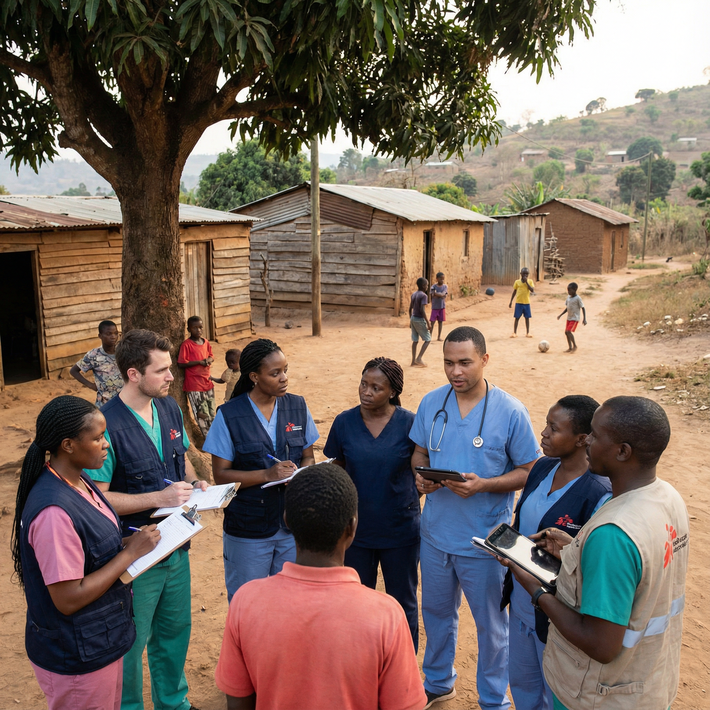
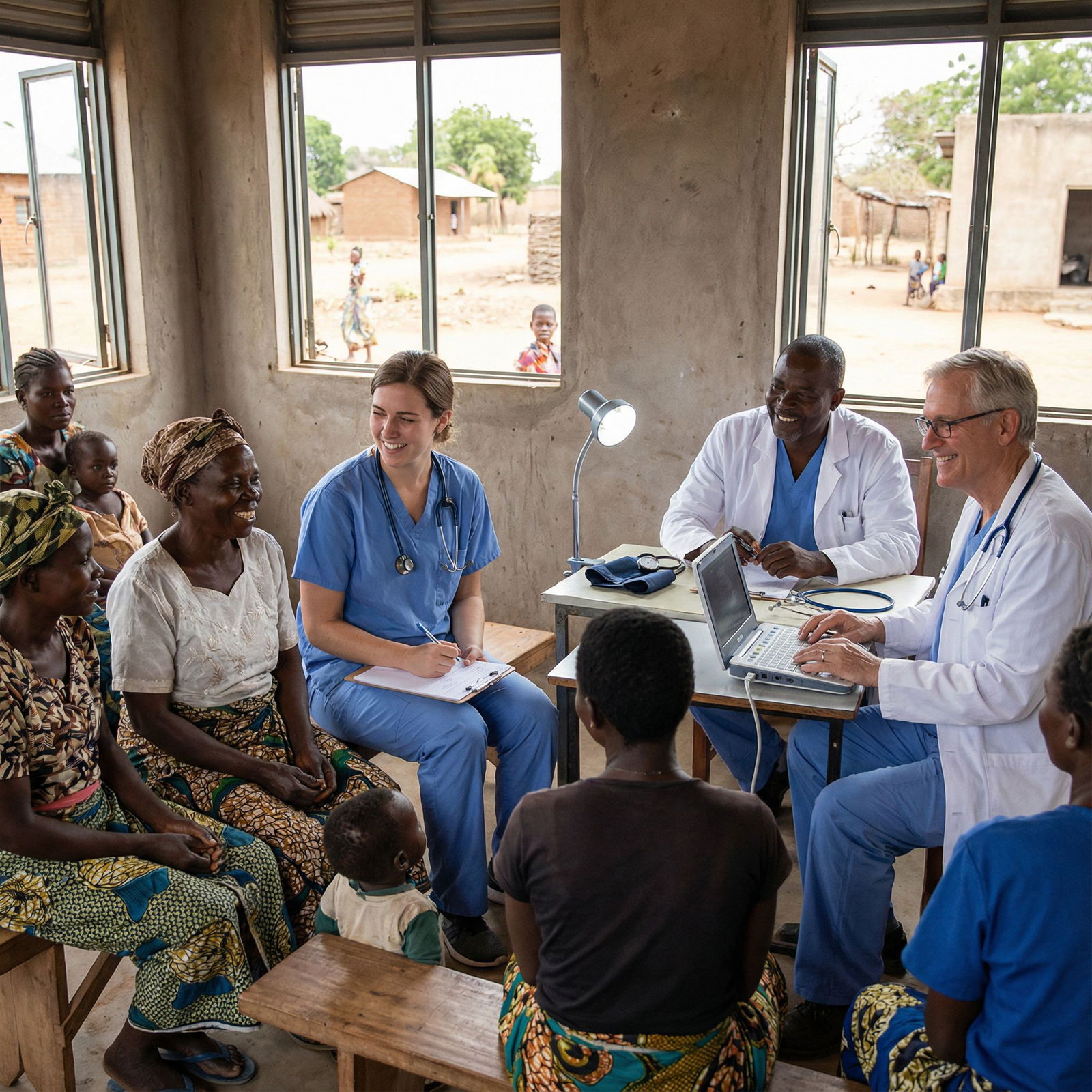
A medical mission is an organized effort in which healthcare professionals, trainees, and non-clinical volunteers provide clinical care, health education, and capacity-building support in underserved or crisis-affected communities—often abroad, but sometimes in remote or marginalized regions within your own country.
Key characteristics of ethical Medical Missions include:
- Local partnership: Working with established local clinics, hospitals, NGOs, or ministries of health
- Clear scope of practice: Roles defined according to training level and local needs
- Continuity of care: Systems to ensure follow‑up, referral, and local handoff after you leave
- Respect for local systems: Supporting, not replacing, local healthcare providers
Common Types of Medical Mission Trips
Understanding different models helps you select an experience that fits your skills, schedule, and values.
Short-Term Missions (1–8 weeks)
- Often focus on acute care, screening campaigns, and health promotion
- Typical for students, residents, and working professionals with limited vacation time
- Examples: rural primary care brigades, outreach clinics, school-based health fairs
- Pros: accessible, high patient volume, broad exposure
- Cons: risk of fragmented care if not well integrated with local systems
Medium- to Long-Term Programs (3 months–2 years)
- Emphasize continuity, capacity-building, and systems-level improvement
- Common for gap years, fellowships, or global health tracks in residency
- Activities: training local staff, implementing guidelines, quality improvement projects
- Pros: deeper impact, stronger relationships, better understanding of context
- Cons: higher personal and financial commitment
Specialty-Focused Missions
- Target specific areas such as:
- Surgery (e.g., cleft lip/palate, orthopedic, ophthalmologic)
- Dentistry
- Maternal and child health
- Mental health and psychosocial support
- Best suited to those with specific training or under close supervision
- Must be especially careful about postoperative follow-up and local handover
- Target specific areas such as:
Disaster Relief and Humanitarian Response
- Rapid deployment after earthquakes, floods, epidemics, or conflict
- Work often includes trauma care, emergency medicine, infectious disease control, and public health measures
- Requires strong prior training, emotional resilience, and ability to work in chaotic, high-stress environments
Clarifying Your Motivation and Expectations
Before signing up, honestly assess why you want to Volunteer Abroad:
- Are you primarily seeking clinical exposure, research, language practice, or service?
- How will you ensure your learning objectives do not overshadow patient safety and community needs?
- Are you prepared for emotionally difficult cases, ethical gray zones, and witnessing poverty and inequality?
Writing down 3–5 specific, realistic goals (e.g., “improve my clinical exam skills without advanced imaging,” “learn about local health systems,” “practice trauma-informed communication”) will help you choose the right program and later evaluate your experience.
Preparing for Your First Medical Mission Trip
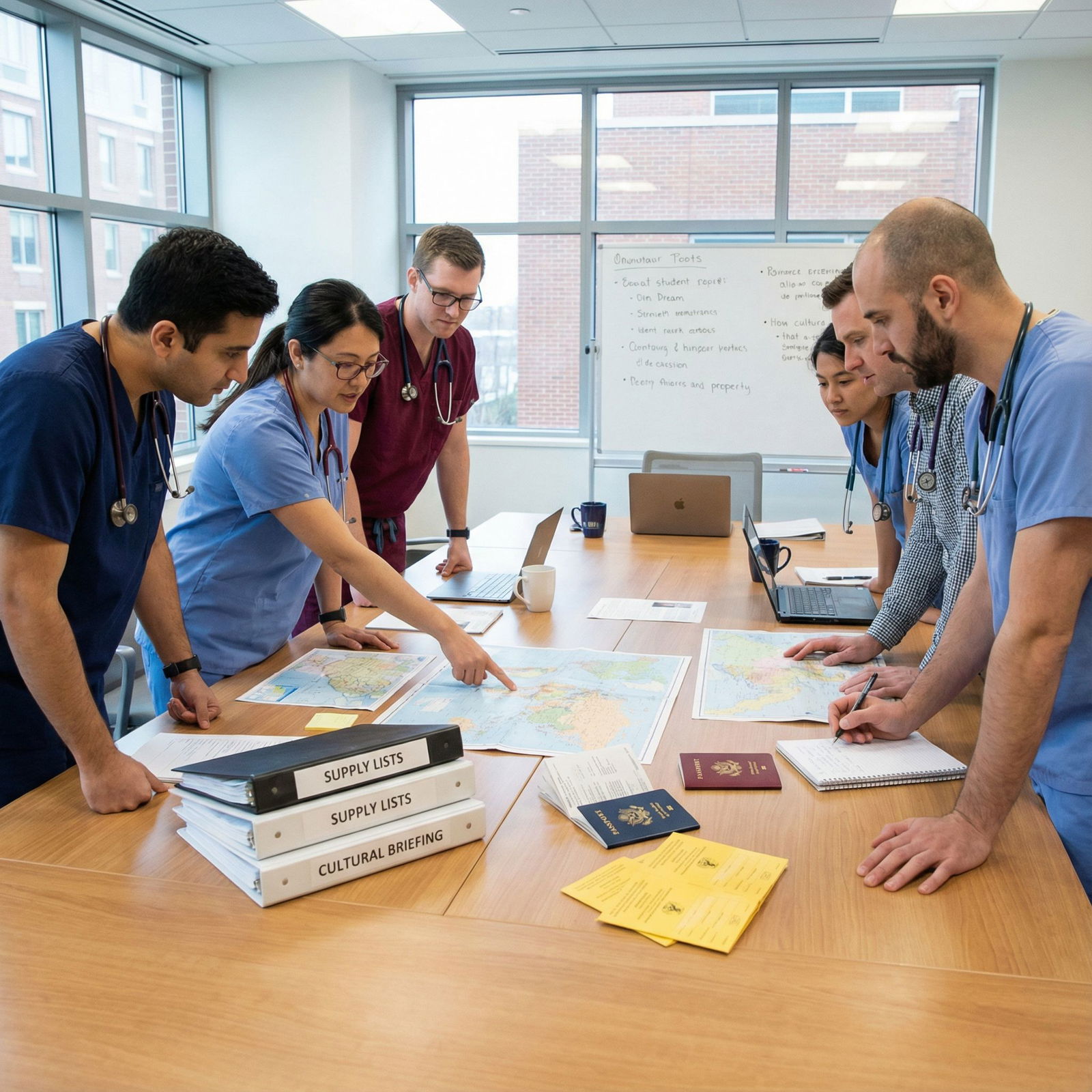
Effective Travel Preparation begins months before departure. Thoughtful planning protects both you and the community you’ll serve.
1. Choosing an Ethical and Reputable Organization
Not all Healthcare Volunteering programs are equal. Some are well-integrated into local systems; others unintentionally promote “voluntourism” with minimal benefit and potential harm.
When evaluating organizations, look for:
Long-term local partnerships
- Do they work with local hospitals, clinics, or health authorities?
- Are mission sites chosen by local partners based on expressed needs?
Clear roles and supervision
- Are responsibilities appropriate for your training level?
- Who will supervise students or early trainees?
- Are there policies to prevent scope-of-practice violations?
Sustainability and capacity-building
- Do they train local staff, support infrastructure, or enhance local systems?
- How do they ensure follow-up care and continuity once teams leave?
Transparency and accountability
- Are budgets, outcomes, and impact reports available?
- Do previous volunteers and local partners provide positive, specific feedback?
Leading international organizations include:
- Doctors Without Borders (Médecins Sans Frontières - MSF) – primarily for experienced clinicians
- Health Volunteers Overseas (HVO) – strong emphasis on education and capacity-building
- Operation Smile – surgical teams with organized follow-up
- Global Brigades, Remote Area Medical (RAM), and many university-based global health programs
Whenever possible, speak directly with:
- Past volunteers in your role and setting
- Local coordinators or physicians on the ground
Ask detailed questions about typical workdays, patient volume, supervision, housing, safety, and what they wish they’d known beforehand.
2. Understanding Your Destination: Culture, Health System, and Context
Cultural Sensitivity is not optional—it is central to safe, ethical care. Before you travel:
Learn About the Country and Community
- History and politics: Key events, conflicts, and how they shape trust in institutions
- Religion and beliefs: How spiritual traditions intersect with illness, birth, and death
- Social structure: Gender roles, family decision-making, and respect norms
- Health system:
- Public vs. private sector roles
- Common barriers to care (cost, distance, stigma)
- Availability of medications and diagnostics
Practical steps:
- Read recent country health profiles (WHO, World Bank, local ministry of health)
- Review travel advisories from your government
- Ask your host organization for pre-departure reading and orientation material
Language and Communication
Even basic language skills can transform rapport with patients.
- Learn greetings, polite forms of address, body-part names, and simple symptom phrases
- Practice how to ask for an interpreter and how to verify understanding (teach-back)
- Learn any phrases that may be sensitive or stigmatizing in the local context
Consider using:
- Phrasebooks or apps (and print a backup list for when your phone dies)
- Pre-translated patient education handouts approved by local partners
3. Preparing Your Medical and Non-Clinical Skills
Clinical Preparation
Review common conditions in the region
- Infectious diseases (e.g., malaria, TB, HIV, diarrheal diseases)
- Chronic diseases (e.g., hypertension, diabetes) in resource-limited contexts
- Maternal and child health indicators (ANC attendance, birth settings, neonatal mortality)
Refresh core skills relevant to low-resource environments:
- History and physical exam without heavy reliance on imaging
- Point-of-care diagnostics (e.g., malaria tests, glucose, hemoglobin)
- Rational prescribing based on limited formularies
- Basic wound care, splinting, and emergency stabilization
Know your limits
- Be very clear about what you are trained and credentialed to do
- Do not perform procedures you would not be allowed to do at home without supervision
Non-Clinical Skills
- Teamwork and communication in high-stress settings
- Leadership and followership—knowing when to step up and when to step back
- Ethical reasoning in cross-cultural and low-resource scenarios
If possible, participate in:
- Pre-departure global health or ethics workshops at your institution
- Simulation sessions focused on triage, mass casualty, or cross-cultural communication
4. Documentation, Health, and Safety Preparation
Essential Travel Documentation
- Passport: Valid at least 6 months beyond your return date, with blank pages
- Visa: Check requirements early; some medical missions require special permissions
- Professional credentials:
- Copies of medical license, degree, student ID, and specialty board certification if applicable
- Letters of good standing from your institution or program director
- Mission documentation: Invitation letters, contact information for local partners, and emergency numbers
Vaccinations, Prophylaxis, and Personal Health
Visit a travel medicine clinic 4–8 weeks before departure to discuss:
- Routine vaccines (e.g., MMR, Tdap, polio, influenza, COVID-19)
- Region-specific vaccines (e.g., yellow fever, typhoid, hepatitis A/B, rabies, Japanese encephalitis)
- Malaria prophylaxis options and side effects
- Management of traveler’s diarrhea and food/water precautions
Also:
- Refill chronic medications for the entire trip plus extra
- Discuss mental health support and coping strategies if you have a history of anxiety, depression, or trauma
- Register your trip with your country’s traveler registry if available
5. Financial Planning and Fundraising
Medical Missions often involve costs: flights, program fees, accommodations, immunizations, and personal supplies.
Create a detailed budget that includes:
- Airfare and ground transport
- Program or placement fees
- Visa and insurance (health, evacuation, trip interruption)
- Vaccines and prophylaxis
- Food, housing, and local communication (SIM card, data)
- Emergency funds
Funding strategies:
- Apply for institutional global health scholarships or travel grants
- Organize fundraisers (talks, bake sales, runs) tied to education about global health
- Consider crowdfunding but be transparent about how funds will be used
- Some organizations provide partial or full sponsorship for specific skills or roles
6. Packing for a Medical Mission: What to Bring (and What to Leave)
Pack light but strategically. Your goal is to be self-sufficient without overburdening logistics.
Clinical and Professional Items
- Stethoscope, penlight, reflex hammer, blood pressure cuff (if requested)
- Personal PPE: gloves, N95 or equivalent, surgical masks, eye protection (as needed)
- Scrubs and clinic-appropriate attire (modest, breathable, easy to wash and dry)
- Name badge with role and institution clearly displayed
- Small reference materials or offline apps (drug formulary, infectious disease guides)
Confirm with your organization:
- Which medications and supplies are needed and permitted to bring
- Customs regulations for medical supplies
Personal Health and Comfort
- Personal first-aid and medication kit
- Sunscreen, insect repellent, and a hat
- Water bottle with filter if recommended
- Modest, culturally appropriate clothing for community settings (e.g., long skirts or trousers, covered shoulders)
- Sleep gear: earplugs, eye mask, light sleeping bag or sheet if needed
Electronics and Documentation Tools
- Phone, charger, universal adapter, power bank
- Headlamp or small flashlight (power outages are common)
- Notebook, pens, and secure digital backups for important documents
Thoughtful Touches
- Small culturally appropriate gifts for local colleagues (e.g., educational materials, pens, notepads, coffee or tea from your home country)
- Laminated diagrams or simple patient education posters to leave with the clinic
Avoid bringing:
- Expensive jewelry or valuables
- Items that may appear ostentatious or create power imbalances
7. Developing Cultural Sensitivity Before You Go
Cultural Sensitivity is more than a short training; it’s an attitude of humility and respect.
- Practice cultural humility: assume you do not fully understand, and let local colleagues lead where possible
- Learn local norms around:
- Physical touch and gender interactions
- Eye contact and personal space
- Discussing sexual, reproductive, or mental health issues
- Reflect on power dynamics:
- You may be perceived as wealthy, powerful, or “the expert,” even as a student
- Use that influence responsibly, always seeking to elevate local voices
Where available, join your organization’s pre-departure Cultural Sensitivity training and debrief regularly with mentors during and after the trip.
While on Your Medical Mission: Best Practices on the Ground
Once you arrive, your ability to adapt and collaborate will matter as much as your medical knowledge.
1. Embrace Flexibility and Resourcefulness
Conditions can change daily:
- Clinics may start late due to transportation issues or weather
- Supplies may run out unexpectedly
- Patient volumes can fluctuate dramatically
Strategies:
- Focus on what you can do safely with available resources
- Prioritize high-yield interventions (e.g., hypertension management, vaccinations, family planning counseling)
- Keep an open, problem-solving mindset rather than frustration when systems differ from what you’re used to
2. Collaborate Closely with Local Teams
You are a guest in their system.
- Introduce yourself clearly—name, training level, and what you can and cannot do
- Ask local staff how you can be most helpful each day
- Defer to local protocols and guidelines when safe and evidence-based
- Involve local providers in clinical decision-making; avoid “taking over” cases
For students and residents:
- Clarify supervision chains early
- Seek feedback on your communication style, professionalism, and cultural adaptation
3. Maintain Professionalism and Ethical Standards
All the principles of professionalism at home apply abroad—often more so.
- Informed consent and autonomy: Ensure patients understand who you are, the proposed intervention, and alternatives; use interpreters appropriately
- Confidentiality: Protect patient privacy even in crowded, makeshift settings
- Scope of practice: Do not let the “anything goes” myth of low-resource settings push you into unsafe territory
- Avoid “poverty tourism”:
- Never take photos that compromise dignity or privacy
- Always obtain explicit consent for photographs
- Ask yourself: “Would this be acceptable if this were my patient at home?”
4. Document Carefully and Reflect Intentionally
Clinical documentation:
- Follow local standards for charting; keep notes legible and concise
- Record diagnoses, treatments, and follow-up plans clearly for continuity of care
Personal reflection:
- Keep a daily journal focused on:
- Clinical lessons
- Ethical dilemmas and how you navigated them
- Emotional responses and coping strategies
- Moments of learning from patients and colleagues
Reflecting during the mission—not only after—helps you process experiences and adjust behaviors in real time.
After Your Mission: Integration, Growth, and Ongoing Engagement
The way you process and act on your experience after returning home is a critical part of ethical Healthcare Volunteering.
1. Structured Reflection and Debriefing
Shortly after returning:
- Attend any formal debrief sessions offered by your organization or institution
- Discuss emotionally challenging cases, ethical tensions, and cultural misunderstandings with mentors
- Revisit your original goals—what was achieved, and what needs more work?
Personal reflection questions:
- How did this experience change your understanding of health inequities?
- Where did you feel most effective—and least effective? Why?
- What biases or assumptions were challenged?
2. Sharing Your Experience Responsibly
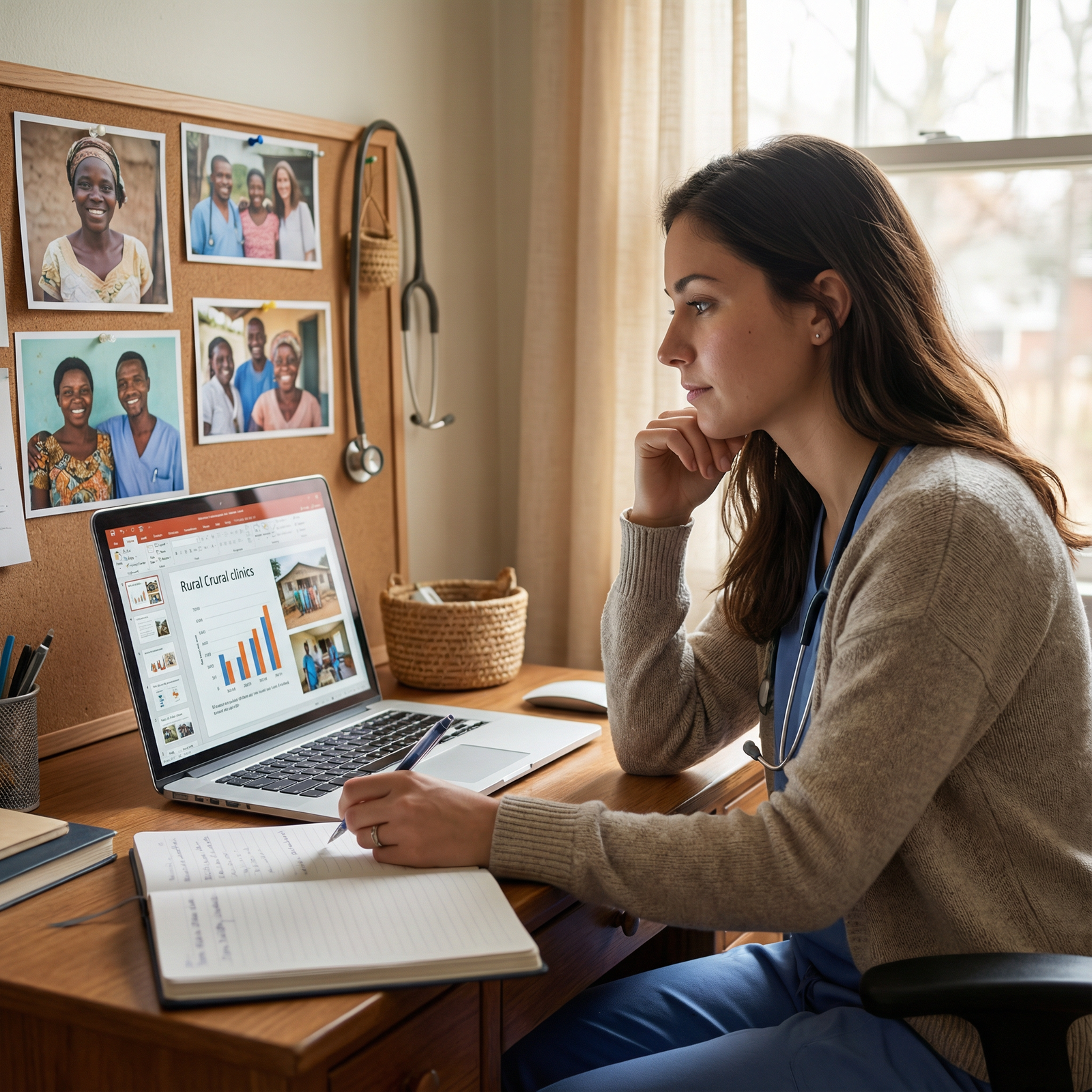
When you present or post about your mission:
- Focus on systems, stories of collaboration, and structural issues, not just dramatic clinical cases
- Protect patient privacy—no identifiable details or images without explicit, appropriately documented consent
- Highlight local partners’ work and leadership; avoid centering yourself as the “hero”
Consider:
- Giving educational talks at your medical school or residency
- Writing reflective essays or blog posts on ethical Global Health practice
- Presenting quality improvement or research data if collected under appropriate IRB/ethical oversight
3. Maintaining Relationships and Supporting Sustainability
Long-term impact often comes from continuity, not a single trip.
- Stay in touch with local colleagues and coordinators (within their comfort and capacity)
- Ask what ongoing support—educational, financial, advocacy—would be truly helpful
- Consider returning to the same site to build trust and deeper understanding over time
4. Integrating Lessons into Your Future Practice
Use what you’ve learned to:
- Improve care for immigrants, refugees, and underserved communities at home
- Advocate for equity-focused policies in your institution or professional organizations
- Pursue further training in global health, public health, or health policy if aligned with your interests
Ultimately, a well-executed Medical Mission Trip becomes part of a broader lifelong commitment to ethical, equitable care—wherever you practice.
FAQs: Volunteering Abroad on a Medical Mission
1. What types of skills should I have to participate in a Medical Mission?
You do not need to be fully trained to contribute, but your role should match your level:
- Medical students: history-taking, basic physical exams, patient education, triage—always under supervision
- Residents and fellows: supervised clinical care in your specialty, teaching local trainees when appropriate
- Attending physicians and advanced practitioners: direct patient care, supervision, teaching, and systems-level support
- Non-clinical volunteers: logistics, translation, data entry, community outreach, and health education
Across all levels, essential skills include:
- Clear communication and teamwork
- Respect for local expertise and Cultural Sensitivity
- Comfort with uncertainty and resource limitations
2. How can I best prepare for cultural differences before my mission?
- Read about the country’s history, culture, and health beliefs from reliable sources
- Learn basic phrases in the local language and practice with native speakers if possible
- Participate in pre-departure orientation or Cultural Sensitivity training
- Ask your host organization about norms around modesty, gender roles, hierarchy, and communication
- Reflect on your own cultural background and biases to better understand how you might be perceived
3. What are common challenges faced during Medical Missions?
Common challenges include:
- Limited diagnostics and medications compared to your home setting
- Language barriers and difficulties using interpreters effectively
- Differences in medical practice patterns and expectations
- Ethical dilemmas (e.g., resource allocation, end-of-life care, differing cultural norms)
- Emotional strain from seeing severe illness, poverty, or preventable deaths
- Logistical issues: transportation delays, power outages, or political unrest
Anticipating these challenges and approaching them with humility and flexibility helps you respond constructively.
4. Is prior volunteering or global health experience required?
Not always. Many programs welcome first-time volunteers, especially if:
- Your skills align with clearly defined roles and supervision is available
- You are willing to prioritize learning, listening, and supporting local systems over “doing everything”
- You complete required pre-departure training and orientation
If you have no prior experience, consider:
- Starting with well-structured university or hospital-affiliated programs
- Joining domestic service opportunities with underserved populations to build foundational skills
5. How do I choose the right organization for my first Medical Mission Trip?
When comparing options, ask:
- How long has the organization worked in this location, and with which local partners?
- How are local needs identified and programs evaluated?
- What will my exact role be, and who will supervise me?
- How is continuity of care ensured after the mission ends?
- What safety measures, insurance, and emergency plans are in place?
Look for organizations that emphasize partnership, sustainability, ethical practice, and well-defined supervision. Speak to previous participants and, if possible, local stakeholders before committing.
By preparing thoroughly, practicing humility, and centering the needs and wisdom of local communities, your first experience Volunteering Abroad on a Medical Mission can be transformative—both for your own development and for the patients and colleagues you serve.