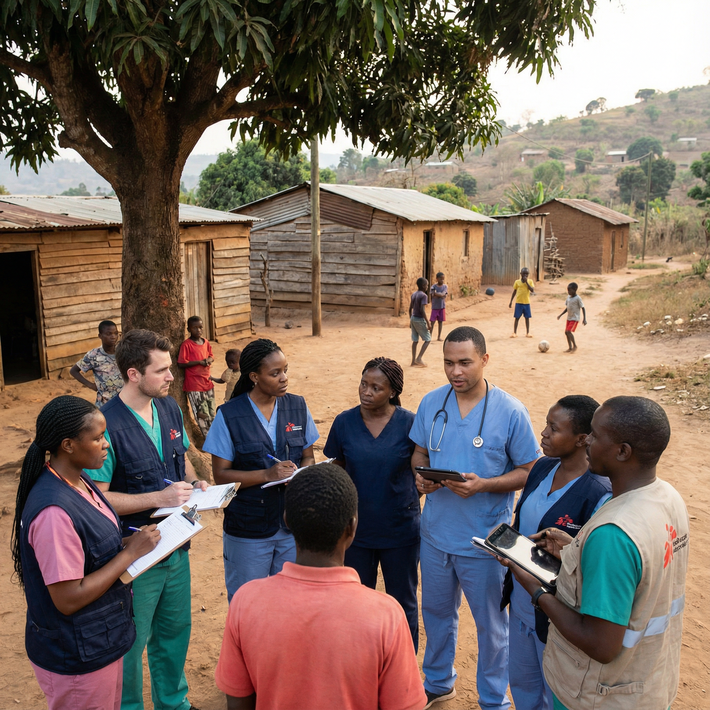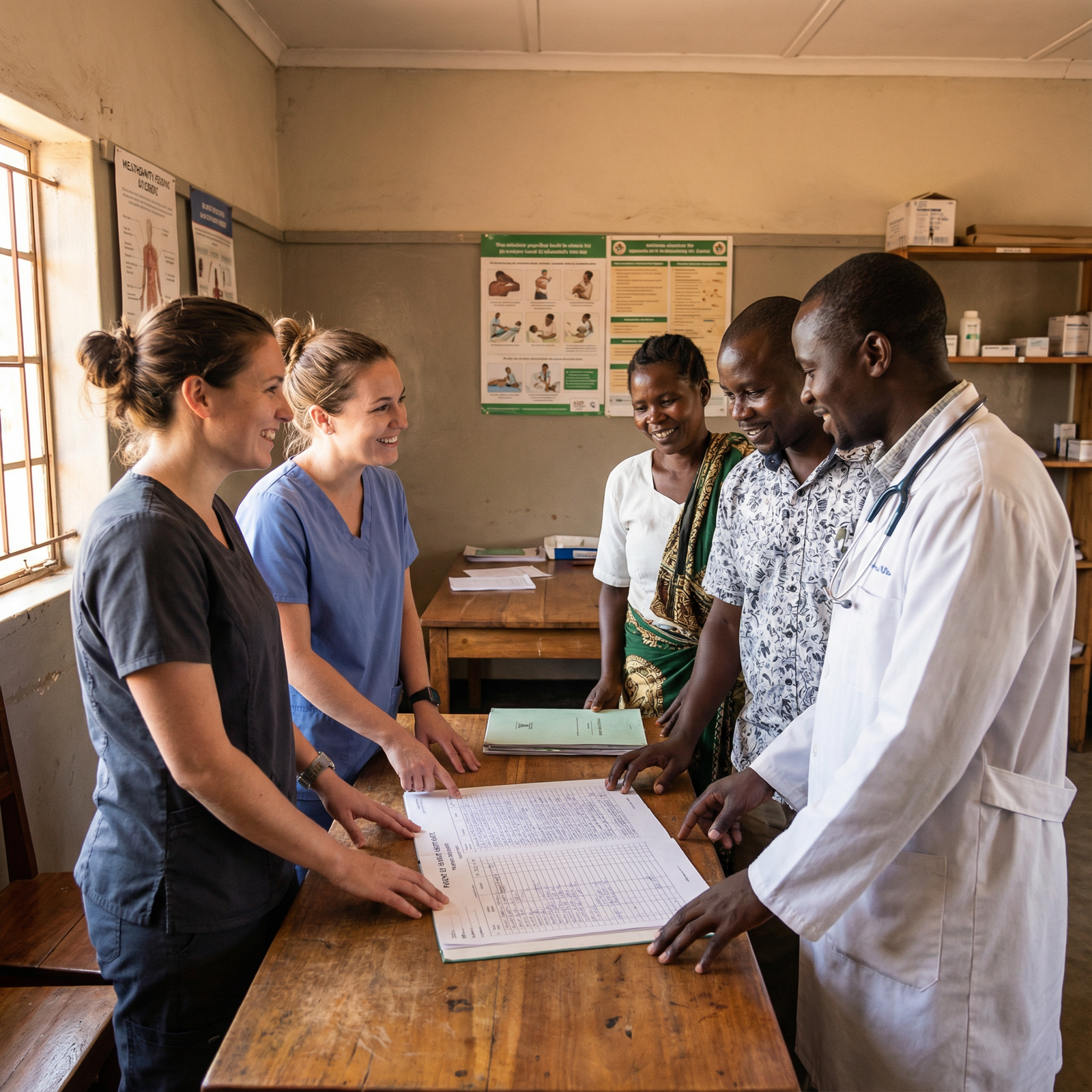
The Power of Collaboration: Partnering with Local Healthcare in Medical Missions
In modern global health initiatives, collaboration is no longer a bonus—it is the foundation of effective, ethical, and sustainable healthcare outreach. Medical missions that once operated as short-term, parallel systems are increasingly transitioning toward models that prioritize partnership with local healthcare providers and health authorities.
For medical students, residents, and practicing clinicians interested in Medical Missions, understanding how to collaborate well is essential. True impact comes not from how many patients you see in a week, but from how effectively you strengthen local systems, promote Cultural Competence, and support Sustainable Healthcare long after you leave.
This enhanced guide explores why collaboration matters, practical strategies for building partnerships, key challenges and pitfalls, and real-world examples of Healthcare Collaboration that create lasting change in underserved communities.
Rethinking Medical Missions: From One‑Time Aid to Sustainable Partnership
Moving Beyond the “Flying in to Save the Day” Model
Traditional medical missions often involved volunteer teams flying into underserved areas, providing high-volume care for a week or two, and then leaving—sometimes without meaningful hand-off or coordination with local providers. While these teams were usually well-intentioned and sometimes life-saving in emergencies, this model has clear limitations:
- Care often stops as soon as the team leaves
- Local health systems can be bypassed or undermined
- Follow-up for complex cases is inconsistent or impossible
- Interventions may not align with local priorities or context
In contrast, today’s best Global Health Initiatives focus on partnership: working alongside existing clinicians, ministries of health, local NGOs, and community leaders to jointly design and deliver care.
Why Partnering with Local Healthcare Changes Outcomes
Collaborating with local healthcare workers shifts the goals of a mission:
- From volume to value – Not just “How many patients did we see?” but “How did we strengthen local capacity?”
- From outsiders leading to locals leading – International volunteers support, train, and listen, while local professionals shape priorities and decisions.
- From temporary relief to Sustainable Healthcare – Skills, systems, and relationships continue long after the team departs.
For you as a trainee or early-career physician, this mindset shift is crucial: you are not just a visiting clinician—you are a partner in a long-term healthcare ecosystem.
Why Collaboration Is Essential in Medical Missions
1. Building Sustainable Healthcare Systems, Not Short-Term Fixes
Sustainability is the cornerstone of ethical medical missions. A well-run mission should leave behind stronger systems, better-trained staff, and empowered communities—not dependency.
Key benefits of collaborative, sustainable healthcare work include:
- Continuity of care – Local providers can continue treatment plans, follow patients post-op, and manage chronic disease.
- Skill transfer – Local staff gain new competencies that they can use independently.
- System strengthening – Documentation, referral pathways, procurement processes, and quality-improvement routines can improve permanently.
Example: Orthopedic Capacity-Building in Southeast Asia
In a rural Southeast Asian region, an international orthopedic team partnered with a regional hospital rather than operating independently. Together they:
- Co-selected the surgical cases based on local need and feasibility of follow-up
- Performed joint replacements and trauma surgeries with local surgeons scrubbed in as primary or co-surgeons
- Ran a series of workshops on perioperative care, infection control, and rehabilitation
- Established shared protocols for post-operative follow up and complication management
Months later, local surgeons were independently performing similar procedures, and patient outcomes improved beyond the team’s short visit. This demonstrates the difference between a one-time intervention and a Sustainable Healthcare initiative rooted in partnership.
2. Enhancing Cultural Competence and Patient Trust
Cultural Competence is not optional in Medical Missions—it is central to effectiveness and safety. Local providers understand:
- Community beliefs about illness, pain, and healing
- Gender dynamics and family decision-making roles
- Historical mistrust (e.g., previous negative experiences with outsiders)
- Language nuances and nonverbal communication
When international teams work through local partners, they tap into this deep knowledge, improving:
- Informed consent quality
- Adherence to treatment plans
- Respectful care for sensitive issues (reproductive health, mental health, end-of-life decisions)
Case Study: Integrating Traditional Healers in Sub-Saharan Africa
In one Sub-Saharan African mission, the visiting team initially struggled with poor clinic attendance and skepticism toward Western medicine. After meaningful dialogue, they:
- Invited respected traditional healers to observe consultations
- Created joint education sessions explaining how herbal practices and Western treatments could complement (or sometimes conflict with) each other
- Developed clear referral agreements for certain conditions (e.g., severe infections, obstetric emergencies, trauma)
By recognizing and involving traditional healers rather than dismissing them, the mission built trust. Over time, more patients accepted vaccinations, HIV testing, and modern treatments because trusted local figures endorsed them.
3. Sharing Resources, Expertise, and Infrastructure
Effective Healthcare Collaboration makes better use of what already exists locally, rather than duplicating or displacing it.
Benefits include:
- Leveraging existing clinics and hospitals – Using local spaces for consultations or outreach rather than setting up parallel pop-up clinics
- Aligning with national guidelines and drug formularies – Ensuring that treatments initiated by the mission can be continued locally
- Coordinating with supply chains – To avoid introducing medications or supplies that cannot be replenished
Example: Eye Health Collaboration in Latin America
An ophthalmology mission to a remote Latin American community initially planned to bring a mobile clinic. After discussions with the local health authority, they instead:
- Used established primary care clinics as eye-care hubs
- Trained community health workers to perform basic visual acuity screening
- Set up a simple referral system from local primary care providers to regional eye surgeons
- Donated equipment requested by the clinic, chosen based on what could be maintained locally
This approach minimized redundancy, integrated eye care into existing services, and ensured long-term follow-up capacity.

Practical Strategies for Effective Collaboration with Local Healthcare Partners
Collaboration does not happen by accident; it requires intentional planning, humility, and consistent communication.
1. Conduct Thorough Community and System Assessments
Before setting foot in a clinic, mission teams should perform structured assessments to understand:
- The local epidemiology (common diseases, emerging threats)
- Existing healthcare workforce (who is already serving this community?)
- Infrastructure and supplies (labs, imaging, anesthesia capacity, essential medications)
- Referral networks (where patients go for higher-level care)
Actionable Tips
- Schedule virtual pre-trip meetings with local clinicians or administrators.
- Review national health policies and guidelines for the host country.
- Use structured tools (e.g., WHO service availability and readiness assessments) when appropriate.
- Ask local partners: “What are your priorities, and how can we support them?” instead of “Here is what we plan to do.”
2. Build Genuine Relationships with Local Providers
Relationships are the backbone of effective Global Health Initiatives. Treat local colleagues as equal professionals, not as “recipients” of your expertise.
How to Build Trust and Respect
- Start by listening more than talking during early meetings.
- Ask about their existing strengths and innovations—not just gaps.
- Co-author protocols, schedules, and educational sessions.
- Share decision-making about which cases to take on and which to defer.
- Follow up after the mission with debriefs and continued communication.
For residents and students, relational skills—being approachable, teachable, respectful—often matter as much as clinical skills.
3. Design Bidirectional Training and Mentorship
Training should never be a one-way transfer of knowledge from international to local providers. True collaboration recognizes that both sides bring valuable expertise.
Examples of bidirectional learning:
- Local clinicians teach visiting teams about endemic diseases, local guidelines, and cultural norms.
- International teams share specialized skills (e.g., advanced surgical techniques, point-of-care ultrasound, quality improvement methods).
- Joint case conferences and morbidity and mortality (M&M) reviews include all staff.
Practical Educational Strategies
- Short workshops on topics co-selected with local partners
- Bedside teaching rounds with both local and visiting staff
- Simulation sessions for obstetric emergencies, resuscitation, or trauma
- Remote mentorship after the mission using telemedicine or messaging platforms
4. Elevate and Center Local Leadership
For Sustainable Healthcare, local professionals should lead both day-to-day clinical decisions and long-term planning. International partners are there to support, not dominate.
Approaches to elevating local leadership:
- Identify local “champions” for different program areas (e.g., infection control, pediatric care, diabetes management).
- Invite local leaders to co-chair mission planning committees.
- Ensure local providers lead clinical teams where possible, with visitors in supportive roles.
- Encourage local authorship on research or publications arising from joint work.
This shift helps avoid “white savior” dynamics and promotes durable, locally owned health solutions.
5. Create Robust Feedback and Quality-Improvement Mechanisms
Collaboration must be iterative. Establish channels to regularly assess what’s working—and what isn’t—from the perspective of:
- Local clinicians and staff
- Community health workers
- Patients and families
- Health administrators
Possible feedback approaches:
- Anonymous surveys for local staff
- Post-mission debrief meetings conducted locally and with remote partners
- Continuous quality improvement projects (e.g., tracking infection rates, referral completion, or patient satisfaction)
- Shared dashboards or simple metrics that everyone can monitor
This feedback loop keeps Global Health Initiatives relevant, ethical, and aligned with evolving community needs.
Common Challenges in Collaborative Medical Missions—and How to Address Them
Collaboration is powerful, but it is not easy. Anticipating challenges can help teams respond thoughtfully rather than reactively.
1. Communication Barriers and Mismatched Expectations
Language differences, varied levels of medical training, and different communication styles can lead to misunderstanding.
Mitigation Strategies:
- Use trained medical interpreters whenever possible—not just bilingual volunteers.
- Clarify expectations early: goals, scope of practice, decision-making processes, and documentation standards.
- Encourage “check-back” communication: repeat back key plans to confirm understanding.
- Use clear, jargon-free language in mixed groups.
2. Navigating Cultural and Ethical Complexities
Ethical norms and cultural expectations can differ: informed consent processes, confidentiality expectations, gender roles in decision-making, or attitudes toward end-of-life care.
Mitigation Strategies:
- Incorporate formal Cultural Competence training into mission preparation.
- Ask local providers how they typically handle complex issues (e.g., disclosure of terminal diagnoses).
- When in doubt, defer to local law and ethical standards, provided they are consistent with fundamental human rights.
- Avoid imposing your own cultural preferences; instead, seek ethically sound compromises in partnership with local colleagues.
3. Limited Infrastructure and Resources
Many mission sites lack basic diagnostics, reliable electricity, advanced imaging, or specialty referrals. Well-intentioned teams can inadvertently propose interventions that cannot be maintained.
Mitigation Strategies:
- Design care plans around what will realistically be available after you leave.
- Avoid starting complex therapies (e.g., certain chemotherapy regimens) if follow-up and continuity are not secured.
- Prioritize interventions that align with local formularies, supply chains, and referral systems.
- When donating equipment, ensure there is a plan for maintenance, repairs, and training.
4. Power Imbalances and “Savior” Dynamics
Even with good intentions, international teams may hold disproportionate influence due to funding, perceived expertise, or sociopolitical privilege.
Mitigation Strategies:
- Actively invite critique from local partners and take it seriously.
- Credit local contributions in reports, fundraising materials, and academic work.
- Be transparent about the limits of your expertise and your commitment to co-learning.
- Reflect regularly on your own motivations and biases; mentorship and ethics discussions during debriefs can help.
Real-World Examples of Successful Healthcare Collaboration in Missions
1. The Honduras Primary Care and Prevention Initiative
In Honduras, a coalition of clinicians from multiple countries partnered with local health authorities and community leaders to address persistent gaps in primary care.
Key components:
- Training local nurse practitioners and community health workers to diagnose and manage common conditions such as hypertension, diabetes, and childhood infections.
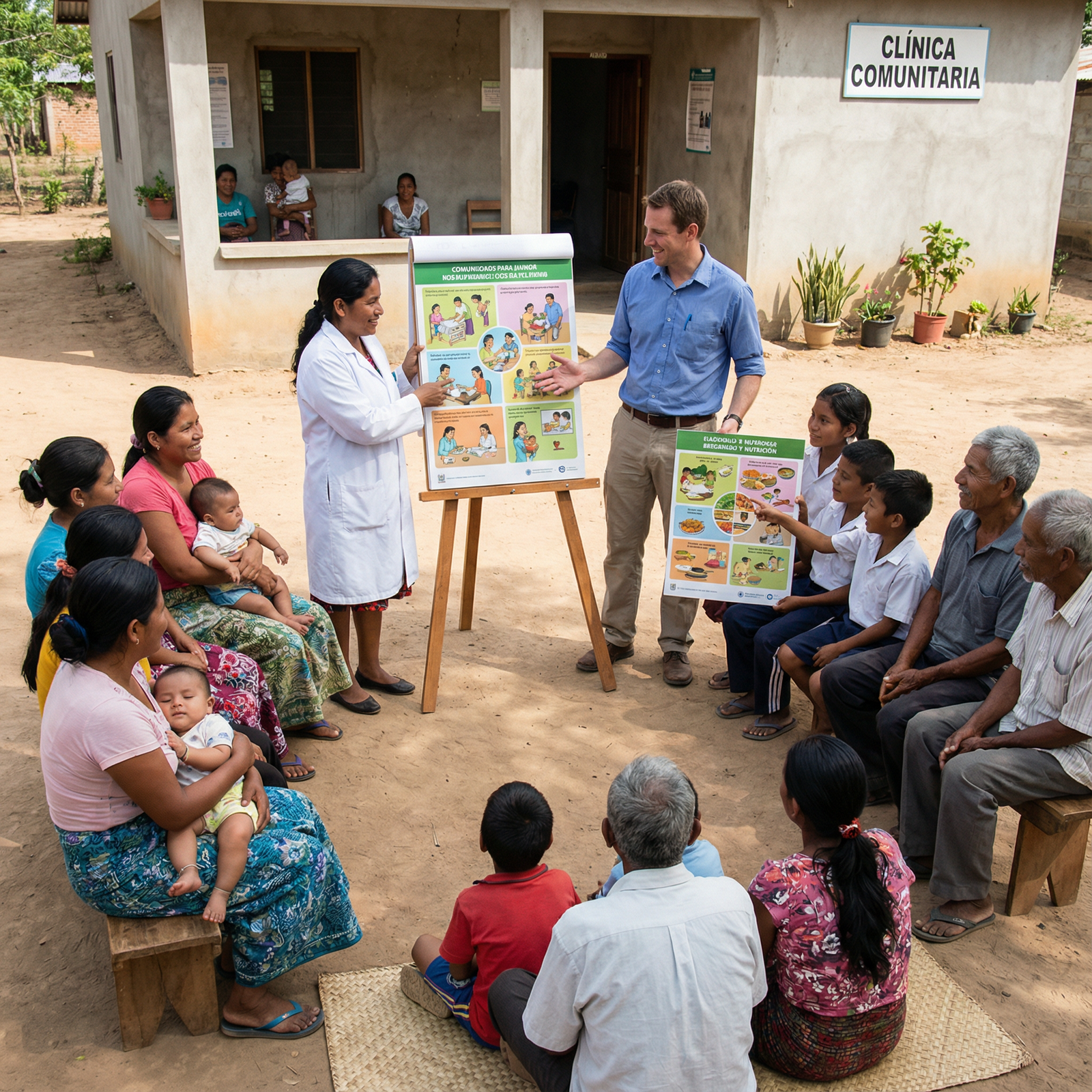
- Developing preventive health curricula delivered in schools, churches, and community centers (e.g., nutrition, hand hygiene, sexual and reproductive health).
- Creating simple registries for chronic disease patients, enabling ongoing follow-up and medication monitoring.
Outcomes reported over several years included improved health literacy, decreased prevalence of uncontrolled hypertension, and earlier presentation for care.
2. Nepal Earthquake Response and Recovery
After the devastating earthquake in Nepal, global relief teams initially focused on acute emergency care. However, the most impactful efforts emerged from coordinated, long-term Healthcare Collaboration with local entities.
Notable elements:
- Foreign emergency teams worked under the coordination of Nepal’s Ministry of Health, aligning with national priorities.
- Short-term mission teams transitioned into capacity-building efforts: training local providers in trauma surgery, rehabilitation, mental health care, and disaster preparedness.
- Local hospitals received targeted support to rebuild infrastructure and improve emergency-care systems.
Years later, Nepal’s health system had strengthened trauma-care capabilities and disaster response protocols that extended far beyond the original emergency.
Frequently Asked Questions About Collaboration in Medical Missions
1. How can I, as a medical student or resident, contribute to sustainable and ethical medical missions?
You can contribute by:
- Choosing mission programs that explicitly prioritize Healthcare Collaboration and long-term partnerships.
- Preparing thoroughly: learn about the country’s health system, key diseases, and cultural context before you go.
- Focusing on learning and capacity-building, not just “doing”—offer to teach what is appropriate for your level, and be eager to learn from local clinicians.
- Respecting scope of practice and local authority; never perform procedures you aren’t trained and credentialed to do at home.
- Advocating within your team for careful follow-up plans and alignment with local guidelines.
2. How do mission organizations find and vet local healthcare partners?
Most ethical mission organizations:
- Build relationships over years, not weeks, often partnering with local hospitals, universities, NGOs, or faith-based organizations.
- Conduct site visits and needs assessments before launching clinical work.
- Sign memoranda of understanding (MOUs) that outline shared goals, responsibilities, and expectations.
- Seek input from ministries of health and local professional associations to ensure alignment with national strategies.
If you’re considering joining a mission, ask how long the organization has worked with its local partners and how decisions are made jointly.
3. What are red flags that a medical mission may not be collaborating appropriately?
Warning signs include:
- Little to no involvement of local clinicians in planning or execution.
- Temporary clinics set up without notifying local health authorities.
- Interventions that introduce drugs, equipment, or protocols not available locally for follow-up.
- Emphasis on volunteer experience or social media exposure over measurable local benefits.
- Lack of structured debriefs, evaluation, or feedback from local partners.
If you encounter these patterns, raise concerns and consider seeking programs that better align with best practices in Global Health Initiatives.
4. How can medical missions respect traditional or complementary medicine while promoting evidence-based care?
Respecting traditional practices while promoting evidence-based medicine requires humility and openness:
- Ask local providers and community members which traditional practices are most important.
- Clarify which practices are harmless or potentially beneficial and which may be dangerous or interfere with treatments.
- Collaborate with traditional healers when possible, especially as referral partners.
- Use culturally sensitive education to explain why certain harmful practices should be modified or avoided.
The goal is partnership, not eradication of local traditions; Cultural Competence strengthens trust and adherence.
5. What metrics can be used to evaluate the success of collaborative medical missions?
Beyond patient counts, meaningful metrics might include:
- Number of local providers trained and their reported confidence in new skills
- Changes in clinical outcomes (e.g., complication rates, vaccination coverage, blood pressure control)
- Integration of new protocols or systems into routine local practice
- Continuity of care indicators (e.g., percentage of surgical patients receiving follow-up)
- Feedback from local staff and community members about perceived value and respectfulness of the mission
Successful missions are those where, over time, the need for visiting teams diminishes because local capacity has grown.
Collaborative medical missions—grounded in humility, respect, and shared purpose—have the power to support truly Sustainable Healthcare and strengthen global health equity. By centering local expertise, building long-term relationships, and aligning with community priorities, healthcare professionals can ensure their Global Health Initiatives leave a legacy of resilience rather than dependence.