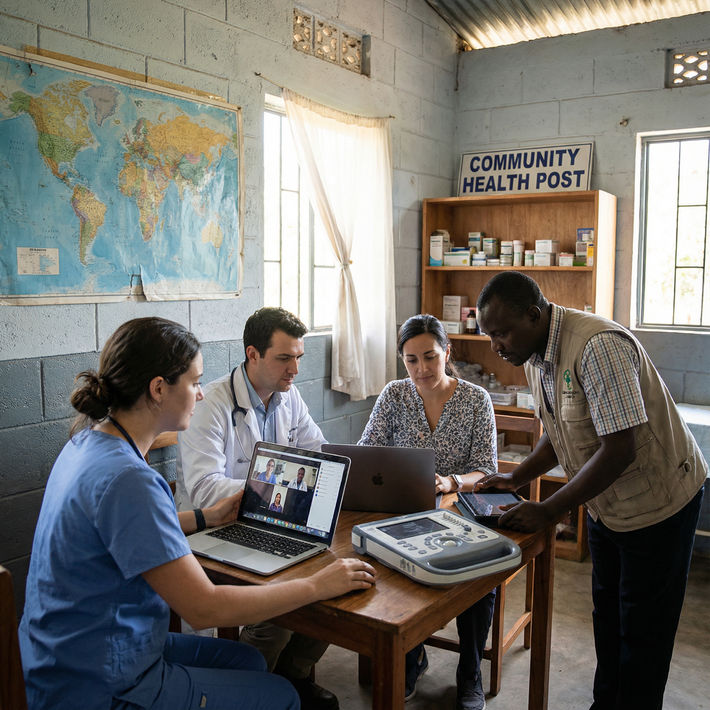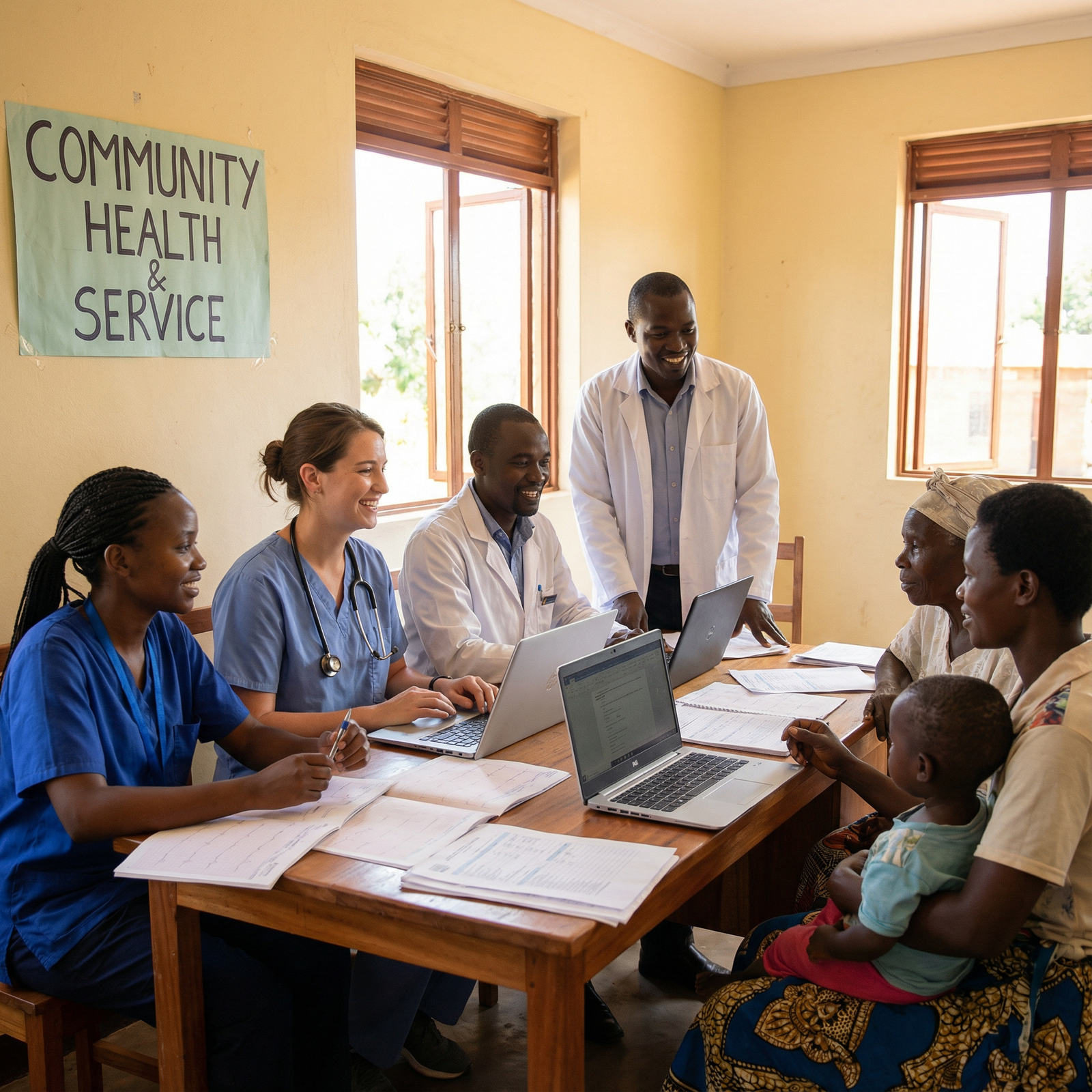
Introduction: Aligning Your Next Medical Mission With Who You Are
Medical missions can be life-changing—for you and for the communities you serve. Beyond providing direct care, they offer healthcare volunteers a unique opportunity to contribute to Global Health, gain perspective on health inequities, and grow personally and professionally. From short-term mobile clinics to long-term partnerships with local hospitals or public health programs, there is no “one-size-fits-all” experience.
Choosing the right medical mission—one that matches your skills, training level, interests, and values—is essential for:
- Maximizing your positive impact on patients and communities
- Ensuring ethical, sustainable Community Service
- Supporting your Professional Development and career goals
- Protecting your own safety, well-being, and learning experience
This guide will walk you step-by-step through how to select a medical mission that fits who you are now and who you hope to become as a healthcare professional.
1. Clarify Your Skills, Training Level, and Limitations
Before you start browsing opportunities, you need a realistic understanding of what you can safely and ethically contribute. This protects patients and ensures you’re given responsibilities appropriate to your training.
Self-Assessment of Clinical Skills
Ask yourself:
What is my current role?
- Preclinical medical student
- Clinical medical student / intern
- Resident / fellow
- Attending physician
- Nurse, PA, NP, pharmacist, dentist, therapist, public health professional, etc.
What can I competently and independently do?
List specific procedures, assessments, and clinical tasks that you perform regularly and confidently in your home setting.Where do I still need close supervision?
Be honest about areas where you cannot yet practice independently or safely. In low-resource settings, supervision may be limited—missions that respect scope of practice are crucial.
This kind of clarity will help you quickly filter out missions that expect more (or less) than you can safely offer.
Consider Your Specialty and Clinical Interests
Identifying your main clinical interests helps you choose a mission where you’ll be engaged and motivated. For example:
- Pediatrics: Well-child checks, vaccination campaigns, nutrition programs, school health initiatives
- Internal Medicine / Family Medicine: Chronic disease management (diabetes, hypertension), infectious disease care, primary care clinics
- Surgery / Anesthesia: Elective surgical trips, trauma care capacity building, perioperative safety, obstetric surgery
- OB/GYN: Maternal health, labor and delivery, family planning, cervical cancer screening
- Psychiatry / Mental Health: Trauma-informed care, community mental health, addiction support
- Public Health / Preventive Medicine: Health education, community outreach, data collection, program evaluation
You don’t need to limit yourself to your exact specialty, but alignment between your interests and mission focus tends to result in deeper engagement and better learning.
Don’t Underestimate “Non-Clinical” and Soft Skills
In many Global Health and Medical Missions settings, soft skills are just as valuable as clinical ones:
- Cultural humility and curiosity
- Active listening and patient communication (often through interpreters)
- Teamwork and interprofessional collaboration
- Adaptability and problem-solving with limited resources
- Teaching and mentoring (for local trainees or community health workers)
- Data collection and basic quality improvement skills
Reflect on when you’ve handled ambiguity, worked across cultures, or adapted to resource constraints. Missions that value these qualities will be a better fit for you—and for the communities you serve.
Be Honest About Your Time and Commitment
Your availability will strongly influence which missions are realistic:
- Short-term (1–2 weeks):
- Common for students, residents, and busy clinicians
- Best when tied to ongoing, long-term local partnerships (not stand-alone “one-off” trips)
- Medium-term (1–6 months):
- Allows deeper integration, continuity of care, and meaningful teaching
- Often suitable for residents on Global Health electives or gap-year experiences
- Long-term (6+ months):
- Ideal for sustainable program building, research, or embedded Global Health roles
- Requires careful planning around licensure, funding, and personal life
Knowing your realistic time frame will help you filter programs efficiently and avoid overcommitting.
2. Identify Your Interests, Values, and Goals for the Mission
Once you understand your skills, the next step is clarifying what you want from the experience—professionally, personally, and ethically.
Professional Development and Career Goals
Think about how this medical mission fits into your overall career trajectory:
Skill Development:
- Do you want more exposure to tropical medicine, trauma, obstetrics, or procedural skills?
- Are you hoping to improve your bedside ultrasound skills, resource-appropriate management, or triage?
Academic and Training Goals:
- Are you in a residency program that encourages Global Health electives?
- Do you hope to produce scholarly work (e.g., QI projects, education research) in partnership with local colleagues?
Long-Term Career Interests:
- Are you considering a career in Global Health, humanitarian medicine, or health policy?
- Missions integrated with local teaching hospitals, NGOs, or ministries of health can provide insight and mentorship in these areas.
Clarifying these intentions will help you select missions that contribute meaningfully to your professional narrative rather than feeling like a disconnected “one-off” experience.
Personal Values: Ethics, Equity, and Community Service
Medical missions sit at the intersection of service, education, and ethics. Reflect on what matters most to you:
Commitment to Health Equity and Social Justice:
- Are you drawn to work that addresses underlying social determinants of health?
- Programs that integrate community health workers, local leaders, and public health interventions are often more impactful than purely clinical “drop-in” models.
Respect for Local Leadership and Systems:
- Look for missions that support, rather than replace, local clinicians.
- Avoid situations where visiting teams perform care that undermines local health systems or provides unsustainable services.
Cultural Humility:
- Are you ready to listen more than you speak, and learn from local colleagues?
- Missions that include structured cultural orientation and language support are especially valuable.
Lifestyle and Environmental Preferences:
- Remote vs. urban setting
- Climate, housing conditions, safety environment
- Willingness to live without certain amenities (reliable internet, hot water, etc.)
Choosing a mission aligned with your values helps you avoid ethical discomfort and ensures your Community Service truly benefits patients and local partners.
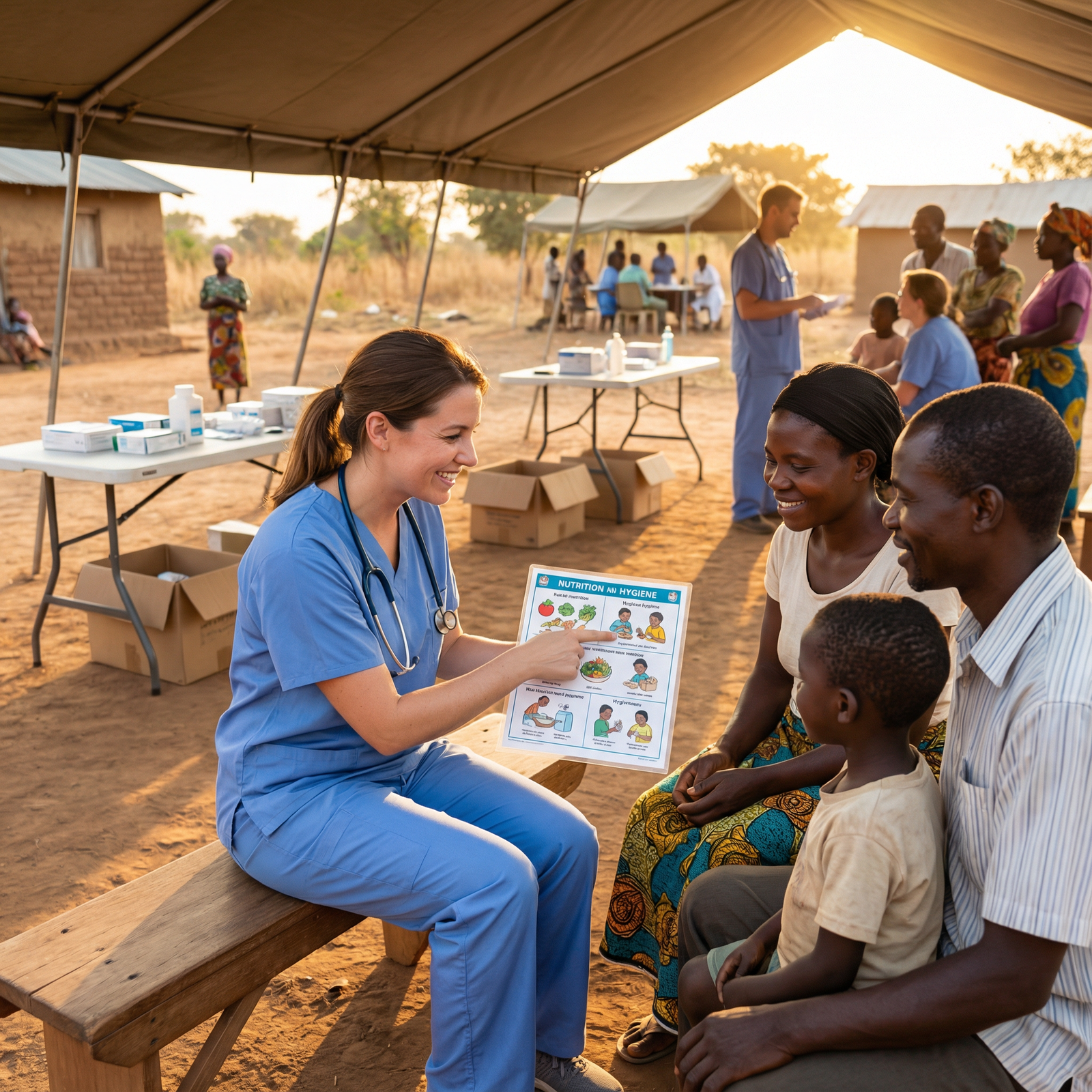
3. Evaluate Mission Organizations and Opportunities Carefully
Not all Medical Missions or Healthcare Volunteer programs are created equal. Some are deeply embedded, ethical, and sustainable; others may unintentionally cause harm despite good intentions. Careful research is essential.
Key Criteria for Evaluating Organizations
When comparing organizations, look closely at:
Reputation, Transparency, and Longevity
- How long has the organization been operating in this region?
- Do they publish information about their mission model, local partnerships, and impact?
- Are there peer-reviewed publications, independent evaluations, or partnerships with reputable universities or hospitals?
Local Partnerships and Sustainability
- Does the program work with local clinics, hospitals, professional societies, or ministries of health?
- Is there year-round presence or continuous collaboration, not just intermittent visits?
- Do local clinicians help define priorities and lead decision-making?
Scope of Practice and Supervision
- Are roles clearly defined by training level and licensure?
- For students and residents, is there appropriate supervision by qualified professionals (ideally with local and visiting mentors)?
- Are there explicit policies about what trainees cannot do?
Pre-Departure and On-Site Support
- Do they provide structured pre-departure training (clinical prep, safety, cultural humility, ethics)?
- What support is available on the ground (orientation, debriefing, health/safety protocols)?
- Are there clear communication channels for concerns or emergencies?
Financial Transparency and Costs
- What is the total cost (program fees, flights, visas, vaccines, lodging, insurance)?
- How are program fees used (local staff salaries, supplies, admin costs)?
- Are there scholarships, stipends, or fundraising guidance?
Licensing, Legal, and Safety Considerations
- Are appropriate temporary licenses or permissions arranged for clinical work?
- Is malpractice or liability coverage addressed?
- What security assessments and safety protocols are in place?
How to Gather Reliable Information
Use multiple sources to build a realistic picture:
- Organization’s own website and documents
- Look for detailed descriptions, not just marketing language.
- Past participant testimonials and reviews
- Reach out via alumni networks, LinkedIn, or specialty societies. Ask specific questions about supervision, ethics, and daily work.
- Academic Global Health offices or program directors
- Many medical schools and residencies have vetted partner sites and can flag problematic models.
- Professional bodies and consortia
- Seek programs aligned with Global Health ethics guidelines (e.g., from academic Global Health consortia or specialty societies).
If an organization cannot answer basic questions about supervision, scope of practice, or local partnerships, consider this a red flag.
4. Prepare Thoroughly for Your Medical Mission
Once you’ve chosen a mission, your preparation will strongly influence both your effectiveness and your safety.
Clinical and Technical Preparation
Review Relevant Guidelines and Protocols
- Read up on common local conditions: malaria, TB, HIV, neglected tropical diseases, malnutrition, obstetric emergencies, etc.
- Familiarize yourself with WHO or local treatment protocols, especially those adapted for low-resource settings.
Refresh Practical Skills
- For primary care missions: basic examination, wound care, IV insertion, common outpatient procedures.
- For surgical missions: pre-op evaluation, post-op care, infection prevention, safe anesthesia practices.
- For public health work: survey methods, basic data analysis, health education techniques.
Clarify Available Resources
- Ask what diagnostics, medications, and equipment are typically available.
- Adjust your mental “differential and management plans” to what’s feasible in that context.
Cultural and Language Preparation
Learn Basic Phrases in the Local Language
- Greetings, thank you, simple symptom words (“pain,” “fever,” “cough”).
- Even a few phrases demonstrate respect and build rapport.
Read About Local History, Culture, and Health Beliefs
- Understand common traditional healing practices, family structures, and decision-making norms.
- Reflect on how your own cultural lens may shape your assumptions.
Prepare for Working With Interpreters
- Practice speaking slowly, using simple language, and pausing for interpretation.
- Address the patient, not the interpreter; maintain eye contact and connection with the patient.
Practical Logistics: Health, Safety, and Supplies
Personal Health
- Update vaccinations (including region-specific ones such as yellow fever, typhoid, hepatitis A/B, rabies as appropriate).
- Discuss malaria prophylaxis and other region-specific risks with a travel clinic.
- Bring sufficient personal medications and a small personal medical kit (as advised by your organization).
Safety and Legal Considerations
- Register with your country’s embassy if recommended.
- Understand local laws, safety advice, and transportation norms.
- Ensure travel, evacuation, and medical insurance are in place.
Supplies and Donations
- Clarify what is truly needed with the local partners—avoid bringing random or nearly expired supplies.
- Focus on items that align with local formularies and can be sustainably replenished.
- Avoid bringing sophisticated equipment that cannot be maintained locally.
Thoughtful preparation shows respect for the host community and enhances your ability to contribute meaningfully.
5. Real-World Examples: Matching Missions to Skills and Goals
Concrete examples can help you visualize how thoughtful selection plays out in practice.
Case Study 1: Pediatric Nurse in Rural Guatemala
Background:
A pediatric nurse with five years of experience in a children’s hospital wanted a meaningful Global Health experience that aligned with her passion for child advocacy and preventive care.
Mission Selection:
She chose a program in rural Guatemala that:
- Partnered with local clinics and community health workers
- Focused on child nutrition, vaccination, and growth monitoring
- Included home visits and school-based health education
Outcome:
- She used her core skills—growth chart interpretation, counseling parents, teaching about hygiene and nutrition—in a new context.
- Working alongside local nurses, she helped adapt educational materials to be culturally relevant and literacy-appropriate.
- The experience deepened her interest in health equity and led her to pursue an MPH with a focus on child Global Health.
Case Study 2: Surgical Resident in East Africa
Background:
A general surgery resident wanted to understand global surgical needs and explore Global Health as a possible career focus, without overstepping his scope as a trainee.
Mission Selection:
He chose a mission in East Africa where:
- A long-term partnership existed between his university and a regional teaching hospital
- Local surgeons led the operating lists; visiting teams were there to support skills transfer, not replace local staff
- He participated in both clinical care and public health-oriented activities (trauma prevention, safe surgery checklists, data collection)
Outcome:
- Under the supervision of local and visiting consultants, he assisted in surgeries appropriate to his level and engaged in postoperative care.
- He helped collect data on surgical outcomes and contributed to a quality improvement project on perioperative antibiotics.
- The experience reinforced the importance of system-level change and led him to incorporate Global Health research into his residency.
Case Study 3: Preclinical Medical Student Focused on Public Health
Background:
A second-year medical student with limited clinical skills but strong interest in Global Health and health systems wanted to participate ethically.
Mission Selection:
She chose a program where:
- Students were explicitly not providing independent clinical care
- The focus was on community-based public health: health surveys, education sessions, and evaluation of a maternal health initiative
- Local public health professionals and community leaders designed and led the programs
Outcome:
- She gained exposure to field research methods, program evaluation, and community engagement.
- She avoided practicing beyond her competence while still contributing to meaningful Community Service.
- The experience clarified her interest in a combined MD/MPH pathway with emphasis on health systems strengthening.
These examples illustrate that when your training level, skills, and goals are well-matched to a mission’s structure and philosophy, the experience can be transformative and ethically sound.
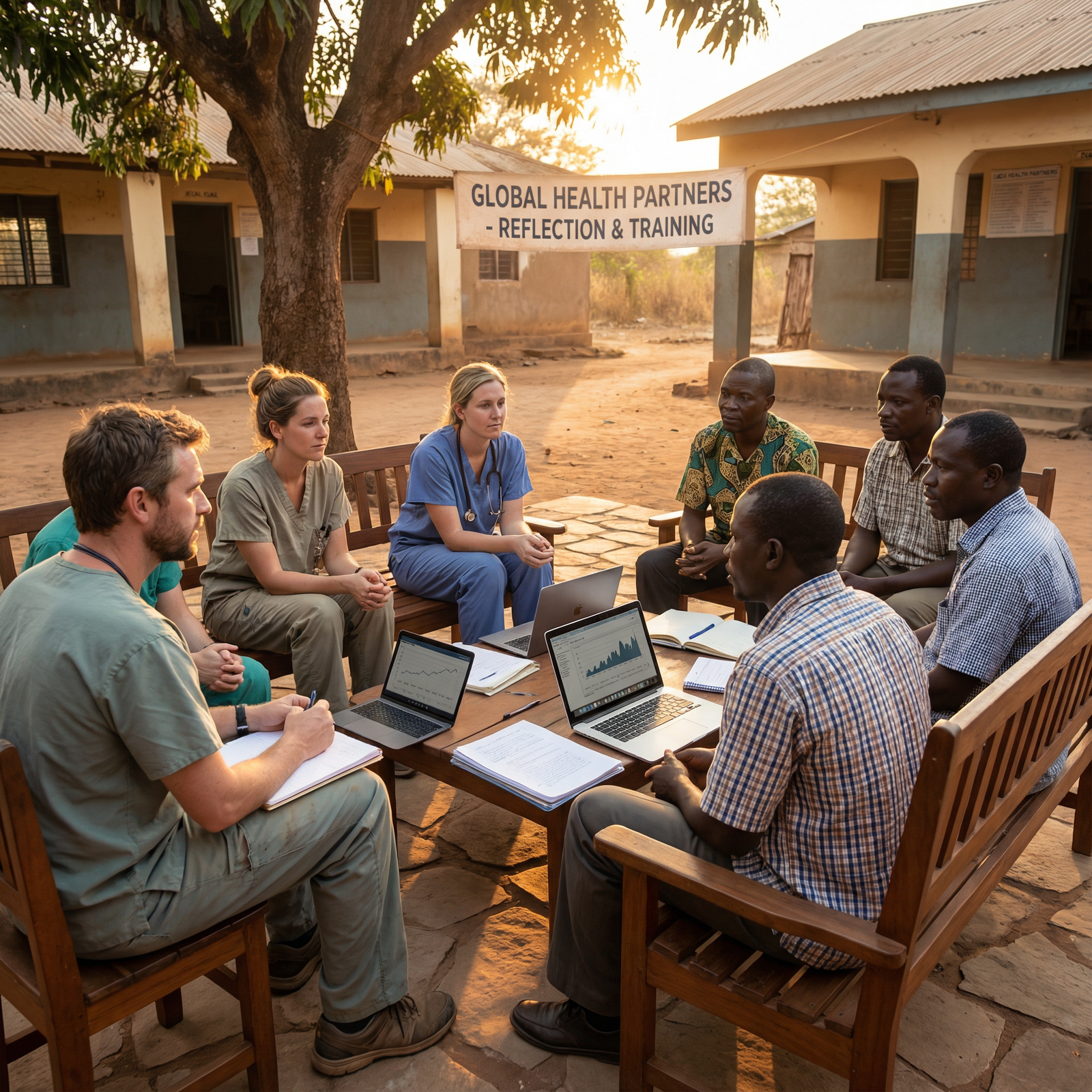
6. Reflect, Learn, and Build Long-Term Engagement
Your medical mission doesn’t end when you board your flight home. Reflection and continued engagement are crucial parts of ethical Global Health practice and Professional Development.
Post-Mission Reflection and Debrief
Personal Reflection
- What surprised you? Challenged you? Inspired you?
- How did the experience change your understanding of health inequities and social determinants of health?
- What did you learn from patients and local colleagues?
Professional Growth
- Which skills improved (clinical, communication, leadership)?
- How will you integrate these lessons into your training or practice at home?
- Are there new academic or research questions that emerged ethically and collaboratively?
Ethical Reflection
- Did the mission align with your expectations regarding scope of practice and sustainability?
- Are there aspects you would do differently next time (preparation, expectations, communication)?
Many organizations and training programs offer structured debrief sessions—take advantage of them. They’re especially important for processing emotionally intense experiences and ethical tensions.
Sustaining Impact Beyond the Trip
If you want your involvement to extend beyond a single visit:
- Stay Connected With Local Partners
- Ask about ongoing needs you can support from home (tele-education, remote case discussions, helping with data analysis).
- Advocate and Educate
- Share your experiences thoughtfully with classmates, colleagues, or community groups—highlight structural issues, not just “dramatic stories.”
- Contribute to Systemic Change
- Engage in advocacy related to global health funding, migrant health, refugee care, or health equity in your own community.
- Plan for Future Engagement
- Consider longitudinal involvement with the same site or network, where you can build relationships over time.
Global Health and Medical Missions are most powerful and ethical when they’re part of a long-term commitment to justice-oriented healthcare, not just a one-time “experience.”
FAQs: Choosing and Preparing for the Right Medical Mission
1. What qualifications do I need to participate in a medical mission?
Requirements vary widely by organization, country, and mission type:
- Licensed professionals (MD, DO, RN, NP, PA, etc.) usually need valid licensure in their home country and may need temporary registration or permission in the host country.
- Residents and students typically participate under supervision and must not exceed their scope of training. Some missions are specifically designed as educational electives.
- Non-clinical volunteers (public health, logistics, admin, interpreters) are often welcome and vital to mission success.
Always confirm the exact requirements, supervision structure, and expected responsibilities before committing.
2. Are medical missions only suitable for healthcare professionals?
No. While clinical care is part of many missions, Healthcare Volunteers from diverse backgrounds are often needed:
- Public health professionals
- Data analysts and researchers
- Logistics and operations support
- Educators and health promoters
- Interpreters and cultural mediators
- IT and biomedical engineering support
If you’re not clinically trained, prioritize missions that clearly define non-clinical roles so that you contribute meaningfully without providing care you’re not trained for.
3. How can I fund my participation in a medical mission?
There are several potential strategies:
- Organizational scholarships or stipends: Some Global Health programs and NGOs offer reduced fees or scholarships, especially for trainees.
- Institutional support: Medical schools and residency programs may provide funding for approved Global Health electives.
- Grants: Look for small travel grants from specialty societies, global health centers, or philanthropic organizations.
- Personal fundraising: Crowdfunding, speaking at community groups, and outreach through religious or civic organizations can help offset costs—be transparent about how funds will be used.
When fundraising, emphasize the long-term partnerships and ethical framework of the mission to avoid a “voluntourism” narrative.
4. How can I ensure my participation is ethical and not “voluntourism”?
Ask critical questions before committing:
- Is there a long-term relationship with local partners who help set priorities?
- Is my role clearly defined, supervised, and within my scope of practice?
- Does the mission strengthen local systems rather than replace or undermine them?
- Are there mechanisms for continuity of care after the visiting team leaves?
- Does the organization solicit and respond to feedback from local communities?
Choosing missions that center local leadership, sustainability, and humility is the best way to avoid unintentionally harmful “voluntourism.”
5. How can I measure the impact of my work during a mission?
Impact is best assessed collaboratively with local partners:
- Clinical metrics: Patient volume, follow-up rates, treatment outcomes—when part of an ongoing system.
- Public health outcomes: Vaccination coverage, improved knowledge scores, reduced disease incidence over time.
- Capacity building: Number of local staff trained, new protocols adopted, improvements in documentation or data use.
- Qualitative feedback: Perspectives from patients, local clinicians, and community leaders.
Remember that your individual contribution is just one piece of a broader effort; avoid overstating your personal impact and focus on how the mission as a whole supports local goals.
By carefully assessing your skills, clarifying your interests and values, thoroughly researching organizations, and preparing thoughtfully, you can select a medical mission that aligns with who you are as a clinician and as a person. Done well, Global Health and Medical Missions can be a powerful form of ethical Community Service and Professional Development—supporting both your growth and the long-term health of the communities you are privileged to serve.