Volunteering in Crisis: How Medical Missions Respond to Natural Disasters
Natural disasters—from earthquakes and tsunamis to hurricanes, floods, and wildfires—can transform entire regions in a matter of hours. Homes are destroyed, health systems are overwhelmed, and basic infrastructure collapses. In this chaos, medical needs escalate dramatically: trauma care, emergency surgery, infectious disease control, maternal care, and mental health support become urgent priorities.
Medical missions sit at the heart of this disaster response. They bring trained professionals, critical supplies, and structured systems into environments where everything else may have failed. For medical students, residents, and early-career clinicians, understanding how these missions operate is essential—not only for those who wish to participate, but for anyone interested in global health, public health, and ethical medical practice.
This expanded guide explores how medical missions prepare for and respond to natural disasters, what challenges they face, and how they contribute to both immediate survival and long-term community resilience. It also offers practical, ethical guidance for those considering volunteering in crisis settings.
What Are Medical Missions in the Context of Natural Disasters?
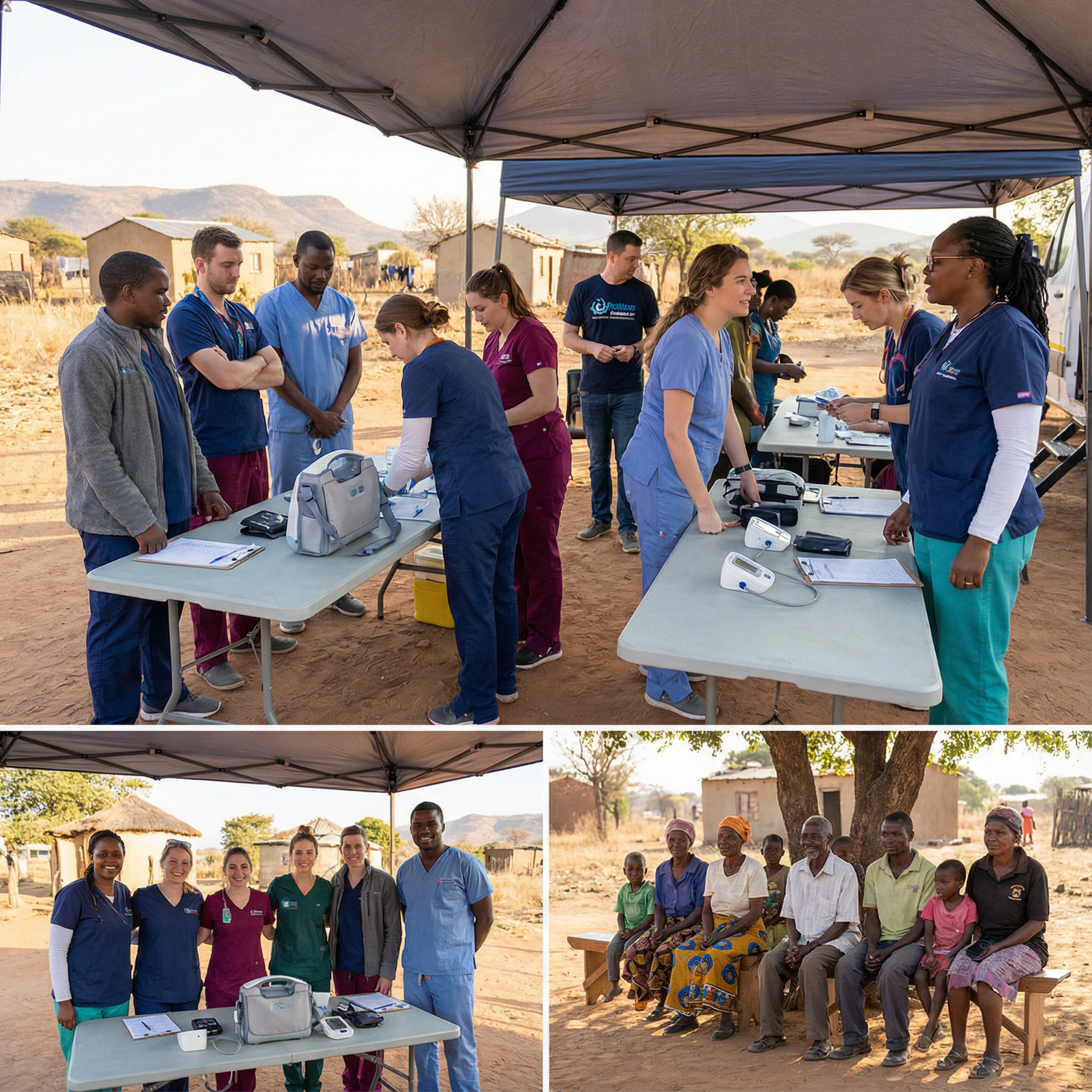
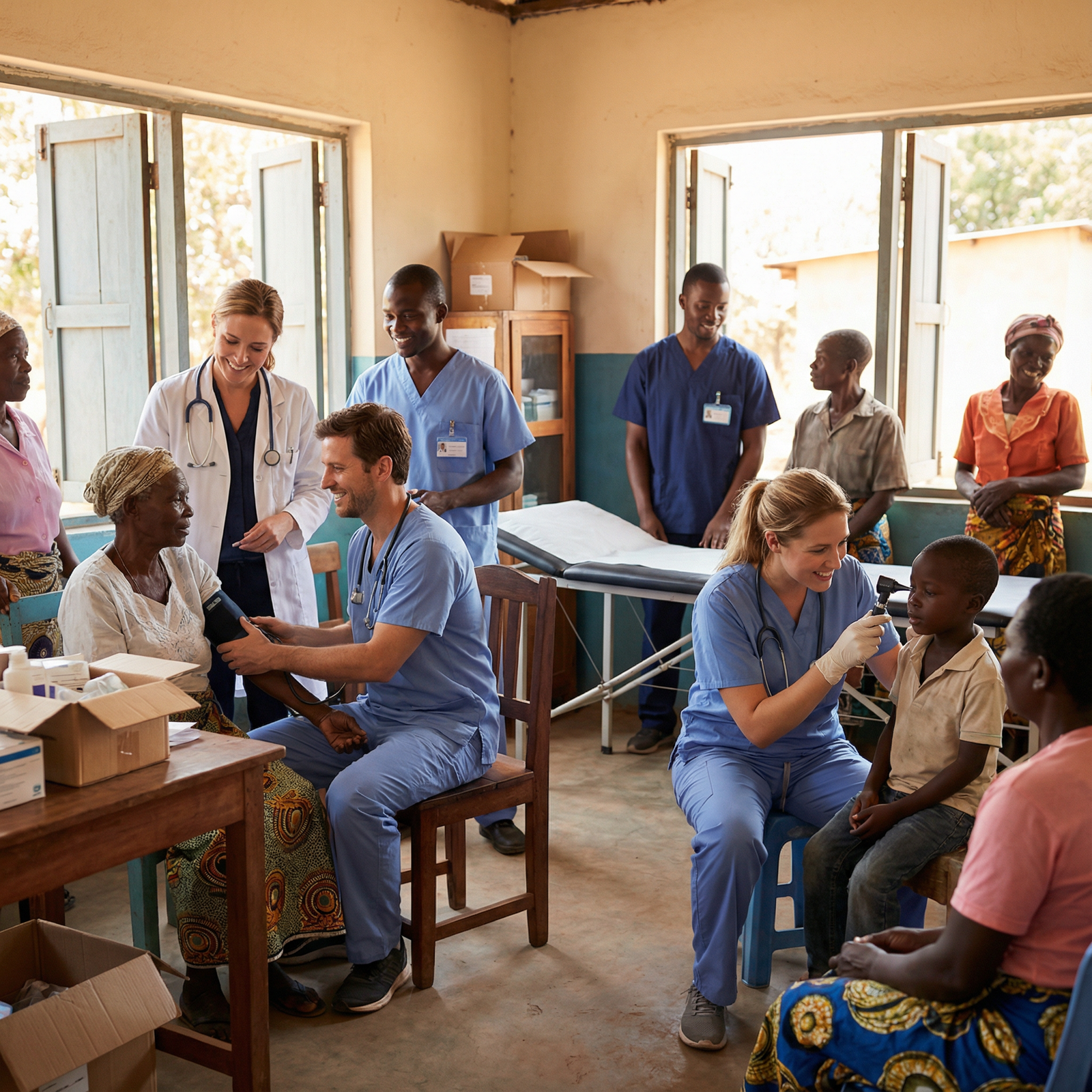
Medical missions are organized efforts led by healthcare professionals and allied staff to provide clinical care and public health support to populations in need. While many missions focus on chronic under-resourced settings, a critical subset specializes in Disaster Response—rapidly deploying teams after Natural Disasters to prevent avoidable deaths and disability.
Core Functions of Disaster-Focused Medical Missions
In the context of hurricanes, earthquakes, floods, and wildfires, medical missions typically provide:
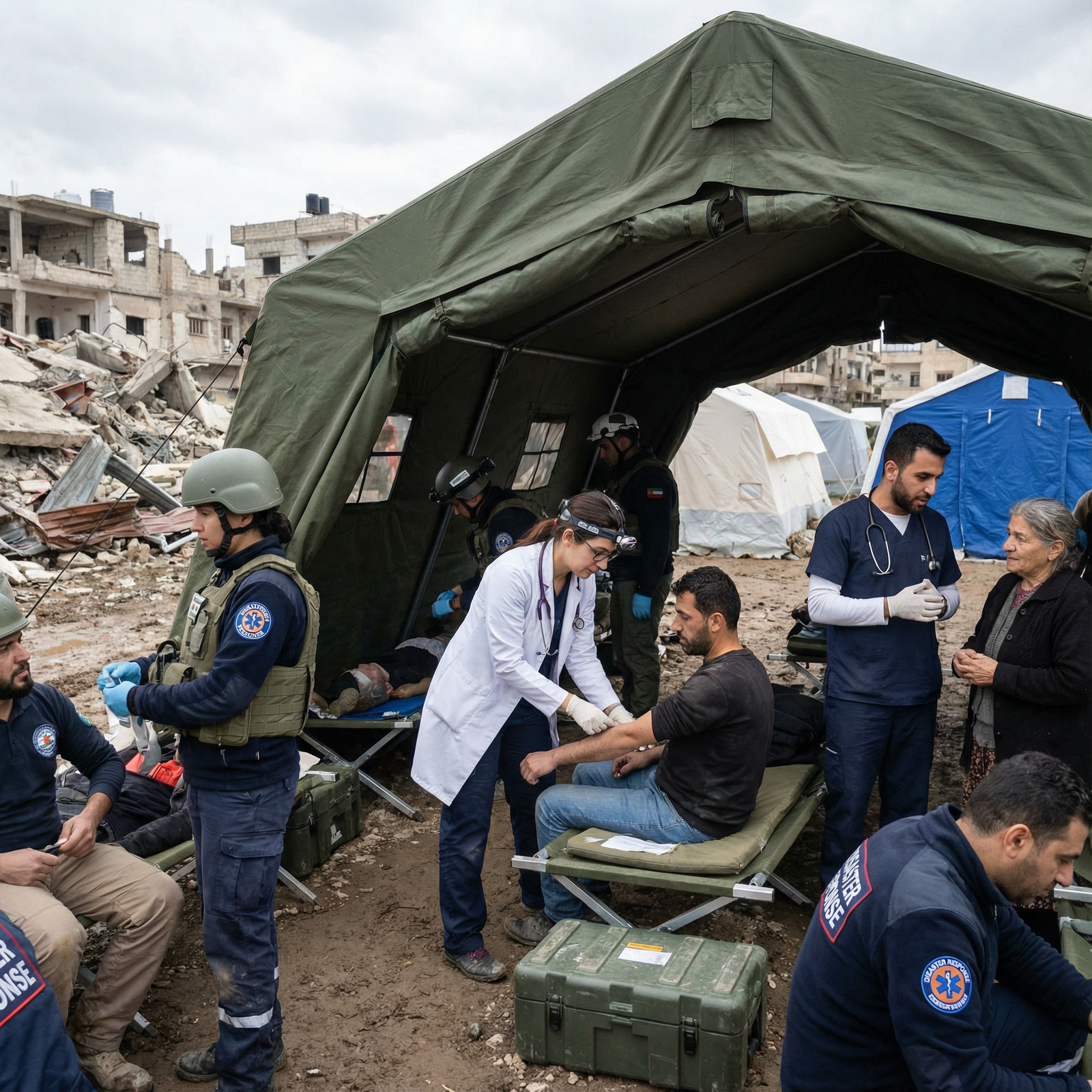
Acute clinical care
- Triage and stabilization of trauma patients
- Emergency surgeries (e.g., fracture fixation, wound debridement, exploratory laparotomies)
- Obstetric emergencies and neonatal care
- Management of acute exacerbations of chronic illnesses (e.g., diabetes, hypertension, asthma)
Public Health and Preventive Services
- Disease surveillance and outbreak detection (e.g., cholera after floods, respiratory infections in shelters)
- Vaccination campaigns (e.g., measles, tetanus)
- Water, sanitation, and hygiene (WASH) interventions
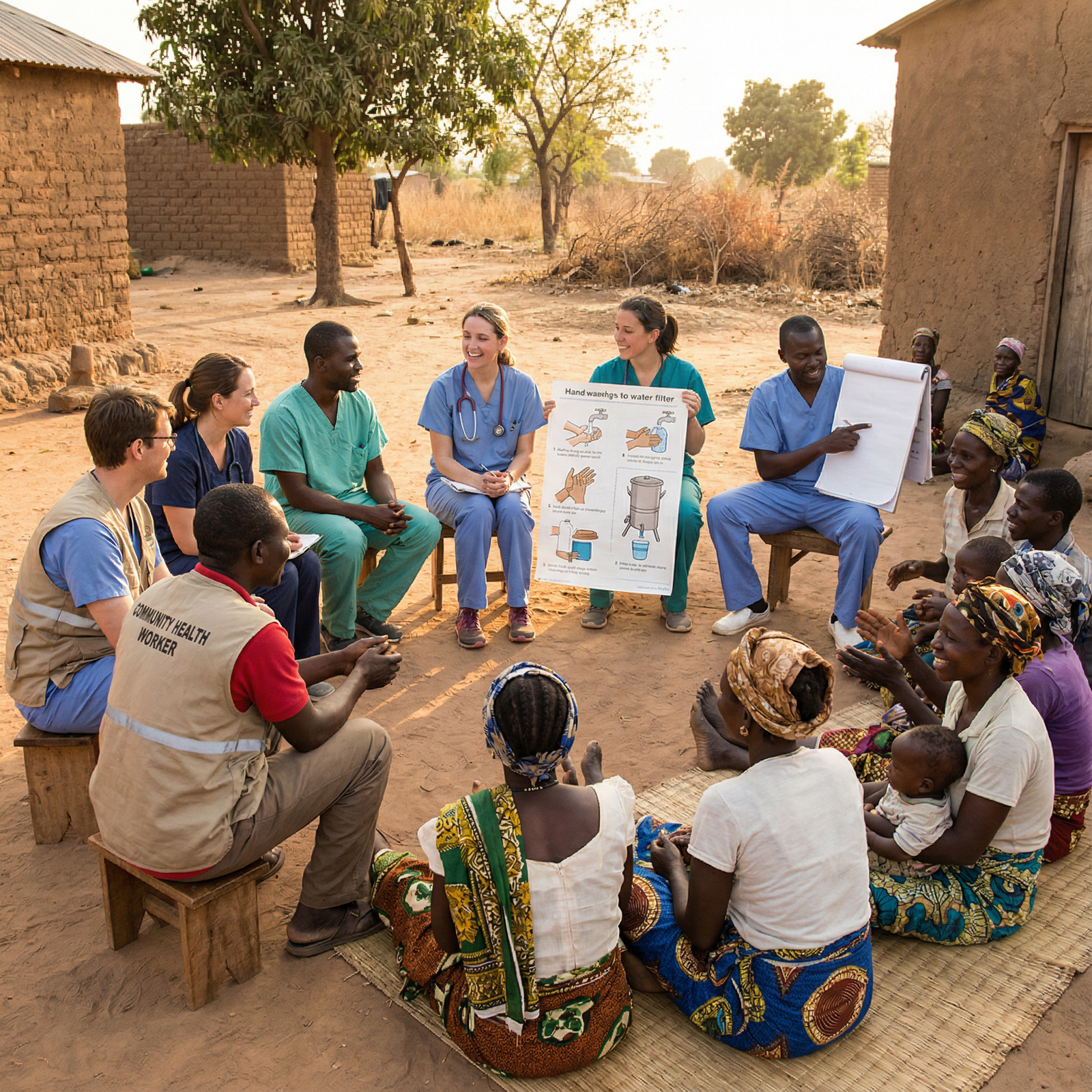
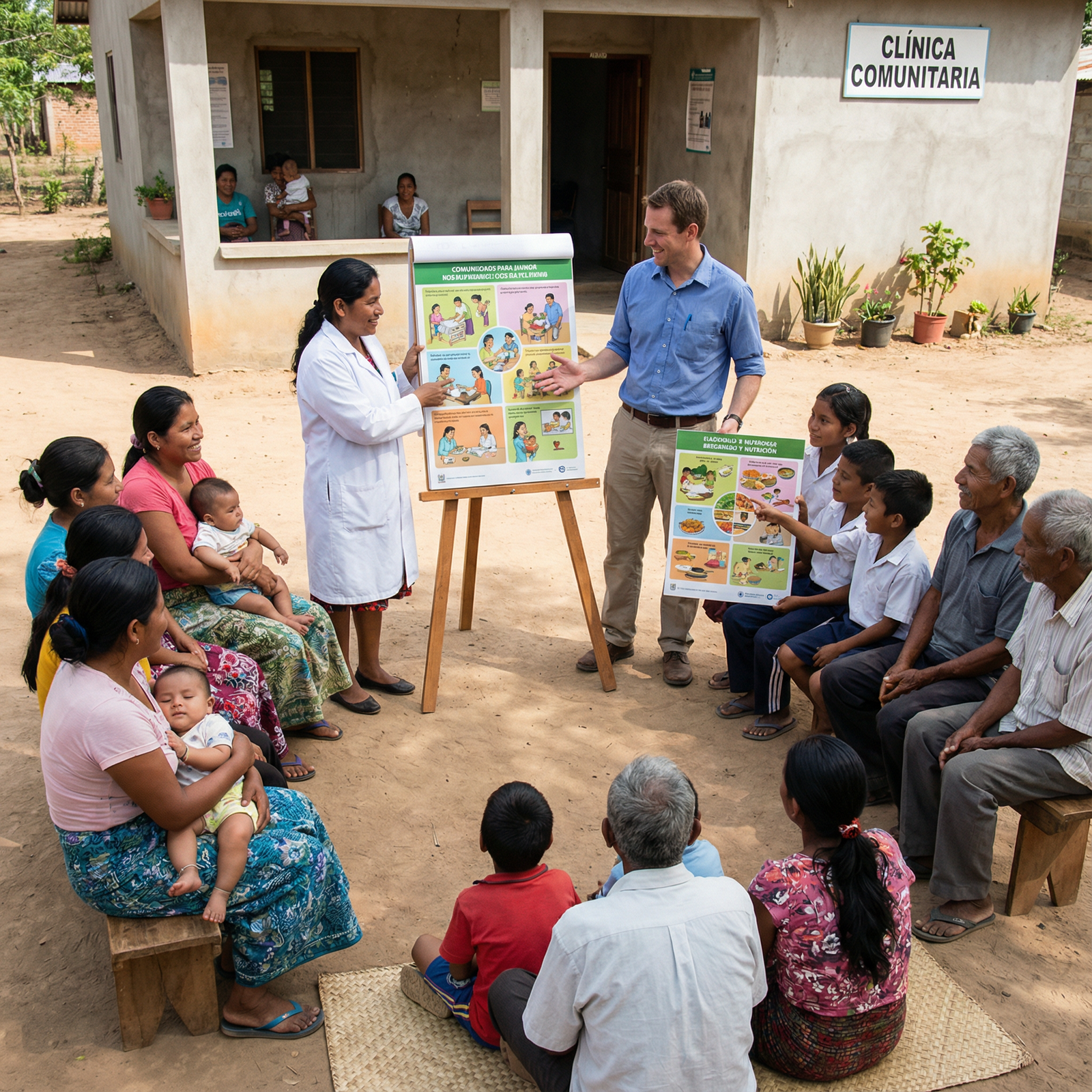
- Health education on injury prevention, sanitation, and vector control
Health Systems Support
- Reinforcing or temporarily replacing damaged local health facilities
- Providing equipment and supplies to overwhelmed hospitals
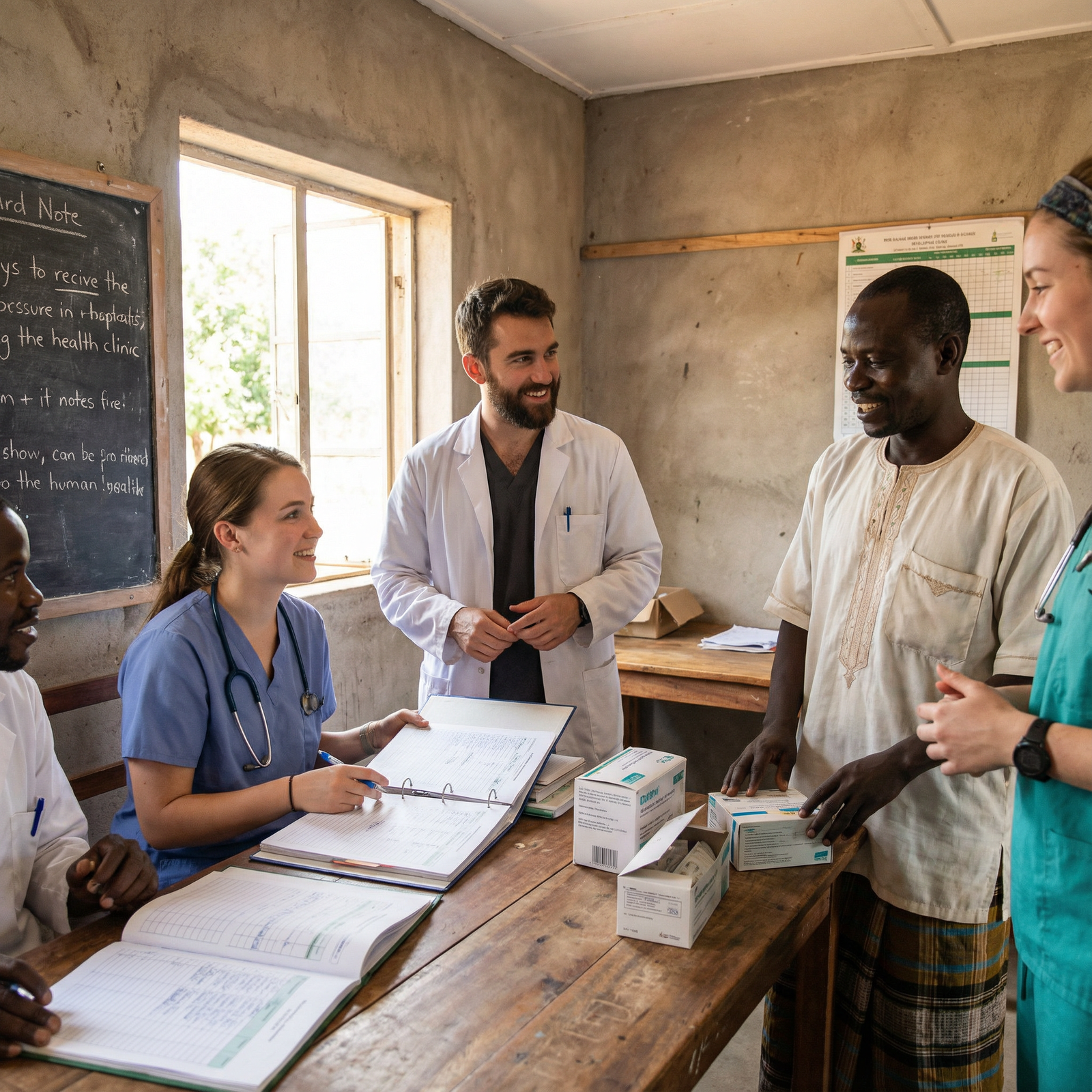
- Training and mentoring local healthcare workers in disaster management
Key Components of a Disaster Medical Mission
Most structured disaster-response missions include:
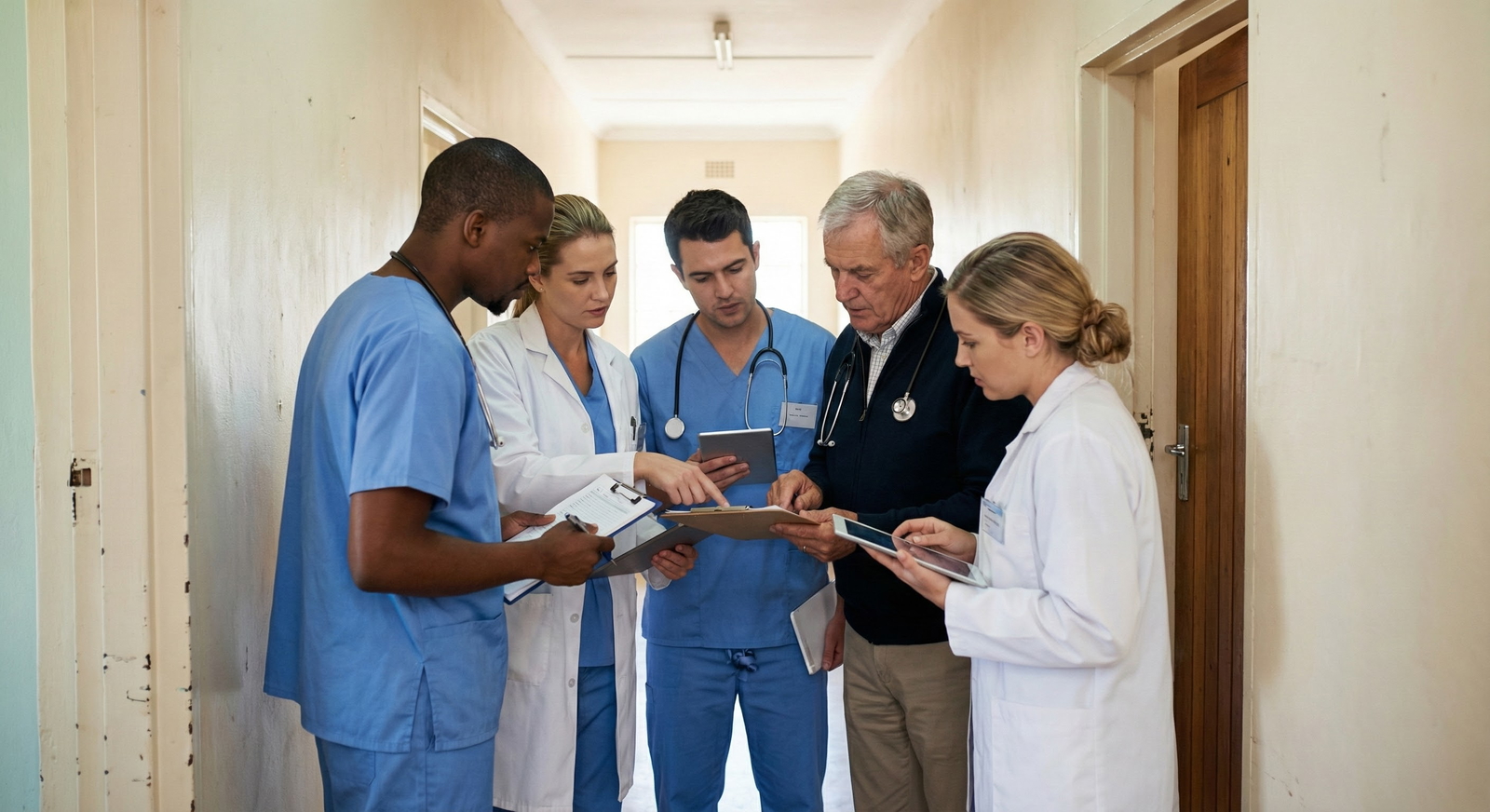
Multidisciplinary Medical Teams
- Physicians (emergency medicine, surgery, internal medicine, pediatrics, OB/GYN, psychiatry)
- Nurses, midwives, paramedics
- Pharmacists, laboratory technicians, radiology technicians
- Mental health professionals (psychologists, psychiatrists, social workers)
Specialized Supplies and Equipment
- Pre-packed emergency kits (e.g., trauma kits, cholera kits, obstetric kits)
- Portable diagnostics (point-of-care ultrasound, glucometers, rapid tests)
- Field hospital infrastructure (tents, cots, generators, sterilization equipment)
- Communication and IT equipment (satellite phones, mobile data units)
Training and Capacity Building
- Emergency response training for local clinicians and community health workers
- Basic life support and trauma management courses
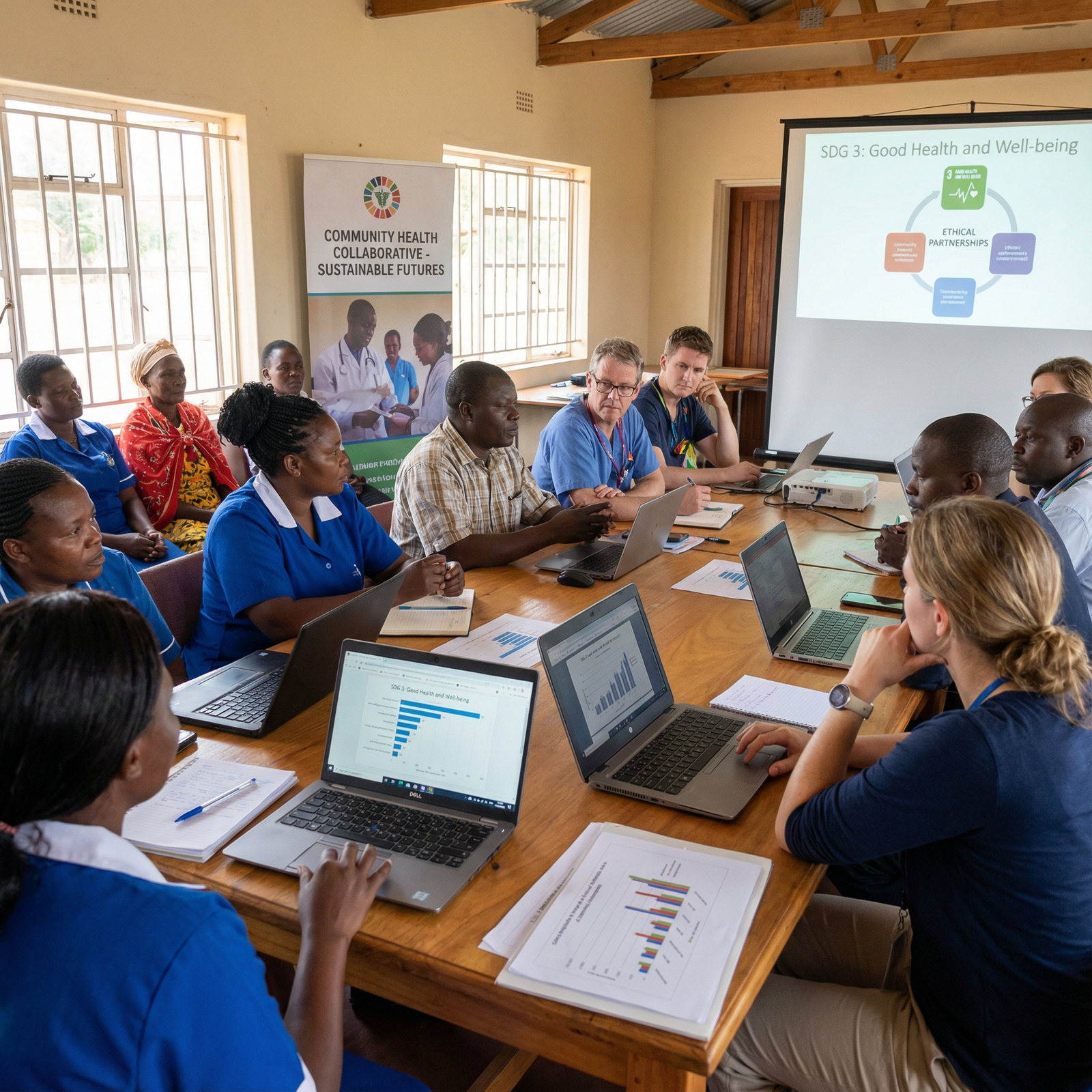
- Public health workshops on outbreak control and surveillance
Natural disasters affect each setting differently. An earthquake might require orthopedic and crush-injury expertise; a major flood may demand strong infectious disease and WASH capacity. Effective medical missions understand these nuances and tailor their response accordingly.
How Medical Missions Prepare and Mobilize for Rapid Disaster Response
Effective disaster response does not start when the earthquake hits or the storm makes landfall; it begins months or years earlier with careful planning, training, and coordination.
Pre-Disaster Preparation: Building Readiness Before Crisis Strikes
Well-run organizations invest heavily in preparedness:
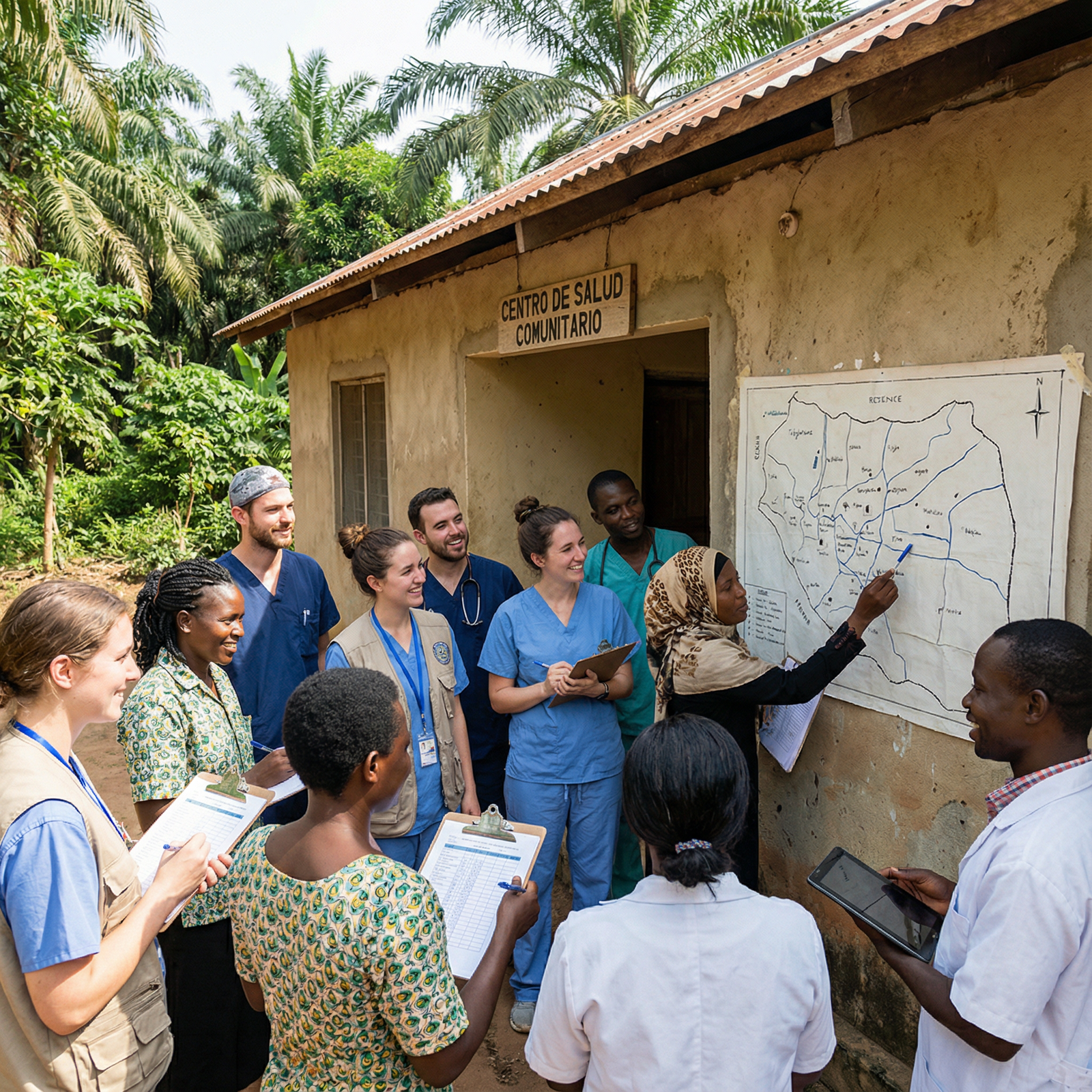
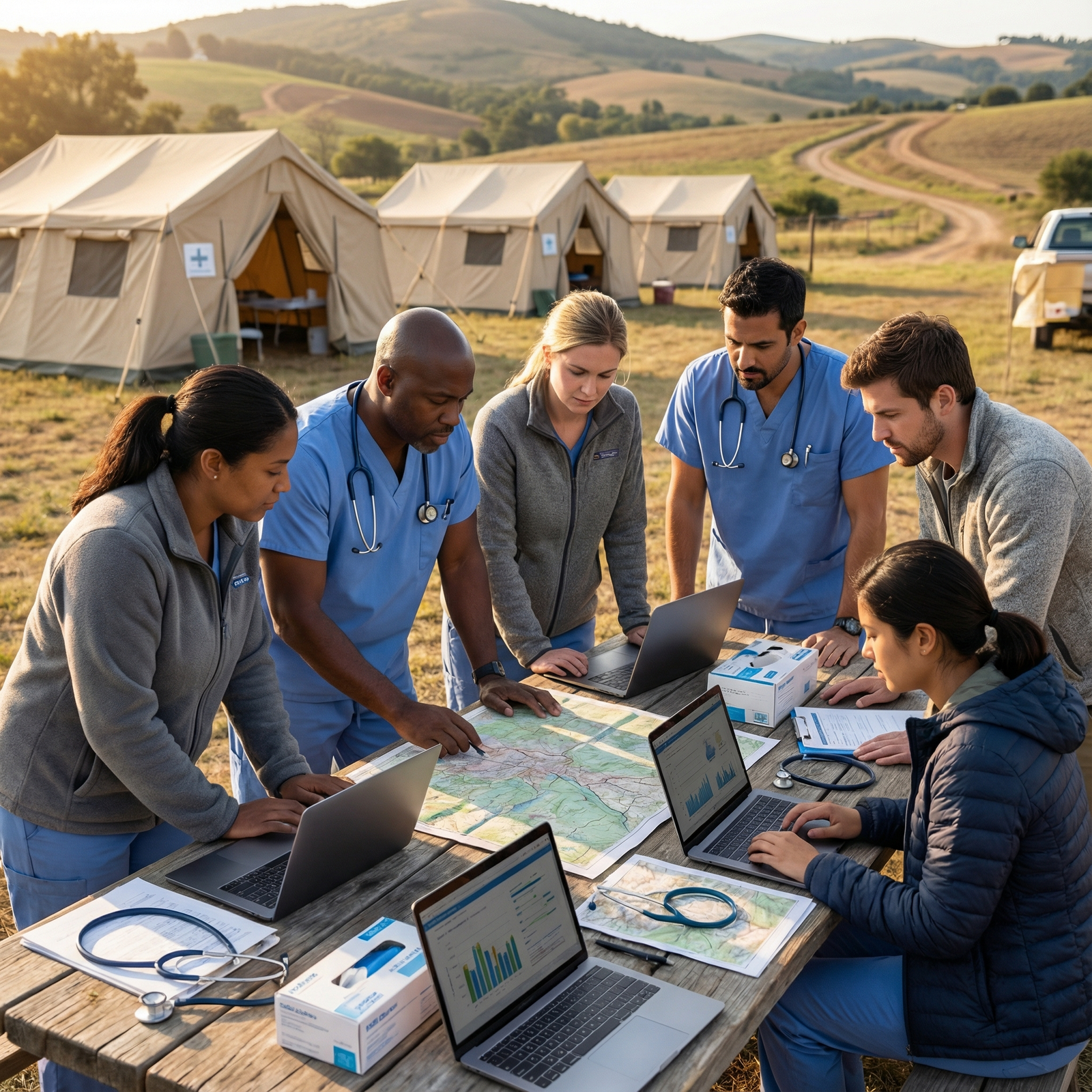
Risk Mapping and Vulnerability Assessment
- Analyzing geographic regions prone to earthquakes, hurricanes, floods, or wildfires
- Identifying populations at greater risk (coastal communities, informal urban settlements, areas with weak health systems)
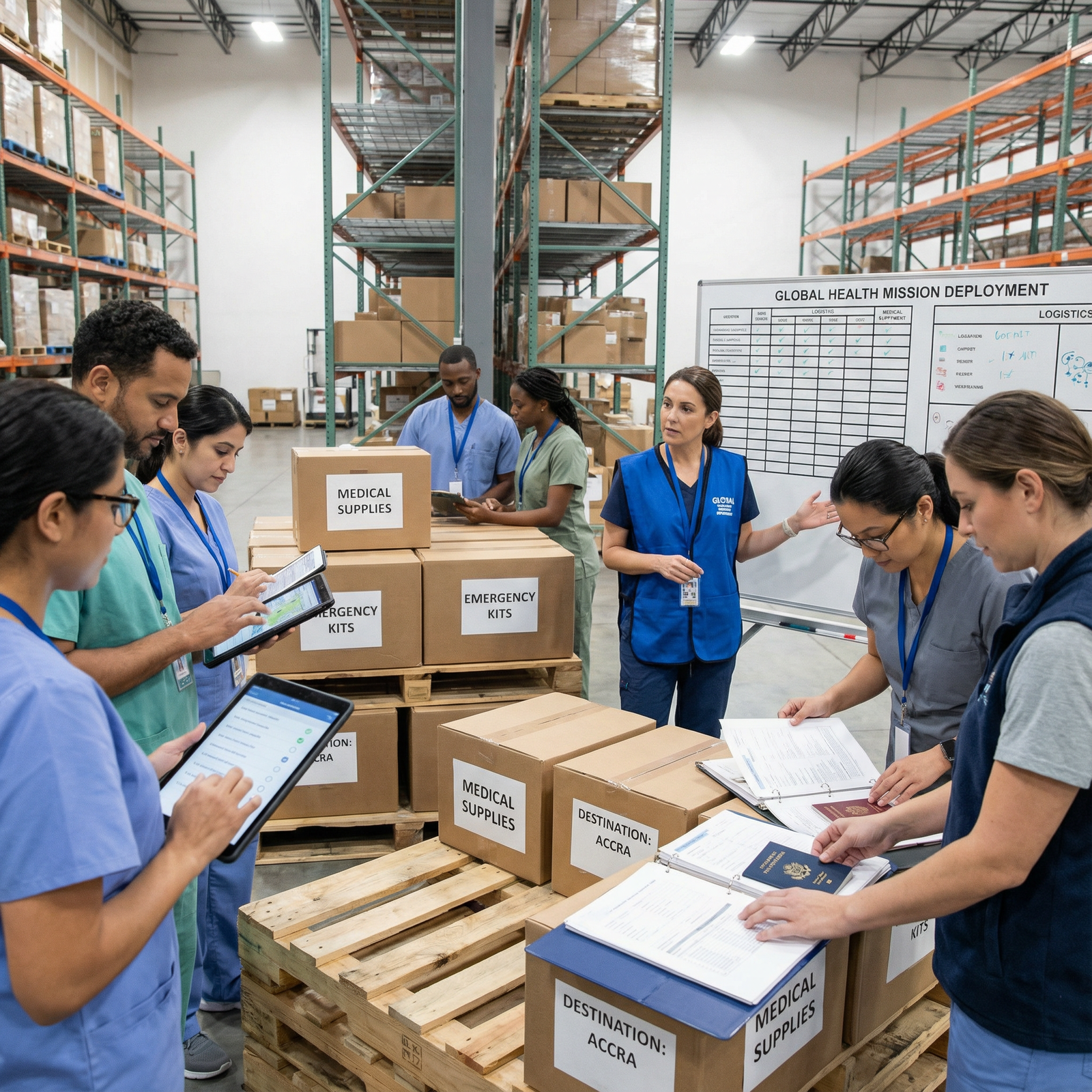
- Pre-positioning supplies in regional warehouses to enable rapid deployment
Partnerships and Coordination Networks
- Establishing formal agreements with:
- Local ministries of health and hospitals
- International organizations (WHO, PAHO)
- NGOs and faith-based organizations involved in humanitarian work
- Participating in national or regional disaster-response frameworks and cluster systems
- Establishing formal agreements with:
Training and Simulation Exercises
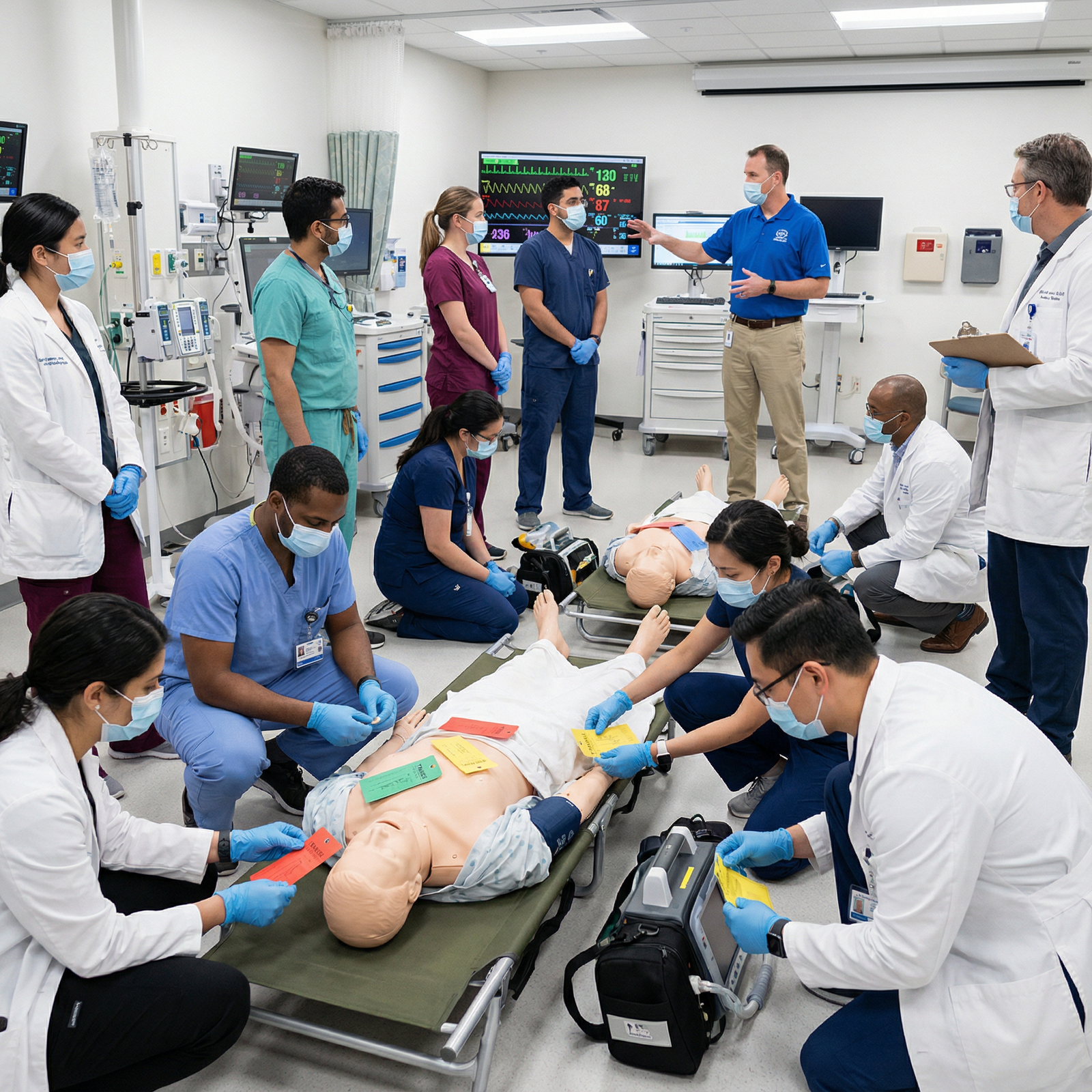
- Regular disaster drills and mass-casualty simulations for volunteers
- Standardized training in:
- Humanitarian principles and ethics
- Sphere standards and WHO emergency guidelines
- Psychological first aid and cultural humility
- Role-specific preparation for triage, field surgery, pharmacy management, and public health interventions
For medical students and residents, this preparedness is where you can start contributing early—through training, remote support, research, or involvement in your institution’s global health or disaster medicine programs.
Activation and Deployment Once a Natural Disaster Occurs
When a major disaster occurs, the clock starts ticking. Mortality rises quickly in the first 24–72 hours, particularly for trauma, crush injuries, and obstetric emergencies.
Key steps in mobilizing a mission often include:
Initial Needs Assessment
- Remote assessment via satellite images, local contacts, and early government/UN reports
- Evaluating:
- Scale of destruction
- Status of local hospitals and clinics
- Immediate health threats (e.g., mass trauma, risk of waterborne disease)
- Determining whether a team is needed, and what size and skill mix are appropriate
Deployment Logistics
- Arranging transport for personnel and supplies:
- Commercial or charter flights
- Helicopters or small aircraft for remote areas
- Boats for flooded regions
- Navigating damaged runways, closed ports, and restricted access zones
- Ensuring customs and regulatory clearance for medications, controlled substances, and medical devices
- Arranging transport for personnel and supplies:
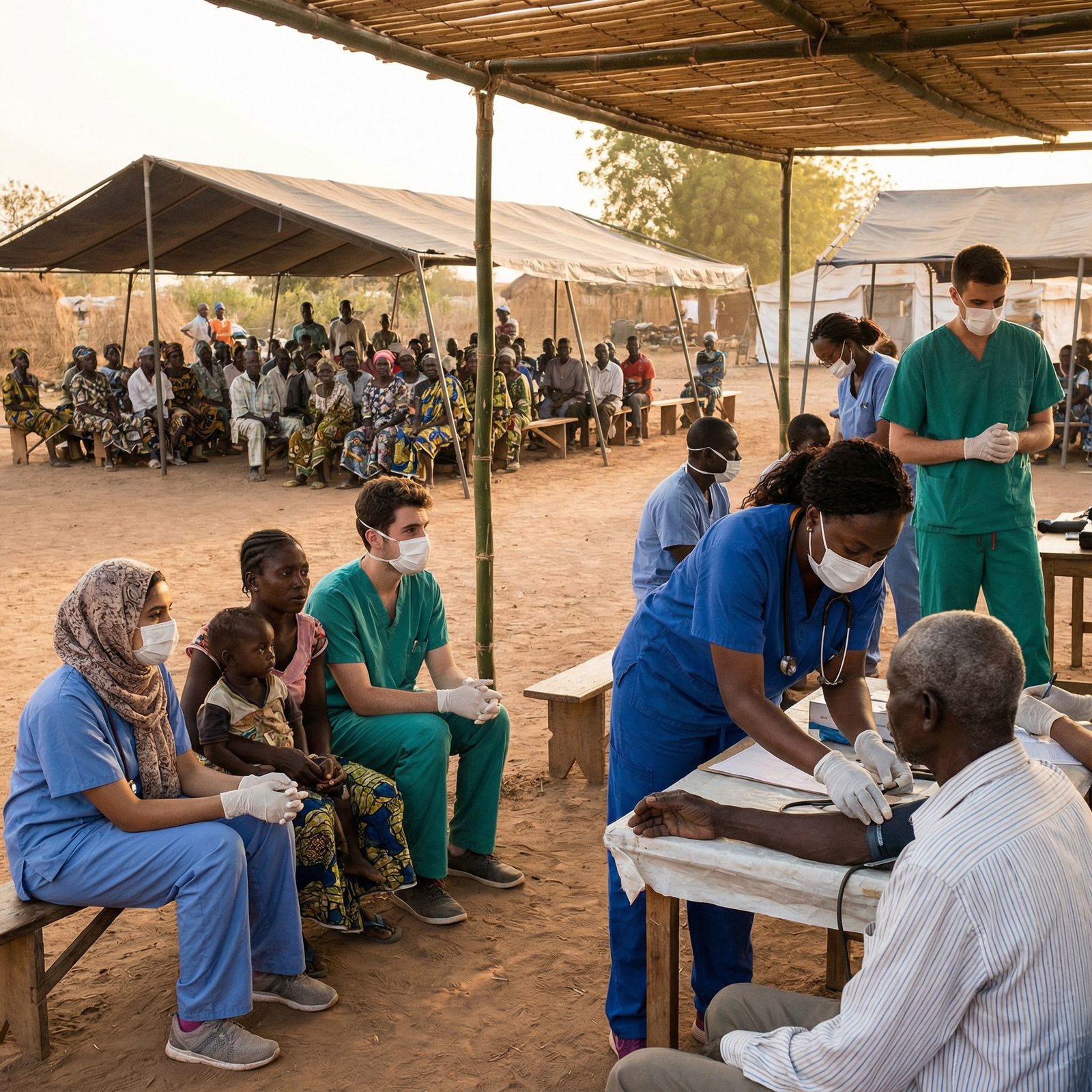
Establishing Field Operations
- Setting up a field clinic, mobile team, or full field hospital depending on:
- The status of local health facilities
- Population displacement patterns (e.g., large shelters, dispersed rural communities)
- Coordinating with local authorities to avoid duplication of services and to integrate with existing health structures
- Setting up a field clinic, mobile team, or full field hospital depending on:
Real-World Example:
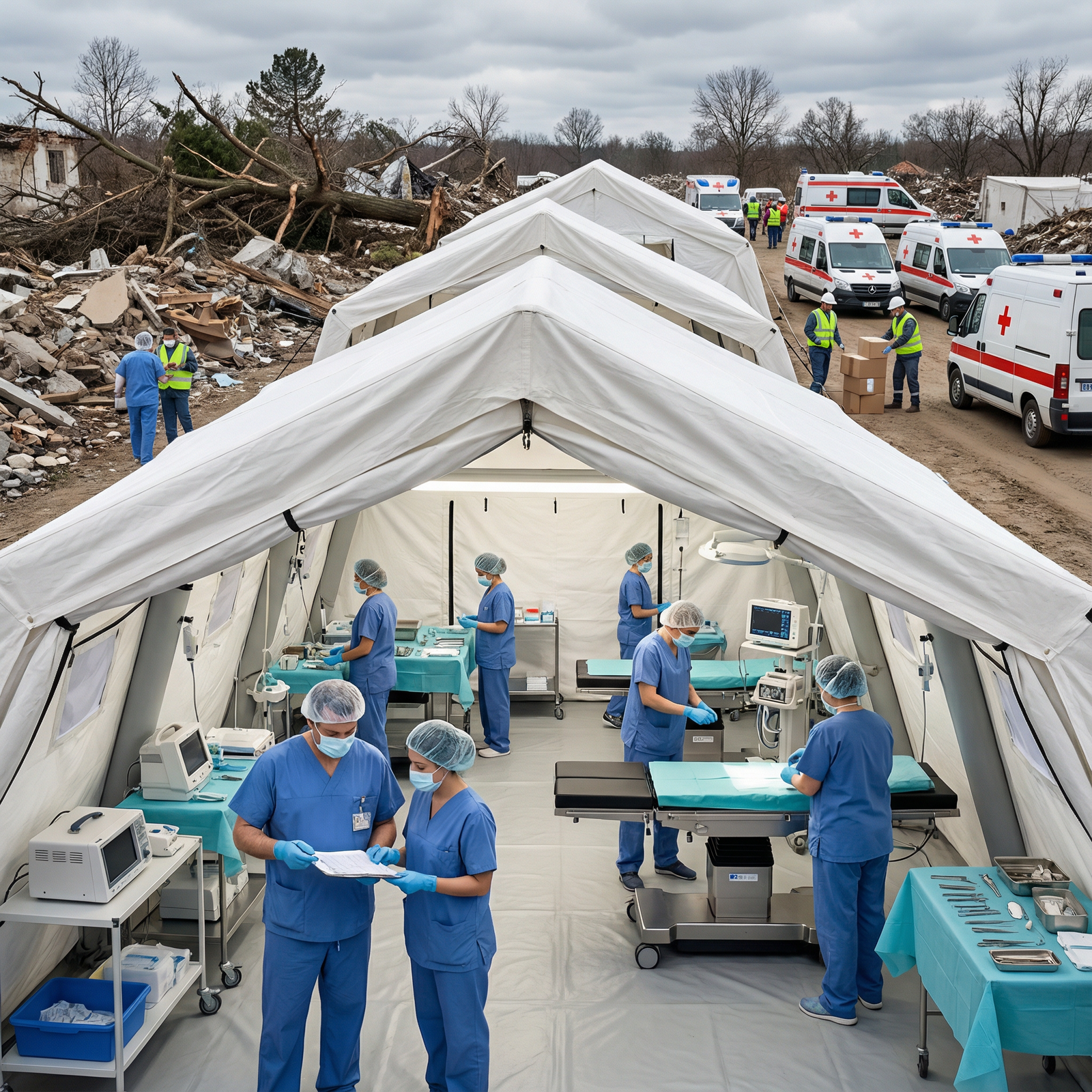
After the 2010 Haiti earthquake, medical missions such as Médecins Sans Frontières (MSF) and International Medical Corps rapidly deployed surgical teams, anesthesiologists, and nurses. Field hospitals were established when existing hospitals collapsed or became nonfunctional. These teams not only performed life-saving surgeries but also implemented infection control practices, constructed operating theaters from temporary structures, and later transitioned services back into rebuilt local facilities.
Maintaining Supply Chains in Unstable Environments
Even the most skilled team cannot function without reliable access to essential medications, fluids, oxygen, and equipment. Disaster zones make this extremely challenging:
Inventory Management in the Field
- Using standardized emergency health kits
- Daily stock counts of critical drugs (analgesics, antibiotics, anesthetics, IV fluids, insulin)
- Establishing protocols for rationing scarce resources when resupply is uncertain
Creative and Flexible Logistics
- Using motorcycles, small boats, or porters where vehicles cannot pass
- Sharing transport resources among multiple NGOs under a unified logistics cluster
- Partnering with local pharmacies, warehouses, or wholesalers where possible
For aspiring volunteers, this highlights why non-clinical roles—logistics officers, supply chain specialists, coordinators—are as vital as physicians and nurses in successful disaster response.
Core Challenges Faced by Medical Missions in Disaster Response
Delivering healthcare in disaster settings is ethically and practically complex. Understanding the limitations and risks is essential for anyone considering involvement.
Communication Barriers and Cultural Context
Natural disasters often destroy communication infrastructure, and responders may be operating in unfamiliar cultural environments.
Technological Barriers
- Downed cell towers, damaged power grids, and limited internet access
- Reliance on satellite phones, radio systems, and written logs
- Difficulties in coordinating with local partners and other humanitarian agencies
Language and Cultural Nuances
- Risk of misunderstandings regarding symptoms, consent, or traditional healing practices
- Potential mistrust if communities perceive the response as foreign or disconnected from local leaders
- Necessity of working through interpreters and cultural mediators
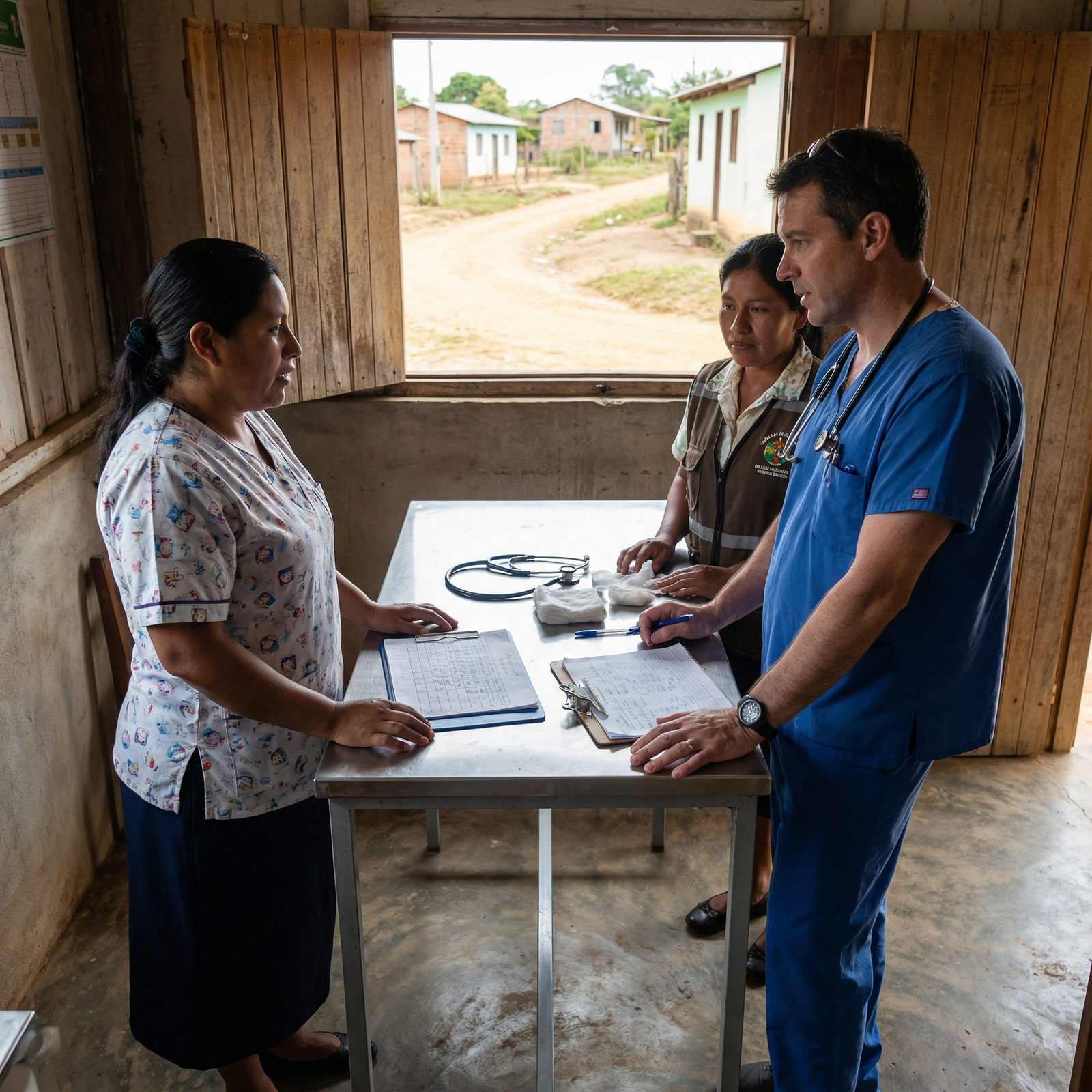
Best practice includes recruiting local staff whenever possible, collaborating with community leaders, and training volunteers in cultural humility and effective cross-cultural communication.
Safety, Security, and Ethical Duty of Care
Disaster environments can be physically and psychologically hazardous for volunteers.
Environmental and Structural Risks
- Unstable buildings, aftershocks, landslides, ongoing fires, or secondary floods
- Exposure to extreme heat, cold, or hazardous materials
- Lack of safe shelter or reliable food and water for responders
Security Concerns
- Civil unrest, looting, or crime in destabilized regions
- Tension between stress, desperation, and resource scarcity
- Need for secure transport and safe clinic locations
Ethical Considerations
- Balancing duty to patients with duty of care to staff
- Avoiding “disaster tourism” and short, uncoordinated missions that strain local resources
- Ensuring volunteers have appropriate training and supervision to avoid doing harm
Medical students and trainees should never self-deploy into disaster zones. Ethical participation requires coordination with reputable organizations that have clear security protocols, supervision structures, and support systems.
Resource Limitations and Prioritization
In disaster settings, there are always more needs than resources.
Triage and Resource Allocation
- Implementing mass-casualty triage systems (e.g., START, SALT)
- Making painful decisions about who receives surgery or intensive care when capacity is limited
- Prioritizing interventions with the greatest potential population-level impact (e.g., safe water, vaccination) over high-resource individual care
Funding and Sustainability
- Donation spikes immediately after major disasters but may drop quickly, threatening continuity of care
- Need to transition from emergency funding to longer-term support for rehabilitation and reconstruction
For clinicians, this environment demands comfort with uncertainty, clear communication with patients and families, and a strong ethical framework grounded in equity, justice, and transparency.
The Impact of Medical Missions: From Acute Care to Long-Term Recovery
Despite all the challenges, well-planned medical missions can dramatically change outcomes in disaster-affected regions.
Immediate Life-Saving Care and Stabilization
In the first days to weeks after a disaster, medical missions are often focused on:
Trauma and Surgical Care
- Stabilization of fractures, treatment of crush injuries, amputations when necessary
- Management of head injuries, chest trauma, and abdominal emergencies
- Infection prevention in contaminated wounds
Essential Non-Trauma Care
- Managing acute decompensation of chronic diseases (e.g., dialysis access issues, diabetic ketoacidosis)
- Providing antenatal, intrapartum, and postpartum care to pregnant women cut off from usual facilities
- Supporting neonatal resuscitation and care in resource-limited conditions
Public Health Interventions to Prevent Secondary Disasters
- Rapid assessment of water sources and sanitation facilities
- Stockpiling and distributing oral rehydration salts, zinc, and antibiotics where diarrheal disease risk is high
- Conducting vaccination campaigns against measles, cholera (where indicated), or tetanus
These activities collectively push down mortality rates, reduce disability, and help stabilize the population.
Building Long-Term Community Resilience and Public Health Capacity
The best medical missions do not simply “parachute in” and leave after the media spotlight fades. Instead, they work with local partners to strengthen systems and resilience:
Rehabilitation and Follow-Up Care
- Post-operative follow-up, physical therapy, and prosthetic services for trauma survivors
- Chronic disease management programs where local capacity was previously limited
- Strengthening referral networks and emergency transport systems
Mental Health and Psychosocial Support
- Individual and group counseling for survivors, including children and adolescents
- Training teachers, community leaders, and local providers in psychological first aid
- Integrating mental health into primary care to reduce stigma and improve access
Capacity Building for Future Disaster Response
- Supporting local health authorities to develop or refine disaster preparedness plans
- Training local clinicians in mass-casualty management, triage, and emergency surgery
- Creating community-based risk-reduction programs (e.g., evacuation plans, safe construction practices, early warning systems)
In the face of climate change and increasingly frequent Natural Disasters, this focus on resilience and Public Health systems strengthening is critical.
Inspiring Professional Growth and Ethical Commitment
For individual volunteers—especially medical students and residents—participation in structured, ethical missions can be transformative:
Clinical Growth
- Enhanced diagnostic skills in low-resource settings
- Improved procedural confidence and teamwork under pressure
- Greater appreciation for cost-effective, high-yield interventions
Ethical and Professional Development
- Deepened understanding of health equity, structural determinants of health, and global solidarity
- Reflection on resource allocation, informed consent, and patient autonomy in crisis
- Stronger commitment to advocacy and systems-level change at home and abroad
The key is to approach disaster volunteering not as a résumé booster, but as a long-term professional and moral commitment rooted in humility, partnership, and respect for local leadership.
How Medical Trainees and Clinicians Can Ethically Engage in Disaster Medical Missions
If you are a medical student, resident, or young physician interested in disaster response, thoughtful preparation is essential.
Choosing the Right Organization
Look for organizations that:
- Have established disaster response experience and clear governance structures
- Work in partnership with local health authorities
- Provide pre-departure training, on-site supervision, and post-deployment debriefing
- Adhere to recognized humanitarian and Public Health standards (e.g., Sphere standards, WHO guidelines)
- Avoid one-off, uncoordinated “mission trips” that can burden rather than benefit local systems
Examples include large organizations like MSF, International Medical Corps, International Red Cross/Red Crescent, and reputable faith-based or regional NGOs with strong local roots.
Preparing Yourself Clinically and Personally
Build Relevant Skills
- Basic and advanced life support, trauma care, and emergency obstetrics
- Public Health and epidemiology fundamentals
- Cultural competency and language skills relevant to your region of interest
Understand Your Limits
- Be honest about your level of training and scope of practice
- Seek roles appropriate to your skills (e.g., triage assistant, data collection, health education) rather than overreaching
Take Self-Care Seriously
- Disaster work is emotionally taxing. Learn strategies for stress management and seek mentorship.
- Participate in psychological debriefing and peer support after deployment.
Contributing Without Traveling
Even if you never deploy to a disaster zone, you can support Disaster Response and Medical Missions by:
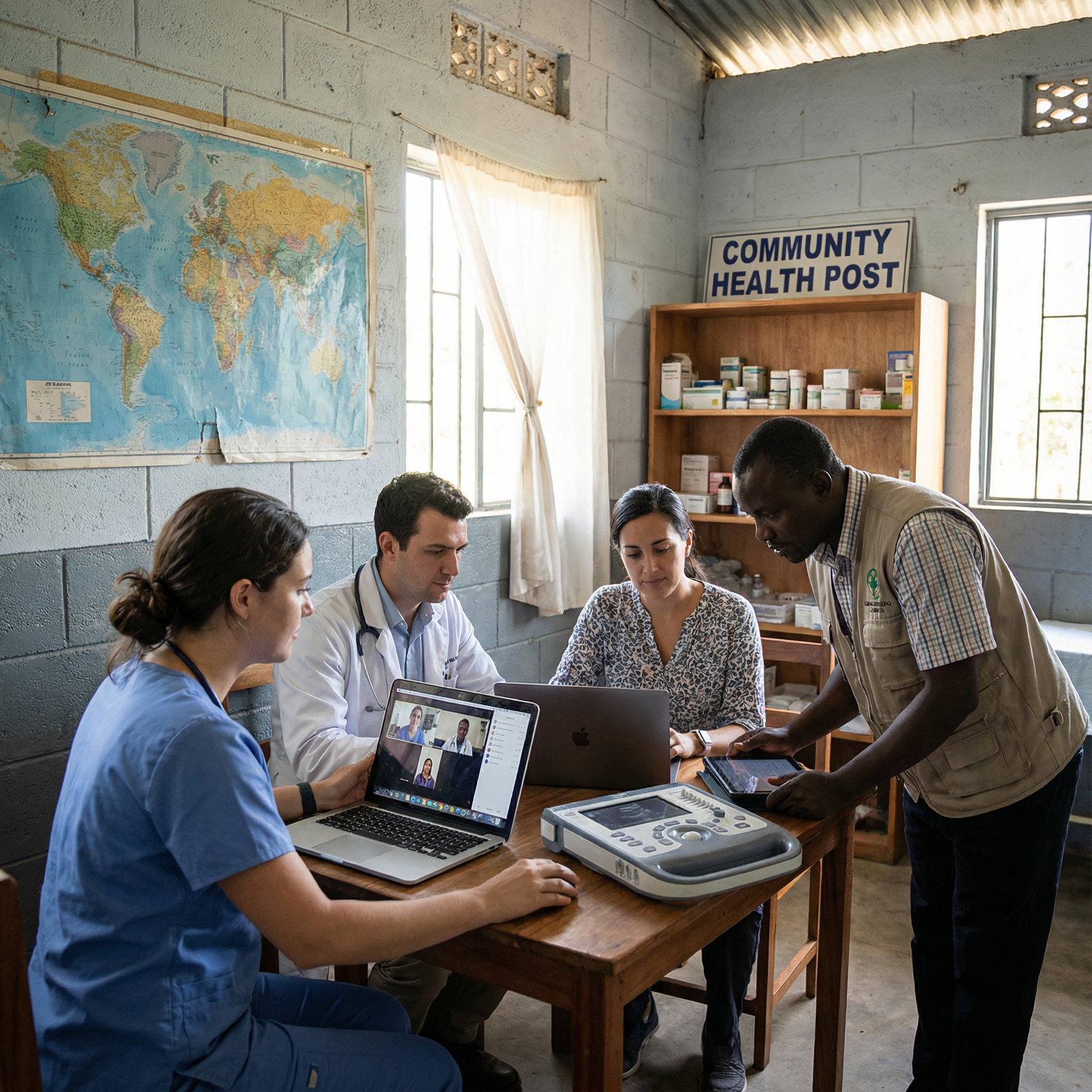
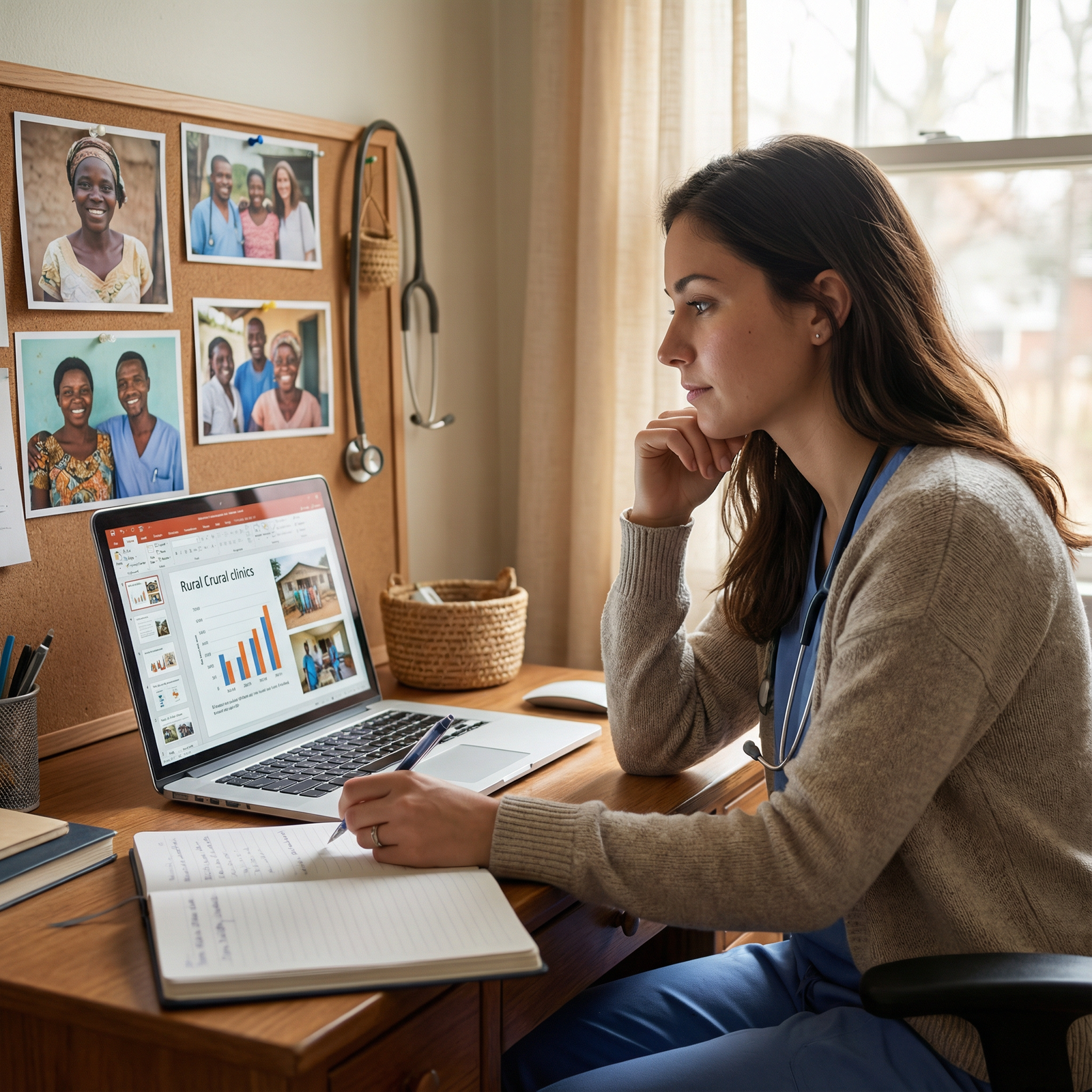
- Engaging in telemedicine, remote case consultation, or mentoring local providers
- Contributing to data analysis, research, and quality improvement projects
- Participating in fundraising and advocacy to sustain long-term Public Health interventions
- Supporting training and curriculum development for disaster preparedness in your own institution

FAQ: Medical Missions, Disaster Response, and Volunteering
1. What types of natural disasters do medical missions typically respond to?
Medical missions respond to a wide range of Natural Disasters, including:
- Earthquakes and tsunamis
- Hurricanes, typhoons, and cyclones
- Floods and landslides
- Wildfires and heatwaves
- Volcanic eruptions and severe storms
In some cases, they also respond to complex emergencies where natural hazards intersect with conflict, displacement, or epidemics. The specific composition of each mission is tailored to the disaster type and anticipated health threats.
2. How can I get involved in a disaster-focused medical mission as a student or resident?
You can begin by:
- Joining your institution’s global health, disaster medicine, or emergency response interest groups
- Completing relevant training, such as basic disaster life support, humanitarian principles modules, or courses offered by WHO or NGOs
- Connecting with established organizations (e.g., MSF, International Red Cross/Red Crescent, International Medical Corps) to learn their eligibility criteria and application processes
- Starting with non-deployment roles—research, advocacy, tele-education, logistics support—while you build skills and experience
Always avoid self-deployment. Ethical volunteering must be coordinated, supervised, and aligned with local health authorities’ needs.
3. What non-clinical skills are valuable for volunteering in disaster medical missions?
In addition to clinical expertise, disaster response relies heavily on:
- Logistics and supply chain management
- Administration and coordination
- Data management and epidemiology
- Public communication, translation, and community engagement
- IT and communication systems support
Volunteers with these backgrounds are often critical to mission success and can enable clinicians to focus on direct patient care.
4. What are some of the biggest challenges medical missions face in disaster settings?
Common challenges include:
- Damaged infrastructure and disrupted communications, making coordination difficult
- Resource constraints, from limited medications and oxygen to inadequate staffing
- Security and safety risks in unstable environments
- Cultural and language barriers, which may affect trust and care delivery
- The difficulty of balancing immediate emergency care with long-term system strengthening
These realities underscore the need for comprehensive planning, ethical frameworks, and close collaboration with local partners.
5. How do medical missions contribute to long-term recovery rather than just short-term relief?
Effective medical missions:
- Transition from emergency trauma and acute care to rehabilitation, chronic disease management, and mental health services
- Train and mentor local healthcare workers in emergency preparedness and response
- Support health authorities in rebuilding and strengthening clinics, hospitals, and public health systems
- Help communities develop disaster-risk reduction strategies, such as evacuation plans, safe building practices, and early warning systems
By focusing on capacity building and Public Health, they leave behind stronger, more resilient systems prepared for future crises.
Medical missions in the context of Natural Disasters are not simply about heroism in dramatic moments; they are about disciplined, ethical, and collaborative work that saves lives and builds resilience. For medical trainees and clinicians, engaging thoughtfully in this sphere can shape a career grounded in service, equity, and global responsibility.