
The Journey of Healing: A Doctor’s Experience in Remote Medical Missions
Introduction: Beyond the Hospital Walls
Remote Medical Missions sit at the intersection of Healthcare, Global Health, and Community Empowerment. For many physicians, nurses, and trainees, they represent far more than short volunteer trips—they are deeply formative experiences that reshape how we understand illness, systems, privilege, and our role as clinicians.
In remote regions where paved roads end and cellular networks fail, preventable diseases remain a daily threat, and access to even basic Healthcare is limited or nonexistent. Yet, in these same places, local resilience, community networks, and traditional knowledge are rich and powerful.
This article follows a composite “doctor’s journey” through Remote Medical Missions, drawing on real-world stories and common themes from global health work. You’ll see:
- What motivates clinicians to leave familiar settings and serve far from home
- How to prepare logistically, clinically, and ethically for a mission
- The realities of daily life in the field—both the rewarding and the uncomfortable
- The long-term impact on Community Empowerment and health systems
- How these Volunteer Experiences transform careers, values, and personal growth
Whether you are a pre-medical student, resident, attending physician, nurse, or allied health professional considering your first mission, this guide aims to offer honest, practical insight into the journey of healing—both for the communities served and for the healthcare workers themselves.
The Call to Serve: Why Clinicians Choose Remote Medical Missions
For many, the decision to join Medical Missions is not a single moment but an accumulation of experiences—academic curiosity about Global Health, witnessing inequity, or an unresolved discomfort with the status quo of care in high-resource settings.
Personal Motivations and Transformative Moments
Some clinicians can pinpoint a story that shifted their trajectory.
Dr. Sarah’s early awakening
As a medical student, Sarah volunteered at a free health fair in a marginalized neighborhood of her own city. She vividly remembers a line of families waiting in the summer heat, some without health insurance, others afraid of interacting with formal institutions. Among them were malnourished children whose parents had to choose between food and medication.
“That day,” she recalls, “I realized that the health disparities we read about in journals weren’t abstract statistics—they were faces, names, and stories. I couldn’t unsee it.”
Her interest in local health equity led her to read more about Global Health, eventually joining Medical Missions in Central America and later, sub-Saharan Africa. She describes her first mission as “a radical education—not just in medicine, but in humility, listening, and understanding what it means to partner rather than rescue.”
Healing goes both ways
Many clinicians start missions thinking they are going primarily to “help” others. Over time, they discover a profound reversal.
“At first, I thought I was going to save lives,” Sarah says. “But as I continued, I realized the experience was healing me too—healing my burnout, my narrow worldview, my assumptions about what good care looks like.”
Professional Growth and a Broader View of Healthcare
Remote Medical Missions also serve as powerful training grounds:
- Clinical breadth: Without subspecialty backup, clinicians must rely on core clinical reasoning and physical exam skills. A generalist mindset becomes crucial.
- Systems thinking: Working in areas with fragile health infrastructure highlights how transport, supply chains, policy, and financing shape outcomes, often more than individual decisions.
- Ethics and humility: Questions about sustainability, cultural relevance, and power dynamics are not theoretical—they’re daily realities.
Dr. Karim’s shift in perspective
As a general surgeon, Karim spent several months in a remote Kenyan village hospital. He treated neglected hernias, untreated fractures, and late-stage cancers that would have been addressed much earlier in high-income settings.
“Initially, I was frustrated,” he admits. “Why were such basic, treatable conditions left for so long? Over time, I realized that the problem wasn’t ‘non-compliant patients’—it was geography, transport costs, lost wages, cultural beliefs, and trust. Healthcare didn’t reach them, not the other way around.”
Medical Missions, done thoughtfully, situate clinicians inside the broader ecosystem of Global Health—where Community Empowerment, public health, and policy matter as much as any single clinic day.
Preparing for a Remote Medical Mission: More Than Packing a Stethoscope
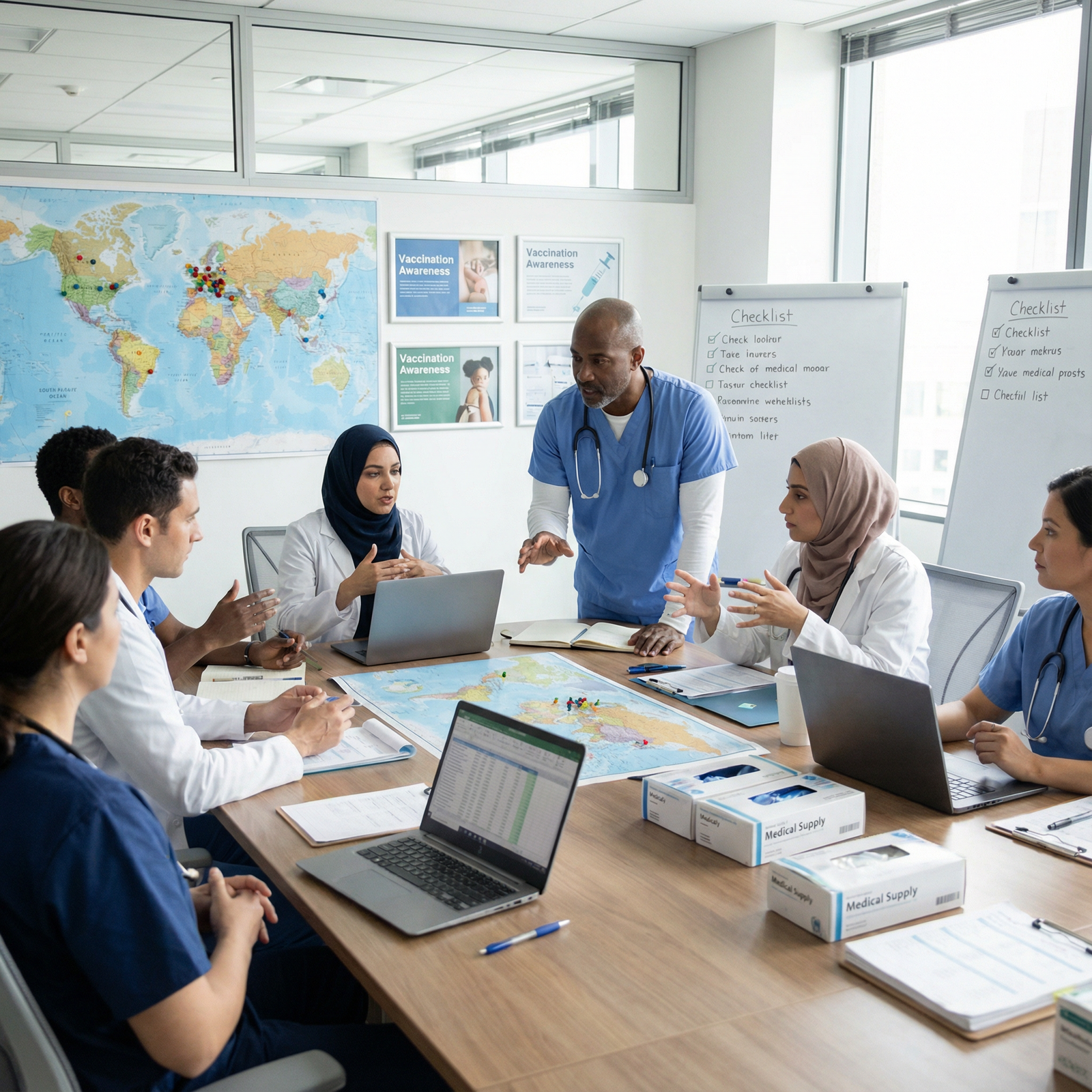
Thoughtful preparation can be the difference between a meaningful, ethical mission and a well-intentioned but harmful trip. Preparation spans logistics, clinical readiness, cultural understanding, and ethical reflection.
Choosing an Organization and Role Responsibly
Not all missions are created equal. Before committing:
Research the organization’s model
- Does it partner with local healthcare workers and institutions?
- Is there a focus on capacity building, not just short-term service?
- How do they ensure follow-up care after the team leaves?
Clarify your scope of practice
- Will you be working within your training and licensure level?
- Are there supervisors or mentors if you’re a trainee?
Assess safety and support
- Security protocols, evacuation plans, and insurance coverage
- Access to supervision, debriefing, and mental health support
Cultural Preparation: Learning Before Listening in Person
Cultural humility is a core competency in Global Health.
Dr. Julie’s homework before Southeast Asia
Before her first mission, Julie, a family medicine doctor, spent weeks:
- Reading about local health beliefs and traditional medicine
- Learning key phrases in the local language
- Studying common conditions: dengue fever, TB, malnutrition, maternal health issues
- Talking to diaspora communities from that region in her own city
She found that even simple gestures—greeting patients in their language, knowing local food staples when giving nutrition advice—significantly increased trust and openness.
Actionable steps for cultural preparation:
- Read country- and region-specific Global Health briefs (WHO, CDC, local Ministry of Health)
- Speak with previous volunteers and, ideally, local clinicians from that region
- Learn basic phrases: greetings, “Where is the pain?”, “Thank you,” “How many children do you have?”
- Reflect on your own cultural lens and implicit biases
Logistics and Clinical Readiness
Practical planning is critical, especially for Remote Medical Missions where resources are limited and resupply may be impossible.
Key logistical considerations:
Travel and access
- Multiple connecting flights, long drives, river crossings, or hikes
- Seasonal barriers (rainy season may render roads unusable)
Vaccinations and personal health
- Country-specific immunizations, malaria prophylaxis, and travel insurance
- Personal medications and contingency plans if you become ill
Supplies and equipment
- Portable diagnostics (e.g., handheld ultrasound, basic point-of-care tests)
- Medications appropriate to local formularies and guidelines
- Solar chargers, headlamps, backup batteries, water purification tools
As Dr. Thomas—a physician with experience in jungle clinics—puts it:
“The journey itself is half the story. One trip involved a bus, then a truck over unpaved roads, then crossing a river in a wooden canoe, and finally hiking the last few kilometers. Once you arrive, you realize everything you brought is all you have. Every bandage counts.”
Life on a Medical Mission: Clinical Work and Community Engagement
The daily rhythm of a Medical Mission is intense, often exhausting, and profoundly human. It blends high-volume clinical work with teaching, advocacy, and deep community interaction.
Setting Up: From Empty Rooms to Functional Clinics
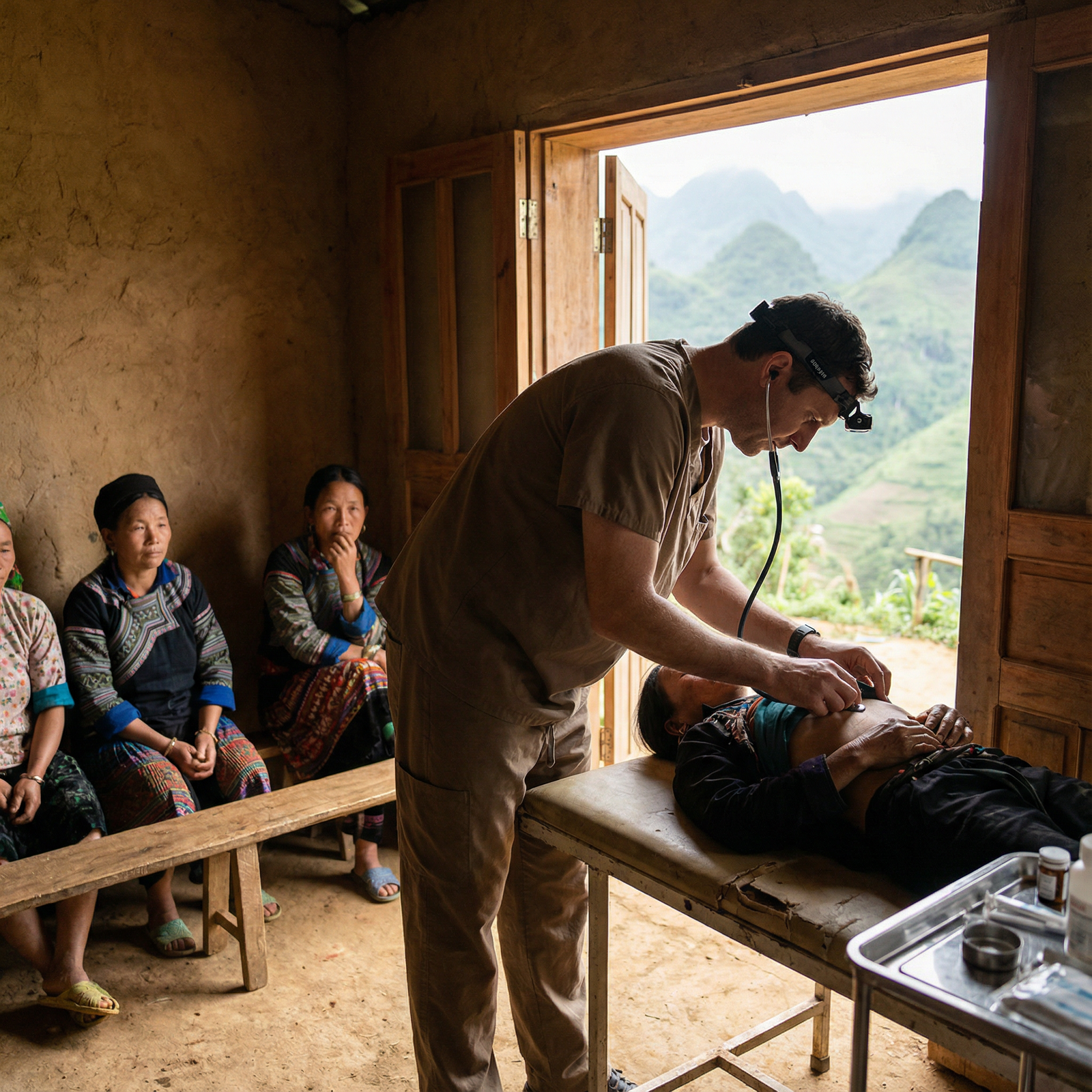
In many communities, clinics are temporarily housed in schools, churches, community centers, or even under large tents. Teams work alongside local staff to:
- Arrange triage, consultation, and pharmacy areas
- Set up areas for privacy (especially for reproductive health and mental health visits)
- Establish systems for patient flow, charts, and referrals
These ad-hoc clinics quickly become hubs of activity and hope, drawing people from surrounding villages who may walk or travel hours for care.
A Day in the Life: Dr. Ramirez in Rural Guatemala
In rural Guatemala, Dr. Ramirez’s day begins before sunrise:
05:30 – Quick breakfast and team briefing: triage plans, anticipated cases, safety updates
07:00 – Clinic opens; patients are already lined up outside—families with small children, pregnant women, elders with chronic pain, farmers with untreated injuries
Morning: Consultations and acute care
- Treating respiratory infections, diarrheal disease, skin infections, malnutrition
- Managing chronic diseases: hypertension, diabetes, asthma with limited medication options
- Counseling on family planning and prenatal care
Afternoon: Health education & Community Empowerment
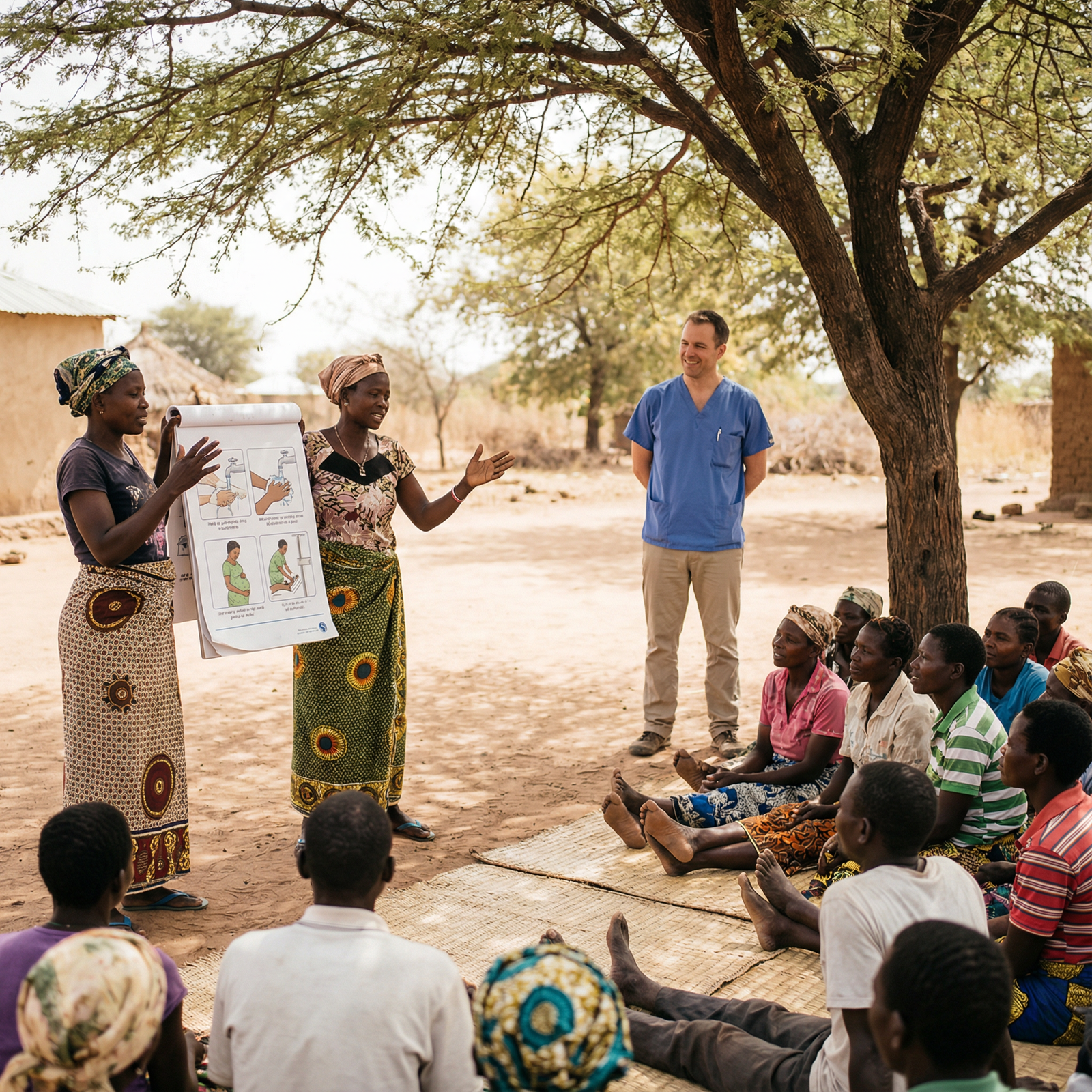
- Group sessions on handwashing, safe water storage, mosquito prevention
- Workshops with youth about sexual health, mental health, and substance use
- Training local health promoters to recognize danger signs in pregnancy or childhood illness
Evening: Debriefing and planning
- Reviewing challenging cases, documenting referrals, planning for the next day
- Emotional check-ins within the team: grief over cases they couldn’t fully treat, gratitude for small victories
Dr. Ramirez notes, “Every patient brings not just a diagnosis but a story—about labor conditions, migration, gender roles, and histories of trauma. You quickly see that medicine is inseparable from social context.”
Teaching and Capacity Building: Multiplying the Impact
Sustainable Global Health work emphasizes training and partnership over one-time interventions.
Examples of capacity building include:
Training local nurses and community health workers
- Basic emergency care (airway, bleeding control, sepsis recognition)
- Safe delivery practices and early newborn care
- How to monitor chronic conditions with limited resources
Supporting local clinics and health posts
- Helping develop simple triage protocols
- Strengthening vaccination outreach systems
- Co-creating referral pathways for emergencies
Dr. Karim, during his time in Kenya, spent afternoons mentoring local surgical staff in pre- and post-operative care, focusing on techniques they could continue without external teams. “The most important surgeries weren’t the ones I performed,” he reflects, “but the ones they became more confident to perform safely after I left.”
Challenges in Remote Medical Missions: Ethical, Practical, and Emotional Realities
Meaningful Volunteer Experience in Global Health is never simple. Honest reflection about the challenges is essential to avoid doing harm and to grow as a clinician and human.
Resource Limitations and Clinical Constraints
Common constraints include:
- Limited diagnostics: Often no CT, MRI, or even basic labs; decisions rest on history and physical exam.
- Medication shortages: Teams must prioritize and sometimes ration treatments.
- No advanced care: Critically ill patients may not have access to ICU-level care or specialist interventions.
Dr. Sarah describes the sobering moment of caring for a child with suspected sepsis in a setting without IV pumps, vasopressors, or intensive monitoring:
“You learn to focus on what you can do—fluids, antibiotics, oxygen if available—while being painfully aware of what is out of reach. It redefines your understanding of ‘standard of care’ in context.”
Cultural Differences and Trust Building
Local beliefs about illness and healing, gender roles, and traditional medicine influence how people engage with care.
Common challenges:
- Patients may initially prefer traditional healers and present late in their illness course.
- There may be suspicion of Western medicine or fear of procedures like surgery or vaccination.
- Certain topics—mental health, reproductive health, HIV—may carry heavy stigma.
Dr. Julie learned to approach these differences with curiosity:
“Instead of dismissing traditional remedies, I asked patients what they were using and why. We would discuss where these practices helped and where they might be harmful. That dialogue built trust and often allowed us to combine approaches safely.”
Emotional Toll and Moral Distress
Witnessing preventable deaths, entrenched poverty, and structural inequities can be emotionally overwhelming.
Common emotional experiences include:
- Moral distress: Knowing what could be done in a high-resource setting but being unable to provide it
- Feelings of inadequacy or guilt: Questioning whether a short-term mission is enough
- Vicarious trauma: Hearing repeated stories of violence, loss, or displacement
Healthy teams build in time for:
- Daily or weekly debriefings
- Peer support and mentorship
- Reflection on boundaries: understanding what is and isn’t within one’s control
Lasting Impact: From Short-Term Mission to Long-Term Community Empowerment
When designed thoughtfully, Medical Missions create ripple effects that outlast any single team’s presence and contribute meaningfully to Community Empowerment and health system strengthening.
Building Local Capacity and Sustainable Health Programs
The most impactful missions:
Prioritize local leadership
- Local physicians, nurses, and community health workers are central decision-makers.
- Foreign teams act as supporters, consultants, or trainers—not primary directors.
Create continuity of care
- Establish referral networks to nearby hospitals or clinics
- Design follow-up plans for chronic disease management after the mission ends
Support community-driven programs
- Clean water and sanitation projects
- Community-based maternal and child health programs
- School-based health education, vaccination campaigns
Many organizations now intentionally move away from one-off “medical brigades” toward multi-year engagements with the same communities, returning regularly and following outcomes over time.
Transforming the Clinician: Personal and Professional Growth
The impact of Remote Medical Missions on clinicians themselves can be profound and lasting.
Common transformations include:
Reframed career goals
- Choosing specialties aligned with Global Health or primary care
- Pursuing additional training in public health, health policy, or epidemiology
Heightened advocacy
- Engaging in health equity work in their home country
- Advocating for fair access to care, migrant health, or refugee health services
Deeper sense of purpose and humility
- A renewed understanding that medicine is about human connection, not only technology
- Greater appreciation for resource stewardship and interprofessional collaboration
As Dr. Sarah reflects, “I came back less obsessed with titles and academic metrics, and more committed to asking: ‘Who is still being left out of our health system—and what can I do, in my sphere of influence, to change that?’”
FAQs: Preparing for Ethical and Impactful Medical Missions
1. How can I get involved in a Remote Medical Mission as a medical student, resident, or physician?
Start by identifying reputable organizations with strong Global Health ethics and long-term Community Empowerment models. Examples include:
- Large NGOs (e.g., Médecins Sans Frontières/Doctors Without Borders, Partners in Health, Project HOPE)
- Academic Global Health partnerships between universities and hospitals abroad
- Faith-based or local NGOs with long-standing relationships in specific regions
Steps to begin:
- Clarify your goals: education, service, research, or long-term career exploration.
- Discuss with mentors who have Global Health experience.
- Ensure your role matches your level of training and licensure.
- Plan at least 6–12 months in advance for applications, fundraising, and logistics.
2. What skills are most valuable for participating in Medical Missions?
Beyond clinical knowledge, high-impact skills include:
- Strong history and physical exam abilities, especially with limited diagnostics
- Cross-cultural communication and interpreter use
- Flexibility, adaptability, and problem-solving with scarce resources
- Teaching and mentoring skills for capacity building
- Teamwork and conflict resolution within multidisciplinary, multicultural teams
For trainees, developing these skills before departure (through local underserved clinics, language study, or Global Health electives) can greatly enhance the Volunteer Experience.
3. How can I ensure my participation is ethical and not just “voluntourism”?
Ask critical questions before committing:
- Does the organization partner with local leaders and follow local guidelines?
- Are there clear mechanisms for continuity of care and follow-up?
- Will you work within your scope of practice with adequate supervision?
- Are local providers and patients involved in shaping the mission’s goals and activities?
- Does the mission prioritize training and systems strengthening, not just numbers of patients seen?
Be prepared to say no to opportunities that prioritize photo opportunities or statistics over sustainable, community-driven work.
4. What challenges should I expect during a Remote Medical Mission?
Common challenges include:
- Physical discomfort: heat, bugs, limited electricity or water
- Language barriers and reliance on interpreters
- Emotional strain from witnessing preventable suffering
- Resource limitations, forcing difficult triage decisions
- Navigating complex cultural beliefs and local politics
Preparation, humility, and good mentorship can help you navigate these challenges constructively.
5. How can Medical Missions influence my future career in Healthcare or Global Health?
Many clinicians find that missions:
- Confirm or reshape their specialty choice (e.g., choosing family medicine, pediatrics, OB/GYN, surgery with a global focus)
- Inspire careers in public health, health policy, or academic Global Health
- Inform their approach to caring for underserved or immigrant populations at home
- Deepen their commitment to advocacy and social determinants of health
Including well-reflected Global Health and Volunteer Experience in applications or interviews (for medical school, residency, or fellowships) can demonstrate maturity, resilience, ethical awareness, and a genuine commitment to health equity.
Remote Medical Missions, when grounded in ethics, partnership, and humility, offer a powerful pathway for both healing and learning. They remind us that Healthcare is not only about technologies and protocols, but about solidarity, listening, and the shared human desire for dignity and well-being—no matter how remote the village or how limited the resources.


