
Introduction: Why Education Is the Heart of Effective Medical Missions
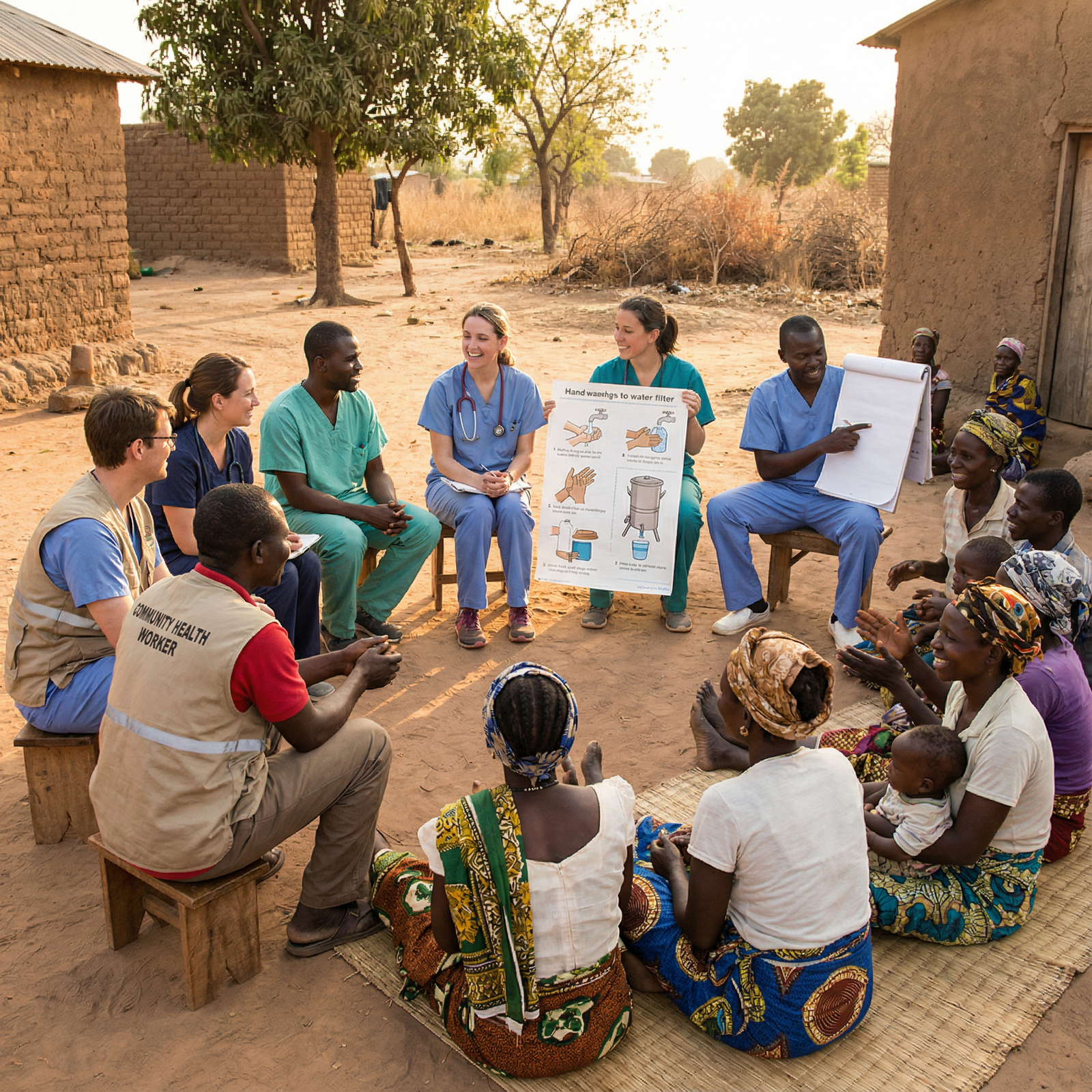
In an ever-changing global healthcare landscape, Medical Missions have become essential lifelines for underserved and marginalized communities. Teams of healthcare professionals travel to areas with limited Healthcare Access to provide clinical care, preventive services, and health screening. However, the most powerful—and sometimes underutilized—tool they bring is not equipment or medications, but education.
Health Education within medical missions is what transforms short-term outreach into long-term Community Empowerment. It builds local knowledge, shapes healthier behaviors, strengthens local systems, and supports Sustainable Health practices that endure long after the mission team leaves.
This article explores how education amplifies the impact of medical missions. You’ll find:
- Why education is crucial for long-term change
- Key components of effective educational strategies
- Practical tools and methods for frontline teams
- Real-world case studies demonstrating measurable impact
- Ethical and sustainability considerations for trainees and providers
Whether you are a medical student, resident, or early-career clinician considering international or domestic outreach, understanding the central role of education will help you plan missions that respect communities and create lasting change.
Why Education Matters in Medical Missions
From Short-Term Relief to Long-Term Community Empowerment
Most medical missions are time-limited—days to a few weeks. Without education, their impact often ends when the team departs. By contrast, when every clinical encounter is also a teaching moment, missions contribute to Sustainable Health and resilient communities.
Key reasons education is indispensable:
Increased Health Literacy
Health literacy is more than just knowing facts—it is the ability to obtain, process, and understand basic health information to make appropriate health decisions. Educational initiatives help community members:- Recognize warning signs (e.g., danger signs in pregnancy, stroke symptoms, severe dehydration in children)
- Understand the importance of medication adherence
- Navigate local health systems and know where and when to seek care
Driving Sustainable Behavioral Change
Behavior change is rarely achieved by a single clinic visit. Continued, context-sensitive education supports:- Improved hygiene and sanitation (e.g., handwashing with available resources, safe water storage)
- Safer sexual practices and family planning decisions
- Tobacco cessation and reduction of harmful alcohol use
- Regular physical activity using culturally acceptable, accessible methods
Better Use of Limited Resources
In low-resource settings, appropriate use of medications, diagnostic tests, and health services is critical:- Patients learn when antibiotics are (and are not) needed, reducing misuse and antimicrobial resistance
- Families understand how to use oral rehydration solution (ORS) correctly, potentially reducing hospitalizations
- Communities learn to recognize which conditions can be managed locally versus those requiring referral
Building Local Capacity and Ownership
When mission teams invest in training local health workers, teachers, and community leaders, they are not just “delivering care”—they are building local expertise:- Community health workers (CHWs) learn to conduct home visits, deliver group education, and triage basic conditions
- Local nurses and clinical officers receive targeted training in areas such as emergency obstetrics, NCD management, or pediatric triage
- Trusted community members become advocates who align health messages with cultural practices and beliefs
Tailoring Education to Local Needs and Realities
Effective Health Education depends on understanding what this specific community needs most and what is feasible in this context.
Common focus areas:
Infectious Disease Prevention and Control
In regions with high burden of malaria, TB, HIV, or neglected tropical diseases:- Demonstrating consistent bed net use and care
- Educating about early signs of malaria or TB and the importance of rapid evaluation
- Discussing how to reduce transmission risk in household and community settings
Maternal, Newborn, and Child Health
In many settings, preventable maternal and child deaths are driven by delayed care-seeking and limited knowledge:- Teaching danger signs in pregnancy (e.g., severe headache, bleeding, reduced fetal movement)
- Promoting early and exclusive breastfeeding and appropriate complementary feeding
- Demonstrating kangaroo care for preterm or low-birth-weight infants
Nutrition and Non-Communicable Diseases (NCDs)
With increasing rates of diabetes, hypertension, and obesity worldwide, even in low-income settings:- Using locally available foods to explain balanced nutrition
- Teaching label-reading where packaged foods are available
- Providing culturally appropriate examples of exercise and movement
Mental Health Awareness and Destigmatization
Mental health is often neglected or highly stigmatized:- Normalizing conversations around stress, depression, postpartum mood changes, and trauma
- Training community leaders to recognize when someone may need professional support
- Explaining that mental illness is a health condition, not a moral failure or spiritual punishment
Environmental and Occupational Health
Depending on the community, risk may come from:- Pesticide exposure in agricultural workers
- Unsafe mining or industrial practices
- Air pollution from indoor biomass fuel use
Education focused on harm reduction, use of protective equipment, and realistic safer practices can significantly reduce long-term morbidity.
Educational Strategies That Make Medical Missions More Effective
1. Transforming Clinical Encounters into Teaching Opportunities
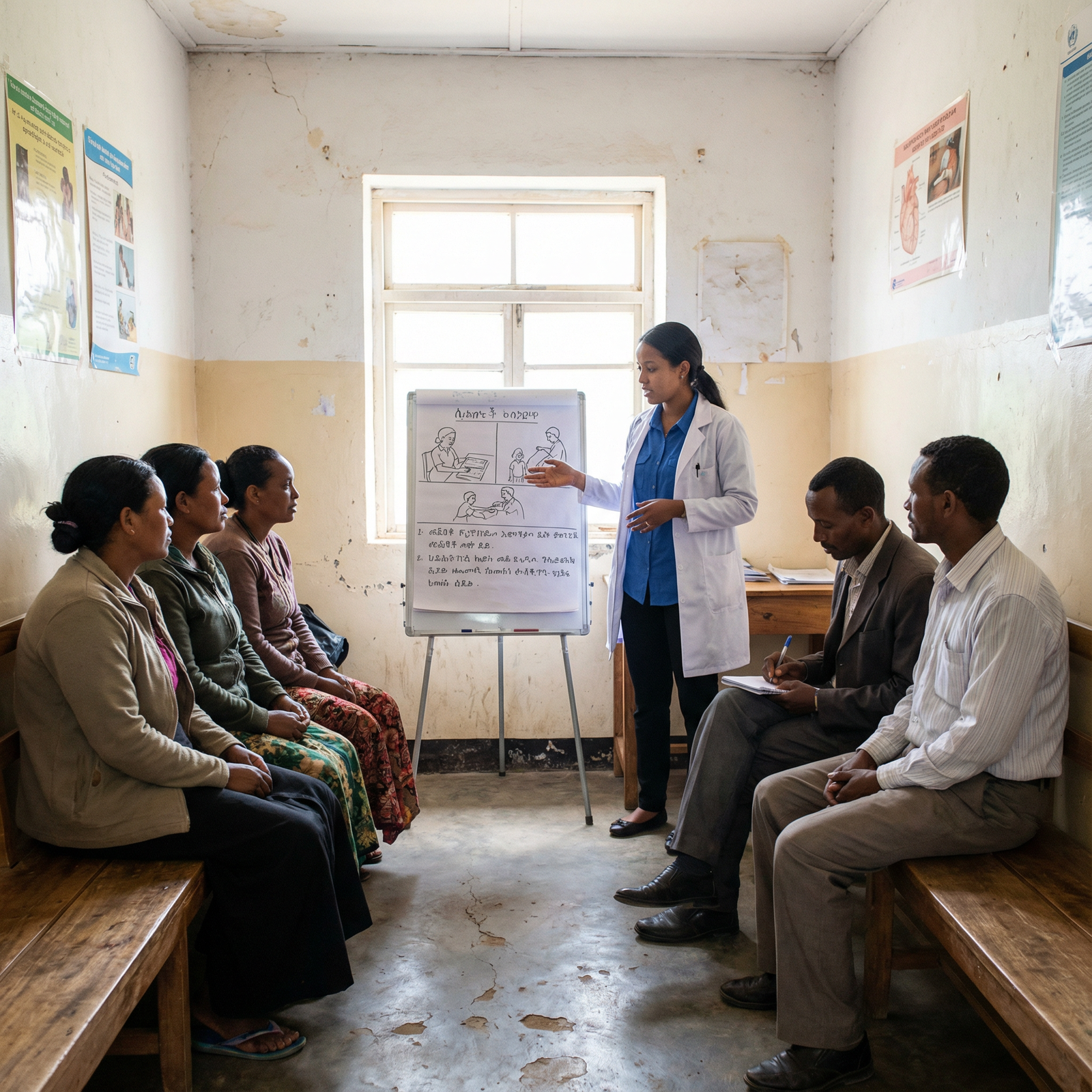
Every patient interaction can serve as a mini health class:
Teach-Back Method
After explaining a condition or treatment, ask the patient to repeat it in their own words. This:- Confirms understanding
- Identifies misconceptions early
- Encourages patients to ask clarifying questions
Condition-Specific Counseling
For example:- A patient with hypertension: discuss low-salt cooking methods using local foods, the dangers of stopping medications abruptly, and simple ways to monitor symptoms
- A caregiver with a child with diarrhea: practice mixing ORS, review signs of dehydration, and explain when to seek emergency care
Visual Aids and Analogies
Use pictures, simple diagrams, or culturally relatable analogies:- Comparing blood vessels to “water pipes” for explaining hypertension
- Using a “germ story” to explain hand hygiene and transmission
2. Community Workshops and Interactive Group Education
Group teaching is a powerful way to reach many people efficiently and to build peer support.
Effective group-based approaches include:
Demonstration Stations
Rotating small groups through stations (e.g., handwashing techniques, safe food storage, mosquito net use, newborn care) encourages active learning and practice.Role-Play and Storytelling
- Role-playing a family deciding whether to seek care when a child is ill
- Telling stories about a “typical” family navigating pregnancy, labor, and postpartum care
These methods make abstract concepts relatable and easier to remember.
School-Based Health Education
Working with local schools:- Teach age-appropriate topics such as hygiene, puberty, nutrition, and mental well-being
- Engage teachers as partners who can continue lessons after the mission ends
- Incorporate games, quizzes, and art projects to reinforce messages
3. Training Local Leaders and Community Health Workers
For Sustainable Health impact, the mission team’s role should gradually shift from primary providers to trainers and mentors.
Key elements of effective training programs:
Hands-On, Skills-Focused Sessions
Rather than lecture-heavy courses, focus on:- Practical triage and emergency response skills
- Correct use of common medications and devices (e.g., blood pressure cuffs, glucometers, partographs)
- Communication skills for counseling families and facilitating group sessions
Context-Appropriate Content
Design curricula around:- The resources locally available (e.g., what medications, labs, transportation options actually exist)
- The most common conditions seen in local clinics
- Existing national guidelines and task-shifting policies
Train-the-Trainer Models
Identify motivated local participants and invest extra time in:- Teaching them how to plan and deliver lessons
- Providing teaching materials they can adapt and reuse
- Encouraging them to mentor other community members
4. Collaborating with Local Institutions for Continuity
To avoid “parachute medicine,” education must be embedded in local structures.
Key partnership strategies:
Working with Clinics and Hospitals
- Co-create patient education materials in the local language
- Align educational messages with national protocols and facility workflows
- Support quality improvement projects that include patient education (e.g., for antenatal care, diabetes management)
Partnering with Schools, Faith-Based Organizations, and NGOs
- Integrate health messages into existing community gatherings (religious services, women’s groups, youth clubs)
- Coordinate with local NGOs running nutrition, water and sanitation, or agriculture projects to align health messaging
- Establish referral pathways so that individuals identified in education sessions can access services
Documentation and Feedback
- Share summarized findings with local stakeholders (e.g., main health concerns, common myths, participation numbers)
- Ask partners how educational content should be adjusted for future visits
- Involve local staff in evaluating what worked and what didn’t
5. Leveraging Low-Cost Technology Where Feasible
Even in resource-limited settings, basic technology can support education and follow-up:
Mobile Messaging
- SMS reminders for vaccination days, antenatal visits, or support group meetings
- Short health tips sent weekly in the local language
Digital Content
- Short videos on phones or tablets showing proper breastfeeding technique, inhaler use, or exercises
- Offline apps with clinical algorithms or health education libraries for CHWs
Radio and Community Media
Where mobile penetration is low, local radio:- Can broadcast health segments co-developed with local health authorities
- Offers an opportunity for Q&A segments and myth-busting
Real-World Examples: Education Transforming Health Outcomes
Case Study 1: Maternal and Child Health Training in Sub-Saharan Africa
A collaborative medical mission partnered with a rural district hospital and local health posts to improve maternal and newborn outcomes.
Educational Focus:
- Training nurses and midwives in essential obstetric care, including recognition of preeclampsia, postpartum hemorrhage protocols, and neonatal resuscitation
- Group antenatal classes for pregnant women on nutrition, birth preparedness, and danger signs
- Family planning counseling integrated into postnatal visits
Outcomes:
- Within a year, the region reported:
- A 30% reduction in reported maternal mortality in the supported facilities
- Increased facility-based deliveries
- Higher uptake of postpartum family planning
- Crucially, education and skill-building of local staff meant these gains continued even after the external team reduced their presence.
Case Study 2: Community-Based Nutrition and Lifestyle Education in Central America
In a region experiencing rising rates of obesity and diabetes, a mission partnered with local health workers to address NCDs through Community Empowerment.
Educational Activities:
- Cooking demonstrations using inexpensive local foods to prepare lower-salt, lower-sugar meals
- Community walking groups organized with local leaders
- Group visits for patients with diabetes or hypertension combining check-ups with structured education in small cohorts
Outcomes:
- Six months post-program:
- Participants self-reported dietary changes and increased physical activity
- Local clinics noted improved glycemic and blood pressure control in patients engaged in the group sessions
- The most sustainable change was the ongoing peer support groups, now led by community volunteers trained during the mission.
Case Study 3: Mental Health Awareness Initiative in South Asia
A mission team collaborated with local NGOs to address mental health stigma and limited service utilization.
Educational Strategy:
- Training community leaders, teachers, and religious leaders on recognizing depression, anxiety, and suicidal ideation
- Group dialogues framed within existing cultural and religious narratives that emphasized compassion and communal care
- Basic psychological first aid training for frontline community workers
Outcomes:
- Increased referrals to available counseling and psychiatric services
- More frequent open discussions of mental health in community forums
- Local leaders subsequently created peer support circles and school-based programs independent of future mission visits
Challenges and Ethical Considerations in Educational Medical Missions
Navigating Cultural and Language Barriers
Barriers to effective education include:
Language Differences
- Use trained interpreters whenever possible—not just bilingual volunteers—especially for sensitive topics
- Avoid medical jargon; use everyday vocabulary and images
- Validate understanding with teach-back rather than assuming nodding indicates comprehension
Cultural Norms and Beliefs
- Learn from local partners about health beliefs, gender roles, and decision-making dynamics
- Avoid dismissing traditional practices outright; where possible, build on or adapt beneficial aspects
- Frame health messages in ways that respect cultural and religious values to foster adoption rather than resistance
Resource and Time Constraints
Mission teams often face:
- High patient volumes and limited time for counseling
- Few printed materials or teaching aids
- Limited follow-up capacity
Mitigation strategies:
- Standardize short, high-yield messages for common conditions
- Develop or adapt simple, reusable visual tools (e.g., laminated cards, posters)
- Focus on training local educators who can continue the work after you leave
Ensuring Sustainability and Avoiding Dependency
Ethically sound medical missions:
Align with Local Health Priorities
- Coordinate with local health authorities and organizations to avoid duplicating or undermining existing programs
- Ensure educational content supports national or regional health strategies
Plan for Transition, Not Perpetual Foreign Involvement
- Set explicit goals for transferring responsibilities to local partners
- Share educational materials and adapt them for local ownership (logos, contact information, local languages)
Evaluate and Reflect
- Monitor attendance, engagement, and community feedback
- Assess which messages were retained and which practices changed
- As a trainee or resident, reflect on power dynamics, cultural humility, and the ethics of short-term work
FAQs: Education and Sustainable Impact in Medical Missions
Q1. As a medical student or resident, how can I meaningfully contribute to education on a medical mission?
Yes—if you prepare thoughtfully. You can:
- Develop simple, evidence-based teaching tools (e.g., posters, handouts) with supervision from your faculty or host partners
- Co-facilitate small-group sessions with local clinicians or community health workers
- Integrate short educational explanations into patient encounters (using teach-back) under supervision
Always prioritize learning from local experts, follow local guidelines, and avoid teaching beyond your scope or competence.
Q2. What types of educational materials are most effective in low-resource settings?
Effective materials are:
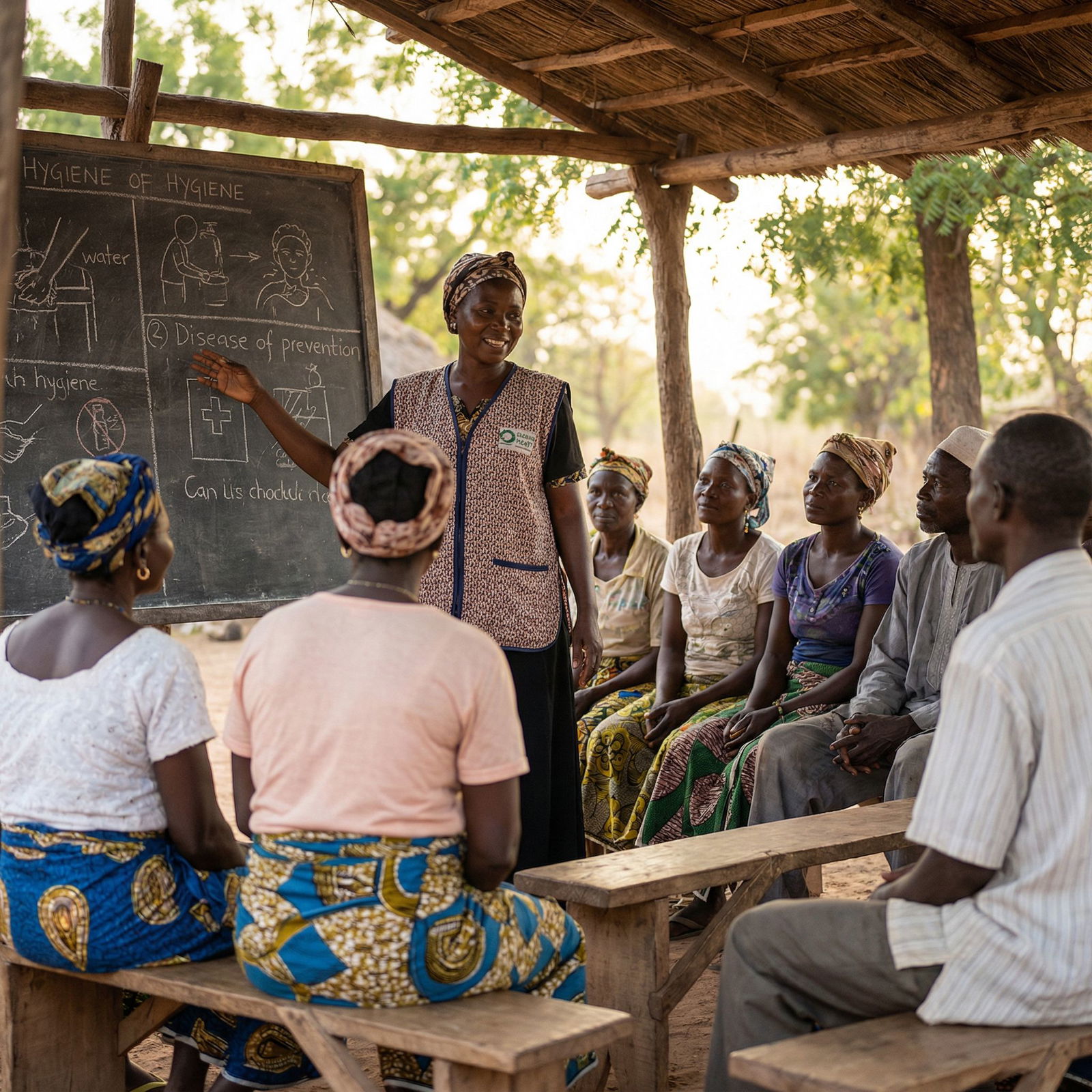
- Simple and visual: Picture-based flip charts, posters, and illustrated handouts
- Language-appropriate: Translated into the local language with pretesting for comprehension
- Culturally relevant: Using local foods, names, and scenarios
- Reusable and durable: Laminated or printed on thicker paper, minimal reliance on electricity or internet
Storytelling, demonstrations, and role-play often work better than text-heavy lectures.
Q3. How can communities sustain health education efforts after the mission leaves?
Sustainability depends on:
- Training and mentoring local health workers, teachers, and community leaders as ongoing educators
- Integrating education into existing structures (schools, clinics, religious groups, local NGOs)
- Leaving adaptable materials and ensuring local ownership (e.g., editable files, co-branding with local organizations)
- Establishing communication channels (e.g., periodic virtual check-ins, shared curricula) that support but do not control local efforts.
Q4. How does bilingual or multilingual education improve healthcare access and outcomes?
Bilingual or multilingual education:
- Ensures that critical health information reaches minority language groups often excluded from national campaigns
- Reduces misunderstandings about conditions, treatments, and preventive measures
- Improves trust and engagement, especially when materials and sessions are delivered in the community’s primary language
- Helps local health workers communicate more effectively with diverse populations in their catchment area.
Q5. What role can technology realistically play in health education during medical missions?
Technology can be powerful when matched to the context:
- In areas with mobile coverage: SMS reminders, simple health tips, and hotlines for questions
- With basic smartphones/tablets: Short offline videos demonstrating procedures (e.g., breastfeeding technique, inhaler use) or decision support apps for CHWs
- Through local radio or loudspeaker systems: Broad-reaching, low-cost health education campaigns
Mission teams should avoid introducing tools that cannot be maintained locally or that create dependency on external support.
By placing Health Education and Community Empowerment at the core of Medical Missions, healthcare professionals can move beyond episodic charity toward ethical, Sustainable Health partnerships. For trainees and residents, this mindset not only enhances your global health impact but also deepens your understanding of social determinants, cultural humility, and the real-world complexities of delivering care in diverse settings.


